

C1931 on 2017-2019 Mitsubishi Mirage G4: TPMS Reception Failure Causes and Fixes
Code C1931 on a 2017-2019 Mitsubishi Mirage G4 means the vehicle's computer has lost communication with the TPMS sensor in 'Tire 3', which is typically the left rear tire. This is a known issue acknowledged by Mitsubishi through multiple service bulletins. The most common cause is a failed TPMS sensor due to a dead battery (5-10 year lifespan). Replacement requires professional tools to dismount the tire and program the new sensor, costing around $50-$120 for the part.
- C1931 means the TPMS sensor for 'Tire 3' is not communicating with your 2017-2019 Mirage G4.
- The most likely cause is a failed sensor with a dead battery, a common issue for vehicles of this age.
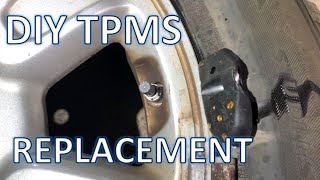
- This is not a DIY repair. The tire must be removed, and a special scan tool is required to program the new sensor to the car.
- Before replacing the sensor, ask your mechanic to check for signal interference and attempt to re-register the existing sensor, as per Mitsubishi's TSBs.
- This is a known issue that Mitsubishi has been actively investigating, so the problem may be more complex than just the sensor itself.
What's Unique About the 2017-2019 Mitsubishi MIRAGE G4
The 2017-2019 Mirage G4 is part of a model range for which Mitsubishi has issued multiple Technical Service Bulletins (TSBs) regarding this specific set of TPMS codes (C1911, C1921, C1931, C1941). Unusually, TSB TIN-19-31-001REVII instructs dealers to stop diagnosis and contact Mitsubishi's technical assistance line, indicating a complex issue the manufacturer was actively investigating for data collection. This suggests the problem may go beyond a simple dead sensor battery. Further, TSB TIN-18-31-002 notes that many replaced sensors were being returned with 'No Trouble Found,' pointing towards potential signal interference, registration issues, or control module faults rather than just a bad sensor.
Diagnostic Flowchart
Tap your situation to follow the diagnostic path that matches what you're seeing on this vehicle.
Symptoms You May Notice
- TPMS warning light flashes for approximately 60-90 seconds after starting the car, then remains illuminated.
- Inability of the system to display the tire pressure for the left rear tire.
- A 'TPMS Service Required' message may appear on the multi-information display.
- Replacing the TPMS sensor without attempting to re-register it first. A TSB specifically notes that many replaced sensors were found to have no fault, and the issue could have been a registration problem.
- Replacing a tire without also replacing the TPMS service kit 🎬 See how to replace sensors without using a tire machine. (valve stem, grommet, nut, core). A leaking seal can cause a slow leak that triggers a pressure warning, which might be misdiagnosed as a sensor issue, although this typically sets a pressure code, not a reception failure code.
Most Likely Causes
- Failed TPMS Sensor / Dead Battery 🔴 High Probability → Shop Tire Pressure Monitoring System (TPMS) Sensor The vehicle's model years fall within the typical 5-10 year lifespan of original TPMS sensor batteries. Mitsubishi has also issued TSBs specifically about these sensor communication failures, indicating a high frequency of this issue.
How to confirm: A professional tire shop or dealer can use a TPMS diagnostic tool to attempt to read the signal from each sensor. If the sensor for 'Tire 3' (left rear) does not respond or shows a low battery status, it has failed.
Typical fix: Replace the faulty TPMS sensor and perform the OBD-II relearn procedure to register the new sensor ID with the vehicle's computer.
Est. part cost: $40-$110 - Signal Interference 🟡 Medium Probability Mitsubishi TSB-12-31-001 and a Schrader TPMS bulletin both note that external electronic devices like phone chargers, dash cams, or GPS units plugged into the 12V outlet can transmit RF signals that interrupt the TPMS communication. This is a common issue across many vehicle makes, with owners on forums for other brands confirming that a cheap or faulty charger caused their TPMS light to come on.
How to confirm: Unplug all aftermarket electronic devices from power outlets. If the light turns off after driving for a period (may require a few drive cycles), interference was the likely cause. Note if the light appears only in specific geographic locations, which could indicate external RF interference.
Typical fix: Remove or relocate the interfering device. If the issue is a specific charger, replace it with a higher-quality, better-shielded unit. If the issue is location-based, it will resolve when the vehicle leaves the area.
Est. part cost: $0 - TPMS Receiver or Control Module Fault ⚪ Low Probability The fact that Mitsubishi instructed dealers to stop diagnosis and call a Techline for this code (per TSB TIN-19-31-001REVII) suggests a deeper, less common issue that could involve the central receiver (ETACS-ECU or KOS/OSS-ECU) or its software. This is the most expensive and difficult to diagnose cause.
How to confirm: This requires advanced diagnostics with a dealer-level scan tool (M.U.T.-III) after confirming all sensors are functional and there is no signal interference. The diagnostic procedure involves checking the CAN bus lines first before condemning the ECU.
Typical fix: Potentially reprogramming or replacing the control module (ETACS-ECU or KOS/OSS-ECU), as directed by dealer technical support. A replacement ETACS-ECU can cost several hundred to over a thousand dollars plus programming.
Est. part cost: $200-$600
Rare But Worth Checking
- CAN Bus Communication Error: Mitsubishi service information repeatedly advises checking the CAN bus lines with a M.U.T.-III scan tool before diagnosing individual TPMS components, as a network problem can incorrectly trigger TPMS codes like C1931.
- Sensor Registration / ID Unmatched: TSB TIN-18-31-002 specifically highlights that many sensors were replaced when the actual issue was a registration problem. The existing sensor may be perfectly fine but has lost its registration with the ECU. Attempting to re-register the ID should be a standard diagnostic step before replacement.
Diagnosis Steps
- Verify the symptom: Confirm the TPMS light flashes for about a minute on startup and then stays on. A solid light from startup usually indicates low pressure, not a system fault.
- Check for signal interference: Unplug all non-factory accessories from the 12V power outlets (phone chargers, dash cams, etc.) and drive the vehicle to see if the light extinguishes.
- Read the codes: Use an OBD-II scanner capable of reading chassis codes to confirm C1931 is present and note any other codes.
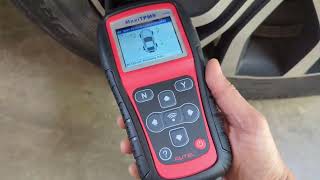
- Test the sensors: Use a dedicated TPMS tool to check the battery level and signal output of all four tire sensors. Confirm if the sensor for 'Tire 3' (Left Rear) is transmitting.
- Attempt Re-registration: Following the service manual procedure and per TSB TIN-18-31-002, use a scan tool to try and re-register the existing sensor ID for Tire 3 before assuming it's faulty.
- Inspect the Tire: If the sensor is not transmitting, have the tire dismounted to inspect the sensor for physical damage or check if it has come loose inside the tire. Per TSB TIN-17-31-001REV, Mitsubishi requires dealers to photograph the sensor's state (attached or loose) for warranty claims.
- Replace the Sensor: If the sensor is confirmed faulty or its battery is dead, replace it. It is highly recommended to replace the service kit (valve stem, nut, seals) at the same time.
- Program and Relearn: Install the new sensor, then use a compatible scan tool to perform the OBD-II relearn procedure, programming the new sensor's ID into the vehicle's TPMS module.
Parts You'll Likely Need
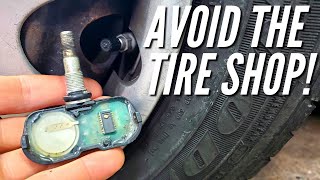
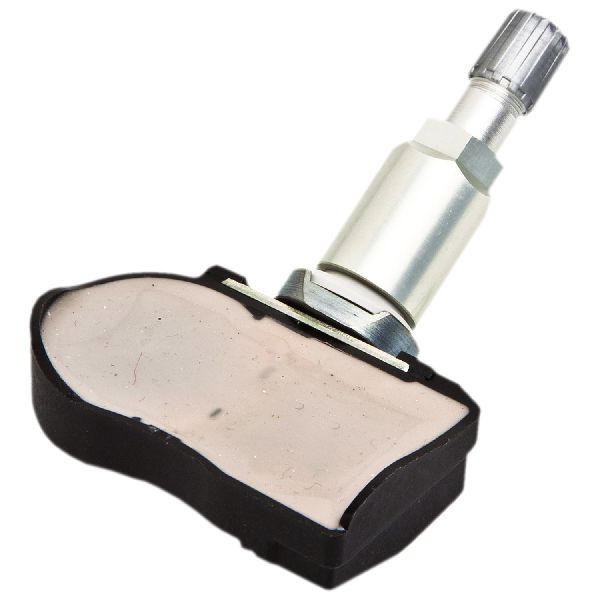
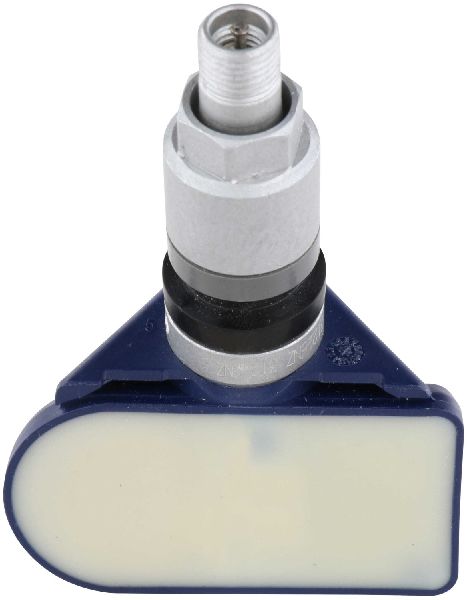
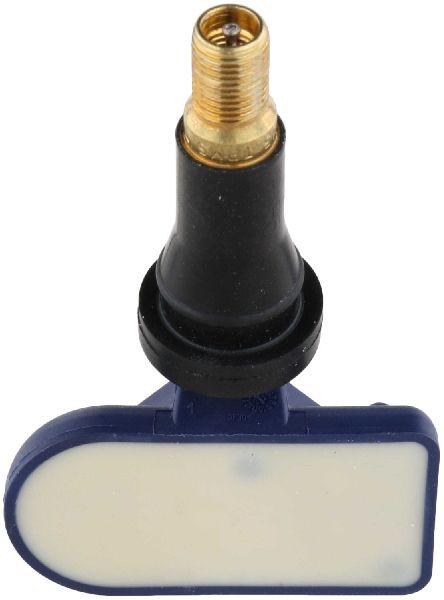
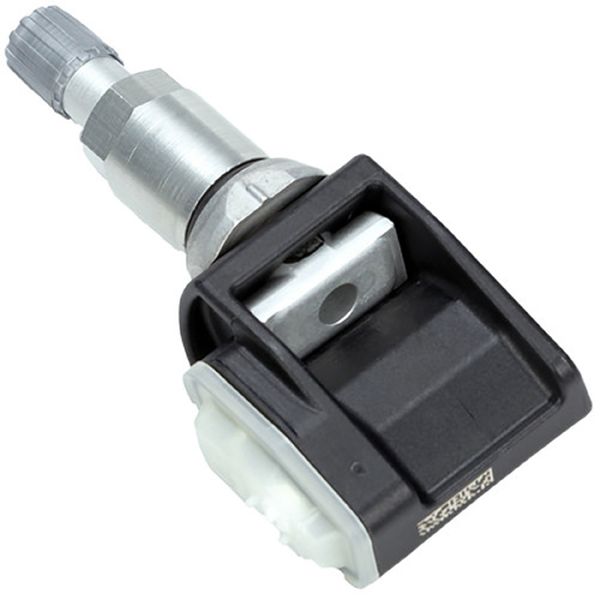
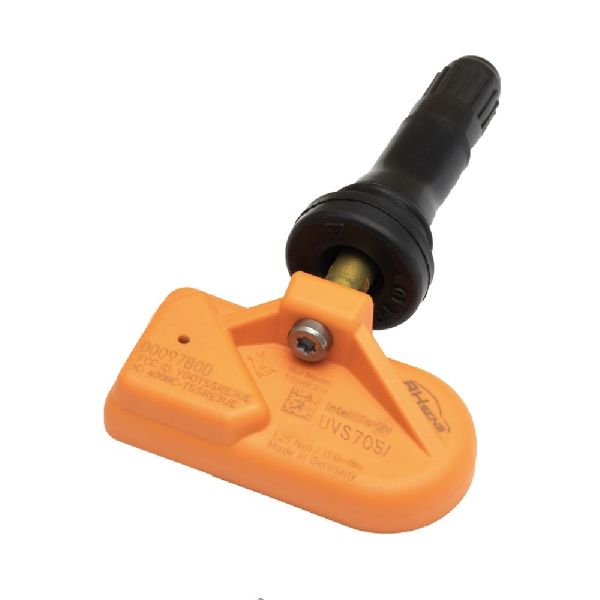
- Tire Pressure Monitoring System (TPMS) Sensor
(OEM #4250C275)— This is the most frequent point of failure, either due to a dead internal battery (typically 5-10 years) or electronic malfunction, causing the loss of signal that triggers code C1931.
Trusted brands: Schrader (often the OEM supplier), Continental/VDO, Denso, Huf, Autel, Standard Motor Products
OEM price range: $80-$120
Aftermarket price range: $40-$75
Related Codes That Often Appear With This One
- C1911 — This is the 'Tire ID Reception Fail' code for Tire 1 (Front Right).
- C1921 — This is the 'Tire ID Reception Fail' code for Tire 2 (Front Left).
- C1941 — This is the 'Tire ID Reception Fail' code for Tire 4 (Right Rear).
- C1930 — This code indicates a low battery voltage specifically for the Tire 3 sensor, which often precedes the C1931 reception failure.
Technical Service Bulletins (TSBs) & Recalls
- TIN-19-31-001REVII: Requests dealers stop diagnosis for C1911, C1921, C1931, or C1941 and contact Techline for a 'scramble opportunity' as Mitsubishi investigates the issue.
- TIN-18-31-002: Notes that many TPMS transmitters replaced for these codes were found to have no trouble, and advises re-registering sensors before replacement.
- TSB-12-31-001: Provides general information on the TPMS, noting that RF interference from accessories can cause reception abnormality DTCs.
Platform-Specific Known Issues
- Mitsubishi issued TSB TIN-19-31-001REVII, instructing dealers to stop diagnosis and contact the national Techline when encountering C1931 (or related codes), as the manufacturer wanted to perform on-site inspections of affected vehicles for data gathering.
- TSB TIN-18-31-002 highlights that many dealers were replacing TPMS sensors for this code, but subsequent investigation of the returned parts found 'No Trouble Found,' suggesting the root cause is often not a faulty sensor but a registration or interference issue.
- TSB TIN-17-31-001REV details a specific warranty process for this issue, requiring dealers to take photos of the sensor inside the dismounted tire to prove if it was attached or loose, indicating a high level of scrutiny by the manufacturer.
Mechanic-Grade Diagnostic Values
- TPMS Sensor Nut Torque — expected: 71 in-lbs (8.0 Nm). Failure: An improperly torqued nut can lead to air leaks or damage to the sensor.
- TPMS Valve Core Torque — expected: 3.5 in-lbs (0.4 Nm). Failure: An incorrect torque can cause valve core leaks.
- Tire Pressure for ID Registration (Deflation Method) — expected: Decrease tire pressure to 164 kPa (23.8 PSI) or less.. Failure: The sensor may not enter registration mode if the pressure is not reduced sufficiently.
Scan Tool Commands That Help
- M.U.T.-III (or equivalent advanced scan tool): TPMS ID Registration — This function is required after replacing a TPMS sensor or the KOS/ETACS-ECU. It writes the new sensor's unique ID to the vehicle's memory. The Mirage does not auto-learn.
- M.U.T.-III: Tire Pressure Sensor Check — Used as a preliminary diagnostic step to verify if the ECU can receive data from the currently registered sensors without initiating a full relearn procedure.
- M.U.T.-III: Data List Check: 'Registered ID reception, Tyre 1, 2, 3, 4' — After performing the ID registration, this data list item is used to confirm that the ECU is successfully receiving signals from all four newly registered sensors. The value should change from 'No' to 'Yes'.
Wiring & Ground Locations
- KOS/OSS-ECU — Component 'F' in service manual diagrams, typically located in the center console area or behind the dashboard.. For vehicles with Keyless Operation System (KOS), this ECU acts as the TPMS receiver. A fault in the ECU or its connections can cause reception failure codes.
- ETACS-ECU — Component 'G' in service manual diagrams, often integrated with the interior junction block (fuse box) under the driver's side dashboard.. For vehicles without KOS, this ECU is the TPMS receiver. A poor connection or internal fault can mimic a failed sensor.
- Ground Point G17 — Located behind the left kick panel, near the driver's side footwell.. A poor ground connection for the ETACS-ECU or related components can cause a variety of electrical issues, including communication faults that could trigger a C1931 code.
- KOS-ECU Connector C-10, Pin 4 — This is the ground terminal for the KOS-ECU.. Service procedures for KOS-ECU power issues specifically call for checking the integrity of this ground line to the body. A failure here would disable the receiver.
Real Owner Repair Stories
- Reddit user comments in r/MitsubishiMirage (Mitsubishi Mirage (year not specified, but applies to this generation)) — TPMS light would not turn off after having a tire sensor replaced at a used tire shop.
❌ Tried (didn't work) Driving the car for several days and for long distances, assuming it would 'auto-learn' the new sensor.
✅ What actually fixed it The owner had to return to a shop to have the new sensor's ID programmed directly to the car using an OBD-II tool. The key takeaway was that the Mitsubishi Mirage does NOT have a self-learning TPMS system.
"I Checked Everything" — The Actual Cause
- Per Mitsubishi TSB TIN-18-31-002, a common scenario is a technician replacing the TPMS sensor for code C1931, only for the issue to persist. Investigation of the returned 'faulty' sensors often revealed 'No Trouble Found.' The actual cause in many of these cases was not a bad sensor, but an issue with the sensor's ID registration in the vehicle's ECU. The correct first step after verifying the sensor is transmitting is to attempt to re-register its ID before condemning the part.
OEM Part Supersession History
4250C275→4250F187— Standard part revision/update.
Heads up: The correct frequency for the OEM sensor is 433MHz. Some aftermarket parts catalogs may incorrectly list 315MHz sensors for this vehicle, which will not work. Always verify the frequency before purchasing an aftermarket sensor.
Model Year Variations Within This Range
- 2017-2019: No significant variations in the TPMS system, its components, or diagnostic procedures were found within the 2017-2019 model year range for the Mirage G4. The system consistently uses either the ETACS-ECU (non-KOS models) or the KOS/OSS-ECU (KOS models) as the receiver.
Helpful Videos

![TPMS RESET PROCEDURE [MITSUBISHI VEHICLES]](https://img.youtube.com/vi/FfaL2t35I48/mqdefault.jpg)
We Have This Part in Stock

The information in this article is provided for general reference and educational purposes only. Vehicle specifications, procedures, and part compatibility can vary by production date, trim level, and region. Always consult your vehicle's factory service manual and verify part numbers before purchasing or performing repairs. Safety-critical components such as airbags, seat belts, and braking systems should be installed by a qualified professional.
- Mitsubishi MIRAGE G4:
- 🧭 Diagnostic Flowchart
- 🎬 Helpful Videos
- 🛍️ Shop This Part
- What's Unique About the 2017-2019 Mitsubishi MIRAGE G4
- Symptoms You May Notice
- Most Likely Causes
- Rare But Worth Checking
- Diagnosis Steps
- Parts You'll Likely Need
- Related Codes That Often Appear With This One
- Technical Service Bulletins (TSBs) & Recalls
- Platform-Specific Known Issues
- Mechanic-Grade Diagnostic Values
- Scan Tool Commands That Help
- Wiring & Ground Locations
- Real Owner Repair Stories
- "I Checked Everything" — The Actual Cause
- OEM Part Supersession History
- Model Year Variations Within This Range
- 🎟️ Get 5% Off