

C1941 on 2017-2019 Mitsubishi Mirage G4: TPMS Reception Failure Causes and Fixes
C1941 means the vehicle's computer has lost communication with the tire pressure sensor in the fourth tire ('Tire4'). While this could be a dead sensor battery, Mitsubishi issued service bulletins (TIN1931001REV, TIN-18-31-002) indicating this is a known issue, often misdiagnosed. The official dealer procedure is to contact Mitsubishi's technical support line before replacing parts, as the root cause is frequently a software or module issue with the KOS/OSS-ECU, not the sensor itself.
- C1941 means the TPMS receiver has lost contact with the sensor in 'Tire4'.
- Do not immediately replace the TPMS sensor. Mitsubishi TSBs state this part is often replaced by mistake.
- The official manufacturer procedure for this code is for a dealer to contact Mitsubishi's Techline for specialized diagnostic support.
- A flashing TPMS light indicates a system fault, not just low tire pressure. Always check tire pressures manually as a safety precaution.
- If a sensor is replaced, the Mirage G4 requires a manual relearn procedure with a scan tool; it will not relearn the new sensor automatically by driving.
What's Unique About the 2017-2019 Mitsubishi MIRAGE G4
On the 2017-2019 Mirage and Mirage G4, code C1941 is part of a pattern of known TPMS issues acknowledged by Mitsubishi. The manufacturer issued specific Technical Service Bulletins (TSBs) because dealers were frequently replacing TPMS sensors only to find the original parts had 'No Trouble Found' (NTF). This points to a systemic issue rather than a simple sensor failure. The problem often lies with the KOS/OSS-ECU, which acts as the TPMS receiver. As a result, Mitsubishi directs its own technicians to halt diagnosis and open a 'Techline case' for factory support when this code appears, highlighting the unique and potentially complex nature of this fault that may require a software update or module-level diagnosis.
Diagnostic Flowchart
Tap your situation to follow the diagnostic path that matches what you're seeing on this vehicle.
Symptoms You May Notice
- TPMS warning light flashing for 60-90 seconds at startup, then staying on solid.
- Inability to reset the TPMS warning light through the vehicle's menu.
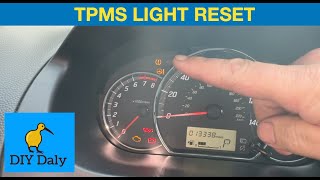
- The TPMS reset option in the instrument cluster menu may be grayed out or unresponsive. 🎬 See how to navigate the Mirage TPMS reset menu
- Replacing the TPMS sensor without proper diagnosis. The TSB TIN-18-31-002 explicitly states that many replaced sensors were found to have 'No Trouble Found,' meaning the original part was not faulty and the repair was unnecessary.
Most Likely Causes
- TPMS System Communication Fault (Per TSBs) 🔴 High Probability Mitsubishi issued TSBs TIN1931001REV and TIN-18-31-002 specifically for this issue on the Mirage/Mirage G4, noting that many replaced sensors had 'No Trouble Found,' pointing to a deeper system issue, likely within the KOS/OSS-ECU that serves as the TPMS receiver.
How to confirm: Confirming this requires following the dealer procedure: after verifying the code is active or stored, a 'Techline case' must be created with Mitsubishi for advanced diagnostics. The dealer may use a M.U.T.-III scan tool to check for software updates for the KOS/OSS-ECU.
Typical fix: The fix is determined by Mitsubishi's technical support and may involve software updates to the KOS/OSS-ECU or specific diagnostic procedures not listed in the standard service manual. In some cases, replacement of the KOS/OSS-ECU may be necessary.
Est. part cost: $0-$500 - Dead TPMS Sensor Battery 🟡 Medium Probability → Shop Tire Pressure Monitoring System (TPMS) Sensor TPMS sensor batteries have a finite lifespan of 5-10 years. Vehicles from 2017-2019 are now in the age range where battery failure is becoming common.
How to confirm: A professional tire shop can use a specialized TPMS tool to attempt to trigger the sensor and read its battery status. If the sensor does not respond, the battery is likely dead.
Typical fix: Replace the TPMS sensor for the affected wheel and perform the OBD-II relearn procedure. It is often recommended to replace all four sensors at once if they are original, as the others are likely to fail soon.
Est. part cost: $40-$80 - Radio Frequency (RF) Interference ⚪ Low Probability A Mitsubishi TSB (TSB-12-31-001) notes that external electronic devices like phone chargers, dash cams, or GPS units plugged into the 12V outlet can sometimes interrupt the TPMS signal from the sensors to the KOS/OSS-ECU.
How to confirm: Unplug all aftermarket electronic devices from the power outlets. Clear the codes and drive the vehicle to see if the code returns. If it does not, one of the devices was causing interference.
Typical fix: Remove or relocate the interfering device.
Est. part cost: $0
Rare But Worth Checking
- Faulty TPMS Receiver or Control Unit (ETACS/KOS/OSS-ECU): While less common than a sensor issue, the central receiver or body control module can fail, preventing it from receiving any sensor signals. This is typically diagnosed after confirming all sensors are transmitting correctly. On the Mirage, this function is integrated into the KOS/OSS-ECU.
- CAN Bus Communication Error: Service information warns that if there is a problem with the vehicle's CAN bus (the main communication network), incorrect TPMS codes may be set. This would usually be accompanied by other trouble codes from different modules.
Diagnosis Steps
- Verify the code with a scan tool capable of reading Mitsubishi-specific C-codes.
- Check for the primary symptom: TPMS light flashing on startup, then staying solid.
- Unplug any aftermarket devices from 12V power outlets to rule out RF interference.
- Use a TPMS diagnostic tool to attempt to activate the sensor for 'Tire4' and check its battery level, pressure, and temperature readings.
- If the sensor fails to activate, its battery is likely dead. The recommended fix is replacement and relearning.
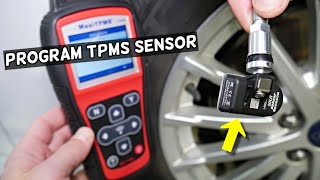
- If the sensor activates but the code remains, attempt to re-register the sensor ID to the vehicle using a compatible scan tool. The Mirage G4 requires a manual OBD-II relearn procedure; it does not learn automatically. 🎬 Watch: How to program and register a new TPMS sensor
- If the code is active or stored and the above steps do not resolve it, follow the manufacturer's TSB guidance: stop diagnosis and have a dealer create a 'Techline case' for further instruction from Mitsubishi.
- The dealer will likely use a M.U.T.-III scan tool to check the KOS/OSS-ECU for potential software updates, as this is a common fix for this specific issue.
Parts You'll Likely Need
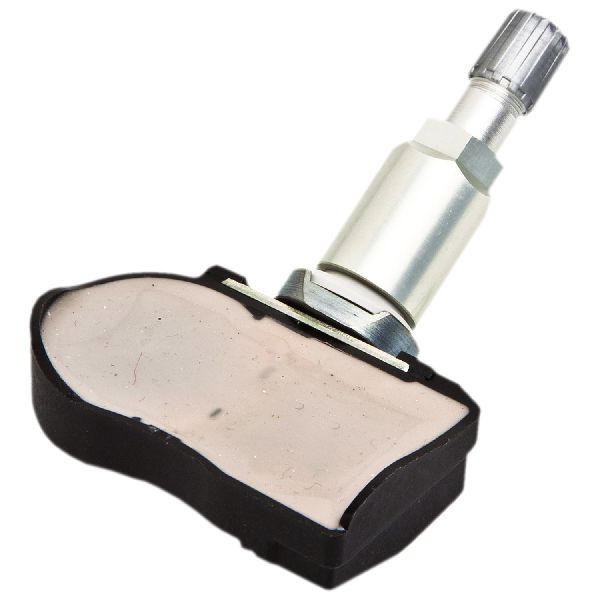
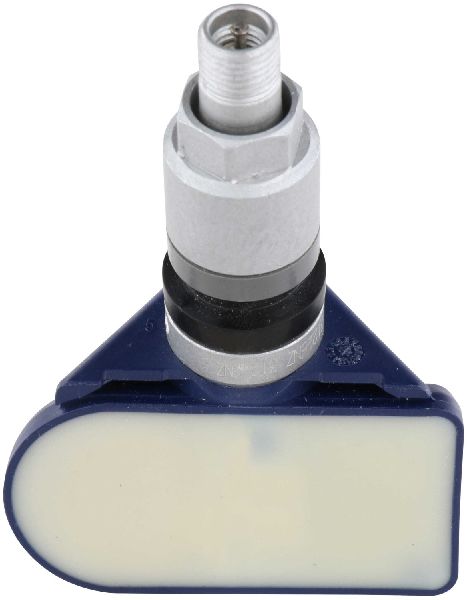
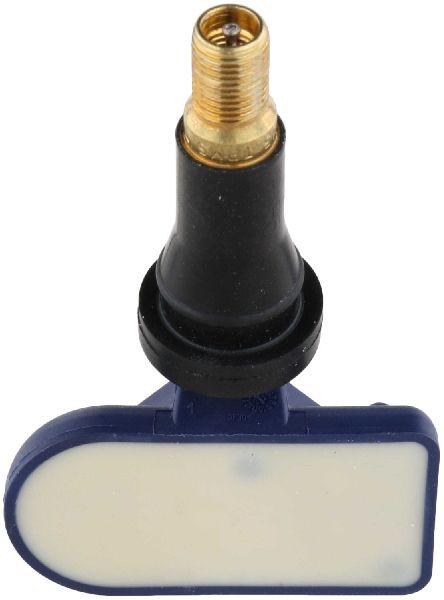
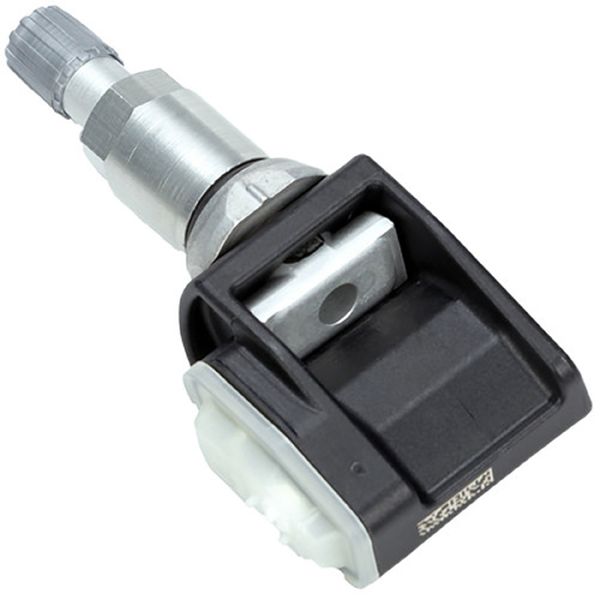
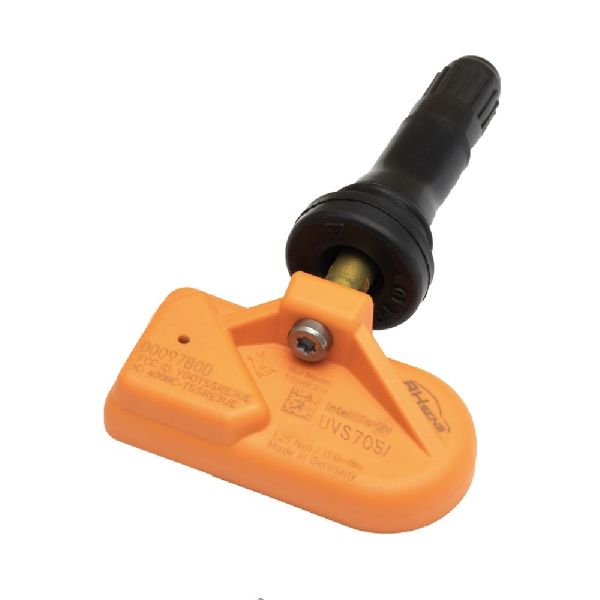
- Tire Pressure Monitoring System (TPMS) Sensor
(OEM #4250D585, 4250F167)— This is the most commonly replaced part, either due to a dead internal battery or a fault. However, it is often misdiagnosed per TSB TIN-18-31-002. Part number 4250D585 is known to supersede 4250C276.
Trusted brands: Schrader, Bosch, Autel, Mitsubishi Genuine
OEM price range: $60-$90
Aftermarket price range: $25-$50 - Keyless Operation System (KOS) ECU
(OEM #8637B977)— This module contains the TPMS receiver. Per Mitsubishi TSBs, the root cause of C1941 is often a fault within this unit or its software, not the tire sensor itself. The fix may be a software reflash or complete replacement.
Trusted brands: Mitsubishi Genuine
OEM price range: $250-$450
Aftermarket price range: N/A
Related Codes That Often Appear With This One
- C1911 — This code indicates a reception failure for 'Tire1'. It's common to see codes for other wheels if there is a systemic issue with the KOS/OSS-ECU receiver.
- C1921 — This code indicates a reception failure for 'Tire2'. It may appear alongside C1941.
- C1931 — This code indicates a reception failure for 'Tire3'. It may appear alongside C1941.
- C1940 — This code indicates a low battery voltage for the 'Tire4' sensor, which can be the root cause of the C1941 reception failure.
Technical Service Bulletins (TSBs) & Recalls
- TIN1931001REV: TPMS light on with 'tire ID reception fail' DTCs C1911, C1921, C1931, or C1941.
- TIN-18-31-002: TPMS reception issues where replaced transmitters often have 'No Trouble Found'.
- TSB-12-31-001: Notes that RF interference from accessories can cause TPMS communication issues.
Platform-Specific Known Issues
- TSB #TIN1931001REV: Instructs dealers to stop diagnosis and create a Techline case if C1941 (or C1911, C1921, C1931) is active or stored due to a 'tire ID reception fail' issue.
- TSB #TIN-18-31-002: Notes that for TPMS light issues with code C1941, many replaced TPMS transmitters were tested and found to have 'No Trouble Found,' indicating the sensor itself was not the problem.
- Systemic KOS/OSS-ECU Fault: The repeated misdiagnosis points to a deeper issue with the TPMS receiver module (KOS/OSS-ECU), which is often resolved at the dealer level via a software update or module replacement, as guided by Mitsubishi's Techline support.
Hidden / Shadow Codes Worth Checking
- B240A / B240B / B240C / B240D / B240E: Indicates an open circuit for the Driver side, Passenger side, Tailgate, Front indoor, or Rear indoor KOS antennas, respectively. Since the KOS-ECU acts as the TPMS receiver, a fault with one of its antennas could manifest as a TPMS reception failure. (see via A full system scan with a dealer-level tool like the Mitsubishi M.U.T.-III.)
Scan Tool Commands That Help
- Mitsubishi M.U.T.-III: Tire Pressure Sensor ID Registration — This function is required after replacing a TPMS sensor or the KOS-ECU. TSB TIN-18-31-002 also advises using this to re-register existing sensors as a diagnostic step *before* replacing them, as it can resolve communication issues.
- Mitsubishi M.U.T.-III: Special Function > TPMS ID Registration (in BCM or F.A.S.T./IMMO/Keyless/TPMS menu) — This is the specific menu path to initiate the relearn process. The tool puts the KOS-ECU into a learning mode, ready to receive IDs from each sensor as they are activated with a separate trigger tool (e.g., MB993012) or by dropping tire pressure.
- Mitsubishi M.U.T.-III: Data List > Registered ID reception, Tyre 1, 2, 3, 4 — After performing the ID registration, this data list item is used to confirm that the KOS-ECU is successfully receiving signals from all four registered sensors. The value should change from 'NO' to 'Yes'.
Wiring & Ground Locations
- KOS/OSS-ECU — Located in the driver's side footwell, typically integrated with or mounted behind the interior fuse box/junction block, to the left of the steering column.. This is the control unit that functions as the TPMS receiver. All communication from the tire sensors is processed here. A poor connection or faulty unit is a primary suspect per the TSBs.
- KOS-ECU Connector C-10 — The main electrical connector at the KOS-ECU module.. Service procedures for a non-communicating KOS-ECU specify checking this connector for loose, corroded, or damaged terminals. A bad connection here can cause a wide range of faults, including TPMS reception failure.
- KOS-ECU Ground — The ground circuit runs from terminal No. 4 of the KOS-ECU connector (C-10) to a body ground point. A likely ground point based on diagrams for this platform is G3 (right kick panel) or G5 (under left side of dash).. A poor or corroded ground connection for the KOS-ECU can cause intermittent and difficult-to-diagnose electronic issues, including the inability to receive or process signals from the TPMS sensors.
Real Owner Repair Stories
- Reddit user in r/MitsubishiMirage (Mitsubishi Mirage G4 (year not specified, but within platform range)) — TPMS warning light remained on after having a tire shop (Discount Tire) replace a sensor.
❌ Tried (didn't work) Replacing the TPMS sensor.
✅ What actually fixed it The issue was unresolved in the thread, but the user was correctly informed that the vehicle requires a specific reset/relearn procedure that the tire shop's tools could not perform. The dealer quoted $150 for the procedure, confirming that a proprietary tool (M.U.T.-III) is necessary to register the new sensor's ID with the car's computer.
"I Checked Everything" — The Actual Cause
- The core issue described in TSB TIN-18-31-002 follows this pattern. A technician would test the TPMS sensor in the tire and find it is transmitting perfectly (the equivalent of a 'smoke test clean' for this system). However, the code persists because the actual cause is not the sensor itself, but a communication breakdown or software issue within the KOS/OSS-ECU receiver, which the initial test does not check.
OEM Part Supersession History
4250C276→4250D585— Standard part revision or change in manufacturer. The reason is not publicly documented, but supersession often addresses minor issues or improves reliability.
Helpful Videos
![TPMS RESET PROCEDURE [MITSUBISHI VEHICLES]](https://img.youtube.com/vi/FfaL2t35I48/mqdefault.jpg)
We Have This Part in Stock

The information in this article is provided for general reference and educational purposes only. Vehicle specifications, procedures, and part compatibility can vary by production date, trim level, and region. Always consult your vehicle's factory service manual and verify part numbers before purchasing or performing repairs. Safety-critical components such as airbags, seat belts, and braking systems should be installed by a qualified professional.
- Mitsubishi MIRAGE G4:
- 🧭 Diagnostic Flowchart
- 🎬 Helpful Videos
- 🛍️ Shop This Part
- What's Unique About the 2017-2019 Mitsubishi MIRAGE G4
- Symptoms You May Notice
- Most Likely Causes
- Rare But Worth Checking
- Diagnosis Steps
- Parts You'll Likely Need
- Related Codes That Often Appear With This One
- Technical Service Bulletins (TSBs) & Recalls
- Platform-Specific Known Issues
- Hidden / Shadow Codes Worth Checking
- Scan Tool Commands That Help
- Wiring & Ground Locations
- Real Owner Repair Stories
- "I Checked Everything" — The Actual Cause
- OEM Part Supersession History
- 🎟️ Get 5% Off