

OBD-II Code C2120: A Comprehensive Guide to a Confusing Chassis Code
What C2120 means, why it triggers, and how to fix it on your specific vehicle
- Code C2120 has completely different meanings across brands, pointing to dead TPMS sensors on a Chevrolet, a faulty AWD Power Transfer Unit on a Jeep, or a failed airbag sensor on a Hyundai.
- On 1997-2004 Corvettes and other GM vehicles, C2120 indicates a total loss of TPMS signal, usually requiring a $180-$450 replacement of all four dead wheel sensors or a new RFA receiver module.
- For 2014-2024 Jeep and Fiat AWD models, C2120 flags a Power Transfer Unit (PTU) fault that is frequently solved by a 1-hour dealership software update rather than a $2,000 hardware replacement.
- Always use a manufacturer-specific OBD-II scanner to confirm your vehicle's exact C2120 definition before spending money on parts like $30 ABS relays or $150 TPMS modules.
What Does C2120 Mean?
Code C2120 is a chassis-related trouble code indicating a malfunction in a safety or control system. Its meaning is notoriously inconsistent across manufacturers. Depending on your car's make and model, this code points to a fault with the Anti-lock Brake System's pump, a complete signal loss from the Tire Pressure Monitoring System (TPMS), a Power Transfer Unit (PTU) failure in All-Wheel Drive systems, or an airbag system issue. Identifying the correct definition for your specific vehicle is the critical first step.
Technical definition: The Society of Automotive Engineers (SAE) lists C-codes as chassis-related faults. However, the specific definition for C2120 is not universal and varies significantly by manufacturer. The most common definitions are: * **General/Multiple Manufacturers:** Servo Pump Relay Circuit Malfunction * **General Motors (Chevrolet, Cadillac, GMC):** TPM System Malfunction (No Sensors Received) * **Jeep:** Indicates a Control Module Internal Fault (often in the multimedia module), a Bluetooth antenna circuit fault, an airbag 'Deployment Commanded' status, or a Power Transfer Unit (PTU) motor circuit fault. * **Fiat/Chrysler:** Motor 2 Circuit Malfunction (related to the Power Transfer Unit in AWD models). * **Hyundai (Sonata):** Side Impact Sensor (Airbag System) fault.
Can I Drive With C2120?
Yes, But With Caution. Yes, but with caution. Your vehicle's primary hydraulic brakes still function, allowing you to stop. However, this code signifies that critical safety systems like Anti-lock Brakes (ABS) and Electronic Stability Control (ESC) are disabled. This increases the risk of wheel lock-up and loss of steering control during emergency braking, especially on wet or slippery surfaces. It also means the vehicle cannot automatically correct for a skid. Driving should be limited to reaching a repair shop.
Common Causes
- Dead Batteries in All TPMS Sensors (Very Common) — For cars using the TPMS definition (like many GM vehicles), this is a top cause. TPMS sensors have small, non-replaceable batteries that last 5-10 years. When they all die around the same time, the car's receiver gets no signal from any wheel, triggering the code.
- Faulty ABS/ESC Pump Relay (Very Common) — This is a common failure for vehicles where C2120 points to the brake system. The relay is a small electronic switch that powers the ABS pump, and it wears out or fails, preventing the pump from running.
- Faulty TPMS Receiver or RFA Module (Common) — The module that listens for signals from the wheel sensors fails. On some cars, this receiver is part of the Remote Function Actuation (RFA) module, which also handles keyless entry.
- Blown Fuse for ABS Pump or Control Module (Common) — A simple blown fuse cuts power to the ABS pump or its control relay, causing the system to report a fault. Modern ABS systems often have two fuses: a smaller one for the module and a large-amperage one (40A+) for the pump motor.
- Incorrect TPMS Sensors Installed (Common) — Particularly on older vehicles like the C5 Corvette, owners install TPMS sensors meant for a newer generation. These sensors operate on a different radio frequency and cannot communicate with the vehicle's receiver.
- Corroded or Damaged Wiring/Connectors (Less Common) — Wiring leading to the ABS pump, its relay, the PTU, or the TPMS module becomes damaged from road debris, moisture, or heat, causing a short or open circuit. Water intrusion at connectors is a known issue causing various electrical faults.
- Aftermarket Component Interference (Less Common) — Aftermarket electronic components like unshielded LED lights, dash cameras, or phone chargers create radio frequency (RF) interference, disrupting the signal between the TPMS sensors and the receiver module.
- Failed ABS Pump Motor (Rare) — The electric motor for the ABS pump itself fails. This is a serious and expensive repair compared to a simple relay or fuse.
- Faulty ABS/Chassis Control Module (Rare) — The computer that controls the entire system fails internally. This is the last thing to suspect after all other components have been checked.
Symptoms
- ABS Warning Light On — This is the most common symptom. The light indicates the Anti-lock Braking System is offline.
- Traction Control (ESC/VDC) Light On — Since traction and stability control rely on the ABS pump and sensors, this light almost always comes on with the ABS light.
- Tire Pressure Monitoring System (TPMS) Warning — If the code is related to the TPMS, you see a message like 'Service Tire Monitor System' on the driver information center.
- AWD/4WD Service Light On — On affected Jeep or Fiat models, a fault in the Power Transfer Unit illuminates the all-wheel-drive system warning light.
- Airbag (SRS) Warning Light On — For specific Hyundai models, this code triggers the airbag light, indicating a fault in the supplemental restraint system.
- No Response from ABS/Traction Control — During a hard stop on a slippery surface, the wheels lock up instead of the pulsing sensation of ABS. Likewise, the traction control does not intervene if the wheels spin during acceleration.
- Keyless Entry Remote Not Working — On some GM vehicles, the TPMS receiver is the same one used for the key fobs. If both systems fail at the same time, the receiver module (RFA) is the likely culprit.
Diagnostic Flowchart
Tap your situation to follow the diagnostic path that matches what you're seeing on this code.
Common Fixes & Costs
- Replace All Four TPMS Sensors — Parts: $100-$250, Labor: $80-$200 (includes mounting, balancing, and programming), ~2.0 hr book time (Professional)
- Replace ABS/ESC Pump Relay — Parts: $10-$40, Labor: $0-$50, ~0.2 hr book time (DIY)
- Replace Remote Function Actuation (RFA) Module — Parts: $150-$350, Labor: $100-$200 (requires programming), ~1.2 hr book time (Professional)
- Replace Hyundai Side Impact Sensor (95920-C2100) — Parts: $290-$415, Labor: $100-$200, ~1.5 hr book time (Professional)
- Repair ABS Control Module — Parts: $100-$300 (for a mail-in repair service), Labor: $150-$300 (for removal and reinstallation), ~2.0 hr book time (Professional)
- Replace ABS Pump and Module Assembly — Parts: $800-$2000+, Labor: $250-$500, ~2.5 hr book time (Professional)
Used vs. New Parts: Buying Guide
When a used part is worth it: Used electronic modules (ABS, RFA) from a reputable supplier with a warranty offer significant savings ($200 used vs. $1000+ new). This is a good option for older, high-mileage vehicles where the cost of a new OEM part is prohibitive.
Donor-vehicle mileage cap: roughly under 100000 miles for the part to have meaningful remaining life.
Donor quality checklist:
- Buy from a supplier that tests parts on the original vehicle and offers a warranty (90 days to 1 year is common).
- Match the part number exactly. Many modules are VIN-specific and require professional programming to work in your vehicle.
- Avoid buying used wear items like TPMS sensors; their batteries have a limited lifespan of 5-10 years and are not replaceable.
Decision logic:
- If The part is a simple relay or fuse → Buy new; the cost is minimal.
- If The part is an electronic module (ABS, RFA) and budget is a primary concern → A tested, warrantied used part or a professional rebuild service for your original module are viable options.
- If The part is a safety component like an airbag sensor or a wear item like a TPMS sensor → Favor new OEM or high-quality OEM-equivalent parts to ensure reliability and lifespan.
Warranty tradeoff: Used parts typically have a 30-90 day warranty. Remanufactured modules often come with a 1-year to lifetime warranty. New aftermarket parts offer 1-3 years, while new OEM parts carry the manufacturer's warranty.
Worst-case if a used part fails: $300-$600 if a used module fails after installation, requiring repeat labor costs for removal, reinstallation, and potential programming.
What Happens If You Wait — Timeline
- Immediate (Day 1): The ABS, ESC, and/or TPMS warning light comes on. The corresponding safety system (ABS, Stability Control, AWD) is disabled by the vehicle's computer. Basic braking is unaffected. (MPG impact: 0%% · Added cost: $0)
- 1 week - 3 months: If the cause is a TPMS fault, you are unknowingly driving without a low-pressure warning, increasing the risk of a tire blowout. If the cause is a stuck-ON ABS relay, the ABS pump motor runs continuously, heading towards burnout. If the cause is a disabled ABS/ESC system, the driver becomes accustomed to the warning light and forgets the safety systems are offline. (MPG impact: 1-5% (if driving on an underinflated tire)% · Added cost: $250-$500 (for tire/wheel damage from a blowout) OR $1,500+ (if ABS pump burns out).)
- 3 - 6 months: A continuously running ABS pump motor fails, turning a $30 relay fix into a $1,500+ repair. A minor wiring corrosion issue spreads, affecting other nearby systems. The vehicle fails any state safety inspection checking for ABS or SRS warning lights. (MPG impact: 0%% · Added cost: $1,500-$2,500)
- 6+ months: The primary risk becomes the inevitable emergency situation (panic stop, evasive maneuver on a wet road) where the disabled ABS or Stability Control is needed and isn't there, leading to a loss of control and a preventable accident. The cost of the resulting accident far exceeds the original repair cost. (MPG impact: 0%% · Added cost: $5,000+ (Cost of insurance deductible and collision repair))
Cost of Not Fixing It
- Immediate: Disabled ABS, traction control, and/or stability control. This results in a significantly increased risk of losing vehicle control and having an accident during emergency braking or on slippery surfaces. (Added cost: Potential cost of an accident.)
- 0-6 months: If the fault is with the TPMS, you risk driving on a dangerously underinflated tire, which leads to a blowout and damage to the tire and wheel. If the fault is with the SRS system (Hyundai), airbags will not deploy in a crash. (Added cost: $200-$1000+ (for a new tire and wheel).)
- 6+ months: Continued driving with a malfunctioning ABS system leads to further damage to related components. A constantly running ABS pump motor (due to a stuck relay) burns itself out, turning a cheap relay fix into an expensive pump replacement. (Added cost: $1500-$2500+)
Diagnosis Steps
- Confirm Vehicle-Specific Definition
Before starting any diagnosis, use a professional scan tool or repair database to find out if your specific make, model, and year defines C2120 as a TPMS fault, an ABS pump circuit fault, an AWD issue, or an SRS fault. This step is non-negotiable and determines your entire diagnostic path.
Tools: OBD-II scanner with manufacturer-specific definitions, repair manual/database (Beginner) - Check Fuses
Locate the fuse box(es) in your owner's manual. Find all fuses labeled for the ABS, ESC, VDC, TPMS, SRS, or chassis control module and inspect them. Many ABS systems have two fuses: a low-amp module fuse and a high-amp (e.g., 40A) pump motor fuse. Replace any that are blown.
Tools: Owner's manual, fuse puller or needle-nose pliers (Beginner) - Attempt TPMS Relearn Procedure (If Applicable)
If your vehicle uses the 'TPMS' definition, follow the owner's manual procedure to retrain the tire pressure sensors. If the procedure fails for all tires, it points to a bad receiver, a global signal issue (like interference), or that all sensor batteries are dead.
Tools: Owner's manual, possibly a TPMS relearn tool (Intermediate) - Inspect and Swap the ABS Pump Relay (If Applicable)
If your vehicle uses the 'Servo Pump' definition, locate the ABS pump relay in the fuse box. Look for signs of scorching or melted plastic. Swap it with an identical relay from a non-essential system (like the horn) to see if the problem goes away. This is a quick and effective test.
Tools: Owner's manual (Beginner) - Inspect Component Grounds
A poor ground connection causes as many problems as a bad power feed. Locate the primary ground point for the ABS module, TPMS receiver, or other implicated component. Remove the bolt or nut, clean the contact surfaces of the terminal and chassis down to bare metal, and re-secure it tightly. A voltage drop test on the ground side should show less than 0.2 volts (200mV) with the circuit operating.
Tools: Socket set, wire brush/sandpaper, multimeter (Intermediate) - [PRO TIP] Test the ABS Relay Socket with a Multimeter
For ABS pump faults, remove the relay. With the key on, use a multimeter to test the terminals in the socket. You should find one terminal with battery voltage (12V+). This is the main power feed. If no power is found, the issue is upstream in the wiring or fuse. Next, have a helper activate the ABS pump with a scan tool and check the relay's control circuit terminal; it should show voltage when the module commands the relay on. No command voltage points to a wiring or module issue.
Tools: Multimeter, vehicle-specific wiring diagram (Advanced) - [PRO TIP] Test ABS Relay and Pump Motor Resistance
With the relay removed, use a multimeter in Ohms (Ω) mode. A functional relay coil (terminals 85 and 86) should have a resistance between 50 and 120 Ohms. The switched side (terminals 30 and 87) should show infinite resistance (OL) when off. To test the ABS pump motor itself, disconnect its connector and measure the resistance between its power and ground terminals. A good motor typically shows very low resistance, under 5 Ohms. A reading of infinite resistance (OL) indicates an open circuit in the motor windings.
Tools: Multimeter, wiring diagram (Advanced) - [PRO TIP] Diagnose TPMS Radio Frequency (RF) Interference
For TPMS faults where sensors are known to be good, suspect RF interference. Turn off all aftermarket electronics (phone chargers, dash cams, LED lights, etc.). Clear the C2120 code and drive to see if it returns. If it doesn't, turn on one accessory at a time until the fault reappears to find the culprit. In a workshop, a spectrum analyzer visualizes RF noise near the TPMS receiver.
Tools: None (for basic test), Spectrum Analyzer (for advanced test) (Advanced) - Check for Power at the ABS Pump or Faulty Component
If the relay and its circuit are good, check for power at the component connector itself (e.g., ABS pump, PTU motor). If the relay clicks but there is no voltage at the pump, there is a break in the wire between the relay and the pump. A voltage drop test confirms high resistance in the circuit.
Tools: Multimeter, vehicle-specific wiring diagram (Advanced)
When This Code Triggers (Freeze-Frame Conditions)
- System Self-Test: On (The code is most often set during the vehicle's power-on self-test (POST). The ABS, SRS, and TPMS modules all perform an internal check immediately after the ignition is turned on.)
- Vehicle Speed: 5-15 mph (For ABS pump circuit faults, the code often sets when the ABS module performs its first hydraulic pump self-test, which typically occurs at a low speed during the first minute of driving.)
- Time Since Ignition On: 10-20 minutes (For TPMS 'no sensors received' faults, the module waits for a set period of driving time before logging the code, to ensure it wasn't a temporary signal loss.)
- Battery Voltage: 11.5-14.5V (The fault typically occurs when the main vehicle battery is providing normal operating voltage, distinguishing it from issues caused by a low or dead car battery.)
Related Codes
- C2121, C2122, C2123, C2124 — On GM and Toyota vehicles, the C212x series of codes relate to the TPMS. C2120 means 'No Sensors Received'—a total system failure. In contrast, C2121-C2124 pinpoint a problem with a *specific* sensor (e.g., C2121 for Left Front). If you have a C2121, the problem is one sensor; if you have C2120, the problem is likely the receiver or all sensors simultaneously.
- U1016 / U1064 — These are network communication codes meaning 'Loss of Communication with PCM' or 'BCM'. If C2120 appears with a U-code, the root cause is a broader network failure, not an isolated component. The U-code indicates a control module stopped talking on the vehicle's network, and the C2120 is just one resulting symptom. Diagnose the U-code first.
- C1227 — This code for 'Left Rear Excessive Wheel Speed Variation' is triggered as a consequence of the main ABS/TCS module setting code C2120 and shutting down, causing the system to misinterpret wheel speed data. However, it is also caused by a faulty wheel speed sensor or wiring on its own.
- C1281 — On Corvettes, this code for 'Steering Sensor Uncorrelated Malfunction' often appears with C2120 and other communication codes. This indicates a broader electrical problem, a failing EBCM (Electronic Brake Control Module), or a bad ground affecting multiple systems, rather than a single component failure.
Climate & Environmental Factors
- Cold Weather: Cold temperatures significantly impact battery performance. For TPMS-related C2120 codes, a common trigger is when aging sensor batteries can no longer provide sufficient voltage in the cold, causing them to stop transmitting. The issue disappears as the tires and sensors warm up. This is a strong indicator that the sensor batteries are near the end of their 5-10 year lifespan.
- Humidity and Moisture: In humid climates or areas with significant road salt use, moisture penetrates wiring connectors and fuse boxes. This leads to corrosion on electrical terminals, causing high resistance or short circuits that trigger a C2120 code, particularly for ABS pump or PTU motor circuit faults.
How to Talk to a Mechanic About This Code
Say this: "I have a C2120 chassis code and a [ABS/TPMS/SRS/AWD] light on my [Make/Model]. I know this code has different meanings, so I'd like to schedule a diagnostic to confirm which system is at fault before we discuss any repairs. Can you please start by identifying the manufacturer-specific definition for my vehicle?"
This language shows you've done your research and understand the code's complexity. It directs the shop to perform a proper diagnosis first, preventing them from jumping to conclusions or replacing unnecessary parts. It establishes you as an informed consumer.
Avoid saying:
- 'My ABS light is on, can you fix it?' (Too vague, invites guessing)
- 'Just replace the ABS sensor.' (You might be wrong and pay for a part you don't need)
- 'Do whatever you think is best.' (Gives the shop a blank check)
Questions to ask before authorizing the repair:
- Which system did my vehicle identify for the C2120 fault: ABS, TPMS, SRS, or AWD?
- If it's an AWD fault on my Jeep/Chrysler, did you check for software update TSBs before recommending hardware?
- If it's a TPMS fault, did you test the RFA module and check for interference, or just assume the sensors are bad?
- If it's an ABS fault, what specific tests did you run to confirm the [relay/pump/module] is the point of failure?
- Can you provide me with the part numbers for the recommended replacement parts and a breakdown of the labor costs?
- What is the warranty on the proposed parts and labor?
Where to Take It: Dealer vs Independent vs Chain
- Dealer:
Best for: Vehicles under warranty, Repairs requiring manufacturer-specific software updates (e.g., Jeep/Chrysler PTU flash), Programming new security-related modules (e.g., GM RFA module)
Downsides: Highest labor rates, often 1.5-2x more than independent shops, May default to replacing an entire assembly (e.g., ABS pump/module) when a smaller component or repair is possible (Typical cost: +50% vs. baseline) - Independent Shop:
A good choice if you trust the shop and they have modern, multi-system diagnostic tools. Ask if they are comfortable diagnosing complex electrical issues on your specific vehicle make.
Best for: Out-of-warranty vehicles where cost is a factor, Diagnosing common versions of the code (e.g., GM TPMS, ABS relay faults), Vehicles with a known, straightforward fix
Downsides: Shop quality and diagnostic equipment vary widely; vet the shop carefully., Often lack the tools for certain module programming/flashing, requiring a trip to the dealer anyway. (Typical cost: +0% vs. baseline) - Chain Shop:
AVOID for initial diagnosis. The complexity of C2120 is beyond the scope of most chain shops. Only use them for simple, pre-diagnosed parts replacement.
Best for: Simple, confirmed fixes like replacing TPMS sensors after a proper diagnosis has already been made elsewhere.
Downsides: Technician skill is highly variable, Often lack the advanced diagnostic tools and manufacturer-specific knowledge for a complex code like C2120, High pressure to upsell leads to misdiagnosis and unnecessary part replacement (Typical cost: -10% vs. baseline)
When to Walk Away From the Repair
If the estimated repair cost exceeds 40-50% of the car's private-party value (check KBB or Edmunds), it is time to seriously consider selling or trading it in. For older, high-mileage cars, this threshold is even lower.
- Car worth $3500, fix is $2200: Walk away. The repair cost is over 60% of the car's value. Sell as a 'mechanic special' or trade it in.
- Car worth $15000, fix is $550: Fix it. The repair is a small fraction of the vehicle's value and addresses a key safety system.
- Car worth $5000, fix is $2000: Borderline. This is 40% of the car's value. Get a second opinion, and consider if the car has other pending repair needs before authorizing.
What Scan Tool You Need for This Code
Minimum: A scanner that can read and clear Chassis (C-codes) from the ABS, SRS, and TPMS modules. A basic engine code reader is NOT sufficient.
A standard $20 OBD-II reader only checks for engine and emissions codes (P-codes). It will not see or be able to clear a C2120 code, rendering it useless for this diagnosis.
Budget: BlueDriver Pro (~$99) — Connects to a smartphone app and reads/clears enhanced codes from systems like ABS, SRS, and TPMS for many major brands. It also displays live data from these modules, which is crucial for diagnosis.
Mid-range: Foxwell NT510 Elite (~$180) — Offers deep, brand-specific diagnostics. When loaded with your car's software (e.g., GM, Chrysler), it accesses nearly all modules, reads manufacturer-specific codes, and performs some bidirectional tests like activating the ABS pump to test it.
Professional: Autel MaxiCOM MK808 / MK808S (~$450-650) — Provides OE-level (dealership-level) diagnostics for all systems. It offers full bidirectional control to command components to operate, which is essential for advanced troubleshooting. It also performs service functions like ABS brake bleeding and module registration.
Rent vs buy: For a one-time diagnosis, many AutoZone locations offer a loan-a-tool program where you borrow a more advanced scanner capable of reading ABS and SRS codes for free with a deposit. If you plan to do your own maintenance regularly, buying a tool like the BlueDriver or Foxwell is a worthwhile investment.
How to Clear the Code After You Fix It
- Fix the underlying mechanical or electrical fault.
- Use an ABS-capable OBD-II scan tool to clear the code from the specific module (ABS, RFA, SRS, etc.).
- Perform the specific drive cycle required for the system to self-test.
Drive cycle (~15 minutes): After clearing the code, start the engine and allow it to idle for 2 minutes. Drive the vehicle, making several turns and smooth stops, for 10-15 minutes at speeds above 20 mph. This allows the ABS system to complete its self-tests and the TPMS system to receive signals from all wheel sensors.
Before emissions retest: drive at least 50 miles to fully set monitors.
Watch out for:
- Using a basic engine code reader that cannot access chassis (C-codes) or body (B-codes) modules to clear the code.
- Simply disconnecting the battery does not clear the code from the module's permanent memory.
- The code returns immediately if the root cause, such as a blown fuse or failed sensor, has not been properly fixed.
Will This Fail Emissions / State Inspection?
Yes — this code typically fails an OBD-II emissions inspection.
- California: An illuminated ABS or SRS warning light is cause for an inspection failure. The OBD-II test checks the status of these safety systems.
- New York: While an ABS light itself is not a cause for rejection during the safety inspection, an illuminated airbag (SRS) warning light is. However, any warning light related to the brake system (which is triggered by an ABS fault) causes a failure.
- Texas: An illuminated ABS light will NOT cause a failure in the Texas state safety inspection. However, an illuminated primary 'BRAKE' warning light will.
Most Commonly Affected Vehicles
- Chevrolet Corvette (C5) (1997-2004) — This code is extremely common on the C5 Corvette and almost always refers to 'TPM System Malfunction (No Sensors Received)', often due to the original sensor batteries dying or incorrect, newer-generation sensors being installed. 1997-2000 models use a different sensor than 2001-2004 models.
- Jeep Compass, Cherokee, various (2014-2024) — On Jeep models, C2120 is highly variable. It means a 'Control Module Internal Fault' (multimedia module), 'Wireless Communication Antenna Circuit', 'Deployment Commanded' (airbags), or a fault in the Power Transfer Unit (PTU) motor circuit, per TSB 21-057-24 for 2021-2024 Compass models.
- Hyundai Sonata (2015-2019) — For these specific Sonata models, C2120 is linked to part number 95920-C2100, a 'Sensor Assembly-Pressure Side Impact' for the SRS/airbag system, not a chassis fault. The part costs approximately $300-$400.
- Fiat 500X, various with AWD (2016-2024) — On certain Fiat models with AWD, C2120 and its variants (e.g., C2120-13) indicate a circuit fault within the Power Transfer Unit (PTU) motor, which is part of the all-wheel-drive system.
- Chrysler 200 (2015-2016) — On AWD versions of the Chrysler 200, a software issue in the Power Transfer Unit (PTU) causes faults. TSB 21-008-16 was released to update the PTU software, which relates to C2120 triggers.
- Cadillac Various (e.g. CTS, STS) (2000-2010) — As part of General Motors, many Cadillac vehicles share the same control systems as Chevrolet and are prone to the TPMS-related definition of C2120 when the RFA module fails or all sensor batteries die.
- GMC Yukon, Sierra (2000-2010) — Like other GM brands of the era, GMC trucks and SUVs with TPMS log a C2120 code when the main receiver module (RFA) fails or loses contact with all wheel sensors.
- Pontiac Various (2000-2010) — Like other GM brands of the era, Pontiacs with TPMS log a C2120 code when the main receiver module fails or loses contact with all wheel sensors.
Manufacturer-Specific Notes
- General Motors (Chevrolet, Cadillac, GMC): For these brands, especially the C5 Corvette, C2120 means the TPMS receiver has not received a signal from any of the four wheel sensors. This is caused by all sensor batteries dying, a failed RFA receiver module (which also affects key fobs), or the installation of incorrect sensors for the model year.
- Jeep: On certain models, C2120 is a highly variable code. It is defined as a 'Control Module Internal Fault' (often in the multimedia module), 'Wireless Communication Antenna Circuit (Bluetooth)', 'Deployment Commanded' related to the airbag system, or a PTU motor circuit fault. Diagnosis requires a scan tool that reads manufacturer-specific definitions and sub-codes. TSB 21-057-24 for 2021-2024 Jeep Compass addresses a PTU motor circuit fault causing C2120.
- Fiat / Chrysler: On these vehicles, C2120 is related to the Power Transfer Unit (PTU) in all-wheel-drive models. TSBs have been issued for both software updates and for diagnosing circuit issues (open, short to ground) for the PTU motor, which trigger this code. TSB 21-008-16 for the 2015-2016 Chrysler 200 AWD addresses a software update for the PTU.
- Hyundai: On the 2015-2019 Sonata, C2120 points specifically to a fault with the side impact pressure sensor (part #95920-C2100), which is part of the Supplemental Restraint System (SRS), and is accompanied by an airbag warning light.
Real Owner Stories
2002 C5 Corvette at 75,000 miles
After the car sat for a month, the 'Service Tire Monitor System' message appeared on the DIC, followed by code C2120. The key fobs worked intermittently.
What they tried:
- Attempted the TPMS relearn procedure with a magnet, but the car would not respond to any of the four sensors.
- Checked fuses for the TPMS/RFA system, which were all good.
- Learned that the RFA (Remote Function Actuation) module receives signals for both the TPMS and key fobs.
Outcome: The owner replaced the RFA module located in the rear of the car (Part #10432147). A shop programmed the new module to the vehicle's VIN. After programming, the C2120 code cleared, and both the TPMS and key fobs functioned correctly. Total cost was ~$150 for the part and $120 for labor/programming.
Lesson: On many GM vehicles, if C2120 (TPMS fault) appears at the same time as key fob issues, the common link is the RFA receiver module, not the individual sensors.
2018 Jeep Compass with 60,000 miles
The 'Service AWD' light came on during normal driving, and the 4x4 system was disabled. A scan revealed code C2120. No other symptoms were present.
What they tried:
- Took the vehicle to an independent shop, which diagnosed a faulty Power Transfer Unit (PTU) and quoted $2,200 for a replacement.
- Researched the code online and found mentions of a Technical Service Bulletin (TSB).
- Took the vehicle to a Jeep dealership for a second opinion.
Outcome: The dealership confirmed the code and consulted TSB 21-057-24, which addresses this exact issue. The fix was a software update for the PTU control module, not a hardware replacement. The dealer flashed the module for a 1-hour labor charge ($150). The code cleared and did not return.
Lesson: For Jeep, Chrysler, and Fiat AWD vehicles, C2120 often points to a PTU fault solved by a software update. Always check for relevant TSBs before agreeing to replace expensive hardware.
2015 Hyundai Sonata at 110,000 miles
The airbag (SRS) warning light illuminated on the dashboard. An auto parts store pulled code C2120.
What they tried:
- Initially suspected a wheel sensor or ABS issue based on generic 'Chassis' code definitions.
- Discovered on Hyundai-specific forums that C2120 points to the airbag system for this model.
- Identified the fault as the 'Side Impact Sensor' located inside the door.
Outcome: Due to the critical safety nature of the SRS system, a professional shop replaced the Hyundai Side Impact Sensor (Part #95920-C2100). The repair involved removing the door panel, replacing the sensor, and clearing the code with a specialized scan tool. The total cost was approximately $550.
Lesson: A code's meaning changes completely depending on the manufacturer. For 2015-2019 Hyundai Sonatas, C2120 is an airbag system fault, not a chassis or TPMS issue, and requires immediate attention.
How to Prevent This Code From Triggering
- Flush brake fluid with the correct type (e.g., DOT 4) for your vehicle. (Every 2-3 years, or 30,000 miles.) — Brake fluid absorbs moisture, which corrodes the delicate internal valves and electronics of the ABS control module. Old, contaminated fluid is a leading cause of ABS module failure.
- Clean critical electrical connectors and apply dielectric grease. (Whenever performing related service (e.g., brake job, tire rotation).) — Connectors for the ABS pump, PTU, and other chassis components are exposed to water and road salt. Applying non-conductive dielectric grease seals the connection from moisture, preventing corrosion that causes circuit faults.
- Budget for TPMS sensor replacement with new tires. (Every 7-10 years.) — TPMS sensor batteries are not replaceable and have a finite lifespan of 5-10 years. Replacing them proactively when you already have the tires off saves on future labor costs and prevents the C2120 'No Sensors Received' code.
- Perform regular PTU/AWD system fluid changes. (Follow manufacturer's schedule (e.g., every 50,000 miles).) — For vehicles where C2120 points to the PTU (Jeep, Fiat), clean fluid ensures proper lubrication and cooling for the internal clutches and electronics, preventing premature failure.
Frequently Asked Questions
What does code C2120 mean on my Corvette?
On a C5 or C6 Corvette, C2120 means 'Tire Pressure Monitor System Malfunction' because the car's receiver hasn't gotten a signal from any of the wheel sensors. This is usually because the batteries in all the sensors have died, which is common on older models, or the wrong year sensors were installed.
What do the 'H' and 'C' mean after the code on my Corvette's DIC?
The letters indicate the status of the code. 'C' stands for Current, meaning the fault is active right now. 'H' stands for History, meaning the fault occurred in the past but is not currently active.
My mechanic wants to replace all four TPMS sensors. Could it be something else?
Yes. On many GM vehicles, the TPMS receiver is part of the Remote Function Actuation (RFA) module, which also handles keyless entry. If your key fobs are also not working, the RFA module is the likely culprit, not the sensors.
What does C2120 mean on my Jeep or Fiat? It doesn't seem to be brakes or tires.
On many modern AWD models from Jeep, Fiat, and Chrysler, C2120 refers to a fault in the Power Transfer Unit (AWD system). On other Jeeps, it points to the multimedia system or an airbag deployment status, making a proper scan essential.
Can a bad car battery cause code C2120?
While a low vehicle battery causes many strange electronic issues and communication codes (U-codes), C2120 is specifically caused by a fault in a component's circuit or a failure of the component itself.
Can C2120 clear itself?
If the code was triggered by temporary radio frequency interference, it clears itself and moves to 'History' status after several successful drive cycles. However, if caused by a failed hardware component like a relay or dead TPMS batteries, the code remains 'Current' until repaired.
How much does it cost to fix code C2120?
The cost varies dramatically based on the vehicle and root cause. A simple ABS relay is under $40, while replacing all four TPMS sensors costs roughly $180-$450. A Hyundai side impact sensor replacement runs $400-$600, and a full ABS pump or PTU replacement exceeds $1,500 at a dealership.
Key Takeaways
- Code C2120 has completely different meanings across brands, pointing to dead TPMS sensors on a Chevrolet, a faulty AWD Power Transfer Unit on a Jeep, or a failed airbag sensor on a Hyundai.
- On 1997-2004 Corvettes and other GM vehicles, C2120 indicates a total loss of TPMS signal, usually requiring a $180-$450 replacement of all four dead wheel sensors or a new RFA receiver module.
- For 2014-2024 Jeep and Fiat AWD models, C2120 flags a Power Transfer Unit (PTU) fault that is frequently solved by a 1-hour dealership software update rather than a $2,000 hardware replacement.
- Always use a manufacturer-specific OBD-II scanner to confirm your vehicle's exact C2120 definition before spending money on parts like $30 ABS relays or $150 TPMS modules.
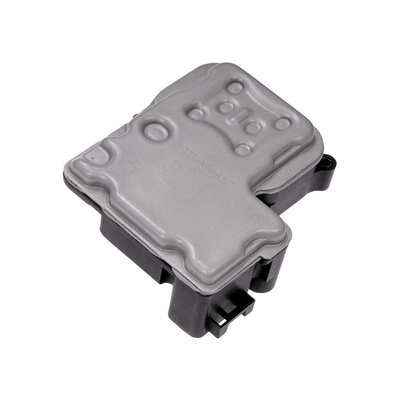
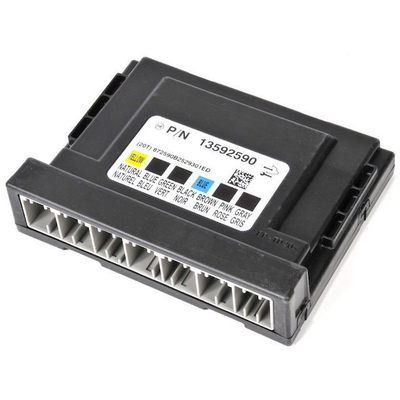
Shop the Parts Behind C2120
Below are the parts most often responsible for code C2120, ranked by how frequently each one is the actual culprit (per the diagnosis above). Tap any to see what we have for your vehicle.



The information in this article is provided for general reference and educational purposes only. Vehicle specifications, procedures, and part compatibility can vary by production date, trim level, and region. Always consult your vehicle's factory service manual and verify part numbers before purchasing or performing repairs. Safety-critical components such as airbags, seat belts, and braking systems should be installed by a qualified professional.
- 🧭 Diagnostic Flowchart
- 🛍️ Shop This Part
- What Does C2120 Mean?
- Can I Drive With C2120?
- Common Causes
- Symptoms
- Common Fixes & Costs
- Used vs. New Parts: Buying Guide
- What Happens If You Wait — Timeline
- Cost of Not Fixing It
- Diagnosis Steps
- When This Code Triggers (Freeze-Frame Conditions)
- Related Codes
- Climate & Environmental Factors
- How to Talk to a Mechanic About This Code
- Where to Take It: Dealer vs Independent vs Chain
- When to Walk Away From the Repair
- What Scan Tool You Need for This Code
- How to Clear the Code After You Fix It
- Will This Fail Emissions / State Inspection?
- Most Commonly Affected Vehicles
- Manufacturer-Specific Notes
- Real Owner Stories
- 2002 C5 Corvette at 75,000 miles
- 2018 Jeep Compass with 60,000 miles
- 2015 Hyundai Sonata at 110,000 miles
- How to Prevent This Code From Triggering
- Frequently Asked Questions
- What does code C2120 mean on my Corvette?
- What do the 'H' and 'C' mean after the code on my Corvette's DIC?
- My mechanic wants to replace all four TPMS sensors. Could it be something else?
- What does C2120 mean on my Jeep or Fiat? It doesn't seem to be brakes or tires.
- Can a bad car battery cause code C2120?
- Can C2120 clear itself?
- How much does it cost to fix code C2120?
- Key Takeaways
- 🎟️ Get 5% Off