

OBD-II Code C2219: Module Configuration Error
What C2219 means, why it triggers, and how to fix it
- Code C2219 triggers when a vehicle's main computer cannot digitally recognize a control module, most often occurring immediately after replacing an Electric Power Steering (EPS) or ABS unit.
- Chrysler, Dodge, and Jeep vehicles from 2011-2021 are highly susceptible to this code because their replacement modules are VIN-locked and require a mandatory 'Proxy Alignment' to function.
- Clearing this code with a standard $20 OBD-II reader will never work; fixing it requires a bidirectional scan tool capable of module initialization or steering angle sensor calibration.
- Always diagnose accompanying 'U' network codes (like U0415) first, as a broken $30 ABS wheel speed sensor can prevent the steering module from configuring and falsely trigger C2219.
- Perform a 15-second carbon pile load test on your battery, as voltage dropping below 9.6V during startup is a leading cause of module configuration failures on modern vehicles.
What Does C2219 Mean?
Code C2219 is a manufacturer-specific chassis code indicating a control module has lost its programming or was never configured. On Chrysler, Dodge, and Jeep vehicles, it typically flags the Electric Power Steering (EPS) or Electronic Parking Brake (EPB) module. Essentially, the car's main computer cannot digitally handshake with a new or existing part, leaving the system offline.
Technical definition: The most common manufacturer definition for C2219, particularly for Chrysler, Dodge, and Jeep, is "ECU Unable to Configure/Configuration Not Learned." Some manufacturers assign different meanings, such as a "Left Front Wheel Speed Sensor Input Signal Fault" or a "Sliding Door Unlatch Motor" fault on specific Dodge vans. Always verify the exact definition for your specific year, make, and model using a professional scan tool.
Can I Drive With C2219?
Yes, But With Caution. You can physically drive the vehicle, but critical safety systems like power steering and anti-lock brakes are disabled. Steering feels extremely heavy, making low-speed maneuvers and emergency corrections difficult, while offline ABS significantly increases stopping distances on slippery surfaces. Drive with extreme caution for a short distance directly to a repair facility.
Common Causes
- Replacement of a module without proper programming (Very Common) — This is the most frequent cause. If a module like the Electric Power Steering rack, ABS module, or parking brake module is replaced, it must be electronically configured to the vehicle's VIN. Skipping this step sets code C2219 immediately.
- Weak battery or voltage drop during startup (Common) — Modern control modules are highly sensitive to voltage fluctuations. If the battery voltage drops below 9.6V during engine cranking or after a jump-start, high-draw modules like the EPS can fail to initialize correctly, triggering a configuration error even if the engine starts.
- Corroded or damaged wiring and connectors (Common) — Moisture, heat, or rodent damage to the wiring harness interrupts communication on the CAN bus. This prevents the module from being recognized by the main computer. A poor ground connection is a frequent culprit.
- Faulty control module (EPS, ABS, BCM) (Common) — The module itself can fail internally, preventing it from storing its configuration data or communicating with the rest of the vehicle's network.
- Use of an incorrect or incompatible replacement part (Common) — Even a brand-new module triggers this code if it is the wrong part number or incompatible with the vehicle's specific trim options. The underlying hardware must match the VIN.
- Fault in a related, dependent system (e.g., ABS sensor) (Less Common) — The EPS module relies on data from other systems, like ABS wheel speed sensors. A fault in a related component sends implausible data, preventing the steering system from calibrating and triggering C2219.
- Faulty Engine Coolant Thermostat (GM Specific) (Less Common) — On some Chevrolet and GMC vehicles, the ECU reduces power to non-essential systems like electric power steering if the engine fails to reach operating temperature. A stuck-open thermostat causes a 'Steering Assist is Reduced' message and logs a configuration-related fault.
- Software glitch or CAN bus network failure (Rare) — A software bug requiring a dealer re-flash or a general CAN bus communication failure (evidenced by U-codes) prevents the module from talking to the main computer, causing the configuration to fail.
Symptoms
- Service Power Steering message or warning light — A warning light or message related to the power steering system appears on the dashboard.
- Steering feels heavy or unusual — Electric power steering assist is reduced or disabled, making the wheel difficult to turn, especially at low speeds.
- ABS or Traction Control light is on — Warning lights for the Anti-lock Brake System or traction control illuminate, as these systems depend on steering angle and configuration data.
- Parking brake warning light — If the issue involves the Electronic Parking Brake module, its specific warning light illuminates.
- Module Not Configured status in scan tool (scan-tool only — no driver-felt sign) — A professional scan tool shows the status of the specific module (PSCM, ABS) as 'Not Configured' or 'Not Learned'.
Diagnostic Flowchart
Tap your situation to follow the diagnostic path that matches what you're seeing on this code.
Common Fixes & Costs
- Module Programming/Configuration — Parts: $0, Labor: $125-$300, ~1.5 hr book time (Professional)
- Replace Vehicle Battery
— Parts: $150-$300, Labor: $50-$100, ~0.5 hr book time
(DIY)
Chevrolet Silverado (2019): OEM ACDelco Gold 94RAGM (GM #88865934) (Alt: DieHard Platinum AGM (H7), Duralast Gold (94R)) - Repair Damaged Wiring or Connector — Parts: $10-$50, Labor: $200-$500, ~2.5 hr book time (Intermediate)
- Replace ABS Wheel Speed Sensor
— Parts: $30-$100, Labor: $100-$250, ~1 hr book time
(DIY)
Jeep Grand Cherokee (2015): OEM Mopar 68142373AB (Alt: Duralast SU14732 (Front)) - Replace Control Module (ABS, EPS)
— Parts: $300-$2,000, Labor: $150-$400, ~3.5 hr book time
(Professional)
Jeep Grand Cherokee (2015, ABS Module): OEM Mopar 68228655AE (Alt: Cardone (Remanufactured))
Dodge Charger (2018, EPS Rack): OEM Mopar 68253557AB (Alt: BBB Industries (Remanufactured))
DIY vs Professional
- Module Programming/Configuration 🟢 Beginner
Tools: OEM diagnostic tool (e.g., wiTECH) or advanced aftermarket tool with programming capabilities (Autel MaxiSYS, AlfaOBD, J2534 Pass-Thru device). - Replace Vehicle Battery 🟢 Beginner
Tools: Socket set, terminal cleaner brush. Modern vehicles require a scan tool to register the new battery with the BCM. - Repair Damaged Wiring or Connector 🟢 Beginner
Tools: Multimeter, wire strippers, crimpers, heat shrink tubing, soldering iron. - Replace ABS Wheel Speed Sensor 🟢 Beginner
Tools: Jack and jack stands, socket set, Torx bits, brake cleaner. - Replace Control Module (ABS, EPS) 🟢 Beginner
Tools: Socket set, trim removal tools, professional scan tool for mandatory post-installation programming.
Used vs. New Parts: Buying Guide
When a used part is worth it: For purely mechanical parts or wiring pigtails, used is acceptable. For control modules (ABS, EPS) causing C2219, buying used is extremely risky unless you have a guaranteed way to reprogram it.
Donor-vehicle mileage cap: roughly under 50000 miles for the part to have meaningful remaining life.
Donor quality checklist:
- Verify the exact part number matches. Superseded numbers are not always compatible.
- Ask if the module is 'VIN-locked'. Most used modules from Chrysler/Dodge/Jeep are locked to the donor car and require advanced reprogramming.
- Avoid parts from flood-damaged or high-corrosion environments.
Decision logic:
- If The fix requires a new control module (ABS, EPS) → Purchase a new OEM part or a professionally remanufactured unit guaranteed to be unlocked and programmable. The cost savings of a junkyard module are erased by the difficulty of reprogramming.
- If The vehicle is over 10 years old and the budget is extremely tight → A used module is an option, but you MUST confirm your mechanic has the specific tools (like AlfaOBD) to wipe the donor VIN and perform a 'Proxy Alignment'.
- If The fix is a peripheral part like a wheel speed sensor → New aftermarket parts are affordable and reliable; do not buy used.
Warranty tradeoff: Used modules from junkyards offer a 30-day warranty at best and never cover labor. A new OEM or quality remanufactured part includes a 1-year or longer warranty.
Worst-case if a used part fails: $500-$1000 if a used module proves un-programmable or fails shortly after install, requiring repeat labor and another part.
What Happens If You Wait — Timeline
- Immediate: Code C2219 is set. 'Service Power Steering', ABS, and/or Traction Control lights illuminate. Power steering assist is disabled, and steering becomes extremely heavy. ABS and stability control are deactivated. (MPG impact: 0%% · Added cost: $0)
- 1-4 weeks of continued driving: Significant physical strain on the driver during low-speed maneuvers. Increased risk of an accident due to lack of ABS/stability control and slow steering response in an emergency. (MPG impact: 0%% · Added cost: $0 - $200 (potential for minor cosmetic damage from parking incidents due to heavy steering))
- 1-6 months: Accelerated wear on mechanical steering components not designed to handle the full force of unassisted steering. If a failing hydraulic pump runs dry, it burns out, guaranteeing a full rack replacement. (MPG impact: 0%% · Added cost: $200 - $700 (potential premature wear on related steering parts))
- 6+ months: The primary cost is the ongoing safety risk. Prolonged voltage instability from a bad ground damages sensitive electronics in other modules, complicating the diagnosis and increasing the final repair bill. (MPG impact: 0%% · Added cost: $500 - $2500+ (Risk of cascading electronic failures))
Cost of Not Fixing It
- Immediate: Loss of power steering, ABS, and traction/stability control. Extremely difficult steering at low speeds and increased risk of losing control in emergency maneuvers or on slippery surfaces. (Added cost: 0)
- 0-6 months: For hydraulic systems where the pump is disabled but the rack is run dry, internal damage to the steering rack occurs, necessitating a full rack replacement. (Added cost: $800-$2100)
- 6+ months: Continued driving places undue stress on mechanical steering components not designed to handle the full force of manual steering, causing premature wear of tie rods and steering column components. (Added cost: $200-$700)
Diagnosis Steps
- Verify the Code and Check for Other DTCs
Use a professional-grade OBD-II scanner to confirm C2219 is present. Look for other codes, especially 'U' (network) codes like U0415, U0010, or module-specific 'C' codes like C2200. The presence of multiple U-codes suggests a network-wide problem, not a single module failure.
Tools: Professional OBD-II Scan Tool (Beginner) - Inspect Fuses and Perform a Battery Load Test
Check all fuses related to the ABS, power steering, and body control modules. Crucially, apply a load equal to 50% of the battery's rated Cold Cranking Amps (CCA) for 15 seconds using an electronic tester. A healthy battery's voltage must not drop below 9.6 volts during this test. A weak battery causes module initialization failures under load.
Tools: Multimeter, Electronic Battery Load Tester, Fuse puller (Intermediate) - Visually Inspect Wiring and Connectors
Look for obvious signs of damage to the wiring harness and connectors for the affected module. Check for corrosion, bent pins, or loose connections, especially around areas exposed to road salt. On GM trucks, specifically check ground G218 under the driver's dash.
Tools: Flashlight, Mirror (Beginner) - Test Module Power and Ground
Using a multimeter and wiring diagram, back-probe the module's connector to verify it receives proper battery voltage (12V+) and has a solid ground connection (less than 0.1V or 5 Ohms of resistance to chassis ground). A poor ground is a common cause of module communication issues.
Tools: Multimeter, Wiring Diagram, Back-probe kit (Advanced) - Check CAN Bus Integrity with a Multimeter
If network codes (U-codes) are present, check the CAN bus backbone. With the battery disconnected and modules asleep, measure the resistance between Pin 6 (CAN High) and Pin 14 (CAN Low) on the OBD-II port. A healthy network reads approximately 60 Ohms. A reading of 120 Ohms indicates a missing terminating resistor; near 0 Ohms indicates a short.
Tools: Multimeter (Advanced) - Test Passive ABS Wheel Speed Sensors
If a wheel speed sensor fault is suspected, test the sensor at its connector. Set a multimeter to Ohms. A good passive sensor has a resistance between 800 and 2,000 Ohms. Next, set the multimeter to AC Volts. While spinning the wheel by hand, a good sensor generates at least 100mV (0.1V) AC.
Tools: Multimeter, Jack and Jack Stands (Advanced) - Analyze Torque Sensor Live Data
Using a bidirectional scanner, view the live data for the power steering torque sensor. With the steering wheel centered and stationary, the sensor output voltage should be stable. As you turn the wheel slowly, the voltage should change smoothly and linearly. Jumpy or erratic readings indicate a faulty torque sensor within the steering rack.
Tools: Bidirectional Scan Tool (Advanced) - Attempt Module Re-initialization or Calibration
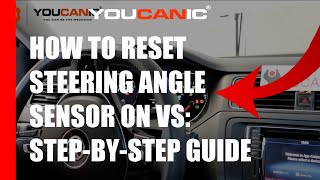
Using a bidirectional scan tool, access the special functions for the affected module. Look for a procedure called 'ABS Initialization,' 'Proxy Configuration Alignment,' or 'Steering Angle Sensor Calibration' to force the vehicle to re-learn the module. This is required after a battery disconnect or part replacement.
Tools: Bidirectional Scan Tool (e.g., Autel, Snap-on, AlfaOBD) (Advanced) - Isolate the Replacement Module
If a used or aftermarket module was installed, it may be incompatible or faulty. Reinstall the original module to see if the code changes or disappears. This confirms if the issue lies with the replacement part itself.
Tools: Basic hand tools (Intermediate)
When This Code Triggers (Freeze-Frame Conditions)
- Event Time: 0-2 seconds (Immediately after ignition on (Key On, Engine Off or Key On, Engine Running))
- Battery Voltage: 9.5V - 15.5V (During module initialization at startup. A voltage drop during cranking is a key data point.)
- Module Status: Not Learned / Not Configured (The primary flag that triggers the code; visible in manufacturer-specific live data.)
- Vehicle Speed: 0 mph (Fault is typically set before the vehicle is in motion, during the initial network check.)
Related Codes
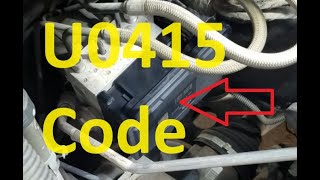
- U0415 — Means 'Implausible Data Received From ABS Control Module.' U0415 points to the ABS system as the root cause. C2219 is the symptom—the power steering module cannot configure because it receives bad data from the ABS. Diagnose the ABS system first.
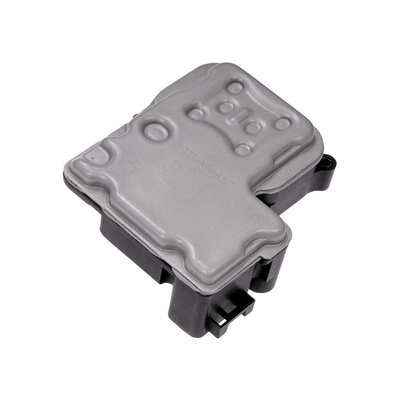
- C2200 — Means 'Anti-Lock Brake Module Internal.' C2200 is the cause, C2219 is the symptom. The ABS module has failed and must be replaced. C2219 will not clear until a new, correctly programmed ABS module is installed.
- U0010 / U0011 — CAN Bus communication codes indicating a general network problem. C2219 is about one module's configuration, while U0010/U0011 mean the entire data highway has a problem. Diagnose the overall network health before programming a single module.
- C1009 — Means 'Internal Error' within the EPS module. C1009 is an internal hardware fault in the original module. C2219 appears after you try to fix the C1009 by installing an unprogrammed new module.
Climate & Environmental Factors
- Cold Climates / Road Salt: Regions using road salt see a higher incidence of electrical faults. Salt spray creates a corrosive brine that infiltrates connectors, leading to high resistance and short circuits on the CAN bus, directly causing module configuration errors.
- High Humidity: Sustained high humidity promotes moisture intrusion into weather-pack connectors. This moisture leads to pin corrosion over time, causing similar communication issues to road salt exposure.
How to Talk to a Mechanic About This Code
Say this: "I have a C2219 'Module Configuration Error' code. Before I bring it in for a diagnostic, can you confirm your shop has the equipment to perform a 'Proxy Alignment' or module initialization for a [Year/Make/Model]?"
This signals you understand C2219 is a software/configuration problem, not just a bad part. It forces the shop to confirm they have advanced diagnostic tools and prevents you from paying for a diagnosis at a shop that cannot complete the repair.
Avoid saying:
- 'My power steering is out, can you fix it?' (Too vague, invites a shop to quote a full steering rack replacement.)
- 'My ABS light is on.' (This is a symptom; lead with the code to guide the diagnosis.)
- 'Just do whatever it takes to fix it.' (This gives a blank check for unnecessary parts and labor.)
Questions to ask before authorizing the repair:
- Did you find any other codes, especially 'U' codes like U0415, that point to a communication or ABS problem as the root cause?
- If a module replacement is needed, does your quote include the mandatory programming and calibration fee?
- Are you recommending a new, used, or remanufactured module? If it's a used part, do you guarantee you can program it to my vehicle's VIN?
- Can you explain why the module needs to be replaced, rather than just reprogrammed or having its wiring repaired?
Where to Take It: Dealer vs Independent vs Chain
- Dealer:
A safe but expensive choice. They are guaranteed to have the proprietary tools to program the module, but may be less inclined to diagnose a cheaper underlying issue like a bad ground.
Best for: Vehicles under warranty., Complex, manufacturer-specific software issues or recalls., When you want a guaranteed, one-stop fix and are willing to pay a premium.
Downsides: Highest labor rates and parts costs., Defaults to replacing an entire assembly when a simpler wiring or programming fix is possible. (Typical cost: +50% vs. baseline) - Independent Shop:
The best-value option, IF you find the right shop. Ask specifically if they have bidirectional scanners and experience with module configuration or 'proxy alignments'.
Best for: Out-of-warranty vehicles where cost is a factor., Diagnosing underlying electrical faults like bad grounds or broken wires., Shops that specialize in your vehicle's make.
Downsides: Quality and diagnostic capabilities vary widely. You MUST vet the shop., A general mechanic may lack the expensive, specialized tools for module programming. (Typical cost: +0% vs. baseline) - Chain Shop:
AVOID. This type of fault is outside their area of expertise. They may correctly identify a bad battery but cannot solve the more common programming or network issues.
Best for: Simple, high-volume jobs like tires, oil changes, and battery replacement.
Downsides: Technicians lack the training or tools for complex diagnostics and module programming., High risk of misdiagnosis, leading to recommendations for expensive, unnecessary part replacements. (Typical cost: -10% vs. baseline)
When to Walk Away From the Repair
Sell or trade the vehicle if the estimated repair cost exceeds 50% of its private-party value.
- Car worth $4000, fix is $2200: Walk away. The repair cost is over 50% of the car's value. The car is unsafe to drive as-is, so your options are limited.
- Car worth $15000, fix is $1800: Fix it. The repair is well below the threshold and restores critical safety functions.
- Car worth $8000, fix is $300: Fix it immediately. A $300 programming fee is a small price to pay to make an $8,000 vehicle safe and fully functional again.
What Scan Tool You Need for This Code
Minimum: A bidirectional scan tool with manufacturer-specific functions for module programming and calibration.
A basic $20-$50 code reader only reads generic powertrain codes. It CANNOT see the C2219 chassis code, cannot read the module's configuration status, and absolutely cannot perform the programming or calibration procedures required to fix the fault.
Budget: AlfaOBD Software + OBDLink MX+ Adapter (~$150) — For Chrysler/Dodge/Jeep/Fiat owners, this is the best DIY solution. The AlfaOBD software combined with the OBDLink MX+ adapter allows you to perform the 'Proxy Alignment' procedure yourself, which is the dealership-level function required to configure a new or used module.
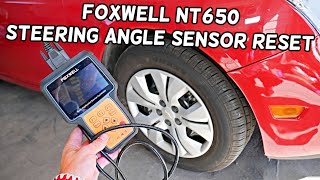
Mid-range: Thinkdiag2 or XTOOL D7 (~$120-400) — These tools offer bidirectional control and many special functions, including Steering Angle Sensor (SAS) calibration and ABS bleeding. They solve C2219 if it is caused by a lost calibration after a battery change or alignment.
Professional: Autel MaxiCOM MK808S / MK808BT (~$450-600) — This entry-level professional tool provides true bidirectional control, extensive service functions like SAS calibration and ABS initialization, and performs many module configuration tasks across a wide range of manufacturers.
Rent vs buy: Rent is not an option. Auto parts store loaner tools are basic code readers that cannot fix this issue. If you have a Chrysler/Dodge/Jeep, buying the AlfaOBD setup pays for itself in one use. For other makes, if this is a one-time fix, pay a qualified independent shop for their diagnostic time and tool usage.
How to Clear the Code After You Fix It
- Perform required programming/calibration procedure with a bidirectional scan tool (e.g., 'Proxy Alignment')
- Use the same scan tool to clear the C2219 and any related codes from all modules
- Cycle the ignition off, wait 30 seconds, and restart the vehicle to confirm the code does not return
Drive cycle (~15 minutes): A specific drive cycle is not required to clear C2219, as it is a configuration fault. The fix is programming, not driving. After the fix, a 15-minute drive with varied speeds and turns verifies that the ABS, traction control, and power steering systems are fully functional.
Readiness monitors affected: Not applicable for C2219 itself, A battery disconnect performed during the repair resets all emissions readiness monitors.
Before emissions retest: drive at least 50 miles to fully set monitors.
Watch out for:
- Using a basic OBD-II reader to 'Clear Codes' fails; the code returns instantly because the configuration mismatch is detected at every startup.
- Failing to clear the stored fault code from all related modules (ECU, BCM, ABS, etc.) after successful programming.
Will This Fail Emissions / State Inspection?
Yes — this code typically fails an OBD-II emissions inspection.
- California: An illuminated ABS warning light causes a failure of the state's vehicle safety systems inspection. For a standard smog check, the associated warning lights cause the technician to fail the visual portion of the inspection.
- New York: NYS inspection checks for the proper function of service brakes and the check engine light. If C2219 illuminates the check engine light, it is an automatic failure.
- Texas: An illuminated ABS warning light does NOT cause a failure in a Texas state safety inspection. However, the primary service brake warning light being on WILL cause a failure.
Most Commonly Affected Vehicles
- Dodge Charger (2011-2021) — Prone to this code after replacement of the Electric Power Steering (EPS) rack without programming. Used racks are VIN-locked and require a software flash.
- Jeep Grand Cherokee (2011-2021) — Frequently logs this code related to EPS module configuration issues, especially when a used part is installed.
- Chrysler 300 (2011-2021) — Shares the same platform and EPS system as the Charger and Grand Cherokee, making it susceptible to the same VIN-locking faults.
- Dodge Challenger (2015-2021) — C2219 appears due to an 'ECU Unable to Configure' error, often related to the power steering or ABS system after a part replacement.
- Jeep Cherokee (2014-2020) — Documented in relation to Electronic Parking Brake (EPB) module configuration failures, requiring a 'Proxy Alignment' procedure.
- Chevrolet / GMC Silverado, Sierra, Tahoe, Yukon (2014-2023) — Commonly displays a 'Steering Assist is Reduced' message. 2014-2018 models are known for a poor ground at G218 (TSB #PIT5405C). A faulty thermostat also triggers this warning.
- Ford Fusion, Focus, Escape (2013-2020) — Logs a C2219 'ECU Unable to Configure' code or a 'Steering Assist Fault' message, often related to the steering angle sensor or internal EPAS rack failure.
- Honda Civic, Accord, CR-V, Fit (2012-2022) — Frequently requires a steering angle sensor and torque sensor relearn procedure after battery disconnection or alignment to resolve configuration faults.
- Volkswagen Golf, Jetta (2006-2018) — Presents steering faults requiring calibration. A faulty or corroded ABS reluctor ring prevents the steering angle sensor from initializing.
- BMW 3-Series, 5-Series (F-chassis) (2011-2019) — Displays power steering malfunction warnings due to a weak battery, even if the vehicle starts properly. Rodent damage to the EPS wiring harness is also common.
Manufacturer-Specific Notes
- Chrysler/Dodge/Jeep: This code is extremely common after installing a used power steering rack or ABS module. These parts are VIN-locked, and the C2219 code persists until a 'Proxy Configuration Alignment' makes the car accept the new part.
- Dodge: On models like the Grand Caravan, C2219 means 'Sliding Door Unlatch or Cinch Motor... Short Low.' This highlights the need to use a scanner with manufacturer-specific definitions.
- GM (Chevrolet/GMC): A 'Steering Assist is Reduced' message is frequently caused by issues unrelated to the steering rack. Mechanics check for a poor ground at location G218, a blown ABS fuse, or a faulty engine thermostat before suspecting the module.
- Ford: A 'Steering Assist Fault' message resets after a battery disconnect by turning the ignition on and turning the steering wheel fully left, then fully right. This forces the steering angle sensor to recalibrate.
Real Owner Stories
2014 Dodge Charger Pursuit - C2219 after installing used EPS rack
The owner installed a used Electric Power Steering (EPS) rack from a junkyard. Immediately after installation, the 'Service Power Steering' light illuminated, code C2219 appeared, and the steering remained heavy.
Outcome: The owner purchased AlfaOBD software ($50) and an OBDLink MX+ adapter ($80) to perform a 'Proxy Configuration Alignment'. This procedure forced the car's main computer to accept the VIN from the used steering rack, clearing the code and restoring power steering.
Lesson: On Chrysler/Dodge/Jeep vehicles, major modules are VIN-locked. Installing a used part always triggers C2219 until a 'Proxy Alignment' is performed with a specialized tool.
2015 Chevy Silverado 1500 - 'Steering Assist is Reduced' message
The driver experienced random 'Steering Assist is Reduced' warnings during humid weather, accompanied by a flickering radio and instrument cluster. No consistent codes were stored.
Outcome: Following a forum tip, the owner inspected the G218 ground point under the driver's side dashboard. Factory sound-deadening material was trapped under the ground lug. Sanding the contact point to bare metal and re-securing the ground permanently resolved all electrical issues and steering warnings.
Lesson: On 2014+ GM trucks, intermittent electrical faults and steering assist warnings frequently stem from the poorly designed G218 ground. Always check this free fix before replacing components.
2013 BMW E92 - Multiple warning lights after battery replacement
After replacing a dead battery, the traction control, brake, and '4x4' warning lights illuminated. The car threw multiple codes, including a steering angle sensor adjustment fault.
Outcome: The power loss during the battery swap caused the Steering Angle Sensor (SAS) to lose calibration. The owner started the car, turned the steering wheel fully left, fully right, and then centered it. After restarting the car, all warning lights disappeared.
Lesson: Disconnecting the battery resets the Steering Angle Sensor calibration on many modern cars. Always perform the simple lock-to-lock steering wheel reset before beginning complex diagnostics.
2011 Jeep Grand Cherokee - C2219 and U0415 after hitting a pothole
ABS and traction control lights illuminated after hitting a pothole. A scan revealed codes U0415 (Implausible Data from ABS Module) and C2219 (Module Configuration Error).
Outcome: A mechanic traced the wiring and found the impact had stretched and broken a wire inside the harness leading from the wheel speed sensor. Repairing the broken wire for $150 cleared both the U0415 and C2219 codes.
Lesson: Code C2219 is often a symptom. The presence of U0415 proves the root problem is in the ABS system. Diagnose the 'U' code first; the steering module cannot configure itself without valid ABS data.
How to Prevent This Code From Triggering
- Periodically clean and inspect battery terminals and main ground straps (Every 1-2 years or during oil changes) — Prevents voltage drops and unstable power delivery. A poor ground is a common cause of intermittent electronic module failures and communication codes.
- Apply dielectric grease to critical electrical connectors (When replacing a sensor or if a connector is exposed to elements) — Dielectric grease seals out moisture and oxygen, preventing pin corrosion that causes high resistance and signal loss on the CAN bus.
- Perform a battery health check with a load tester annually (Once per year, especially before winter) — A weak battery is a primary cause of module initialization errors. A load test simulates the high current draw during startup and identifies a failing battery before it causes widespread electronic issues.
- Use rodent deterrent tape or spray on wiring harnesses (As needed, especially if vehicle is stored outdoors) — Rodents chew on soy-based wiring insulation. Damage to the CAN bus or EPS module wiring is a common cause of network failures and codes like C2219.
- Ensure new batteries are properly 'registered' or 'coded' to the vehicle (At time of battery replacement) — On many modern vehicles, the charging system adapts to an aging battery. Failing to register a new battery causes the system to overcharge it, leading to premature failure and voltage-related module errors.
Frequently Asked Questions
Can I fix code C2219 myself?
You can fix it yourself if the cause is a weak battery or dirty connector. However, the most common cause—a module configuration error—requires a professional bidirectional scan tool to program the part. Simply clearing the code with a basic reader will not work.
What is the most common misdiagnosis for C2219?
Mechanics often mistakenly replace the expensive module logging the code, like the power steering rack, without checking for other faults. C2219 is frequently a symptom of a cheaper failure, such as a faulty ABS wheel speed sensor triggering a U0415 code. Always diagnose accompanying 'U' codes first to avoid wasting money.
My mechanic replaced the ABS module and now I have this code. What happened?
Your mechanic installed the physical part but lacked the advanced software to perform the mandatory 'ABS Initialization' or 'Proxy Alignment'. The car's network does not recognize the new, unprogrammed module, triggering the C2219 fault. The shop must complete this digital handshake for the system to work.
Why did this code appear after I got an alignment or disconnected my battery?
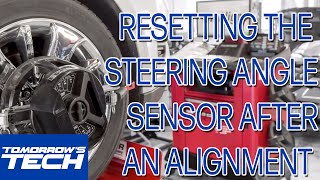
Many vehicles link the steering angle sensor (SAS) calibration directly to the EPS and ABS modules. Disconnecting the battery or changing alignment angles causes the system to lose its 'center' position, which the ECU flags as a configuration error. A quick SAS relearn procedure with a scan tool resolves this.
Will clearing the code make it go away?
No. C2219 is a 'hard fault' that checks for module configuration every time you start the car. The code returns immediately until the underlying configuration or hardware issue is resolved.
My Chevy shows 'Steering Assist is Reduced' but no C2219 code. Is it related?
Yes, on many GM vehicles, this warning stems from a poor ground connection (G218), a blown ABS fuse, or a faulty engine thermostat. The vehicle's computer disables the power steering to shed electrical load or respond to implausible data. Always check your battery, fuses, and grounds before replacing the steering rack.
Is it safe to drive with a C2219 code?
It is not recommended. Your power steering assist is disabled, making the car extremely difficult to steer at low speeds. Furthermore, your ABS and traction control systems are offline, severely compromising braking performance in an emergency.
Key Takeaways
- Code C2219 triggers when a vehicle's main computer cannot digitally recognize a control module, most often occurring immediately after replacing an Electric Power Steering (EPS) or ABS unit.
- Chrysler, Dodge, and Jeep vehicles from 2011-2021 are highly susceptible to this code because their replacement modules are VIN-locked and require a mandatory 'Proxy Alignment' to function.
- Clearing this code with a standard $20 OBD-II reader will never work; fixing it requires a bidirectional scan tool capable of module initialization or steering angle sensor calibration.
- Always diagnose accompanying 'U' network codes (like U0415) first, as a broken $30 ABS wheel speed sensor can prevent the steering module from configuring and falsely trigger C2219.
- Perform a 15-second carbon pile load test on your battery, as voltage dropping below 9.6V during startup is a leading cause of module configuration failures on modern vehicles.
Helpful Videos

Shop the Parts Behind C2219
Below are the parts most often responsible for code C2219, ranked by how frequently each one is the actual culprit (per the diagnosis above). Tap any to see what we have for your vehicle.



The information in this article is provided for general reference and educational purposes only. Vehicle specifications, procedures, and part compatibility can vary by production date, trim level, and region. Always consult your vehicle's factory service manual and verify part numbers before purchasing or performing repairs. Safety-critical components such as airbags, seat belts, and braking systems should be installed by a qualified professional.
- 🧭 Diagnostic Flowchart
- 🎬 Helpful Videos
- 🛍️ Shop This Part
- What Does C2219 Mean?
- Can I Drive With C2219?
- Common Causes
- Symptoms
- Common Fixes & Costs
- DIY vs Professional
- Used vs. New Parts: Buying Guide
- What Happens If You Wait — Timeline
- Cost of Not Fixing It
- Diagnosis Steps
- When This Code Triggers (Freeze-Frame Conditions)
- Related Codes
- Climate & Environmental Factors
- How to Talk to a Mechanic About This Code
- Where to Take It: Dealer vs Independent vs Chain
- When to Walk Away From the Repair
- What Scan Tool You Need for This Code
- How to Clear the Code After You Fix It
- Will This Fail Emissions / State Inspection?
- Most Commonly Affected Vehicles
- Manufacturer-Specific Notes
- Real Owner Stories
- 2014 Dodge Charger Pursuit - C2219 after installing used EPS rack
- 2015 Chevy Silverado 1500 - 'Steering Assist is Reduced' message
- 2013 BMW E92 - Multiple warning lights after battery replacement
- 2011 Jeep Grand Cherokee - C2219 and U0415 after hitting a pothole
- How to Prevent This Code From Triggering
- Frequently Asked Questions
- Can I fix code C2219 myself?
- What is the most common misdiagnosis for C2219?
- My mechanic replaced the ABS module and now I have this code. What happened?
- Why did this code appear after I got an alignment or disconnected my battery?
- Will clearing the code make it go away?
- My Chevy shows 'Steering Assist is Reduced' but no C2219 code. Is it related?
- Is it safe to drive with a C2219 code?
- Key Takeaways
- 🎟️ Get 5% Off