

OBD-II Code C2531: Dual Meaning - GM 4WD vs. Subaru Power Steering Fault
What C2531 means, why it triggers, and how to fix it on General Motors and Subaru vehicles. The most comprehensive guide.
What Does C2531 Mean?
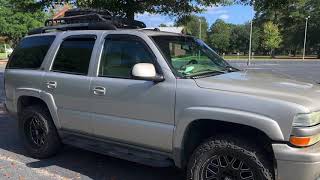
C2531 is a manufacturer-specific Chassis (C-code) with two entirely different meanings depending on the vehicle. On General Motors (GM) trucks and SUVs, it signals a problem in the four-wheel-drive system, specifically with the Transfer Case Control Module (TCCM) or its related components. On Subaru vehicles, it indicates a serious internal fault within the Electronic Power Steering (EPS) control module's central processing unit (CPU), which is integrated into the steering gearbox.
Technical definition: The formal SAE/OBD-II definition varies by manufacturer. For General Motors, it is defined as 'Transfer Case Front Shaft Lock Control Circuit Low'. For Subaru, the definition is 'Control Module CPU Failure' or 'ECU Failure 1 (CPU Failure)'. This signifies the module detected an unrecoverable internal processing error during a self-test.
Can I Drive With C2531?
Yes, But With Caution. Driving is technically possible but highly dangerous. On GM vehicles, 4WD will not engage, risking traction loss in adverse conditions. On Subaru vehicles, steering becomes extremely heavy, requiring massive physical effort and slowing reaction times in emergencies. Continued driving is not recommended.
Common Causes
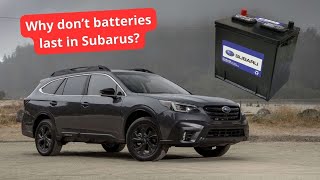
- Low Battery Voltage or Intermittent Voltage Drop (Subaru) (Very Common) — A weak or momentarily drained battery causes a voltage drop during the EPS module's startup self-test. The sensitive electronics interpret this as a critical CPU fault and set a hard C2531 code, disabling steering assist. A faulty alternator produces the same result.
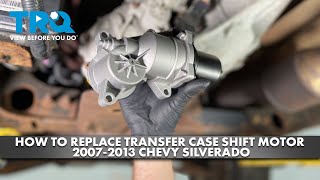
- Defective Transfer Case Encoder Motor/Position Sensor (GM) (Very Common) — The internal position sensor fails, preventing the TCCM from determining the transfer case gear position (e.g., 2H, 4H). This is the most frequent mechanical cause on GM vehicles.
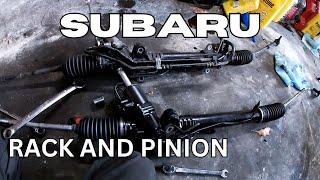
- Failed Electronic Power Steering (EPS) Gearbox Assembly (Subaru) (Very Common) — The code indicates a non-repairable CPU failure in the power steering control module. Because this module is integrated into the steering gearbox assembly, the entire rack requires replacement.
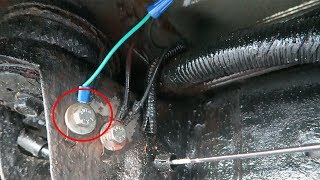
- Poor Ground Connection (GM) (Common) — A corroded or loose ground wire for the TCCM (located on the frame rail under the driver's door) causes erratic voltage drops, triggering various 4WD-related codes including C2531.
- Failed Transfer Case Control Module (TCCM) (GM) (Common) — The TCCM fails internally due to electrical surges, moisture intrusion, or age. It stops communicating or sending correct commands to the shift motor.
- Corroded Wiring or Water Intrusion (GM & Subaru) (Less Common) — Road debris, water, and weather corrode GM TCCM wiring and connectors, causing short circuits. On Subarus, rodents frequently chew and damage the exposed EPS wiring harness.
- Outdated EPS Control Module Software (Subaru) (Less Common) — On specific models like the 2024 Crosstrek and Impreza, Subaru issued TSB 04-29-23R indicating a software update resolves this code by adjusting the self-test's sensitivity to prevent false positives.
Symptoms
- Service 4WD Light On (GM) — The 'Service 4WD' warning message illuminates on the instrument cluster, indicating a fault in the four-wheel-drive system.
- Power Steering Warning Light On (Subaru) — The 'EPS' or steering wheel icon warning light illuminates on the dashboard, signaling a failure in the Electronic Power Steering system.
- Inability to Shift 4WD Modes (GM) — The 4WD selector switch flashes but does not engage the selected mode. The system remains stuck in its last known state, usually 2WD.
- Very Heavy or Stiff Steering (Subaru) — The electric power steering assist fails completely, making the steering wheel extremely difficult to turn, especially at low speeds.
- Loss of Advanced Safety Features (Subaru) — Systems relying on steering input, like Subaru's EyeSight, lane keeping assist, and lane departure warning, disable immediately.
- Clicking or Grinding Noise from Transfer Case (GM) — A failing encoder motor makes audible clicking or grinding sounds as it unsuccessfully attempts to shift the transfer case.
Common Fixes & Costs
- Replace Battery and Clear Codes (Subaru) — Parts: $150-$300, Labor: $50-$100, ~0.5 hr book time (DIY)
- Clean or Repair Ground Connection (GM) — Parts: $5-$25, Labor: $75-$150, ~0.8 hr book time (DIY)
- Replace Transfer Case Encoder Motor (GM) — Parts: $150-$350, Labor: $150-$300, ~2 hr book time (Intermediate)
- Replace Electronic Power Steering Rack/Gearbox Assembly (Subaru) — Parts: $800-$1800, Labor: $400-$800, ~4.5 hr book time (Professional)
- Replace Transfer Case Control Module (TCCM) (GM) — Parts: $200-$550, Labor: $100-$250, ~1.5 hr book time (Intermediate)
- Reprogram EPS Control Module (Subaru, specific models only) — Parts: $0, Labor: $125-$250, ~1 hr book time (Professional)
Used vs. New Parts: Buying Guide
When a used part is worth it: For a GM Transfer Case Encoder Motor, a used OEM part from a low-mileage, non-corroded donor is a cost-effective alternative. For a Subaru EPS rack, a used OEM unit from a low-mileage vehicle is often better than a cheap aftermarket brand, but carries risk.
Donor-vehicle mileage cap: roughly under 80000 miles for the part to have meaningful remaining life.
Donor quality checklist:
- Verify the exact part number matches; many variations exist.
- For GM encoder motors, avoid parts from the rust belt due to housing and connector corrosion.
- For Subaru steering racks, ensure the donor vehicle was not in a front-end collision.
- Check seller return policy and warranty period.
Decision logic:
- If The part is a GM TCCM or Subaru EPS rack on a vehicle less than 5 years old → Buy new OEM or professionally remanufactured. The complexity and need for programming make used parts risky.
- If The part is a GM encoder motor for a high-mileage truck and budget is the primary concern → A used OEM or new aftermarket part (like Dorman) are acceptable choices.
- If The part has a high failure rate from wear (e.g., internal electronics in the EPS module) → Favor new or remanufactured with a strong warranty over a used part with unknown history.
Warranty tradeoff: Used parts typically offer a 30-90 day warranty. Quality remanufactured parts often come with a 1-year to limited lifetime warranty. New OEM parts carry a 1-2 year warranty. The higher failure rate of remanufactured racks (15-25%) vs. new (3%) is a key consideration.
Worst-case if a used part fails: $500-$1200 if a used/reman part fails prematurely, requiring repeat labor for replacement.
Cost of Not Fixing It
- Immediate (Subaru): Complete loss of power steering assist results in extremely heavy steering. This creates a major safety hazard, significantly increasing the risk of an accident. (Added cost: Potential for accident-related costs.)
- Immediate (GM): The vehicle is stuck in its last known 4WD mode, usually 2WD. The lack of 4WD functionality poses a safety issue in snow, ice, or off-road conditions. (Added cost: Negligible.)
- Long-Term (Either): Ignoring the warning light leads to a failed state safety inspection. For Subaru, continued driving places high physical stress on the driver. (Added cost: Cost of a failed inspection and re-test.)
Diagnosis Steps
- Identify Your Vehicle (Crucial First Step)
Determine if you are driving a General Motors vehicle or a Subaru. The diagnostic path is completely different for each. All subsequent steps depend on this identification.
Tools: Vehicle Owner's Manual (Beginner) - Perform Comprehensive Battery Load Test (Subaru)
A low battery is the most common cause of false C2531 codes on Subarus. Use a multimeter to check static voltage (>12.4V). Perform a load test to check cranking health. With the engine running, check alternator output (~13.7-14.7V). A voltage drop below 9.0V during cranking triggers this code.
Tools: Multimeter, Electronic Battery Tester (Beginner) - Inspect Fuses and Clean Main Ground (GM)
Check all fuses related to the TCCM and 4WD system. Locate the primary TCCM ground (G110) on the frame rail below the driver-side door. Remove the bolt, clean the terminal and frame surface 🎬 Watch: This easy fix for the Service 4WD light on GM trucks. to bare metal with a wire brush, and re-secure it tightly.
Tools: Fuse Puller, Socket Set, Wire Brush (Beginner) - Scan for Manufacturer-Specific Codes
Use a professional-grade OBD-II scanner. For GM, look for C0327 (Encoder Circuit Malfunction), which points directly to the encoder motor. For Subaru, look for C2532, U0122, or B2811, which confirm a fatal EPS module fault.
Tools: Advanced OBD-II Scanner (Intermediate) - Check for Technical Service Bulletins (TSBs)
For Subaru owners, check for TSBs related to C2531. TSB 04-29-23R indicates a required software update fixes the code without parts replacement on 2024 Crosstrek/Impreza models. Check for warranty extensions on the EPS assembly.
Tools: Online Access or Dealer Inquiry (Intermediate) - Visually Inspect Wiring Harnesses
On GM vehicles, trace the wiring harness from the TCCM down to the transfer case encoder motor. On Subarus, inspect the harness connected to the steering rack. Look for chafing, melting, corrosion, or rodent damage.
Tools: Flashlight, Inspection Mirror (Intermediate) - Test GM Encoder Motor Signal and Resistance
Command the TCCM to shift using a scan tool and monitor the encoder position sensor PID. If it doesn't change, back-probe the sensor connector with a multimeter (valid range is 0.5V to 4.5V). Disconnect the motor and measure resistance between the control pins (should be 0.3 to 40 ohms). Readings outside this range confirm a failed motor.
Tools: Advanced OBD-II Scanner, Multimeter, Wiring Diagram (Advanced) - Test Module Power and Ground
Verify proper power and ground at the control module connector (TCCM for GM, EPS module for Subaru). For the GM TCCM, verify the 8V reference voltage and 5V on the channel signal wires. A loss of either renders the module inoperative.
Tools: Multimeter, Wiring Diagram (Advanced)
When This Code Triggers (Freeze-Frame Conditions)
- System Voltage (Subaru): < 9.0V (A momentary voltage drop during engine cranking, often due to a weak battery, triggers a false CPU failure code.)
- Vehicle System: Subaru Electronic Power Steering (EPS) (The fault sets during the initial power-on self-test when the ignition is turned on or the engine is started.)
- Commanded vs. Actual Position (GM): Mismatch (The TCCM commands a shift, but the encoder motor position sensor PID value does not change, indicating a failure to move.)
- Vehicle System: GM Four-Wheel Drive (4WD) (The code sets when the driver attempts to change 4WD modes and the TCCM does not receive a valid position signal.)
How to Clear the Code After You Fix It
- Reconnect battery if disconnected.
- Use an OBD-II scan tool to clear all codes from the relevant module (TCCM for GM, EPS for Subaru).
- For GM, perform a transfer case relearn procedure using a scan tool or key cycles.
- For Subaru, perform a mandatory steering angle sensor zero-point calibration using a professional scan tool.
- Perform a complete drive cycle to confirm the fix.
Drive cycle (~20 minutes): For Subaru, start the engine, idle for 5 seconds, then operate the steering wheel from lock to lock. For GM, cycle the 4WD selector through all modes (2H, 4H, 4L) while stationary to confirm mechanical engagement. A short drive confirms normal operation.
Readiness monitors affected: Not applicable
Watch out for:
- Clearing the code does not fix the problem; C2531 is a hard fault that returns immediately if the root cause remains.
- Forgetting the mandatory relearn step after replacing a GM encoder motor leaves the system inoperative.
- Replacing a Subaru steering rack without performing a wheel alignment and electronic calibration results in crooked steering and disabled safety systems.
Will This Fail Emissions / State Inspection?
No — by itself this code doesn't fail OBD inspection (but it can keep readiness monitors from setting, which causes a separate fail).
- California: A chassis code like C2531 does not illuminate the Check Engine Light and will NOT cause a failure of the OBD-II emissions (smog) check.
- New York: An illuminated Power Steering or Service 4WD warning light is NOT a cause for rejection in the annual safety inspection, which focuses on brakes, lights, and tires.
- Texas: As of 2025, most non-commercial vehicles are exempt from the annual safety inspection. C2531 will not cause an emissions test failure.
Helpful Videos
Shop the Parts Behind C2531
Below are the parts most often responsible for code C2531, ranked by how frequently each one is the actual culprit (per the diagnosis above). Tap any to see what we have for your vehicle.



The information in this article is provided for general reference and educational purposes only. Vehicle specifications, procedures, and part compatibility can vary by production date, trim level, and region. Always consult your vehicle's factory service manual and verify part numbers before purchasing or performing repairs. Safety-critical components such as airbags, seat belts, and braking systems should be installed by a qualified professional.
- 🎬 Helpful Videos
- 🛍️ Shop This Part
- What Does C2531 Mean?
- Can I Drive With C2531?
- Common Causes
- Symptoms
- Common Fixes & Costs
- Used vs. New Parts: Buying Guide
- Cost of Not Fixing It
- Diagnosis Steps
- When This Code Triggers (Freeze-Frame Conditions)
- How to Clear the Code After You Fix It
- Will This Fail Emissions / State Inspection?
- 🎟️ Get 5% Off