

C3239 on 2018-2022 Ford Explorer Police Intercept: Not a Code, But a Critical Connector Fix
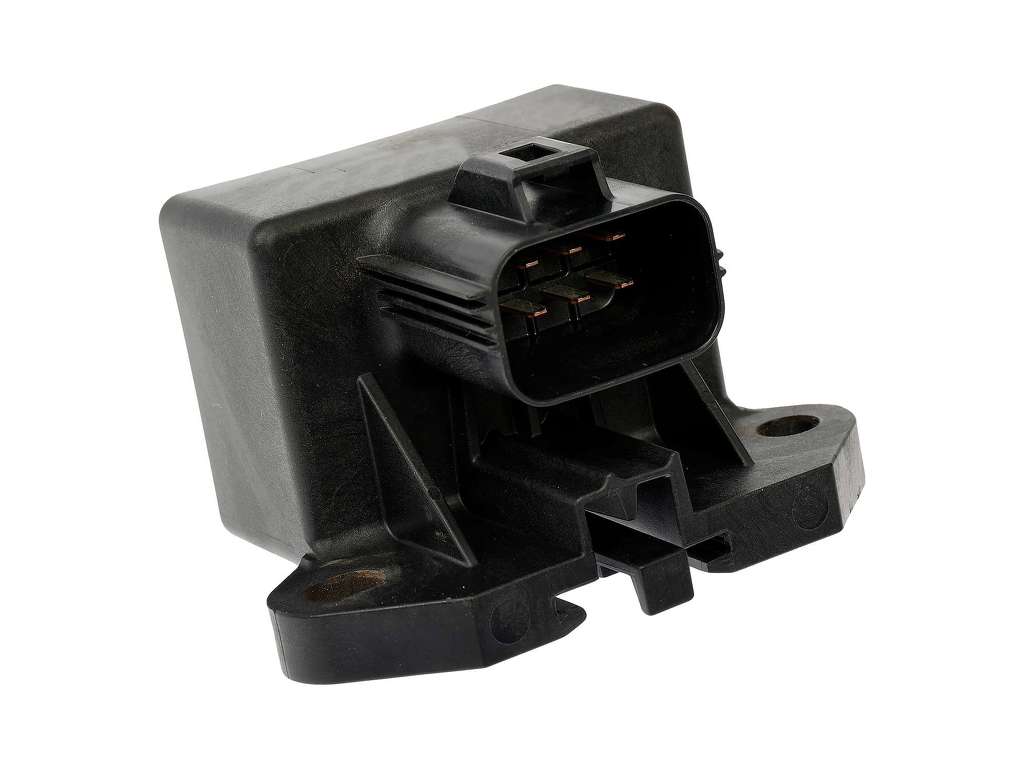
C3239 is not a trouble code. It's the Ford part number for the Fuel Pump Control Module (FPCM) connector on 2018-2019 models. If you see this number, the actual problem is likely a loose connection causing stalling or a no-start, which can often be fixed for free by re-seating the connector. A zip tie is a common preventative measure.
- C3239 is NOT a trouble code; it's the name of the FPCM electrical connector on 2018-2019 Explorers.
- Stalling or no-start issues are very likely caused by this connector being loose.
- Before buying any parts, the first step is to locate the FPCM under the driver's side of the vehicle and check that its connector is clean and securely latched.
- The actual trouble code stored in the computer will likely be U0109 (Lost Communication With FPCM) or P025A (FPCM Control Circuit/Open).
- Adding a zip tie around the connector is a common, effective way to prevent the problem from recurring.
What's Unique About the 2018-2022 Ford EXPLORER POLICE INTERCEPT
The 2018-2022 Explorer range spans two vehicle generations, and this specific issue highlights the difference. The connector designated C3239 is specific to the 5th generation 2018-2019 models. For the 6th generation 2020-2022 models, the same module uses a different connector, C4033. Ford has released multiple TSBs (SSM 50661, SSM 51306, SSM 49618) that point to a poor connection at this exact spot as the root cause for various fuel delivery symptoms like stalling, making it a well-documented weak point on this platform. The TSBs also recommend checking the FPCM ground point (G302 for 2018-2019, G407 for 2020-2022) for looseness or corrosion.
Diagnostic Flowchart
Tap your situation to follow the diagnostic path that matches what you're seeing on this vehicle.
Generation note: Yes, this vehicle range covers two generations. The connector C3239 is specific to the 2018-2019 (5th gen) Explorer. The 2020-2022 (6th gen) Explorer has the same module, but the connector is designated C4033. The diagnostic principle of checking the connection remains the same for both.
Symptoms You May Notice
- Engine stalls unexpectedly while driving
- Engine cranks but will not start (no-start condition)
- Intermittent loss of power or hesitation
- Check Engine Light or Wrench Light illumination
- Long crank time before the engine starts.
- Replacing the fuel pump
- Replacing the Fuel Pump Control Module (FPCM) without first checking the connector
Most Likely Causes
- Loose or Improperly Seated FPCM Connector 🔴 High Probability This is a widely documented issue cited in multiple Ford TSBs (SSM 50661, SSM 51306, SSM 49618). The module's location under the vehicle exposes the connector to vibration and moisture, causing it to work loose over time. The connector's locking tab can be weak or not fully engaged from the factory.
How to confirm: Locate the FPCM on the underside of the vehicle, on the driver's side floor panel, often above a sound insulation shield. Physically check if the connector (C3239 for 2018-19, C4033 for 2020-22) is loose, unclipped, or shows signs of corrosion. Wiggling the connector may replicate or temporarily resolve the stall/no-start condition. 🎬 Watch: This simple fix can get your car running again.
Typical fix: Disconnect the battery. Unplug the connector, clean the pins and housing with electrical contact cleaner, apply a small amount of electrical grease (Motorcraft XG-12 is recommended over standard dielectric grease) to the seal, and firmly reconnect it, ensuring the locking tab clicks into place. Many owners and technicians add a zip tie around the connector and module body as a preventative measure to keep it from vibrating loose again.
Est. part cost: $0-$15 - Loose or Corroded FPCM Ground Connection ⚪ Low Probability The ground point is also located on the vehicle's underbody and is susceptible to corrosion from road salt and moisture, which can cause intermittent operation of the module.
How to confirm: Locate the correct ground point based on the TSBs. For 2018-2019 models, it is G302. For 2020-2022 models, it is G407. Inspect the ground for tightness and signs of rust or corrosion.
Typical fix: Disconnect the battery. Remove the ground bolt, clean the terminal and the chassis mounting point with a wire brush until shiny, then re-secure it tightly. Applying a corrosion inhibitor can help protect the connection.
Est. part cost: $0-$5
Rare But Worth Checking
- Damaged FPCM Connector or Wiring: If the connector housing is cracked, the locking tab is broken, or wires are frayed, simply re-seating it won't be a permanent fix. The connector pigtail may need to be replaced.
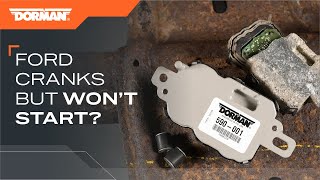
- Failed Fuel Pump Control Module (FPCM): → Shop Fuel Pump While less common than a loose connection, the module itself can fail, sometimes due to internal corrosion from a cracked housing. This should only be considered after the connector and wiring have been confirmed to be in perfect condition. 🎬 Watch: Choosing a more reliable replacement fuel pump driver module.
Diagnosis Steps
- Confirm the actual Diagnostic Trouble Code (DTC) with an OBD-II scanner. Note that it will likely be U0109, P025A, or another fuel-related code, not C3239.
- Safely raise and support the vehicle using a lift or jack stands.
- Locate the Fuel Pump Control Module (FPCM). On the 2018-2022 Explorer, it is on the bottom of the driver's side front floor pan. You may need to remove fasteners and lower a sound insulation shield to gain access.
- Identify the main connector (C3239 on 2018-19 models, C4033 on 2020-22 models).
- Physically check if the connector is loose. Wiggle it to see if it moves or clicks.
- Disconnect the negative battery terminal.
- Unplug the connector. Inspect the pins for corrosion (green/white powder), moisture, or damage. Clean with electrical contact cleaner if necessary.
- Apply electrical grease (Ford recommends XG-12) or dielectric grease to the connector seal to prevent future moisture intrusion.
- Firmly plug the connector back in until the locking tab audibly clicks into place. Ensure it is secure. Consider adding a zip tie for extra security.
- While under the vehicle, inspect the FPCM ground point (G302 for 2018-19, G407 for 2020-22) for corrosion and tightness.
- Reconnect the battery, clear the DTCs, and start the vehicle to see if the issue is resolved.
Parts You'll Likely Need
- Electrical Contact Cleaner — To clean any dirt or minor corrosion from the connector pins to ensure a solid electrical connection.
Trusted brands: CRC, WD-40 Specialist
Aftermarket price range: $5-$15 - Dielectric Grease
(OEM #XG-12 (Motorcraft Electrical Grease))— To seal the connector from moisture and prevent future corrosion after it has been cleaned and re-seated. Ford specifically recommends electrical grease over standard dielectric grease for some applications.
Trusted brands: Permatex, Motorcraft
OEM price range: $10-$25
Aftermarket price range: $5-$10 - Fuel Pump Control Module Connector Pigtail — Only needed if the original connector housing or wiring is physically damaged and cannot be securely reconnected. The specific 'WPT' part number varies, so it must be matched to the vehicle.
Trusted brands: Motorcraft, Dorman
OEM price range: $40-$80
Aftermarket price range: $20-$50 - Zip Ties — A common and highly recommended addition to wrap around the FPCM and its connector to prevent it from vibrating loose in the future.
Aftermarket price range: $1-$5
Related Codes That Often Appear With This One
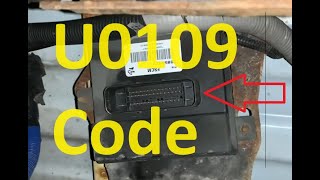
- U0109 — This code means 'Lost Communication With Fuel Pump Control Module.' It is the most common DTC that results directly from the C3239 connector being loose or disconnected. 🎬 See this guide on diagnosing and fixing the U0109 code.
- P025A — This code means 'Fuel Pump Module Control Circuit/Open.' It indicates an open electrical circuit, which is exactly what happens when the connector is not making full contact.
- P008A — This code means 'Low Pressure Fuel System Pressure - Too Low.' An intermittent connection to the FPCM can prevent the fuel pump from running correctly, leading to low fuel pressure.
- P0627 — This code for 'Fuel Pump 'A' Control Circuit/Open' is also frequently cited in the relevant TSBs alongside U0109 and P025A as a direct result of the intermittent connection.
Technical Service Bulletins (TSBs) & Recalls
- SSM 50661: Instructs technicians to check the FPCM connector (C3239 on 2018-2019 Explorer) for being fully seated before diagnostics. Also lists platform mates like F-150, Expedition, and Transit with the same issue.
- SSM 51306: Repeats the instruction to verify the FPCM connector (C3239 on 2018-2019 Explorer) is secure and adds more model years and DTCs to the list.
- SSM 49618: An earlier bulletin also advising to confirm the FPCM connector (C3239 on 2018-2019 Explorer) is fully seated.
Platform-Specific Known Issues
- A loose FPCM connector is a known issue on this platform, as documented by Ford in TSBs SSM 50661, SSM 51306, and SSM 49618. These bulletins explicitly advise technicians to check that the FPCM connector (C3239 on 2018-2019 models) is fully seated before performing any other diagnostics for fuel-related problems.
- An owner on Explorer ST Forum with a 2021 Explorer XLT confirmed the FPCM location under the driver's side floor panel and reported fixing their issue in 15 minutes by addressing the connection, saving hundreds at a dealership.
Mechanic-Grade Diagnostic Values
- Low-Side Fuel Pressure (Key On, Engine Running) — expected: 60-65 psi. Failure: Pressure below 60 psi, especially a reading of 25 psi or lower, indicates a fuel delivery problem.
- FPCM Power Supply Voltage at Connector — expected: 11.5 - 12.5 Volts (Battery Voltage). Failure: 0 Volts or significantly low voltage points to a blown fuse, bad relay, or an open in the power supply wire.
- FPCM Ground Circuit Resistance — expected: Near 0 Ohms. Failure: High or infinite (OL) resistance between the ground pin and chassis ground indicates a corroded or broken ground connection.
- CAN Bus Line Resistance — expected: Approximately 60 Ω (with battery disconnected). Failure: Readings significantly different from 60 Ω can indicate a problem with the CAN bus wiring or a faulty terminating resistor in one of the modules.
Scan Tool Commands That Help
- FORScan: Live Data PID Monitoring (FLP, FLP_DSD, FP %) — To diagnose fuel pressure issues. A user on an F-150 forum noted PIDs for Low Side Fuel Pressure (FLP), Desired Low Side Fuel Pressure (FLP_DSD), and Fuel Pump Duty Cycle (fp %). Comparing the actual pressure to the desired pressure can confirm if the pump is keeping up with demand.
- FORScan / Ford IDS: On-Demand Self Test (PCM) — This function commands various modules to run an internal diagnostic. When running the PCM self-test, you may hear actuators and relays click, which can help verify basic module responsiveness, though it may not specifically activate the fuel pump on its own.
- Professional Bi-Directional Scan Tool (Autel, etc.): Fuel Pump Activation / On-Off Command — This is a critical test to determine if the fuel pump itself is functional. A technician can command the pump to turn on directly from the scan tool. If the pump runs with the command but not otherwise, the problem lies in the control circuit (wiring, FPCM, PCM). If it doesn't run, the pump or its direct wiring is likely at fault. Some users report this function may be limited in FORScan for certain models, requiring a dealer-level tool like IDS or a high-end Autel.
Wiring & Ground Locations
- C3239 — On the Fuel Pump Control Module (FPCM), located on the bottom of the driver's side front floor pan, possibly under a shield.. This is the primary connector for the FPCM. A loose connection here is the most common cause of code U0109 and associated stalling/no-start symptoms, as documented in Ford TSBs.
- C3239 Pinout (Typical) — Within the C3239 connector housing.. Knowing the pin functions is essential for testing. Based on general Ford FPCM wiring, key pins include: Power (VPWR) from a fuse, Ground (GND), Fuel Pump Control (FPC) from the PCM, and Fuel Pump Monitor (FPM) back to the PCM. A wiring diagram is needed for exact pin numbers and wire colors.
- G302 — At the base of the right 'B' pillar.. This is a major body ground point. While the TSBs point to this ground for the FPCM circuit, wiring diagrams for older Explorers show it at the 'B' pillar. A poor connection here can cause intermittent issues for multiple systems, including the FPCM.
- G301 — At the base of the left 'B' pillar.. This is another critical chassis ground point located near the driver's side. Verifying all major grounds in the area is good practice when diagnosing intermittent electrical faults.
- Fuel Pump Fuse — In the under-hood fuse box (Battery Junction Box). For a 2019 Explorer, this is typically fuse F79 (20A).. A blown fuse will cut all power to the FPCM, causing a no-start and a U0109 code. This should be one of the first checks.
Real Owner Repair Stories
- Ford F150 Forum user 'RLXXI' (2009-2014 Ford F-150 (platform with similar FPCM issue)) — Code U0109 - Lost Communication With Fuel Pump Control Module A.
❌ Tried (didn't work) Initial scanning and code reading.
✅ What actually fixed it The user identified that the FPCM itself was the most likely cause, noting that the problem from 2004-08 models carried over. The fix involves replacing the Fuel Pump Control Module, after verifying the associated wiring and fuse. The user posted the diagnostic steps from the service manual which point to checking the FPM circuit for open/shorts, the power (VPWR) circuit, and the ground circuit before condemning the module.
OEM Part Supersession History
FU5Z-9D370-B→N/A— This is a common OEM part number for the Fuel Pump Driver Module for 2016-2019 Ford Explorers. A used parts listing for a 2020+ Explorer shows part number FU5A-9D370-LA, indicating a potential change for the newer generation.
Heads up: The module for a 2020+ Explorer (6th gen) may not be compatible with a 2018-2019 (5th gen) due to the different connector (C4033 vs C3239) and potential software differences.Motorcraft (OEM)→Dorman 601-225 (Aftermarket)— Dorman offers a direct replacement aftermarket FPCM for these vehicles. Aftermarket options are often chosen for cost savings.
Model Year Variations Within This Range
- 2018-2019: Uses FPCM connector C3239 and ground point G302. The relevant fuse in the under-hood panel is F79 (20A).
- 2020-2022: Uses FPCM connector C4033 and ground point G407. The relevant fuse in the under-hood panel is F22 (20A).
Helpful Videos

Used OEM Parts in Stock
New Aftermarket Parts Available


The information in this article is provided for general reference and educational purposes only. Vehicle specifications, procedures, and part compatibility can vary by production date, trim level, and region. Always consult your vehicle's factory service manual and verify part numbers before purchasing or performing repairs. Safety-critical components such as airbags, seat belts, and braking systems should be installed by a qualified professional.
- Ford EXPLORER POLICE INTERCEPT:
- 🧭 Diagnostic Flowchart
- 🎬 Helpful Videos
- 🛍️ Shop This Part
- What's Unique About the 2018-2022 Ford EXPLORER POLICE INTERCEPT
- Symptoms You May Notice
- Most Likely Causes
- Rare But Worth Checking
- Diagnosis Steps
- Parts You'll Likely Need
- Related Codes That Often Appear With This One
- Technical Service Bulletins (TSBs) & Recalls
- Platform-Specific Known Issues
- Mechanic-Grade Diagnostic Values
- Scan Tool Commands That Help
- Wiring & Ground Locations
- Real Owner Repair Stories
- OEM Part Supersession History
- Model Year Variations Within This Range
- 🎟️ Get 5% Off