

P0008 on 2012-2018 Audi A6 3.0T: Engine Timing Causes and Fixes
On the 2012-2018 Audi A6 3.0T, code P0008 almost always indicates a mechanical timing issue, such as a stretched timing chain or failing tensioners. This is a serious, labor-intensive repair costing several thousand dollars and should not be ignored. Diagnosis via VCDS to check camshaft adaptation values is critical before starting repairs.
- P0008 on this Audi is a serious code indicating a mechanical timing problem, not a simple sensor fault.
- A rattling noise on cold starts is a critical warning sign that should be addressed immediately to prevent catastrophic engine failure.
- The most important diagnostic step is to check the camshaft adaptation values with a proper scan tool; this can confirm a stretched chain without any teardown.
- The repair is one of the most expensive for this vehicle due to the engine-out/transmission-out labor required.
- Do not waste money replacing sensors; the root cause is almost always the timing chains, tensioners, and guides.
What's Unique About the 2012-2018 Audi A6
The Audi 3.0L V6 SC (EA837) engine is a sophisticated, high-performance engine with a complex timing system of four chains located at the rear of the engine, against the firewall. This design makes any timing service extremely labor-intensive, as the engine or transmission must be removed for access, driving up repair costs significantly. While the chains themselves are robust, the hydraulic tensioners and plastic guides are known weak points that can wear over time, leading to slack in the chains and triggering timing correlation codes like P0008.
Symptoms You May Notice
- Check Engine Light illuminated
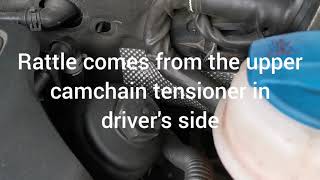
- Engine rattle or clatter, especially on cold starts, that may last for 1-3 seconds. 🎬 Listen to this example of a cold start rattle. This is a classic symptom of failing tensioners.
- Rough or uneven idle
- Reduced engine power and poor acceleration
- Decreased fuel economy
- Engine hesitation or stalling
- A noticeable noise from the timing chain area at the rear of the engine.
- Replacing the camshaft position sensor without checking mechanical timing.
- Replacing the crankshaft position sensor without checking mechanical timing.
- Replacing the variable valve timing (VVT) solenoids, as the primary issue is typically base timing, not phaser control.
Most Likely Causes
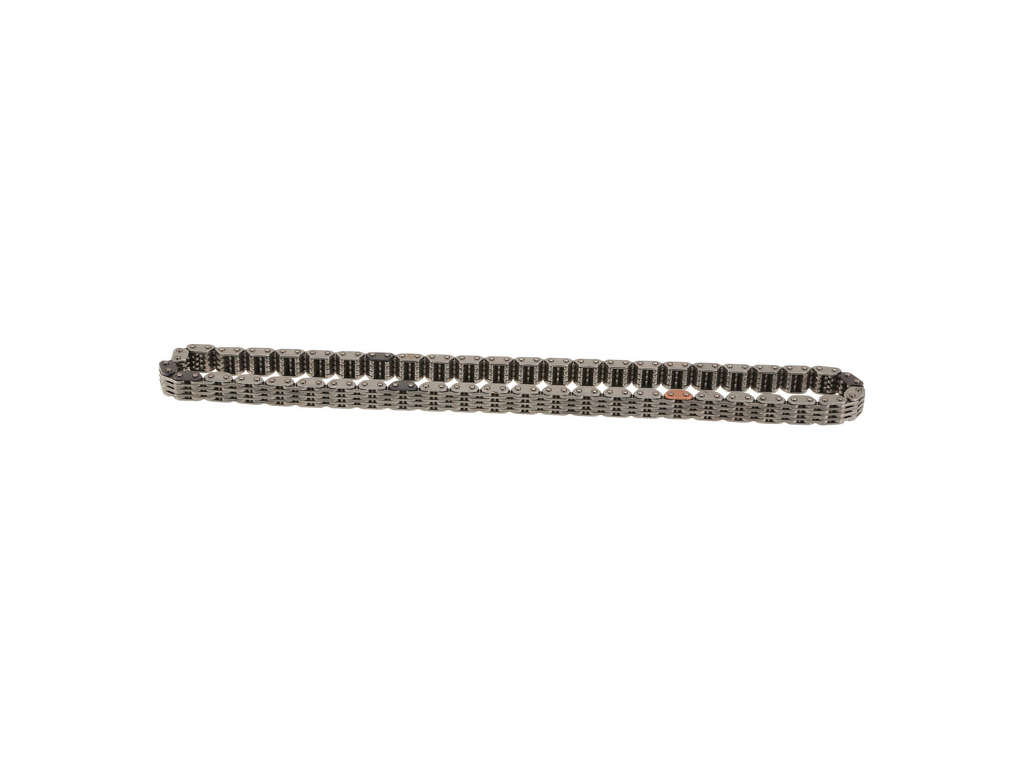
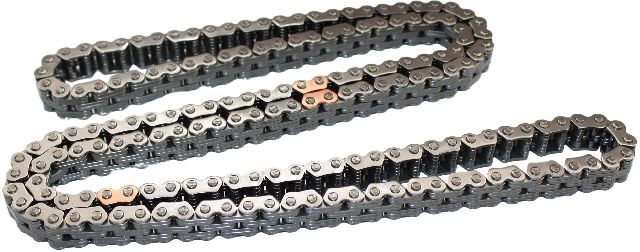
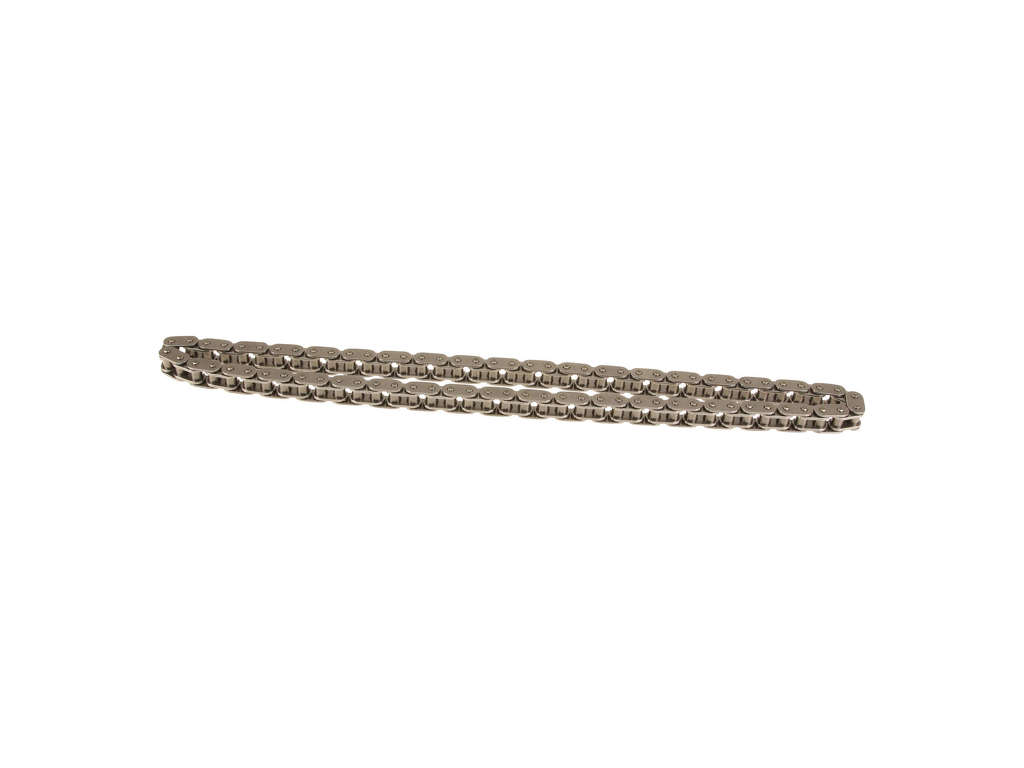
- Stretched Timing Chain(s) 🔴 High Probability → Shop Engine Timing Chain Timing chains on the EA837, like many modern engines, can stretch over many miles. This causes slack that the tensioners cannot fully compensate for, leading to a timing correlation error. This is a wear item, though not on a fixed schedule.
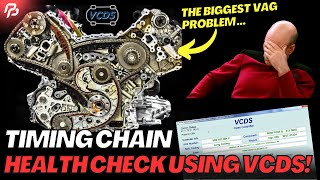
How to confirm: The most reliable method is to use an advanced scan tool (like VCDS) to read the camshaft adaptation values (measuring blocks). Values significantly outside the +/- 5-degree range 🎬 Watch how to check timing chain stretch using VCDS. (e.g., approaching 7 degrees or more) typically confirm chain stretch.
Typical fix: Replacement of all timing chains, tensioners, and guides. This is a major service requiring engine or transmission removal.
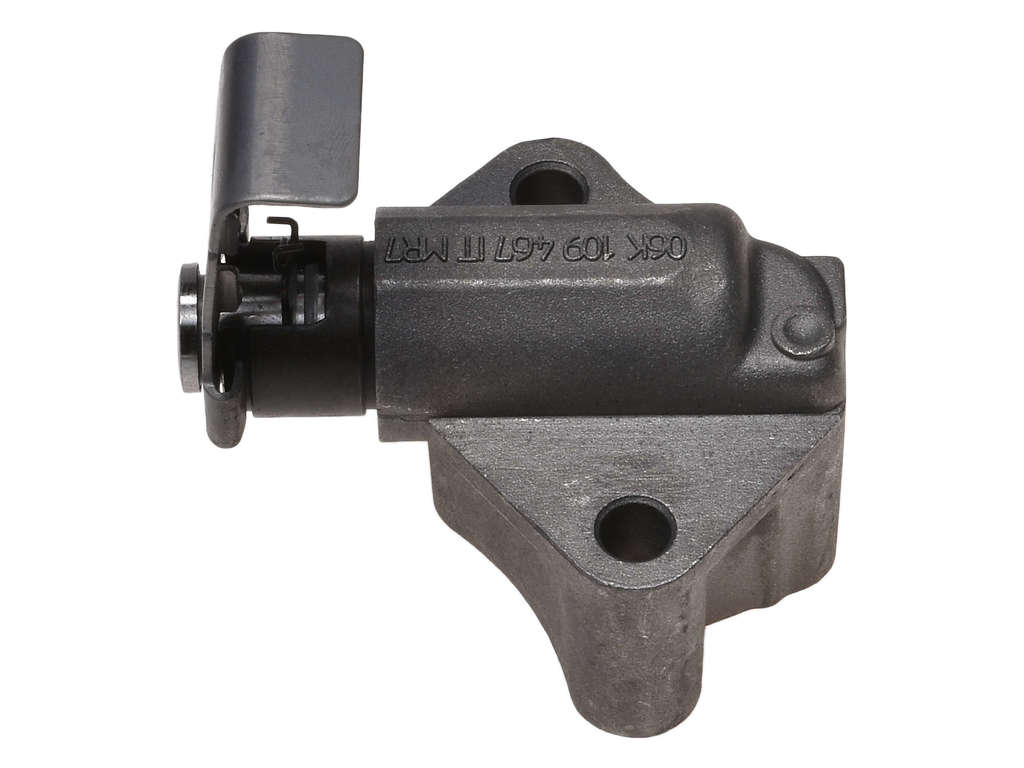
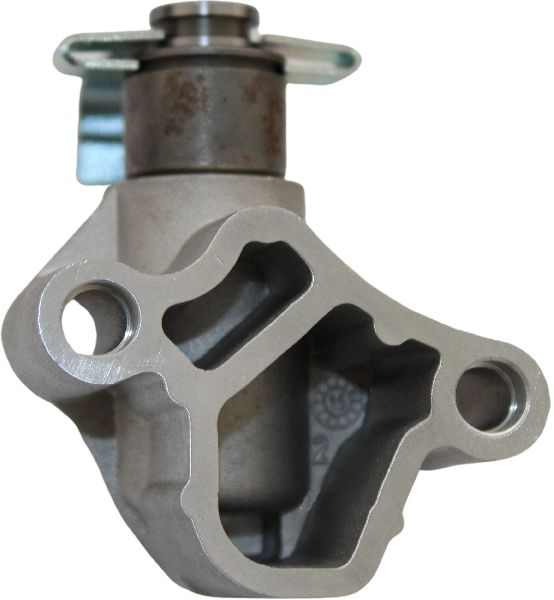
Est. part cost: $800-$1500 for a comprehensive OEM-quality kit. - Failed Timing Chain Tensioner(s) 🔴 High Probability → Shop Engine Timing Chain The hydraulic tensioners are a known weak point. They can fail to maintain proper pressure, especially on startup, allowing the chain to go slack. Audi issued a Technical Service Bulletin (TSB 15-16-28 / 2039995/2) for a 1-3 second startup rattle, recommending the replacement of the upper tensioners with improved parts.
How to confirm: A persistent startup rattle is a strong indicator. The upper tensioners can sometimes be replaced with the engine in the car, but this is still a complex job and may not solve the underlying issue if the chains are also stretched.
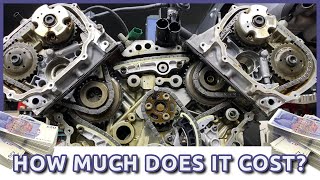
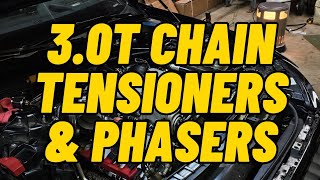
Typical fix: Replacement of all timing chain tensioners, which is done as part of a complete timing chain service. If only the startup rattle is present without codes, some owners opt to replace only the upper tensioners. 🎬 See how to replace upper tensioners with the engine in the car.
Est. part cost: $200-$400 for a set of tensioners. - Worn Timing Chain Guides 🟡 Medium Probability → Shop Engine Timing Chain The plastic guides can become brittle with age and heat cycles. Pieces can break off, leading to excess chain slack and potentially clogging oil passages or the oil pickup tube.
How to confirm: Visual inspection during a timing service. Broken plastic pieces may be found in the oil pan.
Typical fix: Replacement of all guides as part of a complete timing chain service.
Est. part cost: $150-$300 for a set of guides. - Low or Degraded Engine Oil ⚪ Low Probability The timing chain tensioners are hydraulic and rely on clean oil at the correct pressure to function. Neglecting oil changes or using the wrong type of oil can lead to sludging and tensioner issues, accelerating wear on the entire timing system.
How to confirm: Check the oil level and condition. If the oil is very low, black, or sludgy, this could be a contributing factor.
Typical fix: Perform an oil and filter change with a manufacturer-approved synthetic oil (e.g., VW 502.00 specification). Clear codes and see if the problem returns. This is a diagnostic step, not usually a final fix.
Est. part cost: $80-$150
Rare But Worth Checking
- Faulty Camshaft or Crankshaft Position Sensor: → Shop Engine Crankshaft Position Sensor While a sensor can fail, it is much less common for this specific correlation code than a mechanical timing issue. P0008 indicates the system is out of sync, not that a sensor isn't reading. Replacing sensors without verifying mechanical timing is a common misdiagnosis.
- Faulty Engine Control Module (ECM): → Shop Engine Control Module (ECM) This is extremely rare. The ECM should only be considered as a cause after all mechanical and wiring possibilities have been exhaustively ruled out.
Diagnosis Steps
- Confirm the code P0008 is present using a reliable OBD-II scanner.
- Check engine oil level and condition. If low or dirty, perform an oil change with the correct specification oil (e.g., VW 502.00), clear the code, and re-test.
- Listen carefully for a metallic rattle from the rear of the engine during a cold start. A rattle lasting 1-3 seconds is a classic sign of a timing chain tensioner issue, as noted in Audi TSB 2039995/2.
- Using an advanced diagnostic tool like VCDS or OBDeleven, access the engine measuring blocks and check the camshaft adaptation/phase angle values for Bank 1 and Bank 2 at idle. Values deviating more than 5-6 degrees from zero strongly suggest a stretched timing chain.
- If camshaft adaptation values are out of spec, the diagnosis is confirmed as a mechanical timing issue. The only fix is a full timing chain service.
- If adaptation values are within spec but a startup rattle is present, the issue may be limited to the upper tensioners, which can sometimes be replaced with the engine in the car.
- If adaptation values are within spec and there is no rattle, investigate the camshaft and crankshaft position sensor wiring and connectors for damage or corrosion.
- If all else fails, scope the camshaft and crankshaft sensors to compare their waveforms, but this is rarely necessary as the camshaft adaptation value is a more direct and reliable indicator for this platform.
Parts You'll Likely Need
- Timing Chain Kit
(OEM #06E109465BCKT9 (FCP Euro Example Kit))— This is the definitive fix. A complete kit ensures all wear items (chains, tensioners, guides, gaskets, and bolts) are replaced simultaneously to restore proper engine timing and prevent a repeat failure.
Trusted brands: Iwis (OEM chain supplier), Genuine VW/Audi, FCP Euro (Comprehensive Kit), ECS Tuning (Comprehensive Kit)
OEM price range: $1200-$1800
Aftermarket price range: $800-$1200 - Upper Timing Chain Tensioners
(OEM #06E109217AH (Bank 2), 06E109218AJ (Bank 1))— If only addressing the startup rattle per TSB 2039995/2 without codes present, replacing the upper tensioners is the specified repair. This is a less involved repair than a full chain service but may not solve the issue if chains are stretched.
Trusted brands: Genuine VW/Audi
OEM price range: $150-$200 each
Aftermarket price range: $100-$150 each
Related Codes That Often Appear With This One
- P0009 — This is the equivalent code for Bank 2. If both P0008 and P0009 are present, it strongly indicates a problem with the primary timing chain from the crankshaft, affecting both banks.
- P0016, P0017, P0018, P0019 — These are more specific crankshaft-camshaft correlation codes for intake/exhaust cams on both banks. Their presence alongside P0008 reinforces the diagnosis of a significant mechanical timing problem.
Technical Service Bulletins (TSBs) & Recalls
- TSB 15-16-28 / 2039995/2: Addresses 'Engine rattling noises at cold start' for 1-3 seconds. Recommends replacing both upper chain tensioners with optimized parts. States the noise itself does not cause damage, but is a key symptom of tensioner wear.
Platform-Specific Known Issues
- The timing chain system is located at the rear of the engine, requiring engine or transmission removal for service, which is the primary driver of the high repair cost.
- Early versions of the timing chain tensioners were prone to losing hydraulic pressure when the engine was off, leading to the common cold-start rattle and premature chain wear. Audi released an updated TSB (2039995/2) and improved parts to address this.
Mechanic-Grade Diagnostic Values
- Camshaft Adaptation Intake Bank 1 Phase Position (VCDS) — expected: 0 to -4.0 degrees. Failure: A value of -5.0 degrees or more (e.g., -6.0, -7.0) indicates significant chain stretch requiring replacement. Some technicians recommend replacement at -4.0 degrees or more as a precaution.
- Camshaft Position Sensor Supply Voltage — expected: 5.0 Volts. Failure: If 5V is not present at the sensor connector with the ignition on, it indicates a wiring or ECM issue, not a failed sensor.
Scan Tool Commands That Help
- VCDS (VAG-COM): Advanced Measuring Values -> Search for 'Camshaft Adaptation' — This is the primary diagnostic step for P0008 after checking oil. It directly measures how much the ECM is compensating for timing chain slack. Checking 'Camshaft Adaptation Intake Bank 1: Phase' is the most critical value for this code.
Wiring & Ground Locations
- Engine Harness Ground — On the C7 platform, there is a main engine harness ground wire on the frame rail on the left (driver's) side of the engine bay. Another ground point is located on the right side of the engine compartment, near the alternator.. A corroded or loose ground can cause erratic sensor readings, including from the camshaft and crankshaft position sensors. While unlikely to be the primary cause of a P0008 code, checking main grounds is a crucial step if sensor readings are nonsensical or other electrical faults are present.
- Camshaft Position Sensor (G40 - Bank 1) — Located on the rear of the Bank 1 (passenger side) cylinder head, near the firewall. It is a 3-pin Hall sensor.. This is the primary sensor for Bank 1 timing. The connector pins are typically for 5V supply, signal, and ground. A common wiring color for ground on Audis is brown.
Real Owner Repair Stories
- YouTube comment on 'Garage Taught' video (Audi A6 Premium Plus (year not specified, but C7 platform)) — Loud rattle on cold start and when decelerating. No check engine light.
❌ Tried (didn't work) A large shop misdiagnosed it as a bad timing belt (this engine has a chain) and quoted for a full timing job.
✅ What actually fixed it A second mechanic found no fault codes and correctly diagnosed the issue as the upper timing chain tensioners and camshaft adjusters. Replacing only these parts (with the engine in the car) resolved the rattle completely, saving the owner from a much more expensive, unnecessary full timing chain replacement.
OEM Part Supersession History
Older revisions of 06E109217 and 06E109218→06E109217AM (or AH), 06E109218AP (or AJ)— The original upper timing chain tensioners were prone to losing oil pressure, causing startup rattle. The updated parts have an improved design to mitigate this issue, as referenced in Audi TSBs.
Model Year Variations Within This Range
- 2012-2015 (Pre-facelift B8.5 generation engines like CGXB): Some earlier 3.0T engines had check valves in the PCV system that helped maintain oil pressure in the cylinder heads when the engine was off. Later engines, including some C7.5 'CREC' versions, replaced these with simple caps. Some owners and mechanics recommend retrofitting the older check valves to later engines to help reduce startup rattle by keeping oil in the top end longer.
- 2016-2018 (C7.5 Facelift with CREC engine): The CREC engine introduced dual injection (port and direct) to combat carbon buildup. While the fundamental timing chain design is the same, some forum users report the CREC has an inferior PCV design that can lead to higher oil consumption compared to earlier 3.0T engines, which could indirectly impact timing components if oil levels are not diligently monitored.
Diagnostic Flowchart
Other Known Issues on This Vehicle
Issues unrelated to this code that are worth knowing about as an owner of this generation:
- PCV / Oil Separator Failure 🔴 High — Common failure item, often occurring between 60,000-100,000 miles. Can cause significant oil consumption, rough idle, and a loud whistling noise.
- Water Pump & Thermostat Failure 🔴 High — The plastic housings for the water pump and thermostat are prone to cracking, causing coolant leaks. Very common, especially on pre-2013 models. Failure can lead to overheating. (Ref: There were service actions for some early models.)
- Engine Mount Failure 🟠 Medium — The fluid-filled electronic engine mounts tend to fail, causing excessive vibration at idle and clunking noises. Failure is common around 60,000-90,000 miles.
- Intake Valve Carbon Buildup 🟠 Medium — A known issue for all direct-injection engines. On pre-facelift (2012-2015) models without port injection, carbon builds up on intake valves over 50,000-80,000 miles, causing misfires and reduced performance.
- Supercharger Intercooler Coolant Leak 🟠 Medium — The intercoolers located under the supercharger can develop leaks, allowing coolant to be ingested by the engine. This is less common but a significant repair if it occurs.
Used vs. New Parts: Buying Guide for This Vehicle
When a used part is the smart pick: For this specific repair, using used parts is almost never recommended. The primary failure components (chains, tensioners, guides) are wear items. Installing used wear items is nonsensical as it provides no guarantee of remaining life and requires the same massive labor cost. The only potential exception would be a complete, low-mileage, documented engine from a wrecked vehicle as a total replacement, but this carries its own risks.
Donor-vehicle mileage cap: roughly under 30000 miles for the part to have meaningful remaining life.
What to inspect on the donor part:
- For a complete engine swap: must have verifiable service history with consistent oil changes.
- Must have video of the engine running before it was pulled.
- Check VCDS camshaft adaptation values *before* purchasing the donor engine, if possible.
- Inspect for external oil leaks, particularly from the rear timing covers, valve covers, and front main seal.
OEM-only on this vehicle (don't cheap out):
- Timing Chain Tensioners
- Timing Chains
- Camshaft Position Sensors
- Crankshaft Position Sensor
Aftermarket brands forum-validated for this vehicle:
- Iwis (often the OEM supplier for the chains)
- INA (OEM supplier for many timing components)
- FCP Euro / ECS Tuning (for comprehensive kits that bundle high-quality OEM and aftermarket parts)
- Febi Bilstein (reported to be a quality manufacturer for camshaft adjusters)
Brands owners have reported issues with on this vehicle:
- Unbranded, generic 'white-box' timing kits from online marketplaces. The quality of the chain, plastic guides, and tensioner seals is critical, and failure of a cheap component can destroy the engine.
Real Owner Stories
Aggregated from forums and TSBs cited above. Mileages and costs reflect what owners reported in those sources.
2012 Audi A6 3.0T
Symptoms: The owner reported that the timing chain needed to be replaced due to symptoms consistent with the EA837 platform's known timing issues.
What fixed it: Replacement of timing chains.
Source hint: Audizine.com: Thread '[2012 A6 3.0T] Timing chain needs to be replace'
Related OBD-II Codes
Frequently Asked Questions
My 2014 Audi A6 3.0T has a rattle for about 2 seconds when I first start it in the morning. Is there an official Audi fix for this?
Can I check if my timing chain is stretched on my A6 3.0L V6 SC without taking the engine apart?
Why is the repair cost for P0008 so high on the 2012-2018 Audi A6?
If I only have the startup rattle but no P0008 code yet, do I have to pull the engine?
Does the P0008 code on this Audi platform always mean I need new chains?
Are there other common issues on the 2012-2018 A6 3.0T that I should fix while the engine is out for timing service?
Helpful Videos
We Have This Part in Stock


The information in this article is provided for general reference and educational purposes only. Vehicle specifications, procedures, and part compatibility can vary by production date, trim level, and region. Always consult your vehicle's factory service manual and verify part numbers before purchasing or performing repairs. Safety-critical components such as airbags, seat belts, and braking systems should be installed by a qualified professional.
- Audi A6:
- 🧭 Diagnostic Flowchart
- 🎬 Helpful Videos
- 🛍️ Shop This Part
- What's Unique About the 2012-2018 Audi A6
- Symptoms You May Notice
- Most Likely Causes
- Rare But Worth Checking
- Diagnosis Steps
- Parts You'll Likely Need
- Related Codes That Often Appear With This One
- Technical Service Bulletins (TSBs) & Recalls
- Platform-Specific Known Issues
- Mechanic-Grade Diagnostic Values
- Scan Tool Commands That Help
- Wiring & Ground Locations
- Real Owner Repair Stories
- OEM Part Supersession History
- Model Year Variations Within This Range
- Other Known Issues on This Vehicle
- Used vs. New Parts: Buying Guide for This Vehicle
- Real Owner Stories
- 2012 Audi A6 3.0T
- Related OBD-II Codes
- Frequently Asked Questions
- 🎟️ Get 5% Off