

P0008 on 2010-2017 GMC Terrain 3.0L V6: Stretched Timing Chain Causes and Fixes
On a 2010-2017 GMC Terrain with the 3.0L V6 engine, code P0008 almost always means the timing chains have stretched. This is a serious, well-documented issue requiring a complex and expensive repair to replace the chains, tensioners, and guides, typically costing $2,000 to $4,500. The problem was so common that GM issued a special warranty extension (11340C), which has now expired for all affected vehicles.
- P0008 on a 3.0L V6 Terrain is a serious code that almost always means the timing chains have stretched.
- Do not drive the vehicle. A broken timing chain can destroy the engine, turning a $2,500 repair into a $7,000+ engine replacement.
- Do not waste money replacing sensors. The sensors are working correctly by reporting the mechanical timing failure.
- The only correct fix is to replace the complete timing chain kit (chains, guides, tensioners). This is a difficult and expensive job.
- After the repair, use high-quality full synthetic oil and change it every 5,000 miles or less to maximize the life of the new chains.
What's Unique About the 2010-2017 GMC Terrain
The GMC Terrain with the 3.0L V6 (part of GM's 'High Feature' V6 family) is highly susceptible to premature timing chain stretch. This problem was so prevalent that GM issued multiple Technical Service Bulletins (like 12-06-01-009) and a Special Coverage Adjustment (11340C, which superseded 11340B) that extended the warranty for this specific repair to 10 years or 120,000 miles. The issue is linked to the design of the original timing chains, which were prone to wear. This problem was often accelerated by the vehicle's oil life monitoring system, which could lead to overly long oil change intervals, allowing the oil to degrade and lose its protective qualities.
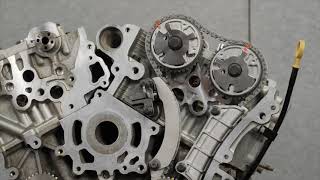
🎬 Watch: Why these GM V6 timing chains fail prematurelySymptoms You May Notice
- Check Engine Light illuminated
- Rattling or scraping noise from the engine, especially on a cold startup
- Reduced engine power and poor acceleration
- Rough idling
- Decreased fuel economy
- Hard starting or crank-no-start condition in severe cases
- Engine stalling
- Replacing the camshaft position sensors.
- Replacing the crankshaft position sensor.
- Replacing the variable valve timing (VVT) solenoids.
Most Likely Causes
- Stretched Timing Chains 🔴 High Probability → Shop Engine Timing Chain The original timing chains used in many GM High Feature V6 engines, including the 3.0L, were susceptible to premature wear and stretching. This is the most common cause for P0008 on this platform, acknowledged by GM in TSB 12-06-01-009. The design of the original chains was not robust enough, a problem fixed in later replacement parts.
How to confirm: A technician can use a professional scan tool (like the GM GDS2) to monitor cam/crank correlation data to see the deviation in real-time. A variance of more than 4-5 degrees is a strong indicator. Definitive confirmation requires partial engine disassembly to physically inspect the chain for excessive slack.
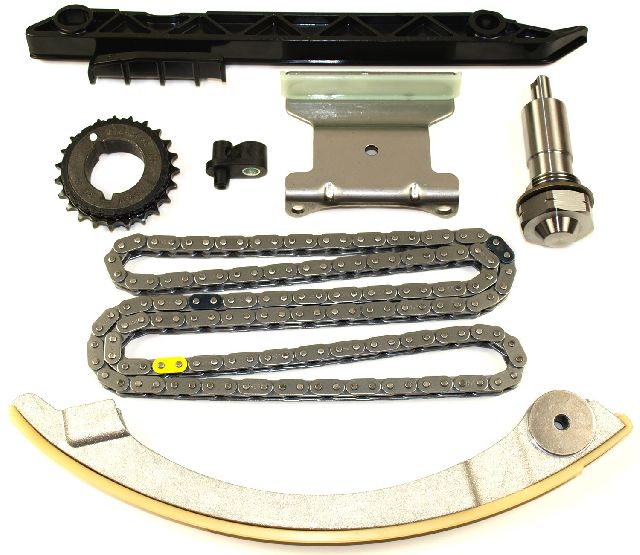
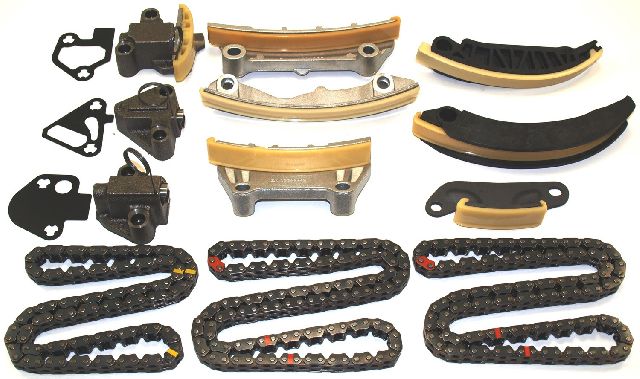
Typical fix: Replacement of all three timing chains (one primary, two secondary), all hydraulic tensioners, and all plastic guides. This is sold as a complete kit. It is also highly recommended to replace the water pump and oil pump during this service.
Est. part cost: $300-$600 - Worn Timing Chain Tensioners and/or Broken Guides 🔴 High Probability → Shop Engine Timing Chain The hydraulic tensioners rely on clean oil at the proper pressure. Low or degraded oil can cause them to fail, allowing the chain to go slack. This slack causes the chain to slap against and break the plastic guides. This is considered part of the overall timing chain system failure.
How to confirm: A rattling noise on startup is a key indicator. The components must be visually inspected for wear, damage, or breakage during the timing chain service.
Typical fix: The tensioners and guides are always replaced as part of a complete timing chain job. They are included in the timing chain kits.
Est. part cost: $0 (Included in kit) - Low Engine Oil Level or Poor Oil Quality 🟡 Medium Probability The timing chain tensioners are hydraulic and require clean oil at the proper level and viscosity to function. Following the Oil Life Monitor to its limit (sometimes over 10,000 miles) can degrade oil, and any oil consumption can lead to low levels, starving the tensioners and accelerating chain wear. Many technicians recommend 3,000-5,000 mile oil change intervals to prevent this.
How to confirm: Check the oil level on the dipstick and review the vehicle's service history for oil change frequency. If the oil is low or appears very dirty/sludgy, this is a likely contributing factor.
Typical fix: If caught very early, an oil change might temporarily quiet a noisy tensioner, but it will not fix a chain that has already stretched and set code P0008. This is more of a contributing factor and a maintenance item.
Est. part cost: $50-$100
Rare But Worth Checking
- Slipped Crankshaft Reluctor Wheel: → Shop Engine Crankshaft GM issued a TSB (PIP3423, with latest revision PIP3423P) for this possibility. The reluctor wheel, which the crankshaft position sensor reads, can physically move from its original position on the crankshaft, causing a timing correlation error even if the chains are good. This is much less common than stretched chains but is a known issue that can be misdiagnosed as a timing chain failure.
Diagnosis Steps
- Verify the Check Engine Light is on and scan for codes. Confirm P0008 and any other related codes (like P0009, P0017, etc.).
- Check the engine oil level and condition. If the oil is low, black, or sludgy, note this as a likely contributor to the problem. An oil change is a cheap first step but unlikely to fix a set code.
- Using an advanced scan tool (e.g., GM GDS2), access the live data stream and monitor the camshaft/crankshaft correlation PIDs. An experienced technician can interpret this data to confirm a timing deviation beyond the acceptable threshold (typically 4-5 degrees).
- Listen for a rattling or scraping noise from the front of the engine (passenger side) during a cold start. This is a classic symptom of a loose timing chain.
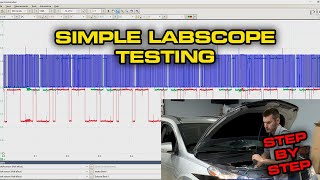
- If scan tool data is inconclusive or points to a possible reluctor wheel issue, an oscilloscope can be used to compare the patterns from the crankshaft and camshaft sensors for a definitive electronic diagnosis. 🎬 See how to test GM timing chain issues with a labscope
- If a slipped reluctor wheel is suspected per TSB PIP3423P, it may be possible to inspect it with a borescope through the crankshaft position sensor hole before committing to major disassembly. A more definitive check requires removing the oil pan for direct visual inspection.
- The final step is physical verification, which involves removing the engine timing cover to inspect the chains for slack and the guides for damage. This is a labor-intensive step and is usually only done when the repair is already authorized.
Parts You'll Likely Need
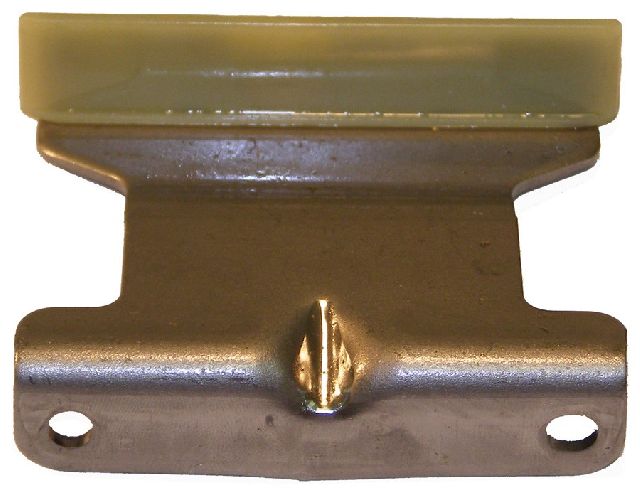
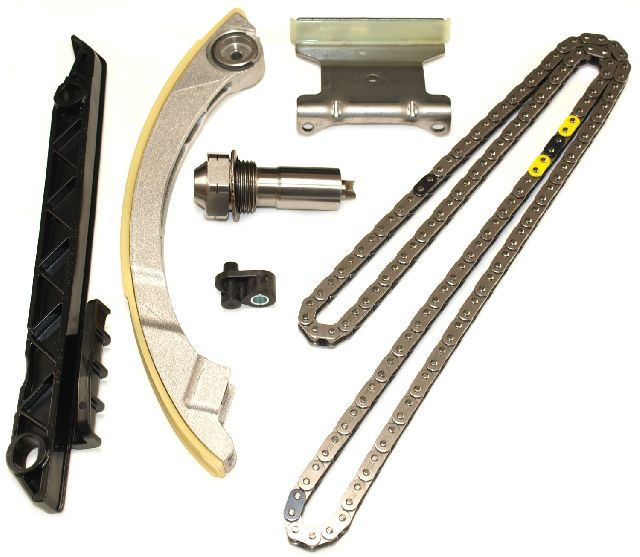
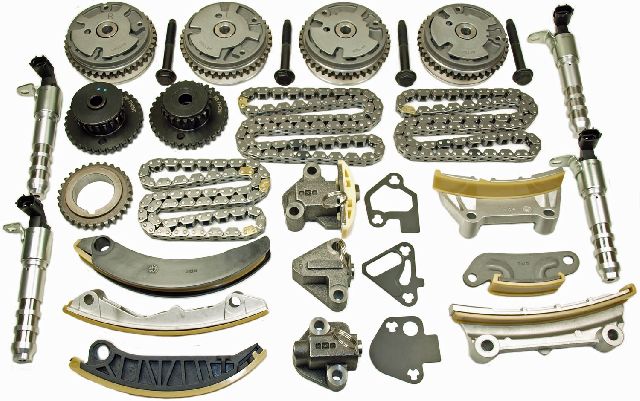
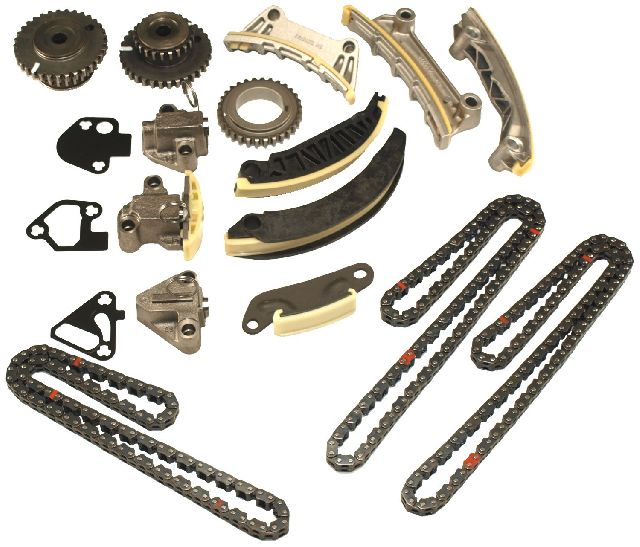
- Engine Timing Chain Kit
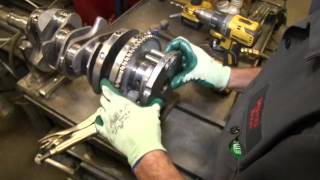
(OEM #12700436)— This is the definitive fix. A complete kit ensures all wearable timing components (chains, tensioners, guides) are replaced with updated parts to prevent a recurrence. The ACDelco 12700436 kit is the current OEM replacement 🎬 Watch: Step-by-step GM V6 timing chain replacement walkthrough for this application, superseding older part numbers like 12651450.
Trusted brands: ACDelco, Cloyes, Melling
OEM price range: $400-$600
Aftermarket price range: $250-$450
Related Codes That Often Appear With This One
- P0009 — This is the identical error code ('Engine Position System Performance') but for Bank 2. Since the primary timing chain drives both banks, it is very common to see P0008 and P0009 together when it stretches.
- P0016, P0017, P0018, P0019 — These are all specific crankshaft/camshaft position correlation codes. Their presence alongside P0008 strongly confirms a systemic mechanical timing issue, almost certainly pointing to the timing chains, as noted in TSBs like PIP3423P and 12-06-01-009.
Technical Service Bulletins (TSBs) & Recalls
- 12-06-01-009 (and revisions A-G): Announcing the availability of V6 timing chain kits to repair stretched chains causing codes like P0008 and providing updated service procedures. It advises against replacing guides unless they show significant wear.
- PIP3423L (and subsequent revisions): Instructs technicians to check for loose timing chains or a moved crankshaft reluctor wheel when P0008 and related codes are present. This is a critical TSB for avoiding a misdiagnosis.
- 11340C: This is the Special Coverage Adjustment that superseded 11340B. It extended the warranty for timing chain wear to 10 years/120,000 miles and included an ECM reprogram to adjust the oil life monitor.
Platform-Specific Known Issues
- GM issued Special Coverage program 11340C, which superseded 11340B, extending the warranty on timing chains to 10 years or 120,000 miles for many vehicles with these engines. For all 2010-2017 Terrains, this coverage has expired due to age, meaning owners are now fully responsible for the costly repair.
- The issue is often exacerbated by following the original long oil change intervals recommended by the oil life monitoring system. Owners and technicians now recommend more frequent oil changes (every 3,000-5,000 miles) with high-quality full synthetic oil to prolong the life of the replacement chains.
- Some owners on forums report that even after the timing chain replacement, the issue can return if oil maintenance is not strictly followed. The updated chain design is more robust but not immune to the effects of poor lubrication.
Mechanic-Grade Diagnostic Values
- Camshaft Position Deviation (Correlation) — expected: Less than +/- 4 degrees at idle.. Failure: A consistent reading of more than +/- 4-6 degrees on Bank 1 indicates a mechanical timing issue.
- Camshaft and Crankshaft Sensor Waveform — expected: A clean, consistent square wave pattern from each sensor when viewed on an oscilloscope.. Failure: A noisy, erratic, or missing pattern indicates a faulty sensor or wiring. Comparing the crank pattern to the cam patterns allows a technician to visually confirm timing alignment without disassembly.
Hidden / Shadow Codes Worth Checking
- Type B DTC: P0008 is classified as a Type B DTC. This means the ECM will store a fault code on the first drive cycle where the timing deviation is detected, but it may not illuminate the Malfunction Indicator Lamp (Check Engine Light) until the fault is detected on a second consecutive drive cycle. (see via A standard OBD-II scanner can read the code once it's 'pending' or 'stored', even if the light isn't on yet. A professional tool like the GM GDS2 can view 'Failure Records' which provide a snapshot of engine data at the moment the fault was first logged.)
Scan Tool Commands That Help
- GM GDS2 / Advanced Scan Tool: Crankshaft Position Variation Learn — This procedure must be performed after replacing the timing chains or crankshaft position sensor. It allows the ECM to learn the minor variations in the new crankshaft reluctor wheel position to ensure accurate misfire detection and prevent other related codes from appearing post-repair.
Wiring & Ground Locations
- G105 / G106 — Bolted to the engine block or frame rail at the front of the engine compartment. G105 is often at the left front, while G106 can be on the front center of the frame cross rail under the crank pulley.. These are primary grounds for the Engine Control Module (ECM). A poor or corroded connection can cause erratic sensor readings, including from the cam and crank sensors, potentially leading to false timing codes or misdiagnosis.
- Camshaft Position Sensor Connectors (LFW Engine) — On the 3.0L LFW V6, the Bank 1 (firewall side) sensor connectors are designated B23A (Exhaust) and B23B (Intake). They are 3-terminal connectors.. These are the direct connection points for the sensors that trigger P0008. Checking for 5V reference, ground, and signal integrity at these connectors is a key electrical diagnostic step before condemning the sensor or ECM.
Real Owner Repair Stories
- Camaro5 Chevy Camaro Forum (2007 Suzuki XL7 with 3.6L LY7 V6 (same engine family and issue)) — Initially had a P0009 code, which turned into a P0008 code just 6 days after a complete timing chain replacement.
❌ Tried (didn't work) Complete timing chain kit replacement (Cloyes brand)., Replacement of all 4 camshaft position sensors (ACDelco)., Replacement of all 4 VVT solenoids., Replacement of the crankshaft position sensor (ACDelco).
✅ What actually fixed it The crankshaft reluctor wheel had slipped by 1.5 teeth. The mechanic was able to carefully force the wheel back to its correct position without removing the crankshaft and then applied a small tack weld to prevent it from moving again. The owner recommends checking the reluctor wheel position by removing the oil pan before replacing chains.
When the Usual Fixes Don't Work
- In a significant number of documented cases, a complete timing chain replacement did not resolve the P0008 code. The code would return immediately upon the first startup. The actual cause was a slipped crankshaft reluctor wheel, which provides the reference signal for the crankshaft position sensor. Because the wheel itself had moved, the ECM correctly identified a cam/crank correlation error even though the new timing chains were perfectly aligned. The fix required either replacing the entire crankshaft or, in some field repairs, carefully repositioning and tack-welding the reluctor wheel.
OEM Part Supersession History
12651450→12700436— The original kit was superseded by an updated version with improved components to address premature wear.
Heads up: The parts are physically interchangeable, but using the older part number is not recommended as it does not contain the latest revisions designed to prevent premature failure.
Model Year Variations Within This Range
- 2010-2012: The 2010-2012 GMC Terrain used the 3.0L (LF1/LFW) V6. From 2013-2017, the optional V6 was the 3.6L (LFX). While different displacements, they share the same High Feature V6 architecture and are both highly susceptible to the same P0008 timing chain stretch issue. The diagnostic and repair procedures are nearly identical.
Diagnostic Flowchart
Other Known Issues on This Vehicle
Issues unrelated to this code that are worth knowing about as an owner of this generation:
- Excessive Oil Consumption (2.4L Ecotec) 🔴 High — Extremely common on the 4-cylinder models, especially 2010-2013. Caused by worn piston rings. Less common but still reported on the V6. (Ref: TSB 15285C, Special Coverage Adjustments)
- StabiliTrak/ABS/Traction Control Light 🟠 Medium — Commonly reported issue. Often caused by faulty wheel speed sensors, corroded wiring to the hubs, or failure of the wheel hub assembly itself.
- HVAC System Malfunctions 🟡 Low — Numerous complaints regarding failed blend door actuators (causing clicking noises in the dash), A/C condenser leaks, and heater core issues. (Ref: Multiple TSBs issued by GM.)
- Catalytic Converter Failure 🔴 High — Premature failure of one or more of the three catalytic converters is reported, often linked to the excessive oil consumption issue on the 2.4L engine. This is an expensive repair.
- High-Pressure Fuel Pump Failure 🟠 Medium — The direct-injection high-pressure fuel pump can fail, leading to stalling and loss of power. This was another issue subject to a warranty extension on some models. (Ref: Special Coverage Adjustment)
Used vs. New Parts: Buying Guide for This Vehicle
When a used part is the smart pick: For this specific repair, using used parts is strongly discouraged. However, if the cost of the timing chain repair is prohibitive, sourcing a complete, low-mileage used engine from a reputable salvage yard could be a viable alternative to the repair itself.
Donor-vehicle mileage cap: roughly under 75000 miles for the part to have meaningful remaining life.
What to inspect on the donor part:
- Verify the donor vehicle's VIN to check its service history for any prior timing chain work.
- If possible, get oil pressure readings or at least inspect the oil fill cap and dipstick for signs of sludge, which indicates poor maintenance.
- Look for a donor from a later model year (e.g., 2015+) as they may have had improved parts from the factory, though they are not immune to the issue.
OEM-only on this vehicle (don't cheap out):
- While not strictly required, using an OEM (ACDelco) timing chain kit is the safest choice given the high labor cost of the job. The risk of a low-quality aftermarket part failing is too high.
Aftermarket brands forum-validated for this vehicle:
- Cloyes: Widely regarded in forums and by mechanics as a high-quality OEM-equivalent for timing chain kits.
- Melling: Known for quality engine components, their timing kits and oil pumps are also considered a reliable choice for this repair.
Brands owners have reported issues with on this vehicle:
- Unnamed or 'white-box' kits from online marketplaces. The cost savings do not justify the risk of premature failure and having to repeat a 10-16 hour labor job.
Real Owner Stories
Aggregated from forums and TSBs cited above. Mileages and costs reflect what owners reported in those sources.
2010-2017 GMC Terrain V6
Symptoms: Check Engine Light with P0008 and P0009 codes present.
What fixed it: The issue was caused by a slipped crankshaft reluctor wheel rather than the timing chains themselves.
Source hint: Go-Parts.com Repair Database citing TSB PIP3423
2010-2017 GMC Terrain V6
Symptoms: Owners reported frustration with the expiration of the Special Coverage 11340 warranty extension.
What fixed it: Timing chain replacement.
Cost: $2,500-$4,000
Source hint: terrainforum.net
2010-2011 Chevrolet Camaro 3.6L V6 (Platform Mate)
Symptoms: Extremely common timing chain issues, front covers leaking, and frequent tensioner failures.
What fixed it: Timing chain and tensioner service.
Source hint: Camaro5 Chevy Camaro Forum
Related OBD-II Codes
Frequently Asked Questions
Is my 2010-2017 GMC Terrain covered under the Special Coverage 11340C for timing chain failure?
What specific TSB addresses the P0008 code and the availability of repair kits for the 3.0L V6?
Can I just change the oil to fix P0008 on my GMC Terrain?
Is there a risk of misdiagnosing a timing chain issue when it's actually a sensor or wheel problem?
How often should I change the oil in my 3.0L V6 Terrain to prevent this issue from returning?
Does the 3.6L LFX V6 in later Terrain models have this same P0008 issue?
Helpful Videos
We Have This Part in Stock

The information in this article is provided for general reference and educational purposes only. Vehicle specifications, procedures, and part compatibility can vary by production date, trim level, and region. Always consult your vehicle's factory service manual and verify part numbers before purchasing or performing repairs. Safety-critical components such as airbags, seat belts, and braking systems should be installed by a qualified professional.
- GMC Terrain:
- 🧭 Diagnostic Flowchart
- 🎬 Helpful Videos
- 🛍️ Shop This Part
- What's Unique About the 2010-2017 GMC Terrain
- Symptoms You May Notice
- Most Likely Causes
- Rare But Worth Checking
- Diagnosis Steps
- Parts You'll Likely Need
- Related Codes That Often Appear With This One
- Technical Service Bulletins (TSBs) & Recalls
- Platform-Specific Known Issues
- Mechanic-Grade Diagnostic Values
- Hidden / Shadow Codes Worth Checking
- Scan Tool Commands That Help
- Wiring & Ground Locations
- Real Owner Repair Stories
- When the Usual Fixes Don't Work
- OEM Part Supersession History
- Model Year Variations Within This Range
- Other Known Issues on This Vehicle
- Used vs. New Parts: Buying Guide for This Vehicle
- Real Owner Stories
- 2010-2017 GMC Terrain V6
- 2010-2017 GMC Terrain V6
- 2010-2011 Chevrolet Camaro 3.6L V6 (Platform Mate)
- Related OBD-II Codes
- Frequently Asked Questions
- 🎟️ Get 5% Off