

P0008 on 2006-2011 Hyundai Azera: Engine Timing System Performance Causes and Fixes
This code almost always indicates a stretched timing chain on the Lambda V6 engine, a well-documented wear item for this platform. This is a serious mechanical issue requiring a complex repair involving the replacement of chains, guides, and tensioners. Expect a high repair cost, likely $1,500-$3,000+, due to the 8-12+ hours of labor required. Ignoring the code can lead to catastrophic engine failure.
- P0008 on a 2006-2011 Azera almost certainly means the timing chain has stretched.
- This is a serious code; do not continue to drive the vehicle, as you risk catastrophic engine failure.
- The repair is expensive and complex, requiring the replacement of the timing chains, guides, and tensioners as a set.
- Do not replace the cam or crank sensors hoping for a cheap fix; they are rarely the cause. Proper diagnosis with an oscilloscope is key.
- Using high-quality 5W-30 engine oil and adhering to recommended change intervals is the best preventative measure to prolong the life of the timing components.
What's Unique About the 2006-2011 Hyundai Azera
The 2006-2011 Azera uses a first-generation Lambda V6 engine (G6DA for the 3.8L). While generally reliable, these early MPI versions are known to be susceptible to timing chain stretch as they accumulate high mileage (typically over 100,000 miles). This is not a rare or surprising issue for this platform; it's a well-documented wear pattern confirmed in owner forums and by repair data. The code is a direct indicator of this common failure mode.
Symptoms You May Notice
- Check Engine Light is on
- Engine runs rough, especially at idle
- Rattling, whining, or buzzing noise from the front of the engine, particularly on a cold start.
- Reduced engine power and poor acceleration
- Worse than normal fuel economy
- Replacing the camshaft or crankshaft position sensors without first verifying the mechanical timing. The sensors are usually reporting the problem correctly, they are not the cause of it.
Most Likely Causes
- Stretched Timing Chain(s) 🔴 High Probability → Shop Engine Timing Chain The Lambda V6 engines in this generation are known to experience timing chain stretch over time and with high mileage, a widely reported issue.
How to confirm: A technician can use an oscilloscope to compare camshaft and crankshaft sensor signals to confirm the timing deviation. A physical inspection after removing the timing cover is the definitive confirmation.
Typical fix: Replace all timing chains (primary and secondary), tensioners, and guides. This is typically done as a complete kit.
Est. part cost: $250-$500 for a full aftermarket kit, with OEM kits potentially costing more. - Failed Timing Chain Tensioner(s) 🔴 High Probability → Shop Engine Timing Chain The tensioners are hydraulic and rely on oil pressure. If a tensioner fails or its seal degrades, it can no longer keep the chain tight, leading to slack and timing correlation errors. This was a specific repair noted by owners.
How to confirm: Often diagnosed along with a stretched chain. A rattling noise on startup that goes away is a classic sign of a tensioner that is slow to build oil pressure.
Typical fix: Replace the tensioners, which should always be done as part of a full timing chain service.
Est. part cost: $50-$150 if purchased separately from a kit - Low or Dirty Engine Oil 🟡 Medium Probability The timing chain tensioners and CVVT system are hydraulic and rely on clean oil at the correct pressure to function. Neglected oil changes can lead to sludge that clogs tensioner passages or cause accelerated chain wear. This engine family can also suffer from oil consumption, making it critical to check levels frequently.
How to confirm: Check the oil level on the dipstick and inspect its condition. This is the first and easiest check.
Typical fix: Perform an oil and filter change with the correct viscosity oil (5W-30 for MPI engines). However, if the code is already set, damage to the chain or tensioners has likely already occurred and an oil change alone will not fix it.
Est. part cost: $40-$80
Rare But Worth Checking
- Faulty Camshaft or Crankshaft Position Sensor: → Shop Engine Crankshaft Position Sensor While these sensors can fail, it's far less common for them to cause P0008 than actual mechanical timing failure. They should only be replaced after mechanical issues are ruled out with an oscilloscope. A sensor replacement is typically $130-$290.
- Slipped Reluctor Ring: The reluctor ring is what the crank/cam sensor reads. In very rare cases, it can slip on the shaft, causing a timing misreading even if the chain is perfectly aligned. This is difficult to diagnose.
- Clogged Oil Control Valve (OCV) Filter Screen: The CVVT system uses small, fine mesh filter screens to protect the Oil Control Valve solenoids from debris. If these screens become clogged with sludge from infrequent oil changes, they can restrict oil flow to the CVVT phasers, causing a timing correlation code even if the main chains and tensioners are intact. These filters are often overlooked during diagnosis.
Diagnosis Steps
- Check engine oil level and condition. Top up or change if necessary, using the correct 5W-30 viscosity.
- Scan for any other related trouble codes (e.g., P0009, P0016-P0019). 🎬 Watch: Diagnosing Hyundai correlation codes
- Use a professional scan tool with live data capability to observe the camshaft and crankshaft position sensor readings.
- The most definitive diagnostic step before disassembly is to use an oscilloscope to analyze the waveforms from the camshaft and crankshaft sensors. This will show if they are out of sync, confirming a mechanical timing issue.
- If the sensor patterns confirm a timing lag, the next step is to remove the engine's front timing cover for a visual inspection of the timing chains, guides, and tensioners.
- Inspect the chains for slack, and check the tensioners to see if they are fully extended or broken. Check for broken plastic guide material in the oil pan.
- If all mechanical timing components are confirmed to be correct, investigate the less likely causes like a slipped reluctor ring or a wiring issue to the sensors.
Parts You'll Likely Need
- Timing Chain Kit
(OEM #The main chain is 24312-3C100. A full kit includes multiple chains, guides, tensioners, and arms (e.g., 24410-3C300, 24420-3C100, etc.).)— This is the primary failure point. A complete kit ensures all related wear items (chains, guides, tensioners, arms) are replaced at once to prevent a repeat failure.
Trusted brands: Melling, Cloyes, DNJ Engine Components
OEM price range: $400-$600
Aftermarket price range: $250-$450 - Engine Oil and Filter — Fresh oil is critical for the new hydraulic tensioners to function correctly. The oil pan must be removed for the timing cover service, making an oil change mandatory.
Trusted brands: Mobil 1, Castrol, Pennzoil
OEM price range: $60-$90
Aftermarket price range: $40-$80 - Valve Cover Gaskets & Spark Plug Tube Seals — The valve covers must be removed to perform the timing chain replacement. It is best practice to replace the gaskets and seals at this time to prevent future oil leaks.
Trusted brands: Fel-Pro, Mahle, Genuine Hyundai
OEM price range: $80-$120
Aftermarket price range: $40-$70
Related Codes That Often Appear With This One
- P0009 — P0009 is the same 'Engine Position System Performance' error but for Bank 2. Seeing both codes together strongly suggests a problem with the primary timing chain connected to the crankshaft, as it affects both banks.
- P0016, P0017, P0018, P0019 — These are more specific camshaft/crankshaft correlation codes for intake/exhaust cams on Bank 1 and Bank 2. They often appear alongside P0008 as the timing deviation worsens.
Technical Service Bulletins (TSBs) & Recalls
- TSB 12-AT-022-1: While not directly for P0008, this TSB is relevant for the platform as it addresses issues with the inhibitor switch that can cause starting problems or other warning lights.
- Recall 172 / NHTSA 18V026000: Safety recall for potential water intrusion into the ABS module, which can cause an electrical short and fire risk.
- Recall 113 / NHTSA 13V354000: Safety recall for rear crossmember corrosion in salt-belt states, which could lead to suspension failure.
Platform-Specific Known Issues
- This generation Azera is known for oil leaks from the valve cover gaskets and the front timing cover itself. A mechanic may need to degrease the engine to properly diagnose the source of all leaks. Sometimes, an oil leak repair is performed, but the underlying P0008 timing issue is missed if a full diagnosis isn't completed.
Mechanic-Grade Diagnostic Values
- Oil Control Valve (OCV) Solenoid Resistance — expected: 6.7 - 7.9 Ohms at 68°F (20°C). Failure: A reading outside this range, or an open/short circuit, indicates a failed solenoid.
- Camshaft Position Sensor (CMP) Connector Power Pin Voltage — expected: Approximately 5.0V DC (Key On, Engine Off). Failure: No voltage or significantly less than 5.0V points to a wiring or ECM power supply problem, not a faulty sensor.
- Camshaft Position Sensor (CMP) Connector Ground Pin to Chassis Ground — expected: Near 0 Ohms (good continuity). Failure: High resistance or an open circuit (OL) indicates a bad ground wire in the harness.
Scan Tool Commands That Help
- Hyundai GDS (Global Diagnostic System): Resetting Adaptive Values — After replacing major engine components like timing chains or CVVT phasers, this function should be used to clear the ECM's learned values and force it to relearn the new component characteristics. This can prevent codes from returning after a successful mechanical repair.
- Hyundai GDS (Global Diagnostic System): Actuation Test (for OCVs) — The GDS can command the Oil Control Valve (OCV) solenoids to activate. While monitoring live data for camshaft angle, a technician can use this to verify if the solenoid is responding and if the CVVT phaser is mechanically able to advance or retard timing, helping to isolate a sticky phaser from a bad solenoid.
Wiring & Ground Locations
- G06 — Left front of engine compartment.. This is a primary engine bay ground point. A loose or corroded connection here could cause erratic signals from various engine sensors, including the camshaft and crankshaft position sensors.
- G115 — Left rear of engine compartment.. Another critical engine ground. The PCM and other sensors rely on solid ground connections for accurate readings.
- PCM (Powertrain Control Module) — Located in the left rear of the engine compartment for the 2008 model year.. Knowing the physical location of the PCM is crucial for tracing wiring harnesses for the cam/crank sensors to check for continuity, shorts, or damage.
Model Year Variations Within This Range
- 2011: For the 2011 model year, the Azera received engine updates including Dual Continuously Variable Valve Timing (DCVVT). The 3.3L V6 increased to 260 hp and the 3.8L V6 increased to 283 hp. A new 6-speed automatic transmission also replaced the previous 5-speed. While the fundamental P0008 cause (timing chain stretch) remains the same, part numbers for CVVT components may differ for this year.
Diagnostic Flowchart
Other Known Issues on This Vehicle
Issues unrelated to this code that are worth knowing about as an owner of this generation:
- ABS Module Electrical Short 🔴 High — Common enough to trigger a major safety recall. Can occur at any mileage. (Ref: Recall 172 (NHTSA 18V026000). Water can enter the ABS module, causing a short and potential engine compartment fire, even when the vehicle is off.)
- Rear Crossmember Corrosion 🔴 High — Primarily affects vehicles registered in 'salt belt' regions. Corrosion can lead to rear control arm detachment. (Ref: Recall 113 (NHTSA 13V354000). Hyundai issued a recall to inspect and replace the rear crossmember assembly in affected states.)
- Valve Cover and Timing Cover Oil Leaks 🟠 Medium → Shop Engine Timing Cover — Frequently reported as the vehicle ages. Leaks often drip onto the alternator or exhaust, causing a burning smell. (Ref: No specific recall, but it is a widely documented repair.)
- Excessive Oil Consumption 🟠 Medium — Some owners report increasing oil consumption between changes, often attributed to piston ring issues in the wider Lambda engine family.
- Inhibitor Switch (Range Sensor) Failure 🟡 Low — Can cause a no-start condition in Park or Neutral, or trigger transmission-related fault codes. (Ref: TSB 12-AT-022-1 addresses diagnostic codes P0705, P0706, P0707, and P0708 related to the inhibitor switch.)
Used vs. New Parts: Buying Guide for This Vehicle
When a used part is the smart pick: For this specific P0008 repair, using used parts is NOT recommended for the core components. However, if the high cost of the timing chain job makes the car a total loss, sourcing a complete, low-mileage used engine from a reputable salvage yard could be a viable alternative to the repair itself.
Donor-vehicle mileage cap: roughly under 80000 miles for the part to have meaningful remaining life.
What to inspect on the donor part:
- For a complete engine swap, obtain a vehicle history report for the donor car to verify mileage and check for reported accidents.
- Look for engines from rear-ended vehicles, as this suggests the engine was running well at the time of the accident.
- Remove the oil fill cap and look inside with a flashlight. Avoid engines with thick, black, tar-like sludge, as this indicates poor maintenance.
- Ask for a compression test or leak-down test results if possible.
OEM-only on this vehicle (don't cheap out):
- Timing Chain Kit (Chains, Guides, Tensioners)
Aftermarket brands forum-validated for this vehicle:
- Melling
- Cloyes
Brands owners have reported issues with on this vehicle:
- No-name, unbranded timing kits from online marketplaces should be avoided due to the high-labor nature of the job. A premature failure of a cheap component will lead to a very expensive repeat repair.
Real Owner Stories
Aggregated from forums and TSBs cited above. Mileages and costs reflect what owners reported in those sources.
2007 Hyundai Azera 3.8L V6 — 85000 miles
Symptoms: Engine noise from the front of the vehicle.
What fixed it: Replacement of the timing chain tensioners.
Source hint: Edmunds.com Forums - 'Hyundai Azera Engine Problems'
2007 Hyundai Azera Limited 3.8L V6 — 150000 miles
Symptoms: Owner noted the high cost of timing components while performing a head gasket repair.
What fixed it: The owner contemplated reusing old components due to the $500 cost of a proper timing chain kit.
Source hint: Reddit r/Hyundai - 'Just got a great condition 2007 azera limited but...'
Related OBD-II Codes
Frequently Asked Questions
Does TSB 12-AT-022-1 address the P0008 timing issue on my Azera?
Can I just change the oil to fix P0008 on my 3.3L/3.8L Lambda engine?
Is there a recall for the timing chain stretch on the 2006-2011 Azera?
What viscosity oil should I be using in my Azera to prevent tensioner issues?
I hear a rattling noise on cold starts; is this related to P0008?
Should I buy a used timing chain kit to save money on the repair?
Helpful Videos
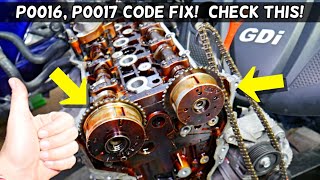
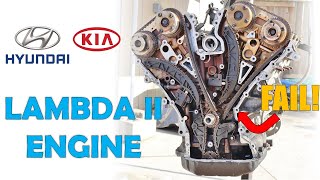
We Have This Part in Stock
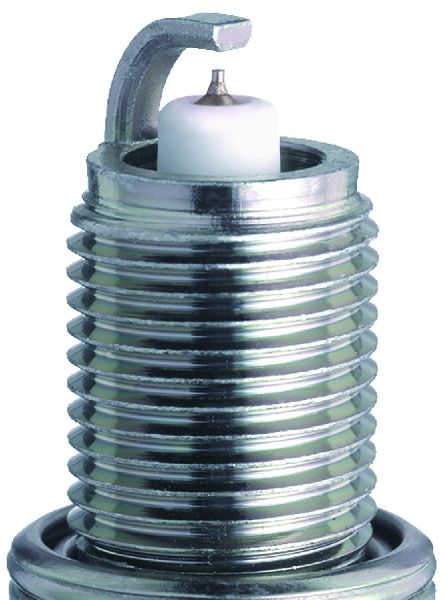
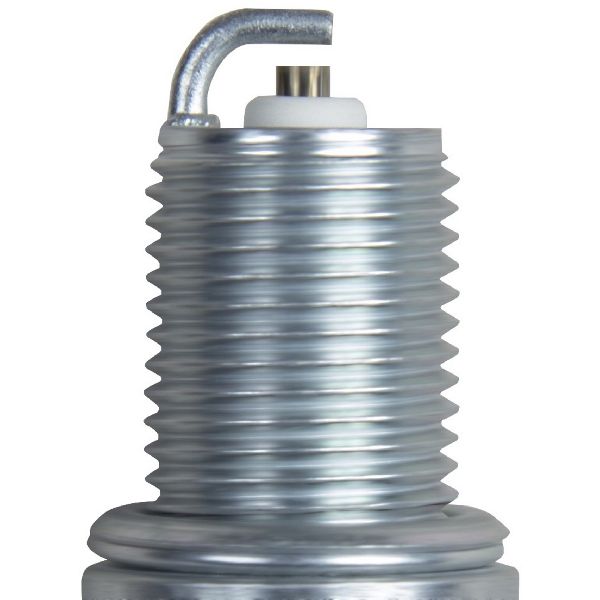


The information in this article is provided for general reference and educational purposes only. Vehicle specifications, procedures, and part compatibility can vary by production date, trim level, and region. Always consult your vehicle's factory service manual and verify part numbers before purchasing or performing repairs. Safety-critical components such as airbags, seat belts, and braking systems should be installed by a qualified professional.
- Hyundai Azera:
- 🧭 Diagnostic Flowchart
- 🎬 Helpful Videos
- 🛍️ Shop This Part
- What's Unique About the 2006-2011 Hyundai Azera
- Symptoms You May Notice
- Most Likely Causes
- Rare But Worth Checking
- Diagnosis Steps
- Parts You'll Likely Need
- Related Codes That Often Appear With This One
- Technical Service Bulletins (TSBs) & Recalls
- Platform-Specific Known Issues
- Mechanic-Grade Diagnostic Values
- Scan Tool Commands That Help
- Wiring & Ground Locations
- Model Year Variations Within This Range
- Other Known Issues on This Vehicle
- Used vs. New Parts: Buying Guide for This Vehicle
- Real Owner Stories
- 2007 Hyundai Azera 3.8L V6 — 85000 miles
- 2007 Hyundai Azera Limited 3.8L V6 — 150000 miles
- Related OBD-II Codes
- Frequently Asked Questions
- 🎟️ Get 5% Off