

P0008 on 2007-2009 Saturn Aura 3.6L: Stretched Timing Chain Causes and Fixes
On a 2007-2009 Saturn Aura with the 3.6L V6 engine, code P0008 almost always means the timing chains have stretched. This is a common, serious, and expensive repair requiring the replacement of the timing chains, tensioners, and guides, with shop costs often ranging from $1,800 to over $3,000. The issue was so widespread GM issued Special Coverage Adjustment #11340C to extend the warranty, though it has now expired.
- P0008 on a 2007-2009 Saturn Aura almost exclusively points to a stretched timing chain on the 3.6L V6 engine.
- This is a serious issue; do not continue to drive the vehicle as you risk catastrophic, engine-destroying failure.
- The correct repair is to replace all timing chains, tensioners, and guides with a complete, high-quality kit. This is not a job for a novice DIYer.
- After the repair, use high-quality full synthetic oil and change it every 5,000 miles to maximize the life of the new timing components, as the original oil life monitor was a contributing factor to the failure.
What's Unique About the 2007-2009 Saturn AURA
The 3.6L V6 (RPO code LY7) engine used in the Saturn Aura XR is infamous for premature timing chain stretching. This issue was so widespread across many GM models using this engine that GM issued multiple Technical Service Bulletins (TSBs) and released updated, more durable timing chain kits. The failure is often attributed to a combination of the original chain design and an overly optimistic Oil Life Monitor (OLM) calibration that allowed for excessively long oil change intervals, leading to oil breakdown and accelerated wear.
Diagnostic Flowchart
Tap your situation to follow the diagnostic path that matches what you're seeing on this vehicle.
Symptoms You May Notice
- Check Engine Light is on
- Rattling or scraping noise from the engine, especially on a cold start, often described as 'marbles in a can' or a chain dragging sound.
- Rough or unstable idle
- Noticeable loss of engine power and poor acceleration
- Reduced fuel economy
- Engine may enter 'Reduced Power Mode'
- Replacing the camshaft position sensors or crankshaft position sensor. These sensors are correctly reporting the timing error; they are almost never the cause of the problem on this engine. Wasting money on sensors is a common mistake before accepting the timing chain diagnosis.
Most Likely Causes
- Stretched Timing Chains 🔴 High Probability → Shop Engine Timing Chain The original timing chains on the 3.6L LY7 V6 engine were of a design susceptible to premature wear and stretching. The chains physically elongate, causing the cam/crank correlation to fall out of spec.
How to confirm: A mechanic can use a professional scan tool to view cam vs. crank deviation data; deviations greater than +/- 4 degrees are a strong indicator. Definitive diagnosis requires physical inspection of the chains for slack, which involves removing the engine's timing cover.
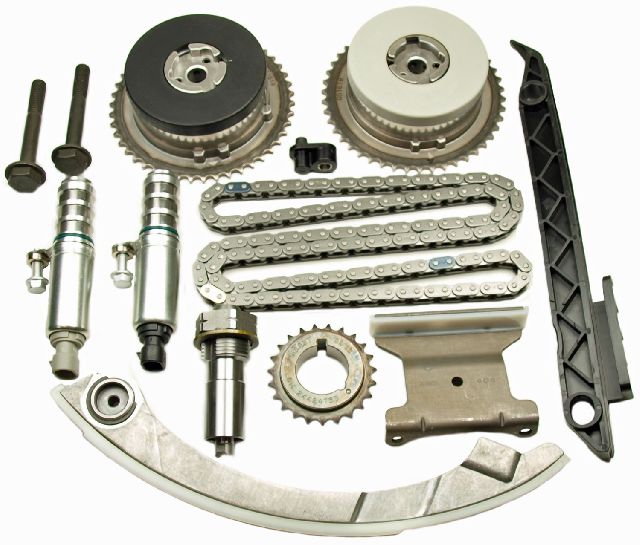
Typical fix: Replace all three timing chains, all tensioners, and all guides with a new, updated kit. It is critical to use the latest revised parts from GM/ACDelco or a reputable aftermarket supplier like Cloyes.
Est. part cost: $200-$500 - Failed Timing Chain Tensioners or Worn Guides 🔴 High Probability → Shop Engine Timing Chain The tensioners are hydraulic and can fail due to wear or low/dirty oil pressure, allowing the chains to become slack. The plastic guides can also wear out or break, increasing chain noise and slack.
How to confirm: Diagnosed during physical inspection when checking the timing chains. A failed tensioner will not hold pressure, and guides may be visibly broken or grooved.
Typical fix: These components are always replaced as part of a complete timing chain kit replacement. They should never be reused.
Est. part cost: $0 (Included in kit) - Low Engine Oil Level or Poor Oil Quality 🟡 Medium Probability This is a primary contributing factor. The timing chain tensioners are hydraulic and rely on clean oil at the correct pressure. GM's original Oil Life Monitor (OLM) calibration allowed for excessively long oil change intervals (10,000+ miles), which led to oil degradation, sludge, and accelerated wear on the entire timing system. GM later issued an ECM reprogram to shorten these intervals as part of Special Coverage 11340C.
How to confirm: Check the oil level on the dipstick and review vehicle service history. Dirty or low oil is a major contributing factor, not a standalone cause once the P0008 code is set.
Typical fix: Correcting the oil level will not fix a stretched chain. After the repair, it is critical to use high-quality full synthetic oil (meeting DEXOS spec) and follow a 5,000-mile change interval, regardless of the OLM reading.
Est. part cost: $50-$90 for a quality oil change
Rare But Worth Checking
- Slipped Crankshaft Reluctor Wheel: → Shop Engine Crankshaft TSB #PIP3423P mentions that the reluctor ring, which the crankshaft position sensor reads, can move on the crankshaft. This is rare, but if the chains are found to be tight upon inspection, this is the next item to investigate. This repair typically requires crankshaft replacement.
Diagnosis Steps
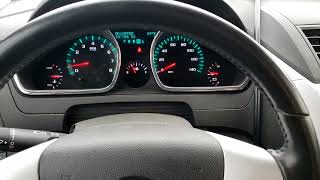
- Confirm the P0008 code (and any others) 🎬 Watch: A real-world diagnosis of the P0008 code on this engine with an OBD-II scanner.
- Check the engine oil level and condition. If low or very dirty, note this as a likely contributing factor.
- Listen for a distinct rattling or chain-scraping noise from the passenger side of the engine, which is the location of the timing chains.
- With a professional scan tool, monitor the camshaft vs. crankshaft position data. A deviation consistently greater than +/- 4 degrees at idle or steady RPM confirms a timing error.
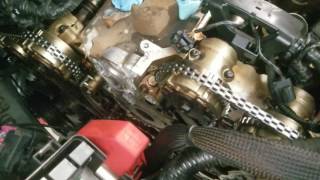
- The definitive step is to perform partial engine disassembly to remove the timing cover and physically inspect the chains for looseness and the guides for damage. This is a labor-intensive step and is usually only performed once the diagnosis is near-certain.
Parts You'll Likely Need
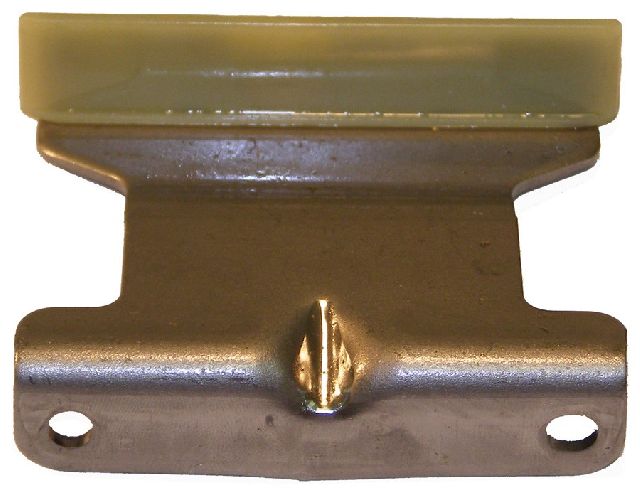
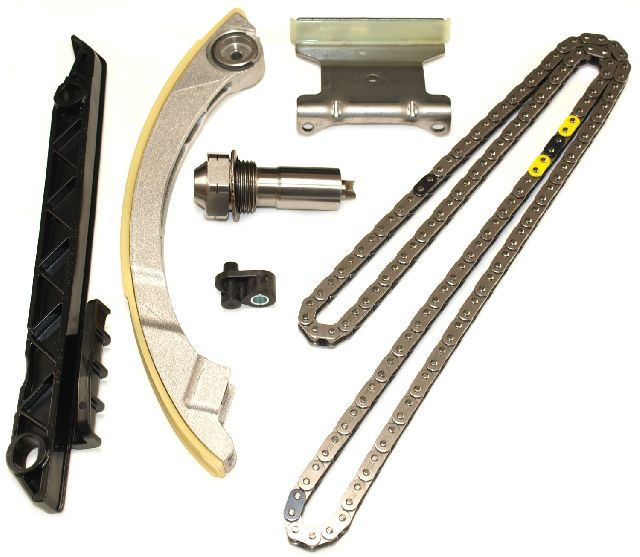
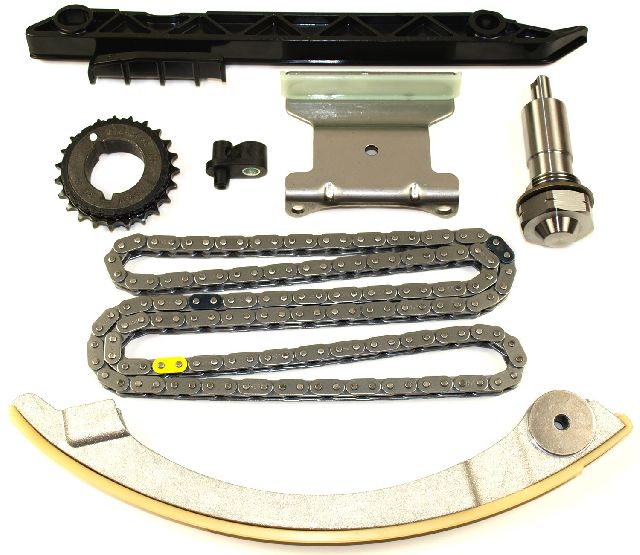
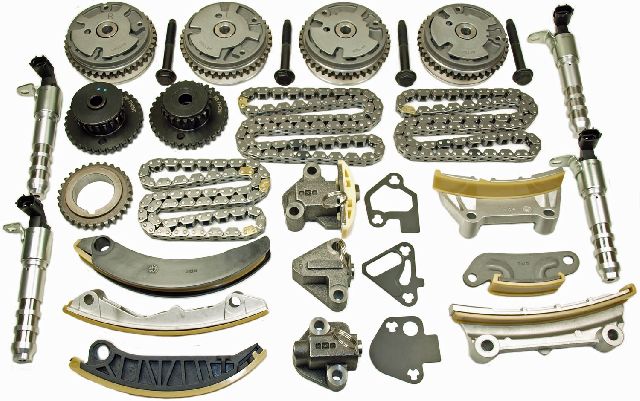
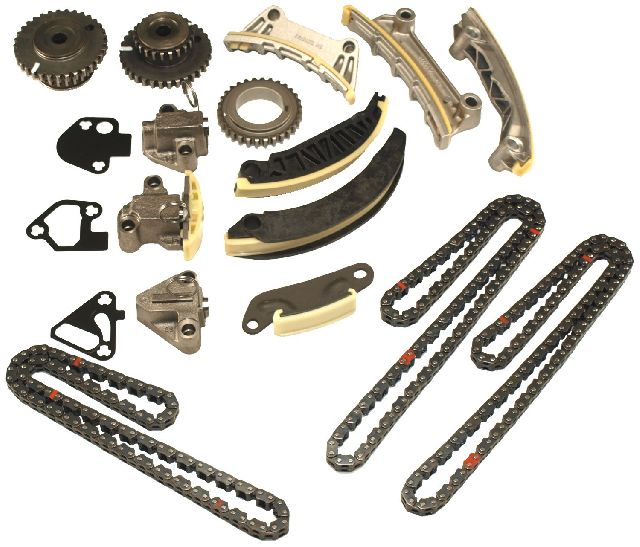
- Engine Timing Chain Kit
(OEM #12650231 (For 2008-2009 LY7), 12650230 (For 2007 LY7))— This is the definitive fix. A complete kit includes the three required chains, three tensioners, and all plastic guides needed to fully service the system. Using an updated kit is crucial for a durable repair.
Trusted brands: ACDelco (GM Original Equipment), Cloyes
OEM price range: $350-$500
Aftermarket price range: $250-$450
Related Codes That Often Appear With This One
- P0009 — This is the equivalent timing correlation code for Bank 2. It's very common to see both P0008 and P0009 together, pointing to a primary chain issue.
- P0016, P0017, P0018, P0019 — These are more specific timing correlation codes for the intake and exhaust camshafts on both banks. They are frequently triggered along with P0008/P0009 and all point to the same root cause of stretched timing chains.
- P0300 — A random misfire code can be triggered by the erratic camshaft timing caused by a stretched chain.
Technical Service Bulletins (TSBs) & Recalls
- PIP3423P: Instructs technicians to inspect for loose timing chains, tensioners, or a moved crankshaft reluctor wheel when codes like P0008 are present.
- 12-06-01-009F: Announces the availability of updated timing chain kits for the High Feature V6 and advises that sprockets and actuators typically do not need replacement for a stretched chain issue.
- 11340C: Special Coverage Adjustment that extended the warranty for timing chain wear to 10 years/120,000 miles and included an ECM reprogram to shorten oil change intervals. This specifically covered the 2007-2009 Saturn Aura.
Platform-Specific Known Issues
- The 3.6L LY7 V6 engine has a well-documented history of premature timing chain failure.
- GM issued TSB #12-06-01-009F announcing the availability of improved timing chain kits for this engine to repair stretched chains causing codes like P0008.
- GM issued Special Coverage Adjustment #11340C for many vehicles with this engine, including the 2007-2009 Saturn Aura. This extended the warranty on the timing chains to 10 years/120,000 miles. This program has now expired for all eligible vehicles due to age, but its existence confirms the widespread nature of the defect.
Mechanic-Grade Diagnostic Values
- Engine Oil Pressure (3.6L LY7) — expected: Minimum 10 psi (69 kPa) at idle; Minimum 20 psi (138 kPa) at 2,000 RPM.. Failure: Pressure below these minimums can starve the hydraulic tensioners and VVT system, accelerating wear and causing timing codes.
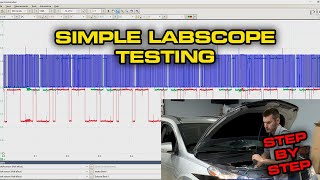
- Cam/Crank Correlation Angle 🎬 See how a labscope is used to test for timing deviation (Scan Tool Data PID) — expected: Near 0 degrees at idle, consistently less than +/- 4 degrees.. Failure: The ECM may set a timing code if a cam is detected as being greater than 6-9° out of phase with the crankshaft. A consistent deviation over 4 degrees strongly indicates a mechanical timing issue.
- Camshaft Position (CMP) Sensor Signal Voltage — expected: A 3-wire Hall effect sensor should switch between approximately 5V and 0V as the engine rotates.. Failure: Voltage that is stuck high, stuck low, or does not switch indicates a failed sensor or wiring issue.
Scan Tool Commands That Help
- GDS2 / Tech2: Camshaft Position Variance / Cam/Crank Correlation PID — This is the primary live data parameter to monitor. It shows the degrees of deviation between the crankshaft and camshafts in real-time. A significant and consistent deviation (often >4-5 degrees) is a strong indicator of a stretched timing chain, allowing for confident diagnosis without immediate engine disassembly.
- GDS2 / Tech2: VVT Solenoid Actuator Test / Bidirectional Control — This command allows a technician to manually cycle the VVT solenoids to check for a response. If a solenoid is commanded ON and there is no change in engine sound or the cam position PID, it suggests the solenoid is stuck or its oil passages are clogged. This helps rule out a solenoid issue before condemning the timing chains.
- GDS2 / Tech2: Crankshaft Position Variation Relearn — This procedure is NOT a fix for P0008. It should only be performed after replacing a crankshaft position sensor or the crankshaft itself. It allows the ECM to learn the profile of the new reluctor wheel for accurate misfire detection.
Wiring & Ground Locations
- G105 — Under the left intake manifold, on the rear of the cylinder head.. This is a ground point for the Engine Control Module (ECM). A poor connection here could potentially cause erratic behavior or incorrect readings from the various engine sensors the ECM relies on to calculate timing.
- G111 (3.6L) — Top rear right side of the engine.. This is another critical ground location for the ECM on the 3.6L engine. Verifying this ground is clean and tight is a fundamental step in diagnosing any electronic engine control issue.
- G113 (3.6L) — On the center left side cylinder head.. This serves as an engine block ground for the ECM. A compromised ground path can lead to voltage offsets and signal noise, potentially confusing the ECM's sensitive timing calculations.
- Camshaft/Crankshaft Position Sensor Connectors — The four camshaft sensors are located on the valve covers (two front, two rear). The crankshaft sensor is located on the lower rear of the engine block, near the transmission bellhousing.. While rare, a broken wire or corroded pin in one of these connectors could cause a loss of signal and trigger timing codes. A visual inspection and testing of the 5V reference, ground, and signal wires at the connector is a valid diagnostic step.
Real Owner Repair Stories
- Reddit r/MechanicAdvice user (2009 Pontiac G8 3.6L V6 (LY7 Engine) with 164,000 miles) — Intermittent P0008 code, especially on cold mornings. The car would struggle to accelerate when the code was active.
❌ Tried (didn't work) Inspecting and cleaning grimy camshaft sensors.
✅ What actually fixed it The owner performed a full timing chain replacement. After the job, they reported a "noticeable difference in torque and idle" and confirmed the code was resolved.
OEM Part Supersession History
12650230 (for 2007 LY7), 12650231 (for 2008-2009 LY7)→Multiple revisions, with later kits like 12651450 being superseded by 12693218, and then 12700436.— GM updated the timing chain kits multiple times to incorporate more durable chains and improved guides to combat the premature stretching and wear issue.
Heads up: While the kits are physically interchangeable for the LY7 engine, it is critical to use the latest available part number to ensure the most durable components are installed to prevent a repeat failure.
Model Year Variations Within This Range
- 2009: For the 2009 model year, the base XE V6 model was dropped. The 3.6L V6 engine became an option on the XR trim, which now came standard with a 2.4L 4-cylinder engine. This means a 2009 Aura is less likely to have the problematic V6 than a 2007-2008 model.
- 2007 vs 2008-2009: The specified timing chain kit part number differs for the 2007 model year (12650230) versus the 2008-2009 models (12650231), indicating a minor change in components early in the production run. However, both have been superseded by newer, more durable kits.
Helpful Videos
We Have This Part in Stock

The information in this article is provided for general reference and educational purposes only. Vehicle specifications, procedures, and part compatibility can vary by production date, trim level, and region. Always consult your vehicle's factory service manual and verify part numbers before purchasing or performing repairs. Safety-critical components such as airbags, seat belts, and braking systems should be installed by a qualified professional.
- Saturn AURA:
- 🧭 Diagnostic Flowchart
- 🎬 Helpful Videos
- 🛍️ Shop This Part
- What's Unique About the 2007-2009 Saturn AURA
- Symptoms You May Notice
- Most Likely Causes
- Rare But Worth Checking
- Diagnosis Steps
- Parts You'll Likely Need
- Related Codes That Often Appear With This One
- Technical Service Bulletins (TSBs) & Recalls
- Platform-Specific Known Issues
- Mechanic-Grade Diagnostic Values
- Scan Tool Commands That Help
- Wiring & Ground Locations
- Real Owner Repair Stories
- OEM Part Supersession History
- Model Year Variations Within This Range
- 🎟️ Get 5% Off