

P0009 on 2013-2016 Buick LaCrosse: Engine Position System Performance Bank 2 Fixes
Code P0009 on a 2013-2016 Buick LaCrosse with the 3.6L V6 engine almost always means the timing chains have stretched. This is a well-documented, serious, and labor-intensive repair. Expect repair costs to range from $2,000 to over $3,500. This issue should be addressed immediately to prevent the chain from breaking and causing catastrophic engine damage.
- P0009 on a 2013-2016 LaCrosse 3.6L is a serious code that points directly to a stretched timing chain.
- Do not replace the camshaft or crankshaft sensors; they are working correctly by detecting the mechanical timing error.
- This is not a DIY-friendly repair. It is expensive and requires a professional mechanic with the correct tools.
- Continued driving is risky and can lead to complete engine failure. The issue should be addressed promptly.
- Check with a GM dealership to see if your vehicle's VIN falls under any special coverage or extended warranty for timing chain repairs.
What's Unique About the 2013-2016 Buick LACROSSE
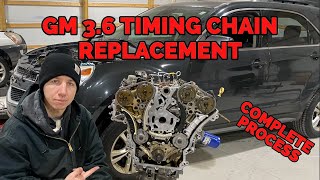
The 3.6L V6 engine (RPO code LFX) used in the Buick LaCrosse is part of GM's High Feature V6 family, which is notorious for premature timing chain wear and stretching, particularly in earlier versions. One contributing factor was a flawed oil life monitor (OLM) algorithm that allowed for excessively long oil change intervals, leading to oil degradation. Degraded oil fails to properly lubricate the timing chains and tensioners, accelerating wear. While GM made improvements by the 2012 model year, the LFX engine in the 2013-2016 LaCrosse remains highly susceptible to this issue. 🎬 Watch: Why these GM 3.6L timing chains fail so often. As the three timing chains stretch, the slack causes the camshafts and crankshaft to lose their precise synchronization, directly triggering the P0009 code.
Diagnostic Flowchart
Tap your situation to follow the diagnostic path that matches what you're seeing on this vehicle.
Symptoms You May Notice
- Check Engine Light is on
- Engine rattling noise, especially on startup or at idle
- Rough or unstable idle
- Reduced engine power and poor acceleration
- Hesitation or stumbling when accelerating
- Worse fuel economy
- Engine may be hard to start or crank without starting
- Replacing only the camshaft or crankshaft position sensors. These sensors are accurately reporting the mechanical fault; they are rarely the cause of the problem themselves.
- Replacing only one of the three timing chains. All chains, guides, and tensioners wear together and must be replaced as a set to ensure a lasting repair.
- Replacing only the VVT solenoids without checking cam/crank correlation data. While easier to replace, they are an unlikely cause for a P0009 code on its own.
Most Likely Causes
- Stretched Timing Chains 🔴 High Probability → Shop Engine Timing Chain The 3.6L V6 engine family has a documented history of premature timing chain stretching. This is often attributed to the original chain design and oil maintenance issues, where degraded oil accelerates wear on the chain links and pins.
How to confirm: A technician will use an advanced scan tool to monitor camshaft deviation angles; a deviation of more than 4-5 degrees typically confirms a stretched chain. Physical confirmation requires removing the engine's front timing cover to inspect the chains for slack and the extension of the tensioners.
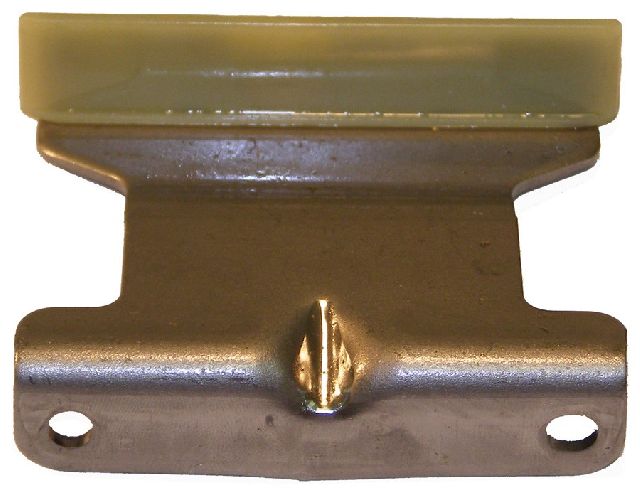
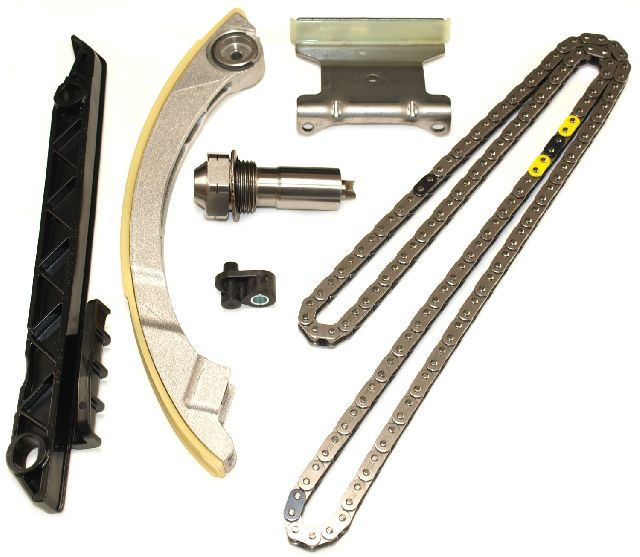
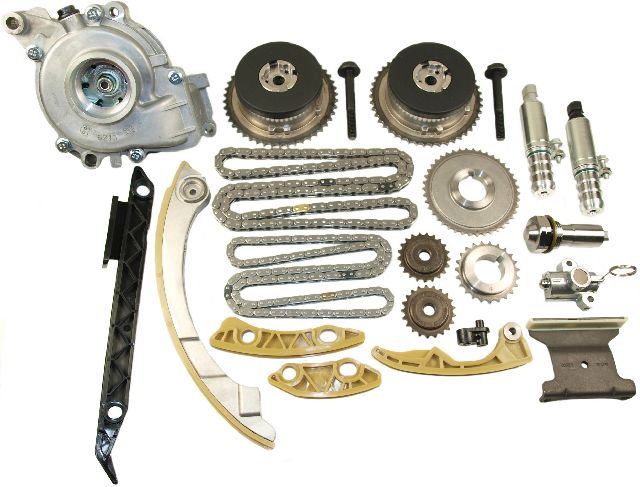
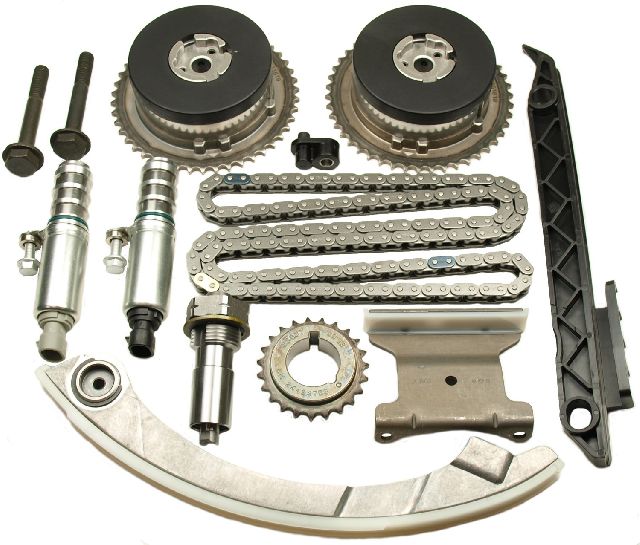
Typical fix: Replace all three timing chains, all tensioners, and all guides. This is typically done as a complete kit. It is also highly recommended to replace the water pump, front crankshaft seal, and valve cover gaskets at the same time.
Est. part cost: $350-$850 - Failed Timing Chain Tensioners 🔴 High Probability → Shop Engine Timing Chain The hydraulic tensioners rely on clean oil at the correct pressure. They can weaken or fail due to oil sludge or internal wear, allowing slack in the chains. This is almost always a component of the overall timing chain system failure and not a standalone issue.
How to confirm: During a physical inspection with the timing cover off, a technician will check if the tensioners are overly extended or have failed to maintain pressure.
Typical fix: Replaced as part of a complete timing chain kit. It is not recommended to replace only the tensioners as the chains are almost certainly worn as well.
Est. part cost: $100-$200 (part of kit) - Low or Dirty Engine Oil 🟡 Medium Probability The timing chain tensioners are hydraulic and rely on clean oil at the correct pressure to function. Infrequent oil changes or low oil levels, sometimes encouraged by overly optimistic oil life monitors on earlier GM models, accelerate wear on all timing components.
How to confirm: Check the oil level on the dipstick and review the vehicle's maintenance history. The oil may appear dark, thick, or sludgy. GM released TSB 12-06-01-009 to stress the importance of using DEXOS-approved oil and correct maintenance schedules.
Typical fix: Perform an engine oil and filter change with a DEXOS-approved synthetic oil. If the timing components are already worn and a code is set, this will not solve the problem but is critical for the health of the new parts after repair.
Est. part cost: $50-$100 - Worn Timing Chain Guides 🟡 Medium Probability → Shop Engine Timing Chain The plastic guides that the chains ride on can wear down or break, especially when subjected to a loose, whipping chain. Broken guide pieces can fall into the oil pan, potentially clogging the oil pump pickup screen.
How to confirm: Visual inspection for grooves, wear, or broken pieces when the timing cover is removed. TSB 12-06-01-009 advises only replacing guides if they show significant wear beyond normal polishing marks.
Typical fix: Replaced as part of a complete timing chain kit.
Est. part cost: $50-$150 (part of kit)
Rare But Worth Checking
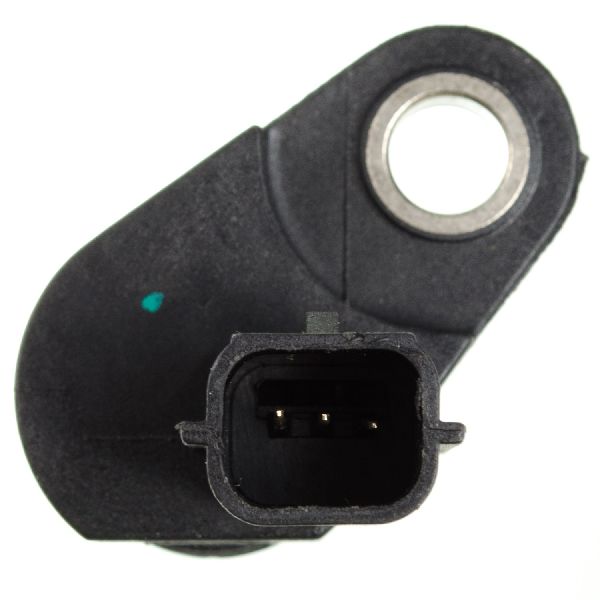
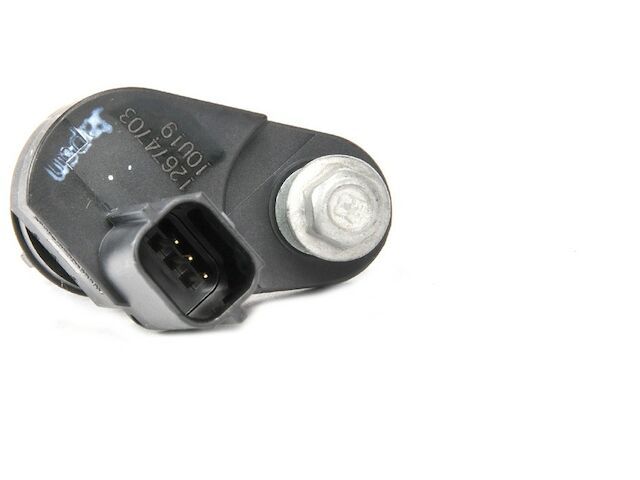
- Slipped Crankshaft Reluctor Wheel: → Shop Engine Crankshaft TSB PIP3423P notes that the reluctor wheel, which the crankshaft position sensor reads, can physically move on the crankshaft. This causes timing codes even with good chains. Diagnosis can sometimes be done with a borescope through the crank sensor hole, but the fix requires crankshaft replacement.
- Faulty Camshaft Actuator Solenoid (VVT Solenoid): → Shop Engine Camshaft A stuck or failing solenoid can affect cam timing and sometimes contribute to these codes, but it's more likely to set solenoid-specific codes (like P0010/P0020). It's a much less common cause for P0009 alone and should be ruled out with scan tool data before suspecting the chains.
Diagnosis Steps
- Confirm the presence of P0009 and any other codes using an OBD-II scanner.
- Check the engine oil level and condition. Note if it is low, old, or sludgy, as this is a major contributor to timing chain wear.
- Use an advanced scan tool to view live data, specifically the camshaft position deviation angles for Bank 2. A significant deviation (technicians often use >4 degrees as a rule of thumb) points towards a mechanical timing issue.
- Listen for a rattling noise from the front of the engine (passenger side), which is characteristic of a loose timing chain, especially on a cold start.
- If scan data suggests a timing issue, the next step is to remove the engine's front timing cover for a physical inspection. This is a labor-intensive process.
- Inspect the timing chains for slack, check the extension of the hydraulic tensioners, and look for wear or damage on the guides.
- If chains and tensioners appear fine, investigate the rare possibility of a slipped crankshaft reluctor wheel, as noted in TSB PIP3423P. This may be possible with a borescope through the crankshaft position sensor port.
Parts You'll Likely Need
- Engine Timing Chain Kit
(OEM #12700436)— This is the primary failure point. A complete kit ensures all worn components (3 chains, 3 tensioners, guides, gaskets) are replaced at once for a durable repair.
Trusted brands: ACDelco (GM OE), Cloyes (Part # 9-0753S is a widely used aftermarket kit)
OEM price range: $400-$600
Aftermarket price range: $250-$550 - Engine Oil and Filter — Fresh, clean oil meeting GM's DEXOS specification is required after the repair to ensure the new hydraulic tensioners function correctly and to remove any debris from the old parts.
Trusted brands: ACDelco, Mobil 1
OEM price range: $60-$90
Aftermarket price range: $40-$70 - Engine Coolant (Antifreeze)
(OEM #12346290 (ACDelco DEX-COOL))— The cooling system must be drained to perform the repair, so it will need to be refilled with fresh coolant.
Trusted brands: ACDelco DEX-COOL
OEM price range: $25-$40
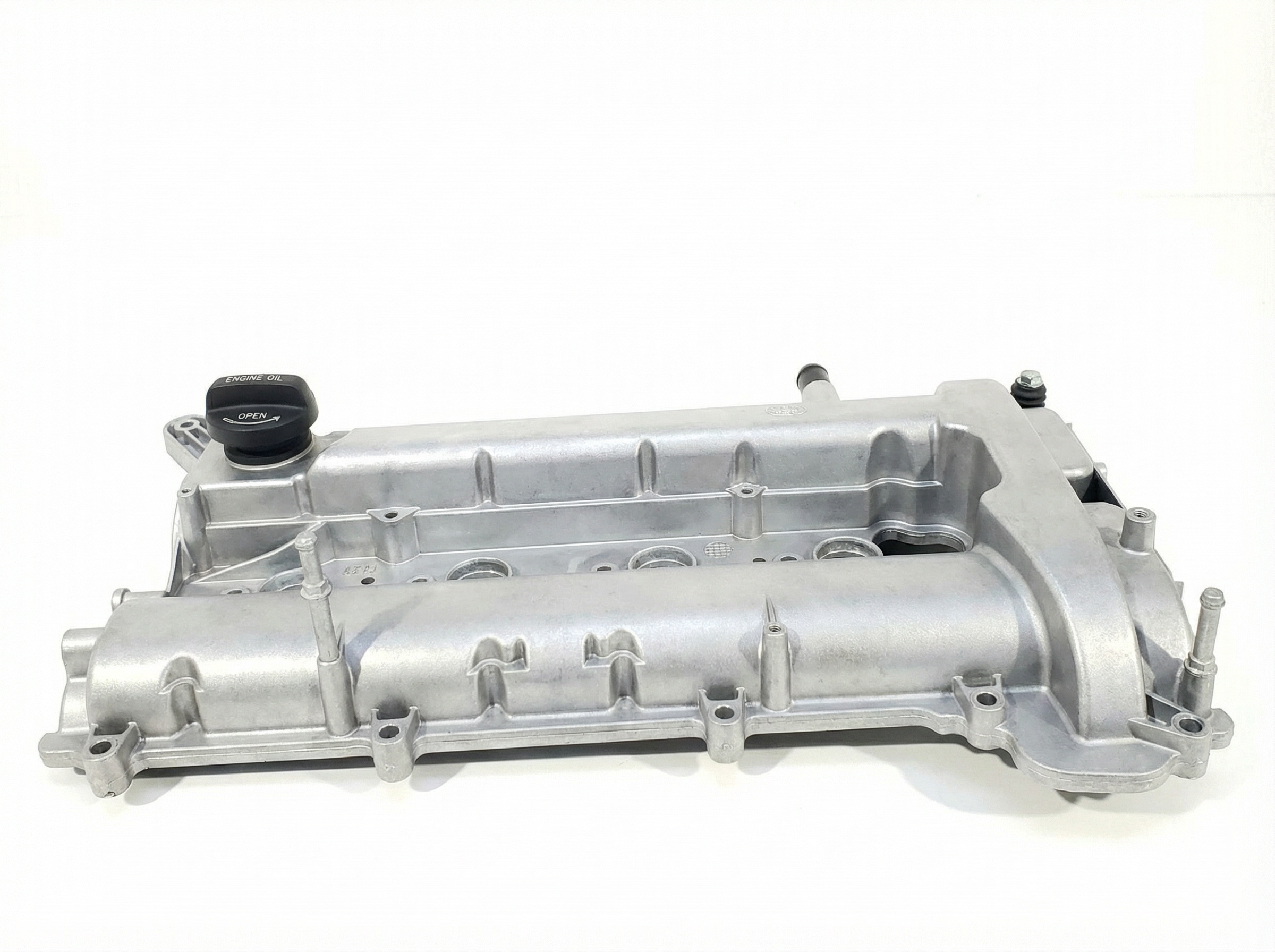
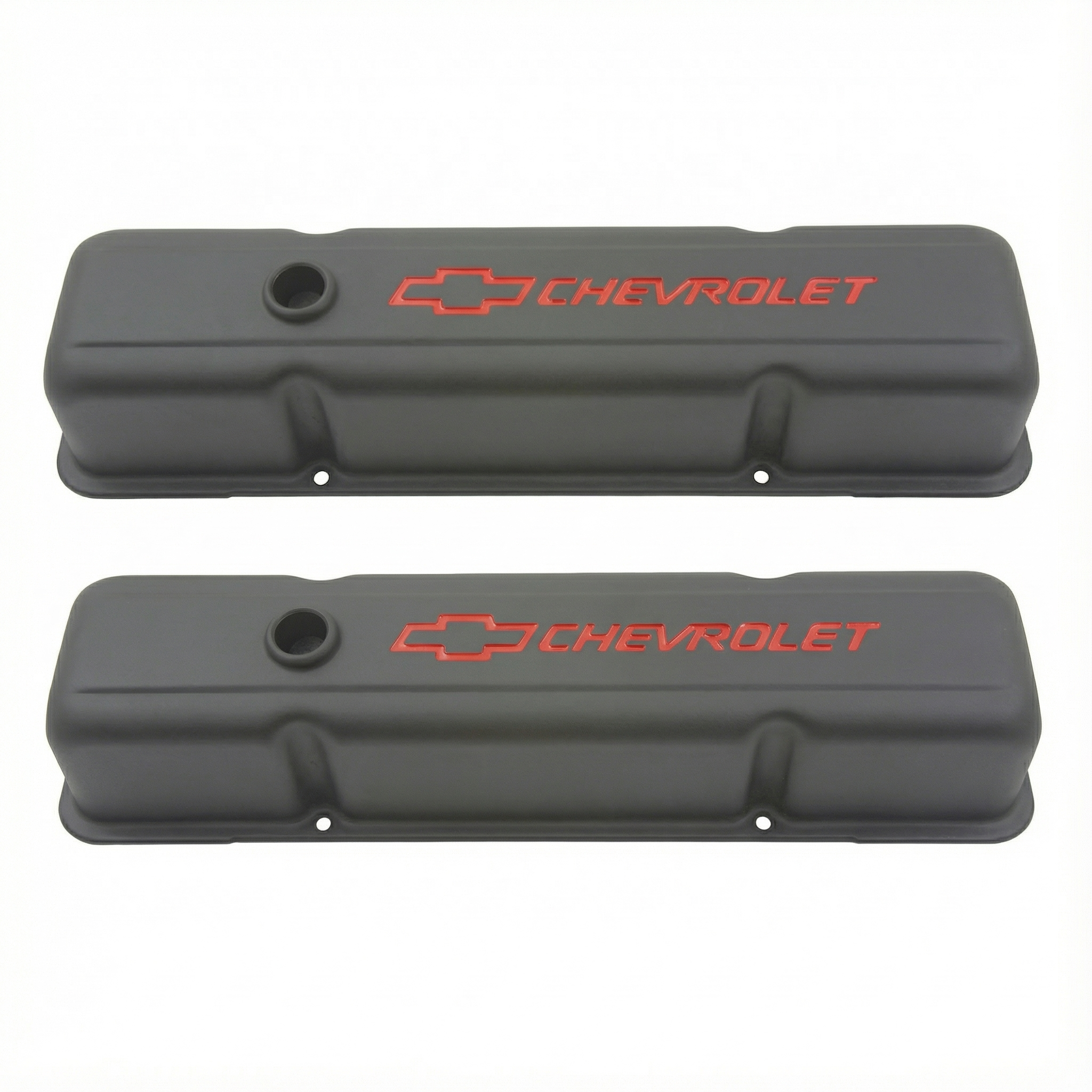
Aftermarket price range: $20-$30 - Front Crankshaft Seal and Valve Cover Gaskets — These are 'while you're in there' parts. The front crankshaft seal is located in the timing cover that must be removed, and the valve covers must also be removed for access. Replacing them prevents future oil leaks.
Trusted brands: ACDelco
Related Codes That Often Appear With This One
- P0008 — P0008 is the equivalent timing correlation code for Bank 1. When chains stretch significantly, it's common for both banks to be out of sync, triggering both codes.
- P0017, P0018, P0019 — These are more specific correlation codes for the exhaust and intake camshafts on Bank 2. They often accompany P0009 as the ECM narrows down the specific timing error.
- P0016 — This code is for Crankshaft/Camshaft Correlation on Bank 1. If seen with P0009, it indicates a timing issue affecting both banks, strengthening the diagnosis of stretched primary timing chain.
Technical Service Bulletins (TSBs) & Recalls
- PIP3423P: Mentions that codes P0008, P0009, and others can be caused by loose timing chains, tensioners, or a rare slipped crankshaft reluctor wheel. This TSB covers a wide range of model years and engines, including the LFX.
- 12-06-01-009G: An informational bulletin detailing the replacement of timing chain kits. It advises on when to replace guides and stresses the importance of proper oil maintenance and cleaning the PCV system during the repair.
- PIP5163G: A master document for diagnosing various engine issues, which includes camshaft correlation DTCs and points towards timing chain wear as a primary cause.
Platform-Specific Known Issues
- The 3.6L LFX V6 engine has a well-documented history of premature timing chain stretching, which is the subject of multiple Technical Service Bulletins (TSBs) from GM.
- GM issued a special coverage program (e.g., #11340C) for some earlier vehicles with this engine family, extending the warranty on the timing chains to 10 years or 120,000 miles. While the 2013-2016 models were not officially included in most of these programs, owners should still check with a GM dealer to see if any goodwill assistance or unpublicized coverage applies to their specific VIN.
Mechanic-Grade Diagnostic Values
- Engine Oil Pressure (LFX Engine) — expected: Can be as low as 20-25 psi at warm idle. Cold start or acceleration can show up to 110 psi.. Failure: Consistently low pressure outside of these ranges, especially below 20 psi at warm idle, indicates a lubrication problem that can cause timing chain failure. However, high readings are considered normal under certain conditions.
- Camshaft Actuator Solenoid Resistance — expected: Less than 5 ohms.. Failure: A high resistance reading (e.g., into kilo-ohms) or an open circuit indicates a failed solenoid. The solenoid should also produce an audible click when 12V is applied during a bench test.
- Camshaft vs. Crankshaft Correlation (Lab Scope Analysis) — expected: Known-good waveforms show specific alignment between the crankshaft position sensor's pattern and the camshaft position sensor's pulse. For Bank 1, the intake cam pulse should cross within the crank sensor's gap, and the exhaust pulse should occur approximately three crank teeth after the gap.. Failure: A visible shift or delay in the camshaft sensor pulse relative to the crankshaft pattern on the lab scope. A shift of 6-9 degrees is indicative of a stretched timing chain.
Scan Tool Commands That Help
- GDS2 / High-End Scan Tool: Camshaft Position Actuator Solenoid Control — To test the VVT solenoids and cam phasers without disassembly. The tool can command the solenoid to activate (via PWM signal) while the engine is running. The technician can then observe the 'Camshaft Position Variance' PID to see if the phaser responds to the command. No response or slow response can indicate a faulty solenoid, clogged oil passage, or a failing phaser.
- Lab Scope (e.g., PicoScope): Cam/Crank Correlation Test — This is the most definitive non-invasive test to confirm stretched timing chains. By graphing the signals from the crankshaft sensor and both camshaft sensors on a single time base, a technician can physically see if the mechanical timing is off, and by how many degrees. This test electronically verifies what the ECM is reporting and can prevent unnecessary replacement of sensors when the fault is mechanical.
Wiring & Ground Locations
- Underhood Fuse Block — Located in the engine bay, typically on the passenger's side.. This block contains fuses and relays critical to the Engine Control Module (ECM) and its sensors. A poor connection or corroded fuse here could cause erratic sensor readings, though it's an unlikely root cause for a persistent P0009.
- Instrument Panel Fuse Block — Located inside the cabin, behind a panel on the driver's side of the dashboard.. Provides power to various in-cabin modules, less likely to be directly related to a P0009 but important for overall vehicle electronics health.
- ECM Ground (Typical GM) — GM vehicles often use designated ground points on the engine block, cylinder head, or chassis near the battery (e.g., G101, G107). A common location for an engine-related ground is on or near the thermostat housing or a cylinder head stud.. The camshaft and crankshaft position sensors are Hall-effect sensors that rely on a clean ground reference to send an accurate signal to the ECM. A corroded or loose engine ground can introduce noise into these signals, potentially causing false timing codes, although this is less common than actual chain stretch.
Real Owner Repair Stories
- ScannerDanner Forum user John Clark (2016 Chevy Camaro 3.6L LGX (similar architecture to LFX)) — Check Engine Light with codes P0016 and P0018 (Bank 1 and Bank 2 correlation codes).
❌ Tried (didn't work) Oil and filter change., Considered replacing camshaft position actuator solenoids but proceeded to deeper diagnosis first.
✅ What actually fixed it The owner performed a lab scope cam/crank correlation test. The waveform analysis showed the Bank 2 intake cam was retarded by about 6 degrees and the Bank 1 cam by 8-9 degrees. This data definitively confirmed a mechanical timing issue (stretched chains), leading to the necessary timing chain replacement job.
Model Year Variations Within This Range
- 2013-2016 (vs. pre-2012): GM made several updates to the 3.6L engine's timing chain system by the 2012 model year to address premature stretching issues common in earlier LY7 and LLT versions. The LFX engine in the 2013-2016 LaCrosse benefits from these improved parts. However, while the failure rate is lower than on 2007-2011 models, the fundamental design still makes them susceptible to timing chain wear, especially if oil maintenance is neglected.
Helpful Videos

Used OEM Parts in Stock
New Aftermarket Parts Available

The information in this article is provided for general reference and educational purposes only. Vehicle specifications, procedures, and part compatibility can vary by production date, trim level, and region. Always consult your vehicle's factory service manual and verify part numbers before purchasing or performing repairs. Safety-critical components such as airbags, seat belts, and braking systems should be installed by a qualified professional.
- Buick LACROSSE:
- 🧭 Diagnostic Flowchart
- 🎬 Helpful Videos
- 🛍️ Shop This Part
- What's Unique About the 2013-2016 Buick LACROSSE
- Symptoms You May Notice
- Most Likely Causes
- Rare But Worth Checking
- Diagnosis Steps
- Parts You'll Likely Need
- Related Codes That Often Appear With This One
- Technical Service Bulletins (TSBs) & Recalls
- Platform-Specific Known Issues
- Mechanic-Grade Diagnostic Values
- Scan Tool Commands That Help
- Wiring & Ground Locations
- Real Owner Repair Stories
- Model Year Variations Within This Range
- 🎟️ Get 5% Off