

P0009 on 2013-2018 Cadillac ATS: Engine Position Performance Fixes
P0009 on a Cadillac ATS, especially with the 3.6L V6, almost always means the timing chains have stretched. This is a serious, expensive repair requiring replacement of the chains, tensioners, and guides. The root cause is often linked to premature chain wear exacerbated by extended oil change intervals. Expect a shop bill of $2,000-$4,000+ due to the high labor involved. Do not replace sensors until mechanical timing is verified.
- P0009 on a 2013-2018 Cadillac ATS with a V6 engine almost certainly indicates a stretched timing chain.
- Do not simply replace the camshaft or crankshaft sensors; this is a common misdiagnosis that will not fix the underlying mechanical problem.
- The root cause is often accelerated by degraded engine oil from extended oil change intervals; more frequent oil changes (e.g., every 5,000 miles) are recommended for engine longevity.
- This is a major, labor-intensive repair. If the timing chains are confirmed to be tight, the next likely culprit is a much rarer, but serious, slipped crankshaft reluctor wheel.
What's Unique About the 2013-2018 Cadillac ATS
This code is particularly common and problematic on the GM High Feature V6 engines (like the 3.6L LFX in the ATS) due to a well-documented history of premature timing chain stretching. While the LFX engine (used from 2012 onwards) featured an improved timing chain design over its predecessor, the LLT, it is still susceptible to this failure. The issue is often accelerated by GM's own Oil Life Monitor (OLM) system, which could recommend oil change intervals that were too long, leading to oil degradation and inadequate lubrication for the timing components. Manufacturer bulletins specifically instruct technicians to inspect for loose timing chains when this code appears, highlighting the prevalence of this mechanical issue over sensor failures.
Diagnostic Flowchart
Tap your situation to follow the diagnostic path that matches what you're seeing on this vehicle.
Symptoms You May Notice
- Check Engine Light is on
- Rough or unstable idle
- Rattling or whining noise from the front of the engine, especially on a cold start
- Reduced engine power and poor acceleration
- Engine may hesitate or stall
- Excessive engine oil consumption (a contributing factor and symptom)
- Replacing only the camshaft position sensor for Bank 2 without checking the mechanical timing. The code is reporting a valid mechanical problem, not necessarily a sensor failure.
- Replacing only the crankshaft position sensor.
- Replacing the timing chains but failing to inspect the crankshaft reluctor wheel, leading to the code returning immediately.
Most Likely Causes
- Stretched Timing Chains 🔴 High Probability → Shop Engine Timing Chain The 3.6L LFX engine has a known issue with premature timing chain wear and stretching. This is the most common cause for P0009 on this platform, even with the revised chain design compared to earlier GM 3.6L engines.
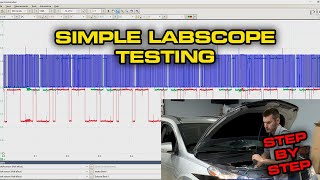
How to confirm: A technician will use a scan tool to monitor camshaft/crankshaft deviation data. 🎬 Watch: How to test timing chain issues with a labscope. The definitive diagnosis requires physically inspecting the chains for slack by removing the engine timing cover, as recommended by GM's technical service bulletin PIP3423P.
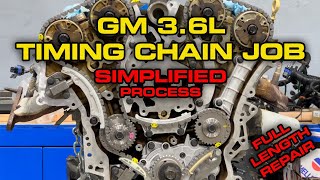
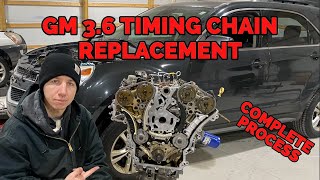
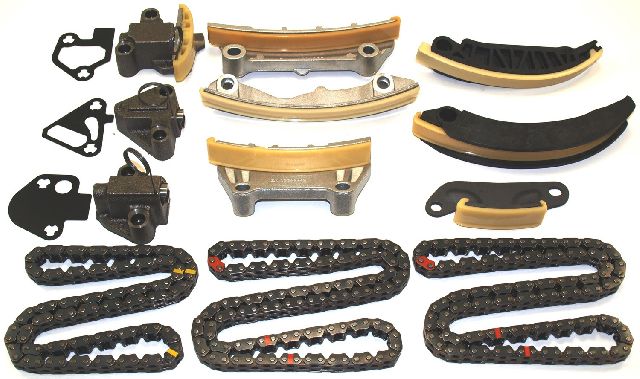
Typical fix: Replace all three timing chains, all tensioners, and all guides. This is typically done as a complete kit. 🎬 See these expert installation tips for your new timing kit.
Est. part cost: $250-$500 - Failed Timing Chain Tensioners or Guides 🔴 High Probability → Shop Engine Timing Chain The tensioners, which use oil pressure to keep the chains tight, can fail or weaken. The plastic guides can also wear out or break. This is part of the same common timing system failure and these parts are always replaced with the chains.
How to confirm: These are inspected visually for wear, damage, or lack of tension when the timing cover is removed.
Typical fix: Replaced as part of a complete timing chain kit along with the chains.
Est. part cost: $250-$500 - Low, Degraded, or Incorrect Viscosity Engine Oil 🟡 Medium Probability The timing chain tensioners are hydraulic and rely on clean oil at the correct pressure. GM's Oil Life Monitor (OLM) often allowed for excessively long oil change intervals (up to 12,000 miles), causing oil to break down and accelerate wear. GM even issued TSBs to recalibrate the OLM to recommend more frequent changes. Using oil of the wrong viscosity can also impair tensioner function.
How to confirm: Check the oil level and service history. If the oil is low, dirty, or if oil changes have been infrequent, this is a very likely contributor.
Typical fix: Perform an oil and filter change with a high-quality full synthetic oil meeting GM's Dexos specification. However, if the chains are already stretched and the code is present, an oil change will not fix it; the mechanical parts must be replaced.
Est. part cost: $50-$100
Rare But Worth Checking
- Slipped Crankshaft Reluctor Wheel: → Shop Engine Crankshaft GM TSB PIP3423P explicitly states that if the timing chains are found to be tight, the next step is to inspect the crankshaft reluctor wheel. This toothed ring, which the crankshaft sensor reads, can spin on the crankshaft itself, causing a mismatch with the cam signals even with perfect chains. This is a very serious issue that officially requires crankshaft replacement, though some have had success repositioning and tack-welding it.
- Faulty Camshaft or Crankshaft Position Sensor: → Shop Engine Crankshaft Position Sensor While these sensors can fail, they are far less likely to be the cause of P0009 on this engine than the timing chains themselves. Replacing sensors without confirming the mechanical timing is a common and costly misdiagnosis. The code is almost always reporting a valid mechanical problem.
Diagnosis Steps
- Verify the engine oil level and condition. An oil level that is even one quart low can contribute to this issue. Top off or change if necessary.
- Use an advanced scan tool to read the fault codes and monitor live data for camshaft and crankshaft position sensor readings. Note any deviation values, which can confirm the timing mismatch.
- Listen for a rattling or chain-slap sound from the front of the engine (timing cover area), especially during a cold start.
- Follow the diagnostic procedure in GM TSB #PIP3423P (or its latest revision). This bulletin is the manufacturer's direct instruction for this code.
- If scan tool data suggests a timing issue and/or noise is present, the next step is to remove the engine timing cover for a physical inspection of the timing chains, guides, and tensioners for slack or damage.
- If the chains are loose, replace the complete timing kit (all chains, tensioners, guides, and associated gaskets/seals).
- If the chains are found to be tight, the TSB directs inspection of the crankshaft reluctor wheel for movement. This can sometimes be done with a borescope through the crankshaft position sensor hole. A correct wheel will have a measurement of 25-26mm from the machined surface of the crank throw to the edge of the reluctor's open space. If it has slipped, the crankshaft must be replaced.
Parts You'll Likely Need
- Engine Timing Chain Kit
(OEM #12700437 (Note: Part numbers can be superseded, always verify with VIN))— This is the definitive fix for a stretched timing chain. A complete kit ensures all related wear items (chains, tensioners, guides, gaskets) are replaced at once. Aftermarket kits are often considered an upgrade.
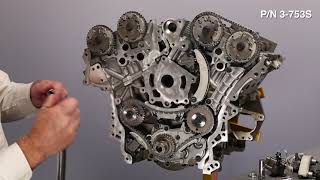
Trusted brands: ACDelco (OEM), Cloyes (e.g., 9-0753S)
OEM price range: $270-$400
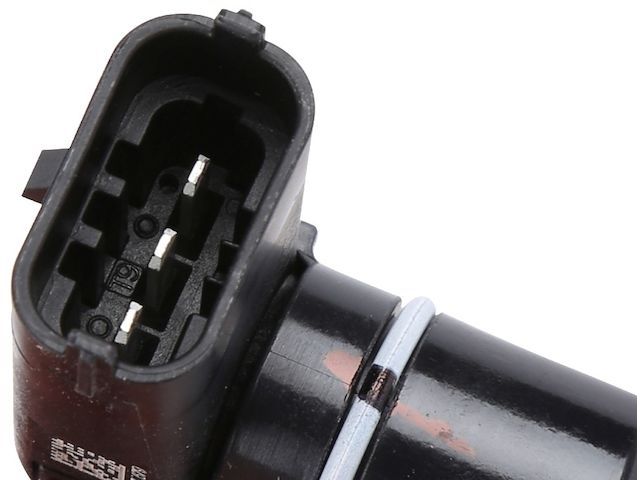
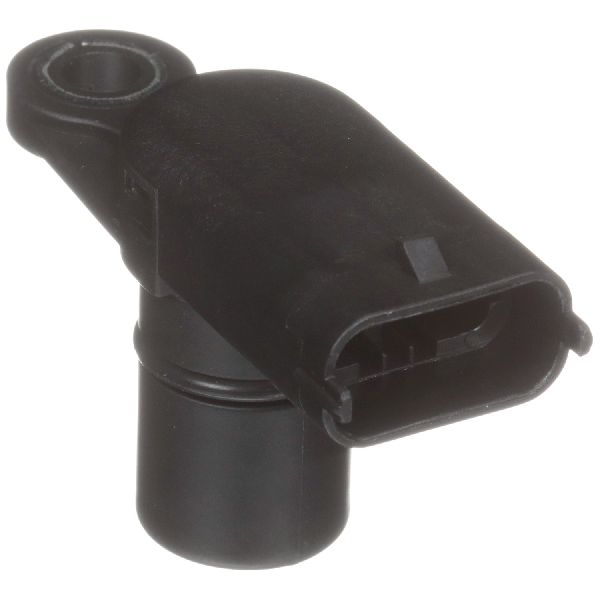
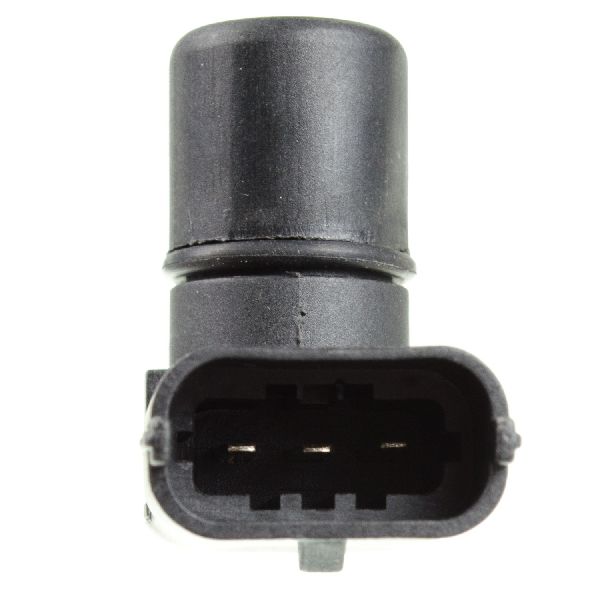
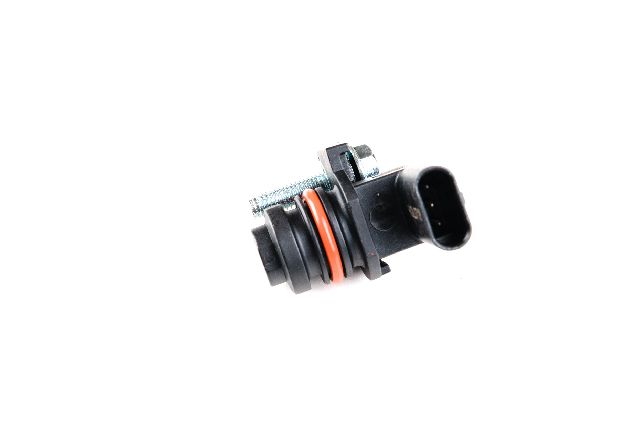
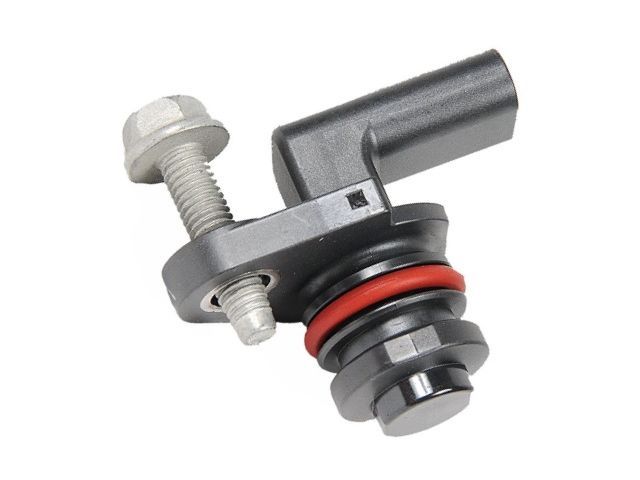
Aftermarket price range: $165-$250 - Camshaft Position Sensor (Bank 2) — Replaced only if it is specifically tested and found to be faulty. This is not the usual cause. Misdiagnosing this part is common and will not fix the P0009 code if the chains are stretched.
Trusted brands: ACDelco, Bosch
OEM price range: $137-$187
Aftermarket price range: $50-$100
Related Codes That Often Appear With This One
- P0008 — P0008 is the equivalent code for Bank 1 (Engine Position System Performance Bank 1). It's extremely common to see both P0008 and P0009 together. This indicates the timing deviation involves the primary chain affecting both banks, which strongly points to stretched timing chains as the root cause.
- P0016, P0017, P0018, P0019 — These are more specific crankshaft-to-camshaft correlation codes for intake/exhaust cams on both banks. They often accompany P0008/P0009 and are all listed in the same TSBs (like PIP3423P) as being related to the same root cause of timing chain system failure.
Technical Service Bulletins (TSBs) & Recalls
- PIP3423P (and its revisions N, M, L, K, J): The primary diagnostic bulletin from GM. Instructs technicians to check for loose timing chains or a slipped crankshaft reluctor wheel when DTCs P0008, P0009, P0016, P0017, P0018, or P0019 are present.
- 12-06-01-009: Addresses the timing chain issue on High Feature V6 engines and recommends recalibrating the Oil Life Monitor for more frequent changes, acknowledging the link between oil life and chain wear.
Platform-Specific Known Issues
- The 3.6L LFX V6 engine used in the 2013-2018 Cadillac ATS is known for premature timing chain stretching, which is the primary cause of code P0009.
- GM Technical Service Bulletin #PIP3423P directly addresses codes P0008 and P0009, instructing technicians to inspect for loose timing chains and, in rare cases, a slipped crankshaft reluctor wheel.
- The GM Oil Life Monitor (OLM) system often recommended overly long oil change intervals, which is a major contributing factor to the chain wear. TSB 12-06-01-009 was released to recalibrate the OLM for some models to shorten these intervals.
Mechanic-Grade Diagnostic Values
- Crankshaft Reluctor Wheel Position — expected: 25-26 mm. Failure: Any measurement outside the 25-26mm range indicates the wheel has slipped on the crankshaft.
- Camshaft Position Actuator Solenoid Resistance — expected: Approximately 11 to 20 Ohms.. Failure: A reading that is significantly higher (e.g., in the kilo-ohm range) or an open circuit indicates a failed solenoid winding.
Scan Tool Commands That Help
- GM GDS2 (or equivalent professional scanner): Crankshaft Position Variation Learn — This procedure is required after replacing timing chains, camshafts, crankshaft, sensors, or the ECM to allow the control module to learn the new variations in the crankshaft reluctor wheel for accurate misfire detection and timing.
- GM GDS2 (or equivalent professional scanner): Active Tests / Bi-Directional Controls — To individually command the camshaft position actuator solenoids. This can help determine if a solenoid is mechanically stuck or if the control circuit is functioning, by sending a command from the scan tool and observing the engine's response or data change.
Wiring & Ground Locations
- G101 — Above the left headlight assembly.. This is a primary ground location for the Engine Control Module (ECM). A poor connection here can cause erratic ECM behavior and potentially set false diagnostic codes.
- G104 — On the front of the right cylinder head for the 3.6L LFX engine.. Provides a ground path for several engine components. Verifying this ground is tight and free of corrosion is a crucial step in diagnosing any electronic engine control issue.
- ECM Connector X1 — One of the three main connectors on the Engine Control Module (ECM).. This connector can be identified by its black shell and blue Terminal Position Assurance (TPA) lock. Knowing which connector is X1 is essential for accurately testing the correct pins for the camshaft and crankshaft position sensor circuits.
Real Owner Repair Stories
- L1 Automotive Training YouTube Channel (2004 Cadillac SRX 3.6L (Early High Feature V6, similar sensor diagnostics to LFX)) — Persistent camshaft position sensor performance code (P0366) after a new GM engine was installed.
❌ Tried (didn't work) Replacing the camshaft position sensor with a new AC Delco (OEM) part., Replacing the sensor multiple times with several different new-in-box OEM sensors, all of which produced an incorrect waveform on an oscilloscope.
✅ What actually fixed it Installing a used camshaft position sensor purchased from eBay. The used sensor produced the correct square wave pattern on the oscilloscope, and the code did not return. The issue was determined to be a batch of defective new OEM sensors.
"I Checked Everything" — The Actual Cause
- In the context of P0009, the equivalent of a 'smoke test clean' scenario is when a technician performs the labor-intensive job of opening the timing cover and finds the timing chains are not loose or stretched. In this case, GM TSB #PIP3423P directs the technician to the next likely cause: a slipped crankshaft reluctor wheel. This is the classic 'everything seems fine, but the code persists' situation for this specific problem.
When the Usual Fixes Don't Work
- While the overwhelming cause of P0009 is mechanical (timing chains), there are documented cases where the issue was purely electronic and difficult to trace. In one instance involving a similar GM 3.6L engine, a persistent cam sensor code was only resolved after trying numerous brand-new, out-of-the-box-defective OEM sensors. The final fix was a used sensor that produced a correct waveform on an oscilloscope. This proves that while rare, a sensor-related issue can be the root cause, but confirmation requires advanced tools like an oscilloscope, not just replacing parts.
OEM Part Supersession History
12651450→12700436, 12679117, or 12693218— GM has updated the timing chain kit for the 3.6L engine multiple times, likely to improve the durability of the chains and guides to combat the premature stretching issue.
Heads up: The multiple supersessions indicate that using the latest available part number from a GM dealer is critical. Source suggests 12693218 is a comprehensive kit including gaskets. Always verify the correct, most current part number with the vehicle's VIN.
Model Year Variations Within This Range
- 2013-2018: All LFX engines within this vehicle's year range (2013-2018) should have the redesigned, supposedly more durable timing chains compared to the 2012 LFX and earlier LLT engines. However, the failure still occurs, indicating the redesign was not a complete solution.
- 2013-2018 (vs. pre-2012 LLT): The LFX engine features cylinder heads with integrated exhaust manifolds, a design different from the earlier LLT V6 which used separate bolt-on manifolds. This reduces weight but does not directly affect the P0009 diagnosis.
Helpful Videos
We Have This Part in Stock

The information in this article is provided for general reference and educational purposes only. Vehicle specifications, procedures, and part compatibility can vary by production date, trim level, and region. Always consult your vehicle's factory service manual and verify part numbers before purchasing or performing repairs. Safety-critical components such as airbags, seat belts, and braking systems should be installed by a qualified professional.
- Cadillac ATS:
- 🧭 Diagnostic Flowchart
- 🎬 Helpful Videos
- 🛍️ Shop This Part
- What's Unique About the 2013-2018 Cadillac ATS
- Symptoms You May Notice
- Most Likely Causes
- Rare But Worth Checking
- Diagnosis Steps
- Parts You'll Likely Need
- Related Codes That Often Appear With This One
- Technical Service Bulletins (TSBs) & Recalls
- Platform-Specific Known Issues
- Mechanic-Grade Diagnostic Values
- Scan Tool Commands That Help
- Wiring & Ground Locations
- Real Owner Repair Stories
- "I Checked Everything" — The Actual Cause
- When the Usual Fixes Don't Work
- OEM Part Supersession History
- Model Year Variations Within This Range
- 🎟️ Get 5% Off