

P0009 on 2004-2011 Cadillac CTS: Engine Position System Performance Bank 2 Causes and Fixes
On a 2004-2011 Cadillac CTS with the 3.6L V6 engine, code P0009 almost always indicates stretched timing chains. This is a serious, labor-intensive repair costing between $1,800 and $3,500, and involves replacing the timing chains, tensioners, and guides. Some owners have been quoted over $3,500 at dealerships.
- P0009 on a 2004-2011 CTS 3.6L V6 is almost certainly caused by stretched timing chains.
- This is a serious issue that should be addressed immediately to prevent catastrophic engine failure.
- The repair is expensive and complex, requiring a full timing chain kit and 10-15 hours of labor.
- Do not waste money replacing camshaft or crankshaft sensors; they are rarely the cause.
- Using high-quality synthetic oil and adhering to shorter oil change intervals (5,000 miles) can help prolong the life of the replacement chains.
What's Unique About the 2004-2011 Cadillac CTS
The GM High Feature 3.6L V6 engines (LY7 and LLT) used in this era of Cadillac CTS are notoriously prone to premature timing chain stretching. This issue is so common that GM issued multiple Technical Service Bulletins (TSBs) and even implemented a special coverage program (11340C) extending the warranty on this component to 10 years or 120,000 miles, though this has expired for most vehicles. The problem was exacerbated on earlier models by long oil change intervals recommended by the oil life monitoring system, as insufficient or degraded oil accelerates wear on the chains, plastic guides, and hydraulic tensioners.
Diagnostic Flowchart
Tap your situation to follow the diagnostic path that matches what you're seeing on this vehicle.
Generation note: This issue affects both the first-generation (2004-2007) and second-generation (2008-2011) Cadillac CTS models equipped with the 3.6L V6 engine (RPO codes LY7 and LLT). The underlying cause related to timing chain wear is common to both generations, and is also seen in a wide range of other GM vehicles using this engine.
Symptoms You May Notice
- Check Engine Light is on
- Rough or unstable idle
- Reduced engine power and poor acceleration
- Rattling or scraping noise from the front of the engine, especially on a cold start
- Decreased fuel economy
- Engine surging or hesitation
- Replacing only the camshaft position sensor
- Replacing only the crankshaft position sensor
- Replacing VVT solenoids without addressing the underlying stretched chains
- Performing only an oil change and hoping the code goes away
Most Likely Causes
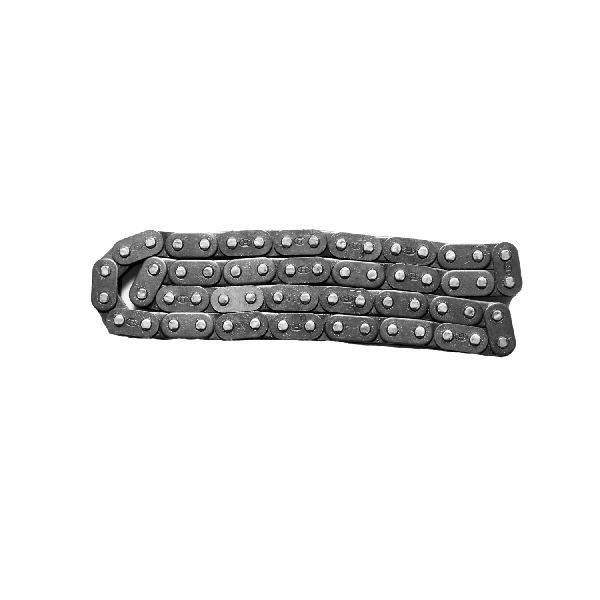
- Stretched Timing Chains 🔴 High Probability → Shop Engine Timing Chain The original timing chains on the 3.6L V6 engines were made of a material susceptible to premature wear and stretching. This was a well-documented design flaw across many GM vehicles using this engine.
How to confirm: A mechanic can use a scan tool to monitor camshaft and crankshaft position sensor data to see the deviation. A definitive diagnosis requires physical inspection of the chains for slack, which involves significant engine disassembly. A rattling noise from the front of the engine is a strong audible clue.
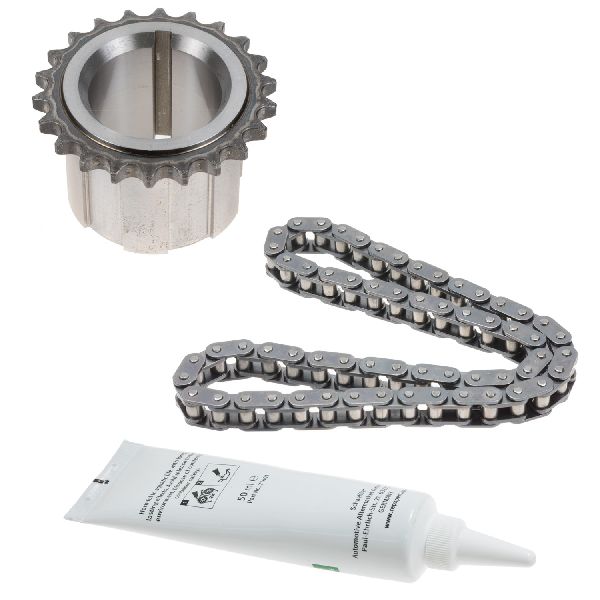
Typical fix: Replace all three timing chains (primary and two secondary), the tensioners, and the guides. It is highly recommended to use the updated parts kits from GM/ACDelco, which were designed to remedy the original flaw.
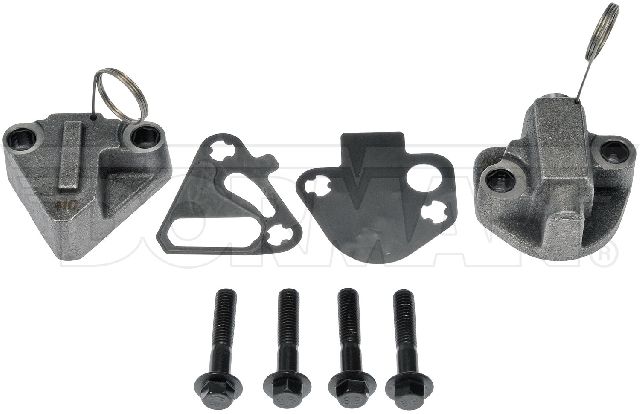
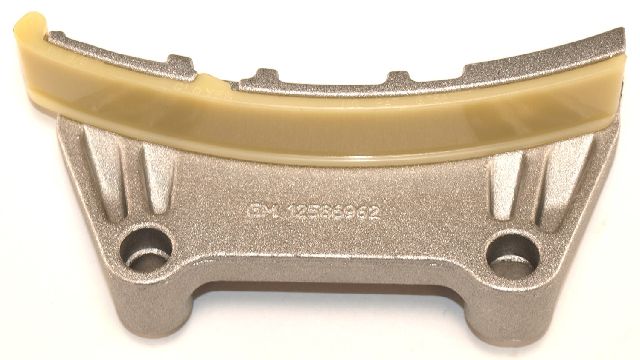
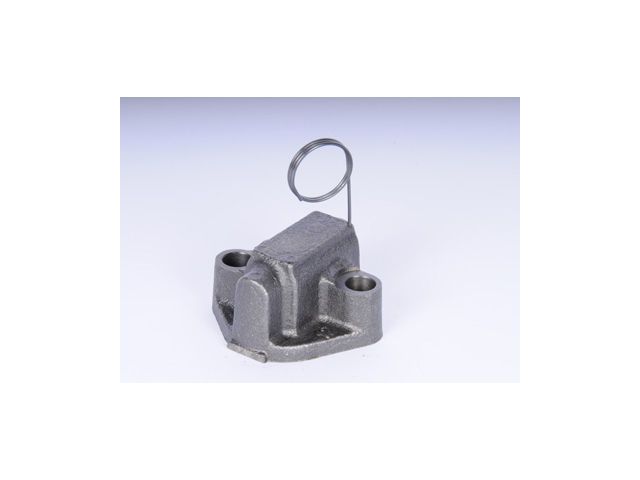
Est. part cost: $300-$600 - Failed Timing Chain Tensioners or Guides 🔴 High Probability → Shop Engine Timing Chain The tensioners, which use oil pressure to keep the chains tight, can fail or weaken. The plastic guides can also wear down, become brittle, and break. This is part of the same common timing system failure and is exacerbated by poor oil quality.
How to confirm: Confirmed during physical inspection when replacing the timing chains. Broken pieces of plastic guides may be found in the oil pan.
Typical fix: These components are always replaced as part of a complete timing chain service. Kits include new tensioners and guides.
Est. part cost: $0 (Included in timing chain kit) - Low Engine Oil Level or Poor Oil Quality 🟡 Medium Probability The timing chain tensioners are hydraulic and rely on clean, sufficient oil to function. Extended oil change intervals, as once recommended by the factory oil life monitor, lead to oil breakdown and sludge, which starves the tensioners and chains of proper lubrication and accelerates wear.
How to confirm: Check the oil level on the dipstick and inspect its condition. If the oil is very dark, sludgy, or low, this is a likely contributing factor. A technician may also note excessive sludge and varnish inside the engine upon disassembly.
Typical fix: If caught very early, an oil change might temporarily quiet a noisy chain, but it will not fix a chain that is already stretched and has set code P0009. This is a contributing factor, not the root cause once the code is set.
Est. part cost: $50-$100
Rare But Worth Checking
- Slipped Crankshaft Reluctor Wheel: → Shop Engine Crankshaft A GM TSB (PIP3423P) notes that the reluctor wheel, which the crankshaft position sensor reads, can physically move on the crankshaft. This will cause timing correlation codes even with good chains. Diagnosis can sometimes be done with a borescope through the crank sensor hole to check its position relative to the crankshaft throw (a good one measures 25-26mm from the machined surface to the edge of the reluctor opening). A definitive fix requires crankshaft replacement.
- Faulty Camshaft or Crankshaft Position Sensor: → Shop Engine Crankshaft Position Sensor While a sensor can fail, it is very unlikely to be the root cause of P0009 on this engine. Owners and mechanics report that replacing these sensors is a common misdiagnosis that does not fix the underlying mechanical timing issue. The code indicates a correlation issue between sensors, not a sensor circuit failure.
- Failed VVT Solenoid (Camshaft Actuator): A stuck or clogged Variable Valve Timing (VVT) solenoid can cause camshaft position errors, often triggered by dirty oil or sludge. While this can cause timing-related codes, it's less common for P0009 than the primary chain stretch issue. Often, people replace these in a failed attempt to fix the P0009 before committing to the timing chain job.
Diagnosis Steps
- Confirm the presence of P0009 and any other related codes (like P0008, P0017, P0018, P0019) with an OBD-II scanner.
- Check the engine oil level and condition. Note if it is low, old, or sludgy, as this is a major contributing factor.
- Listen for a distinct rattling or scraping sound from the front of the engine, especially during a cold start, which indicates loose timing chains hitting the guides or engine cover.
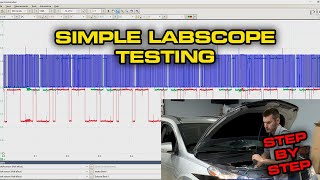
- Using an advanced scan tool, monitor the live data for camshaft/crankshaft correlation PIDs. Observe the variance between desired and actual cam angles; a persistent deviation 🎬 Watch: How to test timing chain stretch with a labscope. is a strong indicator of a stretched chain.
- Check for any applicable Special Coverage Programs from GM, like the expired 11340C, which covered timing chains for 10 years/120,000 miles.
- If TSB PIP3423P is suspected, inspect the crankshaft reluctor wheel for movement, ideally with a borescope through the crankshaft position sensor port to avoid removing the oil pan.
- If all signs point to a timing issue, the final step is engine disassembly to physically inspect the timing chains for stretch against a new chain, and to check the guides and tensioners for wear or damage.
Parts You'll Likely Need
- Timing Chain Kit
(OEM #12650230 (2007 models), 12650231 (2008+ models))— This is the definitive fix for the stretched timing chains that cause code P0009. The kit includes the updated primary and secondary chains, tensioners, guides, and gaskets needed for the job. TSB 12-06-01-009F announced these updated kits.
Trusted brands: ACDelco, GM Genuine, Cloyes
OEM price range: $300-$500
Aftermarket price range: $200-$400
Related Codes That Often Appear With This One
- P0008 — P0008 is 'Engine Position System Performance Bank 1'. P0009 points specifically to Bank 2. When both appear, it indicates the timing deviation is significant and affecting both banks of the engine.
- P0018 — P0018 is 'Crankshaft Position - Camshaft Position Correlation Bank 2 Sensor A'. It is another code indicating a timing misalignment on Bank 2 and is frequently set along with P0009 as they both point to the same bank.
- P0019 — P0019 is 'Crankshaft Position - Camshaft Position Correlation Bank 2 Sensor B'. Like P0018, it points to a specific camshaft on Bank 2 being out of sync with the crankshaft, often appearing as a trio with P0009 and P0018.
- P0017 — P0017 is 'Crankshaft Position - Camshaft Position Correlation Bank 1 Sensor B'. This code points to a timing issue on the opposite bank (Bank 1). It's common to see codes for both banks (P0008, P0016, P0017 and P0009, P0018, P0019) set together once the primary timing chain has stretched enough.
Technical Service Bulletins (TSBs) & Recalls
- 12-06-01-009F
- PIP3423P
Platform-Specific Known Issues
- The 3.6L V6 engines (LY7, LLT) in these vehicles are widely known for premature timing chain failure due to chain stretch.
- GM issued TSB #12-06-01-009F, which provides information on updated timing chain service kits designed to address this specific problem. This bulletin lists specific kit part numbers for different model years.
- TSB #PIP3423P (and its revisions like K, L) points to a possible, though less common, cause where the crankshaft reluctor wheel can slip, mimicking the symptoms of a stretched chain and requiring crankshaft replacement.
- GM had a special coverage program #11340C that extended the warranty for timing chain issues to 10 years or 120,000 miles, confirming the widespread nature of the defect.
Mechanic-Grade Diagnostic Values
- Camshaft Position (CMP) Actuator Solenoid Resistance — expected: 7-12 Ohms between the control and ignition terminals.. Failure: A reading outside this range, or a reading of infinite resistance between either terminal and the solenoid housing, indicates a faulty solenoid.
- Crankshaft Reluctor Wheel Position Measurement — expected: 25 to 26 mm from the machined surface of the crankshaft throw to the edge of the open space on the reluctor wheel.. Failure: Any measurement outside this range indicates the reluctor wheel has slipped on the crankshaft, which requires crankshaft replacement.
Scan Tool Commands That Help
- GDS2 / Tech2: Camshaft Position Actuator Solenoid ON/OFF Command — This bidirectional control is used to command the VVT solenoid on and off to verify the electrical circuit's integrity. A technician can use a test lamp connected to the control circuit; the lamp should illuminate when the solenoid is commanded ON.
- GDS2 / Tech2: ECM Reprogramming — As part of Special Coverage 11340C, GM mandated an ECM software update. This update changed the parameters of the oil life monitor and potentially adjusted VVT system operation to reduce chain wear. This reprogramming was to be performed even if the timing chains did not require immediate replacement.
Wiring & Ground Locations
- Bank 2 Camshaft Position Sensors — On the 3.6L V6, Bank 2 is the driver's side of the engine. The intake and exhaust camshaft position sensors are located on the front of the cylinder head, behind the power steering pump reservoir.. While sensor failure is not the common cause for P0009, knowing their location is critical for diagnosis, such as checking the wiring harness for damage or performing circuit tests. Misidentifying the bank could lead to replacing the wrong components.
- Crankshaft Position Sensor — Located on the lower side of the engine block, typically reading a reluctor wheel on the crankshaft itself.. This sensor's signal is the primary reference for engine timing. P0009 is a correlation code between this sensor and the Bank 2 camshaft sensors. Accessing its connector is necessary for circuit testing, and the sensor port may be used with a borescope to inspect the reluctor wheel for slippage as noted in TSB PIP3423P.
Real Owner Repair Stories
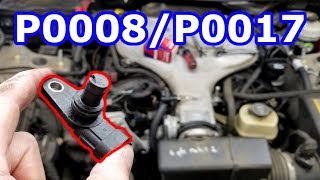
- YouTube user 'Kevin Nadeau' (2007 Cadillac CTS 3.6L with 88,000 miles) — Check Engine Light with codes P0008 and P0017 (Bank 1 equivalent of P0009).
❌ Tried (didn't work) Replacing the Bank 1 Camshaft Position Sensor (Sensor B, exhaust side)., Inspecting and cleaning the VVT solenoids.
✅ What actually fixed it The video creator explicitly states that replacing the sensor did NOT fix the problem and the Check Engine Light returned after a short drive. He acknowledges that the root cause is the timing chain, which he documents replacing in subsequent videos. This serves as a real-world example of common misdiagnoses failing to resolve the issue.
OEM Part Supersession History
Varies by early production date→Kit P/N 12650230 (For 2007 Models) and 12650231 (For 2008+ Models)— GM released updated timing chain kits to address the premature stretching issue. These kits contain chains made from more durable materials.
Heads up: It is critical to use the correct kit for the model year. TSB 12-06-01-009F specifically calls out different kits for 2007 models versus 2008 and newer models. Using the wrong kit could lead to installation issues or continued timing problems.
Model Year Variations Within This Range
- 2004-2007 vs 2008-2011: The 2004-2007 CTS used the LY7 3.6L V6 engine. Starting in 2008, the CTS offered the LLT 3.6L V6, which added direct fuel injection. While both engines suffer from the timing chain issue, some parts like intake manifolds and fuel systems are different. The timing chain kits themselves are also specified differently for 2007 vs. 2008+ models.
- 2007: GM TSB #12-06-01-009F specifically directs technicians to consult a different bulletin (07-06-01-013) for early build 2007 models to correctly identify the timing chain design, indicating a mid-year change in components.
Helpful Videos

We Have This Part in Stock


The information in this article is provided for general reference and educational purposes only. Vehicle specifications, procedures, and part compatibility can vary by production date, trim level, and region. Always consult your vehicle's factory service manual and verify part numbers before purchasing or performing repairs. Safety-critical components such as airbags, seat belts, and braking systems should be installed by a qualified professional.
- Cadillac CTS:
- 🧭 Diagnostic Flowchart
- 🎬 Helpful Videos
- 🛍️ Shop This Part
- What's Unique About the 2004-2011 Cadillac CTS
- Symptoms You May Notice
- Most Likely Causes
- Rare But Worth Checking
- Diagnosis Steps
- Parts You'll Likely Need
- Related Codes That Often Appear With This One
- Technical Service Bulletins (TSBs) & Recalls
- Platform-Specific Known Issues
- Mechanic-Grade Diagnostic Values
- Scan Tool Commands That Help
- Wiring & Ground Locations
- Real Owner Repair Stories
- OEM Part Supersession History
- Model Year Variations Within This Range
- 🎟️ Get 5% Off