

P0009 on 2008-2015 Chevrolet Equinox: Engine Position System Performance Bank 2
On a 2008-2015 Equinox with a V6 engine, P0009 almost always indicates a stretched timing chain. This is a serious, labor-intensive repair costing between $1,800 and $4,000+. Do not ignore this code. The root cause is often linked to premature oil degradation, which was exacerbated by GM's original long oil change intervals recommended by the Oil Life Monitor (OLM). Continued driving can lead to catastrophic engine failure.
- P0009 on a V6 Equinox is a strong indicator of a stretched timing chain, not a simple sensor issue.
- This is a serious problem that requires immediate attention to avoid catastrophic engine failure.
- The repair is expensive and complex, involving the replacement of the entire timing chain system (chains, guides, tensioners).
- Frequent, high-quality oil changes (every 3,000-5,000 miles) are the best preventative measure to prolong the life of the timing components.
- If you see P0009, especially with P0008, prepare for a timing chain job.
What's Unique About the 2008-2015 Chevrolet EQUINOX
The early GM High Feature V6 engines (LY7, LLT, and LF1 found in these models) are notoriously prone to premature timing chain stretch. This was so common that GM issued multiple Technical Service Bulletins (TSBs) and extended the warranty to 10 years/120,000 miles for this specific issue on many affected vehicles. The problem is widely attributed to two main factors: an early timing chain design that was less robust, and an overly optimistic Oil Life Monitor (OLM) algorithm that allowed for excessively long oil change intervals. The direct injection technology in these engines also contaminates oil more quickly, and the degraded oil fails to properly lubricate the chains and hydraulic tensioners, leading to accelerated wear.
Diagnostic Flowchart
Tap your situation to follow the diagnostic path that matches what you're seeing on this vehicle.
Generation note: This range covers the late first-generation (2008-2009) and the entire second-generation (2010-2017) Equinox. The P0009 code is most associated with the 3.0L (LF1, LFW) and 3.6L (LY7, LLT, LFX) Direct Injection V6 engines. While GM made improvements to the timing chain components around the 2012 model year, the issue can still occur, especially if oil maintenance has been neglected.
Symptoms You May Notice
- Check Engine Light is on
- Rattling noise from the engine, especially on a cold start, that may sound like 'marbles in a can'.
- Rough or unstable idle
- Reduced engine power and poor acceleration
- Decreased fuel economy
- Engine may stall at low speeds
- Engine surging or fluctuating idle
- Replacing only the camshaft or crankshaft position sensors. While these sensors can fail, the overwhelming cause of P0009 on this specific vehicle is a mechanical timing chain issue. Replacing sensors will not fix a stretched chain.
- Replacing only the VVT solenoids. Clogged solenoids can cause performance issues, but they are not the typical cause for the P0008/P0009 set of codes which indicate a base timing problem.
Most Likely Causes
- Stretched Timing Chains 🔴 High Probability → Shop Engine Timing Chain A well-documented issue due to a combination of early chain design and lubrication problems stemming from extended oil change intervals. The GM High Feature V6 uses three separate chains, and wear on the primary chain is the most common trigger for P0008/P0009 codes.
How to confirm: A mechanic can use a lab scope to compare camshaft and crankshaft sensor waveforms against a known-good pattern to electronically verify timing without disassembly. Physical inspection confirming tensioner extension or chain slack is the definitive method but requires significant labor.
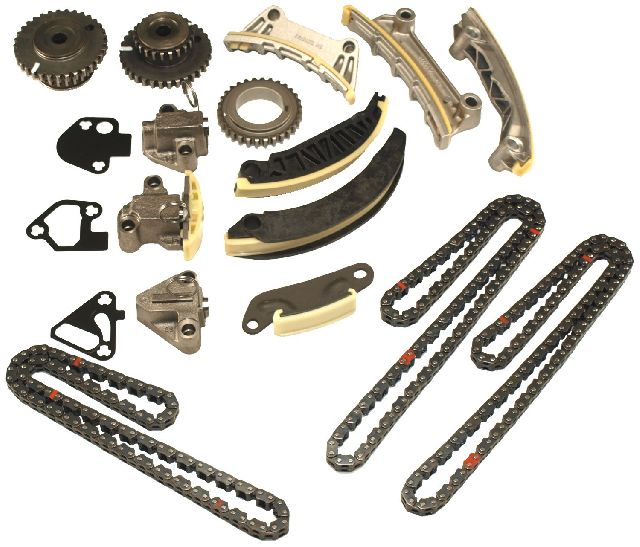
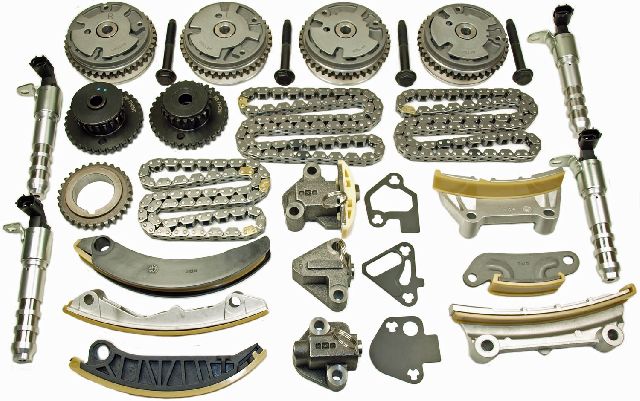
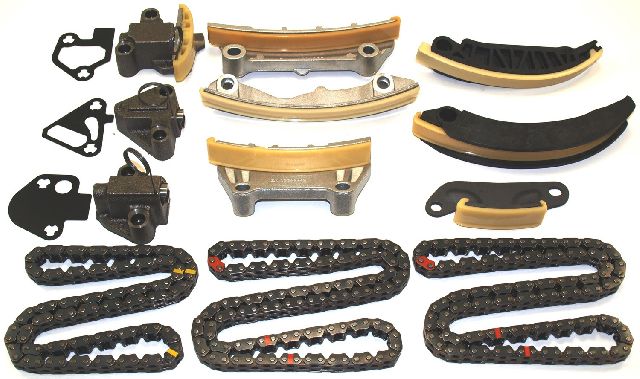
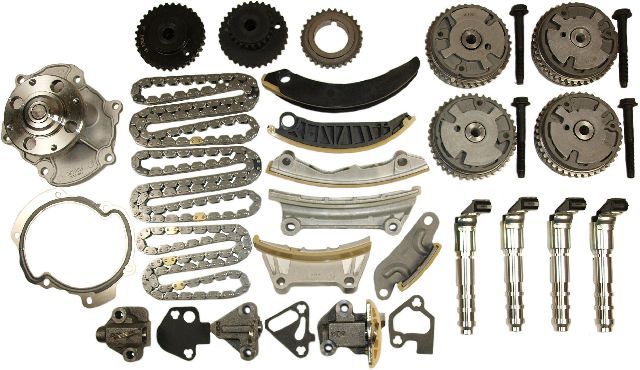
Typical fix: Replace all three timing chains (primary and two secondary), along with all tensioners, guides, and often the water pump (which is driven by the timing chain). This is sold as a complete kit.
Est. part cost: $250-$600 - Worn Timing Chain Tensioners and Guides 🔴 High Probability → Shop Engine Timing Chain The hydraulic tensioners rely on clean oil and sufficient pressure. Degraded oil can cause them to fail, allowing slack in the chain. The plastic guides can become brittle and break.
How to confirm: Confirmed during physical inspection when replacing the timing chains. A fully extended tensioner is a clear sign of a stretched chain.
Typical fix: Always replaced as part of a complete timing chain kit service. It is critical to use the updated parts specified by GM.
Est. part cost: Included in timing chain kit. - Low or Degraded Engine Oil 🟡 Medium Probability These engines rely on clean oil for the hydraulic tensioners to work. GM's original Oil Life Monitor (OLM) allowed intervals up to 12,000 miles, which proved too long. GM later recalibrated the OLM to recommend shorter intervals (around 5,000-7,500 miles) and introduced the Dexos oil specification to combat this.
How to confirm: Check the dipstick for oil level and inspect the oil for dark, sludgy consistency. This is more of a contributing factor than a direct cause once the code is set.
Typical fix: Change the oil and filter using a full synthetic oil that meets the GM Dexos specification. This is a critical preventative measure but will not fix an already stretched chain.
Est. part cost: $50-$100 - Faulty Camshaft or Crankshaft Position Sensors ⚪ Low Probability → Shop Engine Crankshaft Position Sensor
How to confirm: Use a scan tool or lab scope to monitor live data from the sensors. A sensor providing no signal or an erratic, noisy signal can be identified.
Typical fix: Replace the faulty sensor. This is an unlikely fix for P0009 on this engine, and is often a misdiagnosis.
Est. part cost: $30-$80 per sensor
Rare But Worth Checking
- Faulty Camshaft Actuator Solenoid (VVT Solenoid): → Shop Engine Camshaft A failing or clogged solenoid can cause timing correlation issues, but usually sets other codes like P0010 or P0011. They are relatively easy and cheap to replace, so they are often checked or replaced as a preliminary step, but are rarely the root cause for a persistent P0009.
- Damaged Crankshaft Reluctor Wheel: → Shop Engine Crankshaft In some cases, the reluctor wheel (which the crankshaft sensor reads) can shift position on the crankshaft, causing a timing error code even if the chains are good. This is mentioned in GM service bulletin PIP3423 and requires oil pan removal to inspect with a borescope.
Diagnosis Steps
- Verify the code with an OBD-II scanner.
- Check the engine oil level and condition. If low or dirty, perform an oil change with Dexos-spec full synthetic oil and reset the oil life monitor. Clear codes and see if they return.
- Use a professional scan tool or lab scope to observe the camshaft and crankshaft position sensor data. Compare the waveforms to a known-good pattern to electronically confirm if timing is retarded. A stretched chain will cause the cam signals to shift to the right (retard) on the scope display.
- If sensors appear to be functioning but timing is off, suspect a mechanical timing issue.
- The definitive diagnosis involves removing the engine front cover to physically inspect the timing chains for slack and check the position of the timing chain tensioners. A fully extended tensioner confirms a stretched chain.
- While the oil pan is off for the timing job, inspect the crankshaft reluctor wheel to ensure it has not shifted, as per TSB PIP3423P.
- If the chains are loose, a full timing chain kit replacement is required.
Parts You'll Likely Need
- Timing Chain Kit
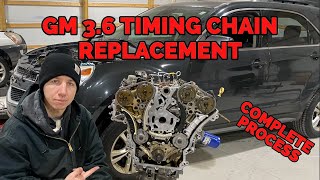
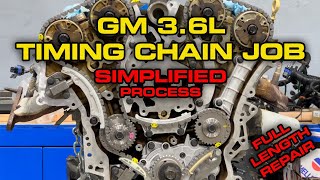
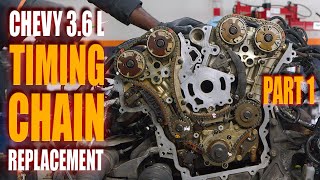
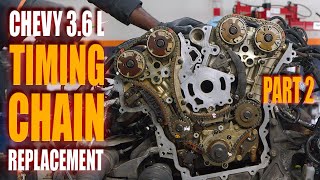
(OEM #12651420 (example for 3.6L, verify by VIN), 12650230 (For 2007-2012 models per TSB 12-06-01-009F))— This is the primary failure point. A complete kit ensures all worn components (3 chains, 3 tensioners, guides, bolts) are replaced at once with updated parts. 🎬 Watch: Complete timing chain replacement guide for GM V6 engines
Trusted brands: ACDelco, GM Genuine, Cloyes
OEM price range: $400-$600
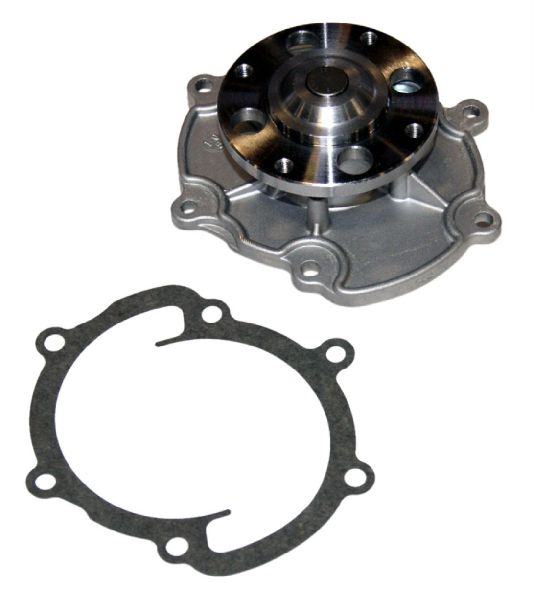
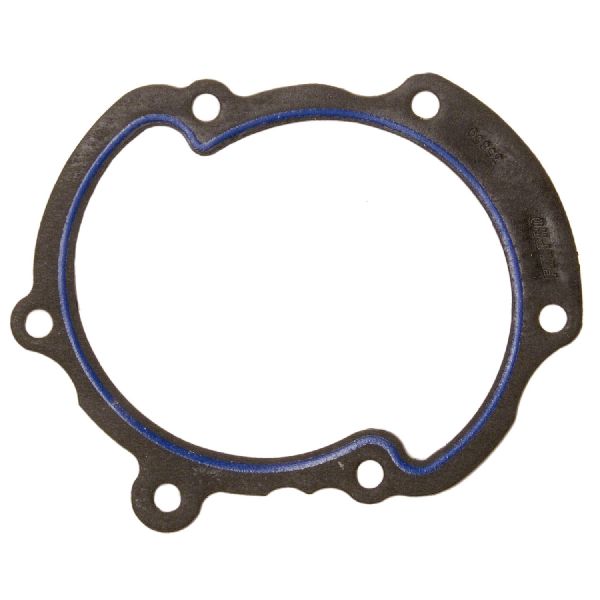
Aftermarket price range: $250-$450 - Water Pump — The water pump is located behind the timing cover and is driven by the timing chain. It is highly recommended to replace it during the timing chain service to avoid a future failure that would require repeating the same labor-intensive disassembly.
Trusted brands: ACDelco, Gates, GMB
OEM price range: $150-$250
Aftermarket price range: $70-$150
Related Codes That Often Appear With This One
- P0008 — This is the corresponding code for Engine Position System Performance on Bank 1. Seeing both P0008 and P0009 strongly indicates a problem with the primary timing chain that affects the entire engine, as it has stretched beyond the computer's threshold for both banks. 🎬 Watch: Real-world diagnosis of P0008 and P0009 codes
- P0016, P0017, P0018, P0019 — These are more specific crankshaft-camshaft correlation codes for intake/exhaust cams on both banks. They often accompany P0008/P0009 and point to the same root cause: stretched timing chains.
Technical Service Bulletins (TSBs) & Recalls
- PIP3423P: Points technicians to inspect for loose timing chains or tensioners for P0009 and also to consider a shifted crankshaft reluctor wheel.
- 12-06-01-009F: Announces availability of V6 timing chain kits for repairing stretched timing chains that cause P0009 and advises which parts to replace.
- Special Coverage Program 11340C: Extended warranty coverage for timing chain replacement to 10 years/120,000 miles on many affected models.
Platform-Specific Known Issues
- TSB #12-06-01-009F: This is the key bulletin from GM that acknowledges the stretched timing chain issue causing DTCs P0008, P0009, and others. It announces the availability of updated, comprehensive timing chain service kits and advises against replacing other components like sprockets or actuators for this specific issue.
- TSB #PIP3423P: Instructs technicians to inspect for loose timing chains or tensioners when P0009 is present. It also mentions the rare possibility of a shifted crankshaft reluctor wheel as a cause.
- Special Coverage Program 11340C: GM issued a special warranty extension for many vehicles with these engines, covering timing chain replacement for 10 years or 120,000 miles. Owners should check with a GM dealer to see if their specific VIN was included.
Mechanic-Grade Diagnostic Values
- VVT (Camshaft Position Actuator) Solenoid Resistance — expected: 8-12 Ohms. Failure: A reading outside this range, especially an open circuit (infinite resistance) or a short (very low resistance), indicates a failed solenoid.
- VVT Solenoid Circuit Resistance (at PCM connector) — expected: Less than 5.0 Ohms. Failure: Resistance above 5.0 Ohms indicates an open or high resistance in the wiring between the PCM and the solenoid.
Scan Tool Commands That Help
- GDS2/Tech2: Crank/Cam Correlation — This function in the GM diagnostic software allows a technician to view the cam/crank relationship data directly, helping to confirm a timing misalignment electronically before beginning mechanical disassembly.
- GDS2/Tech2: Camshaft Position Actuator Solenoid Control — Allows the technician to command the VVT solenoids on and off to test their mechanical operation and observe the engine's response. This helps rule out a faulty solenoid before condemning the timing chains, though solenoids are not the common cause for P0009.
Wiring & Ground Locations
- Engine Harness Chafe Points — On the driver's side, the harness may rub against the ECM/TCM bracket, the upper control arm, and the shock tower bolt.. While not a direct cause of P0009, a chafed harness can short sensor signal or power wires, leading to erratic sensor readings and multiple fault codes. Inspecting these areas is crucial if other electrical issues are present alongside the timing code.
- Main Engine Grounds — There are typically three smaller ground connections on the engine block itself, often on the backside, and one large ground cable from the battery that may attach near the starter.. A poor engine ground can introduce electrical noise into the crankshaft and camshaft position sensor signals, potentially causing the ECM to misinterpret the data. Ensuring all grounds are clean and tight is a fundamental electrical diagnostic step.
Real Owner Repair Stories
- Chevrolet Forum user 'mjahall' (2008 Equinox Sport, 75,000 miles) — Check Engine Light with code P0009.
❌ Tried (didn't work) The user took the car to a Chevy dealer who confirmed the code meant a timing chain issue but simply recommended trading the car in due to the high repair cost.
✅ What actually fixed it The user was quoted over $3,000 for the repair. The thread highlights the high cost and labor involved (quoted as a 10-hour job). Another user in the same thread with a similar vehicle confirmed their P0008 code was fixed by a $1,900 timing chain replacement at a dealership, showing that repair is the correct, albeit expensive, path.
OEM Part Supersession History
12633452→12637743— Part of ongoing design improvements by GM to increase the durability of timing chain components.
Heads up: The primary (intermediate) timing chain was updated. It's critical to use a complete, matched kit for the specific engine (LLT or LFX) as components may not be interchangeable.TSB 12-06-01-009F Kit (e.g., 12650230 for 2007-2012 models)→Newer kits for LFX engines (post-2012)— The LFX engine introduced redesigned components, including camshaft phasers that use a thinner thrust washer. Using older style phasers or washers on a newer engine would result in incorrect camshaft endplay.
Heads up: Technicians must verify the correct kit by VIN and be aware of differences in components like cam phasers between LLT and LFX engines, as noted in TSB 12-06-01-009F.
Model Year Variations Within This Range
- 2008-2011 (LLT Engine): These earlier models have the 3.6L LLT V6, which was more susceptible to the timing chain stretch issue. The original timing chain design was less robust.
- 2012-2015 (LFX Engine): For the 2012 model year, the Equinox received the updated 3.6L LFX V6. This engine featured a new cylinder head design with integrated exhaust manifolds, a composite intake manifold, and was 20.5 lbs lighter. Critically, the timing chain components were improved, making the LFX less prone to the issue than the LLT, though not entirely immune, especially with poor maintenance.
- 2013+: The 3.0L V6 was replaced by the more powerful 3.6L LFX V6 as the optional engine.
Helpful Videos
We Have This Part in Stock

The information in this article is provided for general reference and educational purposes only. Vehicle specifications, procedures, and part compatibility can vary by production date, trim level, and region. Always consult your vehicle's factory service manual and verify part numbers before purchasing or performing repairs. Safety-critical components such as airbags, seat belts, and braking systems should be installed by a qualified professional.
- Chevrolet EQUINOX:
- 🧭 Diagnostic Flowchart
- 🎬 Helpful Videos
- 🛍️ Shop This Part
- What's Unique About the 2008-2015 Chevrolet EQUINOX
- Symptoms You May Notice
- Most Likely Causes
- Rare But Worth Checking
- Diagnosis Steps
- Parts You'll Likely Need
- Related Codes That Often Appear With This One
- Technical Service Bulletins (TSBs) & Recalls
- Platform-Specific Known Issues
- Mechanic-Grade Diagnostic Values
- Scan Tool Commands That Help
- Wiring & Ground Locations
- Real Owner Repair Stories
- OEM Part Supersession History
- Model Year Variations Within This Range
- 🎟️ Get 5% Off