

P0009 on 2012-2019 Chevrolet Impala: Engine Position System Performance Bank 2 Explained
On a 2012-2019 Impala with the 3.6L V6 engine, code P0009 almost always indicates stretched timing chains. This is a serious, labor-intensive, and expensive repair that should not be ignored. The root cause is often linked to premature chain wear and can be exacerbated by extended oil change intervals. Expect shop costs to be in the thousands.
- P0009 on a 2012-2019 Impala with the 3.6L V6 is a strong indicator of stretched timing chains, not a simple sensor issue.
- This is a serious mechanical problem that requires immediate attention to prevent catastrophic engine failure.
- The repair is complex and expensive, involving the replacement of all timing components and often the water pump.
- Preventing recurrence requires strict adherence to 5,000-mile oil change intervals with a full synthetic Dexos-approved oil.
What's Unique About the 2012-2019 Chevrolet IMPALA
The GM High Feature 3.6L V6 engine (LFX/LGX) used in this generation of Impala is known for premature timing chain stretching. This issue is so common that General Motors has issued multiple Technical Service Bulletins (TSBs) about it. The problem is often attributed to the original chain design and can be accelerated by extended oil change intervals recommended by the original Oil Life Monitor (OLM) software, or by using incorrect oil. While sensors can fail, on this specific platform, P0009 is overwhelmingly a mechanical timing chain issue. Later TSBs involved reprogramming the OLM to recommend shorter oil change intervals to improve longevity.
Diagnostic Flowchart
Tap your situation to follow the diagnostic path that matches what you're seeing on this vehicle.
Generation note: This issue affects both the end of the ninth generation (2012-2013, and fleet 'Limited' models from 2014-2016) and the entire tenth generation (2014-2019), as both primarily used versions of the 3.6L V6 engine prone to this failure. While GM made improvements to the timing chain system over the years, even later LFX models are not entirely immune.
Symptoms You May Notice
- Check Engine Light is on
- Rattling or clattering noise from the engine, especially on startup or at idle, often described as a 'cold start rattle'.
- Reduced engine power and sluggish acceleration
- Rough or unstable idle
- Decreased fuel economy
- Engine misfires
- Finding metal shavings in the engine oil during an oil change.
- Replacing only the camshaft position sensor for Bank 2.
- Replacing only the crankshaft position sensor.
- Replacing VVT solenoids without first verifying timing chain integrity.
Most Likely Causes
- Stretched Timing Chains 🔴 High Probability → Shop Engine Timing Chain The 3.6L V6 engine family has a documented history of premature timing chain wear and stretching, as acknowledged in GM TSBs #PIP3423P and #12-06-01-009F. The original Oil Life Monitor calibration allowed for excessively long oil change intervals, leading to oil breakdown and accelerated chain wear. GM later issued software updates to shorten these intervals.
How to confirm: A mechanic can use a scan tool to observe cam/crank deviation data. A significant deviation points to a slack chain. The ultimate confirmation is a physical inspection of the chains for slack, which requires significant disassembly.
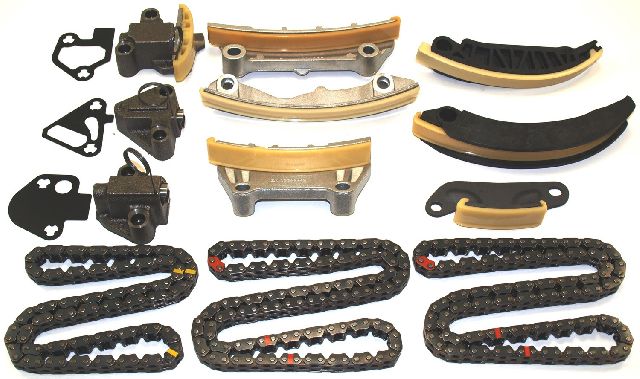
Typical fix: Replace all three timing chains, all tensioners, and all guides with an updated kit. The water pump is often replaced at the same time due to its location and the labor overlap. It is critical to use the updated parts specified by GM.
Est. part cost: $300-$600 for a quality timing chain kit. - Worn Timing Chain Tensioners or Guides 🔴 High Probability → Shop Engine Timing Chain The tensioners are hydraulic and lose their ability to properly tension the chains when oil pressure is low or the oil is dirty. The plastic guides can become brittle and break. A failing tensioner can't maintain proper chain tension, leading to slack and timing correlation errors.
How to confirm: These are diagnosed during a physical inspection for a stretched timing chain. Worn or broken plastic guide pieces may be found in the oil pan. TSB #12-06-01-009F notes that guides should not be replaced unnecessarily if they are not worn.
Typical fix: Always replaced as part of a complete timing chain service. Never replace just a tensioner or guide without replacing the chains.
Est. part cost: $0 (Included in timing chain kit). - Low or Degraded Engine Oil 🟡 Medium Probability The timing chain tensioners are hydraulic and rely on clean oil at the correct pressure to function. The PCV system on some 3.6L engines can also contribute to oil consumption, making it easy for the oil level to drop between changes. Neglecting oil changes or using the wrong type of oil (non-Dexos certified) accelerates wear on all timing components.
How to confirm: Check the oil level and condition on the dipstick. Review vehicle service records for oil change history. Owners on forums like BobIsTheOilGuy.com recommend 5,000-mile intervals with a full synthetic Dexos1 Gen2 oil, regardless of the oil life monitor.
Typical fix: An oil and filter change is a starting point, but if the code is already set, the damage to the chains is likely already done and they will need replacement. Adhering to stricter oil change intervals is critical post-repair.
Est. part cost: $50-$100 for oil and filter.
Rare But Worth Checking
- Faulty Camshaft or Crankshaft Position Sensor: → Shop Engine Crankshaft Position Sensor While these sensors can fail, they are far less common culprits for P0009 on this engine than mechanical chain issues. People often replace these first, hoping for a cheap fix, but it rarely solves the problem. A GM technician on a Reddit forum noted that stretched chains typically set P0008 and P0017, while a single sensor or solenoid might set a more specific code like P0014. They should only be replaced if diagnostic testing specifically proves they are faulty.
- Faulty VVT Solenoid (Camshaft Actuator Solenoid): A stuck or clogged VVT solenoid can cause timing issues, but it will typically set other codes (like P0010-P0015, P0020-P0023) along with or instead of P0009. These are relatively inexpensive and easy to replace, but should not be considered the primary fix for P0009 without further diagnosis.
Diagnosis Steps
- Verify engine oil level and condition. Ensure it is full and clean. Use of a Dexos-approved 5W-30 synthetic oil is recommended.
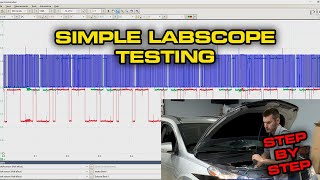
- Use an advanced scan tool to read the fault codes and monitor live data for camshaft/crankshaft correlation on Bank 2. Look for parameters like 'Camshaft Position Variance'.
- Listen for a rattling noise from the front of the engine (passenger side of the engine bay), which is characteristic of a loose timing chain, especially during a cold start.
- If data suggests a timing issue, rule out sensor or solenoid problems with specific electrical tests or by swapping solenoids between banks to see if the code follows.
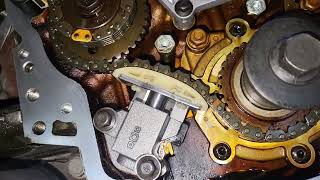
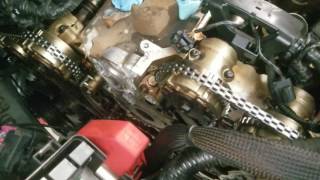
- If other tests are inconclusive, proceed with partial engine disassembly to physically inspect the timing chains, guides, and tensioners for wear and slack. This is the definitive diagnostic step.
- While disassembled, check for broken guide material in the oil pan.
Parts You'll Likely Need
- Engine Timing Chain Kit
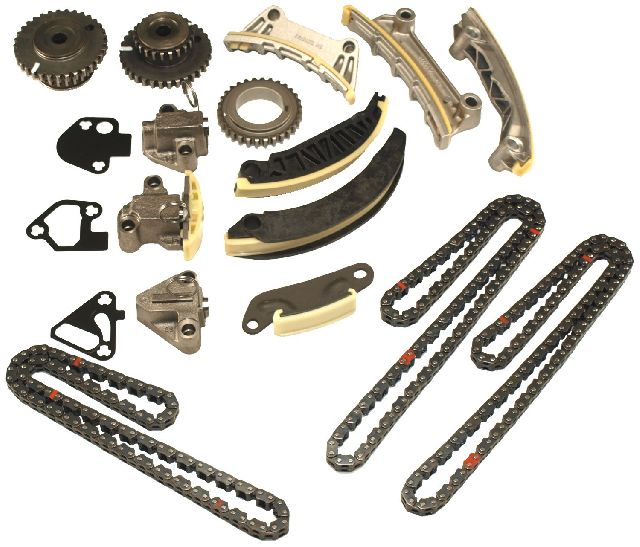
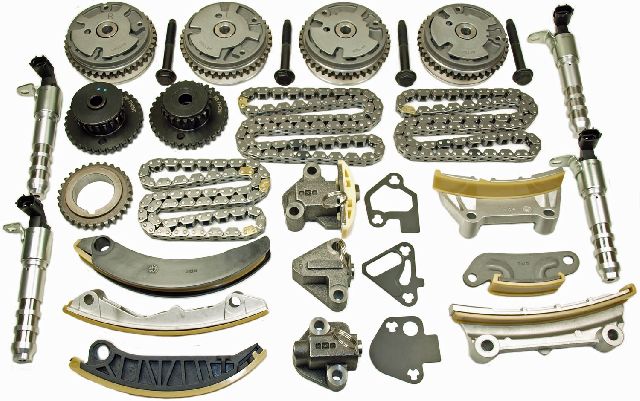
(OEM #12700436)— This is the primary failure point. A complete kit includes all three chains, tensioners, guides, and sometimes sprockets needed to do the job correctly. The ACDelco kit is the GM-recommended replacement.
Trusted brands: ACDelco, Melling, Cloyes
OEM price range: $350-$550
Aftermarket price range: $250-$400 - Engine Water Pump
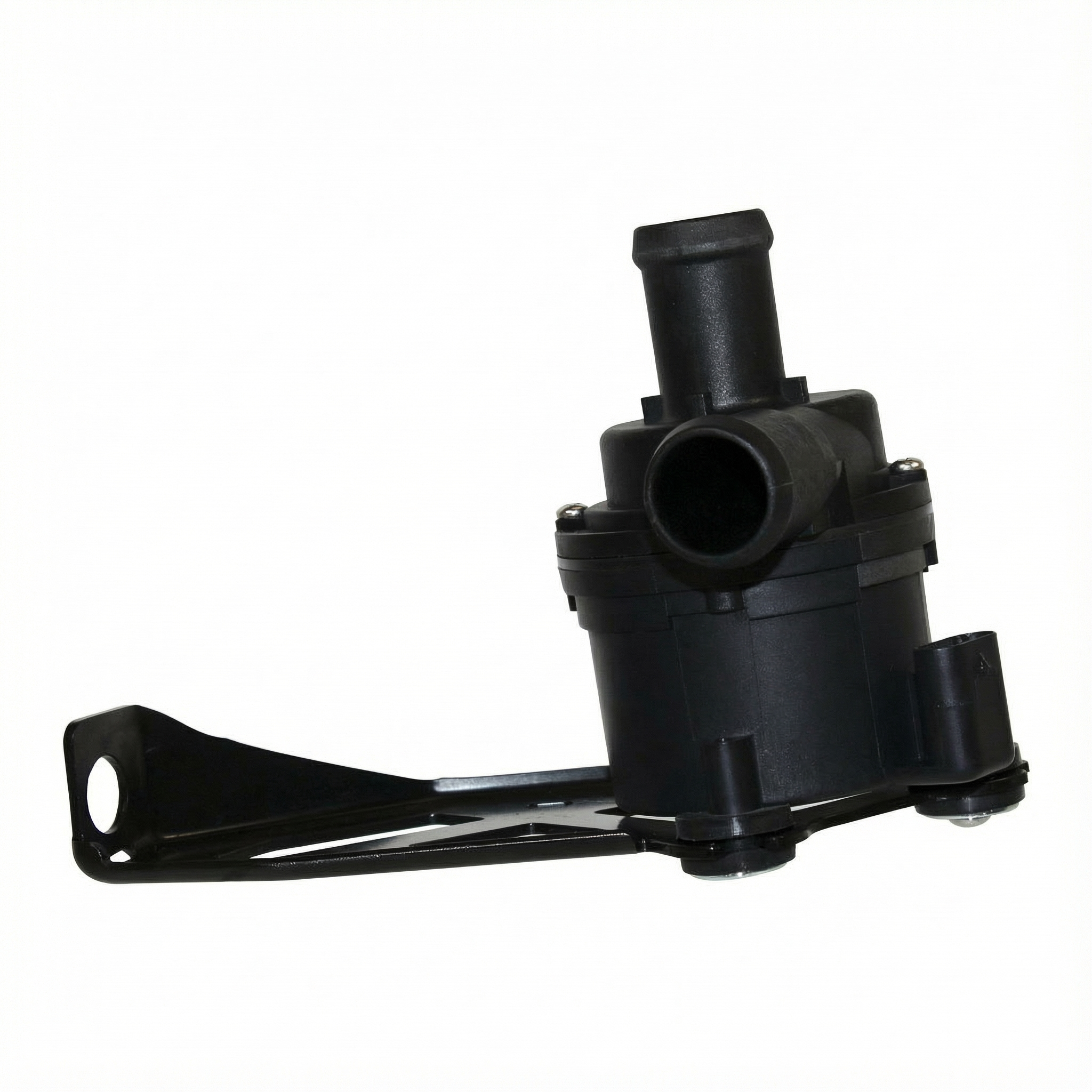
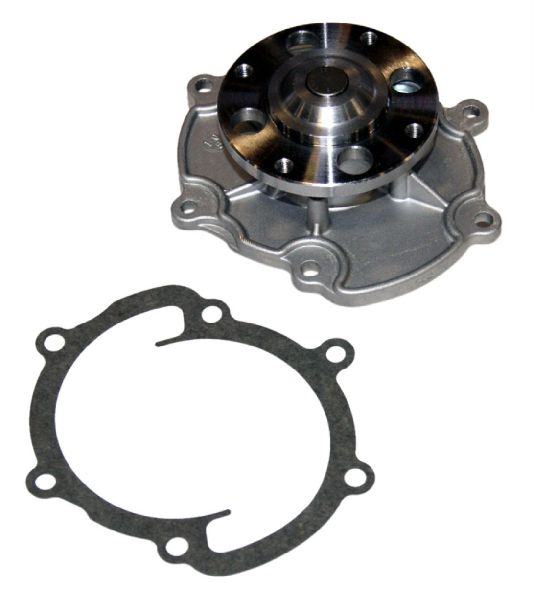
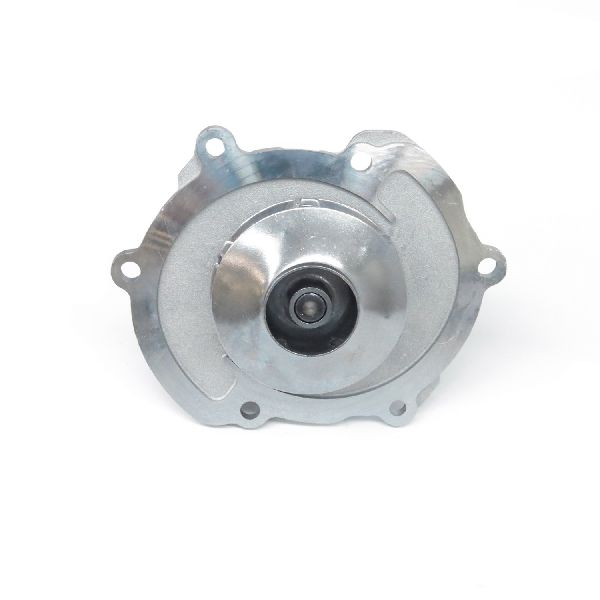
(OEM #12735409 (latest number, supersedes multiple previous versions))— The water pump is driven by the timing chain system and is located behind the timing cover. It is highly recommended to replace it during a timing chain service to avoid a future, redundant, labor-intensive repair.
Trusted brands: ACDelco, Gates, Bosch
OEM price range: $150-$250
Aftermarket price range: $80-$150
Related Codes That Often Appear With This One
- P0008 — P0008 is the equivalent code for Bank 1 (the cylinder head closer to the radiator). It is very common to see both P0008 and P0009 together, indicating a system-wide timing chain problem affecting both banks.
- P0016, P0017, P0018, P0019 — These are more specific camshaft/crankshaft correlation codes for intake and exhaust cams on both banks. They are frequently set alongside P0008/P0009 and are all mentioned in GM's TSBs for this issue.
Technical Service Bulletins (TSBs) & Recalls
- PIP3423P: Provides diagnostic guidance for P0009 and related codes, pointing directly to loose timing chains.
- 12-06-01-009F: Announces availability of replacement timing chain kits for stretched chain issues and provides detailed parts information.
- PIP5158G: (Supersedes PIP4384G) A procedural guide for technicians on t
Platform-Specific Known Issues
- GM Technical Service Bulletin #PIP3423P specifically addresses DTCs P0008, P0009, P0016, P0017, P0018, or P0019 and instructs technicians to inspect for loose timing chains or tensioners.
- GM Technical Service Bulletin #12-06-01-009F announced the release of updated timing chain kits to repair stretched chains causing these codes. It also notes that components like idler sprockets and camshaft actuators should not be replaced unless found to be worn.
- A special coverage adjustment or recall was issued for some earlier 3.6L models to reprogram the Oil Life Monitor (OLM) for more frequent changes, acknowledging the link between oil degradation and chain wear.
Mechanic-Grade Diagnostic Values
- VVT (Camshaft Actuator) Solenoid Resistance — expected: 8 to 12.5 Ohms. Failure: A reading in the mega-ohms (millions of ohms) indicates a failed solenoid coil.
- Camshaft Position Sensor 5V Reference Circuit Voltage — expected: 4.8 - 5.2 Volts. Failure: A voltage below 4.8V can indicate a short to ground or an open/high resistance in the circuit. If the circuit tests normal, the ECM may be at fault.
- Camshaft Position Sensor Low Reference Circuit Resistance — expected: Less than 5.0 Ohms to ground. Failure: A reading greater than 5.0 Ohms indicates an open or high resistance in the ground circuit for the sensor.
- Scan Tool Camshaft Position PID at Idle — expected: Close to 0 degrees. Failure: A significant deviation, such as one user's report of -20 degrees at idle for a specific cam, points towards a mechanical timing or phaser issue.
Scan Tool Commands That Help
- GDS2 / Tech2 (or equivalent professional scan tool): Crankshaft Position System Variation Learn — This procedure is mandatory after replacing the timing chains, crankshaft position sensor, or ECM. It calibrates the sensor's signal to the physical variations of the crankshaft reluctor wheel. Failure to perform this can cause drivability issues and may set a P1336 DTC.
- GDS2 / Tech2 (or equivalent professional scan tool): VVT Solenoid Actuation Test — This bidirectional command allows a technician to manually command a VVT solenoid ON and OFF to verify it is mechanically functioning and that the control circuit is working. This helps differentiate between a bad solenoid and a wiring or ECM issue.
Wiring & Ground Locations
- Crankshaft Position Sensor — Lower right side of the engine block.. This is the primary sensor for determining engine speed and position, which is compared against the camshaft sensor data. A poor connection or damaged wiring here can cause correlation codes.
- Bank 2 Camshaft Position Sensor — Front of the left cylinder bank (the bank closer to the firewall).. This sensor provides the specific timing data for Bank 2, which the ECM uses to set code P0009 if a deviation is detected.
- Bank 2 VVT Solenoids — Front of the left cylinder bank (the bank closer to the firewall).. These solenoids control the oil flow to the cam phasers on Bank 2. A faulty connection here can prevent proper cam phasing, leading to timing correlation codes.
- G120 — Left side of the engine, below the starter.. This is a key engine ground point. A loose or corroded ground here can introduce electrical noise or voltage drops, potentially affecting sensor readings and causing false codes.
- G109 — Left rear of the engine compartment.. This is another engine compartment ground. Poor grounding can cause a variety of difficult-to-diagnose electrical issues, including sensor signal problems.
Real Owner Repair Stories
- Reddit user jeffel374 and response from GM Tech dog9er in r/MechanicAdvice (2007 Suzuki XL7 with GM 3.6L LY7 engine (predecessor to LFX with same design)) — Recurrent P0009 code.
❌ Tried (didn't work) The owner had the timing chains replaced to fix the P0009 code.
✅ What actually fixed it After the timing chain replacement, the car threw a P0008 (Bank 1) code. The mechanic claimed it was a new, unrelated problem with a camshaft actuator. However, a GM technician in the thread stated that P0008/P0009 codes will not set due to a failed actuator and that the timing was almost certainly set incorrectly during the complex 2-stage timing procedure. The root cause of the new code was an improper repair of the original code.
Model Year Variations Within This Range
- 2013-2019: Starting with the 2013 model year, GM's Oil Life Monitor (OLM) software was capped at a maximum of 7,500 miles (12,070 km) between changes. Earlier models could have OLM intervals that were too long, contributing to oil breakdown and accelerated timing chain wear. This change reflects GM's acknowledgement of the issue.
- 2012-2019: The Impala in this range primarily used the 3.6L LFX engine. The successor, the LGX engine (introduced ~2016 in other models), featured a more robust, rear-mounted timing chain design to address the wear issues of the LFX and its predecessors. The LFX and LGX are not interchangeable due to significant design differences.
Helpful Videos
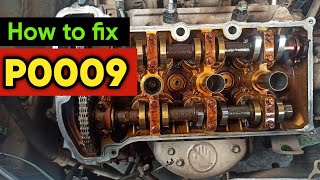

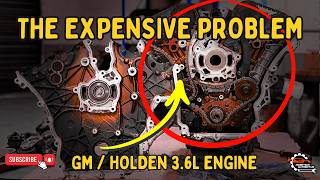
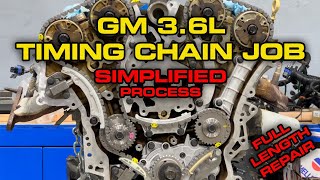
Used OEM Parts in Stock
New Aftermarket Parts Available

The information in this article is provided for general reference and educational purposes only. Vehicle specifications, procedures, and part compatibility can vary by production date, trim level, and region. Always consult your vehicle's factory service manual and verify part numbers before purchasing or performing repairs. Safety-critical components such as airbags, seat belts, and braking systems should be installed by a qualified professional.
- Chevrolet IMPALA:
- 🧭 Diagnostic Flowchart
- 🎬 Helpful Videos
- 🛍️ Shop This Part
- What's Unique About the 2012-2019 Chevrolet IMPALA
- Symptoms You May Notice
- Most Likely Causes
- Rare But Worth Checking
- Diagnosis Steps
- Parts You'll Likely Need
- Related Codes That Often Appear With This One
- Technical Service Bulletins (TSBs) & Recalls
- Platform-Specific Known Issues
- Mechanic-Grade Diagnostic Values
- Scan Tool Commands That Help
- Wiring & Ground Locations
- Real Owner Repair Stories
- Model Year Variations Within This Range
- 🎟️ Get 5% Off