

P0009 on 2007-2009 Saturn Aura: Stretched Timing Chain Causes and Fixes
P0009 on a Saturn Aura with the 3.6L V6 engine almost always indicates the timing chains have stretched. This is a severe issue requiring a complex and expensive repair, typically costing $1,800 to $3,000. Do not continue to drive the vehicle, as a chain failure can cause catastrophic engine damage.
- P0009 on a 2007-2009 Saturn Aura with the 3.6L V6 is a critical code that almost always means the timing chains have stretched.
- Do not drive the vehicle. Continuing to drive can lead to catastrophic engine failure, turning a costly repair into a complete engine replacement.
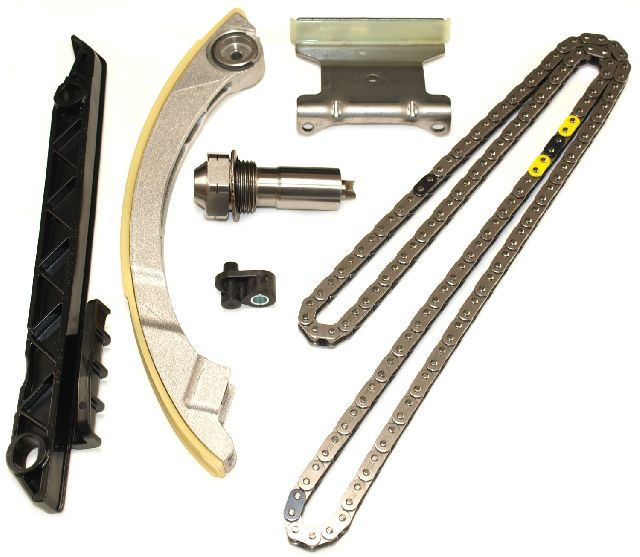
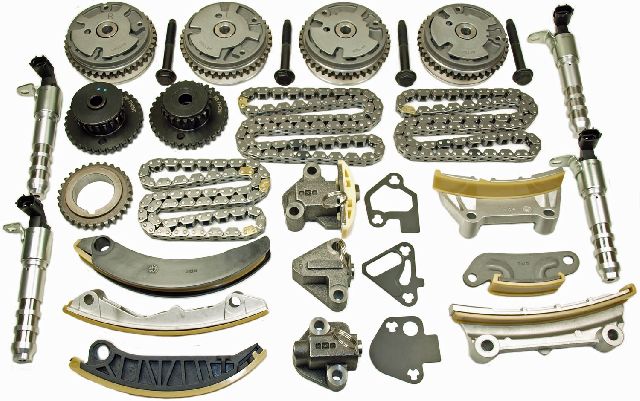
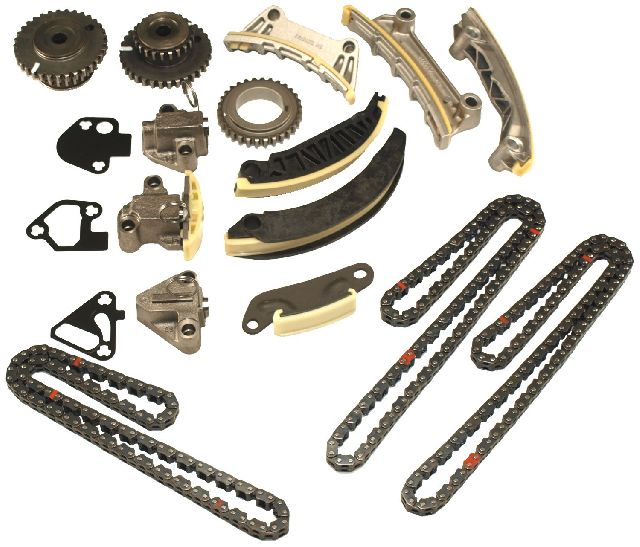
- The correct fix is a full replacement of all timing chains, tensioners, and guides with an updated kit. This is a complex, 10-15 hour job.
- The root cause is a combination of weak original timing chains and overly long oil change intervals recommended by the factory Oil Life Monitor.
What's Unique About the 2007-2009 Saturn AURA
The 2007-2009 Saturn Aura XR model used the GM 3.6L V6 (engine code LY7), which is notorious for premature timing chain stretching. The original timing chains were not robust enough, and this issue was made worse by the vehicle's original Oil Life Monitor (OLM) programming, which allowed for excessively long intervals between oil changes. This combination of a design flaw and insufficient lubrication led to widespread, well-documented failures. While GM issued Special Coverage Adjustment #11340C for many other vehicles with this same engine (like the Cadillac STS, GMC Acadia, and Saturn Outlook), the Saturn Aura was not explicitly included, leaving owners to bear the full cost of the repair despite having the same faulty parts.
Diagnostic Flowchart
Tap your situation to follow the diagnostic path that matches what you're seeing on this vehicle.
Symptoms You May Notice
- Check Engine Light is on
- Engine rattling noise, especially on a cold start
- Rough or uneven idle
- Loss of engine power and poor acceleration
- Hesitation or stumbling when accelerating
- Reduced fuel economy
- Engine misfires
- Metal shavings found in the engine oil during an oil change
- Replacing the camshaft position sensors or crankshaft position sensor without verifying the mechanical engine timing. This is a waste of money as the issue is almost always the timing chains themselves.
Most Likely Causes
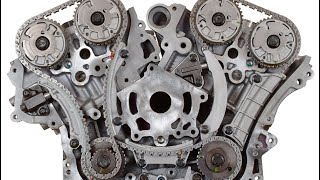
- Stretched Timing Chains 🔴 High Probability → Shop Engine Timing Chain The original timing chains on the 3.6L LY7 V6 engine were a known weak point and prone to premature stretching, a fact GM acknowledged through multiple TSBs and special coverage programs for other models.
How to confirm: A mechanic can use a scan tool to view camshaft/crankshaft correlation data; a deviation of more than 4-5 degrees is a strong indicator. The definitive test 🎬 Watch: How to test timing chain issues with a labscope. is a physical inspection for chain slack, which requires partial engine disassembly.
Typical fix: Replace all three timing chains, all tensioners, and all guides with a complete, updated timing chain kit. It is critical to use the new, improved parts to prevent a repeat failure.
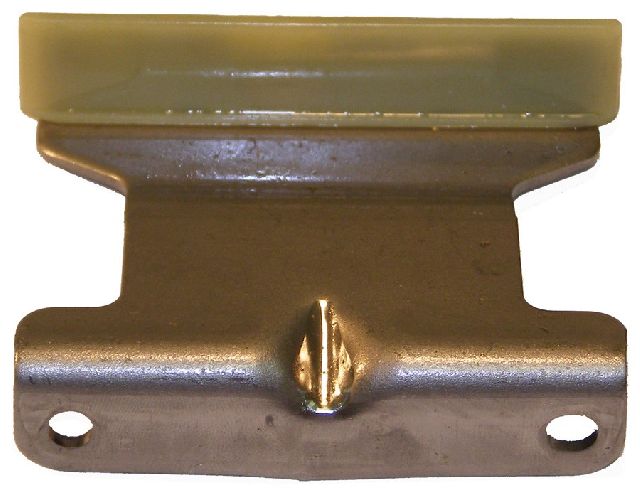
Est. part cost: $300-$600 - Failed Timing Chain Tensioners or Guides 🔴 High Probability → Shop Engine Timing Chain The tensioners are hydraulically operated and lose their ability to keep the chain taut when oil quality degrades. The plastic guides can become brittle and break, with pieces falling into the oil pan, potentially clogging the oil pump pickup tube.
How to confirm: Usually diagnosed during the inspection for a stretched timing chain. A rattling noise is a key symptom.
Typical fix: Always replaced as part of a complete timing chain kit. Never replace just the tensioners or guides without replacing the chains.
Est. part cost: $0 (part of the kit) - Low Engine Oil Level or Degraded Oil 🟡 Medium Probability The timing chain tensioners are hydraulically operated by engine oil pressure. The original Oil Life Monitor (OLM) calibration allowed for intervals up to and beyond 10,000 miles, leading to oil breakdown that accelerated wear on all timing components. GM later issued updates to shorten the OLM interval.
How to confirm: Check the oil level on the dipstick and review vehicle service records for oil change history. Many owners recommend ignoring the OLM and changing the oil with full synthetic every 5,000 miles.
Typical fix: Correct the oil level and use the proper specification oil. However, if the P0009 code is already present, this will not fix the existing damage and chain replacement is still necessary.
Est. part cost: $40-$80
Rare But Worth Checking
- Slipped Crankshaft Reluctor Wheel: → Shop Engine Crankshaft While rare, TSB #PIP3423P specifically notes that the reluctor wheel on the crankshaft can move, causing timing correlation codes even if the chains are intact. This requires crankshaft replacement if confirmed. In some cases, a technician may be able to inspect it with a borescope through the crank sensor hole.
- Faulty Camshaft or Crankshaft Position Sensor: → Shop Engine Crankshaft Position Sensor This is a very rare cause for this specific code on this engine. The problem is almost always mechanical (the chains) rather than electrical (the sensors). Do not replace sensors without first verifying the mechanical timing, as this is a common and costly misdiagnosis.
Diagnosis Steps
- Confirm the code P0009 (and any others) with a professional OBD-II scanner.
- Check engine oil level and condition. Low or dirty oil is a major contributing factor and a sign of accelerated wear.
- Listen for a distinct rattling sound from the engine, especially during a cold start, which indicates a loose timing chain.
- Using a scan tool with live data capability, monitor the camshaft and crankshaft position sensor readings. A significant deviation between desired and actual cam positions (often cited as >4 degrees) confirms a timing issue.
- If data is inconclusive, a physical inspection is required. This involves removing the engine timing cover to directly check for slack in the timing chains and inspect the condition of the plastic guides and hydraulic tensioners.
- If the chains appear tight and the code persists after a timing job, inspect the crankshaft reluctor wheel for movement as described in TSB #PIP3423P. The measurement from the machined surface of the crank throw to the edge of the reluctor wheel's open space should be 25-26mm.
Parts You'll Likely Need
- Engine Timing Chain Kit
(OEM #12650230)— This is the definitive fix. A complete kit replaces all the known failure points (chains, guides, tensioners) with updated parts to prevent a repeat failure. TSB 12-06-01-009F specifies this kit for 2007 models. This part number has been superseded by 12700434.
Trusted brands: ACDelco, Cloyes
OEM price range: $500-$800
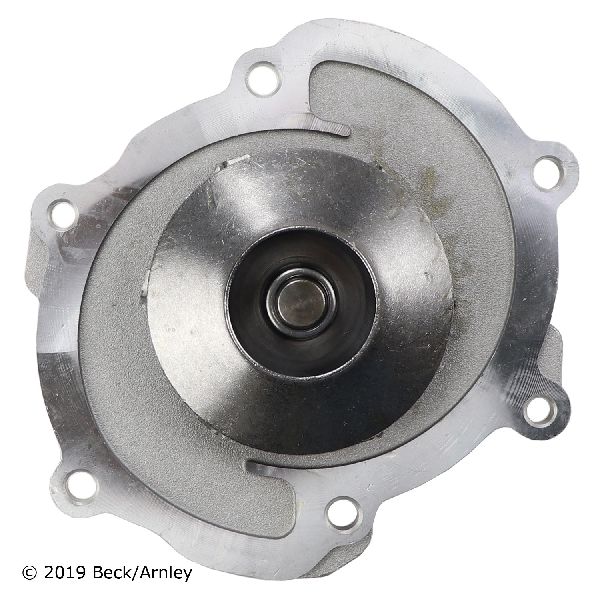
Aftermarket price range: $300-$550 - Water Pump — The water pump is located behind the timing cover and is driven by the timing chain. It is highly recommended to replace it during a timing chain job to avoid paying for the same labor again in the future.
Trusted brands: ACDelco, Gates
OEM price range: $150-$250
Aftermarket price range: $70-$150 - Timing Cover Gasket Set — Essential for reassembly to prevent oil leaks after the timing cover has been removed. Often included in higher-end kits but should be verified.
Trusted brands: Fel-Pro, ACDelco
OEM price range: $50-$90
Aftermarket price range: $30-$60 - Engine Oil and Filter — An oil and filter change is mandatory after this repair to remove any debris and ensure the new hydraulic tensioners operate with clean oil. Using a full synthetic oil meeting GM's specification is highly recommended for future longevity.
Trusted brands: Mobil 1, ACDelco
OEM price range: $50-$90
Aftermarket price range: $40-$80
Related Codes That Often Appear With This One
- P0008 — This is a general engine position performance code for Bank 1. When the primary timing chain stretches, it affects both banks, often setting P0008 and P0009 together.
- P0017 — Crankshaft/Camshaft Position Correlation for Bank 1 Exhaust. This indicates the timing error is being detected across multiple sensors.
- P0018 — Crankshaft/Camshaft Position Correlation for Bank 2 Intake. This is directly related to P0009 and points to a timing issue on Bank 2.
- P0019 — Crankshaft/Camshaft Position Correlation for Bank 2 Exhaust. Also directly related to P0009, confirming a timing issue on Bank 2. 🎬 Watch: Understanding the P0009 code and Bank 2 performance.
Technical Service Bulletins (TSBs) & Recalls
- PIP3423P: Links codes P0008, P0009, and others to loose timing chains, tensioners, or a rare slipped crankshaft reluctor wheel.
- 12-06-01-009F: Announces the availability of updated timing chain kits (specifically P/N 12650230 for 2007 models) for repairing stretched timing chains that cause codes like P0009.
- 11340C: Special Coverage Adjustment that extended the warranty to 10 years/120,000 miles for timing chain wear on many vehicles with the LY7/LLT engine, but notably excluded the Aura for many owners.
Platform-Specific Known Issues
- The 3.6L LY7 V6 in the Aura XR is widely known for premature timing chain failure. GM issued TSB #12-06-01-009F announcing updated timing chain kits to address this.
- GM also issued a Special Coverage Adjustment (#11340C) that extended the warranty for this issue to 10 years/120,000 miles on many vehicles with this engine. The program also included an ECM reprogram to shorten oil change intervals. However, the Saturn Aura was not consistently included in this coverage, and the program has now expired for all 2007-2009 models by date.
Mechanic-Grade Diagnostic Values
- Camshaft/Crankshaft Correlation Deviation — expected: < 4-5 degrees at idle. Failure: A consistent deviation of more than 4-5 degrees indicates a mechanical timing problem. Some systems may allow up to 9 degrees before setting a code.
- Camshaft Actuator Solenoid (VVT Solenoid) Resistance — expected: 5.0 to 15.0 Ohms (one source specifies 12.8 Ohms as good). Failure: A reading of mega-ohms (millions of ohms) or an open/shorted circuit indicates a failed solenoid.
- Crankshaft Reluctor Wheel Position — expected: 25mm to 26mm. Failure: Any measurement outside this range indicates the reluctor wheel has slipped on the crankshaft, requiring crankshaft replacement.
- Camshaft Position Sensor (CMP) Reference Voltage — expected: ~5.0 Volts. Failure: Significant deviation from 5.0V on the reference wire at the sensor connector could indicate a wiring or ECM issue, not a sensor failure.
Scan Tool Commands That Help
- GDS2 (GM Global Diagnostic System 2): Camshaft Position Actuator Solenoid Test — This is a bidirectional test that commands the VVT solenoid on and off while the engine is running. A functional solenoid will cause the engine to stumble or run rough, confirming the solenoid is mechanically working and responding to commands. This helps rule out a stuck solenoid before engine disassembly.
- GDS2 (GM Global Diagnostic System 2): Monitor 'Camshaft Position Variance' PID — This specific data parameter shows the degrees of deviation between the desired and actual camshaft position in real-time. It is the primary electronic data point used to confirm a timing correlation issue before performing a physical inspection.
Wiring & Ground Locations
- Engine Control Module (ECM) — Located in the engine compartment, on the left side, often in front of or behind the battery.. The ECM is the source of the 5V reference signals for the sensors and the driver for the VVT solenoids. All related wiring originates or terminates here.
- G106 — A key engine ground located on the rear of the engine, above the oil filter for the 3.5L (location is similar for 3.6L).. A poor engine ground can cause erratic sensor readings and unpredictable behavior from electronically controlled components, including the camshaft and crankshaft position sensors.
Real Owner Repair Stories
- The Saturn Forums user Chester330 (2009 Saturn Aura) — Recurring timing chain issues.
❌ Tried (didn't work) Replacing the timing chain and guides multiple times over 6 years.
✅ What actually fixed it The implied fix, suggested by a moderator, was that the hydraulic tensioner was likely failing and not being replaced along with the guides. A bad tensioner allows slack in the chain, which then destroys the new guides prematurely. The final fix is to replace ALL components in a complete kit, especially the tensioner, not just the parts that appear broken. - 2CarPros forum user Jim (Saturn (model unspecified, but LY7 engine behavior is identical)) — Engine quit after friction noise; worn out plastic guides and seized tensioner found.
❌ Tried (didn't work) Attempting a DIY timing chain replacement following a manual.
✅ What actually fixed it This story did not have a successful fix but serves as a critical warning. During reassembly, the user lost engine timing and, upon cranking, caused the pistons to hit the valves (valve-to-piston interference). This confirms the 'critical' severity and '5/5' DIY difficulty, as a small mistake during the procedure leads to catastrophic engine damage.
"I Checked Everything" — The Actual Cause
- For code P0009, the equivalent of a 'smoke test clean' scenario is when all camshaft and crankshaft sensors test perfectly, and their wiring is confirmed to be intact. In this situation, the root cause is almost certainly mechanical. If a full timing chain job is completed with new, updated parts and the code immediately returns, the cause is almost certainly a slipped crankshaft reluctor wheel, as documented in TSB PIP3423P.
OEM Part Supersession History
12650230→12700434— Standard part evolution and updates by the manufacturer.
Heads up: The new part number (12700434) should be used when ordering a genuine GM timing chain kit for this application.
Model Year Variations Within This Range
- 2007-2009: No significant variations regarding the cause or fix for P0009 are noted within this model year range for the 3.6L LY7 engine. The timing chain design flaw was present throughout this period.
Helpful Videos

We Have This Part in Stock

The information in this article is provided for general reference and educational purposes only. Vehicle specifications, procedures, and part compatibility can vary by production date, trim level, and region. Always consult your vehicle's factory service manual and verify part numbers before purchasing or performing repairs. Safety-critical components such as airbags, seat belts, and braking systems should be installed by a qualified professional.
- Saturn AURA:
- 🧭 Diagnostic Flowchart
- 🎬 Helpful Videos
- 🛍️ Shop This Part
- What's Unique About the 2007-2009 Saturn AURA
- Symptoms You May Notice
- Most Likely Causes
- Rare But Worth Checking
- Diagnosis Steps
- Parts You'll Likely Need
- Related Codes That Often Appear With This One
- Technical Service Bulletins (TSBs) & Recalls
- Platform-Specific Known Issues
- Mechanic-Grade Diagnostic Values
- Scan Tool Commands That Help
- Wiring & Ground Locations
- Real Owner Repair Stories
- "I Checked Everything" — The Actual Cause
- OEM Part Supersession History
- Model Year Variations Within This Range
- 🎟️ Get 5% Off