

P0010 on 2011-2016 Fiat Freemont: Camshaft Actuator Circuit Causes and Fixes
On the 2011-2016 Fiat Freemont, code P0010 is most often caused by a faulty intake camshaft VVT solenoid (also called an oil control valve) or low/dirty engine oil. Replacing the solenoid is a common DIY fix, with aftermarket parts costing between $25 and $75. For the 3.6L V6, the Bank 1 solenoid is under the intake manifold, making the repair more complex.
- P0010 is an electrical circuit code for the intake VVT solenoid on Bank 1; do not immediately assume a major mechanical timing failure.
- Always check your engine oil level and condition first, as low or dirty oil is a frequent cause of this code.
- The most likely failed part is the VVT solenoid itself, which is an affordable and accessible component for DIY replacement.
- For the 3.6L V6, Bank 1 is the rear cylinder head near the firewall.
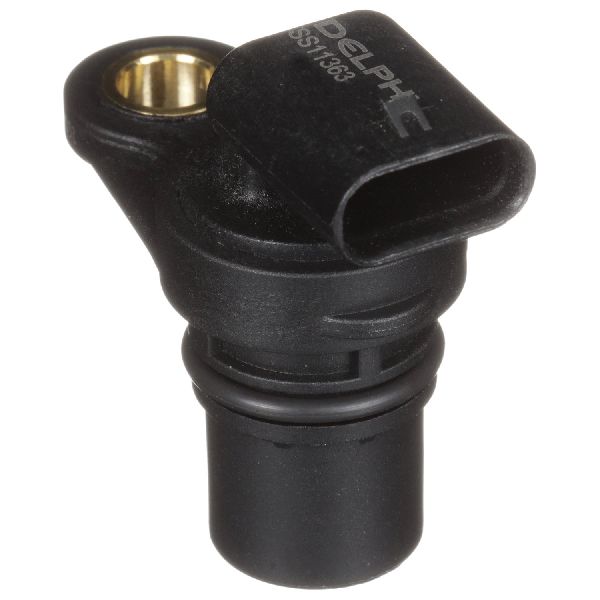
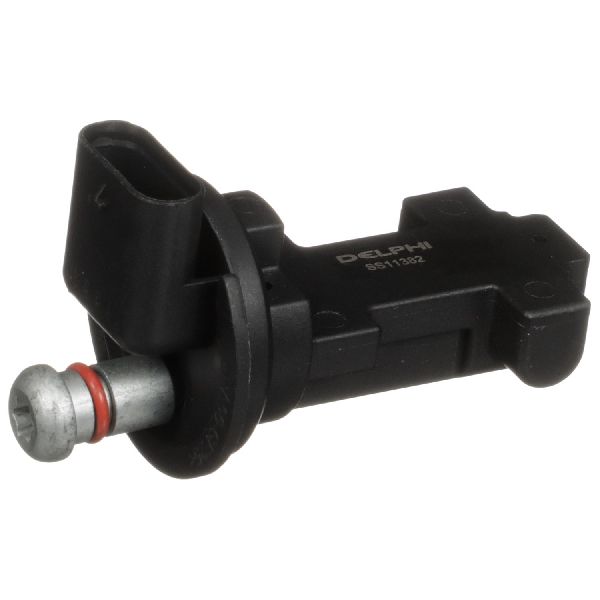
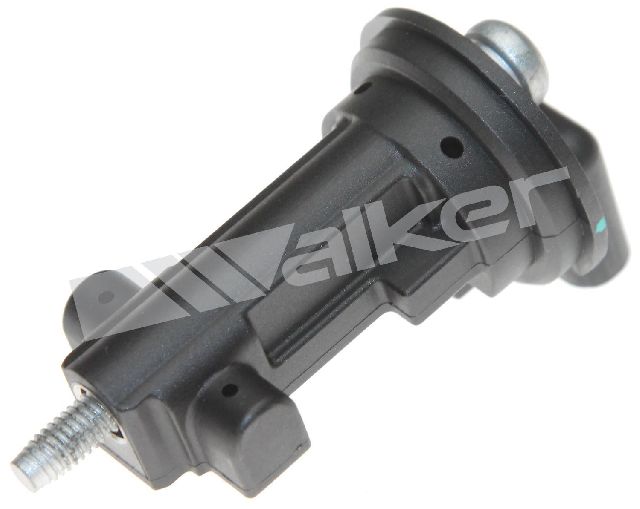
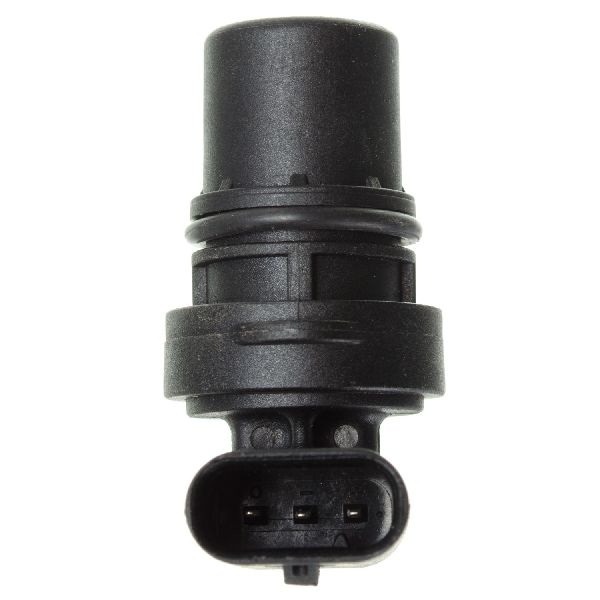
- Do not confuse the VVT actuator solenoid with the camshaft position sensor; they are different parts and replacing the wrong one will not fix the issue.
What's Unique About the 2011-2016 Fiat Freemont
The Fiat Freemont is a rebadged Dodge Journey, utilizing Chrysler's 2.4L World I4 and 3.6L Pentastar V6 engines. On these engines, the VVT system is highly dependent on clean oil of the correct viscosity (typically 5W-20 or 5W-30 meeting Chrysler MS-6395). Issues with the VVT solenoids are a well-documented and common failure point across the many Chrysler, Dodge, and Jeep vehicles that share these powerplants. For the 3.6L V6, 'Bank 1' refers to the cylinder head closer to the firewall (rear bank), and the solenoids are located underneath the upper and lower intake manifolds, making access more difficult than Bank 2. On the 2.4L I4 engine, there is only one bank, and the VVT solenoids are more easily accessible on the side of the cylinder head.
Symptoms You May Notice
- Check Engine Light is on
- Rough or unstable idle
- Poor engine performance and lack of acceleration
- Decreased fuel economy
- Engine stalling in some cases
- Rattling or knocking noise from the engine.
- Replacing the camshaft position *sensor*. The P0010 code refers to the actuator *solenoid circuit*, not the position sensor. These are two different parts that work together but have distinct functions and codes.
Most Likely Causes
- Failed Intake VVT Solenoid (Oil Control Valve) 🔴 High Probability The VVT solenoids on these Chrysler engines are a common failure item due to operating under high heat and pressure, leading to internal electrical faults or clogging from oil sludge. The fine mesh screens on the solenoids can become blocked by debris from infrequent oil changes.
How to confirm: Test the solenoid's resistance with a multimeter; a good reading is typically between 7 and 12 ohms. A reading of infinity (open) or near zero (short) indicates a bad solenoid. A definitive test on the 3.6L V6 is to swap the intake solenoid with the exhaust solenoid on the same bank (they are often identical parts). If the code changes from P0010 to P0013 ('B' Camshaft Actuator Circuit), the solenoid is faulty.
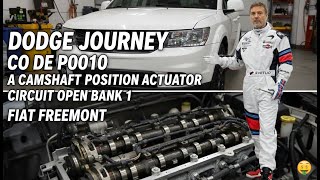
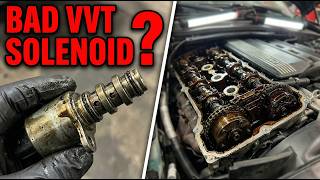
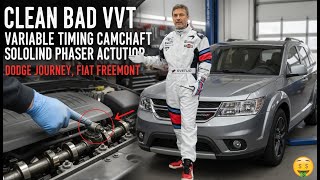
Typical fix: Replace the Bank 1 intake VVT solenoid. On the 3.6L, this requires removing the upper and lower intake manifolds. 🎬 Watch: Step-by-step VVT solenoid replacement on a Dodge 3.6L Some owners attempt to clean the solenoid with brake cleaner as a temporary measure. 🎬 Watch: How to clean your VVT solenoid to fix a rough idle
Est. part cost: $25-$75 - Low, Dirty, or Incorrect Viscosity Engine Oil 🟡 Medium Probability The VVT system is hydraulic and extremely sensitive to oil pressure and cleanliness. Infrequent oil changes or using oil that does not meet the Chrysler MS-6395 specification can lead to sludge that clogs the fine mesh screens on the VVT solenoids, impeding their function.
How to confirm: Check the engine oil dipstick for a low level or a dark, sludgy consistency. Verify that the oil used meets the manufacturer's specification (typically 5W-20 for the 3.6L). An oil change is the first and cheapest diagnostic step.
Typical fix: Perform an engine oil and filter change using the correct specification oil. In cases of heavy sludge, an engine flush may be recommended, though this is debated by some mechanics.
Est. part cost: $40-$80 - Damaged Wiring or Connector ⚪ Low Probability The wiring harness and connector for the solenoid are exposed to engine heat and vibration, which can cause wires to become brittle, frayed, or for the connector pins to lose tension over time. This is especially true for the Bank 1 harness on the 3.6L, which is routed in a high-heat area.
How to confirm: Visually inspect the wiring leading to the VVT solenoid for any signs of cracking, melting, or breaks. Check the connector for corrosion, oil contamination, or loose pins. Wiggle the connector and harness with the engine running to see if it affects idle.
Typical fix: Repair the damaged section of wiring or replace the connector pigtail.
Est. part cost: $15-$30
Rare But Worth Checking
- Failed Camshaft Phaser: → Shop Engine Camshaft This is the mechanical gear that the solenoid controls. While less common for a P0010 circuit code, a phaser that is stuck or binding can sometimes cause electrical feedback that triggers the code. This is a more complex and expensive repair.
- Failed Powertrain Control Module (PCM): It is very rare for the PCM to fail, but the internal driver circuit that controls the solenoid can burn out. This should only be considered after all other possibilities (solenoid, wiring, oil) have been exhaustively ruled out.
Diagnosis Steps
- Check Engine Oil: Verify the engine oil level is full and the oil is clean and of the correct viscosity (typically 5W-20 meeting Chrysler MS-6395 for the 3.6L). If the oil is low or appears sludgy, an oil change is the first and most crucial step.
- Inspect Wiring: Visually inspect the electrical connector and wiring going to the Bank 1 intake VVT solenoid. Look for any signs of damage, corrosion, or oil contamination. On the 3.6L, this requires accessing the rear of the engine near the firewall.
- Swap Solenoids (3.6L V6): On the 3.6L engine, the intake and exhaust solenoids on Bank 1 are identical. Swap their positions. Clear the codes and drive the vehicle. If the code returns as P0013, you have confirmed the original solenoid is faulty.
- Test Solenoid Resistance: Disconnect the solenoid and use a multimeter to measure the resistance between its two pins. A normal reading is typically between 7 and 12 ohms. A reading of infinity (open) or near zero (short) indicates a bad solenoid.
- Test for Voltage: With the key on and engine off, use a multimeter to check for voltage at the solenoid connector. One pin should have battery voltage. If not, there is a problem in the wiring harness or with the PCM's power supply.
- If all other tests pass, the issue may be a more complex mechanical problem like a faulty cam phaser or, in very rare cases, the PCM itself.
Parts You'll Likely Need
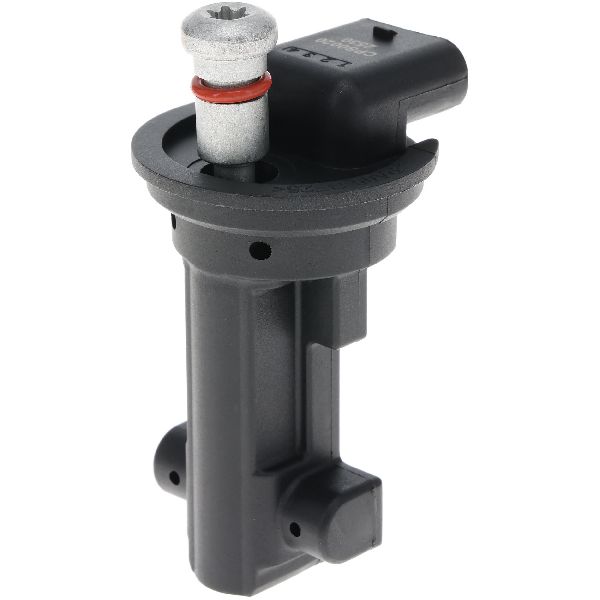
- Intake Camshaft Position Actuator Solenoid (VVT Solenoid / Oil Control Valve)
(OEM #5184101AG (superseded by 5184101AH for 3.6L))— This is the most common component to fail, either through an internal electrical short/open or by getting clogged with debris from engine oil.
Trusted brands: Mopar, Dorman, Standard Motor Products (SMP)
OEM price range: $90-$150
Aftermarket price range: $25-$75
Related Codes That Often Appear With This One
- P0011 — This code ('A' Camshaft Position - Timing Over-Advanced) indicates a mechanical timing problem rather than an electrical one. It can appear if the solenoid is stuck in a position causing incorrect oil flow.
- P0013 — This is the equivalent circuit code for the exhaust ('B') camshaft solenoid on the same bank. If you swap the intake and exhaust solenoids for diagnosis on the 3.6L V6, P0010 will turn into P0013 if the solenoid is bad.
- P0340 — This code for the camshaft position sensor circuit can sometimes appear alongside VVT codes if the timing deviation is severe enough to cause an implausible signal from the sensor.
- P0300, P0302, P0304, P0306 — These misfire codes, particularly on the left bank (Bank 2) of early 3.6L engines, can be related to a known cylinder head issue (TSB 09-002-14 REV. B) that can cause secondary problems like oil contamination, potentially leading to VVT faults.
Technical Service Bulletins (TSBs) & Recalls
- TSB 09-002-14 Rev. B: While not directly for P0010, this TSB is highly relevant for 2011-2013 3.6L engines. It addresses a defective left cylinder head causing misfire codes (P0300, P0302, P0304, P0306). This known valvetrain issue could lead to oil contamination with metal particles, which can in turn cause VVT solenoid failure. An extended warranty (X56) was issued for 10 years/150,000 miles for this specific problem.
Platform-Specific Known Issues
- 3.6L Bank 1 Solenoid Location: On the 3.6L Pentastar V6, Bank 1 is the rear cylinder bank, located against the firewall. The intake ('A') and exhaust ('B') VVT solenoids are positioned underneath the upper and lower intake manifolds. This makes replacement a significantly more labor-intensive job compared to the easily accessible Bank 2 solenoids on the front of the engine.
- 2.4L Solenoid Location: On the 2.4L I4 engine, the intake and exhaust VVT solenoids are located on the left side (driver's side in LHD vehicles) of the engine head and are relatively easy to access after removing the engine cover.
Mechanic-Grade Diagnostic Values
- VVT Solenoid Internal Resistance (3.6L & 2.4L) — expected: 6.9 to 15 Ohms. A commonly cited range is 8-12 Ohms.. Failure: A reading of infinity (open circuit) or near-zero Ohms (short circuit) indicates a failed solenoid.
- VVT Solenoid Connector Voltage (Key On, Engine Off) — expected: ~12V (Battery Voltage) on the power supply pin.. Failure: No voltage or significantly low voltage indicates a problem in the wiring harness, fuse, or PCM power supply, not the solenoid itself.
- VVT Solenoid Control Circuit Resistance to PCM — expected: Below 5.0 Ohms.. Failure: Resistance above 5.0 Ohms indicates an open or high resistance in the control wire between the solenoid connector and the PCM.
Scan Tool Commands That Help
- wiTECH (Chrysler/Dodge/Jeep Dealer Tool) or equivalent professional scanner: VVT Solenoid Actuation Test / Variable Oil Pump Solenoid Actuation — This bidirectional command is used to manually command the VVT solenoid ON and OFF. It confirms if the PCM driver, wiring, and the solenoid's mechanical plunger are all functioning. If the solenoid clicks when actuated, the electrical circuit is likely intact, pointing towards a hydraulic/mechanical issue (clogging) rather than an electrical open/short.
Wiring & Ground Locations
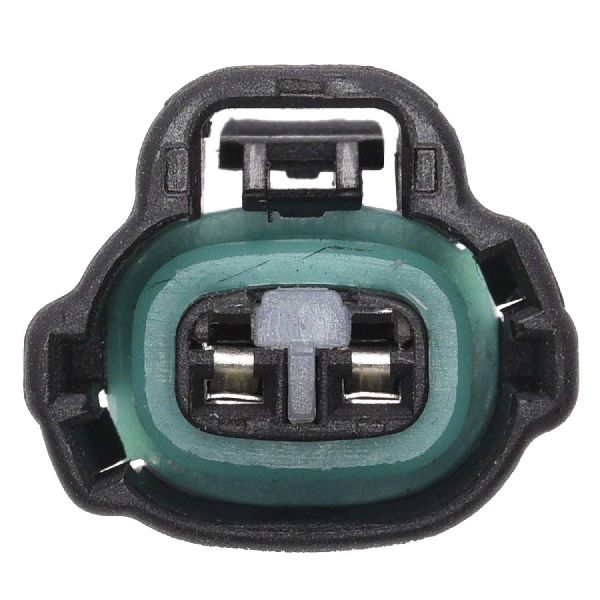
- VVT Solenoid Connector (3.6L & 2.4L) — Plugs directly into the top of the VVT solenoid. On the 3.6L, Bank 1 (rear bank) solenoids are under the intake manifold. On the 2.4L, they are on the side of the cylinder head.. This 2-pin connector provides power and the control signal from the PCM. One pin is the 12V power supply, the other is the PCM driver ground. The plastic locking tab is known to become brittle from engine heat and break, causing a loose connection and an intermittent P0010 circuit code.
Real Owner Repair Stories
- Synthesized from multiple Jeep/Dodge forum posts and YouTube comments (2014 Dodge Journey 3.6L, ~95,000 miles) — Check Engine Light on with code P0010. Engine idles slightly rough but otherwise seems to run fine with no major loss of power.
❌ Tried (didn't work) Cleared the code, but it returned after two drive cycles., Performed an oil change, which did not resolve the code.
✅ What actually fixed it Upon inspection, the plastic locking tab on the VVT solenoid's electrical connector had broken off, causing a poor connection. The connector was not fully seated. After pushing the connector on firmly and securing it with a zip tie as a temporary measure, the code was cleared and did not return. This avoided a costly and unnecessary solenoid replacement.
"I Checked Everything" — The Actual Cause
- While a smoke test is not applicable for this electrical code, a common scenario is when the VVT solenoid and wiring test perfectly with a multimeter, yet the P0010 code persists or returns quickly. The actual cause in these cases is often mechanical or hydraulic, not electrical. The infamous 'Pentastar Tick' from failing rocker arm bearings can contaminate the engine oil with fine metal particles. These particles clog the tiny mesh screens and internal passages of the VVT solenoid, causing it to bind. While the solenoid's coil is electrically fine, it cannot move correctly, leading the PCM to flag a circuit/performance fault. The true fix requires addressing the source of the oil contamination (i.e., rocker arm replacement) in addition to cleaning or replacing the VVT solenoids.
OEM Part Supersession History
5184101AG→5184101AH— Likely an internal revision for improved reliability or manufacturing process for the 3.6L Pentastar VVT solenoid.
Heads up: The new part number (5184101AH) is the correct, current replacement and is fully compatible. Using old stock of the 'AG' version is not recommended if the 'AH' is available.
Model Year Variations Within This Range
- 2016-onward (3.6L V6): For the 2016 model year, the 3.6L Pentastar V6 received a significant update. Changes included a two-stage variable valve lift (VVL) system, revised VVT system, higher compression ratio (11.3:1 from 10.2:1), and a cooled EGR system. While the fundamental cause of P0010 (a fault in the VVT solenoid circuit) remains the same, technicians should be aware they are working on the 'Pentastar Upgrade' engine, which may have subtle differences in components or software logic compared to the 2011-2015 version.
- 2011-2013 (3.6L V6): These early Pentastar engines are most known for the left cylinder head issue covered by TSB 09-002-14 Rev. B. While this TSB is for misfires, the underlying valvetrain problem can be a root cause for oil contamination that leads to secondary failures like a P0010 code. A vehicle in this year range presenting with P0010 should be scrutinized more heavily for signs of deeper engine issues.
Diagnostic Flowchart
Other Known Issues on This Vehicle
Issues unrelated to this code that are worth knowing about as an owner of this generation:
- 3.6L Pentastar Rocker Arm Failure ('Pentastar Tick') 🔴 High — Common on 2011-2016 models, often appearing after 50,000 miles. Failure of needle bearings in the rocker arms leads to a distinct ticking noise, misfires (e.g., P0300), and potential camshaft damage if ignored.
- 3.6L Plastic Oil Filter Housing/Cooler Leaks 🟠 Medium — Very common across all platforms with the 3.6L engine. The plastic housing, located in the engine valley, can crack or warp from heat cycles, causing significant oil and/or coolant leaks.
- Uconnect Infotainment System Glitches 🟡 Low — Widespread reports of the Uconnect system (especially the 8.4-inch screen) freezing, rebooting, having Bluetooth connectivity problems, or becoming unresponsive.
- Premature Brake Wear 🟠 Medium — Owners frequently report faster-than-average wear on brake pads and rotors, often requiring replacement before 30,000 miles.
- Transmission Shifting Problems (62TE 6-Speed Auto) 🟠 Medium — Reports of harsh shifting, delayed engagement, or erratic behavior are common for the 6-speed automatic transmission paired with both engines. Recall S44 was issued for some 2016 models for a faulty transmission pump that could cause a loss of motive power. (Ref: Recall S44 (NHTSA 16V-461))
- 2.4L Engine Feels Underpowered 🟡 Low — This is more of a characteristic than a failure. Many owners and reviewers note that the 2.4L four-cylinder engine struggles to move the heavy Freemont/Journey chassis, resulting in slow acceleration and a loud engine note under load.
- 3.6L Left Cylinder Head Failure (2011-2013) 🔴 High — Early 3.6L engines were prone to premature valve seat wear on the left cylinder head, leading to misfires (P0300, P0302, P0304, P0306) and requiring cylinder head replacement. (Ref: TSB 09-002-14 Rev. B (Warranty Extension X56))
Used vs. New Parts: Buying Guide for This Vehicle
When a used part is the smart pick: For this specific repair, using a USED VVT solenoid is strongly discouraged. The part is a common failure item and its health is entirely dependent on the donor vehicle's oil change history, which is unknown. The labor involved, especially for the 3.6L Bank 1 solenoid, is too high to risk using a part with no warranty or history.
What to inspect on the donor part:
- Not applicable as used parts are not recommended.
OEM-only on this vehicle (don't cheap out):
- While not strictly 'OEM-only', using a Mopar (OEM) VVT solenoid is highly recommended, especially for the labor-intensive Bank 1 location on the 3.6L engine. The risk of a premature failure with a cheap aftermarket part outweighs the initial cost savings.
Aftermarket brands forum-validated for this vehicle:
- Standard Motor Products (SMP)
- Gates
- DNJ
Brands owners have reported issues with on this vehicle:
- Dorman (for electrical components): While Dorman makes a wide range of parts, their electronic components like sensors and solenoids have a reputation in mechanic communities for higher-than-average failure rates, sometimes failing shortly after installation.
Real Owner Stories
Aggregated from forums and TSBs cited above. Mileages and costs reflect what owners reported in those sources.
2012 Dodge Journey 3.6L
Symptoms: Transmission shifting issues and overall engine performance problems.
What fixed it: The owner investigated transmission failure, but the context suggests these symptoms can stem from VVT faults affecting engine performance.
Source hint: Dodge Journey Forum - 'Transmission Failure?' (2022-07-25)
2011-2016 Dodge Journey 3.6L — ~50000 miles
Symptoms: Distinct ticking noise from the engine and engine misfires.
What fixed it: Replacement of failed rocker arms (needle bearing failure).
Source hint: known_issues: 3.6L Pentastar Rocker Arm Failure ('Pentastar Tick')
Related OBD-II Codes
Frequently Asked Questions
Does TSB 09-002-14 Rev. B apply to my 2012 Fiat Freemont with the 3.6L engine?
Is there an extended warranty for valvetrain issues on the 3.6L Pentastar engine?
How difficult is it to replace the Bank 1 intake solenoid on the 3.6L V6 compared to the 2.4L?
What specific oil should I use in my 3.6L Freemont to prevent P0010 codes?
Can I test if the solenoid is bad without buying new parts for my 3.6L engine?
What is the 'Pentastar Tick' and is it related to my P0010 code?
Helpful Videos
We Have This Part in Stock

The information in this article is provided for general reference and educational purposes only. Vehicle specifications, procedures, and part compatibility can vary by production date, trim level, and region. Always consult your vehicle's factory service manual and verify part numbers before purchasing or performing repairs. Safety-critical components such as airbags, seat belts, and braking systems should be installed by a qualified professional.
- Fiat Freemont:
- 🧭 Diagnostic Flowchart
- 🎬 Helpful Videos
- 🛍️ Shop This Part
- What's Unique About the 2011-2016 Fiat Freemont
- Symptoms You May Notice
- Most Likely Causes
- Rare But Worth Checking
- Diagnosis Steps
- Parts You'll Likely Need
- Related Codes That Often Appear With This One
- Technical Service Bulletins (TSBs) & Recalls
- Platform-Specific Known Issues
- Mechanic-Grade Diagnostic Values
- Scan Tool Commands That Help
- Wiring & Ground Locations
- Real Owner Repair Stories
- "I Checked Everything" — The Actual Cause
- OEM Part Supersession History
- Model Year Variations Within This Range
- Other Known Issues on This Vehicle
- Used vs. New Parts: Buying Guide for This Vehicle
- Real Owner Stories
- 2012 Dodge Journey 3.6L
- 2011-2016 Dodge Journey 3.6L — ~50000 miles
- Related OBD-II Codes
- Frequently Asked Questions
- 🎟️ Get 5% Off