

P0010 on 2007-2014 Ford Edge 3.5L: Intake VCT Solenoid Circuit Causes and Fixes
On a 2007-2014 Ford Edge 3.5L, code P0010 is most often caused by a failed Bank 1 intake VCT solenoid. Because this solenoid is on the rear of the engine against the firewall, replacement is labor-intensive and expensive, costing between $500 and $800. Always check your engine oil level and condition first, as low or dirty oil is a common trigger. In a worst-case scenario, this code can be a symptom of a failing internal water pump contaminating the oil.
- P0010 on this Ford Edge points to an electrical fault with the rear intake VCT solenoid.
- Before attempting any major repair, always check your engine oil level and condition. An oil change with 5W-20 synthetic oil can sometimes fix the problem.
- Replacing the Bank 1 solenoid is a difficult, labor-intensive job (DIY Difficulty 5/5) because it's located under the intake manifold against the firewall.
- When replacing the solenoid, you must also replace the valve cover gasket and intake manifold gaskets to prevent leaks.
- Be aware of the potential for a failed internal water pump; if the oil is milky or contaminated, the engine has a much more serious problem that must be addressed immediately.
What's Unique About the 2007-2014 Ford Edge
The key challenge with this code on the Ford Edge is the engine's transverse (sideways) mounting. This places Bank 1 and its VCT solenoid directly against the firewall, making access extremely difficult. Unlike the easily accessible Bank 2 solenoid at the front, replacing the Bank 1 solenoid is a labor-intensive job that requires removing the upper intake manifold. Furthermore, the 3.5L Duratec engine is known for having an internal, timing-chain-driven water pump. When its seal fails, it leaks coolant directly into the engine oil. This contaminated, 'milky' oil can clog and destroy the VCT solenoids, triggering circuit codes like P0010 as a secondary effect of the primary water pump failure.
Symptoms You May Notice
- Check Engine Light is on
- Rough engine idle, sometimes shaking the vehicle
- Engine may stall when at idle
- Reduced engine power and poor acceleration
- Decreased fuel economy
- Rattling or knocking noises from the engine
- Replacing the Camshaft Position Sensor: P0010 is a circuit code for the VCT solenoid (actuator), not the camshaft position sensor. Replacing the sensor will not fix this code.
- Replacing the Bank 2 (Front) Solenoid: The code is specific to Bank 1 (rear). Replacing the easily accessible front solenoid will not resolve a Bank 1 issue. Bank 2 is associated with code P0020.
Most Likely Causes
- Faulty Bank 1 Intake VCT Solenoid 🔴 High Probability The VCT solenoids on this engine are a common failure item due to internal electrical faults or clogging from oil debris. Their location on Bank 1 makes them susceptible to heat buildup from the exhaust manifold.
How to confirm: Because the solenoid is under the rear valve cover, direct testing is difficult. The primary confirmation method is to rule out other causes (oil level/condition, external wiring). If those are good, the solenoid is the presumed culprit. A professional can test the solenoid's resistance after removing the intake manifold, but the labor to access it is high.
Typical fix: Replace the Bank 1 (rear) intake VCT solenoid. This requires removing the upper intake manifold and rear valve cover. The valve cover gasket and upper intake manifold gaskets must be replaced at the same time.
Est. part cost: $40-$100 - Low or Dirty Engine Oil 🟡 Medium Probability The VCT system is hydraulic and highly sensitive to oil pressure and cleanliness. Sludge from infrequent oil changes can clog the tiny screens on the VCT solenoids, causing them to malfunction. A user on the Ford Edge Forum noted significant gunk inside the valve cover when they encountered this code, pointing to oil condition as a major factor.
How to confirm: Check the engine oil dipstick. If the oil level is low or the oil appears dark, thick, or sludgy, this is a likely contributor. The recommended oil for this engine is 5W-20.
Typical fix: Perform an engine oil and filter change using the correct grade of high-quality synthetic oil. Some owners recommend a high-detergent oil additive 🎬 Watch: How to clean a clogged VVT solenoid or a second, short-interval oil change to help clean sludge. Clear the code and drive to see if it returns.
Est. part cost: $40-$80 - Damaged Wiring or Electrical Connector ⚪ Low Probability The wiring harness runs to the back of the engine where it can be exposed to high heat and vibration, potentially causing wires to fray or the connector to become brittle over time. Oil leaks from the valve cover can also contaminate the connector.
How to confirm: Visually inspect the wiring harness leading to the rear valve cover for any signs of damage, melting, or corrosion at the connector for the Bank 1 intake VCT solenoid. This is difficult due to the location and may require a mechanic's inspection mirror.
Typical fix: Repair the damaged section of wiring or replace the pigtail connector.
Est. part cost: $15-$40
Rare But Worth Checking
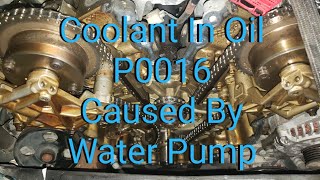
- Internal Water Pump Failure: This is a critical, well-documented issue with the 3.5L engine. The water pump is internal and driven by the timing chain. When its seal fails, it leaks coolant directly into the engine oil. This contaminated oil ('milkshake') destroys the VCT system and engine bearings. If your oil is milky, this is the root cause, 🎬 Watch: How to diagnose a failed internal water pump and it requires immediate, extensive repair to save the engine.
- Stretched Timing Chain or Failed Phaser: → Shop Engine Timing Chain While these issues typically set correlation codes (like P0016), a severe timing problem can sometimes manifest with circuit codes. If you hear a persistent rattling noise on startup, it could indicate a stretched chain or bad phaser, which is a major repair.
- Failed Powertrain Control Module (PCM): It is very rare for the PCM itself to fail, but it is a possibility. This should only be considered after all other potential causes, including all wiring between the PCM and the solenoid, have been exhaustively checked by a professional.
Diagnosis Steps
- Check Engine Oil: Verify the oil level is correct and the oil is clean. Look for a milky or frothy appearance, which indicates coolant contamination from a failed water pump. If low, top it off. If old or dirty, perform an oil and filter change with 5W-20 synthetic oil. Clear the code and see if it returns.
- Scan for Other Codes: Use an OBD-II scanner to check for any other related codes. Multiple timing codes (e.g., P0011, P0016, P0020) can point towards a larger issue like a timing chain or systemic oil problem.
- Inspect External Wiring (if possible): Using an inspection mirror and flashlight, try to inspect the wiring harness leading to the rear of the engine for any obvious signs of damage, though access is very limited.
- Professional Diagnosis: Due to the location of the solenoid, further diagnosis is best left to a professional. They will need to remove the intake manifold to access and test the solenoid and its connector. A capable scan tool can also command the VCT solenoid to activate, helping determine if it's a wiring or component issue.
- Solenoid Replacement: If the oil and wiring are good, the Bank 1 intake VCT solenoid is the next logical part to replace. This involves removing the intake manifold and rear valve cover.
- Inspect for Coolant Contamination: During the repair, carefully inspect the old oil and the inside of the valve cover for any milky, brown sludge, which confirms a failed water pump. If found, the water pump and timing components must also be addressed immediately to prevent engine seizure.
Parts You'll Likely Need
- Intake VCT Solenoid (Bank 1)
(OEM #AT4Z-6M280-C)— This is the most common part to fail, either electrically or by becoming clogged with debris, triggering the P0010 circuit code.
Trusted brands: Motorcraft, Dorman, Standard Motor Products (SMP), Walker
OEM price range: $60-$100
Aftermarket price range: $35-$70 - Valve Cover Gasket (Bank 1 / Rear)
(OEM #7T4Z-6584-A (part of a larger kit))— This is a one-time-use gasket that must be replaced anytime the valve cover is removed to access the VCT solenoid. Reusing the old gasket will cause oil leaks. Full kits like Mahle VS50722 are recommended.
Trusted brands: Motorcraft, Fel-Pro, Mahle
OEM price range: $30-$50
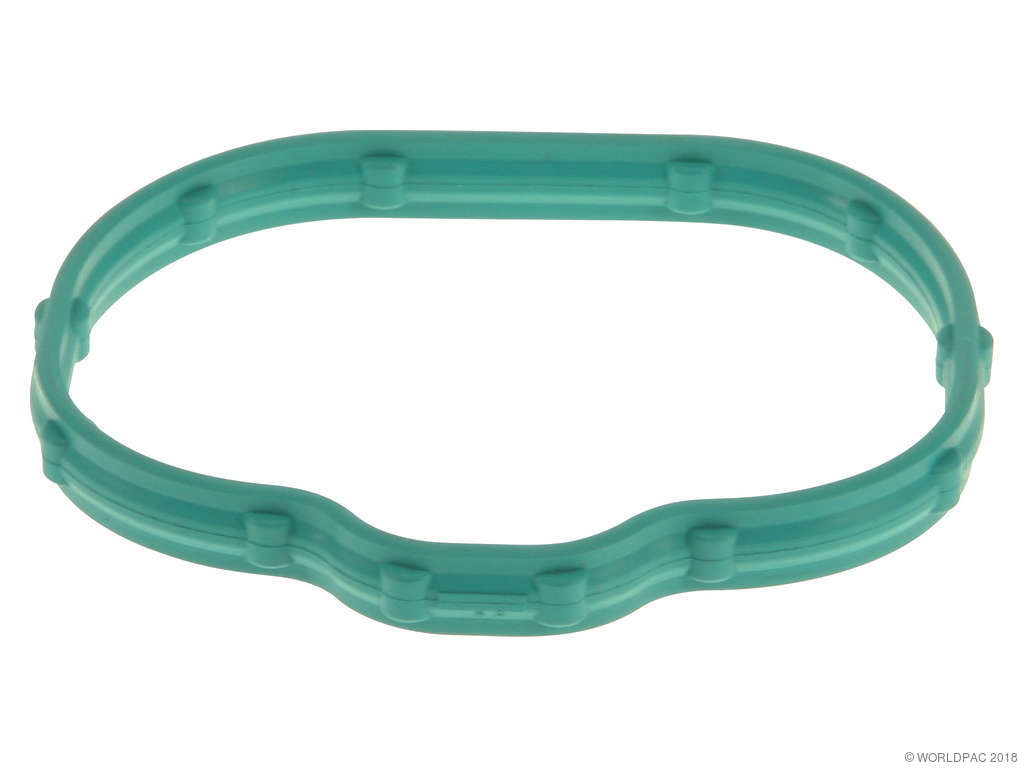
Aftermarket price range: $20-$40 - Upper Intake Manifold Gasket Set
(OEM #7T4Z-9439-A / 7T4Z-9439-B (individual gaskets, set recommended))— These gaskets are required because the intake manifold must be removed to access the rear valve cover and VCT solenoid. They are not reusable. Aftermarket sets like Fel-Pro MS 97118 are common.
Trusted brands: Motorcraft, Fel-Pro, Victor Reinz, Mahle
OEM price range: $10-$20 (per piece)
Aftermarket price range: $30-$60 (for a set)
Related Codes That Often Appear With This One
- P0011 — This code indicates 'Camshaft Position Timing Over-Advanced' for Bank 1. It can appear with P0010 if the solenoid is failing in a way that affects both its electrical integrity and mechanical function (e.g., stuck open).
- P0016 — This indicates a 'Crankshaft/Camshaft Correlation' error on Bank 1. Seeing it with P0010 can suggest a more serious underlying issue, like a stretched timing chain or a VCT phaser problem, in addition to the solenoid circuit fault.
- P0020 — This is the equivalent circuit code for Bank 2 (front). If you see both P0010 and P0020, it strongly points to a systemic problem affecting both banks, such as severe oil contamination, low oil pressure, or a widespread wiring issue.
Technical Service Bulletins (TSBs) & Recalls
- No specific TSB is widely documented for the P0010 code itself on this platform. However, diagnosis is often related to other known issues covered by Ford's Customer Satisfaction Programs, such as 13N02 for the brake booster (which can cause vacuum issues affecting idle) or 13N03 for the throttle body (which can cause similar drivability symptoms). The root cause is almost always mechanical or oil-related rather than a software issue requiring a TSB.
- A cross-manufacturer reference, TSB Bulletin #TSB 16-0163, notes that vehicles may exhibit an illuminated MIL with P0010 and various drivability issues, suggesting that this code is frequently part of a broader set of electrical or performance symptoms.
Platform-Specific Known Issues
- Internal Water Pump Failure: A known critical flaw in the 3.5L Duratec engine is the internal water pump. When it fails, it leaks coolant into the oil, causing widespread damage to timing components, including the VCT solenoids. This is a catastrophic failure that requires immediate attention.
- Labor-Intensive Bank 1 Access: The location of the Bank 1 (rear) VCT solenoid under the intake manifold makes this a significantly more difficult and costly repair than for the Bank 2 (front) solenoid.
Mechanic-Grade Diagnostic Values
- VCT Solenoid Internal Resistance — expected: 5 - 14 Ohms. Failure: A reading of OL (Open Loop/infinite resistance) or near-zero Ohms (short circuit) indicates a failed solenoid.
- VCT Solenoid Connector Voltage (Key On, Engine Off) — expected: Greater than 10.5V (typically battery voltage, ~12V) at Pin 1 (power supply wire).. Failure: Low or no voltage points to a problem in the power supply wiring or a related fuse, not the solenoid itself.
- Engine Oil Pressure (at operating temperature) — expected: Minimum of 15 PSI at idle.. Failure: Pressure below 15 PSI at idle can cause the VCT system to malfunction hydraulically, even if the electronics are functional. This points to a base oil pressure issue (e.g., worn oil pump, internal leaks).
- Scan Tool PID: VCT Advanced Error (e.g., VCT_ADV_ERR1) — expected: Should hover around 0 degrees (+/- 5 degrees) during closed-loop operation.. Failure: A large, persistent deviation from zero indicates the camshaft is not reaching its target angle, pointing to a mechanical or hydraulic issue (stuck phaser, low oil pressure) rather than just a circuit fault.
Scan Tool Commands That Help
- Ford IDS, FORScan, or equivalent professional scan tool: VCT Solenoid On/Off Command (Bidirectional Control) — This command is used to directly test the electrical and basic mechanical function of the VCT solenoid. When commanded on, you should hear an audible 'click' from the solenoid, and the engine's idle quality should change or stumble. If it clicks and idle changes, the solenoid and its wiring are likely functional, pointing towards a hydraulic or mechanical issue (clogging, phaser). If it does not click, it confirms a fault in the solenoid or its circuit.
Wiring & Ground Locations
- VCT Solenoid Connector (Bank 1 Intake) — Under the rear valve cover (firewall side), connected to the intake VCT solenoid.. This is the primary point for electrical testing. Pin 1 is the power supply wire (VT/GY - Violet/Gray) and should have battery voltage with the key on. Pin 2 is the control wire, which is pulsed to ground by the PCM.
- Main Engine Ground Strap — Typically located on the transmission case, below the brake booster.. A poor main engine or transmission ground can cause widespread electrical issues and erratic behavior from various modules, including the PCM. While not a direct cause of a single circuit code, verifying it's clean and tight is a crucial step in diagnosing any electrical fault.
- PCM Harness Ground — A smaller ground wire for the PCM engine harness is often found on the firewall, sometimes near the power steering reservoir or brake booster.. A specific ground for the PCM harness is critical. A fault at this location can directly impact the PCM's ability to control and monitor components like the VCT solenoids, potentially causing a circuit code.
Real Owner Repair Stories
- Synthesized from multiple professional repair videos (e.g., 1A Auto) (2007-2014 Ford Edge 3.5L V6) — Check Engine Light with code P0010, often accompanied by rough idle and poor performance.
❌ Tried (didn't work) Performing an oil change without addressing the faulty solenoid (code returns)., Replacing the easily accessible Bank 2 (front) solenoid instead of the correct Bank 1 (rear) solenoid.
✅ What actually fixed it The definitive fix involved a multi-hour repair to remove the upper intake manifold and the rear valve cover to access and replace the faulty Bank 1 intake VCT solenoid. The repair required replacing the valve cover gasket and the upper intake manifold gaskets as part of the procedure to prevent future leaks. Disconnecting the battery was a critical first step. - An owner reported a sudden warning to pull over immediately on the highway; NHTSA ODI #10405277 describes how the vehicle threw code P0010 along with several fuel injector codes. The dealer checked electrical connections and reassembled the components, but the issue recurred.
OEM Part Supersession History
7T4Z-6M280-B→AT4Z-6M280-C (and potentially others)— Part revision and update by Ford.
Heads up: There is significant confusion in parts catalogs for this engine. Some sources list AT4Z-6M280-C for the Bank 1 Intake, while others state it's for the exhaust. Part number AT4Z-6M280-A is also frequently mentioned for the intake position. The solenoids may have different color connectors (e.g., blue for exhaust). It is absolutely critical to verify the correct part number with the vehicle's VIN at a Ford dealership before ordering.
Model Year Variations Within This Range
- 2007-2010 vs. 2011-2014: The 2007-2010 3.5L V6 (265 hp) has variable timing on the intake camshafts only. The 2011-2014 3.5L V6 (285 hp) was upgraded to Twin Independent Variable Camshaft Timing (Ti-VCT), which controls both the intake and exhaust camshafts independently. This means 2011+ models have four VCT solenoids (two per bank) instead of two. While P0010 still points to the Bank 1 Intake solenoid, the overall system is more complex on the later models.
Diagnostic Flowchart
Other Known Issues on This Vehicle
Issues unrelated to this code that are worth knowing about as an owner of this generation:
- PTU (Power Transfer Unit) Failure 🔴 High — Common on AWD models, typically between 60,000-100,000 miles. Caused by fluid overheating and breakdown. (Ref: No recall, but a widely known issue. Ford claimed the fluid was 'lifetime,' but it requires regular changes (every 20-30k miles) to prevent failure.)
- Internal Water Pump Failure 🔴 High — Can occur from 80,000-130,000 miles. A failed seal leaks coolant directly into the engine oil, leading to catastrophic engine damage if not caught immediately.
- Electronic Throttle Body Failure 🟠 Medium — Widespread issue causing sudden 'limp mode' with a wrench light. Most common on 2011-2014 models. (Ref: Ford Customer Satisfaction Program 13N03 extended the warranty, but it has since expired.)
- Brake Booster Diaphragm Tear 🔴 High — Common on 2007-2015 models, causing a hissing noise and a hard brake pedal, significantly increasing stopping effort. (Ref: Customer Satisfaction Program 13N02 provided an extended warranty for this repair (10 years/150,000 miles).)
- Door Ajar Sensor Failure 🟡 Low — Extremely common. The sensor inside the door latch fails, causing the 'Door Ajar' light to stay on, which can drain the battery. (Ref: TSB 18-2013 was issued for this problem.)
Used vs. New Parts: Buying Guide for This Vehicle
When a used part is the smart pick: For this specific repair, using a used VCT solenoid is strongly discouraged. The part is an electro-hydraulic component prone to wear and clogging, and its remaining lifespan is unknown. Given the 4-5+ hours of labor required to access the Bank 1 (rear) solenoid, the financial risk of a premature failure of a used part far outweighs the initial cost savings.
Donor-vehicle mileage cap: roughly under 50000 miles for the part to have meaningful remaining life.
What to inspect on the donor part:
- If a used part must be considered, source it from a documented low-mileage vehicle (<50,000 miles).
- Before installation, inspect the mesh screens on the solenoid. They must be perfectly clean, fully intact, and free of any sludge or metallic particles.
- Test the resistance of the used solenoid with a multimeter. It must be within the 5-14 Ohm specification before you begin the labor-intensive installation.
OEM-only on this vehicle (don't cheap out):
- VCT Solenoid: Due to the high labor cost for replacement and the sensitivity of the VCT system, using an OEM Motorcraft solenoid is highly recommended to ensure longevity and proper function.
Aftermarket brands forum-validated for this vehicle:
- Dorman (e.g., 917-201) is a widely available aftermarket alternative with a decent reputation, though OEM is still preferred by many professionals for this specific part.
Brands owners have reported issues with on this vehicle:
- Avoid unbranded, no-name solenoids from online marketplaces, as their quality control and material specifications are often poor, leading to a high risk of premature failure.
Real Owner Stories
Aggregated from forums and TSBs cited above. Mileages and costs reflect what owners reported in those sources.
2007 Ford Edge SEL AWD 3.5L
Symptoms: The owner encountered code P0010 after using Seafoam and discovered significant sludge and 'gunk' buildup inside the valve cover.
What fixed it: Cleaning the internal sludge and addressing the oil condition, as the code was linked to oil-related debris clogging the system.
Source hint: Ford Edge Forum thread titled '2007 SEL AWD Code po010 - 3.5L'
2007-2014 Ford Edge 3.5L — ~105000 miles
Symptoms: Rough engine idle that sometimes shakes the entire vehicle and a noticeable rattling or knocking noise from the engine.
What fixed it: Replacement of the Bank 1 (rear) intake VCT solenoid, which required removing the intake manifold and rear valve cover.
Source hint: YouTube video 'ENGINE LIGHT ON CODE P0010 FIX FORD EDGE, LINCOLN MKX'
2007-2014 Ford Edge 3.5L — ~110000 miles
Symptoms: The owner found milky, brown sludge inside the valve cover during a VCT solenoid inspection.
What fixed it: Immediate replacement of the internal water pump and timing components to prevent engine seizure, as the water pump had leaked coolant into the oil.
Source hint: Vehicle-specific issues section regarding Internal Water Pump Failure
Related OBD-II Codes
Frequently Asked Questions
Where is the Bank 1 VCT solenoid located on my 3.5L Ford Edge?
Can I just clear the P0010 code if my oil was low?
Is there a TSB for P0010 on the 2007-2014 Ford Edge?
Why is the repair for P0010 more expensive on the Ford Edge than other cars?
Could a failing water pump cause this code on my 3.5L engine?
What type of oil should I use to prevent VCT solenoid clogging?
Helpful Videos
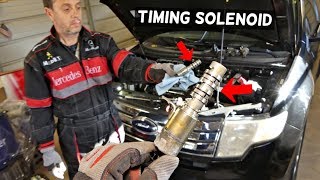
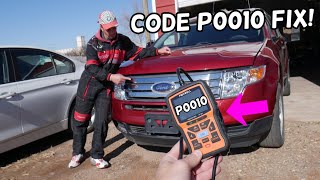
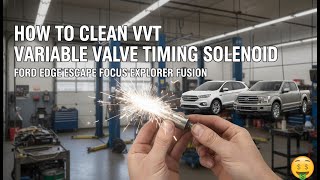
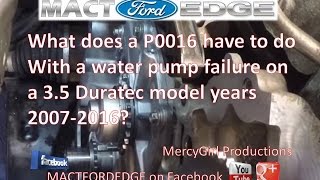
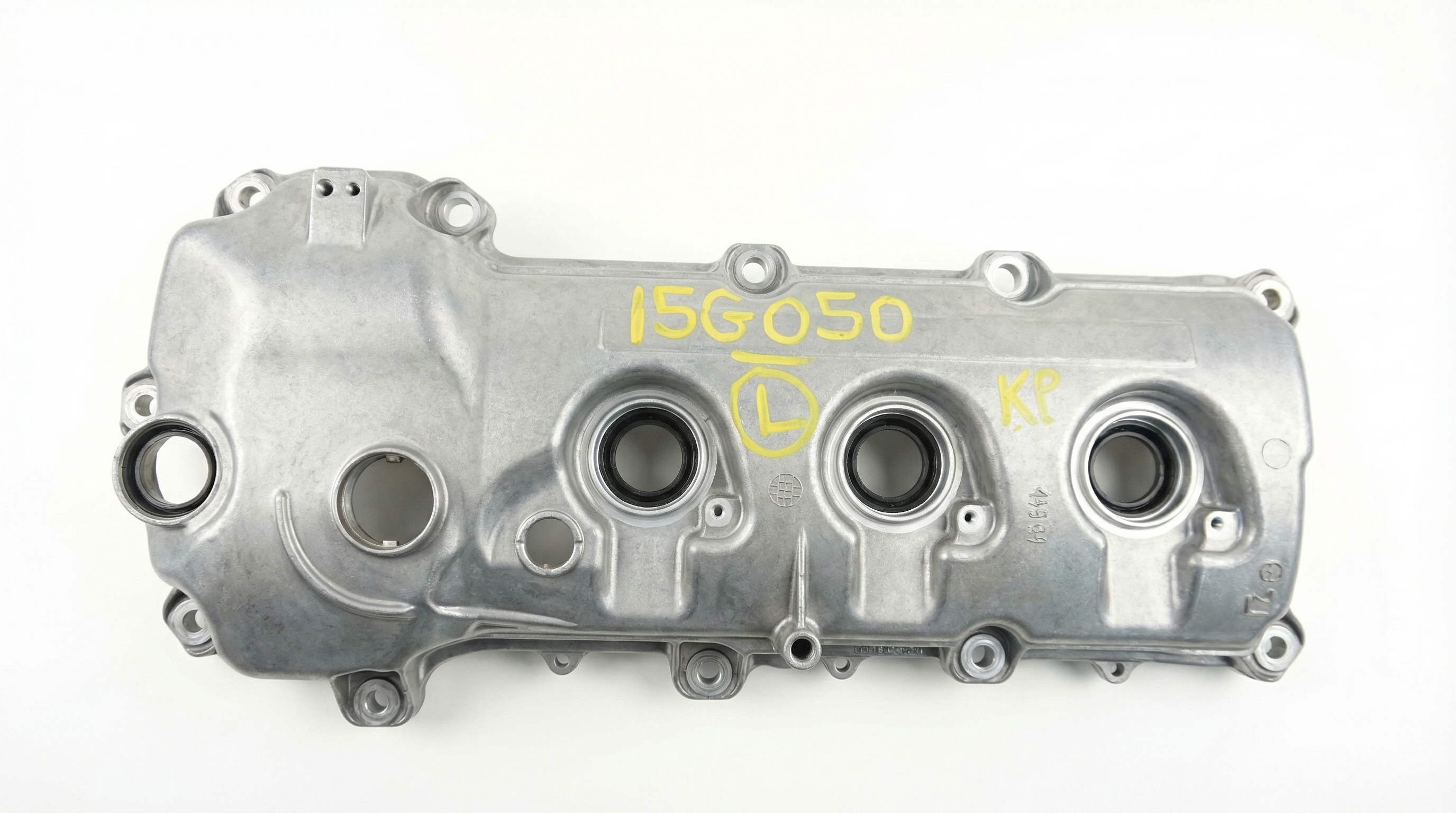
Used OEM Parts in Stock
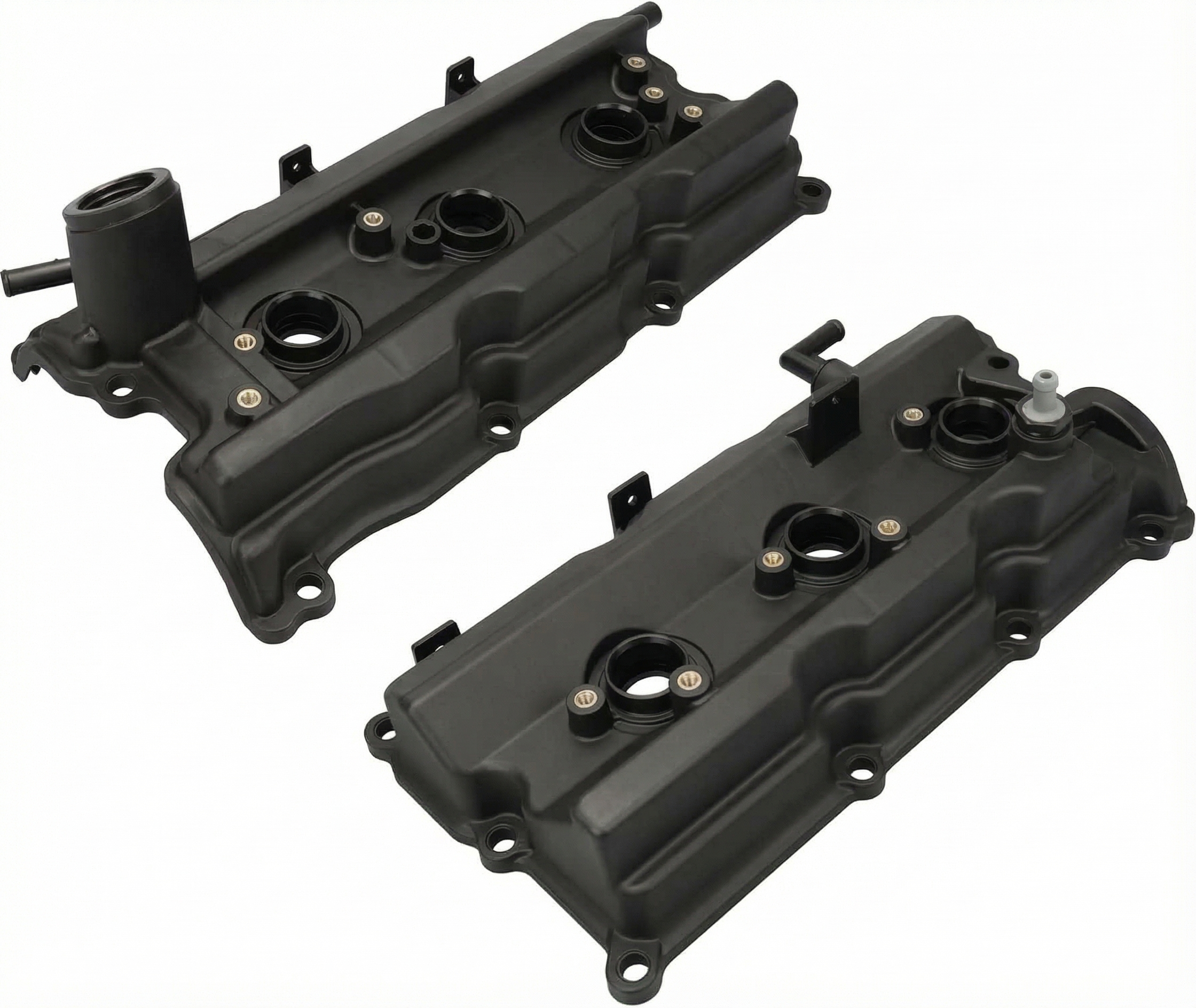
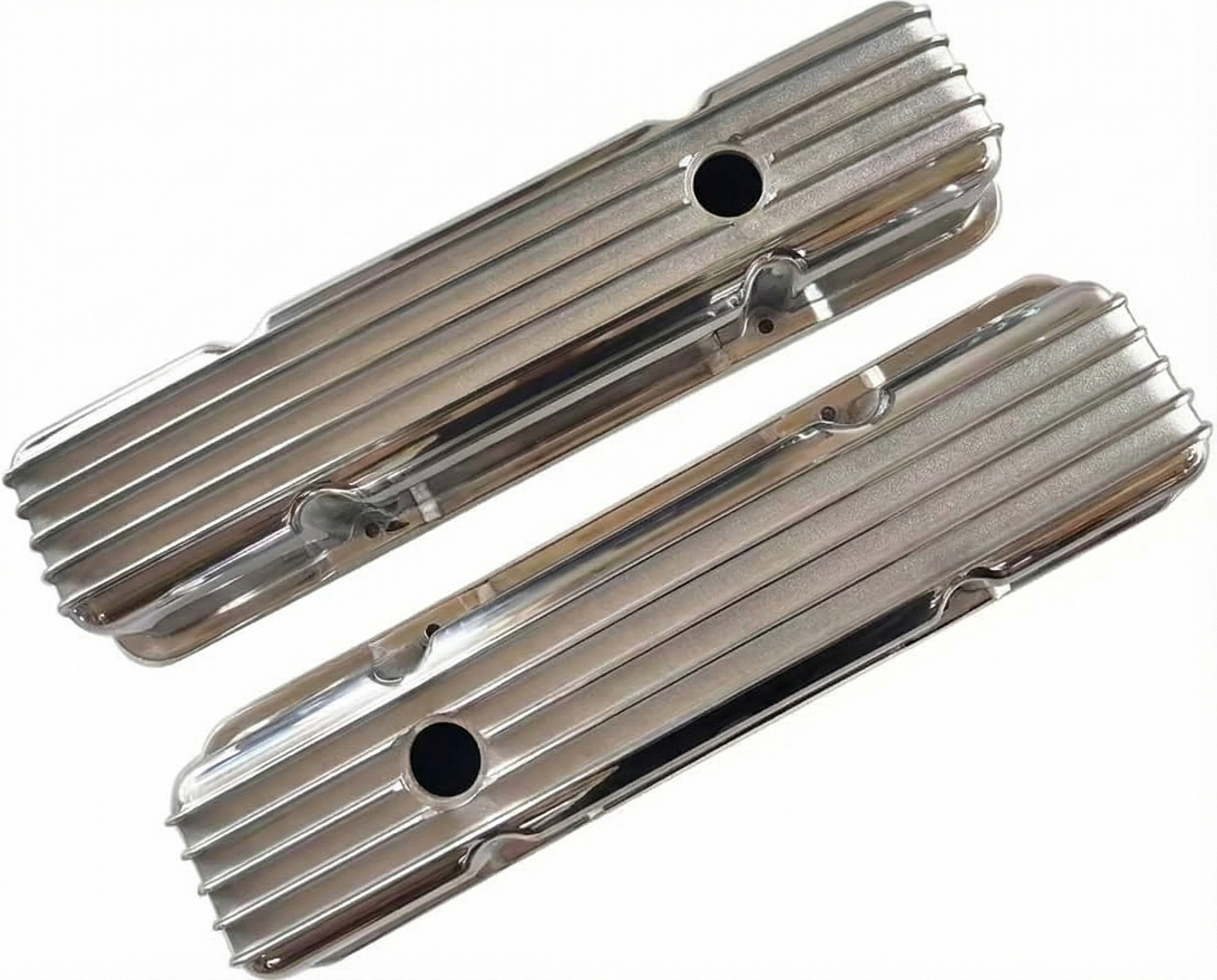
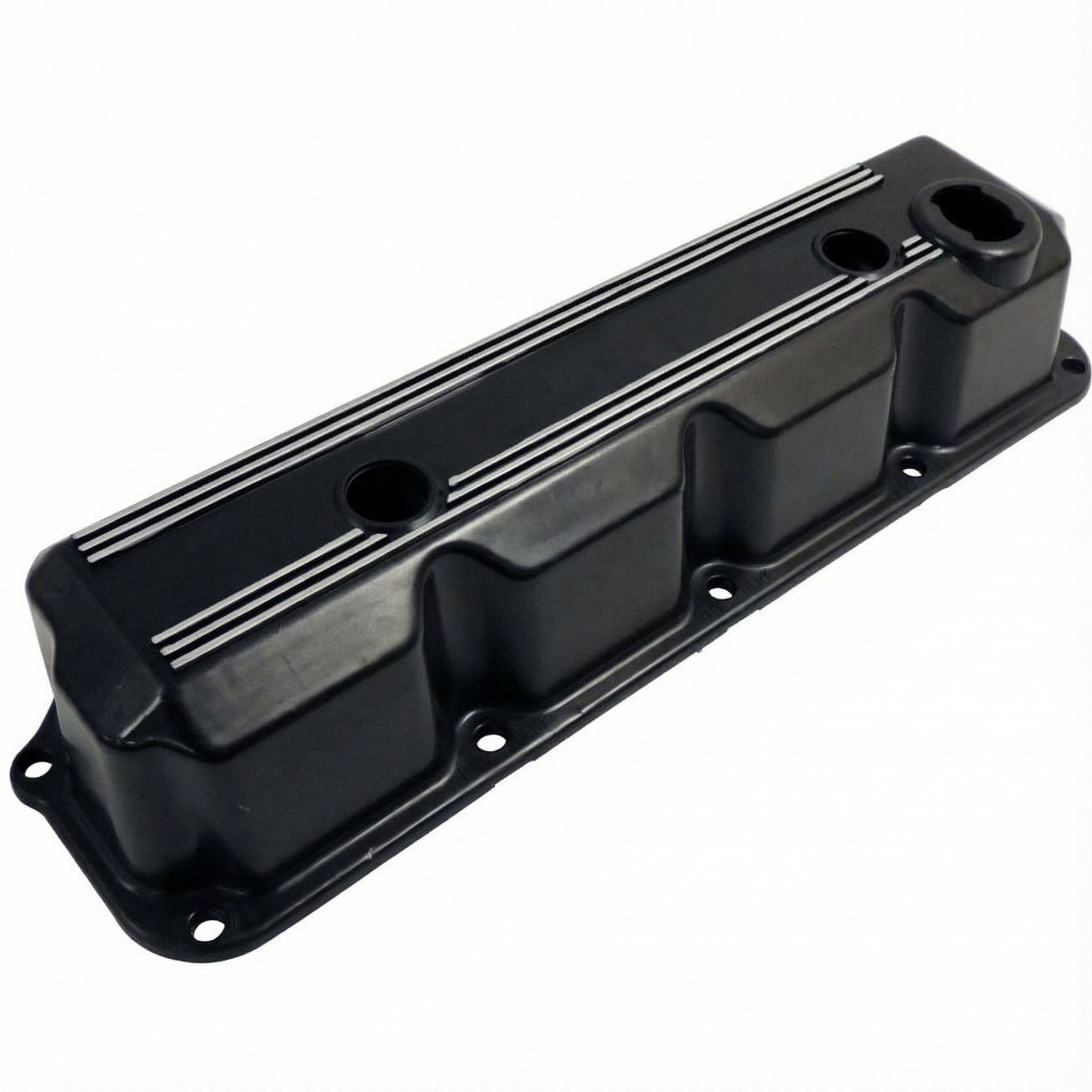
New Aftermarket Parts Available
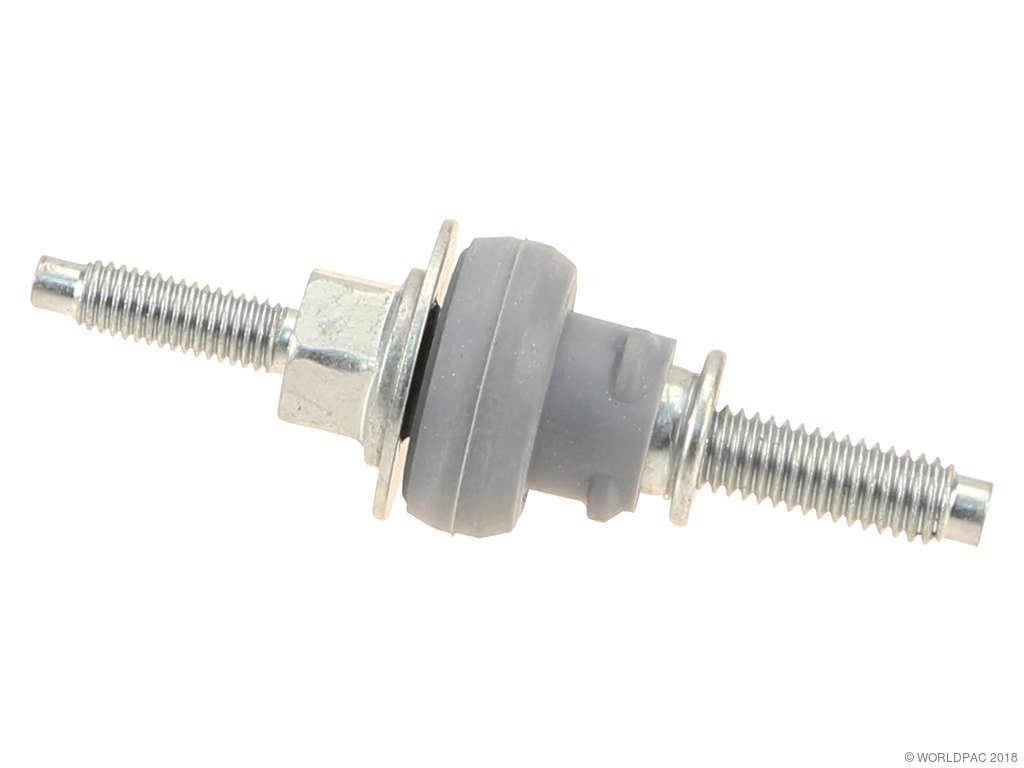
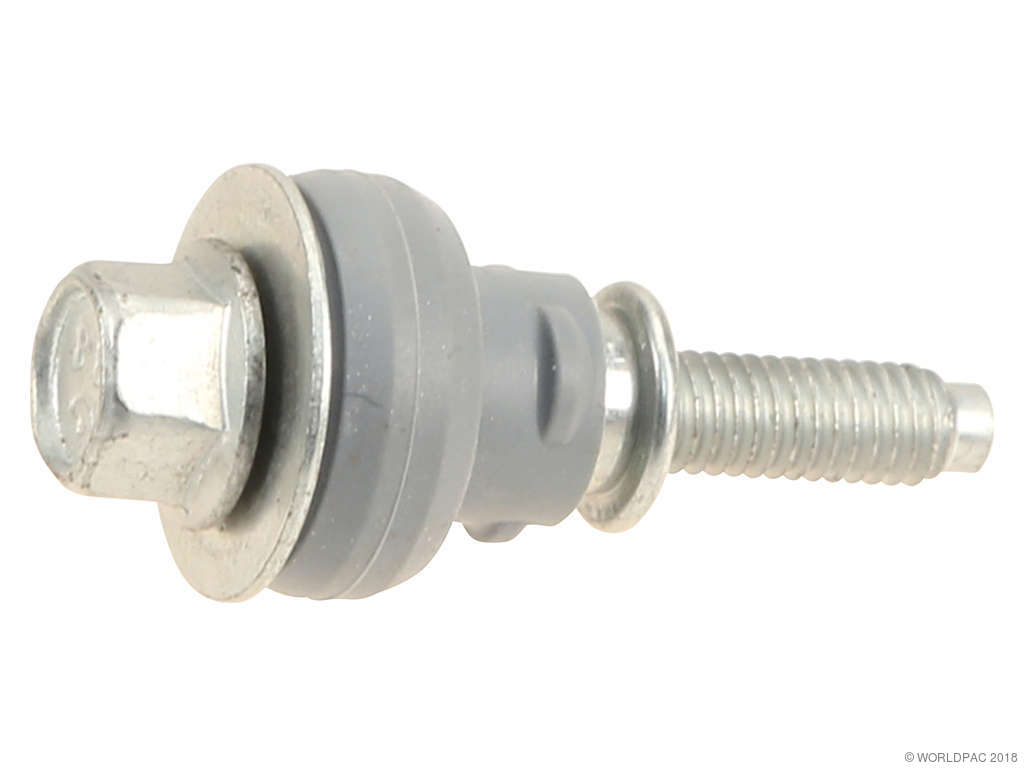


The information in this article is provided for general reference and educational purposes only. Vehicle specifications, procedures, and part compatibility can vary by production date, trim level, and region. Always consult your vehicle's factory service manual and verify part numbers before purchasing or performing repairs. Safety-critical components such as airbags, seat belts, and braking systems should be installed by a qualified professional.
- Ford Edge:
- 🧭 Diagnostic Flowchart
- 🎬 Helpful Videos
- 🛍️ Shop This Part
- What's Unique About the 2007-2014 Ford Edge
- Symptoms You May Notice
- Most Likely Causes
- Rare But Worth Checking
- Diagnosis Steps
- Parts You'll Likely Need
- Related Codes That Often Appear With This One
- Technical Service Bulletins (TSBs) & Recalls
- Platform-Specific Known Issues
- Mechanic-Grade Diagnostic Values
- Scan Tool Commands That Help
- Wiring & Ground Locations
- Real Owner Repair Stories
- OEM Part Supersession History
- Model Year Variations Within This Range
- Other Known Issues on This Vehicle
- Used vs. New Parts: Buying Guide for This Vehicle
- Real Owner Stories
- 2007 Ford Edge SEL AWD 3.5L
- 2007-2014 Ford Edge 3.5L — ~105000 miles
- 2007-2014 Ford Edge 3.5L — ~110000 miles
- Related OBD-II Codes
- Frequently Asked Questions
- 🎟️ Get 5% Off