

P0010 on 2016-2020 Kia Optima 2.4L: Camshaft Actuator Circuit Causes and Fixes
On the 2016-2020 Kia Optima with the 2.4L engine, code P0010 is most often caused by a faulty intake camshaft oil control valve (OCV) or issues related to low or dirty engine oil. Given this engine's history of high oil consumption, always check the oil level first before replacing parts. A very common secondary cause is oil leaking into the E-CVVT side cover from a failed camshaft plug, contaminating the actuator's electrical contacts.
- **Check your oil first.** Due to the 2.4L engine's high oil consumption, a low oil level is a very common and simple cause for code P0010.
- P0010 is an **electrical circuit code**, not a timing correlation code. The problem is almost always the Oil Control Valve (OCV), its wiring, or a lack of clean oil.
- Do not immediately replace the Camshaft Position Sensor; it is rarely the cause for this specific code.
- This code can be an early warning for the severe, well-documented engine problems affecting the 2.4L Theta II engine. Take it seriously and investigate promptly.
What's Unique About the 2016-2020 Kia Optima
The 2.4L Theta II GDI engine has a well-documented history of significant issues, including excessive oil consumption and potential for engine bearing failure due to manufacturing debris left in oil passages. Because the E-CVVT system is entirely dependent on clean oil at the correct pressure, a P0010 code on this specific engine must be taken seriously. It can be an early indicator of oil starvation or sludge buildup, which are precursors to the more catastrophic engine problems this platform is known for. Furthermore, this engine uses an E-CVVT (electronic) actuator on the intake side which has a unique and common failure mode where an internal camshaft plug fails, allowing oil to leak into the 'dry' electrical housing, causing the P0010 circuit code. This specific issue is documented in Kia Service Action SA305. An owner report in NHTSA ODI #11283015 specifically identifies this as an "E-CVVT seal seating issue" that triggers the P0010 code and causes a reduction in power during acceleration.
Symptoms You May Notice
- Check Engine Light illuminated
- Rough or high idle, sometimes between 1200-1500 RPM
- Poor engine performance and sluggish acceleration
- Decreased fuel economy
- Engine rattling or knocking noises
- Car feels like it wants to keep pulling forward at a stop
- Hard or 'wonky' brake pedal feel due to loss of vacuum
- Strange shifting behavior, as noted in NHTSA ODI #11484355
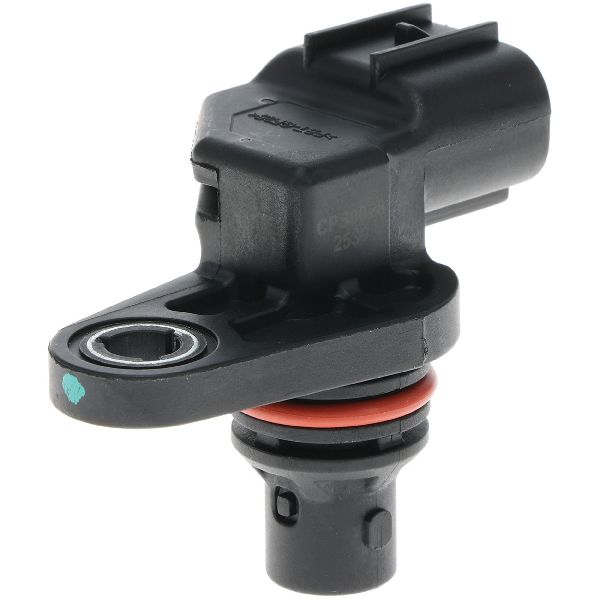
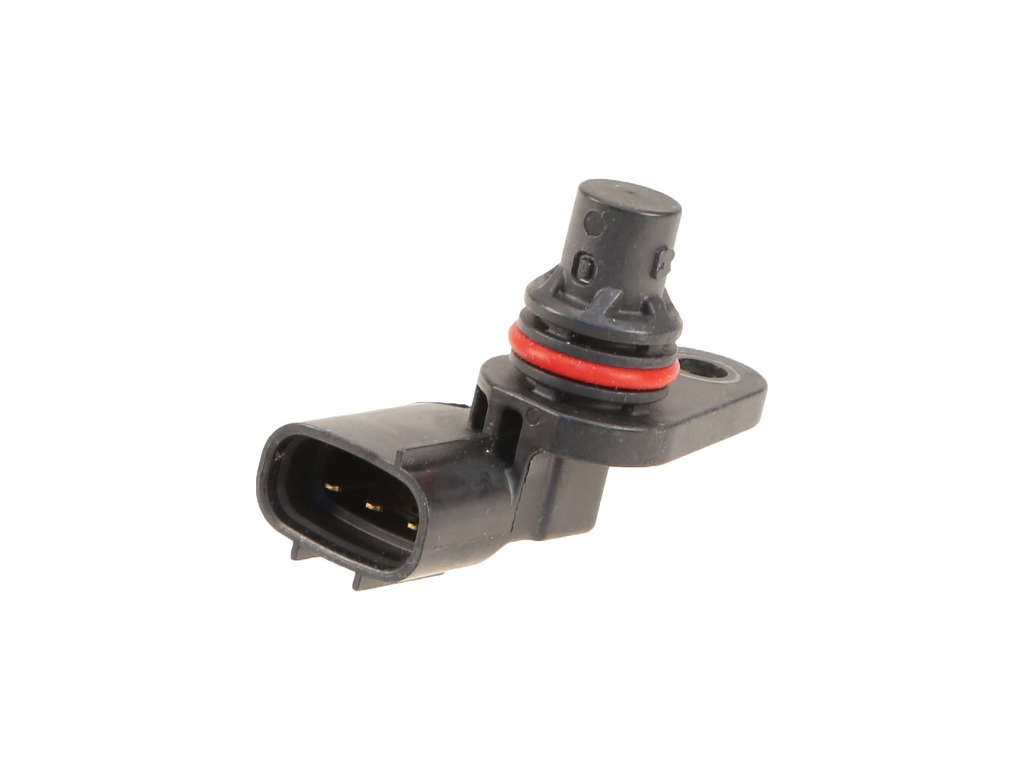
- Replacing the Camshaft Position Sensor (CMP). P0010 is a circuit code for the actuator (solenoid/E-CVVT motor), not the sensor that reads the camshaft's position. While related, the CMP sensor is rarely the cause of this specific code. The intake CMP sensor is located on the left side of the valve cover.
Most Likely Causes
- Low or Dirty Engine Oil 🔴 High Probability The 2.4L Theta II engine is notorious for excessive oil consumption, sometimes burning over a quart in 1,000 miles. The CVVT system is hydraulic and extremely sensitive to oil level and cleanliness. Sludge from old oil can clog the system's small passages and filters. This is often the root cause that leads to other component failures.
How to confirm: Check the oil dipstick. If the level is low or the oil appears black, gritty, or sludgy, this is a likely cause. The oil light may also flicker during turns or braking. Many owners report a sudden increase in oil consumption around 100,000 miles. NHTSA ODI #11545195 describes a situation where an owner found the oil was empty just one day after being full, leading to a P0010 code and a recommendation for a full motor replacement.
Typical fix: Perform an oil and filter change using the manufacturer-recommended 5W-20 or 5W-30 full synthetic oil and an OEM oil filter. If the oil was critically low, address the oil consumption issue, which may require more significant engine service or could be a symptom of piston ring issues.
Est. part cost: $40-$80 - Faulty Intake Oil Control Valve (OCV) / VVT Solenoid 🔴 High Probability This solenoid is a common failure point. It can fail electrically (internal short/open) or become mechanically stuck or clogged by engine sludge or metal debris from bearing wear, both common issues on this engine. NHTSA ODI #11691181 reports that P0010 "engine part failure" and sludge issues can recur even within one year of an engine replacement.
How to confirm: Unplug the solenoid and check its resistance with a multimeter; an open (OL) or shorted reading indicates failure. You can also apply 12V power to see if the solenoid clicks. Visually inspect its screen for sludge or debris upon removal. On the 2.4L GDI, the intake and exhaust OCVs are often identical, so you can swap them to see if the code changes to P0013 (exhaust side), confirming the solenoid is bad.
Typical fix: Replace the intake Oil Control Valve (VVT Solenoid). It is located on the front of the cylinder head. 🎬 Watch: How to replace the intake oil control valve
Est. part cost: $50-$150 - Oil Leak into E-CVVT Motor Cover 🟡 Medium Probability This is a very specific and common failure on Theta II engines with E-CVVT. A small plug at the end of the intake camshaft can fail or be improperly seated, allowing pressurized engine oil to leak into the 'dry' E-CVVT side cover. This oil contaminates the electrical brushes and contacts, causing a short or open circuit and triggering P0010. This issue is documented in Kia Service Action SA305.
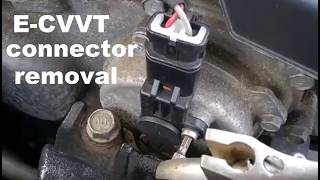
How to confirm: Support the engine and remove the passenger-side engine mount bracket to access the E-CVVT side cover. Disconnect the electrical connector and inspect for any presence of engine oil. Oil inside the connector or cover is definitive proof of this failure.
Typical fix: Replace the E-CVVT side cover (which includes the sensor/brushes) and the small camshaft plug. It is critical to replace the plug (Part No. 24351-2GGA1) at the same time as the cover (Part No. 24360-2GGD0) to prevent a repeat failure. 🎬 Watch: Step-by-step guide to replacing the cover and plug
Est. part cost: $100-$175 - Damaged Wiring or Connector 🟡 Medium Probability A specific wiring harness near the throttle body is known to rub through its loom, which can cause intermittent sensor codes. NHTSA ODI #11484355 notes the P0010 code specifically indicates a circuit/open condition in the "A" camshaft position actuator.
How to confirm: Visually inspect the wiring harness and connector leading to the intake OCV for any signs of fraying, melting, corrosion, or loose pins. Perform a continuity test on the wires from the OCV connector to the ECM. With the engine running, back-probe the connector to verify 10-12V power is being sent from the PCM.
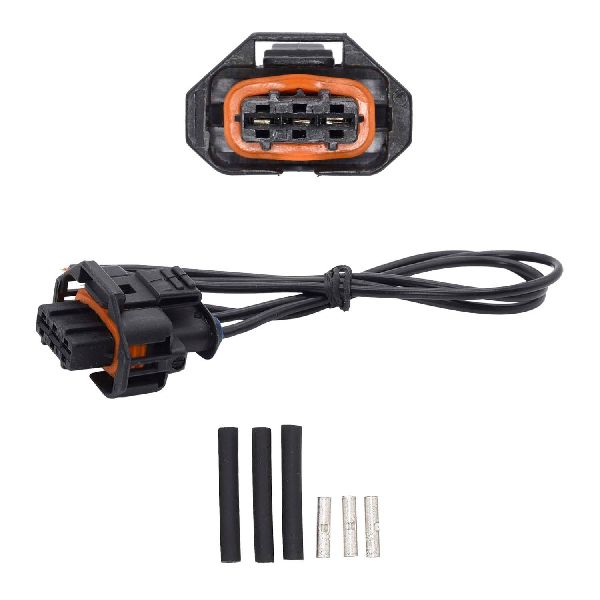
Typical fix: Repair the damaged section of wiring or replace the connector pigtail.
Est. part cost: $15-$50
Rare But Worth Checking
- Failed E-CVVT Cam Phaser Motor: → Shop Engine Timing Gear The E-CVVT system uses an electronic motor on the phaser itself. The internal commutator contacts can wear down or break, creating an open circuit. This is a much more involved and expensive repair requiring removal of the timing cover and chain.
- Failing Connecting Rod Bearings: A P0010 code can be an early symptom of catastrophic engine failure. Metal shavings from failing bearings can circulate in the oil, clogging the OCV screen and causing the code before the engine starts knocking loudly. If you find metal shavings on the OCV screen, it's a strong indicator of this larger issue. This is related to recall SC147.
- Failed Powertrain Control Module (PCM): This is extremely rare. The internal driver circuit in the PCM that controls the OCV can fail, but all other potential causes should be exhaustively ruled out first.
Diagnosis Steps
- Read the code with an OBD-II scanner to confirm P0010 is present.
- Check Engine Oil Level and Condition: This is the most critical first step for this engine. Top off if low or perform a full oil and filter change if the oil is old or dirty. Use an OEM filter. Clear the code and see if it returns.
- Inspect the E-CVVT Side Cover for Oil: Before testing other parts, check for the common oil leak. Support the engine, remove the passenger side engine mount bracket, and inspect the E-CVVT connector for oil. 🎬 See how to inspect the E-CVVT cover for leaks If oil is present, replacing the cover and cam plug is the required fix.
- Inspect the Oil Control Valve (OCV) Connector and Wiring: Check for visible damage, corrosion, or loose connections at the intake OCV solenoid.
- Test the Oil Control Valve (OCV): Disconnect the OCV and measure the resistance between its two pins with a multimeter. Compare the reading to the manufacturer's specification (typically 6.9-7.9 ohms). An out-of-spec reading (usually open or shorted) means the solenoid is bad. You can also swap it with the exhaust OCV to see if the code follows.
- Check for Power at the OCV Connector: With the key on and engine running, carefully back-probe the connector to verify that the ECM is sending a pulsed voltage signal (should read 10-12V on a multimeter). Lack of voltage points to a wiring issue or a problem with the ECM.
- Inspect for Sludge and Debris: If the OCV is removed, inspect the valve and its screen for signs of heavy oil sludge or metallic debris. Significant debris could indicate a larger internal engine problem like bearing failure.
- If all above steps pass, the issue may be with the E-CVVT phaser motor itself, requiring visual inspection for worn contacts, which is a major repair involving timing cover removal.
Parts You'll Likely Need
- Intake E-CVVT Motor Cover Assembly
(OEM #24360-2GGD0)— This is the complete side cover that houses the electrical brushes for the E-CVVT system. It is replaced when oil contamination from a failed cam plug causes P0010. This part number supersedes 24360-2GGB0 and 24360-2GGA0. - Intake Camshaft Plug
(OEM #24351-2GGA1)— This small plug is the root cause of the oil leak into the E-CVVT cover. It must be replaced along with the cover to prevent a repeat failure. This part number supersedes 24351-2GGA0. - Intake Oil Control Valve (OCV)
(OEM #24375-2G500)— This solenoid fails electrically or gets clogged with debris. It's a common failure point and often the first part replaced after checking the oil.
Related Codes That Often Appear With This One
- P0011 — If the electrical issue with the OCV (P0010) prevents it from moving correctly, the camshaft may get stuck in an over-advanced position, triggering the P0011 correlation code.
- P1326 — This is a Kia-specific code for the Knock Sensor Detection System (KSDS). It is often triggered as a result of the internal engine bearing damage that also causes oiling problems. Seeing P0010 can be an early warning before P1326 appears and puts the car in limp mode.
Technical Service Bulletins (TSBs) & Recalls
- Kia Service Action SA305 / TSB ENG159: Addresses P0010 caused by oil leaking into the E-CVVT motor plug on 2016-2017 Optima 2.4L and other models. The fix involves inspecting for the leak and replacing the E-CVVT cover and a small motor plug.
- Hyundai TSB 15-01-022-1: The equivalent Hyundai bulletin for the 2015 Sonata with the same engine and problem. It details the procedure to seat a potentially loose internal oil seal plug in the E-CVVT actuator to resolve P0010.
Platform-Specific Known Issues
- Engine Failure Recall Context: This engine was subject to recalls (like SC147) and a major class-action lawsuit for connecting rod bearing failure due to manufacturing debris restricting oil flow. A P0010 code could be an early warning of oil contamination related to this known defect. It is crucial to check for open recalls and the lifetime engine warranty extension on your vehicle's VIN.
- Excessive Oil Consumption: The Theta II engine is widely known to consume large amounts of oil between changes, often due to carbon-stuck piston rings. Failure to regularly check and top off the oil is a primary driver for VVT-related fault codes on this platform. NHTSA ODI #11704086 reports cases where vehicles lose 1–3 quarts of oil every few days without external leaks, leading to P0010 codes and internal engine damage.
- E-CVVT System Failure Mode: Unlike purely hydraulic systems, the E-CVVT on the intake cam has a specific, common failure where oil leaks past a cam plug into the actuator's electrical housing, directly causing P0010. This is addressed by Kia Service Action SA305.
Mechanic-Grade Diagnostic Values
- Oil Control Valve (OCV) / VVT Solenoid Resistance — expected: 6.9 - 7.9 Ohms at 68°F (20°C). Failure: A reading of 0 ohms (short circuit), OL/infinite (open circuit), or a value significantly outside the specified range.
- OCV Harness Connector Voltage — expected: ~12V (Battery Voltage) on one pin with Key On, Engine Off.. Failure: No voltage or significantly low voltage, which points to a wiring or PCM power supply issue.
Hidden / Shadow Codes Worth Checking
- P001000: This is the more specific version of the P0010 code that may be displayed on dealer-level scanners like the Kia GDS. The extra digits don't significantly change the diagnosis but confirm it's the primary fault. (see via Kia GDS (Global Diagnostic System) or other advanced professional scan tools.)
Scan Tool Commands That Help
- Kia GDS/KDS: OCV Activation Test — This bidirectional command manually actuates the Oil Control Valve (VVT solenoid). It is used to determine if the solenoid is mechanically stuck or electrically unresponsive without having to remove it or apply external voltage.
Real Owner Repair Stories
- Reddit user in r/kia (2017 Kia Sportage 2.4L (same engine and E-CVVT system)) — P0010 code, high idle, struggles to accelerate.
❌ Tried (didn't work) The user was initially considering replacing the camshaft position sensor or the OCV solenoid.
✅ What actually fixed it The Kia service center diagnosed the issue as needing a new CVVT cover and related seals/gaskets because the sensor circuit was reading a 'high' voltage signal, indicative of the oil contamination issue. - YouTube channel 'Mil-usos Miller' (2016 Kia Optima 2.4L) — Persistent P0010 code that would not clear.
❌ Tried (didn't work) The video explains that repeatedly replacing the OCV solenoid will not fix the issue if the underlying cause is an oil leak into the E-CVVT cover.
✅ What actually fixed it The vehicle had a recent timing chain service where the small camshaft plug (24351-2GGA1) was not re-installed, causing oil to flood the E-CVVT cover. The fix was to clean the contaminated contacts, install a new camshaft plug, and ensure the E-CVVT cover o-ring was sealing properly.
OEM Part Supersession History
24360-2GGA0, 24360-2GGB0→24360-2GGD0— Likely an updated design to improve the durability of the internal brushes or the housing's resistance to heat and vibration.24351-2GGA0→24351-2GGA1— Likely an improved material or design to prevent cracking and oil leakage which is the primary cause of E-CVVT cover failure.
Model Year Variations Within This Range
- 2016-2017: Vehicles in this range, specifically 2016-2017 Optimas built between Feb 2, 2016, and Dec 20, 2016, are explicitly mentioned in Kia Service Action SA305 for the E-CVVT cover oil leak and P0010 code. While the issue can occur on later models, this specific TSB targets the earlier years of the generation, suggesting a potential change in parts or assembly process later on.
- 2019-2020: The Kia Optima received a facelift for the 2019 model year, but there were no significant powertrain changes to the 2.4L engine or its CVVT system. The causes and fixes for P0010 remain the same as the 2016-2018 models.
Diagnostic Flowchart
Other Known Issues on This Vehicle
Issues unrelated to this code that are worth knowing about as an owner of this generation:
- Catastrophic Connecting Rod Bearing Failure 🔴 High — Very common, can occur at any mileage but often before 100k. Subject of recall SC147 and a lifetime engine warranty for affected VINs. (Ref: Recall SC147 / NHTSA Campaign 17V224000)
- Excessive Oil Consumption 🔴 High — Widespread issue, often starting or worsening significantly around 60k-100k miles. Caused by carbon buildup on oil control rings.
- Intake Valve Carbon Buildup 🟠 Medium — Inherent to all GDI engines. Symptoms like rough idle and misfires typically appear between 60,000 and 100,000 miles. Requires periodic walnut blasting service.
- Starter Motor / Solenoid Failure 🟠 Medium — Commonly reported issue leading to no-start or intermittent starting problems. Can be caused by a failing starter motor, solenoid, or relay.
- Variable Intake Manifold (VIS) Actuator Failure 🟡 Low — The plastic flaps in the variable intake system can get stuck with carbon, causing fault codes (like P200A) and a loss of mid-range power.
- HECU (Hydraulic Electronic Control Unit) Fire Risk 🔴 High — Affects a wide range of Kia models including the 2016-2018 Optima. An electrical short in the HECU can cause an engine compartment fire while parked or driving. (Ref: Recall SC200 / NHTSA Campaign 20V519000)
Used vs. New Parts: Buying Guide for This Vehicle
When a used part is the smart pick: For this specific repair, using used parts is highly discouraged. The primary failure components (E-CVVT cover, cam plug, OCV) are all prone to wear, contamination, and heat-related failure. A used part from a junkyard likely comes from an engine with similar vulnerabilities and offers no guarantee of remaining life.
Donor-vehicle mileage cap: roughly under 30000 miles for the part to have meaningful remaining life.
What to inspect on the donor part:
- If buying a used OCV, inspect the screen for any metallic debris; any visible metal flakes are a major red flag for the donor engine's health.
- For a used E-CVVT cover, there must be absolutely zero signs of oil inside the electrical connector or housing.
- Verify the donor vehicle VIN does not fall under the numerous Theta II engine recalls or service campaigns.
OEM-only on this vehicle (don't cheap out):
- E-CVVT Motor Cover Assembly (24360-2GGD0)
- Intake Camshaft Plug (24351-2GGA1)
Aftermarket brands forum-validated for this vehicle:
- Standard Motor Products (SMP) is often cited as a reliable alternative for OCV solenoids.
Brands owners have reported issues with on this vehicle:
- Dorman: While Dorman makes a wide variety of parts, some professional mechanics and forum users have reported out-of-box failures or shorter lifespans for their VVT solenoids compared to OEM.
- Unbranded/No-name parts from online marketplaces: These are a significant gamble. The E-CVVT cover contains sensitive brushes, and cheap aftermarket versions may use harder brush material that can score and damage the expensive E-CVVT phaser itself, leading to a much costlier repair.
Real Owner Stories
Aggregated from forums and TSBs cited above. Mileages and costs reflect what owners reported in those sources.
2016 Kia Optima 2.4L
Symptoms: Check engine light with high idle between 1200-1500 RPM, struggling acceleration, and intermittent performance issues.
What fixed it: Identified as a P0010 issue requiring diagnosis of the VVT system components.
Source hint: Reddit r/kia - 'Help with check engine code P0010' (Feb 2025)
2016 Kia Optima EX 2.4L
Symptoms: Engine knocking and cam position codes; upon inspection, the VVT solenoid was found covered in metal shavings.
What fixed it: The presence of metal shavings indicated internal engine bearing failure, a known issue with the Theta II platform.
Source hint: Reddit r/MechanicAdvice - '2016 kia optima ex knock and cam position codes' (Aug 2025)
2015 Hyundai Sonata 2.4L (Platform Mate) — ~100000 miles
Symptoms: Oil leaking into the 'dry' E-CVVT side cover, contaminating the electrical brushes and contacts.
What fixed it: Replacement of the E-CVVT side cover and the failed internal camshaft plug.
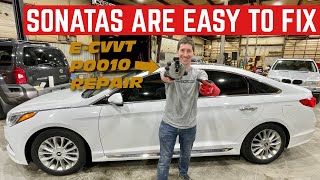
Source hint: YouTube - 'This 2015 Hyundai Sonata FINALLY BROKE *P0010 Cheap And Easy Repair*' by WatchJRGo
2016-2020 Kia Optima 2.4L — ~100000 miles
Symptoms: Sudden increase in oil consumption and the oil light flickering during turns or braking.
What fixed it: Addressing excessive oil consumption (burning over a quart per 1,000 miles) which was starving the hydraulic CVVT system.
Source hint: Article Context - Common Causes: Low or Dirty Engine Oil
Documented NHTSA Reports
NHTSA ODI #11545195
Symptoms: An owner reported finding their oil was empty just one day after it was full. A code reader identified P0010 for a camshaft issue.
What fixed it: The owner was informed the entire top motor needed replacement due to "no oil."
NHTSA ODI #11704086
Symptoms: Vehicle loses 1–3 quarts of oil every few days with no external leaks. Diagnostic codes included P0304 and P0010.
What fixed it: A repair shop confirmed internal engine damage and spark plug damage caused by oil entering the combustion chamber.
NHTSA ODI #11691181
Symptoms: Engine sludge and failure occurred with a P0010 code.
What fixed it: This failure happened within one year of a previous Kia engine replacement.
NHTSA ODI #11484355
Symptoms: Car developed a P0010 code, idled roughly, and shifted weirdly.
What fixed it: The code was identified as "A" Camshaft Position Actuator Circuit/open bank 1.
NHTSA ODI #11283015
Symptoms: Reduction in power during acceleration and elevated engine idle speed.
What fixed it: The issue was identified as an E-CVVT seal seating issue triggering the P0010 code.
Related OBD-II Codes
Frequently Asked Questions
Does Kia Service Action SA305 apply to my 2016 Optima 2.4L?
Why does my brake pedal feel 'wonky' or hard when the P0010 code is active?
Can I just replace the E-CVVT cover (Part No. 24360-2GGD0) to fix the oil leak?
Is P0010 related to the major Kia engine settlement or recall SC147?
My car feels like it wants to keep pulling forward at a stop; is this a P0010 symptom?
Can I test if the Intake OCV is bad by using the Exhaust OCV?
Helpful Videos
We Have This Part in Stock


The information in this article is provided for general reference and educational purposes only. Vehicle specifications, procedures, and part compatibility can vary by production date, trim level, and region. Always consult your vehicle's factory service manual and verify part numbers before purchasing or performing repairs. Safety-critical components such as airbags, seat belts, and braking systems should be installed by a qualified professional.
- Kia Optima:
- 🧭 Diagnostic Flowchart
- 🎬 Helpful Videos
- 🛍️ Shop This Part
- What's Unique About the 2016-2020 Kia Optima
- Symptoms You May Notice
- Most Likely Causes
- Rare But Worth Checking
- Diagnosis Steps
- Parts You'll Likely Need
- Related Codes That Often Appear With This One
- Technical Service Bulletins (TSBs) & Recalls
- Platform-Specific Known Issues
- Mechanic-Grade Diagnostic Values
- Hidden / Shadow Codes Worth Checking
- Scan Tool Commands That Help
- Real Owner Repair Stories
- OEM Part Supersession History
- Model Year Variations Within This Range
- Other Known Issues on This Vehicle
- Used vs. New Parts: Buying Guide for This Vehicle
- Real Owner Stories
- 2016 Kia Optima 2.4L
- 2016 Kia Optima EX 2.4L
- 2015 Hyundai Sonata 2.4L (Platform Mate) — ~100000 miles
- 2016-2020 Kia Optima 2.4L — ~100000 miles
- Documented NHTSA Reports
- NHTSA ODI #11545195
- NHTSA ODI #11704086
- NHTSA ODI #11691181
- NHTSA ODI #11484355
- NHTSA ODI #11283015
- Related OBD-II Codes
- Frequently Asked Questions
- 🎟️ Get 5% Off