

P0010 on 2007-2012 Lexus ES350: "A" Camshaft Actuator Circuit Causes and Fixes
For the 2007-2012 Lexus ES350, code P0010 almost always points to a faulty Oil Control Valve (OCV), also called a VVT solenoid, for the Bank 1 intake camshaft. This is often caused by low or dirty oil. A replacement OCV costs around $40-$90 for an aftermarket part or $100-$150 for an OEM part, and it's a 1/5 difficulty DIY job.
- P0010 on your ES350 points to an electrical issue with the intake VVT solenoid (OCV) on the rear cylinder bank (Bank 1).
- Before buying parts, check your engine oil level and condition. An oil change might solve the problem.
- The most effective and cost-free diagnostic step is to swap the rear intake solenoid with the front intake solenoid and see if the code follows (changes to P0020).
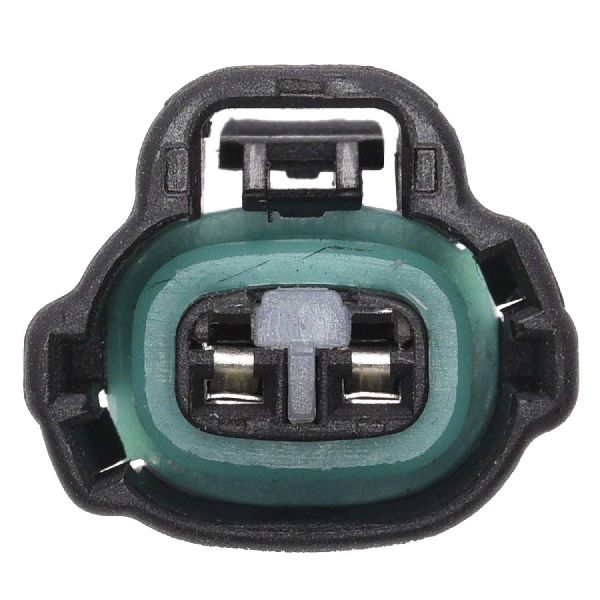
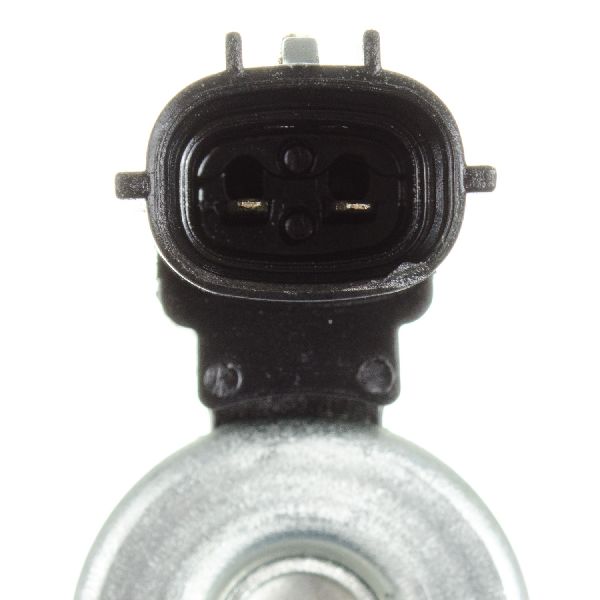
- Carefully inspect the OCV connector for bent pins or damage before replacing the part, as this can be the true cause.
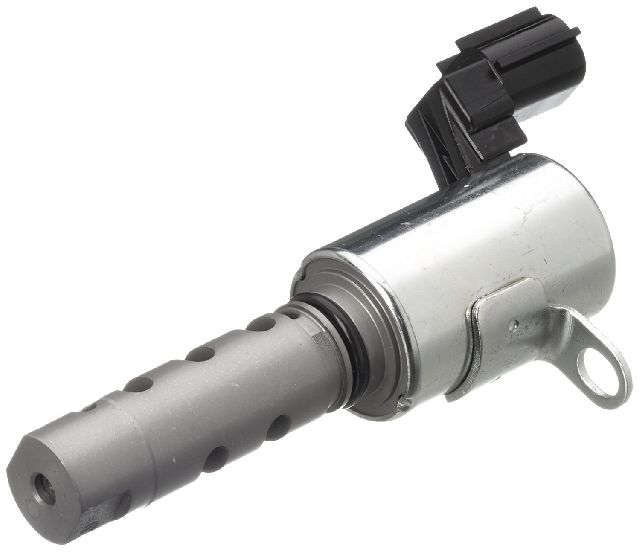
- The most likely part you'll need is a single VVT solenoid (OCV), OEM part number 15330-0P020, which is a relatively inexpensive and easy part to replace.
What's Unique About the 2007-2012 Lexus ES350
The 2GR-FE engine is widely used across the Toyota and Lexus lineup and is generally very reliable. For this specific P0010 code, the issue is rarely the complex internal timing components. The most common failure point by a wide margin is the externally-mounted Oil Control Valve (OCV) for the Bank 1 intake cam. These solenoids can become clogged by oil sludge or simply fail electrically over time. Because Bank 1 is against the firewall, access can be slightly tighter than for Bank 2, but it is still a very manageable DIY repair that does not require removing the intake manifold, unlike on some other 2GR-FE applications like the Toyota Highlander.
Symptoms You May Notice
- Check Engine Light is on
- VSC (Vehicle Stability Control) light may also illuminate
- Rough or unstable engine idle
- Hesitation or lack of power during acceleration
- Decreased fuel economy
- Engine may be difficult to start
- Engine may stall at idle
- Replacing the Camshaft Position Sensor. P0010 is a code for the actuator circuit (the solenoid), not the position sensor. A bad sensor would typically set a different code (e.g., P034x).
Most Likely Causes
- Faulty Bank 1 Intake Oil Control Valve (VVT Solenoid) 🔴 High Probability The OCV is an electromechanical part that cycles thousands of times and is exposed to engine heat and oil. It's a common failure point due to internal wear or clogging from oil contaminants.
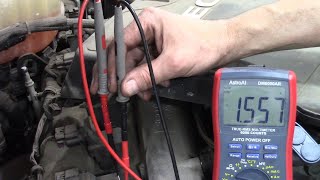
How to confirm: Swap the Bank 1 intake OCV with the Bank 2 intake OCV (at the front of the engine). Clear the codes and drive. If the code changes to P0020 ('A' Camshaft Position Actuator Circuit Bank 2), the solenoid is confirmed bad. You can also test the solenoid's resistance with a multimeter; the specification is 6.9 to 7.9 Ohms at 68°F (20°C). You can also apply 12V directly to the solenoid's pins to see if it audibly clicks.
Typical fix: Replace the Bank 1 intake Oil Control Valve.
Est. part cost: $40-$150 - Low or Dirty Engine Oil 🟡 Medium Probability The VVT system is highly dependent on oil pressure and cleanliness. Infrequent oil changes lead to sludge that can clog the tiny passages and filter screen on the OCV, causing it to malfunction. Some owners have noted that using non-OEM oil filters, which may have different check valve properties, can contribute to VVT-related codes at startup.
How to confirm: Check the oil level on the dipstick. Inspect the oil's color and consistency. If it's very dark, thick, or below the minimum level, this is a likely contributor.
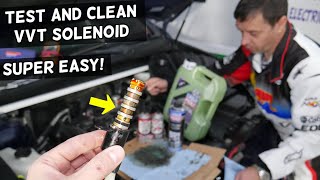
Typical fix: Perform an engine oil and filter change using the manufacturer-specified oil (e.g., 5W-30). If the OCV was clogged, it may need to be removed and cleaned or replaced. 🎬 Watch: How to test and clean VVT solenoids
Est. part cost: $40-$80 - Damaged Wiring or Connector for the OCV ⚪ Low Probability Engine bay heat and vibration can cause wiring to become brittle or connectors to fail over time, though it's less common than the solenoid itself failing. In some cases, the pins inside the connector can become bent or loose, causing an intermittent connection.
How to confirm: Visually inspect the wiring harness and connector going to the Bank 1 intake OCV. Look for any signs of cracking, melting, corrosion, or loose pins in the connector. In one documented case, a mechanic had accidentally swapped the connectors for the OCV and a nearby intake manifold sensor, causing the code.
Typical fix: Repair the damaged section of wiring or replace the connector pigtail. Ensure the correct harness is plugged into the OCV.
Est. part cost: $10-$30
Rare But Worth Checking
- Failed Engine Control Module (ECM): This is extremely rare. The ECM should only be considered after all other possibilities, including the OCV and its wiring, have been definitively ruled out.
- Worn Timing Chain or Actuator (Cam Phaser): → Shop Engine Timing Chain While possible, this is much less likely for a P0010 circuit code. A mechanical 🎬 Watch: Causes and fixes for the P0010 code timing issue would typically set performance codes like P0011 (over-advanced) or P0012 (over-retarded). A catastrophic failure like a broken chain is possible but would present with a no-start condition.
Diagnosis Steps
- Verify the code with an OBD-II scanner. Record and clear the code.
- Check the engine oil level and condition. If low or dirty, correct this first, clear the code, and see if it returns.
- Locate the Bank 1 (rear, by firewall) and Bank 2 (front, by radiator) intake Oil Control Valves (OCVs). They are on the top of the valve covers, each held by a single 10mm bolt.
- Inspect the wiring and connector for the Bank 1 intake OCV. Check for damage, corrosion, or bent pins. One owner found a bent pin in the connector was the sole cause of the fault.
- The easiest diagnostic step is to swap the Bank 1 intake OCV with the Bank 2 intake OCV. They are identical parts.
- Drive the vehicle until the Check Engine Light returns. This may happen within a minute or two.
- If the code changes to P0020, the OCV you moved to Bank 2 is faulty and must be replaced.
- If the P0010 code returns, the problem is in the wiring to the Bank 1 OCV or, rarely, the ECM. The OCV itself is likely good. At this point, test the resistance of the suspect OCV; it should be between 6.9 and 7.9 ohms.
- If no code returns, the issue may have been a poor connection at the OCV connector that was resolved during the swap.
Parts You'll Likely Need
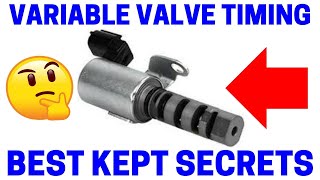
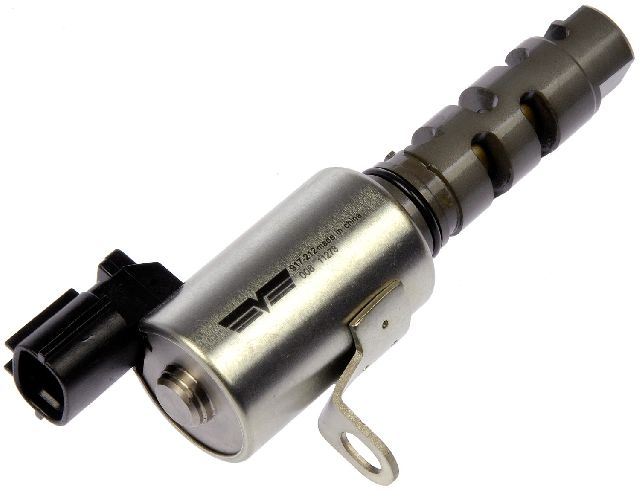
- Engine Variable Valve Timing (VVT) Solenoid / Oil Control Valve
(OEM #15330-31020 (Superseded by 15330-0P020))— This solenoid is the most common failure point for a P0010 code. It either fails electrically or gets clogged with oil debris. The original part number 15330-31020 has been superseded by 15330-0P020.
Trusted brands: Denso (OEM Supplier), Aisin, Dorman
OEM price range: $100-$150
Aftermarket price range: $40-$90
Related Codes That Often Appear With This One
- P0011 — If the OCV is stuck, the ECM might also detect that the camshaft timing is over-advanced, triggering P0011 alongside the P0010 circuit code.
- P0020 — This is the equivalent code for Bank 2. Seeing both P0010 and P0020 could point to a systemic issue like severe oil sludging or a wiring problem common to both banks.
Technical Service Bulletins (TSBs) & Recalls
- L-SB-0188-09 / T-SB-0398-09: This service bulletin from Lexus/Toyota clarifies the location of Bank 1 and Bank 2 on various engines, including the 2GR-FE, confirming Bank 1 is the rear bank on the ES350.
Platform-Specific Known Issues
- source — A ClubLexus member reported chasing a persistent P0010 code. After a dealer visit, it was discovered that a pin inside the OCV's electrical connector was slightly bent. Straightening the pin with pliers and reconnecting it solved the problem completely, and the dealer waived the diagnostic fee. This highlights the importance of carefully inspecting the connector before replacing parts.
- source — A YouTube video documented a 2009 ES350 with a P0010 code that would not clear. The technician discovered that a previous mechanic had swapped the electrical connectors for the Bank 1 OCV and the nearby intake manifold valve position sensor. The connectors were physically similar and could be interchanged. Swapping them back to their correct positions immediately resolved the fault.
Mechanic-Grade Diagnostic Values
- Oil Control Valve (OCV) internal resistance — expected: 6.9 to 7.9 Ω at 20°C (68°F). Failure: A reading of 0 Ω (short circuit) or infinite/OL (open circuit) indicates a failed solenoid.
- Voltage at OCV connector (harness side) to ground — expected: Battery voltage (approx. 11-14V) at one pin with Ignition ON. Failure: No voltage suggests a problem with the power supply from the EFI relay or a break in the wire.
- Resistance between OCV harness connector and ECM connector pins — expected: Below 1 Ω. Failure: High resistance or an open circuit (OL) indicates a broken wire or bad connection in the harness.
Scan Tool Commands That Help
- Toyota Techstream: Active Test: Control the VVT System (Bank 1) — This command allows the technician to manually activate the Bank 1 intake OCV. When activated at idle, a healthy system will cause the engine to run rough or stall, confirming the OCV is mechanically functioning and oil passages are clear. If the engine speed does not change, it points to a stuck OCV, clogged oil passage, or a wiring issue preventing the command from reaching the solenoid.
- Toyota Techstream: Data List: VVT CTRL B1 — This allows monitoring of the duty cycle command being sent from the ECM to the Bank 1 OCV. Comparing the commanded duty cycle to the actual camshaft angle (also in the data list) can help determine if the ECM is attempting to make a change and if the camshaft is responding as expected.
Wiring & Ground Locations
- ECM Connector B30 (Pins 31 & 32 for Bank 1 Intake OCV) — The ECM is located behind the glove box. Connector B30 is one of the main connectors to the module.. Pin 32 (OC1+) and Pin 31 (OC1-) are the specific terminals on the ECM that control the Bank 1 intake OCV. Checking for continuity and shorts between these pins and the OCV connector is the definitive way to test the wiring harness.
- Engine Harness Ground (Bank 1 Head) — There is a primary engine harness ground point on the side of the Bank 1 (rear) cylinder head, under the intake manifold area.. A poor or corroded main engine ground can cause a variety of electrical issues and false sensor readings. While less likely to cause a specific circuit code like P0010, it's a critical check for any persistent, hard-to-diagnose electrical fault.
Real Owner Repair Stories
- ClubLexus Forum User (2007 Lexus ES350, 280,000 miles) — Check Engine Light with code P0010.
❌ Tried (didn't work) Replaced all four VVT solenoids (both intake and both exhaust).
✅ What actually fixed it The user's post is a cautionary tale; the code returned immediately even after replacing all four solenoids. The resolution was not posted, but the experience confirms that blindly replacing parts, even the most common cause, is not a guaranteed fix and that proper circuit diagnosis (wiring, connectors) is essential when the first attempt fails.
OEM Part Supersession History
15330-31020→15330-0P020— Standard manufacturer part revision and update. The parts are interchangeable.
Model Year Variations Within This Range
- 2007-2012: Mechanically, the 2GR-FE engine and its VVT system remained consistent through this generation for the ES350. A mid-cycle refresh occurred in 2010, but this involved cosmetic and interior updates, not changes to the core engine components related to a P0010 code. The VIN's 5th digit changed from 'J' to 'K' starting in 2010, but this does not signify a change in the OCV part.
Diagnostic Flowchart
Other Known Issues on This Vehicle
Issues unrelated to this code that are worth knowing about as an owner of this generation:
- VVT-i Oil Hose Rupture (Rubber Section) 🔴 High — Common on early 2GR-FE engines (approx. 2006-2010) that have not had the updated part installed. Failure can occur at any mileage and leads to rapid, catastrophic oil loss. (Ref: Toyota issued a Limited Service Campaign (LSC) to replace the rubber hose with an all-metal line (Part No. 15772-31030).)
- Melting/Sticky Dashboard and Interior Panels 🟡 Low — Extremely common in vehicles operated in high heat and humidity climates. Affects the dashboard, glove box, and door panels. (Ref: Lexus addressed this with Warranty Enhancement Programs ZLD and ZLZ, which have since expired.)
- Timing Cover Oil Leak 🟠 Medium — A well-documented issue where the sealant for the timing cover degrades, causing a persistent oil leak. It is often a slow seep but can worsen. Repair is very labor-intensive.
- Transmission Shift Hesitation/Harshness 🟠 Medium — Some owners report issues with the U660E transmission, including delayed shifts or harsh engagement. Sometimes addressed with a software update or, in more severe cases, requiring rebuild/replacement.
Used vs. New Parts: Buying Guide for This Vehicle
When a used part is the smart pick: A used part is generally not recommended for the Oil Control Valve (OCV) itself. Since failure is often due to internal wear or sludge accumulation, a used solenoid carries a high risk of having the same problem or a short remaining life. A used connector pigtail from a junkyard is a perfectly acceptable and cost-effective repair if your original connector is damaged.
Donor-vehicle mileage cap: roughly under 80000 miles for the part to have meaningful remaining life.
What to inspect on the donor part:
- For a connector pigtail, ensure the plastic is not brittle or cracked and the locking tab is intact.
- Check the wires for any signs of insulation damage or previous repairs.
- If considering a used OCV against advice, look for a donor vehicle with documented, regular oil changes and lower mileage. Avoid parts from engines with visible sludge under the oil cap.
OEM-only on this vehicle (don't cheap out):
- While not strictly 'OEM-only', using an OEM (Denso) or OEM-supplier (Aisin) VVT solenoid is highly recommended. Cheaper, no-name aftermarket solenoids have a higher reported failure rate, potentially causing you to do the job twice.
Aftermarket brands forum-validated for this vehicle:
- Denso (OEM)
- Aisin
Brands owners have reported issues with on this vehicle:
- Unnamed or generic 'white-box' brands from online marketplaces are a gamble.
Real Owner Stories
Aggregated from forums and TSBs cited above. Mileages and costs reflect what owners reported in those sources.
2007 Lexus ES350 2GR-FE — 280000 miles
Symptoms: Check Engine Light on with code P0010; code returned immediately after clearing.
What fixed it: The owner attempted to replace all four VVT solenoids without success, illustrating that proper diagnosis of wiring or specific intake solenoids is critical rather than just replacing parts.
Source hint: ClubLexus: 'Dtc p0010' - Owner replaces all 4 VVT solenoids without fixing the issue.
2006-2013 Lexus IS (2GR-FE/4GR-FSE platform)
Symptoms: Persistent P0010 code.
What fixed it: A dealer technician discovered a pin inside the OCV's electrical connector was slightly bent. Straightening the pin with pliers and reconnecting it resolved the fault.
Source hint: ClubLexus: 'Code P0010' - Owner's issue resolved by fixing a bent connector pin.
2009 Lexus ES350 2GR-FE
Symptoms: P0010 code that would not clear.
What fixed it: A technician found that the electrical connectors for the Bank 1 OCV and the nearby intake manifold valve position sensor had been swapped by a previous mechanic. Swapping them back to the correct positions fixed the issue.
Source hint: YouTube video documented a 2009 ES350 with a P0010 code
Related OBD-II Codes
Frequently Asked Questions
Where are the Bank 1 and Bank 2 intake Oil Control Valves located on my 2GR-FE engine?
Is there a specific Lexus TSB that identifies the cylinder bank locations for the ES350?
What is the correct resistance specification for the Bank 1 intake OCV on a 2007-2012 ES350?
Can I use the OCV from the front of the engine to test the rear Bank 1 OCV?
Are there any other major oil-related issues I should check for on my 2007-2010 ES350 while diagnosing VVT codes?
Could a simple oil change fix my P0010 code?
Helpful Videos


We Have This Part in Stock


The information in this article is provided for general reference and educational purposes only. Vehicle specifications, procedures, and part compatibility can vary by production date, trim level, and region. Always consult your vehicle's factory service manual and verify part numbers before purchasing or performing repairs. Safety-critical components such as airbags, seat belts, and braking systems should be installed by a qualified professional.
- Lexus ES350:
- 🧭 Diagnostic Flowchart
- 🎬 Helpful Videos
- 🛍️ Shop This Part
- What's Unique About the 2007-2012 Lexus ES350
- Symptoms You May Notice
- Most Likely Causes
- Rare But Worth Checking
- Diagnosis Steps
- Parts You'll Likely Need
- Related Codes That Often Appear With This One
- Technical Service Bulletins (TSBs) & Recalls
- Platform-Specific Known Issues
- Mechanic-Grade Diagnostic Values
- Scan Tool Commands That Help
- Wiring & Ground Locations
- Real Owner Repair Stories
- OEM Part Supersession History
- Model Year Variations Within This Range
- Other Known Issues on This Vehicle
- Used vs. New Parts: Buying Guide for This Vehicle
- Real Owner Stories
- 2007 Lexus ES350 2GR-FE — 280000 miles
- 2006-2013 Lexus IS (2GR-FE/4GR-FSE platform)
- 2009 Lexus ES350 2GR-FE
- Related OBD-II Codes
- Frequently Asked Questions
- 🎟️ Get 5% Off