

P0010 on 2014-2021 Mazda 6 2.5L: Electric VVT Actuator Circuit Causes and Fixes
On the Mazda 6 with the 2.5L SKYACTIV-G engine, code P0010 points to an electrical fault in the unique electric intake camshaft actuator system, not a typical oil-controlled solenoid. The most common fix is replacing the electric variable valve timing (VVT) motor/actuator assembly, a known failure point. Checking the related fuse, relay, and wiring is critical before replacement.
- P0010 on this Mazda is an electrical circuit code for the intake camshaft's ELECTRIC motor, not a typical oil-controlled solenoid.
- Do not misdiagnose this as a problem with oil pressure or a standard Oil Control Valve (OCV); the intake side doesn't have one.
- The most likely cause is a failed electric VVT actuator/motor assembly.
- Always check for damaged wiring to the actuator and test the specific VVT relay and fuse before replacing expensive parts.
- Replacing the actuator requires removing the valve cover, so a new valve cover gasket is mandatory for the repair.
What's Unique About the 2014-2021 Mazda 6
The SKYACTIV-G 2.5L engine uses a unique variable valve timing (VVT) system. The exhaust camshaft is controlled by a conventional hydraulic (oil pressure) actuator, but the intake camshaft is adjusted by a separate electric motor. Therefore, common P0010 causes on other cars, like a dirty oil control valve (OCV) or low oil pressure, do not directly apply to the intake side on this engine. The fault is almost always electrical, related to the VVT motor, its wiring, its dedicated relay, or its controller.
Symptoms You May Notice
- Check Engine Light illuminated
- Rough or unstable idle
- Hesitation or lack of power during acceleration
- Reduced fuel economy
- Engine may stall in some cases, especially at idle or red lights
- Engine may enter 'limp mode' with reduced power
- Replacing the Camshaft Position Sensor: The sensor is working correctly; it is accurately reporting the timing problem caused by the actuator circuit. A P0010 code is for the actuator circuit, not the sensor itself.
- Replacing the Oil Control Valve (OCV)/Solenoid: This engine does not use a traditional OCV for the intake camshaft. The system is electric, so an OCV doesn't exist for this circuit. This is a very common point of confusion for mechanics not familiar with the SKYACTIV-G engine.
- Assuming the issue is low or dirty oil: While clean oil is vital for overall engine health and the exhaust VVT, the P0010 circuit code for the electric intake actuator is not directly caused by oil condition. However, related performance codes like P0011/P0012 can be affected by oil.
Most Likely Causes
- Failed Electric Variable Valve Timing (VVT) Motor/Actuator 🔴 High Probability This component contains an electric motor and mechanical parts that can fail. Early production models had known issues with spring fatigue inside the actuator, covered by TSB 01-007/15 for some 2015 models, which can cause related timing codes like P0011 and P0012. The part is known to fail electrically or mechanically, leading to the P0010 circuit code. A manufacturer service bulletin for similar engine platforms, TSB Bulletin #SA-033-25, notes that a malfunction in the intake EVVT motor can prevent it from accurately regulating intake camshaft timing, triggering P0010.
How to confirm: A professional scan tool can command the actuator and monitor its response. A key diagnostic test involves unplugging the motor's electrical connector with the key on; this should immediately set a P0010 code, confirming the wiring integrity from the PCM. If the code does not set, the wiring is suspect. Resistance checks across the motor terminals can also identify an open or shorted motor.
Typical fix: Replace the electric VVT actuator assembly. This requires removing the valve cover and the corresponding gasket.
Est. part cost: $300-$550 - Wiring Harness or Connector Issue 🟡 Medium Probability The wiring to the VVT motor is located at the top of the engine and is subject to heat and vibration, which can lead to chafing, breaks, or loose connections over time. Forum users have reported finding sliced or corroded wires near the connector as the cause.
How to confirm: Visually inspect the wiring harness and connector for any signs of damage, corrosion, or loose pins. Perform a continuity and short-to-ground test on the wires between the VVT motor and the PCM or relay, as outlined in Mazda's diagnostic procedures.
Typical fix: Repair the damaged section of the wiring harness or replace the connector pigtail. In some cases, owners have successfully repaired frayed wires near the connector.
Est. part cost: $10-$50 - Failed Electric VVT Relay or Fuse ⚪ Low Probability
How to confirm: Locate the EVVT 20A fuse and the electric VVT relay in the engine bay fuse box. Check the fuse for continuity and inspect the relay. You can often swap the relay with an identical one from a non-critical system (like the horn) to see if the problem resolves. Mazda's official diagnostic flowchart for P0010 includes checking the relay.
Typical fix: Replace the blown fuse or faulty relay.
Est. part cost: $5-$25
Rare But Worth Checking
- Powertrain Control Module (PCM) Issue: This is rare, but can manifest as either a software glitch or a hardware failure. For some 2018 models, Mazda issued a TSB for a related code (P0012) caused by improper PCM logic, which was fixed with a software update. A faulty driver circuit within the PCM could also theoretically cause P0010, but this should only be considered after all other possibilities are exhausted.
Diagnosis Steps
- Verify the code with an OBD-II scanner.
- Check the engine oil level and condition. While not the direct cause for this circuit code, low/sludgy oil can indicate broader engine health issues.
- Locate the electric VVT motor on the front of the engine (intake side). Inspect its electrical connector and nearby wiring for any visible damage, corrosion, or looseness.
- Check the 'EVVT 20A' fuse and the VVT relay in the engine compartment fuse box. Swap the relay with a known good one as a quick test.
- Disconnect the VVT motor connector with the Key On, Engine Off. The PCM should immediately log a P0010 code. If it does, the wiring from the PCM is likely good, pointing towards the actuator itself. If it does not, suspect a wiring or PCM issue.
- Using a multimeter, check for power and ground at the VVT motor connector with the key on, following the specific pinout from a service manual.
- If possible, use an advanced scan tool to command the VVT actuator and observe the desired vs. actual camshaft angle PIDs. A discrepancy points to a faulty actuator.
- If the above steps do not isolate the issue, the electric VVT actuator is the most likely failed component, a common repair story in owner forums.
Parts You'll Likely Need
- Electric Variable Valve Timing (VVT) Actuator
(OEM #PE02-12-4Z0B (supercedes PE02-12-4Z0))— This is the primary component responsible for intake cam timing and is a known failure point on this engine. It contains the electric motor that this code monitors.
Trusted brands: Mazda OE
OEM price range: $350-$550
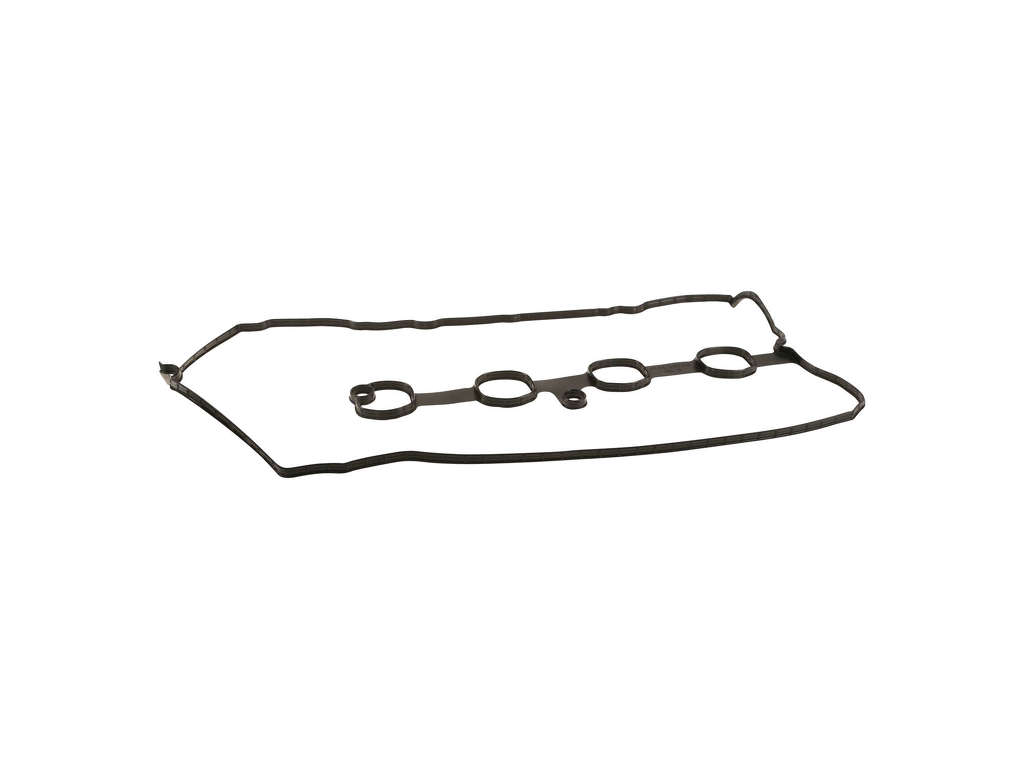
Aftermarket price range: $250-$450 - Valve Cover Gasket
(OEM #PY01-10-235 (verify by VIN))— The valve cover must be removed to access and replace the VVT actuator. The gasket is a one-time use item and must be replaced to prevent oil leaks.
Trusted brands: Mazda OE, Fel-Pro, Mahle
OEM price range: $30-$50
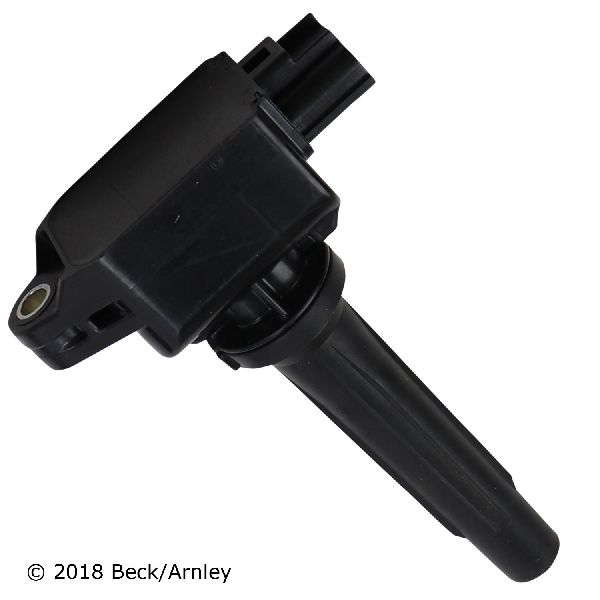
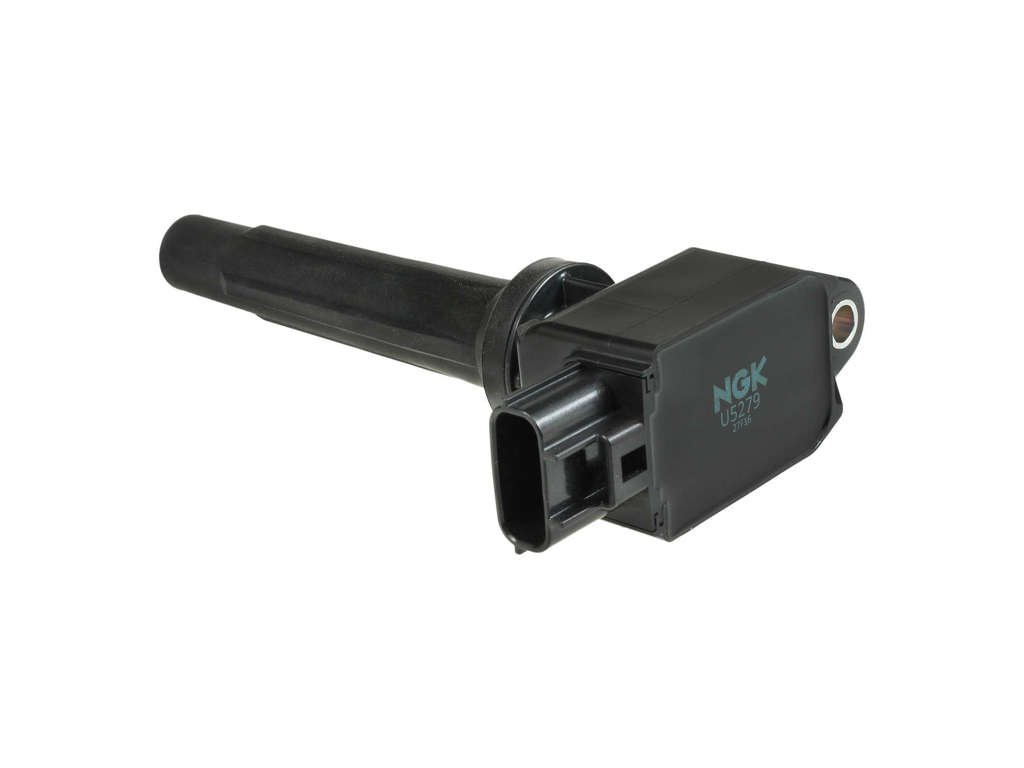
Aftermarket price range: $20-$40 - Ignition Coil
(OEM #PE20-18-100A)— While not a direct cause, the ignition coils must be removed to take off the valve cover. It is a common maintenance opportunity to replace them if they are old or if misfire codes are also present.
Trusted brands: Mazda OE, NGK
OEM price range: $140-$170
Aftermarket price range: $40-$80
Related Codes That Often Appear With This One
- P0011 — Indicates 'Camshaft Position Timing Over-Advanced'. This can occur if the electric actuator fails in an advanced position or if the underlying cause also affects timing performance.
- P0012 — Indicates 'Camshaft Position Timing Over-Retarded'. This can happen if the electric actuator gets stuck or fails to advance the timing as commanded. TSB 01-007/15 specifically addresses this code in relation to a faulty VVT actuator.
Technical Service Bulletins (TSBs) & Recalls
- 01-007/15 - Mentions VVT actuator spring shaft fatigue on 2015 models.
- 01-014/19 - Addresses false P0012 codes on 2018 models via PCM update.
- TSB Bulletin #SA-033-25 - Notes that a malfunction in the intake EVVT motor may prevent accurate regulation of camshaft timing, potentially triggering P0010, P0011, or P0012.
Platform-Specific Known Issues
- Mazda TSB 01-007/15 was issued for some 2015 Mazda 6, 2014 Mazda 3, and 2015 CX-5 models due to 'variable valve timing (VVT) actuator spring shaft fatigue', leading to timing codes P0011 and P0012. This confirms the actuator as a known weak point.
- Mazda TSB 01-014/19 was issued for some 2018 Mazda 6 models to fix a false P0012 code via a PCM software update, highlighting that control logic can be a factor in this system.
Mechanic-Grade Diagnostic Values
- Voltage at Electric VVT Motor/Driver Connector Terminal 2B — expected: B+ (Battery Voltage). Failure: Voltage is not B+. This indicates an issue with the power supply circuit, likely the EVVT relay or fuse.
- Continuity to Ground at Electric VVT Motor/Driver Connector Terminal 2A — expected: Continuity exists.. Failure: No continuity. This indicates an open in the ground circuit for the actuator.
Hidden / Shadow Codes Worth Checking
- P1380:00: Electric Variable Valve Timing Driver Malfunction. This code indicates a problem with the driver/control side of the VVT system. (see via Standard OBD-II scanner. Mazda's diagnostic procedure for P0010 instructs the technician to check for P1380 first and resolve it before proceeding with P0010 diagnosis.)
Scan Tool Commands That Help
- Mazda IDS / FORScan / Professional Scan Tool: Active Test / Bidirectional Control for VVT Actuator — This command allows the technician to manually turn the electric VVT actuator ON and OFF while the engine is idling. A healthy actuator will cause the engine to idle roughly or stall when commanded ON, confirming the motor works. If there is no change in engine operation, the actuator or its circuit is faulty.
Wiring & Ground Locations
- Electric VVT Motor/Driver Connector — On the front of the engine, connected to the electric intake VVT actuator.. This is the primary connection point for the component. Terminals 2B (power) and 2A (ground) are critical test points for voltage and continuity checks.
- EVVT Relay — Located in the main fuse and relay box in the engine compartment.. This relay controls the main power supply to the electric VVT motor. A failure here will cut power and trigger P0010.
- Engine/Transmission Ground Points — Key grounds are typically located on the passenger side motor mount, on the transmission housing, and from the driver's side fender area to the negative battery terminal.. A poor engine ground can cause a variety of electrical issues, including intermittent circuit codes like P0010. Ensuring these are clean and tight is a fundamental step.
Real Owner Repair Stories
- Reddit user in r/MechanicAdvice (2013 Mazda 3 with 2.0L Skyactiv engine) — Car went into limp mode, Check Engine Light on with code P0010.
❌ Tried (didn't work) Initially suspected the actuator itself.
✅ What actually fixed it Found a small slice in the wire insulation very close to the actuator's electrical connector. The assumption was that corrosion had entered the wire, causing a bad signal. This confirms that harness damage near the actuator is a real-world cause.
OEM Part Supersession History
PE02-12-4Z0→PE02-12-4Z0B— Likely an internal revision to improve reliability, possibly related to the spring fatigue issue noted in TSB 01-007/15.
Model Year Variations Within This Range
- 2018-2021: After 2018, some 2.5L Skyactiv-G engines received a cylinder deactivation system. This made the camshaft design more complex and introduced an electronic thermostat. While the VVT phasers themselves remained reliable, these changes add complexity to the overall valvetrain system.
Diagnostic Flowchart
Other Known Issues on This Vehicle
Issues unrelated to this code that are worth knowing about as an owner of this generation:
- Infotainment 'Ghost Touch' 🟠 Medium — Very common on 2016-2018 models. The touchscreen digitizer delaminates, causing phantom inputs. It often worsens in heat. (Ref: No recall, but widely documented. A common DIY fix is to disconnect the touchscreen ribbon cable, forcing reliance on the commander knob.)
- Carbon Buildup on Intake Valves 🟡 Low — A potential long-term issue for all direct-injection (GDI) engines, including SKYACTIV-G. Onset is typically over 80,000-100,000 miles. Mazda's design mitigates it, but it's not immune.
- Prematurely Noisy Wheel Bearings 🟡 Low — Reported by some owners at relatively low mileage (under 100,000 miles).
- Cracked Cylinder Head (2.5T Engine) 🔴 High — A known issue specifically for the turbocharged (2.5T) version of the engine, not the naturally aspirated one discussed for P0010. Can cause coolant leaks. (Ref: Mazda issued a warranty extension for this issue on certain models.)
- Automatic Transmission Whining Noise 🟠 Medium — Some early 2014-2018 models could develop a whining noise due to a damaged bearing inside the transaxle.
Used vs. New Parts: Buying Guide for This Vehicle
When a used part is the smart pick: For this specific repair, buying a used electric VVT actuator is not recommended. It is a known failure point with internal mechanical and electrical components that wear out. There is no reliable way to assess the remaining lifespan of a used unit.
Donor-vehicle mileage cap: roughly under 40000 miles for the part to have meaningful remaining life.
What to inspect on the donor part:
- If buying used is unavoidable, source from the lowest-mileage, latest-model-year donor vehicle possible.
- Inspect the connector for any signs of corrosion, damage, or previous repair.
- Avoid parts from vehicles with signs of engine sludge or poor maintenance.
OEM-only on this vehicle (don't cheap out):
- Electric VVT Actuator: Given its critical role in engine timing and its known failure patterns, using a genuine Mazda OEM part (PE02-12-4Z0B) is strongly recommended for reliability and to avoid repeat repairs.
Brands owners have reported issues with on this vehicle:
- Unbranded or 'white-box' actuators from online marketplaces should be avoided due to uncertain quality control and high failure rates for complex electro-mechanical parts.
Real Owner Stories
Aggregated from forums and TSBs cited above. Mileages and costs reflect what owners reported in those sources.
2013 Mazda 3 2.5L SKYACTIV-G
Symptoms: Owner diagnosed a P0010 code.
What fixed it: Found a sliced wire near the actuator connector and repaired the wiring.
Source hint: Reddit r/MechanicAdvice - 2013 Mazda 3 code P0010
2016 Mazda 6 2.5L SKYACTIV-G
Symptoms: After replacing the intake VVT actuator to address issues, the vehicle threw a new code P2090.
What fixed it: The story highlights that replacing the actuator can sometimes reveal other circuit issues like 'B Camshaft Position Actuator Control Circuit Low'.
Source hint: Reddit r/mazda6 - 2016 Mazda 6 Expensive Noises
2014-2018 Mazda 3 2.5L SKYACTIV-G
Symptoms: A shop replaced the VVT actuator for $1000, but the P0010 code returned shortly after.
What fixed it: The dealer suspected a wiring harness issue, emphasizing the need for electrical continuity testing over part replacement.
Cost: $1000-$1100
Source hint: Reddit r/mazda3 - P0010 Code Fix
Related OBD-II Codes
Frequently Asked Questions
Does Mazda TSB 01-007/15 apply to my 2015 Mazda 6 regarding the P0010 code?
I have a 2018 Mazda 6 with a P0012 code; could this be a software issue instead of a mechanical failure?
Can I test the VVT motor on my SKYACTIV-G 2.5L by simply unplugging it?
Is there a specific fuse I should check for the VVT system on the Mazda 6?
Where is the electric VVT motor located on the 2.5L engine?
Should I buy a used VVT actuator to save money on this repair?
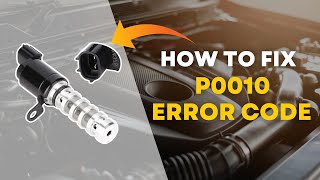
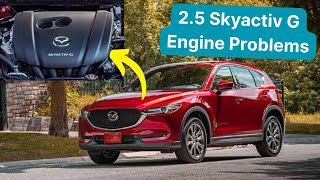
Helpful Videos
We Have This Part in Stock

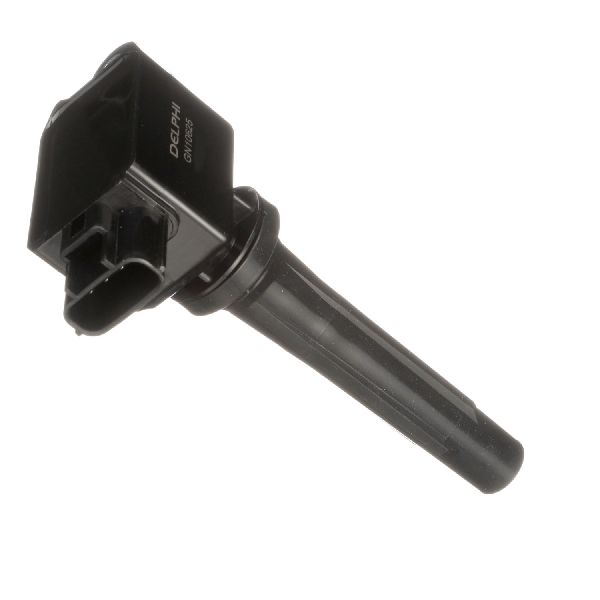
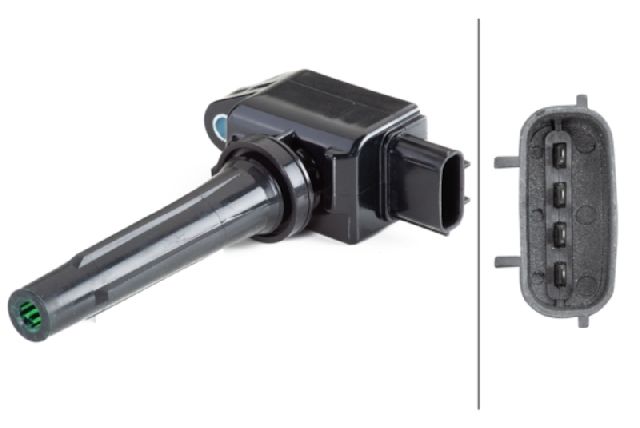

The information in this article is provided for general reference and educational purposes only. Vehicle specifications, procedures, and part compatibility can vary by production date, trim level, and region. Always consult your vehicle's factory service manual and verify part numbers before purchasing or performing repairs. Safety-critical components such as airbags, seat belts, and braking systems should be installed by a qualified professional.
- Mazda 6:
- 🧭 Diagnostic Flowchart
- 🎬 Helpful Videos
- 🛍️ Shop This Part
- What's Unique About the 2014-2021 Mazda 6
- Symptoms You May Notice
- Most Likely Causes
- Rare But Worth Checking
- Diagnosis Steps
- Parts You'll Likely Need
- Related Codes That Often Appear With This One
- Technical Service Bulletins (TSBs) & Recalls
- Platform-Specific Known Issues
- Mechanic-Grade Diagnostic Values
- Hidden / Shadow Codes Worth Checking
- Scan Tool Commands That Help
- Wiring & Ground Locations
- Real Owner Repair Stories
- OEM Part Supersession History
- Model Year Variations Within This Range
- Other Known Issues on This Vehicle
- Used vs. New Parts: Buying Guide for This Vehicle
- Real Owner Stories
- 2013 Mazda 3 2.5L SKYACTIV-G
- 2016 Mazda 6 2.5L SKYACTIV-G
- 2014-2018 Mazda 3 2.5L SKYACTIV-G
- Related OBD-II Codes
- Frequently Asked Questions
- 🎟️ Get 5% Off