

P0010 on 2012-2016 Subaru Impreza: Causes and Fixes for Camshaft Actuator Circuit Fault
On a 2012-2016 Subaru Impreza, code P0010 is most often caused by a faulty passenger-side intake Oil Control Valve (OCV). First, check your oil level and condition, as low or dirty oil is a known issue with the FB20 engine. If the oil is fine, replacing the OCV is the next logical step. Expect to pay around $70-$110 for an OEM part (10921AA231), with the repair being relatively simple for a DIYer, requiring only basic tools.
- P0010 on a 2012-2016 Impreza points to an electrical fault in the passenger-side intake Oil Control Valve (OCV) circuit.
- Before replacing parts, always check your engine oil level and condition, as low or dirty oil is a common cause.
- The most likely fix is replacing the OCV (Part #10921AA231), which is a relatively inexpensive part and accessible for DIY replacement.
- A definitive diagnostic step is to swap the passenger and driver side intake OCVs to see if the fault code follows the part.
- Inspect the wiring harness connected to the OCV for any signs of damage before purchasing a new valve.
What's Unique About the 2012-2016 Subaru Impreza
The FB20B engine in the 2012-2016 Impreza relies heavily on its Dual Active Valve Control System (DAVCS) for efficiency and performance. Code P0010 is a direct electrical fault report for this system. While many vehicles can throw this code, on the FB20B it's very commonly traced back to the specific oil control valve solenoid on the passenger side. Owner experiences frequently point to this part failing internally or the wiring harness near it becoming brittle and breaking, sometimes right at the connector. The FB20 engine is also known for potential oil consumption issues, which can lead to low oil levels or contaminated oil, directly impacting the OCV's function.
Symptoms You May Notice
- Check Engine Light is on
- Rough or unstable idle, especially when cold
- Hesitation or loss of power during acceleration
- Decreased fuel economy, potentially by 20-30% 🎬 Watch: Understanding P0010 causes and symptoms
- Engine may stall when coming to a stop
- Rattling noises from the engine bay in some cases
- Replacing the camshaft position sensor. The P0010 code is for the actuator circuit (the OCV), not the sensor that reads the camshaft's position.
- Replacing the timing chain or phasers without first diagnosing the much more common and cheaper OCV failure.
- Assuming the engine needs major mechanical work before performing the simple OCV swap test between Bank 1 and Bank 2.
Most Likely Causes
- Faulty Bank 1 (Passenger Side) Intake Oil Control Valve (OCV) 🔴 High Probability The OCV solenoid is an electronic component that operates in a high-heat environment and can fail internally over time. Debris or sludge from engine oil can also clog its internal passages and screen, impeding function.
How to confirm: Use a multimeter to test the resistance of the solenoid; it should be between 6.9 to 7.9 ohms at 68°F (20°C). A definitive diagnostic technique is to swap the passenger side (Bank 1) and driver's side (Bank 2) intake OCVs. Clear the codes. If the trouble code changes to P0020 (Bank 2), the OCV is confirmed faulty.
Typical fix: Replace the Bank 1 intake oil control valve. The part is held by a single 10mm bolt. Clean the area before removal to prevent debris from falling into the engine. The bolt should be torqued to approximately 5.5 ft-lbs (7.5 Nm) upon reinstallation.
Est. part cost: $40-$110 - Low or Dirty Engine Oil 🟡 Medium Probability The VVT system is operated by oil pressure. Early FB20 engines are known for excessive oil consumption due to low-tension piston rings, which was the subject of a class-action lawsuit and TSB 02-157-14R. Low oil levels or oil sludge from infrequent changes can starve or clog the OCVs, preventing them from functioning correctly.
How to confirm: Check the engine oil dipstick for low level or a dark, sludgy consistency. This should always be the first step in diagnosis. Subaru's threshold for consumption issues was often cited as more than 1/3 of a quart in 1200 miles.
Typical fix: Perform an engine oil and filter change using the manufacturer-specified 0W-20 synthetic oil. If the OCV screen is clogged, it may need to be cleaned or the valve replaced. Regularly monitor oil levels between changes.
Est. part cost: $40-$80 - Damaged Wiring or Connector ⚪ Low Probability The wiring harness in the engine bay is exposed to heat and vibration, which can cause wires to become brittle and break, often right at the connector for the OCV.
How to confirm: Visually inspect the wiring and two-pin connector going to the Bank 1 intake OCV for any signs of fraying, corrosion, or loose pins. Wiggle the connector with the engine running to see if it affects the idle. Perform a continuity test on the wiring between the OCV connector and the ECM if a visual inspection is inconclusive.
Typical fix: Repair the damaged section of wiring or replace the pigtail connector.
Est. part cost: $15-$30
Rare But Worth Checking
- Stretched Timing Chain or Faulty Cam Sprocket: → Shop Engine Timing Chain While P0010 is an electrical code, a severe mechanical timing issue can sometimes cause the system to operate outside of its expected parameters, potentially leading to related electrical faults. The timing chain components on the FB20 are generally durable but rely on clean oil. Subaru issued a TSB (02-188-21) regarding the service procedure for cam sprockets on these engines, addressing rare situations where the sprocket's lock pin is not engaged.
- Faulty Engine Control Module (ECM): This is extremely rare. The ECM should only be considered as the cause after all other possibilities (OCV, wiring, oil) have been thoroughly ruled out.
Diagnosis Steps
- Verify the code with an OBD-II scanner.
- Check the engine oil level and condition. The FB20 engine is known for oil consumption, so this is a critical first step. If low or dirty, change the oil and filter with 0W-20 synthetic, clear the code, and see if it returns.
- Locate the Bank 1 (passenger side) intake oil control valve. It is on the front of the engine, near the top. Inspect the electrical connector and wiring for any visible damage, corrosion, or looseness.
- If wiring looks good, disconnect the OCV and measure its resistance with a multimeter. A reading between 6.9 and 7.9 ohms is expected. An open circuit (infinite resistance) or short (near-zero resistance) indicates a bad solenoid. 🎬 Watch: How to diagnose and test the valve
- For a definitive diagnosis, swap the Bank 1 (passenger) and Bank 2 (driver) intake OCVs. They are identical parts, each held by one 10mm bolt. Mark the original Bank 1 OCV before swapping.
- Clear the codes and drive the vehicle until the engine is at operating temperature.
- If the code returns as P0020 ('A' Camshaft Position Actuator Circuit / Open Bank 2), the OCV you moved is faulty and needs to be replaced.
- If the P0010 code returns, the problem lies in the wiring or the ECM for the Bank 1 circuit. A wiring continuity test is the next step.
Parts You'll Likely Need
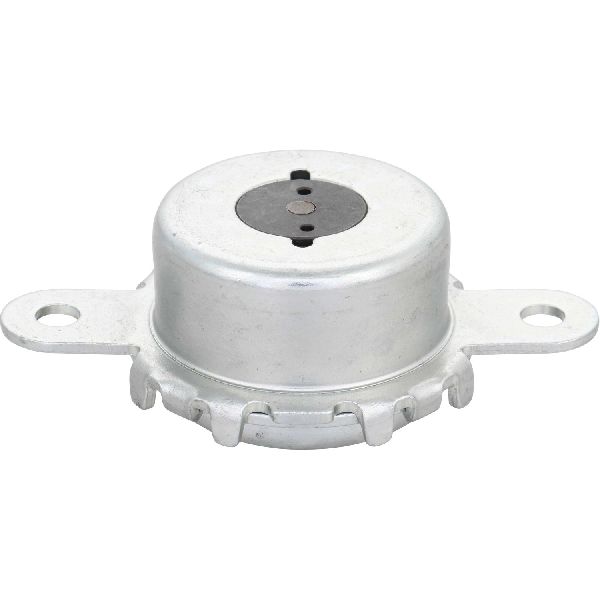
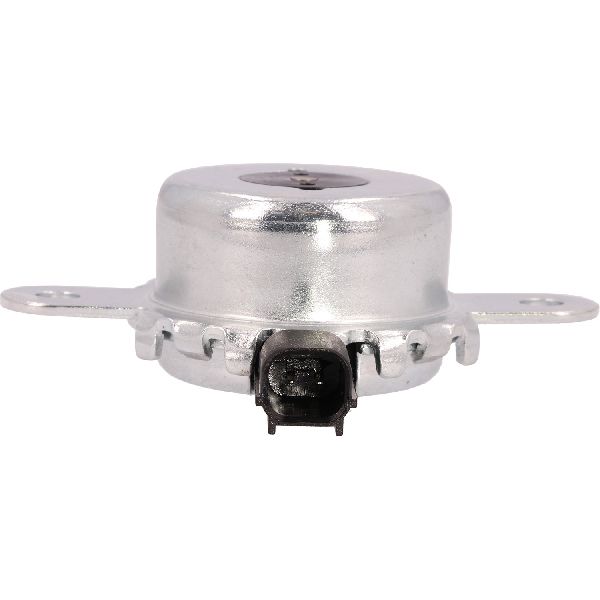
- Engine Variable Valve Timing (VVT) Solenoid / Oil Control Valve
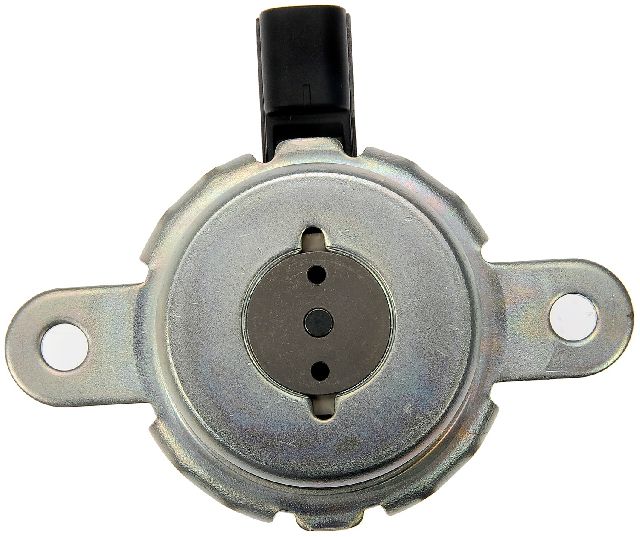
(OEM #10921AA231)— This is the most common component to fail for a P0010 code. The original part number was 10921AA230, and has also superseded 10921AA220. The intake and exhaust solenoids are identical, as are the left and right bank solenoids.
Trusted brands: Subaru (Genuine), Denso (Often the OEM supplier), Dorman, Standard Motor Products (SMP)
OEM price range: $70-$110
Aftermarket price range: $40-$85
Related Codes That Often Appear With This One
- P0011 — 'A' Camshaft Position - Timing Over-Advanced or System Performance (Bank 1). This is a performance code, while P0010 is a circuit code. They can appear together if an electrical fault in the OCV leads to a mechanical timing issue, or if the root cause is oil-related, affecting both electrical response and mechanical performance.
- P0020 — 'A' Camshaft Position Actuator Circuit / Open (Bank 2). This code will appear if you swap a faulty Bank 1 OCV to the Bank 2 (driver's) side for diagnostic purposes, confirming the OCV is the problem.
Technical Service Bulletins (TSBs) & Recalls
- 02-188-21: Details a service procedure for timing chain and cam sprocket replacement, relevant for rare mechanical fault cases.
- 02-157-14R: Addresses excessive oil consumption on early FB engines, which is a key contributing factor to OCV problems. The fix was often a short block replacement.
- Subaru CVT Warranty Extension (Multiple Bulletins): While not directly related to P0010, Subaru extended the CVT warranty to 10 years/100,000 miles for many vehicles in this generation, including the Impreza, due to reliability concerns.
Mechanic-Grade Diagnostic Values
- Oil Control Valve (OCV) Solenoid Resistance — expected: 6.9 to 7.9 Ω at 20°C (68°F). Failure: A reading of infinite resistance (open circuit) or near-zero resistance (short circuit).
- OCV Harness Connector to ECM Continuity (Positive Wire) — expected: Below 1 Ω. Failure: A reading significantly higher than 1 Ω indicates excessive resistance in the wire.
- OCV Harness Connector to ECM Continuity (Negative Wire) — expected: Below 1 Ω. Failure: A reading significantly higher than 1 Ω indicates excessive resistance in the wire.
- OCV Harness Connector to Body Ground Resistance — expected: 10 kΩ or higher. Failure: A low resistance reading indicates a short to ground in the harness.
Scan Tool Commands That Help
- Subaru Select Monitor (SSM) or equivalent professional scan tool: Active Test: 'VVT CTRL B1' — This command allows the technician to directly command the Bank 1 intake OCV to operate. While monitoring engine RPM, activating the solenoid should cause a noticeable change in idle quality (rough idle or stall). If the command is sent but the engine RPM does not change, it points to a faulty OCV, a clogged oil passage, or a wiring issue preventing the signal from reaching the valve.
- Subaru Select Monitor (SSM) or equivalent professional scan tool: Live Data: 'Intake VVT Advance Angle (Bank 1)' and 'Target VVT Advance Angle (Bank 1)' — This allows monitoring of the ECM's commanded camshaft angle versus the actual angle reported by the camshaft position sensor. For a P0010 circuit code, you may see the target angle change but the actual angle remain at 0 degrees, indicating the OCV is not physically responding to the ECM's electrical command.
Wiring & Ground Locations
- B17 (OCV Connector) to B30 (ECM Connector) — The OCV connector (B17) is on the front of the passenger side cylinder head. The ECM (B30) is typically located in the passenger footwell area.. These are the endpoints for testing the circuit. Pin B17-1 (OC1+) connects to ECM pin B30-100 (OC1+). Pin B17-2 (OC1-) connects to ECM pin B30-123 (OC1-). Testing continuity and for shorts between these specific pins and to ground is the definitive way to diagnose a wiring fault.
OEM Part Supersession History
10921AA220→10921AA230, then 10921AA231— Standard part revision and improvement over time. The latest part number, 10921AA231, is the current replacement for all previous versions.
Heads up: All parts are interchangeable. The intake, exhaust, left, and right bank OCVs are the same part for this engine.
Model Year Variations Within This Range
- 2012-2016: No significant variations related to the P0010 fault have been documented within this specific model year range. The FB20B engine and its Dual AVCS system remained consistent. A major change occurred in 2017 with the introduction of the direct-injected FB20D engine.
Diagnostic Flowchart
Other Known Issues on This Vehicle
Issues unrelated to this code that are worth knowing about as an owner of this generation:
- Excessive Oil Consumption 🔴 High — Very common in early FB20 engines (approx. 2012-2014). Caused by low-tension piston rings. Consumption can start around 60k-100k miles and worsen. (Ref: TSB 02-157-14R; led to a class-action lawsuit and an extended warranty (8yr/100k miles) for affected vehicles, often resulting in short block replacement.)
- CVT Transmission Issues 🟠 Medium — Issues like shuddering, hesitation, or outright failure were common enough that Subaru extended the powertrain warranty. (Ref: CVT Warranty Extension Program extended coverage to 10 years / 100,000 miles for many models, including the 2012-2015 Impreza.)
- Engine Valve Spring Fracture 🔴 High — Affected a range of 2012-2014 models. A fractured spring could lead to engine malfunction or stalling. (Ref: NHTSA Recall 18V-727 (Subaru campaign WTY-84). This was a major safety recall to replace the valve springs.)
- Premature Wheel Bearing Failure 🟡 Low — Front and rear wheel bearings can fail earlier than expected, sometimes as early as 30-40k miles, causing a growling or humming noise that changes with speed.
- Brake Light Switch Malfunction 🟠 Medium — A faulty switch could prevent brake lights from illuminating, and on CVT models, prevent the vehicle from being shifted out of Park. (Ref: NHTSA Recall 19V-149. Affected a wide range of Subaru models including the 2012-2016 Impreza.)
Used vs. New Parts: Buying Guide for This Vehicle
When a used part is the smart pick: A used Oil Control Valve (OCV) is generally not recommended for this repair. The part is a common failure item, and the cost of a new, reliable aftermarket part is low enough that the risk and labor of installing a used part with unknown history is not justified.
Donor-vehicle mileage cap: roughly under 50000 miles for the part to have meaningful remaining life.
What to inspect on the donor part:
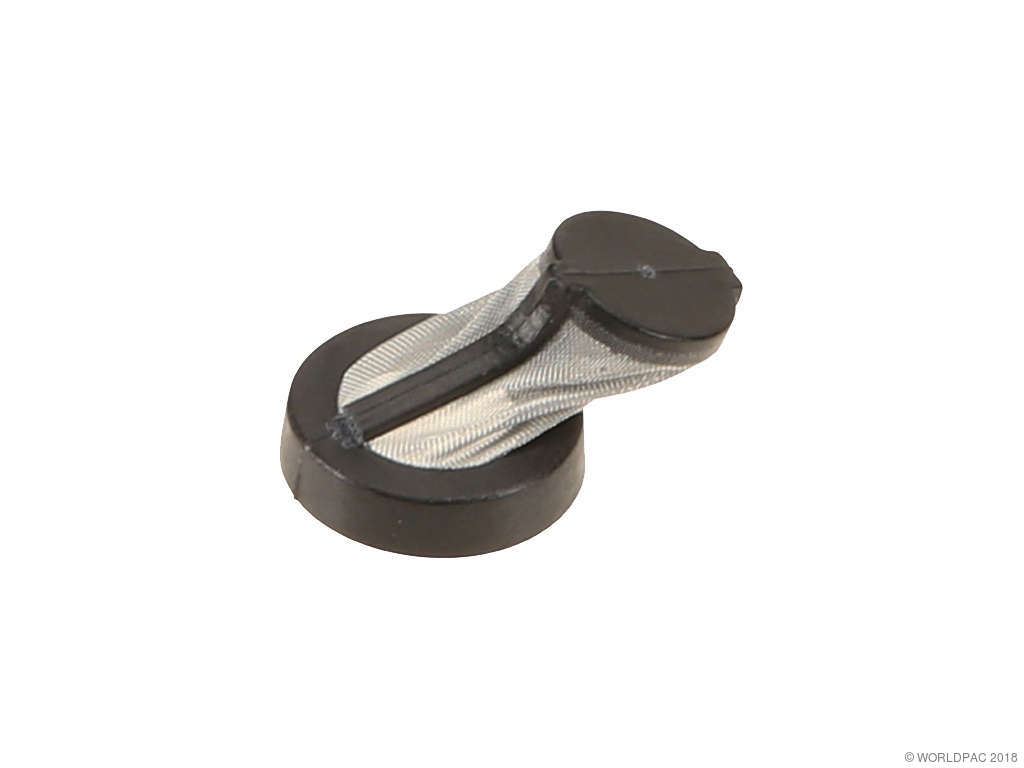
- If buying used is unavoidable, inspect the screen at the end of the solenoid for any tears or heavy sludge.
- Test the resistance with a multimeter before purchase; it must be within the 6.9-7.9 ohm range.
- Avoid parts from engines that show signs of heavy oil sludge or poor maintenance.
OEM-only on this vehicle (don't cheap out):
- While not strictly 'OEM-only', using a Genuine Subaru or OEM-supplier (Denso) part is highly recommended for reliability and to avoid repeat failures.
Aftermarket brands forum-validated for this vehicle:
- Denso (often the original equipment manufacturer for Subaru)
- Standard Motor Products (SMP) (generally well-regarded in forums)
Brands owners have reported issues with on this vehicle:
- Unbranded or generic 'white-box' parts from online marketplaces have a higher reported failure rate. While Dorman is a common brand, some forum users express a preference for Denso or SMP for this specific part.
Real Owner Stories
Aggregated from forums and TSBs cited above. Mileages and costs reflect what owners reported in those sources.
2017 Subaru Legacy 2.5L (FB25B)
Symptoms: P0010 code triggered; owner investigated the Bank 1 (RH passenger side) circuit.
What fixed it: Repaired a broken wire that was found pinched near the OCV connector.
Source hint: r/subaru - "2017 legacy 2.5sport P0010 code"
2012+ Subaru Impreza 2.0L (FB20) — ~80000 miles
Symptoms: Significant oil consumption, eating as much as 3 quarts in 6 weeks.
What fixed it: This issue often required a short block replacement under TSB 02-157-14R due to low-tension piston rings.
Source hint: r/subaru - "Just how much oil does the FB20 eat?"
Related OBD-II Codes
Frequently Asked Questions
Does TSB 02-157-14R regarding oil consumption apply to my 2012-2016 Impreza's P0010 code?
Can I swap parts between banks to diagnose this on my FB20B engine?
Is there a specific resistance I should look for when testing the OCV solenoid?
Are there any recalls for the 2012-2016 Impreza that might cause engine stalling similar to P0010 symptoms?
What is the correct torque spec for the OCV bolt on the FB20 engine?
Does the CVT warranty extension cover P0010 repairs?
Helpful Videos

We Have This Part in Stock


The information in this article is provided for general reference and educational purposes only. Vehicle specifications, procedures, and part compatibility can vary by production date, trim level, and region. Always consult your vehicle's factory service manual and verify part numbers before purchasing or performing repairs. Safety-critical components such as airbags, seat belts, and braking systems should be installed by a qualified professional.
- Subaru Impreza:
- 🧭 Diagnostic Flowchart
- 🎬 Helpful Videos
- 🛍️ Shop This Part
- What's Unique About the 2012-2016 Subaru Impreza
- Symptoms You May Notice
- Most Likely Causes
- Rare But Worth Checking
- Diagnosis Steps
- Parts You'll Likely Need
- Related Codes That Often Appear With This One
- Technical Service Bulletins (TSBs) & Recalls
- Mechanic-Grade Diagnostic Values
- Scan Tool Commands That Help
- Wiring & Ground Locations
- OEM Part Supersession History
- Model Year Variations Within This Range
- Other Known Issues on This Vehicle
- Used vs. New Parts: Buying Guide for This Vehicle
- Real Owner Stories
- 2017 Subaru Legacy 2.5L (FB25B)
- 2012+ Subaru Impreza 2.0L (FB20) — ~80000 miles
- Related OBD-II Codes
- Frequently Asked Questions
- 🎟️ Get 5% Off