

P0010 on 2010-2017 Toyota Camry 2.5L: VVT Solenoid Circuit Causes and Fixes
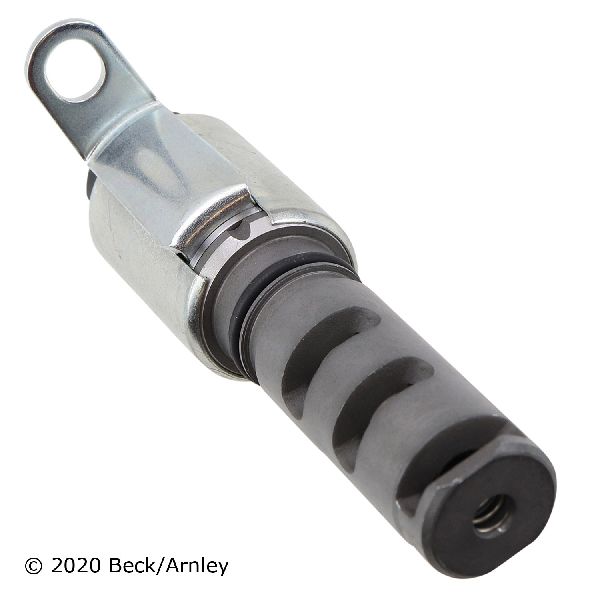
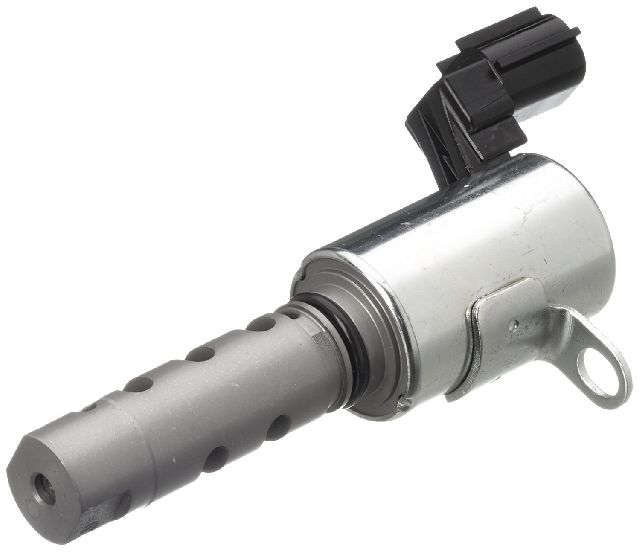
On a 2010-2017 Camry with the 2.5L 2AR-FE engine, P0010 is almost always caused by a faulty intake Variable Valve Timing (VVT) solenoid, also known as an Oil Control Valve (OCV). It's a simple DIY fix located on the driver's side of the valve cover, secured by one 10mm bolt. The part costs between $30 for an aftermarket version and $110 for an OEM part (part no. 15330-0T010 or the superseded 15330-0T030).
- P0010 is an electrical circuit code for the intake VVT solenoid, not a mechanical timing failure.
- Before buying parts, check your oil level and condition, as low or dirty oil is a common and cheap fix.
- The most likely culprit is the intake Oil Control Valve (OCV) itself, which is an easy and affordable DIY replacement on the 2AR-FE engine.
- Confirm the solenoid is bad by testing its resistance with a multimeter; it should be between 6.9 and 7.9 ohms.
What's Unique About the 2010-2017 Toyota Camry
For the 2AR-FE engine in this generation of Camry, the P0010 code is a very common and straightforward issue. Unlike some platforms where this code could signal deeper mechanical problems, on this Toyota it almost always points directly to the easily accessible intake VVT solenoid (OCV). While some older Toyota engines (like the 2AZ-FE) were known for oil consumption issues that could trigger VVT codes from low oil levels, the 2AR-FE is generally more robust in this regard. However, neglecting oil changes can still lead to sludge that clogs the solenoid's filter screen, causing this code.
Generation note: This range covers the end of the XV40 generation (2010-2011) and the full XV50 generation (2012-2017). Since both use the same 2AR-FE 2.5L engine, the causes, diagnostic steps, and fixes for code P0010 are identical across this entire year span.
Symptoms You May Notice
- Check Engine Light illuminated
- Rough engine idle
- Hesitation or lack of power during acceleration
- Decreased fuel economy
- Engine may be difficult to start
- Engine stalling
- Replacing the Camshaft Position Sensor: This sensor reads the camshaft's position, but P0010 is a circuit code for the actuator (the VVT solenoid/OCV) that controls the position. They are different parts.
- Replacing the Timing Chain: P0010 is an electrical circuit code. While a stretched chain can cause performance-related VVT codes (like P0011 or P0016), it does not cause a circuit fault code.
Most Likely Causes
- Faulty Intake Oil Control Valve (VVT Solenoid) 🔴 High Probability The OCV is an electro-mechanical part that actuates continuously during engine operation. Over time, the internal solenoid coil can fail due to heat and vibration, causing an open or short circuit which is the most common failure mode for P0010.
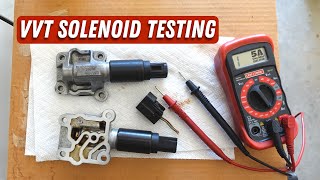
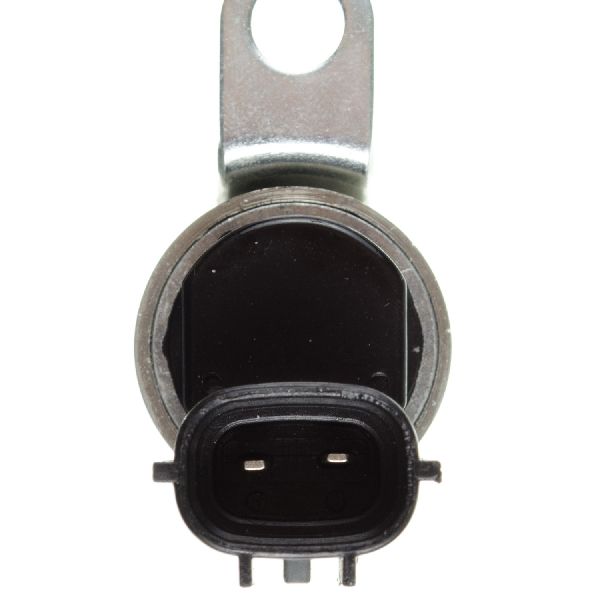
How to confirm: Disconnect the OCV connector and measure the resistance between its two terminals with a multimeter. A healthy solenoid should read between 6.9 and 7.9 ohms at 68°F (20°C). 🎬 Watch: A step-by-step guide to testing VVT solenoid resistance. An infinite reading (OL) means an open circuit, and a reading near zero means a short circuit. You can also briefly apply 12V power to the terminals; a healthy valve will make an audible click, and you should see the internal plunger move.
Typical fix: Replace the intake Oil Control Valve. It is located on the top of the valve cover on the driver's side (closer to the front/radiator) and secured by a single 10mm bolt. Torque the new bolt to 7 ft-lbs. 🎬 Watch this video for a complete VVT solenoid replacement walkthrough.
Est. part cost: $30-$110 - Low or Dirty Engine Oil 🟡 Medium Probability The VVT system relies on clean oil and proper oil pressure to function. Extended oil change intervals can lead to sludge buildup, which clogs the tiny filter screen on the OCV, impeding its movement and causing the ECM to detect a fault. The 2AR-FE is sensitive to oil quality for proper VVT operation.
How to confirm: Check the engine oil dipstick. If the oil level is low or the oil appears very dark, thick, or sludgy, this is a likely contributor. An oil change is the first and cheapest diagnostic step.
Typical fix: Perform an engine oil and filter change using the manufacturer-specified oil weight (0W-20). In severe cases of sludge, the OCV may still need to be removed and cleaned or replaced.
Est. part cost: $40-$80 - Damaged Wiring or Connector ⚪ Low Probability The OCV connector is on top of the engine and exposed to heat and vibration, which can make the wiring brittle over time. A wire can break at the connector, causing an open circuit.
How to confirm: Visually inspect the wiring harness and connector leading to the intake OCV. Look for any frayed or broken wires, corrosion in the connector pins, or a loose connection. Check for continuity from the ECM connector to the OCV connector.
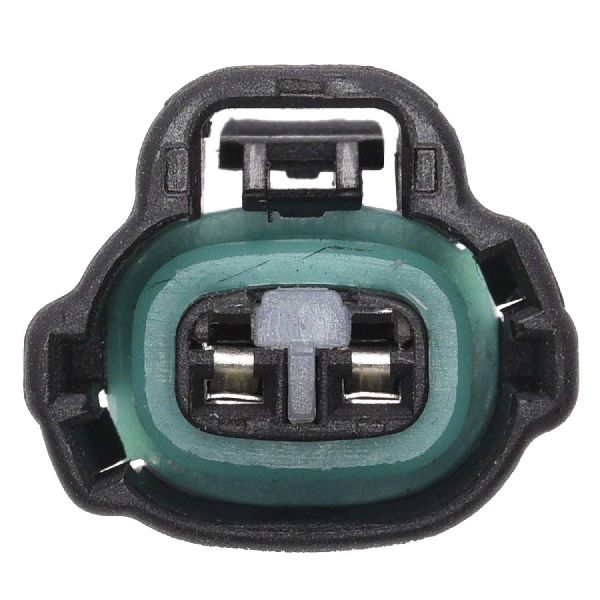
Typical fix: Repair the broken wire, often by soldering or using a quality butt connector. If the connector itself is damaged, it may need to be replaced with a pigtail connector (e.g., Dorman 645-931).
Est. part cost: $10-$30
Rare But Worth Checking
- Faulty Engine Control Module (ECM): This is extremely rare. The ECM's internal driver for the OCV circuit can fail, but all other potential causes should be exhaustively ruled out before considering ECM replacement.
- Failed VVT Cam Gear (Phaser): While P0010 is an electrical code, a mechanically failed VVT gear can sometimes cause erratic behavior that might be misinterpreted by the ECM. This is more commonly associated with codes like P0011, P0012, or P0016 and often accompanied by a distinct engine rattle on cold startups. TSB T-SB-0041-13 addresses this rattle issue.
Diagnosis Steps
- Read the trouble codes with an OBD-II scanner to confirm P0010 is present.
- Check the engine oil level and condition. If low, top it off. If dirty or sludgy, perform an oil and filter change. Clear the code and see if it returns. This is the cheapest first step.
- Locate the intake VVT solenoid (OCV) on the top of the valve cover. On the 2AR-FE, it is on the driver's side, closer to the front of the vehicle (radiator side). The exhaust OCV is next to it, closer to the firewall.
- Visually inspect the electrical connector and wiring going to the solenoid for any signs of damage, corrosion, or loose connections.
- Disconnect the connector and use a multimeter set to Ohms (Ω) to test the resistance across the two pins on the solenoid. The reading should be between 6.9 and 7.9 ohms. If it's OL (open) or near 0 (short), the solenoid is bad and needs replacement.
- If resistance is good, test for a broken wire. Check for continuity between the ECM connector (terminals OC1+ and OC1-) and the OCV connector.
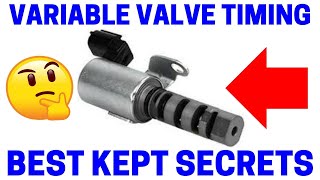
- If tools are available, use a scan tool with bidirectional control to command the solenoid on and off. You should hear a click and see a change in engine idle. Alternatively, you can remove the solenoid and carefully apply 12V power to its terminals to visually confirm the plunger actuates. 🎬 See three easy ways to test if your solenoid is working.
- If the solenoid fails the resistance test or the active test, replace it. It is held by a single 10mm bolt.
Parts You'll Likely Need
- Engine Variable Valve Timing (VVT) Solenoid / Oil Control Valve (Intake)
(OEM #15330-0T010, 15330-0T030, 15330-37010)— This is the component whose electrical circuit is being monitored by the P0010 code. Internal failure of its coil is the most common cause. Part number 15330-0T010 was superseded by 15330-0T030. 15330-37010 is also listed as a replacement. Many owners choose to replace both the intake and exhaust solenoids at the same time as preventative maintenance.
Trusted brands: Toyota (OEM), Aisin, Denso, Dorman, NGK/NTK
OEM price range: $90-$150
Aftermarket price range: $30-$90 - Engine Variable Valve Timing (VVT) Solenoid / Oil Control Valve (Exhaust)
(OEM #15340-0T010, 15340-37010)— While not the cause of P0010, it is common practice to replace both solenoids at the same time since they are the same age and located next to each other. The corresponding code for a faulty exhaust solenoid circuit is P0013.
Trusted brands: Toyota (OEM), Aisin, Denso, Dorman
OEM price range: $90-$150
Aftermarket price range: $30-$90
Related Codes That Often Appear With This One
- P0011 — P0011 means 'Intake 'A' Camshaft Position Timing - Over-Advanced'. If the OCV is stuck or malfunctioning, it can cause both the electrical circuit code (P0010) and the mechanical performance code (P0011) to appear.
Platform-Specific Known Issues
- While not directly applicable to the 2AR-FE engine, owners sometimes confuse this issue with the oil consumption problems of the older 2AZ-FE engine (found in 2007-2009 Camrys) covered by TSB T-SB-0094-11. Low oil from any cause can trigger VVT codes, so it's important to differentiate between an engine that burns oil and a simple failed solenoid.
Mechanic-Grade Diagnostic Values
- VVT Solenoid (OCV) Coil Resistance — expected: 6.9 to 7.9 Ω at 20°C (68°F). Failure: Reading is near zero (short) or infinite/OL (open).
- Continuity from OCV Connector to ECM Connector — expected: Below 1 Ω. Failure: Infinite resistance (OL) indicates an open wire.
- OCV Circuit Short to Ground — expected: 10 kΩ or higher. Failure: A low resistance reading indicates a short to ground in the harness.
- Active Test Result — expected: Engine idles roughly or stalls when OCV is commanded ON.. Failure: No change in engine idle indicates a clogged solenoid, oil passage issue, or failed solenoid.
Hidden / Shadow Codes Worth Checking
- Mode $06, VVT Monitor: This is not a trouble code, but a diagnostic monitor. It allows a technician to view the raw test data the ECU uses to determine if the VVT system is functioning correctly. By examining the test value against the minimum and maximum limits, a technician can see if the system is marginal and close to failing, even if a Check Engine Light is not yet on. (see via A professional scan tool like Toyota Techstream or an advanced generic scanner with Mode $06 capabilities. The VVT monitor may be listed under an identifier like OBDMID $21, $22, etc., with specific Test IDs (TIDs) for different parameters.)
Scan Tool Commands That Help
- Toyota Techstream: Active Test: 'Control the VVT System (Bank 1)' or 'VVT CTRL B1' — Use this command when the engine is idling to manually activate the intake VVT solenoid. A successful test, indicated by a rough idle or stall, confirms the solenoid is mechanically actuating, the wiring is functional, and the oil passages are not blocked.
Wiring & Ground Locations
- B17 — The electrical connector for the intake camshaft timing oil control valve (VVT solenoid) itself, on the driver's side of the valve cover.. This is the primary connection point to test the solenoid's resistance and where wiring damage from heat and vibration is most likely to occur.
- B30 (Pins 100 & 123) — This is one of the main ECM connectors, located in the engine bay.. Pin 100 (OC1+) and Pin 123 (OC1-) are the specific terminals on the ECM that control the intake VVT solenoid. Continuity must be checked between these pins and the corresponding pins at the B17 connector to rule out a wiring harness break.
- E01, E03 — Main engine ground points, typically bolted to the cylinder head or engine block near the ECM.. While P0010 is a specific circuit fault, a poor main ground for the ECM can cause a wide range of erratic electrical issues, including faults in sensor and actuator circuits. Ensuring these grounds are clean and tight is a fundamental step in any electrical diagnosis.
Real Owner Repair Stories
- YouTube video by 'Mukhtar Auto Technical' (Toyota vehicle with P0010 (specific model not stated but diagnosis is identical)) — Check Engine Light with code P0010, poor acceleration.
❌ Tried (didn't work) The mechanic first suspected the VVT solenoid (sensor) itself but inspected the wiring before replacing it.
✅ What actually fixed it A broken wire was found directly at the VVT solenoid's electrical connector. The wire was repaired by soldering, which resolved the P0010 code without needing to replace the solenoid.
When the Usual Fixes Don't Work
- While the VVT solenoid is the most frequent cause of P0010, it should not be replaced without first performing basic checks. A real-world repair case showed the final fix was a simple broken wire at the solenoid connector, which was diagnosed by visual inspection after the initial thought was a bad solenoid. This highlights the importance of checking the connector and nearby harness for brittleness or breaks before spending money on parts.
OEM Part Supersession History
15330-0T010→15330-37010, 15330-0T030— Standard part revision and consolidation by the manufacturer.
Heads up: No incompatibility is noted. The newer part numbers are direct replacements for the original. 15330-0T030 and 15330-37010 are often listed as equivalent replacements for this application.
Diagnostic Flowchart
Other Known Issues on This Vehicle
Issues unrelated to this code that are worth knowing about as an owner of this generation:
- Torque Converter Shudder 🟠 Medium — Common on 2012-2014 models between 25-50 mph, typically after 80,000 miles. (Ref: T-SB-0312-17 (supersedes T-SB-0034-14). Recommends ECM update and potential torque converter replacement.)
- Melting / Sticky Dashboard 🟡 Low — Widespread on 2007-2011 models in high heat/humidity climates. (Ref: Toyota Warranty Enhancement Program ZE6 extended coverage for replacement, but the primary coverage period ended May 31, 2017.)
- VVT-i Cam Gear Rattle on Cold Start 🟠 Medium — Affects some 2010-2012 models, presenting as a brief rattle for ~1 second after a cold soak. (Ref: T-SB-0041-13 (and T-SB-0012-11 for earlier models) advises replacing the intake camshaft gear assembly.)
- Failing Water Pump 🟠 Medium — Can fail on the 2AR-FE engine, often identified by a grinding or whining noise that disappears when the drive belt is removed.
Used vs. New Parts: Buying Guide for This Vehicle
When a used part is the smart pick: For this repair, a new part is strongly recommended due to the low cost of reliable aftermarket options and the electro-mechanical nature of the part. A used OEM solenoid from a very low-mileage donor vehicle (<60,000 miles) is a possibility for extreme budget constraints, but its remaining lifespan is unknown.
Donor-vehicle mileage cap: roughly under 60000 miles for the part to have meaningful remaining life.
What to inspect on the donor part:
- Ensure the donor vehicle was not in a severe front-end collision.
- Inspect the solenoid's mesh filter screen; it should be free of thick, black sludge.
- Check the plastic connector housing for any cracks or brittleness.
OEM-only on this vehicle (don't cheap out):
- Engine Control Module (ECM)
Aftermarket brands forum-validated for this vehicle:
- Aisin (often the OEM manufacturer)
- Denso (OEM manufacturer)
- NTK / NGK
Brands owners have reported issues with on this vehicle:
- Unbranded, cheapest-available solenoids from online marketplaces are a gamble on quality and longevity.
Real Owner Stories
Aggregated from forums and TSBs cited above. Mileages and costs reflect what owners reported in those sources.
2011 Toyota Camry 2.5L
Symptoms: Owner reported a P0010 code and used forum resources to locate the intake VVT solenoid on the driver's side of the engine.
What fixed it: Replacing the intake VVT solenoid (Oil Control Valve).
Source hint: https://www.toyotanation.com/threads/p0010-code-on-2011-camry-2-5l.1684929/
Toyota Camry 2.5L
Symptoms: The owner attempted an oil change to resolve the P0010 code, but the light remained on.
What fixed it: Replacing the intake Oil Control Valve (OCV) after the oil change failed to fix the issue.
Source hint: https://www.camryforums.com/forum/engine-internal-problems-18/help-p0010-89115/
2012 Toyota Camry 2.5L
Symptoms: The vehicle triggered both P0010 and P0011 codes simultaneously.
What fixed it: The community identified a stuck OCV as the cause for both the electrical (P0010) and mechanical (P0011) timing codes.
Source hint: https://www.reddit.com/r/Camry/comments/xlg2y1/2012_camry_p0010_p0011/
Related OBD-II Codes
Frequently Asked Questions
Does the TSB for oil consumption on the older 2AZ-FE engine apply to my 2010-2017 Camry 2.5L?
I hear a brief rattle for about a second when I start my 2011 Camry cold; is this related to P0010?
Where is the intake Oil Control Valve located on my 2AR-FE engine?
What should the resistance be for a healthy VVT solenoid on a 2.5L Camry?
Can I use any oil weight to clear the VVT-related hesitation symptoms?
Is there a specific connector part number if my OCV wiring is damaged?
Helpful Videos

We Have This Part in Stock


The information in this article is provided for general reference and educational purposes only. Vehicle specifications, procedures, and part compatibility can vary by production date, trim level, and region. Always consult your vehicle's factory service manual and verify part numbers before purchasing or performing repairs. Safety-critical components such as airbags, seat belts, and braking systems should be installed by a qualified professional.
- Toyota Camry:
- 🧭 Diagnostic Flowchart
- 🎬 Helpful Videos
- 🛍️ Shop This Part
- What's Unique About the 2010-2017 Toyota Camry
- Symptoms You May Notice
- Most Likely Causes
- Rare But Worth Checking
- Diagnosis Steps
- Parts You'll Likely Need
- Related Codes That Often Appear With This One
- Platform-Specific Known Issues
- Mechanic-Grade Diagnostic Values
- Hidden / Shadow Codes Worth Checking
- Scan Tool Commands That Help
- Wiring & Ground Locations
- Real Owner Repair Stories
- When the Usual Fixes Don't Work
- OEM Part Supersession History
- Other Known Issues on This Vehicle
- Used vs. New Parts: Buying Guide for This Vehicle
- Real Owner Stories
- 2011 Toyota Camry 2.5L
- Toyota Camry 2.5L
- 2012 Toyota Camry 2.5L
- Related OBD-II Codes
- Frequently Asked Questions
- 🎟️ Get 5% Off