

P0010 on 2008-2013 Toyota Highlander 3.5L: Camshaft Actuator Circuit Causes and Fixes
P0010 indicates an electrical fault with the Bank 1 intake Oil Control Valve (OCV), also called a VVT solenoid. On the Highlander's 2GR-FE engine, Bank 1 is the rear cylinder head against the firewall, making access difficult. The most likely cause is a failed OCV. Expect to pay a professional $450-$650 for the repair due to the labor involved in removing the intake manifold.
- P0010 is an electrical circuit code for the Bank 1 (rear) intake VVT solenoid.
- The most likely cause is a failed solenoid, but always check oil level and condition first.
- This is not a simple DIY repair. The location of Bank 1 under the intake manifold makes professional service highly recommended.
- When the job is performed, it is critical to also replace the intake manifold gaskets to prevent future vacuum leaks.
- Do not confuse the VVT solenoid (actuator) with the camshaft position sensor; they are different parts.
What's Unique About the 2008-2013 Toyota Highlander
The key challenge with code P0010 on the 2GR-FE V6 engine is the location of Bank 1. In the Highlander's transverse engine layout, Bank 1 is the cylinder head positioned against the firewall, making its components, including the intake OCV, very difficult to access. Unlike Bank 2 (front of the engine bay), which is easily accessible, replacing the Bank 1 OCV requires removing the entire upper intake manifold and surge tank. This turns a simple part replacement into a much more labor-intensive job, significantly increasing repair costs and DIY difficulty.
Symptoms You May Notice
- Check Engine Light is on
- Rough or unstable idle
- Poor acceleration and loss of power
- Decreased fuel economy
- Engine may stall at low speeds
- Rattling noise from the engine bay
- Replacing the Camshaft Position Sensor. P0010 is a circuit code for the Oil Control Valve (actuator), not the sensor that reads the camshaft's position. These are two different parts.
Most Likely Causes
- Failed Bank 1 Intake Oil Control Valve (OCV/VVT Solenoid) 🔴 High Probability The OCV is an electro-mechanical part that operates constantly under heat and stress, leading to eventual electrical failure of its internal coil. It is the most common failure point for a P0010 code. 🎬 Watch: A quick overview of diagnosing P0010 on a Highlander.
How to confirm: After accessing the valve, test its resistance with a multimeter (should be 6.9-7.9 ohms at 68°F/20°C). Alternatively, apply 12V power to see if the internal plunger clicks. The most definitive test is to swap it with the Bank 2 intake OCV; if the code changes to P0020 (the equivalent code for Bank 2), the OCV is bad.
Typical fix: Replace the Bank 1 intake Oil Control Valve. This requires removing the upper intake manifold for access. 🎬 See this walkthrough on how to remove the intake manifold.
Est. part cost: $60-$180 - Damaged Wiring or Connector 🟡 Medium Probability The wiring harness is exposed to engine heat and vibration, which can cause wires to become brittle, frayed, or for the connector to become loose or corroded. In some cases, the connector may simply not be plugged in securely.
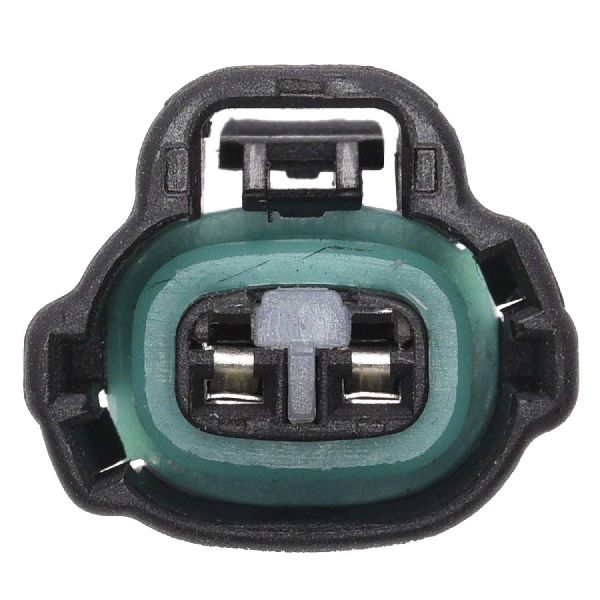
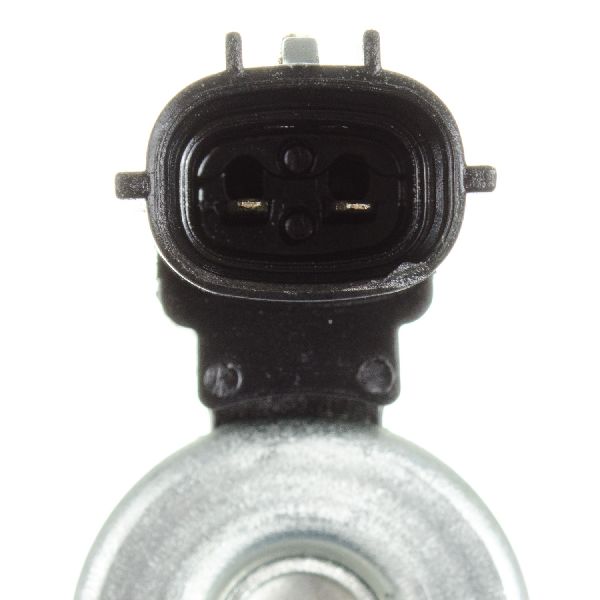
How to confirm: Visually inspect the OCV connector and its wiring for any signs of damage, melting, or corrosion. Check for a secure connection. Use a multimeter to check for voltage and continuity at the connector with the engine running.
Typical fix: Repair the damaged wiring or replace the connector pigtail.
Est. part cost: $15-$40 - Low or Dirty Engine Oil ⚪ Low Probability The VVT system is entirely dependent on oil pressure and cleanliness. Sludge or low oil levels can clog the small passages in the OCV or the OCV filter, straining the solenoid and potentially causing an electrical fault code to set.
How to confirm: Check the oil level on the dipstick and inspect its condition. If the oil is very dark, gritty, or below the 'add' line, this could be the root cause.
Typical fix: Perform an engine oil and filter change with the manufacturer-recommended grade (0W-20 or 5W-20).
Est. part cost: $50-$90
Rare But Worth Checking
- Clogged OCV Filter Screen: There is a small, thimble-like filter screen (part #15678-31020) that protects the OCV from debris. If this screen gets clogged with sludge, it can starve the OCV for oil, causing operational issues that may be misdiagnosed as a primary electrical fault. It's wise to replace this inexpensive filter anytime the OCV is serviced.
- Failed Engine Control Module (ECM): While extremely rare, the ECM's internal driver circuit for the OCV can fail. This should only be considered after all other possibilities (valve, wiring, oil) have been exhaustively ruled out.
Diagnosis Steps
- Check Engine Oil: Verify the oil level is correct and the oil is clean. If low or dirty, perform an oil change first, clear the codes, and see if the problem returns.
- Inspect Wiring: Since accessing the Bank 1 OCV is difficult, start by inspecting the more accessible portions of the engine wiring harness for any obvious signs of damage.
- Gain Access: To proceed, you must remove the upper intake manifold and surge tank to access the Bank 1 (rear) cylinder head.
- Inspect Connector: Once accessed, check the OCV connector for a secure fit, corrosion, or damaged pins.
- Swap Test (Recommended): Swap the Bank 1 intake OCV with the Bank 2 (front) intake OCV. Reassemble, clear codes, and run the engine. If the code changes to P0020 (the code for Bank 2), the OCV is definitively bad and needs to be replaced.
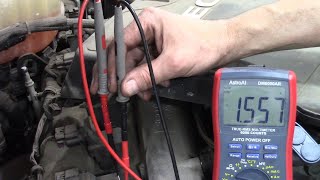
- Resistance Test: If you don't perform a swap test, use a multimeter to measure the resistance across the two pins of the suspect OCV. 🎬 Watch: How to test the solenoid and wiring for P0010. It should be between 6.9 and 7.9 ohms at 20°C (68°F). If it's open (infinite resistance) or shorted (zero resistance), it has failed.
- Check for Voltage: With the engine running, carefully check for a pulsed voltage signal at the OCV connector harness. A lack of voltage could indicate a wiring problem or a faulty ECM.
Parts You'll Likely Need
- Engine Variable Valve Timing (VVT) Solenoid / Oil Control Valve
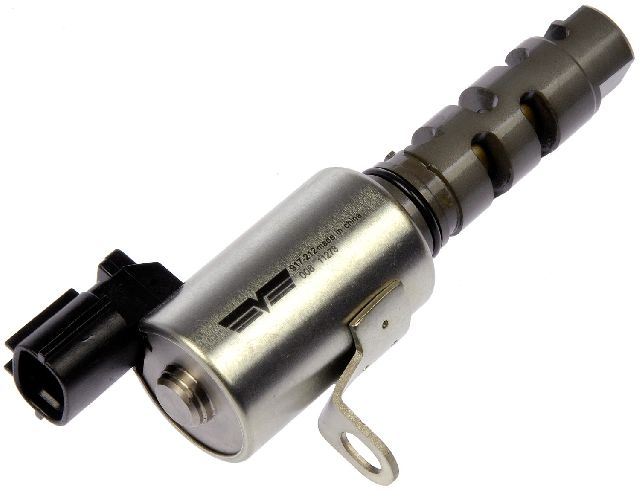
(OEM #15330-31020 (Superseded by 15330-0P020))— This is the most common part to fail and directly cause the P0010 electrical circuit code. The internal coil windings can short out or break over time.
Trusted brands: Denso (OEM supplier), Aisin, NGK
OEM price range: $130-$180
Aftermarket price range: $60-$120 - Upper Intake Manifold Gasket Set
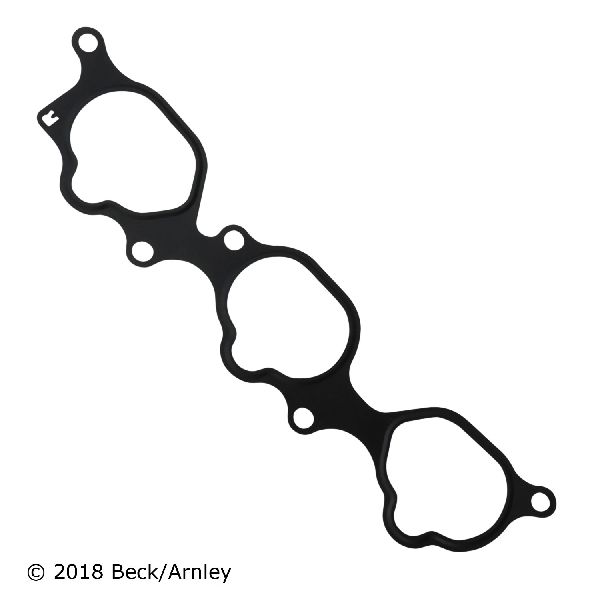
(OEM #17176-0P021 (Plenum Gasket))— These gaskets must be replaced anytime the intake manifold is removed to access the Bank 1 OCV. Reusing old gaskets will cause vacuum leaks.
Trusted brands: Fel-Pro, Mahle, Victor Reinz
OEM price range: $40-$60
Aftermarket price range: $20-$40 - OCV Filter Screen
(OEM #15678-31020)— This small filter screen prevents debris from entering the OCV. It can become clogged with sludge, restricting oil flow. It is highly recommended to replace this inexpensive part when servicing the OCV.
Trusted brands: Toyota Genuine Part
OEM price range: $5-$10
Related Codes That Often Appear With This One
- P0011 — If the OCV is stuck, it can cause a P0011 ('A' Camshaft Position - Timing Over-Advanced) code to appear alongside the P0010 circuit code.
- P0301, P0303, P0305 — Misfire codes for the cylinders on Bank 1 can occur if the incorrect valve timing caused by the faulty VVT system leads to poor combustion.
Technical Service Bulletins (TSBs) & Recalls
- L-SB-0188-09 / EG015-07 - This Toyota service bulletin provides diagrams for identifying Bank 1 (rear, near firewall) and Bank 2 (front, near radiator) on 2GR-FE engines, which is critical for diagnosing this code correctly.
Mechanic-Grade Diagnostic Values
- Oil Control Valve (OCV) internal resistance — expected: 6.9 to 7.9 Ω at 20°C (68°F). Failure: Open circuit (infinite resistance) or short circuit (near zero resistance).
- Continuity check of harness between OCV and ECM — expected: Below 1 Ω. Failure: Resistance above 1 Ω indicates a break or corrosion in the wire.
- Harness short-to-ground check — expected: 10 kΩ or higher. Failure: Resistance below 10 kΩ indicates a short to ground in the harness.
Scan Tool Commands That Help
- Toyota Techstream: Active Test: VVT CTRL B1 — After warming up the engine, this command allows the technician to directly operate the Bank 1 OCV. A change in engine idle speed or stalling when the command is sent indicates the valve is mechanically responding, which helps isolate the problem to either the valve itself or the wiring/ECM. No change in engine behavior suggests a failed valve or a complete lack of oil pressure.
Wiring & Ground Locations
- B60 (OCV Connector) to B30 (ECM Connector) — The B60 connector is on the Bank 1 Intake OCV, located on the rear cylinder head under the intake manifold. The B30 connector is one of the main plugs into the ECM.. These are the start and end points for the circuit. A continuity test between pin 1 of B60 (OC1+) and pin 58 of B30 (OC1+), and between pin 2 of B60 (OC1-) and pin 57 of B30 (OC1-), will confirm if the wiring harness is intact.
Real Owner Repair Stories
- YouTube video (2012 Toyota Highlander) — Check Engine Light with code P0010.
❌ Tried (didn't work) Initial visual inspection of engine bay.
✅ What actually fixed it The connector for the Bank 1 Oil Control Valve was found to be completely disconnected. After reconnecting the plug, the check engine light went away and the code was resolved.
OEM Part Supersession History
15330-31020→15330-0P020— Standard part revision and update by the manufacturer.
Diagnostic Flowchart
Other Known Issues on This Vehicle
Issues unrelated to this code that are worth knowing about as an owner of this generation:
- Rupturing VVT-i Oil Line (Rubber Section) 🔴 High — Very common on pre-2010 models. The rubber portion of the Bank 1 VVT-i oil supply line degrades and can rupture, causing rapid, catastrophic oil loss and engine failure. (Ref: LSC 90K / ZE2 (Limited Service Campaign, now expired). Toyota issued a campaign to replace the rubber/metal line with an all-metal line (Part # 15772-31030).)
- Rupturing Oil Cooler Lines (Tow Package) 🔴 High — Common on models equipped with the factory tow package. Similar to the VVT-i line, the rubber sections of the engine oil cooler lines can burst, leading to rapid oil loss. (Ref: T-SB-0201-11. Toyota issued a TSB to replace the rubber hoses with an all-metal pipe assembly (Part # 15767-31020).)
- Water Pump Failure 🟠 Medium — Fairly common. The water pump seal can fail, leading to coolant leaks from the weep hole. Often noticeable as pink/white crust on the passenger side of the engine block.
- VVT Cam Gear Rattle on Cold Start 🟠 Medium — More common on early 2008-2009 models. A loud rattling or grinding noise for a few seconds on a cold start can indicate failing VVT cam gear actuators.
- Timing Cover Oil Leak 🟡 Low — A common but typically slow oil seep develops from the timing chain cover seam over many miles. It is a very labor-intensive repair.
Used vs. New Parts: Buying Guide for This Vehicle
When a used part is the smart pick: A used Oil Control Valve (OCV) can be a cost-effective option, especially if sourced from a low-mileage donor vehicle. Since it is an electro-mechanical part, its lifespan is finite, but a used OEM part is often more reliable than a new, cheap aftermarket alternative. A used wiring harness pigtail is also a viable option if only the connector is damaged.
Donor-vehicle mileage cap: roughly under 80000 miles for the part to have meaningful remaining life.
What to inspect on the donor part:
- Verify the donor vehicle's mileage if possible.
- Inspect the OCV for any physical damage, cracks, or heavy sludge deposits.
- Check the electrical connector pins for corrosion or damage.
- If possible, test the resistance of the used OCV with a multimeter before purchase to ensure it is within the 6.9-7.9 ohm specification.
OEM-only on this vehicle (don't cheap out):
- Engine Control Module (ECM) - Due to programming and security requirements, an ECM should be sourced and programmed by a dealer or specialist.
Aftermarket brands forum-validated for this vehicle:
- Denso (often the original OEM supplier)
- Aisin
Brands owners have reported issues with on this vehicle:
- Ultra-cheap, unbranded OCVs from online marketplaces are known to have high failure rates and may not operate within the correct tolerances, causing performance issues even if they don't immediately set a code.
Real Owner Stories
Aggregated from forums and TSBs cited above. Mileages and costs reflect what owners reported in those sources.
2012 Toyota Highlander 3.5L V6
Symptoms: The Check Engine Light was on with code P0010.
What fixed it: A mechanic discovered the OCV connector on Bank 1 was simply not plugged in.
Source hint: YouTube - Unplugged Connector Causing P0010
2008-2013 Toyota Highlander 3.5L V6
Symptoms: P0010 code triggered; owner was confused by the naming of the part on the scan tool versus the Toyota parts catalog.
What fixed it: Diagnosed the Bank 1 (firewall side) Engine Variable Timing Solenoid as the failure point.
Source hint: YouTube - P0010 Diagnosis and Name Confusion
Related OBD-II Codes
Frequently Asked Questions
Where is Bank 1 located on my 2008-2013 Highlander 3.5L V6?
Why is the repair for P0010 more expensive on the Highlander than on some other Toyotas?
What is the correct resistance for a new OCV if I want to test it before installation?
Is there a specific part number for the VVT-i oil line fix mentioned for early models?
My scanner says 'Camshaft Position Actuator' but my parts store calls it something else. What is the Toyota part name?
Can I use 5W-30 oil in my 2GR-FE engine to fix this code?
Helpful Videos
We Have This Part in Stock


The information in this article is provided for general reference and educational purposes only. Vehicle specifications, procedures, and part compatibility can vary by production date, trim level, and region. Always consult your vehicle's factory service manual and verify part numbers before purchasing or performing repairs. Safety-critical components such as airbags, seat belts, and braking systems should be installed by a qualified professional.
- Toyota Highlander:
- 🧭 Diagnostic Flowchart
- 🎬 Helpful Videos
- 🛍️ Shop This Part
- What's Unique About the 2008-2013 Toyota Highlander
- Symptoms You May Notice
- Most Likely Causes
- Rare But Worth Checking
- Diagnosis Steps
- Parts You'll Likely Need
- Related Codes That Often Appear With This One
- Technical Service Bulletins (TSBs) & Recalls
- Mechanic-Grade Diagnostic Values
- Scan Tool Commands That Help
- Wiring & Ground Locations
- Real Owner Repair Stories
- OEM Part Supersession History
- Other Known Issues on This Vehicle
- Used vs. New Parts: Buying Guide for This Vehicle
- Real Owner Stories
- 2012 Toyota Highlander 3.5L V6
- 2008-2013 Toyota Highlander 3.5L V6
- Related OBD-II Codes
- Frequently Asked Questions
- 🎟️ Get 5% Off