

P0011 on 2013-2018 Cadillac ATS: Causes and Fixes for Over-Advanced Camshaft Timing
On a 2013-2018 Cadillac ATS, code P0011 is most often caused by low/dirty engine oil or a faulty intake camshaft position actuator solenoid (VVT solenoid). Start by checking your oil; if the level and quality are good, the solenoid is the next likely culprit, costing around $40-$80 for an ACDelco part. This is a common DIY fix that often resolves all symptoms.
- Always check your engine oil level and condition first. A simple oil change is the easiest and a very common fix.
- The most likely failed part is the Bank 1 (intake) camshaft position actuator solenoid. It's an affordable part and accessible for DIY replacement.
- Do not immediately assume a costly timing chain issue. The problem is far more likely to be related to oil or the VVT solenoid.
- If you have the 3.6L V6, be aware that GM has released updated solenoid parts to address this specific code.
What's Unique About the 2013-2018 Cadillac ATS
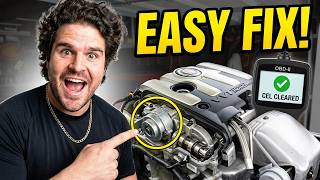
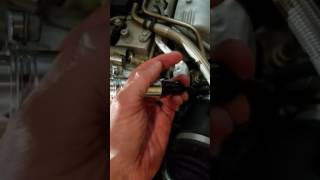
The VVT systems in the Cadillac ATS engines (2.5L LCV, 2.0T LTG, 3.6L LFX/LGX) are known to be highly sensitive to oil quality and pressure. GM has issued multiple Technical Service Bulletins (TSBs) that directly address this code. One TSB for the 3.6L engine specifically advises replacing the original camshaft actuator solenoid with an updated part from a different supplier 🎬 See how to easily swap solenoids on the 3.6L V6. to resolve the issue, indicating a known potential component weakness. Another bulletin, TSB #PIP5162, instructs technicians to inspect the solenoid screens for debris on the 2.0T and 2.5L engines, confirming that oil contamination is a primary concern for this platform.
Diagnostic Flowchart
Tap your situation to follow the diagnostic path that matches what you're seeing on this vehicle.
Symptoms You May Notice
- Check Engine Light is on
- Rough or erratic idle
- Engine stalling, especially when slowing down
- Reduced engine power and poor acceleration
- Decreased fuel economy
- Hard starting
- Engine rattling or ticking noises
- Replacing the camshaft position *sensor* when the camshaft position actuator *solenoid* is the actual problem.
- Replacing timing components before ruling out a simple oil issue or a faulty VVT solenoid.
- Assuming a major mechanical failure when the issue is simply low engine oil.
Most Likely Causes
- Low or Dirty Engine Oil 🔴 High Probability The VVT system is hydraulic and requires clean oil at the correct pressure to function. TSB #PIP5162 specifically directs technicians to inspect and clean solenoid screens, indicating debris from old oil is a known problem on the 2.0T and 2.5L engines. Forgetting to change the oil or running the engine low can quickly trigger this code.
How to confirm: Check the oil level on the dipstick and inspect the oil's color and consistency. If it's low, dark, or sludgy, it needs to be changed. Many owners report the code appearing simply because the oil level was near the 'add' mark.
Typical fix: Perform an oil and filter change using the manufacturer-specified oil viscosity (e.g., full synthetic dexos approved oil).
Est. part cost: $40-$80 - Faulty Intake Camshaft Position Actuator Solenoid (VVT Solenoid) 🔴 High Probability → Shop Engine Camshaft Solenoids can become clogged with debris or fail electrically. TSB #PIP5096B for the 3.6L V6 suggests replacing the original solenoid with an updated part. Forum users with the 2.0T and 3.6L engines frequently report this as the definitive fix.
How to confirm: After checking the oil, swap the intake and exhaust solenoids on Bank 1. They are typically identical and held in by a single bolt. Clear the codes and drive. If the code changes to P0014 (Exhaust Camshaft Position), the solenoid is bad. You can also test the solenoid's resistance with a multimeter; it should be between 6-12 ohms.
Typical fix: Replace the Bank 1 intake camshaft position actuator solenoid. This is a common DIY repair that often takes less than 30 minutes.
Est. part cost: $40-$80 - Stretched Timing Chain or Worn Timing Components ⚪ Low Probability → Shop Engine Timing Chain While less common for P0011 alone, the 3.6L LFX V6 engine (2013-2015), in particular, has a known history of premature timing chain stretching, which more often sets code P0008 but can contribute to other timing codes. This is a much more serious issue, usually seen at higher mileage (over 100k miles).
How to confirm: This requires a more in-depth diagnosis, often involving removing the valve cover to check for chain slack or using a scan tool to compare commanded vs. actual cam angles. A persistent rattling noise from the front of the engine is a strong indicator. This is typically a job for a professional.
Typical fix: Replace the timing chain(s), guides, and tensioners. This is a significant and costly repair, often costing over $2,000.
Est. part cost: $400-$800
Rare But Worth Checking
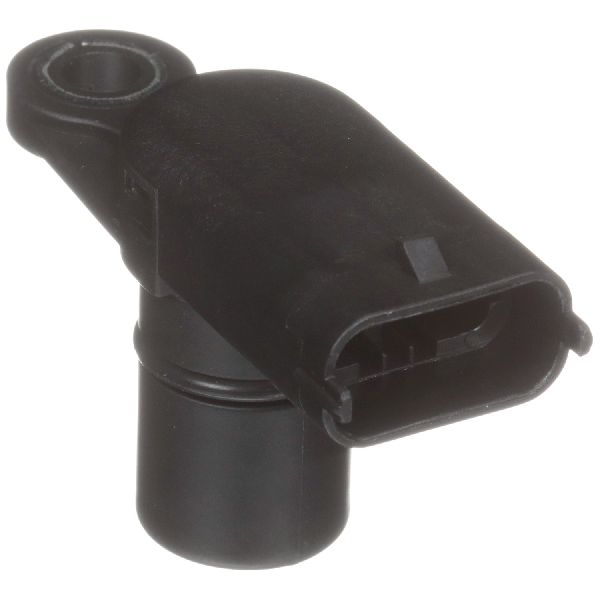
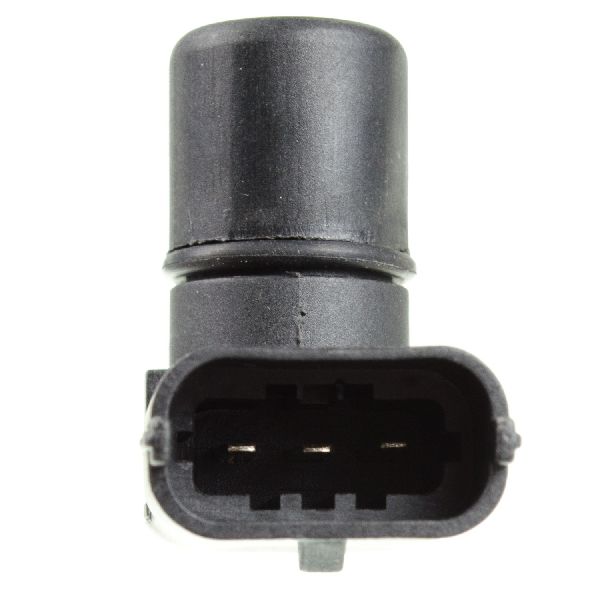
- Faulty Camshaft Position Sensor: → Shop Engine Camshaft Position Sensor While possible, the actuator solenoid fails much more frequently for this code. The sensor is more likely to trigger codes like P0340 or P0341. It's a common misdiagnosis to replace the sensor instead of the solenoid.
- Failed Camshaft Phaser: → Shop Engine Camshaft The mechanical actuator (phaser) on the camshaft itself can fail, but this is much less common than a solenoid failure and is a more complex repair. TSB #PIP5162 suggests that if cleaning the solenoid and its passages doesn't work, the phaser itself may need replacement.
- Leaking Oil Pick-up Tube O-Ring: In some GM vehicles with related engines, a degraded oil pick-up tube O-ring in the oil pan can cause intermittent low oil pressure, especially at idle. This starves the VVT system and can trigger P0011. Symptoms include low oil pressure at idle that increases with RPM. This is an uncommon cause but has been reported as a fix when all else fails.
Diagnosis Steps
- Check Engine Oil: Verify the oil level is correct and the oil is clean and of the specified dexos grade. If low or dirty, perform an oil and filter change, clear the code, and see if it returns. This is the most common and cheapest fix.
- Inspect Solenoid: Per TSB #PIP5162, remove the Bank 1 intake camshaft actuator solenoid. Inspect the small mesh screens on the solenoid for metal shavings or sludge. You can attempt to clean it with brake or carburetor cleaner, but replacement is often the more reliable solution.
- Swap Solenoids (Diagnostic Test): Swap the intake solenoid with the exhaust solenoid on the same bank (they are usually identical). Clear the codes. If the code changes to P0014, you have confirmed the solenoid is faulty and needs to be replaced.
- Test Solenoid Circuit: If the problem persists, use a multimeter to check for proper voltage (12V) and ground at the solenoid's electrical connector to rule out a wiring issue. Check the solenoid's internal resistance; a healthy one should read between 6-12 ohms.
- Inspect Timing System: If all else fails, the issue may be mechanical with the timing chain or phaser. This step usually requires professional diagnosis and may involve checking for chain slack or using a scan tool to monitor commanded vs. actual cam angles.
Parts You'll Likely Need
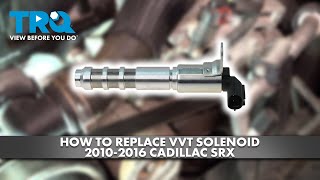
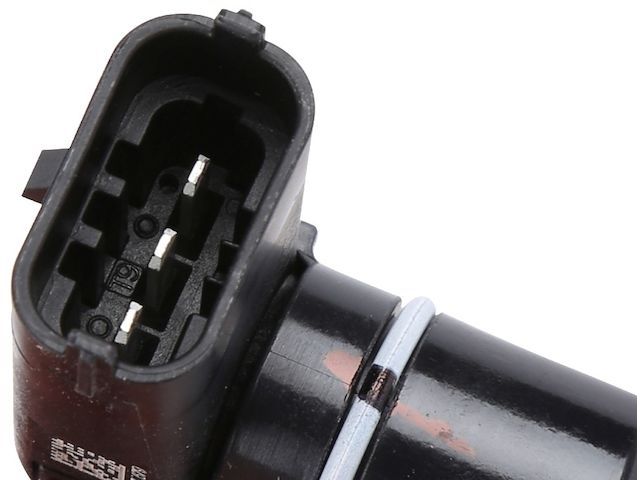
- Intake Camshaft Position Actuator Solenoid (Bank 1)
(OEM #12655420 (superseded by 12679099 for 2.0T/2.5L), 12662736 (for 3.6L))— This is the most common part to fail, either by getting clogged with debris or failing electrically, causing the P0011 code. Note: Part number 12655420 has been superseded multiple times, with the latest being 12679099 for many applications. The 3.6L engine uses a different part, such as 12662736. Always verify the part number for your specific engine.
Trusted brands: ACDelco (OEM), Delphi, Dorman
OEM price range: $50-$90
Aftermarket price range: $30-$60 - Engine Oil and Filter — Incorrect oil level or contaminated oil is a primary cause of VVT system faults. Always use the manufacturer-specified grade (e.g., dexos approved full synthetic).
Trusted brands: Mobil 1, Pennzoil, Valvoline
OEM price range: $40-$80
Aftermarket price range: $40-$80
Related Codes That Often Appear With This One
- P0014 — This code is for the exhaust camshaft ('B') on Bank 1. It can appear with P0011 if there is a systemic oil pressure/quality issue or if multiple solenoids are failing. TSB #PIP5568E notes these codes can set in pairs. Swapping a bad intake solenoid with the exhaust one will cause the code to change from P0011 to P0014.
- P0010 — This code indicates a circuit malfunction for the Bank 1 intake camshaft position actuator. It can appear alongside P0011 if there is an electrical problem with the solenoid or its wiring.
- P0021 / P0024 — These are the equivalent timing codes for Bank 2 (driver's side on the 3.6L V6). If seen with P0011, it strongly suggests a central problem like low oil pressure or severe oil contamination affecting the entire engine. TSB #PIP5568E mentions this group of codes setting together.
Technical Service Bulletins (TSBs) & Recalls
- PIP5568E: Investigation into DTCs P0011, P0014, P0021, P0024 setting together or in pairs.
- PIP5162: Recommends removing camshaft solenoids to inspect and clean debris from the screens on 2.0L and 2.5L engines.
- PIP5096B/C: For 3.6L LFX engines, recommends replacing the OCV/Cam Actuator Solenoid with an updated service part if no drivability concerns are present.
Platform-Specific Known Issues
- TSB #PIP5162: For 2.0L and 2.5L engines, this bulletin highlights that debris on the camshaft solenoid screens is a known issue. It advises removing, inspecting, and cleaning the screens. If that fails, it suggests blowing out oil passages and potentially replacing the camshaft phaser itself.
- TSB #PIP5568E: Notes an ongoing investigation into P0011 setting along with P0014, P0021, and P0024, sometimes with drivability concerns, confirming this is a known pattern for GM.
- TSB #PIP5096B/C: For 2013-2015 models with the 3.6L LFX engine, this bulletin addresses repeat P0011/P0014 codes and recommends replacing the original camshaft actuator solenoids with updated parts.
Mechanic-Grade Diagnostic Values
- Camshaft Position Actuator Solenoid Resistance — expected: 6 to 12 Ohms. Failure: A reading outside of this range indicates a faulty solenoid coil.
- Scan Tool Live Data: Desired vs. Actual Camshaft Angle (Bank 1 Intake) — expected: The 'Actual' angle should closely track the 'Desired' angle commanded by the ECM.. Failure: A significant, persistent deviation between the desired and actual angles, or a slow response from the 'Actual' angle when the engine RPM changes, points to a problem in the VVT system.
Scan Tool Commands That Help
- GDS2 (GM Techline Connect) or similar professional scan tool: Camshaft Position Actuator Control — This bidirectional control allows a technician to manually command the Bank 1 intake solenoid on and off while monitoring the 'Actual Camshaft Angle' PID. If the angle doesn't change when commanded, it helps isolate the problem to the solenoid, wiring, or oil pressure, confirming the fault isn't with the sensor or ECM logic.
Wiring & Ground Locations
- Intake Camshaft Position Actuator Solenoid Valve Connector (2.0L LTG) — Top right of the engine on the camshaft cover.. This is the electrical connector for the component most likely to cause P0011. Checking for 12V power and a good ground at this connector is a key step in diagnosing a circuit fault vs. a failed solenoid.
- G109 (3.6L V6) — On the front of the right cylinder head (Bank 1).. This is a primary engine ground on the same bank as the fault. A poor connection here could cause erratic behavior from sensors and actuators on Bank 1, including the VVT solenoid.
- G110 (2.0L I4) — Upper rear of the cylinder head.. This ground is used by the Engine Control Module (ECM). A compromised ground at this location can cause a wide range of engine management issues, including timing control faults like P0011.
- Engine Control Module (ECM) — Right front of the engine compartment.. This is the location of the computer that controls the VVT system. All wiring for the solenoids and sensors originates here, making it a central point for advanced electrical diagnosis.
Real Owner Repair Stories
- YouTube video 'Easily Fix p0011 p0014 variable valve timing solenoid. Cadillac CTS 3.6L V6. 2014-2019.' (2014 Cadillac CTS 3.6L V6 with 80,000 miles) — Check Engine Light with code P0011. The owner also notes that symptoms can include rough idle, stalling when slowing down, and lack of acceleration.
❌ Tried (didn't work) The owner did not report trying other fixes first, but directly identified the solenoids as the common culprit.
✅ What actually fixed it The owner replaced all four VVT solenoids as a preventative measure, which solved the P0011 code. He specifically identified the solenoids as a common failure point that causes these codes.
OEM Part Supersession History
12655420→12679099— This is a common supersession for the intake VVT solenoid on the 2.0L and 2.5L engines. GM often updates parts to improve reliability or change suppliers.
Heads up: Part number 12655420 has been replaced by several intermediate numbers (like 12628347, 12646783) before landing on 12679099. Always use the latest part number when ordering.
Model Year Variations Within This Range
- 2016-2018: For the 2016 model year, the optional 3.6L V6 engine was updated from the LFX to the LGX. The LGX is a significant redesign with very few parts in common with the LFX. While the P0011 diagnostic principles remain the same (oil and solenoids), technicians must ensure they are using the correct part numbers (e.g., VVT solenoids) for the specific engine, as they are not interchangeable.
- 2013: A GM Preliminary Information bulletin (PI1097A) notes that for 2013 ATS models with the 2.5L (LCV) or 2.0T (LTG) engine and automatic transmission, the main engine ground (G104) was moved from the front to the rear of the engine mid-production in December 2012. A poor ground connection can cause various electrical issues, and this location change is important for technicians to be aware of when troubleshooting.
Helpful Videos
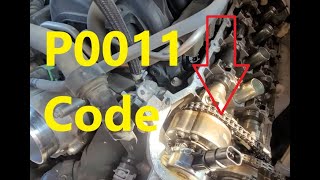
![How to Fix P0011 Engine Code in 4 Minutes [2 DIY Methods / Only $6.95]](https://img.youtube.com/vi/Il4J5NOlYPg/mqdefault.jpg)
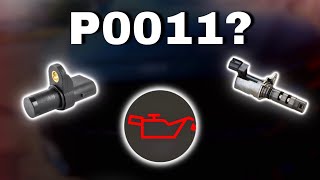
We Have This Part in Stock


The information in this article is provided for general reference and educational purposes only. Vehicle specifications, procedures, and part compatibility can vary by production date, trim level, and region. Always consult your vehicle's factory service manual and verify part numbers before purchasing or performing repairs. Safety-critical components such as airbags, seat belts, and braking systems should be installed by a qualified professional.
- Cadillac ATS:
- 🧭 Diagnostic Flowchart
- 🎬 Helpful Videos
- 🛍️ Shop This Part
- What's Unique About the 2013-2018 Cadillac ATS
- Symptoms You May Notice
- Most Likely Causes
- Rare But Worth Checking
- Diagnosis Steps
- Parts You'll Likely Need
- Related Codes That Often Appear With This One
- Technical Service Bulletins (TSBs) & Recalls
- Platform-Specific Known Issues
- Mechanic-Grade Diagnostic Values
- Scan Tool Commands That Help
- Wiring & Ground Locations
- Real Owner Repair Stories
- OEM Part Supersession History
- Model Year Variations Within This Range
- 🎟️ Get 5% Off