

P0011 on 2012-2015 Chevrolet Captiva Sport 2.4L: Causes and Fixes for Over-Advanced Camshaft Timing
On the 2012-2015 Captiva Sport 2.4L, P0011 is almost always caused by low/dirty engine oil or a faulty intake camshaft position actuator solenoid. First, check your oil level, as these engines are known to consume excessive amounts of oil. If the oil is full and clean, replacing the intake solenoid is a common DIY fix for under $50. The original part number 12655420 has been superseded by ACDelco part #12679099. Many owners and TSBs recommend replacing both intake and exhaust solenoids at the sa
- Immediately check your engine oil. The 2.4L Ecotec engine in your Captiva is known to consume oil, and a low oil level is the #1 cause of code P0011.
- The most common failed part is the intake camshaft position actuator solenoid. It's an affordable part and easy to replace as a DIY job.
- A simple and effective diagnostic step is to swap the intake and exhaust solenoids. If the code changes to P0014, you have definitively identified a bad solenoid.
- If the oil level is correct and new solenoids do not fix the code, the problem may be a stretched timing chain, which is a known but more serious issue requiring professional diagnosis.
What's Unique About the 2012-2015 Chevrolet Captiva Sport
The 2012-2015 Captiva Sport uses the 2.4L Ecotec direct-injection engine, which is well-known for issues with excessive oil consumption due to a piston ring design flaw. This oil consumption is a critical factor for code P0011, as low oil levels starve the VVT system of the hydraulic pressure it needs to function. This makes oil-related issues the most common trigger for this code. This issue was so widespread in the Captiva's platform mates, the Chevy Equinox and GMC Terrain, that it led to class-action lawsuits and Special Coverage Adjustments from GM.
Symptoms You May Notice
- Check Engine Light is on
- Rough or unstable idle
- Engine stalling, especially when coming to a stop or putting the car in reverse
- Reduced engine power and poor acceleration
- Hesitation during acceleration
- Decreased fuel economy
- Loud engine noise or rattling on a cold start
- Low Oil Pressure warning message on the Driver Information Center
- Replacing the Camshaft Position *Sensor* instead of the Actuator *Solenoid*. The sensor reads the cam's position, but the solenoid is the part that controls the oil flow to move it. P0011 is almost always related to the solenoid or oil pressure, not the sensor itself.
Most Likely Causes
- Low or Dirty Engine Oil 🔴 High Probability The 2.4L Ecotec engine has a known history of excessive oil consumption due to piston ring wear, as acknowledged by GM in Special Coverage Adjustment N192291100 for the identical engine in 2013 Equinox/Terrain models. Consumption can be as high as one quart per 1,000-2,000 miles. Low oil levels directly impact the VVT system's ability to operate.
How to confirm: Check the engine oil dipstick. If the level is below the minimum mark or the oil is very dark, thick, or sludgy, this is the likely cause. Some owners report finding no oil on the dipstick at all between changes. NHTSA ODI #11120487 describes a situation where a mechanic discovered there was no oil on the dipstick immediately after the P0011 code appeared. Similarly, NHTSA ODI #11632552 notes a vehicle burning oil until there was extremely low oil left, triggering P0011 and P0014.
Typical fix: Perform an oil and filter change using a full synthetic 5W-30 oil that meets GM's dexos specification. Top off the oil and monitor consumption closely, checking the level at every fuel fill-up.
Est. part cost: $30-$70 - Faulty Intake Camshaft Position Actuator Solenoid 🔴 High Probability → Shop Engine Camshaft These solenoids have fine mesh screens that can become clogged by debris or sludge in dirty oil, or the solenoid can fail electronically. It is a very common failure point on this engine. Several owners report that using aftermarket solenoids did not fix the issue, and the problem was only resolved after installing genuine ACDelco parts. In NHTSA ODI #11183476, an owner reported that replacing both the intake and exhaust solenoids did not solve the stalling issues associated with codes P0010 and P0011.
How to confirm: The solenoids for the intake (front, often with a gray/white connector) and exhaust (rear, often with a black connector) are physically interchangeable for testing. Label and swap their positions. Clear the codes and drive the vehicle. If the code changes from P0011 (intake) to P0014 (exhaust), the solenoid you moved is faulty. Note: TSB PIP5096C advises against this swap as a permanent fix, recommending replacement with a new service part.
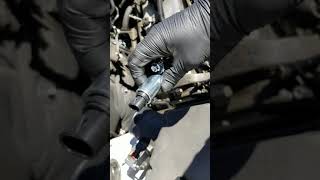
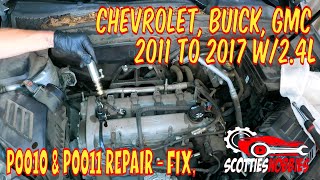
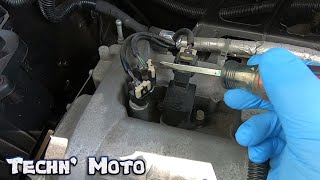
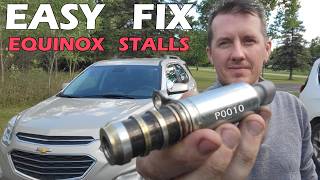
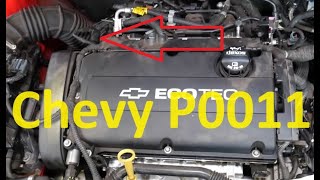
Typical fix: Replace the faulty intake solenoid. It is held in by a single 10mm bolt and is easily accessible on top of the valve cover. 🎬 Watch: Step-by-step guide to replacing the intake solenoid on a Captiva. Many technicians and GM TSBs recommend replacing both intake and exhaust solenoids at the same time as a set.
Est. part cost: $25-$60 - Stretched Timing Chain or Failed Tensioner 🟡 Medium Probability → Shop Engine Timing Chain Prolonged operation with low oil pressure (due to oil consumption) or fuel-diluted oil can accelerate wear on the timing chain, plastic guides, and tensioners, causing the chain to stretch. This is a known, albeit more serious, issue with the 2.4L Ecotec, often signaled by a rattling noise on startup. NHTSA ODI #11449052 notes a case where a dealer replaced VVT actuators, oil control solenoids, and the timing belt to address a P0011 engine code.
How to confirm: This requires a more in-depth diagnosis. A mechanic can use a scan tool to observe camshaft deviation data. Physical inspection for chain slack by removing the valve cover or timing cover is definitive. A rattling noise from the passenger side of the engine is a strong indicator. Broken pieces of the plastic chain guides may be found in the oil pan.
Typical fix: Replace the timing chain, tensioners, guides, and often the camshaft phasers (actuators) as a complete kit. This is a significant repair that is often best left to a professional. 🎬 See these expert tech tips for replacing the Ecotec timing chain.
Est. part cost: $200-$500
Rare But Worth Checking
- Failed Camshaft Phaser/Actuator: → Shop Engine Camshaft The mechanical gear at the end of the camshaft can fail or get stuck. This is less common than a solenoid failure but can happen, especially if timing chain work was recently performed. One owner on a forum replaced the timing kit and solenoids, but the P0011 code persisted until the new aftermarket phaser was replaced with an OEM part.
- Faulty High-Pressure Fuel Pump (HPFP): The 2.4L direct injection engine's HPFP is driven by the intake camshaft. A failing pump can leak fuel into the crankcase, diluting the engine oil. This thinned oil loses its lubricating properties and viscosity, leading to accelerated wear on timing components and triggering VVT codes. This is an indirect cause noted in owner forums.
Diagnosis Steps
- Check Engine Oil Level and Condition: This is the most critical first step. If the oil is low, top it off, clear the code, and see if it returns. If the oil is old or dirty, perform a complete oil and filter change using 5W-30 full synthetic oil meeting the dexos1 specification.
- Inspect Solenoid Wiring: Check the electrical connector and wiring going to the intake camshaft actuator solenoid (the front-most solenoid on the top of the valve cover) for any damage, corrosion, or loose connections.
- Swap the VVT Solenoids: The intake and exhaust VVT solenoids are physically identical and located next to each other. Label them, then swap their positions. Clear the codes and drive the vehicle.
- Analyze Results: If the trouble code changes to P0014 (Exhaust Camshaft Position), the original intake solenoid is confirmed to be faulty and must be replaced. If P0011 returns, the problem is not the solenoid.
- Further Diagnosis: If the P0011 code returns after the swap and the oil level is correct, the issue is likely more complex. The next steps involve checking for a clogged PCV orifice (per TSB 14882), testing oil pressure to ensure it's within spec, and inspecting the timing chain for stretching or damage, which may require a professional mechanic.
Parts You'll Likely Need
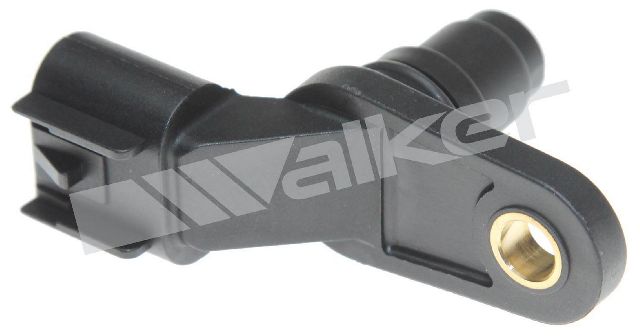
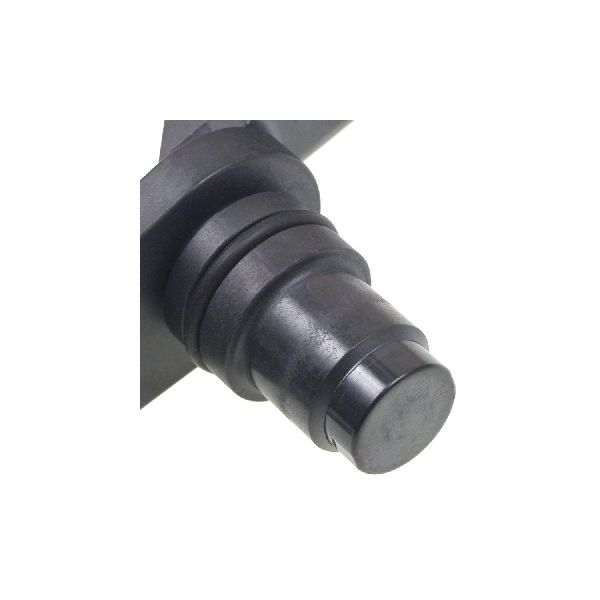
- Intake Camshaft Position Actuator Solenoid
(OEM #12679099 (supersedes 12655420))— This is the most common part to fail, either by getting clogged with oil sludge or failing electronically, directly causing the P0011 code.
Trusted brands: ACDelco (OEM), Delphi, Standard Motor Products (SMP)
OEM price range: $40-$60
Aftermarket price range: $25-$45 - Exhaust Camshaft Position Actuator Solenoid
(OEM #12679100 (supersedes 12655421))— It is highly recommended to replace both solenoids at the same time, as they are subjected to the same conditions and the exhaust solenoid is likely to fail soon after the intake side.
Trusted brands: ACDelco (OEM), Delphi, Standard Motor Products (SMP)
OEM price range: $40-$60
Aftermarket price range: $25-$45
Related Codes That Often Appear With This One
- P0010 — This code indicates an electrical circuit fault for the same intake camshaft actuator solenoid. Seeing P0010 and P0011 together strongly points to a bad solenoid or a wiring/connector issue. One owner reported P0011 switching to P0010 after a solenoid replacement, indicating a potential wiring or new part issue.
- P0014 — This is the equivalent code for the exhaust camshaft. If both P0011 and P0014 are present, it suggests a systemic problem affecting both cams, such as extremely low/dirty oil or a stretched timing chain affecting overall timing.
- P0016 / P0017 — These codes indicate a correlation issue between the crankshaft and the intake (P0016) or exhaust (P0017) camshafts. Seeing these alongside P0011 is a very strong indicator of a stretched timing chain or incorrect mechanical timing.
Technical Service Bulletins (TSBs) & Recalls
- N192291100: Special Coverage for Excessive Engine Oil Consumption on 2.4L engines in sister vehicles (2013 Equinox/Terrain), confirming the oil consumption problem and providing a repair procedure (piston replacement).
- PIP5096C: References VVT codes (P0011/P0014) on 2.4L engines and advises replacing the actuator solenoid with an updated service part rather than just swapping them.
- TSB 14882: Discusses a clogged PCV orifice in the intake manifold leading to high crankcase pressure and potential rear main seal failure on 2011-2013 Captiva models, among others.
Platform-Specific Known Issues
- Excessive Oil Consumption: The 2.4L Ecotec engine is subject to a known issue of high oil consumption due to piston ring design. GM issued Special Coverage Adjustment N192291100 for the 2013 Equinox/Terrain with this engine, extending the warranty to cover piston and ring replacement for consumption greater than 1 quart per 2,000 miles. This is the primary underlying condition that leads to VVT codes like P0011.
- PCV System Clogging: TSB 14882 notes that a fixed PCV orifice in the intake manifold can clog with sludge and frozen condensation, especially in cold climates. NHTSA ODI #11063897 describes a case where a plugged PCV caused the crankshaft rear oil seal to fail, accompanied by codes P0011, P0014, and P0017.
Mechanic-Grade Diagnostic Values
- VVT Solenoid Resistance — expected: 8 to 13 Ohms at approximately 68°F (20°C).. Failure: An open circuit (OL), a short (near 0 ohms), or a wildly fluctuating reading when wiggling the connector pins indicates a failed solenoid. One failed part measured 58-66 ohms.
- VVT Solenoid Connector Voltage — expected: With the key on, engine off, one of the two pins in the harness connector should show battery voltage (approx. 12.6V) when probed with a multimeter referenced to a good ground.. Failure: No voltage suggests a problem with the power supply fuse or wiring. If voltage is present but the solenoid doesn't work, the issue may be in the ground-side control wire from the ECM.
- Engine Oil Pressure — expected: Minimum of 18.85 PSI (130 kPa) at idle with the engine at operating temperature (80°C). Other sources suggest 24 PSI at 1,000 RPM is a minimum spec, with cold start pressure being much higher (70 PSI or more).. Failure: Pressure below the minimum specification indicates a serious mechanical issue (worn bearings, failing oil pump) that will starve the VVT system and cause codes.
- Scan Tool: Desired vs. Actual Camshaft Position Angle — expected: At warm idle, both desired and actual angles should be at or near 0 degrees. The actual angle should closely follow the desired angle as RPMs and load change.. Failure: A significant and persistent difference between the desired and actual angles, or an actual angle that is stuck and unresponsive, points to a fault in the solenoid, phaser, or oil flow.
Scan Tool Commands That Help
- GDS2 / Tech2 / Professional Scan Tool: Camshaft Position Actuator Control — This bidirectional command allows a technician to manually command the VVT solenoid on and off (or by percentage) while the engine is idling. By observing the change in 'Actual Camshaft Position' and listening for a change in engine idle, you can confirm if the solenoid, wiring, and hydraulics are responding to ECM commands. This helps isolate a non-responsive solenoid from a mechanical phaser or timing issue.
- GDS2 / Tech2 / Professional Scan Tool: Crankshaft Position Variation Learn (CASE Relearn) — This procedure is required after major mechanical work like replacing a timing chain or ECM. While not a direct fix for P0011, failing to perform it can leave the system with incorrect base timing information, potentially contributing to correlation codes that may appear with P0011.
Wiring & Ground Locations
- G105 — Located on the left rear of the engine.. This is a primary engine ground. A poor connection here can cause erratic behavior from the ECM and various engine sensors, potentially leading to incorrect readings and fault codes.
- G108 / G103 — G108 is on the cylinder block itself. G103 is on the left side of the engine compartment.. These grounds are critical for the Engine Control Module (ECM). A loose or corroded ground can cause voltage drops and unpredictable signals for the VVT control circuits.
- G109 — Located on the center of the bulkhead (firewall).. This ground point serves various components in the engine bay. Ensuring it is clean and tight is part of a thorough electrical diagnosis for persistent, hard-to-trace codes.
- VVT Solenoid Connector — On top of the valve cover. The intake solenoid (for P0011) is toward the front of the engine and typically has a gray connector. The exhaust solenoid is toward the rear with a black connector.. This is the direct connection point for the actuator. The terminals can become loose or corroded, and the wiring can chafe. Wiggling the connector while testing resistance can reveal intermittent internal solenoid failures.
Real Owner Repair Stories
- Reddit user PuffballDestroyer (2013 Chevy Equinox) — P0011 code, rough idle at red lights, stalling when shifting into reverse.
❌ Tried (didn't work) Replacing the VVT solenoid valves (likely with aftermarket parts initially), Getting an oil change
✅ What actually fixed it Replacing the intake solenoid a second time using a genuine dealership part resolved the P0011 code. However, a P0010 (circuit code) then appeared, indicating a possible issue with the new part or the connector/wiring. - YouTube channel 'repairs and stuff' (2017 GMC Terrain 2.4L) — Stalling issue with current and history codes for P0011, one month after a major repair for bent valves.
❌ Tried (didn't work) Replacing the camshaft position sensor, Replacing the VVT solenoids, Swapping the wiring harness from another vehicle
✅ What actually fixed it The problem was a faulty aftermarket intake camshaft phaser that had been installed during the prior timing chain job. Replacing the new, faulty aftermarket phaser with a new OEM phaser resolved the P0011 code.
When the Usual Fixes Don't Work
- In one documented case on a 2017 GMC Terrain, a P0011 code appeared one month after a complete timing chain and phaser replacement. The technician replaced the VVT solenoids and even the wiring harness, but the code persisted. The ultimate cause was a brand-new aftermarket camshaft phaser that had failed prematurely. The fix was to perform the labor-intensive job again and install an OEM phaser, which solved the problem. This highlights the risk of using non-OEM parts for critical timing components on this engine.
OEM Part Supersession History
12655420→12679099— Part revision and improvement by the manufacturer.
Heads up: While physically interchangeable, owners and technicians strongly report that aftermarket VVT solenoids are a common cause of repeat failures or immediate secondary codes like P0010. Using genuine ACDelco parts is highly recommended for this specific repair.
Diagnostic Flowchart
Other Known Issues on This Vehicle
Issues unrelated to this code that are worth knowing about as an owner of this generation:
- Excessive Engine Oil Consumption 🔴 High — Extremely common across all model years. Caused by faulty piston ring design. Can start as early as 50,000 miles. (Ref: Special Coverage Adjustment N192291100 (for 2013 platform mates))
- Stretched Timing Chain and Guide Failure 🔴 High → Shop Engine Timing Chain — Common, especially on vehicles that have been run with low oil levels. Often occurs between 80,000 and 120,000 miles. Leads to rattling noise on startup and potentially catastrophic engine failure.
- Clogged PCV Orifice / Blown Rear Main Seal 🟠 Medium — More common in cold weather climates. A clogged PCV orifice in the intake manifold builds crankcase pressure, forcing the rear main seal to leak or blow out, causing a massive oil leak. (Ref: TSB 14882)
- High-Pressure Fuel Pump (HPFP) Failure 🟠 Medium — A known failure point on the 2.4L direct-injection engine. Can leak fuel into the crankcase, diluting the oil and accelerating wear on all lubricated engine components.
- Transmission Failure (6T45/6T70) 🟠 Medium — Reports of harsh shifting, slipping, or complete failure are noted by owners, sometimes related to a failed wave plate inside the transmission.
Used vs. New Parts: Buying Guide for This Vehicle
When a used part is the smart pick: For this specific P0011 repair, using used parts is generally not recommended. The primary failure components—VVT solenoids and timing chain components—are wear items that are highly sensitive to the previous owner's oil change habits. The cost of new, reliable aftermarket or OEM parts is low enough that the risk and labor of installing a used part with an unknown history is not a smart choice.
Donor-vehicle mileage cap: roughly under 50000 miles for the part to have meaningful remaining life.
What to inspect on the donor part:
- If considering a used solenoid, inspect the mesh screens for any signs of sludge, tearing, or metallic debris.
- Ask for the VIN of the donor vehicle to check its service history for regular oil changes, if possible.
- Avoid parts from engines that show heavy external oil leaks or have a sludgy, milky residue under the oil cap, as this indicates poor maintenance and potential internal contamination.
OEM-only on this vehicle (don't cheap out):
- Camshaft Position Actuator Solenoids
- Camshaft Phasers
- Timing Chain Kit (Chain, Guides, Tensioner)
Aftermarket brands forum-validated for this vehicle:
- Delphi (often an OEM supplier)
- Standard Motor Products (SMP)
Brands owners have reported issues with on this vehicle:
- Unbranded, low-cost solenoids from online marketplaces are frequently reported to fail quickly or be dead-on-arrival.
- Dorman has an 'OE FIX' line for some VVT components, but some owners still report issues; OEM is the safest bet for solenoids and phasers on this engine.
Real Owner Stories
Aggregated from forums and TSBs cited above. Mileages and costs reflect what owners reported in those sources.
2013 Chevrolet Equinox 2.4L Ecotec
Symptoms: Stalling in reverse and rough idle. Owner replaced solenoids and changed the oil, but the code persisted.
What fixed it: The timing chain was identified as the next likely culprit, a common issue for this engine generation.
Source hint: Reddit r/MechanicAdvice: P0011 in my 2013 Chevy Equinox
2015 GMC Terrain 2.4L Ecotec
Symptoms: Multiple timing codes (P0011, P0014, P0016, P0017) and misfires despite known oil consumption.
What fixed it: Checking VVT solenoid screens for metal debris, which indicated a timing chain job was imminent.
Source hint: Reddit r/AskMechanics: 2015 gmc terrain 2.4L
2012 Chevrolet Equinox 2.4L Ecotec
Symptoms: Startup rattle, stalling, and persistent P0011 code.
What fixed it: The owner replaced the entire timing system including chains, guides, phasers, and solenoids.
Source hint: Chevy Equinox Forum: Another p0011 thread
2011-2013 Chevrolet Captiva 2.4L Ecotec
Symptoms: High crankcase pressure and potential rear main seal failure due to oil sludge and frozen condensation.
What fixed it: Cleaning or addressing a clogged PCV orifice in the intake manifold.
Source hint: TSB 14882
Documented NHTSA Reports
NHTSA ODI #11120487
Symptoms: The check engine light came on just one block away from home, showing a P0011 intake camshaft position timing code.
What fixed it: When the mechanic went to change the part, they realized there was no oil on the dipstick, highlighting the severe oil consumption issues associated with this code.
NHTSA ODI #11632552
Symptoms: Diagnostic trouble codes P0011, P0191, P228D, P0089, and P0014 were present.
What fixed it: Investigation revealed the vehicle was burning oil, leaving extremely low oil in the vehicle, which is a common problem with this engine.
NHTSA ODI #11183476
Symptoms: Stalling occurred daily after the car warmed up, with codes P0010 and P0011 pulled by the dealer.
What fixed it: The owner replaced both the intake and exhaust solenoids at a cost of $42.58 each, but this did not solve the underlying issue.
NHTSA ODI #11063897
Symptoms: A series of codes including P0014, P2280, P0089, P0366, P0017, and P0011 appeared, and the vehicle eventually would not start.
What fixed it: The dealer had to fix the crankshaft rear oil seal and a plugged PCV that caused excessive pressure.
Related OBD-II Codes
Frequently Asked Questions
Does the Special Coverage Adjustment N192291100 for oil consumption apply to my 2012-2015 Chevrolet Captiva Sport?
Can I swap the intake and exhaust solenoids to diagnose the P0011 code on my Captiva?
Why does my Captiva Sport stall in reverse or when coming to a stop?
Is there a specific oil I should use to prevent P0011 and VVT issues in this engine?
My Captiva has a rattling noise on cold starts; is this related to P0011?
What is the issue with the PCV system mentioned in TSB 14882 for the Captiva?
Helpful Videos
We Have This Part in Stock


The information in this article is provided for general reference and educational purposes only. Vehicle specifications, procedures, and part compatibility can vary by production date, trim level, and region. Always consult your vehicle's factory service manual and verify part numbers before purchasing or performing repairs. Safety-critical components such as airbags, seat belts, and braking systems should be installed by a qualified professional.
- Chevrolet Captiva Sport:
- 🧭 Diagnostic Flowchart
- 🎬 Helpful Videos
- 🛍️ Shop This Part
- What's Unique About the 2012-2015 Chevrolet Captiva Sport
- Symptoms You May Notice
- Most Likely Causes
- Rare But Worth Checking
- Diagnosis Steps
- Parts You'll Likely Need
- Related Codes That Often Appear With This One
- Technical Service Bulletins (TSBs) & Recalls
- Platform-Specific Known Issues
- Mechanic-Grade Diagnostic Values
- Scan Tool Commands That Help
- Wiring & Ground Locations
- Real Owner Repair Stories
- When the Usual Fixes Don't Work
- OEM Part Supersession History
- Other Known Issues on This Vehicle
- Used vs. New Parts: Buying Guide for This Vehicle
- Real Owner Stories
- 2013 Chevrolet Equinox 2.4L Ecotec
- 2015 GMC Terrain 2.4L Ecotec
- 2012 Chevrolet Equinox 2.4L Ecotec
- 2011-2013 Chevrolet Captiva 2.4L Ecotec
- Documented NHTSA Reports
- NHTSA ODI #11120487
- NHTSA ODI #11632552
- NHTSA ODI #11183476
- NHTSA ODI #11063897
- Related OBD-II Codes
- Frequently Asked Questions
- 🎟️ Get 5% Off