

P0011 on 2015-2021 Ford Expedition: Causes and Fixes for Camshaft Timing Issues
On a 2015-2021 Ford Expedition with the 3.5L EcoBoost, P0011 is most often caused by low/dirty oil or a failing Variable Camshaft Timing (VCT) solenoid. Start by checking your oil. Replacing a VCT solenoid costs about $40-$120 in parts and is a moderately difficult DIY job. If a rattling noise is present on cold starts, the issue could be more severe, involving the cam phasers or timing chain.
- P0011 on your Expedition means the intake camshaft timing on the passenger-side bank is too advanced.
- Always start diagnosis by checking the engine oil level and condition. Clean oil is critical for the VCT system.
- The most likely parts to fail are the VCT solenoids, which can get stuck. This is a DIY-friendly repair for many.
- A rattling noise on startup combined with P0011 could indicate a more serious and expensive stretched timing chain issue.
- Multiple Ford TSBs confirm that VCT solenoid issues are a known problem for this code.
What's Unique About the 2015-2021 Ford EXPEDITION
The 3.5L EcoBoost engine in the Expedition uses a Twin Independent Variable Camshaft Timing (Ti-VCT) system that is highly dependent on oil pressure and cleanliness to function. Ford has issued multiple Technical Service Bulletins (TSBs) acknowledging that small debris can cause the VCT solenoids to stick, leading to codes like P0011. While a solenoid is a common culprit, these engines, particularly the 2nd generation (2017+), are also known for premature wear of the cam phasers, which can cause a distinct rattle on cold starts and eventually lead to timing codes. This issue is so prevalent that Ford has released several updated TSBs and customer satisfaction programs related to cam phaser replacement.
Diagnostic Flowchart
Tap your situation to follow the diagnostic path that matches what you're seeing on this vehicle.
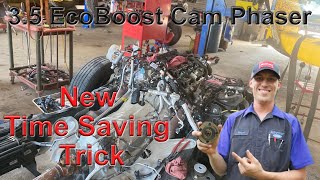
Generation note: This guide covers the end of the third generation (2015-2017) and the beginning of the fourth generation (2018-2021) Ford Expedition. Both generations use versions of the 3.5L EcoBoost V6. While the causes are similar, the 4th gen models (2018+) are more prone to the specific cam phaser rattle issue 🎬 Watch: See the new updated phasers and hear the rattle. detailed in TSBs like 23-2143. The earlier 3rd gen models are also susceptible to timing issues, but often at higher mileage.
Symptoms You May Notice
- Check Engine Light (MIL) is on
- Rough or unstable idle
- Engine stalling, especially at low speeds or when stopping
- Reduced engine power and poor acceleration
- Decreased fuel economy
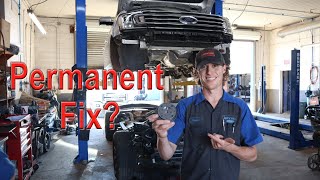
- Rattling, ticking, or tapping noise from the engine, particularly a 2-5 second rattle on startup after a cold soak. 🎬 Watch: How to use 'Flood Mode' to diagnose startup rattles.
- Hard starting condition
- Replacing the camshaft position sensor when the issue is actually a mechanical timing problem (VCT solenoid or timing chain).
- Replacing only the VCT solenoid when the root cause is poor oil quality or low pressure that will cause the new solenoid to fail again.
- Mistaking the common turbo wastegate rattle on EcoBoost engines for the more serious cam phaser/timing chain rattle. The wastegate rattle is also a startup noise but is a different sound and does not typically cause timing codes.
Most Likely Causes
- Low or Dirty Engine Oil 🔴 High Probability The VCT system is entirely dependent on oil pressure to adjust cam timing. Low, contaminated, or incorrect viscosity oil can impede the function of the VCT solenoids and phasers, and is a leading cause of VCT-related codes.
How to confirm: Check the oil level on the dipstick and examine its condition. If it's low, dark, gritty, or past its recommended change interval, it needs to be changed.
Typical fix: Perform an oil and filter change using the correct grade of full synthetic oil (Ford recommends 5W-30 for most of these models) and a high-quality oil filter. Clear codes and re-test.
Est. part cost: $40-$80 - Failing VCT Solenoid 🔴 High Probability Ford TSBs SSM 48423 and SSM 47170 specifically state that small debris can cause the VCT solenoid to stick, triggering this code. TSB 16-0093 also points to solenoid replacement for this code on low-mileage 2016 models. The solenoids contain fine mesh screens that can become clogged by sludge or debris from infrequent oil changes.
How to confirm: A mechanic can command the solenoid with a scan tool to check its response (per TSB SSM 48423, cycling it 10 times may clear debris). A common DIY diagnostic is to swap the Bank 1 intake solenoid with the Bank 1 exhaust solenoid to see if the code changes from P0011 to P0014. You can also bench test the solenoid by applying 12V to see if it actuates.
Typical fix: Replace the VCT solenoid for Bank 1 (Intake). It's often recommended to replace all four solenoids at the same time as a preventative measure. A Reddit user with a 2018 F-150 (platform mate) resolved their P0011 code with this repair.
Est. part cost: $40-$150 for one, $160-$450 for a set of four. - Worn Cam Phasers / Stretched Timing Chain 🟡 Medium Probability → Shop Engine Timing Chain The 3.5L EcoBoost, especially from 2017-2020, is known for cam phaser issues that cause a cold-start rattle and can lead to timing codes like P0011. The locking mechanism in the phasers can fail, or the timing chain can stretch, causing a correlation issue between the crank and cam sensors. This was the diagnosed cause in NHTSA complaint #11557822 for a 2020 Expedition.
How to confirm: A key symptom is a 2-5 second rattle from the front of the engine on a cold start. Diagnosis is complex and requires removing the valve and/or timing covers to physically inspect the chain tension and phasers. This is best left to a professional.
Typical fix: Replace all four cam phasers (VCT units), 🎬 See this walkthrough for a faster way to replace phasers. timing chain, tensioners, and guides. This is a major repair, with Ford allotting 9.8 hours for the job on an Expedition under TSB 23-2143. It is often done as a complete timing job.
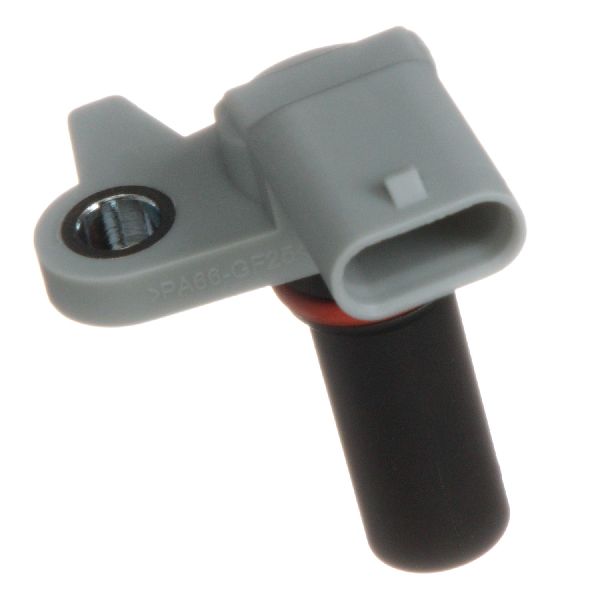
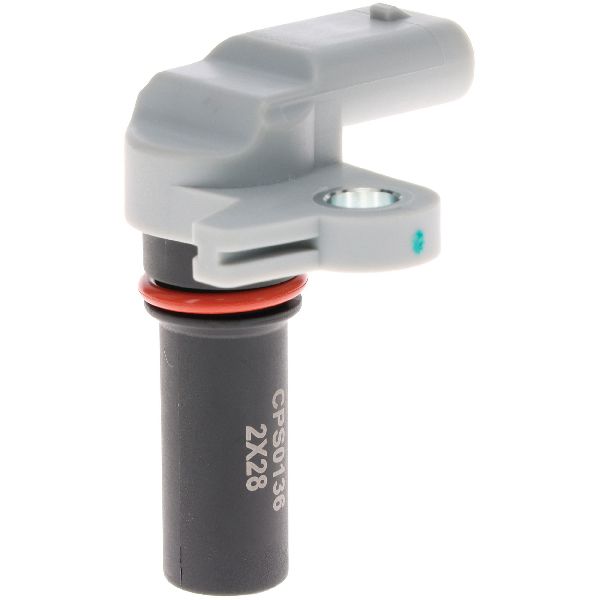
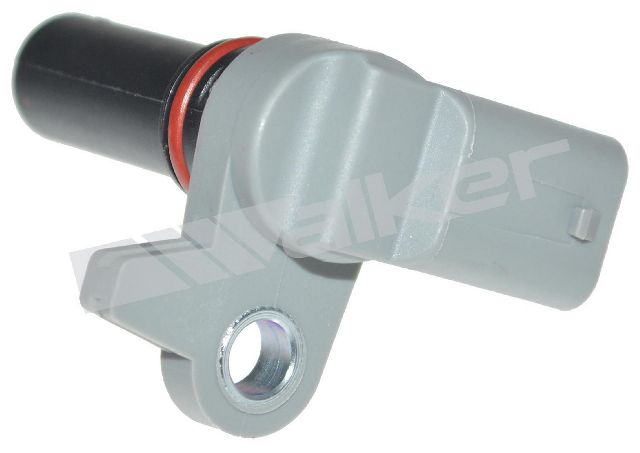
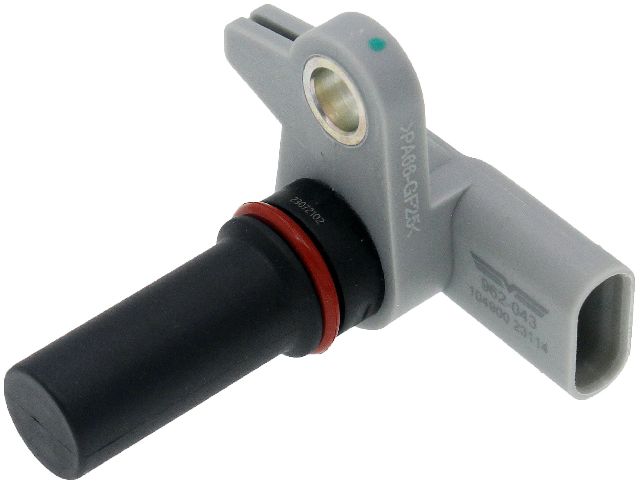
Est. part cost: $600-$1500 for a full OEM kit. - Failing Camshaft Position (CMP) Sensor ⚪ Low Probability → Shop Engine Camshaft Position Sensor
How to confirm: Test the sensor's output with a multimeter or oscilloscope. Often, a failing sensor will throw its own specific circuit code (like P0340 or P0344) in addition to or instead of P0011.
Typical fix: Replace the Bank 1 intake camshaft position sensor.
Est. part cost: $25-$70
Rare But Worth Checking
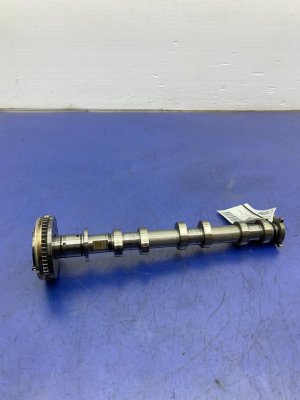
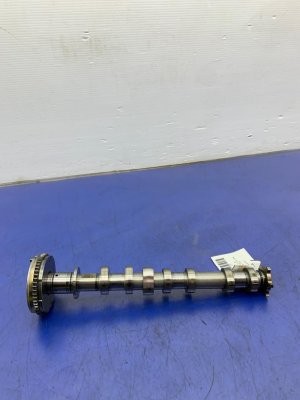
- Damaged Camshaft Phaser: → Shop Engine Camshaft The cam phaser is the gear on the end of the camshaft that actually adjusts the timing. While less common to fail on its own without timing chain issues, it can get stuck or break internally. It's usually replaced during a timing chain job.
- Clogged Oil Passages: In cases of severe engine sludge or debris from a previous failure (like a failed turbo), the small oil passages leading to the VCT solenoids and phasers can become blocked, starving them of the oil pressure needed to operate.
Diagnosis Steps
- Check Engine Oil: Verify the oil level is correct and the oil is clean and of the proper 5W-30 viscosity. If it's low or overdue for a change, correct this first, clear the codes, and drive the vehicle to see if the code returns. This is the first and most important step.
- Scan for Other Codes: Use an OBD-II scanner to check for any other related trouble codes. Codes for other banks (like P0021) or correlation codes (like P0016) can help pinpoint the problem.
- Inspect VCT Solenoid Wiring: Check the electrical connector and wiring to the Bank 1 intake VCT solenoid for any damage, corrosion, or loose connections. The Bank 1 intake solenoid is on the passenger side valve cover, typically the upper solenoid.
- Test the VCT Solenoid: With a capable scan tool (like FORScan), use bidirectional controls to command the solenoid to activate and watch for a change in engine performance or timing data PIDs. TSB SSM 48423 suggests cycling the solenoid 10 times to clear potential debris. Alternatively, swap the intake and exhaust solenoids on Bank 1 (passenger side) and see if the code changes from P0011 to P0014.
- Listen for Cold Start Rattle: Let the vehicle sit for at least 6 hours. Upon startup, listen carefully for a 2-5 second metallic rattle from the front of the engine. If present, this strongly suggests a mechanical issue with the cam phasers or timing chain.
- Mechanical Timing Inspection: If the above steps do not resolve the issue, the problem is likely mechanical (phasers/chain). This requires a more in-depth diagnosis, involving removing the valve cover and timing cover to inspect the components for slack or damage. This step is best left to a professional.
Parts You'll Likely Need
- Variable Camshaft Timing (VCT) Solenoid
(OEM #HL3Z-6M280-A)— This is the most common point of failure for this code, often due to internal sticking caused by debris, as noted in Ford TSBs. The HL3Z-6M280-A is the updated part number for the Gen 2 EcoBoost.
Trusted brands: Motorcraft, Dorman
OEM price range: $35-$65
Aftermarket price range: $25-$50 - Timing Chain & Cam Phaser Kit
(OEM #ML3Z-6256-A (Intake Phaser), ML3Z-6C525-A (Exhaust Phaser))— If the timing chain has stretched or cam phasers have failed (indicated by cold start rattle), they must be replaced to restore correct camshaft timing. These are the latest revised part numbers designed to fix the rattle issue. This was the fix in owner complaint ODI #11557822 and is the subject of multiple TSBs.
Trusted brands: Motorcraft, Cloyes
OEM price range: $600-$1500
Aftermarket price range: $400-$1000
Related Codes That Often Appear With This One
- P0012 — Intake Camshaft Position Timing - Over-Retarded (Bank 1). This code can appear if the VCT system is malfunctioning erratically, as seen in NHTSA complaint #11557822.
- P0016 — Crankshaft Position - Camshaft Position Correlation (Bank 1 Sensor A). This indicates a direct conflict between what the crank and cam sensors are reading, often pointing to a stretched timing chain or failed phaser. An owner complaint (ODI #11557822) reported P0011 and P0016 together, which was diagnosed as a stretched crankshaft chain.
- P0021 — 'A' Camshaft Position - Timing Over-Advanced (Bank 2). If you see this code along with P0011, it suggests a systemic issue like low/dirty oil affecting both banks of the engine, or a widespread timing component failure.
- P164C — Internal Control Module - Start-Stop Performance. TSB 23-2143 notes that this code may appear along with the cold-start rattle symptom due to a worn VCT unit, particularly affecting the auto start-stop functionality.
Technical Service Bulletins (TSBs) & Recalls
- SSM 48423 / SSM 47170: Notes that P0011 and other VCT codes can be caused by small debris causing the solenoid to stick. Recommends using a scan tool to cycle the solenoid 10 times to attempt to clear it before replacement.
- TSB 21-2119 / 23-2143: Superseding earlier bulletins, these address the common 'cold start rattle' on 2017-2020 models due to worn VCT units (cam phasers). The fix is to replace all four VCT units. Labor time for an Expedition is listed as 9.8 hours.
- TSB 16-0093: For low-mileage 2016 models, this TSB directs technicians to replace the affected VCT solenoid if codes like P0011 are present.
- SSM 54366: A general TSB noting that various 2015-2021 Ford/Lincoln vehicles may exhibit a wide range of VCT codes, including P0011, and points to diagnostic procedures.
Platform-Specific Known Issues
- An owner of a 2020 Expedition reported codes P0011, P0012, and P0016, which a dealer diagnosed as a stretched crankshaft chain requiring replacement (NHTSA ODI #11557822).
- An owner of a 2019 F-150 with the 3.5L EcoBoost experienced intermittent power loss with codes P0011 and P0016. The owner had previously had cam phasers replaced at 30k miles and was facing the same issue again at 69k miles, highlighting the recurring nature of the problem.
- A Reddit user with a 2018 F-150 3.5L EcoBoost at 70k miles successfully resolved an intermittent P0011 code, rough idle, and hesitation by replacing the two VVT solenoids on the passenger side bank themselves for about $250 in parts.
Mechanic-Grade Diagnostic Values
- Camshaft Position (CMP) Sensor Signal Wire Voltage — expected: Approximately 4.8 to 5.0 volts DC with key on, engine off.. Failure: No voltage or significantly lower voltage indicates a potential sensor or wiring issue.
- Camshaft Position (CMP) Sensor Power Wire Voltage — expected: Approximately 12 volts DC (battery voltage).. Failure: No or low voltage points to a wiring or PCM power supply problem.
- VCT Solenoid Resistance — expected: While specific OEM values are not published, a typical resistance is between 5 and 15 ohms. A reading of infinity (open) or zero (short) indicates a failed solenoid.. Failure: Reading outside the expected range, or a significant difference between solenoids.
Hidden / Shadow Codes Worth Checking
- P164C: Internal Control Module - Start-Stop Performance (see via A standard OBD-II scanner should be able to read this code. It is specifically mentioned in TSB 23-2143 as a potential companion code to the cold-start rattle symptom caused by worn VCT units.)
Scan Tool Commands That Help
- FORScan: VCT Solenoid Bidirectional Control Test — This allows a technician to command each VCT solenoid on and off individually while monitoring engine RPM and timing PIDs (VCT_INT_ADV_ERR, VCT_EXH_ADV_ERR). A lack of change in RPM or a persistently high error value when a solenoid is commanded suggests it is stuck or clogged.
- FORScan / Ford IDS: Monitor VCT PIDs (e.g., VCT_INT_ADV_ERR1, VCT_ADV_CMD1) — Use this during a test drive to see the difference between the PCM's commanded camshaft angle (CMD) and the actual angle reported by the sensor. A large and persistent error (ERR) value on Bank 1 intake points directly to a problem in that circuit.
Wiring & Ground Locations
- Passenger Compartment Fuse Panel — Located behind the kick panel on the passenger side, near the floor.. This panel contains the fuse for the Powertrain Control Module (PCM), often labeled 'PCM run/start feed'. A poor connection or intermittent fault with this fuse could cause various engine management issues, though it's a rare cause for a specific code like P0011.
- G104 — A primary engine-to-chassis ground point, typically located on the chassis near the battery.. The PCM and its sensors rely on a clean ground path. A corroded or loose G104 ground can introduce electrical noise and cause erratic sensor readings, potentially leading to incorrect timing codes.
- VCT Solenoid Connectors — On the top of the valve covers. For Bank 1 (passenger side), the intake solenoid is typically the upper or front-most of the two solenoids.. This is the primary connection point to check for damage, corrosion, or oil contamination when diagnosing a P0011 code.
Real Owner Repair Stories
- Reddit user on r/f150 (2018 F-150 Limited 3.5L EcoBoost, ~70k miles) — Intermittent hesitation and rough idle, with a P0011 code.
❌ Tried (didn't work) The owner was concerned it was the cam phasers again, which had been replaced under warranty at 40k miles.
✅ What actually fixed it Replaced the two VCT solenoids on the passenger side (Bank 1) using part number HL3Z6M280A. The owner also replaced the valve cover as a precaution. This resolved the hesitation and rough idle. - F150forum.com user (2019 F-150 XLT 3.5L EcoBoost, 69k miles) — Intermittent power loss, no turbo availability, rough run at low RPM, and codes P0011 and P0016.
❌ Tried (didn't work) A private mechanic diagnosed it as needing another cam phaser replacement (the first was at 30k miles).
✅ What actually fixed it The forum thread suggests the root cause was likely a sticking VCT solenoid valve on the passenger side intake, rather than a full phaser failure. The final resolution was not posted by the original author, but the strong recommendation from other users was to replace the solenoid first due to the intermittent nature of the problem.
OEM Part Supersession History
AT4Z-6M280-C (and others)→HL3Z-6M280-A— Updated design for the Gen 2 3.5L EcoBoost (2017+) and 5.0L engines. This is the current recommended replacement VCT solenoid.
Heads up: While older part numbers may fit, HL3Z-6M280-A is the correct part for the 2017-2021 model years.HL3Z-6256-A (Intake), HL3Z-6C525-A (Exhaust)→ML3Z-6256-A (Intake), ML3Z-6C525-A (Exhaust)— Redesigned cam phasers to address the cold-start rattle issue. The new design has a different cover and internal mechanism to prevent the locking pin from failing.
Heads up: These new phasers are the definitive fix for the rattle. A technician noted that some dealerships might have had old stock they needed to use first, so owners should request the newest 'ML3Z' part numbers for the repair.
Model Year Variations Within This Range
- 2018-2020 (built on or before Nov 30, 2019): These model years are most susceptible to the cam phaser cold-start rattle as described in TSB 23-2143. Vehicles built after this date, and all 2021+ models, received updated cam phasers from the factory that largely resolved the issue.
- 2015-2017: These models use the first-generation version of the 3.5L EcoBoost in this body style. While they can still experience P0011 from solenoids or stretched timing chains, they are not typically affected by the specific cam phaser cold-start rattle issue that plagued the 2017-2020 engines.
Helpful Videos
Used OEM Parts in Stock
New Aftermarket Parts Available


The information in this article is provided for general reference and educational purposes only. Vehicle specifications, procedures, and part compatibility can vary by production date, trim level, and region. Always consult your vehicle's factory service manual and verify part numbers before purchasing or performing repairs. Safety-critical components such as airbags, seat belts, and braking systems should be installed by a qualified professional.
- Ford EXPEDITION:
- 🧭 Diagnostic Flowchart
- 🎬 Helpful Videos
- 🛍️ Shop This Part
- What's Unique About the 2015-2021 Ford EXPEDITION
- Symptoms You May Notice
- Most Likely Causes
- Rare But Worth Checking
- Diagnosis Steps
- Parts You'll Likely Need
- Related Codes That Often Appear With This One
- Technical Service Bulletins (TSBs) & Recalls
- Platform-Specific Known Issues
- Mechanic-Grade Diagnostic Values
- Hidden / Shadow Codes Worth Checking
- Scan Tool Commands That Help
- Wiring & Ground Locations
- Real Owner Repair Stories
- OEM Part Supersession History
- Model Year Variations Within This Range
- 🎟️ Get 5% Off