

P0011 on 2015-2018 Ford Focus: Causes and Fixes for Camshaft Over-Advanced Timing
On a 2015-2018 Ford Focus, P0011 is almost always caused by low/dirty engine oil or a faulty Variable Camshaft Timing (VCT) solenoid. First, check your oil. If the oil is clean and full, the intake VCT solenoid is the likely culprit, costing about $30-$80 for a DIY replacement. Many owners fix this in their driveway in under an hour.
- P0011 on a 2015-2018 Focus means the intake camshaft timing is too far advanced.
- The very first step is to check your engine oil. Low, old, or dirty oil is the #1 cause.
- If the oil is good, the most likely failed part is the intake VCT solenoid (Part # CJ5Z-6M280-A).
- A common DIY diagnostic is to swap the intake and exhaust solenoids to see if the code follows the part (changes to P0014).
- Regularly changing your oil with the correct 5W-20 type is the best way to prevent this issue.
What's Unique About the 2015-2018 Ford FOCUS
The 2.0L GDI engine in the Focus, like many modern Fords, uses a Twin Independent Variable Camshaft Timing (Ti-VCT) system that is highly sensitive to oil pressure and cleanliness. Ford has issued multiple Technical Service Bulletins (TSBs) acknowledging that P0011 can be caused by small debris lodging in the VCT solenoids, causing them to stick. This makes regular oil changes with the correct 5W-20 oil critical for preventing this specific code. Some owners report the code appearing shortly after an oil change if the wrong viscosity was used.
Diagnostic Flowchart
Tap your situation to follow the diagnostic path that matches what you're seeing on this vehicle.
Symptoms You May Notice
- Check Engine Light is on
- Rough, unstable, or low idle
- Engine stalling, especially when coming to a stop or at stoplights
- Hesitation or lack of power during acceleration
- Hard starting, requiring longer cranking time
- Reduced fuel economy
- Engine may make rattling or tapping noises, though this is more common with a failing cam phaser
- Replacing the camshaft position sensor first. While it can be the cause, it is far less common than oil-related issues or a faulty VCT solenoid.
- Replacing the camshaft phaser or timing chain before thoroughly diagnosing the VCT solenoids and checking oil quality. Always start with the cheapest and most common fixes: oil, then solenoids.
Most Likely Causes
- Low, Dirty, or Incorrect Viscosity Engine Oil 🔴 High Probability The Ti-VCT system is hydraulic and requires clean oil at the correct pressure to function. Sludge and debris from old oil are the primary cause of VCT solenoid failure, as noted in Ford TSBs SSM 48423 and SSM 47170. Using oil other than the specified 5W-20 can also trigger this code.
How to confirm: Check the engine oil dipstick. If the oil is below the 'add' line, black and thick, or past its recommended change interval, this is the most likely cause. Several owners on Reddit have reported that simply performing an oil change with the correct oil and a quality filter resolved the code.
Typical fix: Perform an engine oil and filter change using the manufacturer-specified 5W-20 synthetic blend or full synthetic oil and a quality filter.
Est. part cost: $30-$80 - Faulty Intake Variable Camshaft Timing (VCT) Solenoid 🔴 High Probability → Shop Engine Camshaft As stated in Ford TSBs, these solenoids are prone to sticking due to small debris in the engine oil. They are a very common failure item across multiple Ford models using this engine.
How to confirm: After verifying the oil is clean and full, swap the intake VCT solenoid with the identical exhaust VCT solenoid. They are located on top of the valve cover, each held by one 8mm bolt. Label them, swap positions, clear the codes, and drive. If the code changes to P0014 (Exhaust Camshaft Position Timing), the solenoid you moved is faulty. This is a widely confirmed diagnostic step in owner forums.
Typical fix: Replace the faulty VCT solenoid. It is recommended to replace them in pairs (intake and exhaust) as they have the same age and wear. The repair involves removing the valve cover.
Est. part cost: $30-$80 per solenoid - Faulty Camshaft Position Sensor ⚪ Low Probability → Shop Engine Camshaft Position Sensor
How to confirm: This is less likely to be the cause if only P0011 is present. A failing sensor will typically set a specific sensor circuit code, like P0340. Test the sensor's signal with a multimeter if other causes are ruled out.
Typical fix: Replace the Bank 1 intake camshaft position sensor.
Est. part cost: $25-$60
Rare But Worth Checking
- Stuck Camshaft Phaser: → Shop Engine Camshaft This is a more significant mechanical failure. If the oil and solenoids are good, the phaser itself (the gear on the end of the camshaft) may be mechanically stuck. This often presents with a distinct rattling or knocking sound from the engine, especially on a cold start, that lasts for a few seconds. This is a much more complex and expensive repair than a solenoid replacement.
- Stretched Timing Chain or Damaged Timing Components: → Shop Engine Timing Chain While less common on this specific engine without other symptoms, a stretched timing chain can cause the base camshaft timing to be off, leading the VCT system to set a code. This usually involves other rattling noises and is a major repair.
Diagnosis Steps
- Check Engine Oil Level and Condition: This is the most important first step. If the oil is low, top it off. If the oil is old, dirty, or of the wrong viscosity (not 5W-20), perform a full oil and filter change. Clear the code and see if it returns.
- Inspect VCT Solenoid Wiring: Check the electrical connectors and wiring going to the intake and exhaust VCT solenoids on the top of the valve cover for any damage, corrosion, or loose connections.
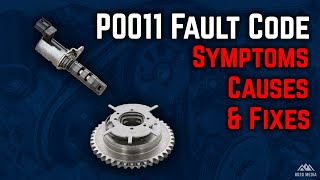
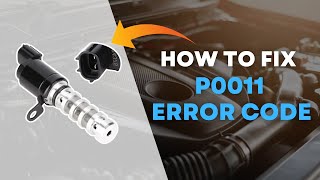
- Perform VCT Solenoid Swap Test: The intake and exhaust VCT solenoids are identical and located on the valve cover, each held by a single 8mm bolt. Label them (e.g., 'I' for intake, 'E' for exhaust), then swap their positions. Clear the codes and drive the vehicle. If P0011 returns, the problem is not the solenoid. If code P0014 appears, the solenoid you moved to the exhaust side is faulty and needs replacement. This is the most definitive DIY diagnostic step. 🎬 See this walkthrough for diagnosing and repairing the P0011 code.
- (Optional) Clean the VCT Solenoids: Some owners have had success removing the solenoids and cleaning them with brake cleaner or MAF sensor cleaner. You can use a 9V or 12V power source to cycle the solenoid open and closed while spraying to flush out debris. If the code returns, replacement is necessary.
- Replace VCT Solenoid(s): If a solenoid is confirmed bad, it must be replaced. This requires removing the valve cover. It is highly recommended to replace both solenoids at the same time, along with a new valve cover gasket.
- Seek Professional Diagnosis: If none of the above steps resolve the code, the issue may be a more complex mechanical problem like a stuck cam phaser or timing chain issue, which requires professional diagnosis and tools.
Parts You'll Likely Need
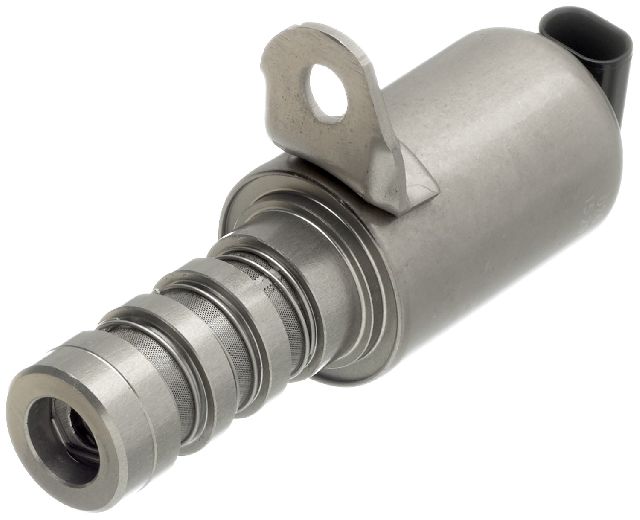
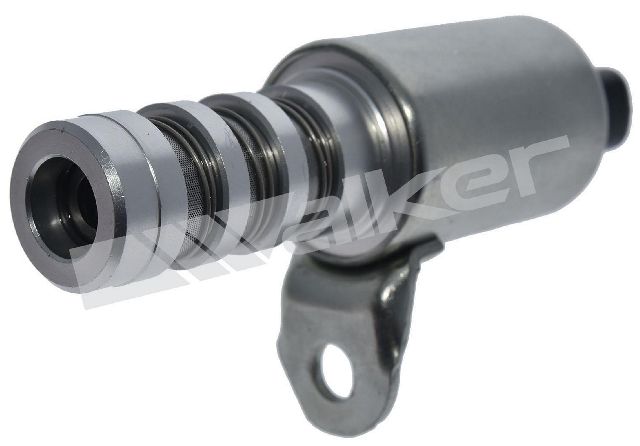
- Engine Variable Valve Timing (VVT) Solenoid
(OEM #CJ5Z-6M280-A (may be superseded by CM5Z-6M280-A or CM5Z-6M280-C))— This is the most common part to fail, typically by sticking due to oil debris, as documented in Ford TSBs.
Trusted brands: Motorcraft (OEM), Dorman (918-053), Standard Motor Products (VVT210), Gates (VVS146)
OEM price range: $50-$90
Aftermarket price range: $30-$80 - Engine Oil and Filter — Low, dirty, or incorrect viscosity oil is the leading cause of P0011. Using the correct oil (5W-20) and a quality filter is the first and most crucial step.
Trusted brands: Motorcraft (Synthetic Blend), Castrol, Mobil 1, Valvoline
OEM price range: $40-$60
Aftermarket price range: $30-$50 - Valve Cover Gasket Kit
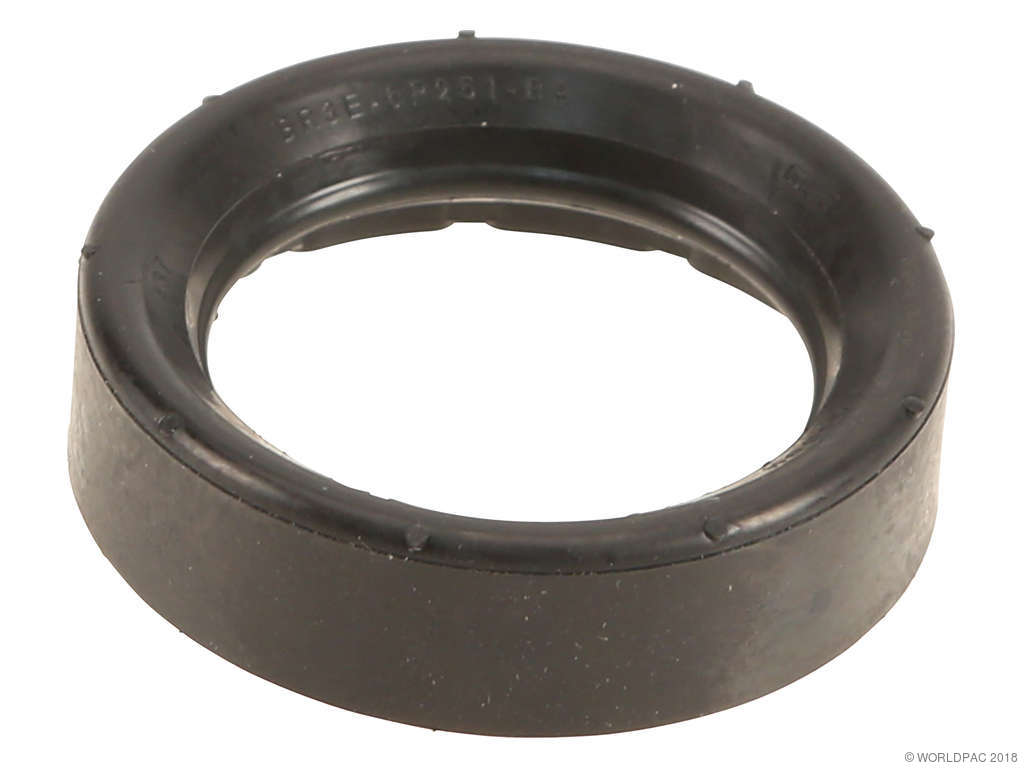
(OEM #CV6Z-6584-A (example, verify for your specific vehicle))— Required when replacing the VCT solenoids as they are located under the valve cover. A new gasket prevents oil leaks after the service. Kits usually include spark plug tube seals.
Trusted brands: Motorcraft (OEM), Fel-Pro, Mahle
OEM price range: $30-$50
Aftermarket price range: $20-$40
Related Codes That Often Appear With This One
- P0010 — This code indicates a circuit malfunction for the intake VCT solenoid. If you see both, it points more strongly to an electrical issue with the solenoid (bad coil) or its wiring, rather than a hydraulic/mechanical stick.
- P0014 — This is the equivalent code for the exhaust ('B') camshaft. Seeing them together could point to a systemic oil pressure or quality issue affecting both VCT solenoids, or that both solenoids are failing.
- P0016 — Indicates a correlation issue between the crankshaft and camshaft. While P0011 points to the VCT system's attempt to control timing, P0016 suggests the base timing itself might be off, which could happen if a phaser is stuck or the timing chain has jumped.
Technical Service Bulletins (TSBs) & Recalls
- SSM 54366: Notes P0011 as part of a group of VCT codes requiring a specific pinpoint test.
- SSM 48423: States that P0011 may be due to small debris causing the VCT solenoid to stick a
Platform-Specific Known Issues
- TSB SSM 48423 / SSM 47170: Ford notes that for some 2015-2020 vehicles, DTCs including P0011 may be present due to 'small debris causing the VCT solenoid to stick'. The recommended dealer procedure before replacement is to run pinpoint test HK11 to cycle the solenoid 10 times to attempt to clear the debris.
- TSB SSM 54366: This bulletin supersedes previous ones and lists P0011 among a wide range of VCT-related codes for 2015-2021 Ford vehicles, pointing to an updated pinpoint test (HK) in the official workshop manual for diagnosis.
Mechanic-Grade Diagnostic Values
- VCT Solenoid Internal Resistance — expected: 7 to 14 Ohms. Failure: A reading of OL (infinite) indicates an open coil; a reading near zero indicates a shorted coil.
- VCT Solenoid Connector Voltage (Key On, Engine Off) — expected: ~12V (Battery Voltage) at Pin 1 (Power Supply). Failure: No voltage suggests a problem with the power supply circuit (fuse F16 in battery junction box) or PCM power relay.
- Engine Oil Pressure at Idle (warmed up) — expected: Minimum of 15 PSI. Failure: Pressure below 15 PSI indicates a base oil pressure issue (e.g., worn oil pump, clogged pickup tube) that will prevent the VCT system from working correctly, regardless of solenoid condition.
- Scan Tool PID: VCT Advanced Error (VCT_INT_ERR or similar) — expected: Should hover around 0° at idle and during steady-state driving.. Failure: A large, persistent error value (greater than +/- 5 degrees) confirms the PCM cannot control the camshaft position as commanded.
Scan Tool Commands That Help
- Ford IDS, FORScan, or other capable bidirectional scanner: VCT Solenoid On/Off Test or Duty Cycle Command — As per Ford TSBs, this command should be used to cycle the solenoid (e.g., 10 times) to attempt to dislodge small debris causing it to stick. It can also be used while monitoring engine performance; a functioning solenoid will cause a noticeable change in idle quality or may stall the engine when commanded on at idle.
- FORScan or similar: Clear Transmission Adaptive Tables — While not directly for the VCT system, if any major powertrain work is done or modules are reset, clearing learned adaptations can be a necessary step to ensure all systems are operating from a clean baseline. This is more critical after transmission work but is a relevant advanced function.
Wiring & Ground Locations
- VCT Solenoid Connector — On top of the valve cover, connecting to the VCT solenoid.. This connector provides power and control. Pin 1 (often a Blue/Green wire) is the ~12V power supply from the battery junction box (fuse F16, 15A). Pin 2 is the ground-side control wire from the PCM. A bad connection, corrosion, or wire damage here will cause P0010 (circuit fault) but can also contribute to erratic operation causing P0011.
- Battery Junction Box (Engine Compartment) — In the engine compartment, near the battery.. This fuse box contains the fuse (e.g., F16, 15A) that supplies power to the VCT solenoids. This fuse also often powers other critical components like fuel injectors, so a blown fuse would likely cause more severe issues than just a P0011 code, but a poor connection at the fuse block could cause intermittent voltage drops.
Real Owner Repair Stories
- Synthesized from multiple forum posts on focusfanatics.com and Reddit (2016 Ford Focus 2.0L GDI, ~95,000 miles) — P0011 code, rough idle, and occasional stalling when coming to a stop. The problem was worse when the engine was fully warmed up.
❌ Tried (didn't work) Performed an oil change with 5W-20 synthetic oil and a Motorcraft filter. The code returned after about 50 miles., Replaced the intake VCT solenoid (the 'A' solenoid). The code returned the next day., Swapped the new intake solenoid with the original exhaust solenoid. The code remained P0011, suggesting the solenoid was not the issue.
✅ What actually fixed it The owner removed the new VCT solenoid and noticed the oil passages in the cylinder head looked dark and sludgy. Using an engine flush chemical during the next oil change, followed by another oil change 500 miles later, finally cleared the code permanently. The root cause was not a single faulty part, but restricted oil flow within the head passages due to sludge buildup, which prevented even a new solenoid from operating correctly.
OEM Part Supersession History
CM5Z-6M280-A→CM5Z-6M280-C— Likely an internal revision for improved durability or resistance to debris. The -C revision is the current OEM replacement part.
Heads up: The parts are interchangeable, but it is recommended to use the latest -C revision for repairs.
Model Year Variations Within This Range
- 2015-2018: No significant variations have been identified for the 2.0L GDI engine within this model year range concerning the P0011 code. The causes, parts, and diagnostic procedures are consistent.
Helpful Videos
We Have This Part in Stock


The information in this article is provided for general reference and educational purposes only. Vehicle specifications, procedures, and part compatibility can vary by production date, trim level, and region. Always consult your vehicle's factory service manual and verify part numbers before purchasing or performing repairs. Safety-critical components such as airbags, seat belts, and braking systems should be installed by a qualified professional.
- Ford FOCUS:
- 🧭 Diagnostic Flowchart
- 🎬 Helpful Videos
- 🛍️ Shop This Part
- What's Unique About the 2015-2018 Ford FOCUS
- Symptoms You May Notice
- Most Likely Causes
- Rare But Worth Checking
- Diagnosis Steps
- Parts You'll Likely Need
- Related Codes That Often Appear With This One
- Technical Service Bulletins (TSBs) & Recalls
- Platform-Specific Known Issues
- Mechanic-Grade Diagnostic Values
- Scan Tool Commands That Help
- Wiring & Ground Locations
- Real Owner Repair Stories
- OEM Part Supersession History
- Model Year Variations Within This Range
- 🎟️ Get 5% Off