

P0011 on 2015-2020 Ford Fusion: Camshaft Timing Over-Advanced Causes & Fixes
On a 2015-2020 Ford Fusion, code P0011 is most often caused by low/dirty engine oil or a faulty Variable Camshaft Timing (VCT) solenoid. Using the wrong oil viscosity is a common trigger. Replacing a VCT solenoid is a frequent fix, costing around $80-$95 for the part and is often a straightforward DIY job. Ford TSBs recommend cycling the solenoid with a scan tool to clear debris before replacement.
- P0011 on a 2015-2020 Fusion almost always points to a problem with the oil-operated Variable Camshaft Timing (VCT) system.
- Before buying any parts, check your engine oil level and condition. Low or dirty oil is a very common cause.
- The most likely failed part is the Bank 1 intake VCT solenoid, which gets stuck from oil debris. This is a known issue documented in Ford TSBs. [SSM 47170]
- Replacing the VCT solenoid is an affordable and accessible DIY repair for many owners.
- Do not mistake this for a throttle body or camshaft sensor issue initially; focus on the oil and VCT solenoid first.
What's Unique About the 2015-2020 Ford FUSION
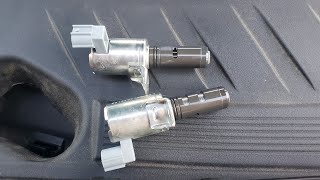
The 2015-2020 Ford Fusion, particularly with its EcoBoost and Duratec engines, relies heavily on the VCT system for both efficiency and power. Ford has issued multiple Technical Service Bulletins (TSBs) acknowledging that P0011 and related codes can be triggered by something as simple as small debris in the oil causing the VCT solenoid to stick. The official Ford diagnostic procedure, per TSB SSM 47170, even includes 🎬 Watch: A breakdown of Ford's VCT solenoid TSBs and dealer memos. a specific step (Pinpoint Test HK11) where a technician uses a scan tool to cycle the solenoid 10 times to try and dislodge debris before resorting to replacement. This makes checking oil condition and the VCT solenoids the primary diagnostic step, as they are a well-documented weak point.
Diagnostic Flowchart
Tap your situation to follow the diagnostic path that matches what you're seeing on this vehicle.
Symptoms You May Notice
- Check Engine Light is on
- Rough or erratic idle
- Poor acceleration and loss of power
- Engine stalling, especially at low speeds
- Increased fuel consumption
- Rattling or ticking noise from the engine on startup
- Difficulty starting the engine
- Replacing the camshaft position sensor first. While possible, the issue is more frequently mechanical (solenoid, oil) or hydraulic (oil pressure) rather than a complete failure of the sensor itself.
- Replacing the throttle body. An owner complaint (NHTSA ODI #11528562) mentioned a diagnosis of a failed 'actuator throttle', which is incorrect for a P0011 code. This code is unrelated to the throttle system.
Most Likely Causes
- Sticking or Failed VCT Solenoid 🔴 High Probability Ford TSBs SSM 47170 and SSM 48423 directly state that small debris in the oil can cause the VCT solenoid to stick, triggering this code. The solenoids contain fine mesh screens that can become clogged by oil sludge.
How to confirm: Use a bidirectional scan tool to perform Ford's 'Pinpoint Test HK11', which commands the solenoid on and off 10 times; listen for a clicking sound. Alternatively, remove the solenoid and test it directly with a 12V power source to see if the plunger moves. Resistance should be between 6.9 and 7.9 ohms. 🎬 See this guide on how to test a VVT solenoid.
Typical fix: Replace the Bank 1 intake VCT solenoid. In some cases, removing and cleaning the solenoid with MAF or brake cleaner while cycling it with a 12V source may work, but replacement is the most reliable fix. 🎬 Watch: How to replace the VVT solenoid on a Ford Fusion.
Est. part cost: $45-$95 - Low, Dirty, or Incorrect Viscosity Engine Oil 🔴 High Probability The Ti-VCT system is entirely dependent on oil pressure to function. Low oil levels, sludge from infrequent oil changes, or using the wrong weight oil (e.g., 5W-20 when 5W-30 is required) can prevent the phasers from actuating correctly.
How to confirm: Check the oil level on the dipstick and inspect its condition. If it is dark, gritty, or below the 'add' line, it needs to be changed. Verify the oil viscosity used during the last oil change against the manufacturer's specification for your specific engine.
Typical fix: Perform an oil and filter change using the correct grade of full synthetic or synthetic blend oil specified for your engine. For example: 1.5L EcoBoost requires 5W-20, 2.0L EcoBoost requires 5W-30, and the 2.5L Duratec requires 5W-20.
Est. part cost: $40-$80 - Failing Camshaft Phaser 🟡 Medium Probability → Shop Engine Camshaft The cam phaser is the mechanical gear that actually adjusts the camshaft. It can fail internally or get stuck due to sludge or wear, especially at higher mileage. Some Ford engines have known issues with phaser rattle on startup.
How to confirm: This is more difficult to diagnose and is typically suspected after ruling out oil and VCT solenoid issues. A distinct rattling or knocking noise from the timing cover area on startup is a strong indicator. Diagnosis requires partial engine disassembly to inspect.
Typical fix: Replace the Bank 1 intake camshaft phaser. This is a labor-intensive job that should include replacing the timing chain, tensioners, and guides at the same time.
Est. part cost: $100-$300 - Stretched Timing Chain or Worn Guides ⚪ Low Probability → Shop Engine Timing Chain
How to confirm: Listen for a persistent rattling sound from the timing chain cover that changes with engine RPM. A mechanic can verify by measuring chain slack, which requires removing the valve cover and/or timing cover. This is usually a high-mileage failure.
Typical fix: Replace the timing chain, tensioners, and guides. This is a significant and costly repair.
Est. part cost: $200-$500
Rare But Worth Checking
- Faulty Camshaft Position Sensor: → Shop Engine Camshaft Position Sensor While less common for this specific code (which usually indicates a mechanical timing issue rather than a sensor failure), a faulty sensor can send incorrect data to the ECM. It's worth considering if all other causes are ruled out.
- Wiring Harness Damage: Damage or corrosion to the wires leading to the VCT solenoid or camshaft position sensor can cause intermittent signals and trigger the code. Check the connector for oil contamination or loose pins.
- PCM Software Glitch: In some cases, the logic within the Powertrain Control Module (PCM) may be too sensitive. A dealer may need to check for and apply any available software updates that address VCT performance.
Diagnosis Steps
- Check Engine Oil: Verify the oil level is full and the oil is clean and of the correct viscosity for your engine (e.g., 5W-20 for 2.5L/1.5L, 5W-30 for 2.0L EcoBoost). If incorrect, low, or dirty, perform an oil and filter change, clear the code, and see if it returns.
- Scan for Other Codes: Check for related codes (like P0010, P0012, P0016) that can help pinpoint the issue to an electrical fault or a broader timing correlation problem.
- Inspect VCT Solenoid Wiring: Visually inspect the wiring and connector for the Bank 1 intake VCT solenoid for any damage, corrosion, or oil saturation.
- Test the VCT Solenoid: Per Ford TSB SSM 47170, use a bidirectional scan tool to run 'Pinpoint Test HK11' to cycle the solenoid 10 times to clear debris. If a scan tool is unavailable, remove the solenoid, check for clogged screens, and test its mechanical function by applying 12V power to its terminals to see if the internal plunger moves.
- Replace the VCT Solenoid: If the solenoid fails the test, is audibly stuck, or if the code returns after cleaning, replace it. This is the most common fix.
- Inspect Timing Components: If the code persists after replacing the solenoid and confirming correct oil, the issue may be with the cam phaser or timing chain. This is a more advanced step requiring removal of the valve cover for inspection and may require a professional mechanic.
Parts You'll Likely Need
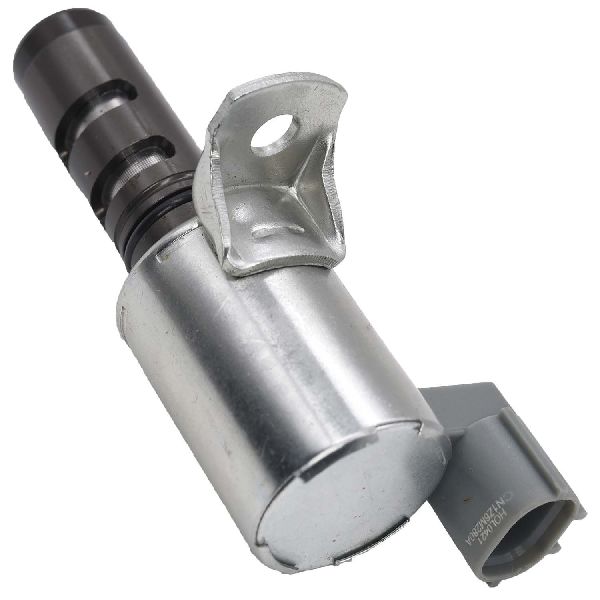
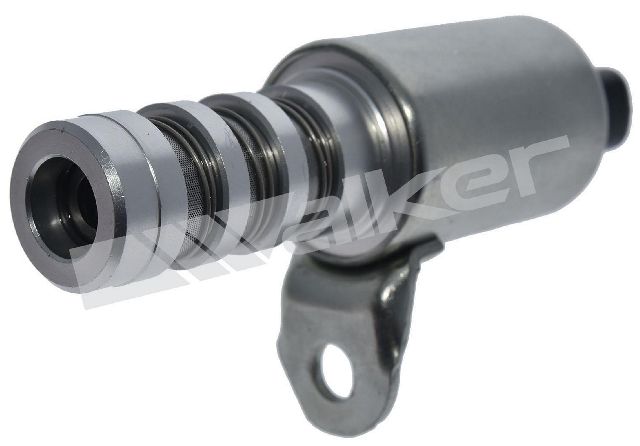
- Engine Variable Valve Timing (VVT) Solenoid
(OEM #CJ5Z-6M280-A (For 2.0L & 2.5L Engines))— This part is the most common point of failure for code P0011, often getting stuck due to oil debris, as noted in Ford's TSBs. The 2.0L and 2.5L engines use the same part for intake and exhaust.
Trusted brands: Motorcraft, Dorman (p/n 916-723), Standard Motor Products (p/n VVT204)
OEM price range: $70-$110
Aftermarket price range: $45-$80 - Engine Oil and Filter
(OEM #Motorcraft XO-5W20-QSP (5W-20) or XO-5W30-QSP (5W-30))— Correct oil level, cleanliness, and viscosity are critical for the VCT system's operation. Using the wrong oil is a documented cause of P0011.
Trusted brands: Motorcraft Synthetic Blend, Mobil 1 Full Synthetic, Castrol EDGE Full Synthetic
OEM price range: $40-$70
Aftermarket price range: $30-$50 - VVT Solenoid (For 1.5L EcoBoost)
(OEM #Intake: VTS1094ZE5 (Aftermarket), Exhaust: CN1Z-6M280-E (OEM))— The 1.5L engine uses different VCT solenoids than the 2.0L/2.5L engines, and the intake and exhaust solenoids are different.
Related Codes That Often Appear With This One
- P0012 — 'A' Camshaft Position Timing Over-Retarded. This code points to the same system but an opposite condition. Seeing both can indicate an erratic VCT solenoid or severe oiling problem.
- P0016 — Crankshaft Position - Camshaft Position Correlation (Bank 1 Sensor A). This code indicates a general mismatch between the crank and cam sensors, often triggered by the same root causes like a bad VCT solenoid, incorrect oil, or a timing chain issue.
- P0010 — 'A' Camshaft Position Actuator Circuit (Bank 1). This code points specifically to an electrical problem with the VCT solenoid circuit, such as a bad solenoid coil or wiring issue, rather than a mechanical/hydraulic problem.
Technical Service Bulletins (TSBs) & Recalls
- SSM 47170: Notes that P0011 may be due to small debris causing the VCT solenoid to stick and advises a diagnostic procedure (Pinpoint Test HK11) to cycle the solenoid before replacement.
- SSM 48423: A nearly identical TSB to 47170, reiterating the same diagnostic advice for a range of VCT codes including P0011.
- SSM 54366: Lists P0011 with other VCT codes and refers to a specific pinpoint test in the workshop manual, reinforcing that diagnosis should follow a specific procedure rather than immediate part replacement.
Platform-Specific Known Issues
- TSB SSM 47170 / SSM 48423 - VCT Solenoid Sticking: Ford issued these identical service messages noting that P0011 (and other VCT codes) can be caused by small debris causing the VCT solenoid to stick. It explicitly advises technicians to run 'Pinpoint Test HK11' from the diagnostic manual to cycle the solenoid 10 times with a scan tool to attempt to clear the debris before replacing the part.
- Engine Oil Viscosity Sensitivity: The Ti-VCT system in all Fusion engines is highly sensitive to oil viscosity. Owners have reported triggering code P0011 simply by using an incorrect oil weight (e.g., 5W-20 instead of 5W-30 in the 2.0L EcoBoost). Always use the specific oil type and grade listed in the owner's manual.
Mechanic-Grade Diagnostic Values
- VCT Solenoid Internal Resistance — expected: 6.9 to 7.9 Ohms at 68°F (20°C). Failure: A reading outside this range, or an open/infinite reading, indicates a faulty solenoid coil.
- VCT Solenoid Connector Voltage — expected: Battery voltage (approx. 12V) with key on, engine off.. Failure: No voltage suggests a wiring or fuse issue upstream of the solenoid.
- VCT ADV ERR PID (Scan Tool Live Data) — expected: Should hover around 0° (+/- 5°) at idle and during steady-state driving.. Failure: A consistent, large positive value indicates the camshaft is over-advanced and not responding to PCM commands, pointing to a stuck phaser or solenoid.
- VCT Solenoid Duty Cycle PID (Scan Tool Live Data) — expected: The PCM will vary the duty cycle to control the solenoid. This value will fluctuate during operation.. Failure: If the PCM commands a high duty cycle but the VCT error PID doesn't change, it suggests a mechanical or hydraulic issue (stuck solenoid, clogged passage, bad phaser) rather than an electrical one.
Scan Tool Commands That Help
- Ford IDS (Integrated Diagnostic System): VCT Advance Error PID (VCT_ADV_ERR) — Use this live data parameter to see the difference between the commanded and actual camshaft angle in degrees. A persistent positive value confirms the over-advanced condition of P0011.
- Ford IDS (Integrated Diagnostic System) or high-level bidirectional scanner: VCT Solenoid Duty Cycle Command — This command allows the technician to manually control the VCT solenoid. By commanding it on and off while monitoring RPM or engine smoothness, a technician can confirm if the solenoid is physically working and influencing engine timing. This is part of Ford's pinpoint tests.
Wiring & Ground Locations
- G104 — On the cylinder head, next to the #4 intake manifold runner.. This is a primary ground point for the Engine Control harness, which includes wiring for the PCM and various sensors. A poor connection here can cause erratic sensor readings and unpredictable behavior.
- G105 / G106 — Located on the right side of the engine compartment, near the Power Steering Control Module (PSCM) or on the right front of the engine compartment.. These grounds serve various components in the engine bay. While not a direct ground for the VCT circuit, poor engine grounds can cause electrical noise and voltage drops that affect PCM and sensor operation.
- VCT Solenoid Connector — On top of the valve cover, plugging directly into the VCT solenoid.. The connector itself can become contaminated with oil or the locking tab can break, leading to a poor connection. The two pins are for power (12V) and the control signal (ground provided by PCM).
Real Owner Repair Stories
- Reddit user in r/AskMechanics (Unknown vehicle, but battled a P0011 code for two years.) — Persistent P0011 code.
❌ Tried (didn't work) Initial diagnosis pointed towards common causes like VVT solenoids or oil issues.
✅ What actually fixed it The final root cause was a bad (stretched) timing chain.
OEM Part Supersession History
CJ5Z-6M280-A→No supersession found, this appears to be the current part number.— N/A
Heads up: This part number (CJ5Z-6M280-A) is specified for the 2.0L and 2.5L engines in the Fusion. It is not compatible with the 1.5L EcoBoost, which uses different intake and exhaust solenoids.
Model Year Variations Within This Range
- 2017-2020: The 2017 model year introduced a mid-cycle refresh for the Fusion, which included powertrain updates. While the base 2.5L engine remained largely the same, the 2.0L EcoBoost received revisions. However, the fundamental operation of the Ti-VCT system and the common causes for P0011 (oil, solenoids) remain consistent across the 2015-2020 range.
Helpful Videos

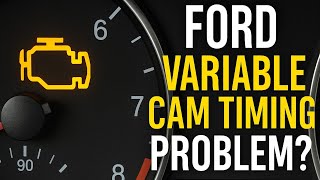
We Have This Part in Stock


The information in this article is provided for general reference and educational purposes only. Vehicle specifications, procedures, and part compatibility can vary by production date, trim level, and region. Always consult your vehicle's factory service manual and verify part numbers before purchasing or performing repairs. Safety-critical components such as airbags, seat belts, and braking systems should be installed by a qualified professional.
- Ford FUSION:
- 🧭 Diagnostic Flowchart
- 🎬 Helpful Videos
- 🛍️ Shop This Part
- What's Unique About the 2015-2020 Ford FUSION
- Symptoms You May Notice
- Most Likely Causes
- Rare But Worth Checking
- Diagnosis Steps
- Parts You'll Likely Need
- Related Codes That Often Appear With This One
- Technical Service Bulletins (TSBs) & Recalls
- Platform-Specific Known Issues
- Mechanic-Grade Diagnostic Values
- Scan Tool Commands That Help
- Wiring & Ground Locations
- Real Owner Repair Stories
- OEM Part Supersession History
- Model Year Variations Within This Range
- 🎟️ Get 5% Off