

P0011 on 2019-2021 Ford Ranger: Causes and Fixes for Camshaft Timing
On a 2019-2021 Ford Ranger, code P0011 is most often caused by low or dirty engine oil, or a failing intake VCT solenoid. Start by checking your oil and changing it if necessary. If the oil is fine, the most common repair is replacing the intake VCT solenoid, which costs about $30-$80 for the part. This is a known issue on Ford's EcoBoost engines.
- P0011 on your Ranger means the intake camshaft timing is stuck in an over-advanced position.
- Before buying any parts, check your engine oil level and condition. Low or dirty oil is the most common cause.
- The most likely failed part is the intake VCT solenoid, which gets stuck due to oil debris. This is a known issue on Ford EcoBoost engines.
- A great DIY diagnostic is to swap the intake and exhaust VCT solenoids to see if the trouble code follows to the other camshaft.
- Replacing the VCT solenoid requires removing the valve cover, so plan on replacing the valve cover gasket at the same time.
What's Unique About the 2019-2021 Ford RANGER
The 2.3L EcoBoost engine in the Ranger uses a sophisticated Twin Independent Variable Camshaft Timing (Ti-VCT) system that relies heavily on clean, correct-viscosity engine oil. These engines are known to be sensitive to oil condition, and Ford has issued multiple technical service bulletins (TSBs) acknowledging that VCT-related codes like P0011 are common across many models using this system. The TSBs often state the cause is small debris in the oil causing the VCT solenoids to stick. Therefore, maintenance history and oil quality are particularly important when diagnosing this code on a Ranger.
Diagnostic Flowchart
Tap your situation to follow the diagnostic path that matches what you're seeing on this vehicle.
Symptoms You May Notice
- Check Engine Light illuminated
- Rough or unstable idle
- Engine stalling or hesitation, especially when coming to a stop
- Reduced engine power and sluggish acceleration
- Decreased fuel economy
- Hard starting
- Rattling noise from the engine, which could indicate a more serious phaser or timing chain issue
- Replacing the camshaft position sensor. The sensor is usually just reporting the problem that it sees with the camshaft's timing; it's rarely the cause of the P0011 code itself. Diagnosing sensor codes (like P0340) should be done first if they are present.
Most Likely Causes
- Low, Dirty, or Incorrect Viscosity Engine Oil 🔴 High Probability The Ti-VCT system is hydraulic and extremely sensitive to oil pressure and cleanliness. Turbocharged engines like the 2.3L EcoBoost can also be harder on oil. Furthermore, TSB SSM 50736 specifically notes that short trips, long idling, and cold climates can lead to fuel contaminating the oil in the 2.3L EcoBoost, degrading its quality and potentially causing VCT issues.
How to confirm: Check the oil level on the dipstick. Inspect the oil for darkness, thickness, or a fuel smell. Verify the vehicle's service history for the last oil change and ensure the correct oil (SAE 5W-30 synthetic blend) was used.
Typical fix: Change the engine oil and filter using the manufacturer-specified grade. This is the first and most important diagnostic step.
Est. part cost: $40-$80 - Sticking or Failed Intake VCT Solenoid 🔴 High Probability This is the most common component failure for P0011. Debris in the oil can clog the small passages in the solenoid, causing it to stick open or closed. This is a known issue across many Ford EcoBoost engines, as documented in multiple TSBs.
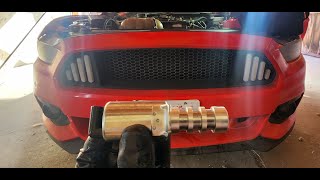
How to confirm: A definitive no-cost diagnostic step is to swap the intake VCT solenoid with the exhaust VCT solenoid. Clear the codes and drive. If the code changes to P0014 (Exhaust Camshaft Position Timing), the solenoid is confirmed bad. A scan tool can also be used to command the solenoid and monitor its response; 🎬 See how to tell if your VVT solenoid is bad. Ford's own diagnostic procedure (Pinpoint Test HK) involves cycling the solenoid 10 times to try and clear debris.
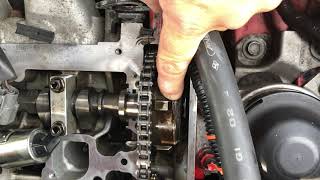
Typical fix: Replace the intake VCT solenoid. This requires removing the valve cover. 🎬 Watch this 2.3L EcoBoost solenoid replacement walkthrough. It is highly recommended to perform an oil change at the same time to prevent the new solenoid from failing due to contaminated oil.
Est. part cost: $30-$80 - Failed Cam Phaser ⚪ Low Probability → Shop Engine Timing Gear While less common than a solenoid failure, the cam phaser (the actuator on the end of the camshaft) can fail mechanically. On other EcoBoost engines, this is a more frequent issue often accompanied by a distinct startup rattle. While rarer on the Ranger's 2.3L, it is not unheard of.
How to confirm: This is typically diagnosed after confirming the oil and VCT solenoid are good. A persistent rattling noise from the front of the engine on cold startups is a strong indicator of a phaser issue. Advanced diagnostics are required for confirmation.
Typical fix: Replace the camshaft phaser, which is a significant repair that also involves removing the timing cover and potentially the timing chain.
Est. part cost: $100-$250
Rare But Worth Checking
- Stretched Timing Chain or Worn Guides: → Shop Engine Timing Chain While rare on a newer vehicle, if the engine has high mileage or has been poorly maintained, a stretched timing chain can cause the base timing to be off, triggering this code. This is a major repair and would likely be accompanied by rattling noises.
- Wiring Harness Issue: Damage to the wiring or connector for the VCT solenoid can cause it to malfunction. Check for frayed wires, loose connections, or oil contamination in the connector.
Diagnosis Steps
- Check the engine oil level and condition. If it is low, dirty, or smells of fuel, address this first by performing an oil and filter change with the correct SAE 5W-30 oil. This is the most common cause and the cheapest fix.
- Scan for any other DTCs. Codes like P0016 or multiple misfire codes can point towards a more severe issue.
- Use a scan tool to monitor the desired vs. actual camshaft position angles for Bank 1 Intake. A large, persistent deviation confirms the fault.
- As a definitive test, swap the intake and exhaust VCT solenoids. They are identical parts. Clear the codes and run the engine. If the fault code changes to P0014, the original intake solenoid is faulty and needs to be replaced. This is a widely accepted diagnostic method in owner forums.
- Before replacing, consider using a scan tool to perform the VCT solenoid command test (Pinpoint Test HK) to cycle the solenoid, which may dislodge debris and temporarily fix the issue, confirming a solenoid problem.
- If the code does not change after swapping solenoids, inspect the wiring and connector to the intake VCT solenoid for damage, corrosion, or oil saturation.
- If oil, solenoid, and wiring are all good, the issue may be mechanical with the cam phaser or timing chain, which requires more in-depth diagnostics and likely professional service. Listen for startup rattles.
Parts You'll Likely Need
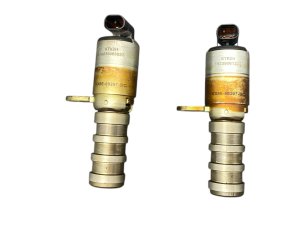
- Variable Camshaft Timing (VCT) Solenoid
(OEM #CJ5Z-6M280-A)— This is the most common component to fail. It gets stuck due to oil contamination, preventing proper adjustment of the cam timing. This part is shared across many Ford 2.0L and 2.3L EcoBoost engines.
Trusted brands: Motorcraft, Dorman
OEM price range: $50-$80
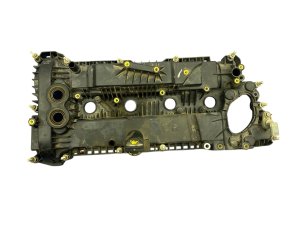
Aftermarket price range: $30-$60 - Valve Cover Gasket Kit — The valve cover must be removed to access the VCT solenoids on the 2.3L EcoBoost. It is best practice to replace the gasket anytime the valve cover is removed to prevent future oil leaks. Some owners on related platforms choose to replace the entire valve cover if the solenoid seals appear worn.
Trusted brands: Motorcraft, Fel-Pro
OEM price range: $40-$70
Aftermarket price range: $25-$50
Related Codes That Often Appear With This One
- P0014 — This code is for the exhaust camshaft ('B') on the same bank. If both appear, it could point to a systemic oil pressure/quality issue or a timing chain problem affecting both cams.
- P0016 — This code indicates a correlation problem between the crankshaft and the intake camshaft. It often appears with P0011 and can point towards a more serious mechanical timing issue, like a jumped or stretched timing chain.
- P0300-P0304 — Misfire codes can be triggered because incorrect cam timing disrupts the engine's combustion cycle, leading to misfires in one or more cylinders.
Technical Service Bulletins (TSBs) & Recalls
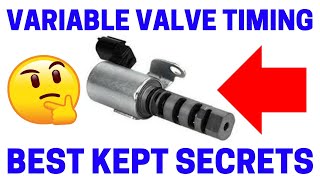
- SSM 54366: Notes that 2015-2021 Ford vehicles may exhibit an illuminated MIL with DTC P0011 and other related VCT codes. It directs technicians to use the updated Pinpoint Test HK for diagnosis. 🎬 Watch: A breakdown of Ford's VCT solenoid service memos.
- SSM 49821: A similar TSB covering 2015-2021 Ford and Lincoln vehicles that may exhibit an illuminated MIL with DTCs including P0011.
- SSM 50736: Specifically for the 2019-2021 Ranger 2.3L, this bulletin addresses customer concerns of increased oil level or a fuel smell in the oil due to certain operating conditions. It advises that this is normal but highlights a factor (poor oil quality) that directly contributes to P0011.
Platform-Specific Known Issues
- This code is included in Ford's Technical Service Bulletin #SSM 54366, which covers a wide range of VCT-related DTCs on 2015-2021 Ford vehicles, indicating this is a well-known issue to the manufacturer. The bulletin directs technicians to an updated diagnostic procedure (Pinpoint Test HK).
- Another TSB, #SSM 50736, notes issues with fuel getting into the oil on some 2019-2021 Rangers with the 2.3L EcoBoost, which can degrade oil quality and contribute to VCT system problems. This is attributed to driving conditions like frequent short trips or long idles.
Mechanic-Grade Diagnostic Values
- VCT Solenoid Internal Resistance — expected: 7.0 to 14.0 Ohms. Failure: A reading of OL (Open Loop/infinite resistance) indicates an open coil. A reading significantly below 7.0 Ohms indicates a shorted coil.
- VCT Solenoid Connector Voltage (Key On, Engine Off) — expected: ~12V (Battery Voltage). Failure: No voltage or very low voltage suggests a problem with the power supply circuit, a blown fuse, or an issue with the PCM power relay.
- Scan Tool PID: VCT_ADV_ERR (VCT Advance Error) — expected: Close to 0 degrees at idle and under steady-state driving.. Failure: A large, persistent positive value indicates the camshaft is over-advanced compared to the PCM's command, which is the direct trigger for code P0011.
Scan Tool Commands That Help
- Ford IDS (Integrated Diagnostic System) or equivalent professional scan tool: Pinpoint Test HK / VCT Solenoid Bi-Directional Control — This is a key diagnostic step mentioned in Ford TSBs (like SSM 47170). The command cycles the VCT solenoid on and off rapidly (e.g., 10 times) to dislodge small debris stuck in the solenoid's passages. If running this test temporarily or permanently resolves the code, it confirms a sticking solenoid was the cause and can sometimes avoid an unnecessary replacement.
Wiring & Ground Locations
- VCT Solenoid Connector — The intake and exhaust VCT solenoids are located on the front of the engine, inserted into the valve cover. Their connectors are accessible at the top front of the engine.. This is the primary point for electrical testing (voltage and resistance). The connector and its wiring are susceptible to oil contamination, heat damage, or loose connections that can cause the solenoid to malfunction.
- G103 / G104 (Example Ground Point) — On older Ranger platforms, a critical ground point (G103 or G104) for the fuel system and other components is located on the frame near the starter relay. While the exact location for the 2019-2021 model may differ, the main engine-to-chassis and battery-to-chassis grounds are critical for stable sensor readings. A common location for a main body ground is on the radiator core support.. A poor ground connection for the PCM or its sensors can introduce electrical noise and voltage drops, potentially causing incorrect readings from the camshaft and crankshaft sensors, which could indirectly contribute to timing codes. Ensuring all major engine and body grounds are clean and secure is a fundamental step in diagnosing any electronic engine issue.
OEM Part Supersession History
CJ5E-6B297-AA→CJ5Z-6M280-A— Part number consolidation and potential design revision for improved durability or performance. The CJ5Z-6M280-A part is widely listed for the 2.3L EcoBoost across multiple platforms including the Ranger, Mustang, and Explorer.
Model Year Variations Within This Range
- 2019-2021: For the 2019-2021 model years, the Ford Ranger used the same 2.3L EcoBoost I-4 engine and 10-speed automatic transmission combination. There are no significant documented changes to the Ti-VCT system, VCT solenoids, or common causes of P0011 within this specific year range.
Helpful Videos
Used OEM Parts in Stock
New Aftermarket Parts Available


The information in this article is provided for general reference and educational purposes only. Vehicle specifications, procedures, and part compatibility can vary by production date, trim level, and region. Always consult your vehicle's factory service manual and verify part numbers before purchasing or performing repairs. Safety-critical components such as airbags, seat belts, and braking systems should be installed by a qualified professional.
- Ford RANGER:
- 🧭 Diagnostic Flowchart
- 🎬 Helpful Videos
- 🛍️ Shop This Part
- What's Unique About the 2019-2021 Ford RANGER
- Symptoms You May Notice
- Most Likely Causes
- Rare But Worth Checking
- Diagnosis Steps
- Parts You'll Likely Need
- Related Codes That Often Appear With This One
- Technical Service Bulletins (TSBs) & Recalls
- Platform-Specific Known Issues
- Mechanic-Grade Diagnostic Values
- Scan Tool Commands That Help
- Wiring & Ground Locations
- OEM Part Supersession History
- Model Year Variations Within This Range
- 🎟️ Get 5% Off