

P0011 on 2010-2012 GMC Terrain 2.4L: Causes and Fixes for Camshaft Timing Issues
On a 2010-2012 GMC Terrain with the 2.4L engine, code P0011 is most often caused by a faulty intake camshaft position actuator solenoid, often due to low or dirty engine oil. Replacing the solenoid is a common DIY fix costing around $25-$60 for the part. Always check oil level first, as these engines are known to consume oil.
- For a P0011 code on a 2010-2012 GMC Terrain 2.4L, the first and most critical step is to check your engine oil. These engines burn oil, and low oil is the primary cause of this code.
- The most common part to fail is the intake camshaft position actuator solenoid, which is an inexpensive and relatively easy part to replace yourself.
- GM issued TSB #17NA098 recommending the replacement of BOTH the intake and exhaust solenoids to fix this issue.
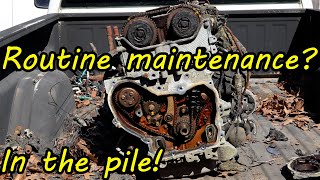
- A rattling noise from the engine, especially at startup, is a serious symptom that likely indicates a stretched timing chain, which is a much more expensive repair.
- This code can cause the engine to stall, posing a safety risk. Do not ignore it.
What's Unique About the 2010-2012 Gmc TERRAIN
The 2010-2012 GMC Terrain with the 2.4L Ecotec engine is notoriously prone to issues that directly cause the P0011 code. These engines have a well-documented history of excessive oil consumption due to defective piston rings, which was the subject of a class-action lawsuit and GM Special Coverage Adjustments. This oil consumption leads to low oil levels and degraded oil quality, which starves the oil-dependent VVT system, causing solenoids to fail and timing chains to wear prematurely. The problem is shared directly with its platform mate, the Chevrolet Equinox.
Diagnostic Flowchart
Tap your situation to follow the diagnostic path that matches what you're seeing on this vehicle.
Symptoms You May Notice
- Check Engine Light is on
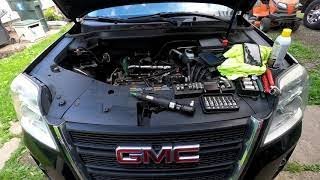
- Engine stalling, sometimes when coming to a stop or accelerating slowly. 🎬 See how a faulty solenoid causes stalling and rough idle.
- Rough or unstable idle.
- Engine hesitation or lack of power, especially on acceleration.
- Rattling or sharp, grinding noise from the front of the engine, especially on a cold startup, which is a classic sign of a timing chain issue. [ODI #10413184, TSB #PIP4716F]
- Hard starting.
- Engine sounds like it has no oil or makes a whining sound. [ODI #10558806, ODI #11442702]
- Replacing the camshaft position sensor. The sensor's job is to read the camshaft's position. It reports the problem but does not cause it. The code P0011 points to a mechanical timing issue (actuator, chain, phaser) or an oil pressure/flow problem, not a sensor reading failure.
Most Likely Causes
- Low or Dirty Engine Oil 🔴 High Probability The 2.4L Ecotec engine is known for excessive oil consumption due to piston ring issues, making low oil a very common problem. The VVT system is entirely dependent on clean oil at the correct pressure to function, and dirty oil clogs the fine mesh screens on the actuator solenoids.
How to confirm: Check the engine oil level on the dipstick and examine its condition. If the level is low or the oil is dark, sludgy, or past its change interval, this is the most likely cause or a major contributing factor.
Typical fix: Perform an oil and filter change using the correct viscosity oil (ACDelco dexos1 approved 5W-30 full synthetic is specified). Top off the oil if low and monitor consumption closely, checking every 500 miles.
Est. part cost: $30-$70 - Failed Intake Camshaft Position Actuator Solenoid 🔴 High Probability → Shop Engine Camshaft These solenoids get clogged with sludge from dirty oil or fail electronically. GM issued Technical Service Bulletin #17-NA-098 directly citing this part as the cause for P0011 and related codes, recommending replacement of both solenoids. [23, ODI #10558806]
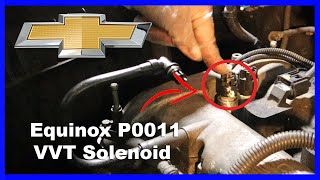
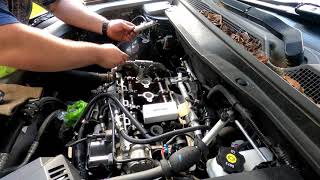
How to confirm: Swap the intake solenoid (front of the engine, gray connector) with the exhaust solenoid 🎬 Watch: How to locate and replace your VVT solenoids. (rear of the engine, black connector). Clear codes and drive. If the code changes to P0014 (exhaust camshaft), the solenoid is bad. Alternatively, test the solenoid's resistance with a multimeter; it should be between 8 and 13 ohms. A fluctuating reading while wiggling the connector also indicates failure.
Typical fix: Replace the intake camshaft position actuator solenoid. It is highly recommended by TSB #17-NA-098 to replace both the intake and exhaust solenoids at the same time. Use of OEM ACDelco parts is recommended as some owners report issues with aftermarket parts failing prematurely.
Est. part cost: $25-$60 - Stretched Timing Chain or Failed Tensioner 🟡 Medium Probability → Shop Engine Timing Chain Chronic oil starvation from consumption issues accelerates wear on the timing chain, plastic guides, and tensioner. [20, ODI #11442702] A startup rattle is a classic symptom of a failing timing system on these engines. [ODI #10413184, TSB #PIP4716F]
How to confirm: This is a more advanced diagnosis. A distinct rattling noise on cold starts is a strong indicator. A mechanic can check camshaft deviation angles with a professional scan tool; a persistent deviation over +/- 4 degrees suggests a mechanical timing issue. A physical inspection requires removing the valve cover to check for chain slack, which is a definitive but labor-intensive check.
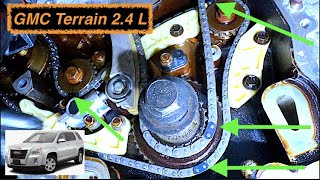
Typical fix: Replace the timing chain, guides, tensioners, and often the sprockets (phasers). This is a significant and costly repair, but necessary to prevent catastrophic engine failure. 🎬 Watch: Step-by-step guide to replacing the timing and balance chains.
Est. part cost: $200-$500
Rare But Worth Checking
- Failed Camshaft Phaser (Actuator): → Shop Engine Camshaft The phaser is the mechanical gear that the solenoid acts upon. It can fail internally, getting stuck or losing its ability to adjust timing, even with a good solenoid and chain. One owner documented a P0011 code returning a month after a full timing job; the ultimate fix was replacing the new intake phaser which had failed prematurely.
- Clogged PCV System: On vehicles in cold climates, moisture can freeze in the PCV tube, leading to a blockage. This can cause crankcase pressure to build, blowing out seals and severely impacting oil consumption and quality, which indirectly leads to VVT system problems and code P0011.
Diagnosis Steps
- Check the engine oil level and condition. This is the #1 step. If the oil is low, top it off. If it's dark or sludgy, perform a full oil and filter change with 5W-30 full synthetic oil. Clear the code and see if it returns.
- Scan for other DTCs. Codes like P0010, P0014, or P0016 provide critical context for the diagnosis.
- Inspect the wiring and connector for the intake camshaft position actuator solenoid (front of the valve cover) for damage, corrosion, or loose connections.
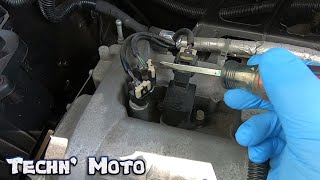
- Swap the intake and exhaust VVT solenoids. They are identical and located on top of the valve cover, held by one 10mm bolt each. The intake has a gray connector, the exhaust has a black one. Mark them so you know which is which. Clear the codes and run the engine. If P0011 disappears and P0014 appears, the solenoid you moved to the exhaust position is confirmed faulty.
- If swapping solenoids doesn't change the code, test the resistance of the intake solenoid using a multimeter. A healthy solenoid should read between 8-13 ohms. An open circuit (no reading) or a reading that jumps around when wiggled confirms a bad solenoid.
- Listen for a rattling or grinding noise from the passenger side of the engine on a cold start. This noise is a tell-tale sign of a stretched timing chain or failing guides/tensioner.
- If the timing chain is suspected, seek professional diagnosis or prepare for advanced work. A mechanic can use a scan tool to view camshaft deviation data. Physical inspection for chain slack is the definitive test.
Parts You'll Likely Need
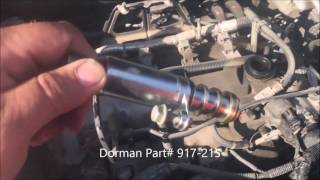
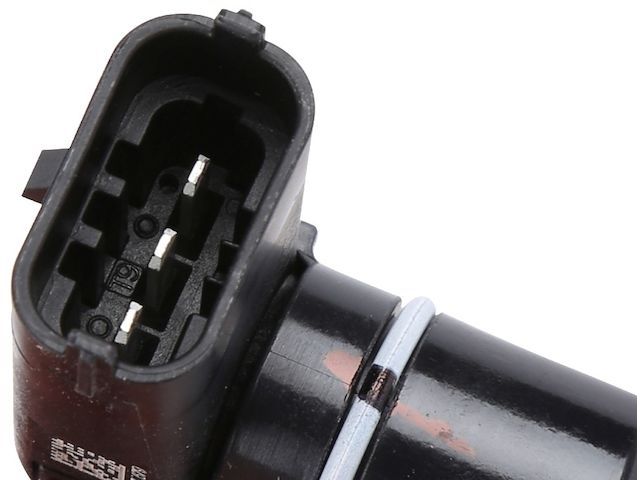
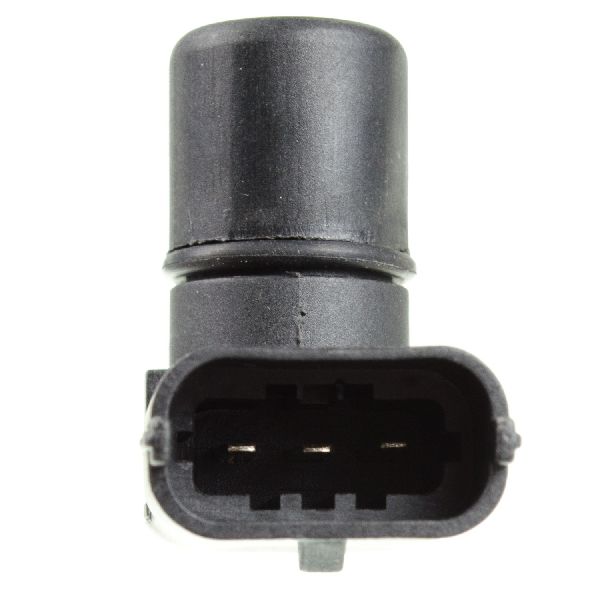
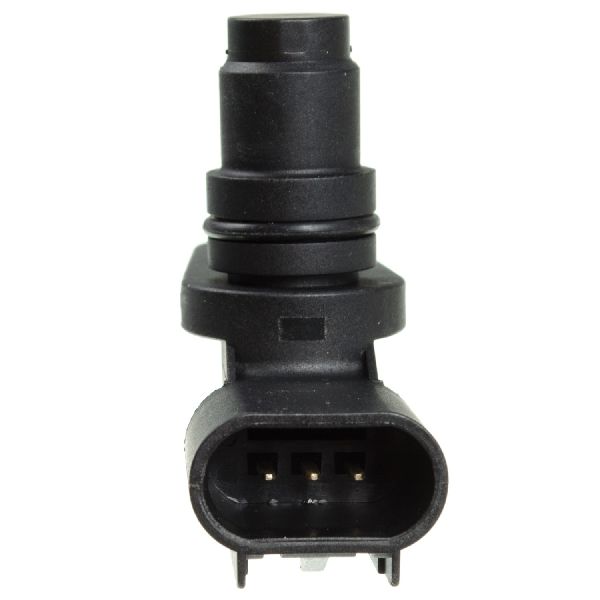
- Intake Camshaft Position Actuator Solenoid
(OEM #12655420 (often superseded by 12679099))— This is the most common failed part for a P0011 code on this engine, as confirmed by owner reports and TSB #17-NA-098. [23, ODI #10558806]
Trusted brands: ACDelco (GM Original Equipment), Dorman
OEM price range: $40-$60
Aftermarket price range: $20-$40 - Exhaust Camshaft Position Actuator Solenoid
(OEM #12655421 (often superseded by 12679100))— TSB #17-NA-098 recommends replacing both solenoids at the same time, as they are subjected to the same oil conditions and have similar failure rates.
Trusted brands: ACDelco (GM Original Equipment), Dorman
OEM price range: $40-$60
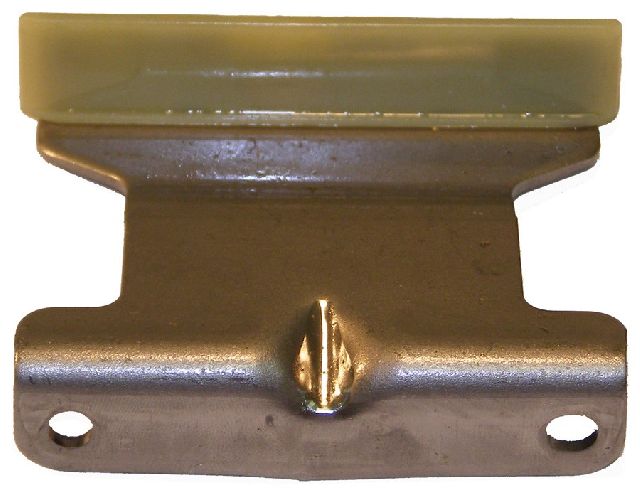
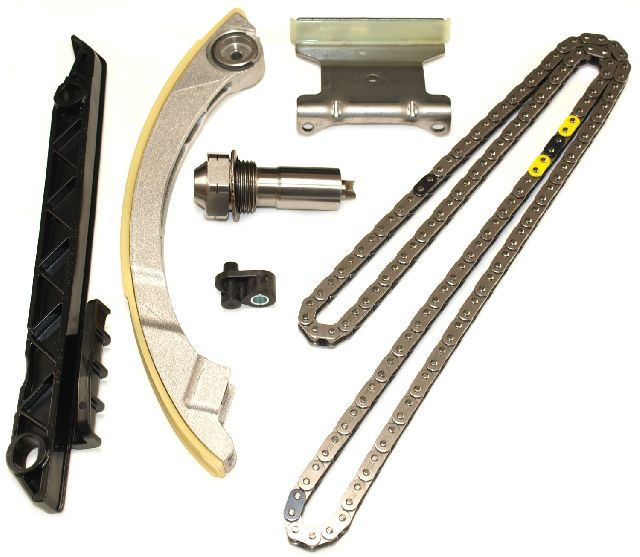
Aftermarket price range: $20-$40 - Timing Chain Kit — If the code is accompanied by a startup rattle and is not fixed by replacing the solenoids, a stretched timing chain is the next likely cause. [20, ODI #11442702]
Trusted brands: ACDelco, Cloyes
OEM price range: $300-$500
Aftermarket price range: $150-$300
Related Codes That Often Appear With This One
- P0010 — This code indicates a circuit malfunction for the intake camshaft position actuator solenoid. It often appears with P0011 when the solenoid has failed electronically (e.g., an open or shorted coil).
- P0014 — This is the equivalent code for the exhaust camshaft ('B' camshaft). It's common to see both P0011 and P0014 if both solenoids are failing or if there is a systemic oil pressure/quality issue affecting the entire VVT system.
- P0016 / P0017 — These codes indicate a correlation issue between the crankshaft and camshaft positions. They are a very strong indicator of a stretched or jumped timing chain, representing a more severe mechanical timing problem than P0011 alone. [20, ODI #11442702, TSB #PIP4716F]
- P0300 — This code indicates a random/multiple cylinder misfire. An incorrectly timed camshaft can disrupt the combustion process across all cylinders, leading to misfires, rough running, and the P0300 code.
Technical Service Bulletins (TSBs) & Recalls
- Bulletin #17-NA-098: Addresses rough running, hesitation, stalling, and hard starts with codes P0010, P0011, P0013, or P0014. The official correction is to replace *both* camshaft position actuator solenoid valves and verify the ECM has the latest software.
- Bulletin #PIP4716F: Mentions a short, sharp rattle noise from the front of the engine at start up, potentially accompanied by codes P0011, P0014, P0016, or P0017, pointing towards a timing chain issue.
Platform-Specific Known Issues
- Excessive Oil Consumption: Models from 2010-2013 with the 2.4L engine are known to consume excessive oil due to faulty, low-tension piston rings. GM acknowledged this with Special Coverage Adjustment #14159. This is the root cause of many VVT and timing chain failures.
Mechanic-Grade Diagnostic Values
- Camshaft Position Actuator Solenoid Resistance — expected: 8-13 Ohms between the two terminals.. Failure: A reading outside this range, an open circuit (infinite resistance), or a reading that fluctuates when wiggling the connector.
- Scan Tool: Desired vs. Actual Camshaft Position Angle — expected: The 'Actual' value should closely track the 'Desired' value commanded by the ECM. At idle, both should be near 0 degrees.. Failure: A large, persistent discrepancy between desired and actual angles (e.g., more than +/- 4 degrees at idle) points to a mechanical timing issue or a stuck phaser.
- Scan Tool: Camshaft Position Variance — expected: The variance should be less than 2 degrees when commanding the actuator between 0 and 20 degrees.. Failure: A variance greater than 2 degrees suggests a problem with the mechanical camshaft actuator (phaser).
Scan Tool Commands That Help
- GDS2 (GM Dealer Tool) or equivalent: Camshaft Position Actuator Solenoid Control — This bidirectional command allows a technician to command the solenoid from 0 to 20 degrees while observing the 'Camshaft Position Variance' PID. It directly tests if the solenoid and phaser are responding to ECM commands, helping to isolate a faulty solenoid from a stuck phaser or wiring issue.
Wiring & Ground Locations
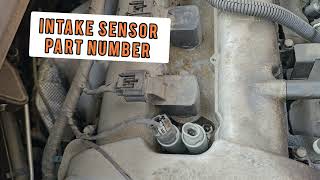
- Q6 Intake Camshaft Position Actuator Solenoid — On the top front of the engine (radiator side), accessible after removing the plastic engine cover. It has a gray electrical connector.. This is the component directly referenced by code P0011. The connector and its two terminals (Control Terminal A and Low Reference Circuit Terminal B) are the primary points for electrical testing (resistance, voltage).
- Q6 Exhaust Camshaft Position Actuator Solenoid — On the top rear of the engine (firewall side), next to the intake solenoid. It has a black electrical connector.. This component is identical to the intake solenoid and is used for the common diagnostic step of swapping parts to see if the trouble code follows the component (changing from P0011 to P0014).
- G109 Ground — Located on the top rear of the engine.. A poor engine ground can cause a variety of sensor and actuator issues, including erratic behavior of the VVT system. While not a primary cause, it should be checked for tightness and corrosion during a thorough diagnosis.
Real Owner Repair Stories
- YouTube user comment on a P0011 diagnostic video (2013 Chevy Equinox 2.4L) — DTC P0011, check engine light.
❌ Tried (didn't work) Initial diagnosis pointed to a bad actuator.
✅ What actually fixed it The problem was resolved by replacing the intake camshaft actuator solenoid. The user noted that low or dirty oil and chafed wiring were other potential causes they considered.
OEM Part Supersession History
12655420→12679099— Standard part update/revision by the manufacturer.
Heads up: The new part number (12679099) is the correct current replacement for the original (12655420) and is fully compatible.12655421→12679100— Standard part update/revision by the manufacturer.
Heads up: This is for the exhaust solenoid, which is commonly replaced with the intake. The new part number (12679100) is the correct current replacement for the original (12655421).
Model Year Variations Within This Range
- 2010-2011: These model years primarily used the 2.4L LAF Ecotec engine.
- 2012: The 2012 model year transitioned to the 2.4L LEA Ecotec engine. The LEA is fundamentally the same as the LAF but added E85 FlexFuel capability. For the purposes of diagnosing P0011, the VVT components and common failures are identical between the LAF and LEA engines.
Helpful Videos
We Have This Part in Stock


The information in this article is provided for general reference and educational purposes only. Vehicle specifications, procedures, and part compatibility can vary by production date, trim level, and region. Always consult your vehicle's factory service manual and verify part numbers before purchasing or performing repairs. Safety-critical components such as airbags, seat belts, and braking systems should be installed by a qualified professional.
- Gmc TERRAIN:
- 🧭 Diagnostic Flowchart
- 🎬 Helpful Videos
- 🛍️ Shop This Part
- What's Unique About the 2010-2012 Gmc TERRAIN
- Symptoms You May Notice
- Most Likely Causes
- Rare But Worth Checking
- Diagnosis Steps
- Parts You'll Likely Need
- Related Codes That Often Appear With This One
- Technical Service Bulletins (TSBs) & Recalls
- Platform-Specific Known Issues
- Mechanic-Grade Diagnostic Values
- Scan Tool Commands That Help
- Wiring & Ground Locations
- Real Owner Repair Stories
- OEM Part Supersession History
- Model Year Variations Within This Range
- 🎟️ Get 5% Off