

P0011 on 2015-2020 GMC Yukon: Causes and Fixes for Camshaft Over-Advanced
Code P0011 on a 2015-2020 GMC Yukon most often indicates a faulty Bank 1 (driver's side) intake camshaft position actuator solenoid, a problem highlighted in GM service bulletins. Low or dirty engine oil is another primary cause. A new solenoid is affordable, typically costing $30-$70, and is a common DIY repair. In some cases, the issue can be a chafed wiring harness near the front of the engine.
- For a P0011 code on a 2015-2020 Yukon, the first step is always to check the engine oil level and condition.
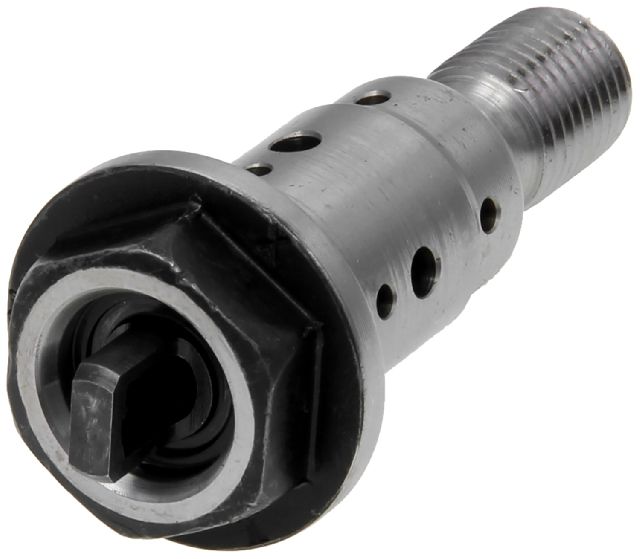
- The most probable cause is a faulty Bank 1 (driver's side) intake camshaft position actuator solenoid.
- A simple and effective diagnostic is to swap the intake solenoids between Bank 1 and Bank 2 to see if the code follows the part.
- This code is linked to serious drivability issues like stalling and no-starts in official GM service bulletins, so it should be addressed promptly.
- Do not confuse the actuator solenoid with the position sensor; the solenoid is the more likely culprit.
What's Unique About the 2015-2020 Gmc YUKON
The EcoTec3 V8 engines in this generation of Yukon are well-documented by GM to have issues that trigger the P0011 code. Multiple Technical Service Bulletins (TSBs) have been issued that directly link this code to a sticking Camshaft Position Actuator Solenoid, which can cause severe drivability problems like stalling or a crank-no-start condition. These solenoids are a known weak point, and low or dirty oil can accelerate their failure. Additionally, other platform-specific issues like a chafed wiring harness or a degraded oil pickup tube O-ring can manifest as a P0011 code, sometimes misleading diagnostics.
Diagnostic Flowchart
Tap your situation to follow the diagnostic path that matches what you're seeing on this vehicle.
Symptoms You May Notice
- Engine stalling or dying, especially at idle or low speeds
- Intermittent crank-but-no-start condition
- Rough or unstable idle, sometimes with RPMs fluctuating
- Reduced engine power and sluggish acceleration
- Decreased fuel economy
- Engine rattling, ticking, or knocking noises
- Check Engine Light is on
- Service Stabilitrak/Traction Control message may appear on the dash
- Replacing the camshaft position *sensor* when the actual problem is the more common failure of the camshaft position actuator *solenoid*.
- Replacing timing components when the root cause is simply low or dirty engine oil.
- Overlooking a chafed wiring harness and unnecessarily replacing VVT components. 🎬 See this breakdown of common P0011 causes and fixes.
Most Likely Causes
- Faulty Camshaft Position Actuator Solenoid (Bank 1 Intake) 🔴 High Probability → Shop Engine Camshaft This is a well-documented failure point on these GM engines, as cited in multiple TSBs like #PIP5130K, which states the solenoid may be sticking or binding. Oil sludge can clog the small screens and internal passages, preventing proper operation.
How to confirm: Swap the Bank 1 intake solenoid with the Bank 2 (passenger side) intake solenoid. Clear the codes and drive. If the code returns as P0021 (the Bank 2 equivalent), the solenoid is confirmed bad. A scan tool can also be used to command the solenoid on and off to check for response, as suggested in TSB #PIP5130K.
Typical fix: Replace the Bank 1 intake camshaft position actuator solenoid. This part is located on the front of the driver's side cylinder head.
Est. part cost: $30 - $85 - Low or Dirty Engine Oil 🔴 High Probability The VVT system is entirely dependent on oil pressure and cleanliness to function. Sludge or low levels will prevent the actuators from responding correctly. These engines specify SAE 0W-20 full synthetic oil, and using a thicker or incorrect oil can impede the VVT system's operation.
How to confirm: Check the engine oil level on the dipstick and inspect its color and consistency. If it's low, black, or sludgy, it needs to be changed. Ensure the correct oil viscosity is being used.
Typical fix: Perform an engine oil and filter change using the manufacturer-specified oil (SAE 0W-20) and a quality filter like an ACDelco PF63.
Est. part cost: $40 - $100 - Chafed Wiring Harness 🟡 Medium Probability TSBs for platform mates (#PIP5724, #PIP5553A) identify a known issue where the engine wiring harness can chafe or get pinched near the X154 connector bracket on the driver's side of the engine, causing a short and triggering P0011 among other codes.
How to confirm: Visually inspect the wiring harness and its loom around the front of the driver's side cylinder head, particularly near any brackets or sharp edges. Look for signs of rubbing, exposed wires, or damage.
Typical fix: Repair the damaged section of the wiring harness and re-route it with more clearance or add protective conduit to prevent future chafing.
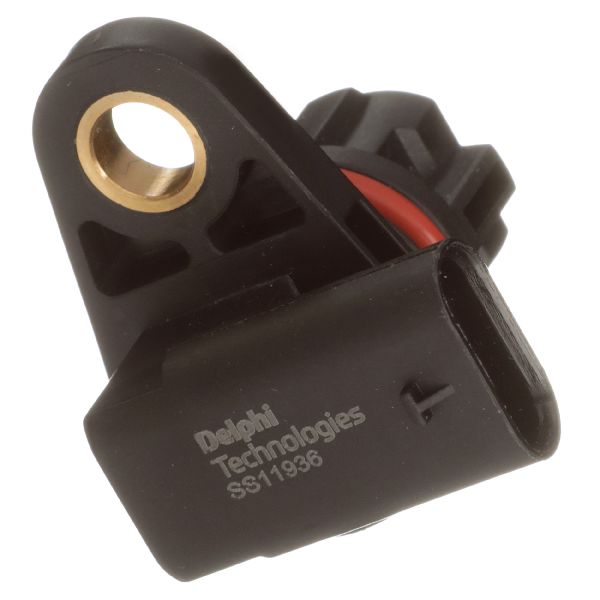
Est. part cost: $5 - $50 for repair materials - Faulty Camshaft Position Sensor (Bank 1 Intake) ⚪ Low Probability → Shop Engine Camshaft Position Sensor
How to confirm: After confirming the solenoid is good, you can test the sensor. Swapping it with the Bank 2 sensor is a possible diagnostic step. A more definitive test requires an oscilloscope to check the signal. This part is often replaced by mistake when the solenoid is the actual issue.
Typical fix: Replace the Bank 1 intake camshaft position sensor.
Est. part cost: $25 - $60
Rare But Worth Checking
- Low System Oil Pressure: TSB #PIP5258A specifically advises checking oil pressure with a mechanical gauge if other diagnostics fail. This can be caused by a failing oil pump or a clogged/hardened oil pickup tube O-ring in the oil pan, which is a known issue on GM trucks that causes oil aeration and pressure loss. A user on TahoeYukonForum confirmed this O-ring was the root cause of their P0011 code.
- Stretched Timing Chain: → Shop Engine Timing Chain On higher mileage engines, a stretched timing chain can cause the base timing to be off, triggering this code. This is usually accompanied by a rattling sound from the front of the engine, especially on startup. This is a significant mechanical repair.
- Failed Camshaft Phaser: → Shop Engine Camshaft The mechanical phaser gear itself can fail or become stuck. This is a much more complex and expensive repair than replacing the solenoid and should be considered only after other causes are ruled out. A replacement phaser can cost several hundred dollars plus significant labor.
Diagnosis Steps
- Check Engine Oil: Verify the oil level is correct and the oil is clean. Ensure it is the correct viscosity (SAE 0W-20). If low or dirty, perform an oil and filter change before proceeding.
- Scan for Codes: Use an OBD-II scanner to confirm P0011 and check for any other related codes, such as P00C6 or P0521.
- Inspect Wiring: Visually inspect the wiring and connector for the Bank 1 (driver's side) intake camshaft position actuator solenoid. Pay close attention to the harness near the X154 connector for any signs of chafing or damage as noted in platform TSBs.
- Swap Solenoids: The easiest diagnostic test is to swap the Bank 1 intake solenoid with the Bank 2 intake solenoid. Clear the codes and run the engine. If the fault code changes to P0021, you have confirmed the solenoid is the problem.
- Test Solenoid with Scan Tool: As per TSB #PIP5130K, use a capable scan tool (like the dealer's GDS 2) to command the solenoid on and off 4-5 times. This may free a sticking solenoid temporarily and confirms if the solenoid is responsive.
- Check Oil Pressure: If the solenoid is not the issue, follow the advice of TSB #PIP5258A and have the engine oil pressure tested with a mechanical gauge to rule out a low-pressure condition. TSB #PIP5258A also suggests inspecting the #2 cam bearing oil feed if the cause is elusive.
- Inspect Timing System: If oil pressure is good and all electronics check out, the issue may be mechanical, such as a stretched timing chain or a faulty phaser. This step typically requires professional diagnosis and significant disassembly.
Parts You'll Likely Need
- Camshaft Position Actuator Solenoid (VVT Solenoid)
(OEM #12687034 (may be superseded by 12687032 or 12716056))— This is the most frequent point of failure for code P0011 on this vehicle, as documented by multiple GM Technical Service Bulletins.
Trusted brands: ACDelco, Delphi, Dorman
OEM price range: $50 - $90
Aftermarket price range: $30 - $70 - Engine Oil and Filter
(OEM #ACDelco PF63 (Filter))— Correct oil level, cleanliness, and viscosity (0W-20) are critical for the VVT system's operation. An oil change is the first and most important step in addressing this code.
Trusted brands: ACDelco, Mobil 1, Pennzoil
OEM price range: $60 - $100
Aftermarket price range: $40 - $70
Related Codes That Often Appear With This One
- P00C6 — GM TSB #PIP5130K explicitly lists P00C6 ('Fuel Rail Pressure Too Low During Cranking') as a code that can appear with P0011 for the same root cause: a sticking camshaft actuator solenoid causing a crank/no-start condition.
- P0021 — This is the equivalent code for Bank 2 (passenger side). It will appear if you swap a faulty Bank 1 solenoid over to Bank 2 for diagnostic purposes.
- P0521 — This code indicates a problem with the engine oil pressure sensor/switch. It can appear alongside P0011 if the root cause is a systemic loss of oil pressure, such as from a bad oil pickup tube O-ring.
- P0335, P0336, P0340, P0341 — These are crankshaft and camshaft position sensor circuit codes. TSBs for platform mates indicate these can appear with P0011 if the shared engine wiring harness is chafed.
Technical Service Bulletins (TSBs) & Recalls
- PIP5130K: Details how a sticking Camshaft Position Actuator Solenoid can cause P0011 and a crank/no-start condition. Recommends cycling the solenoid with a scan tool.
- PIE0359A / PIE0359: Engineering bulletins requesting and later concluding the collection of field information about vehicles with P0011 and crank/no-start or stalling conditions.
- PIP5258A: Recommends checking oil pressure and the #2 cam bearing when standard diagnostics for P0011 are inconclusive.
- PIP5130D: An earlier version of the bulletin linking P0011 to crank/no-start issues and the actuator solenoid.
Platform-Specific Known Issues
- TSB #PIP5130K documents that a sticking Camshaft Position Actuator Solenoid can cause a crank-no-start condition with P0011 and/or P00C6. The bulletin recommends cycling the solenoid with a s
Mechanic-Grade Diagnostic Values
- Camshaft Position Actuator Solenoid Resistance — expected: 5 to 15 Ohms. A more precise spec is 5.9-6.9 Ohms at 68°F (20°C).. Failure: A reading of 0 Ohms (short), infinite/OL (open), or very high resistance (e.g., Mega-ohms) indicates a failed solenoid.
- Engine Oil Pressure (at operating temperature) — expected: Minimum of 22 PSI (150 kPa) is needed for rapid cam phasing. Minimums are approx. 6 PSI at 1,000 RPM and 18-24 PSI from 2,000-4,000 RPM.. Failure: Pressure below these minimums, especially at idle, will starve the VVT system and can trigger P0011 before a low oil pressure light appears.
- Scan Tool: Desired vs. Actual Camshaft Position Angle — expected: The actual angle should closely track the desired angle commanded by the ECM.. Failure: The P0011 code may set when the ECM detects the actual cam angle is more than 8 degrees different from the desired angle for a set period of time.
- VVT Solenoid Connector Voltage — expected: Approximately 12V (battery voltage) on one of the two pins with the key on, engine off.. Failure: No voltage suggests a wiring issue upstream, a blown fuse, or an ECM driver problem.
Scan Tool Commands That Help
- GDS2 (GM Dealer Tool) or equivalent: Camshaft Position Actuator Solenoid Control — As per TSB #PIP5130K, this bidirectional command allows a technician to cycle the solenoid on and off multiple times to test its response or potentially free a sticking valve without removing it from the engine.
- OBD-II Scanner with advanced functions: Crankshaft Position Variation Learn / Cam/Crank Relearn — After replacing a camshaft or crankshaft position sensor, this procedure may be required to synchronize the new sensor with the ECM. The procedure often involves revving the engine to a specific RPM (e.g., 4,000 RPM) multiple times to allow the ECM to learn the new sensor's signal characteristics.
Wiring & Ground Locations
- X154 Connector — On the front engine cover, near the vacuum pump on the driver's side.. This connector and its associated wiring harness are a known chafe point. Damage here can cause a short or open in the VVT solenoid circuit, directly causing P0011.
- G102 / G107 — Located on the front of the engine block, driver's side (LH).. These are primary engine block grounds. A poor connection here can affect the reference for multiple sensors, including the camshaft and crankshaft position sensors, leading to erratic signals.
- G103 — Located on the cowl at the left rear of the engine compartment, above the brake booster.. This is a critical ground point for the Engine Control Module (ECM) and Body Control Module (BCM). A loose or corroded G103 can cause a wide range of engine management codes, including P0011.
Real Owner Repair Stories
- TahoeYukonForum user 'huntordietryin' (2007 Yukon XL Denali (similar GMT900 platform, same issue applies)) — Check Engine Light and 'Service Stabilitrak' message, code P0011.
❌ Tried (didn't work) Initial diagnosis
✅ What actually fixed it The user replaced the camshaft position sensor, performed an engine flush, and refilled with synthetic oil. This combination cleared the code and the Stabilitrak message.
"I Checked Everything" — The Actual Cause
- A common scenario is when the VVT solenoid and sensor both test good electrically, but the P0011 code persists. The root cause is often a mechanical or hydraulic issue, not an electrical one. One prime example is a hardened or cracked oil pump pickup tube O-ring in the oil pan, which allows air into the oil, reducing pressure to the VVT system without necessarily triggering the main low oil pressure warning light. Another is a clogged filter screen located underneath the main oil pressure sensor, which can restrict oil flow and give false pressure readings to the ECM.
When the Usual Fixes Don't Work
- While replacing the VVT solenoid is the most common fix, it is not a silver bullet. Technicians and owners frequently find the code returns if the root cause is hydraulic. For instance, if the wrong type of oil filter with an incorrect bypass pressure rating is used, it can allow dirty oil to circulate and repeatedly clog the new solenoid. Similarly, if the underlying problem is low oil pressure from a failing oil pump O-ring, a new solenoid will not solve the problem. In these cases, the 'fix' was not the solenoid, but rather correcting the oil pressure or filtration issue first.
OEM Part Supersession History
12687034→12687032, 12716056 (verify with VIN)— GM frequently updates part designs to improve reliability or address known failure modes. The VVT solenoids have undergone several revisions.
Heads up: Always verify the latest part number with a GM dealer using the vehicle's VIN before ordering, as supersessions can change and using an incorrect revision may not resolve the issue.
Model Year Variations Within This Range
- 2015: The 2015 model year was a split year for transmissions. Early production 2015 models, including the Denali, were equipped with a 6-speed automatic transmission. Mid-year '2015.5' models introduced the new 8-speed automatic transmission. The 10-speed automatic was introduced in 2018.
Helpful Videos
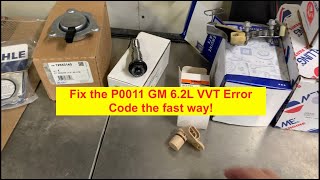
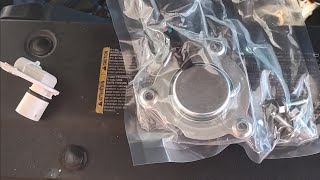
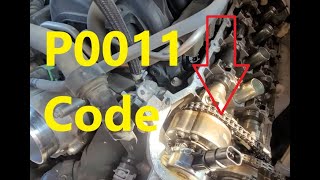
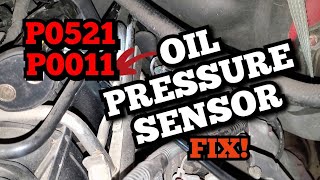
We Have This Part in Stock


The information in this article is provided for general reference and educational purposes only. Vehicle specifications, procedures, and part compatibility can vary by production date, trim level, and region. Always consult your vehicle's factory service manual and verify part numbers before purchasing or performing repairs. Safety-critical components such as airbags, seat belts, and braking systems should be installed by a qualified professional.
- Gmc YUKON:
- 🧭 Diagnostic Flowchart
- 🎬 Helpful Videos
- 🛍️ Shop This Part
- What's Unique About the 2015-2020 Gmc YUKON
- Symptoms You May Notice
- Most Likely Causes
- Rare But Worth Checking
- Diagnosis Steps
- Parts You'll Likely Need
- Related Codes That Often Appear With This One
- Technical Service Bulletins (TSBs) & Recalls
- Platform-Specific Known Issues
- Mechanic-Grade Diagnostic Values
- Scan Tool Commands That Help
- Wiring & Ground Locations
- Real Owner Repair Stories
- "I Checked Everything" — The Actual Cause
- When the Usual Fixes Don't Work
- OEM Part Supersession History
- Model Year Variations Within This Range
- 🎟️ Get 5% Off