

P0011 on 2016-2019 Hyundai Sonata Hybrid: Causes and Fixes for Camshaft Over-Advanced Timing
On a 2016-2019 Sonata Hybrid, P0011 is almost always caused by low/dirty engine oil or a failing intake Oil Control Valve (OCV). First, check your oil level and quality. If the oil is full and clean, the OCV is the next likely culprit, costing around $40-$80 for an aftermarket part or $150-$200 for OEM. Do not ignore this code, as it can be a precursor to catastrophic engine failure in some cases.
- P0011 on this car is very frequently an oil problem. Check your oil level and condition before buying any parts.
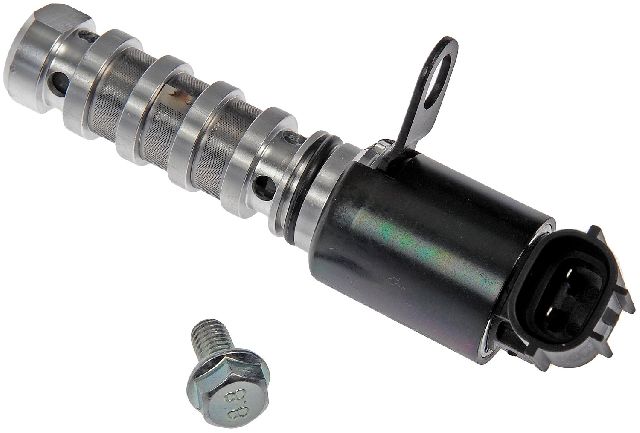
- The most likely part to have failed is the intake Oil Control Valve (OCV), OEM part number 24355-2E100.
- Replacing the OCV is a simple DIY job that requires only basic tools and can save hundreds in labor costs.
- This engine has a history of oil consumption and other internal issues, so addressing this code promptly is important to prevent more severe damage.
- Do not immediately assume the timing chain or camshaft sensor is bad; these are less common causes than the oil or OCV.
What's Unique About the 2016-2019 Hyundai Sonata Hybrid
The 2.0L Nu GDI engine family has a documented history of oil consumption issues, which can lead to low oil levels or accelerated oil degradation. Since the CVVT system is entirely dependent on clean oil at the correct pressure, this makes the Sonata Hybrid particularly susceptible to oil-related faults like P0011. In fact, a class-action settlement regarding engine defects specifically includes the 2016-2019 Sonata Hybrid with the Nu 2.0 GDI engine, highlighting a pattern of internal engine problems that can manifest as timing codes.
Symptoms You May Notice
- Check Engine Light is on
- Rough or unstable idle
- Engine stalling, especially at low speeds or when stopping
- Poor acceleration or sluggish performance
- Reduced fuel economy
- Hard starting
- Rattling or ticking noise from the engine on startup or during operation
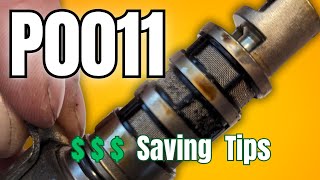
- Replacing the Camshaft Position Sensor first. While possible, this sensor is not the most common cause for P0011. 🎬 See these smart tips to save money on P0011 fixes A faulty sensor usually triggers other specific electrical codes (like P0340), whereas P0011 points to a mechanical or hydraulic timing performance issue.
Most Likely Causes
- Low or Dirty Engine Oil 🔴 High Probability The 2.0L Nu GDI engine family has known issues with oil consumption, which can cause the oil level to drop between changes, starving the CVVT system of necessary pressure. Sludgy oil can also clog the tiny passages in the OCV and its filter.
How to confirm: Check the engine oil dipstick. The oil level should be between the 'F' and 'L' marks. Note the color and consistency; if it is black, thick, or gritty, it is overdue for a change. This is the first and most important check.
Typical fix: Perform an engine oil and filter change using the manufacturer-recommended oil viscosity (typically SAE 5W-20 or 5W-30 full synthetic).
Est. part cost: $30-$70 - Failing Intake Oil Control Valve (OCV) / VVT Solenoid 🔴 High Probability This solenoid is the most common component to fail in the CVVT system. Sludge and debris from engine oil can cause its internal plunger to stick or its filter screens to clog, preventing correct oil flow to the cam phaser.
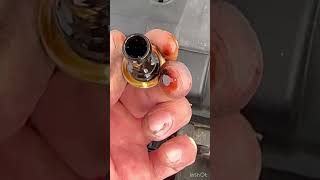
How to confirm: After verifying the oil is good, you can test the OCV. 🎬 Watch: How to test and fix the intake camshaft timing Unplug it, remove the single 10mm bolt holding it in, and pull it out. You can apply 12V power to its terminals to see if the internal plunger moves. A more common and definitive method is to swap the identical intake and exhaust OCVs and see if the code changes to P0014 (for the exhaust cam). If it does, the OCV is bad.
Typical fix: Replace the intake Oil Control Valve. Cleaning is sometimes a temporary fix but replacement is recommended for reliability.
Est. part cost: $40-$200 - Clogged OCV Filter Screen 🟡 Medium Probability Due to the engine's tendency to create sludge, this small, thimble-shaped filter located in the cylinder head oil passage (often directly beneath the OCV) can become completely blocked. This will starve the OCV of oil and cause P0011 even if the OCV itself is new.
How to confirm: This is often discovered after replacing the OCV does not fix the code. The filter is removed with a 14mm bolt. Physical inspection will show if the mesh screen is clogged with black sludge 🎬 Watch: How to find and clean the VVT oil filter screen or debris.
Typical fix: Remove and replace the filter. It is inexpensive but can be difficult to access. Some owners clean it with brake cleaner, but replacement is cheap and recommended.
Est. part cost: $5-$15 - Stretched Timing Chain or Worn Timing Components ⚪ Low Probability → Shop Engine Timing Chain While designed to last the life of the engine, timing chains can stretch over time, especially if oil changes have been neglected, leading to incorrect cam/crank correlation.
How to confirm: This is a complex diagnosis. It often involves listening for a rattling sound from the front of the engine, especially on a cold start. Confirmation requires removing the valve cover and timing cover to physically inspect the chain for slack and check timing marks against the crankshaft.
Typical fix: Replace the timing chain, guides, and tensioner. This is a labor-intensive and expensive job.
Est. part cost: $200-$500
Rare But Worth Checking
- Failed CVVT Cam Phaser: → Shop Engine Timing Gear This is the gear on the end of the camshaft. It can fail mechanically, often due to prolonged oil starvation or a sheared locking pin. It will typically make a loud rattling or knocking noise and is a major repair.
- Connecting Rod Bearing Wear: A known issue on this engine (see Recall 209). Severe bearing wear can cause a drop in overall oil pressure, which can affect the CVVT system's ability to function and may trigger timing codes as a secondary symptom before total engine failure.
Diagnosis Steps
- Read the code with an OBD-II scanner and confirm it is P0011. Note any other codes present.
- CRITICAL: Check the engine oil level and condition. If low, top it off, clear the code, and see if it returns. If the oil is old, dirty, or sludgy, perform a full oil and filter change with high-quality 5W-20 or 5W-30 synthetic oil. This is the most common fix.
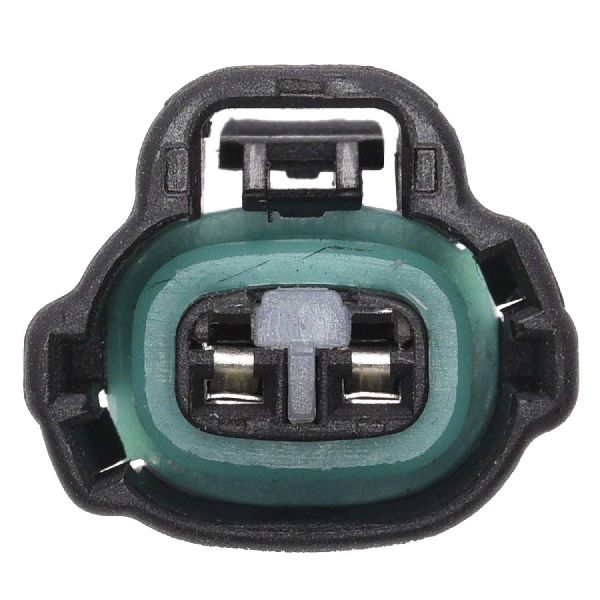
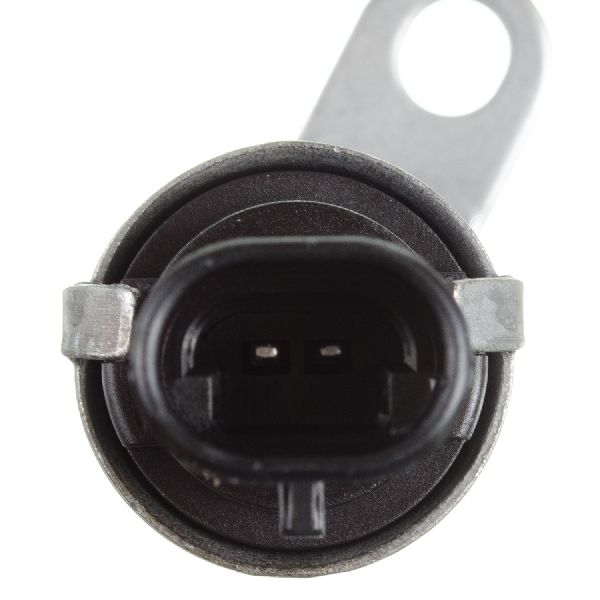
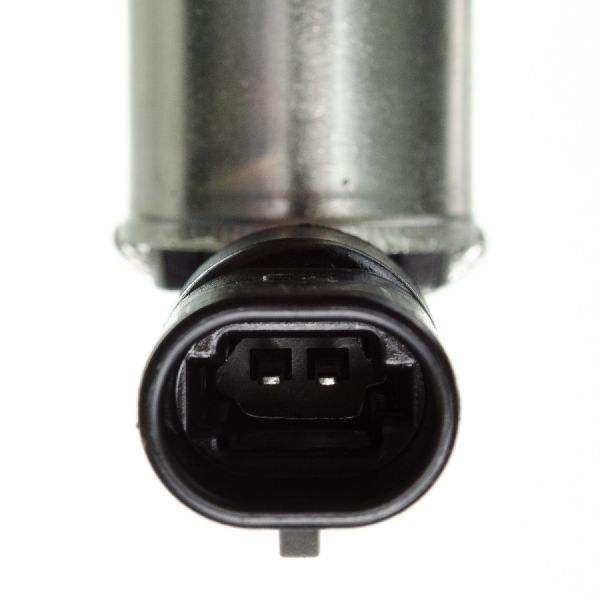
- Inspect the electrical connector and wiring for the intake OCV (located on the top front of the valve cover) for any damage or oil contamination.
- For a definitive test, swap the intake OCV with the exhaust OCV. They are identical and held in by one 10mm bolt each. Mark them before swapping. Clear the codes and drive the vehicle. If the code changes to P0014 (Exhaust Cam Timing), the OCV you moved to the exhaust side is faulty and needs replacement.
- If the code remains P0011 after swapping the solenoids, the OCV is likely not the problem. The next step is to inspect the OCV filter screen located in the cylinder head, often below the OCV itself. Remove the 14mm bolt and check if the screen is clogged with sludge.
- If the OCV, its filter, and the oil are all good, the problem is likely more serious. Listen for a timing chain rattle. This could indicate a stretched timing chain, a bad tensioner, or a failed CVVT phaser. This diagnosis requires significant disassembly and mechanical skill.
- If all else fails, the issue could be a faulty camshaft position sensor, though this is the least likely cause for this specific code.
Parts You'll Likely Need
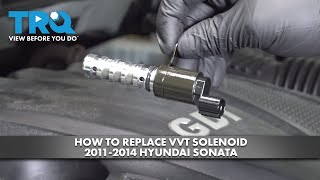
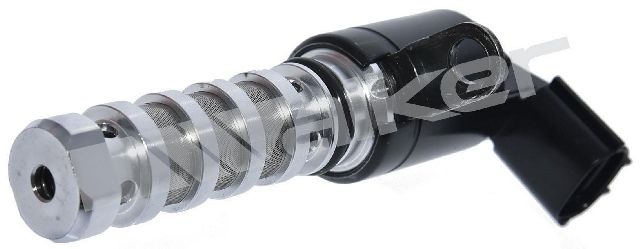
- Intake Oil Control Valve (VVT Solenoid)
(OEM #24355-2E100)— This is the most common part to fail, getting stuck or clogged by oil sludge, which directly causes the P0011 timing deviation.
Trusted brands: Hyundai (OEM), Dorman, NTK, SKP
OEM price range: $150-$200
Aftermarket price range: $40-$80 - Engine Oil and Filter — Low or dirty oil is the number one cause of this code. An oil change is the first and most critical step in diagnosis and repair.
Trusted brands: Pennzoil Platinum Full Synthetic, Mobil 1, Castrol EDGE
OEM price range: $50-$90 (dealer service)
Aftermarket price range: $30-$70 (DIY) - OCV Filter Screen
(OEM #24356-2E000)— This small filter is a known chokepoint for oil sludge and is often overlooked. If it's clogged, a new OCV will not solve the P0011 code.
Trusted brands: Hyundai (OEM)
OEM price range: $5-$15
Aftermarket price range: $5-$10
Related Codes That Often Appear With This One
- P0014 — Exhaust Camshaft Position Timing Over-Advanced. This code may appear if the intake and exhaust OCVs were swapped for diagnostic purposes, or if there is a widespread oil pressure/sludge issue affecting both cam phasers.
- P0010 — Intake Camshaft Position Actuator Circuit (Bank 1). This code points to an electrical problem (open or short) in the OCV circuit itself, whereas P0011 points to a mechanical or hydraulic timing performance issue.
Technical Service Bulletins (TSBs) & Recalls
- 23-EM-008H: Provides guidelines for inspecting and repairing engine oil consumption, a root cause for oil-related DTCs.
- 21-01-073H: The specific procedure document associated with carrying out Safety Recall 209 for engine inspection and replacement.
- 23-EM-007H: A companion TSB to 23-EM-008H that details the engine combustion chamber cleaning procedure.
Platform-Specific Known Issues
- This vehicle's 2.0L Nu GDI engine is included in a class-action lawsuit settlement for defects that can lead to bearing wear, engine seizure, and failure. The settlement extends the engine warranty and may provide other compensation. This underlying condition can contribute to oil consumption and sludge, which are primary triggers for P0011.
- Hyundai has issued TSB 23-EM-008H, which outlines a formal oil consumption test procedure. If a vehicle fails this test, dealers may perform a combustion chamber cleaning (per TSB 23-EM-007H) or, in severe cases, approve an engine replacement under warranty.
Mechanic-Grade Diagnostic Values
- Intake Oil Control Valve (OCV) coil resistance — expected: 6.8 to 8.0 Ohms at 68°F (20°C).. Failure: A reading of infinite resistance (open circuit) or zero resistance (short circuit) indicates a failed solenoid.
- Scan Tool: Camshaft Position Deviation — expected: The actual camshaft position should closely follow the desired (setpoint) position during engine operation.. Failure: The PCM will set code P0011 if the integral of the deviation between the actual and desired camshaft position exceeds 45 crank degrees per second, or if the actual angle is more than 10 degrees different from the target for over 2 seconds.
Scan Tool Commands That Help
- Hyundai GDS (Global Diagnostic System): Actuation Test for CVVT Solenoid — After checking oil and wiring, this bidirectional command allows a technician to manually command the OCV to operate. This helps confirm if the solenoid is mechanically stuck or if the control circuit from the ECM is functional without having to physically remove the part or swap it with the exhaust OCV.
- Hyundai GDS (Global Diagnostic System): DTC Analysis & Live Data Monitoring — Use this to monitor 'CVVT Valve Duty(%)' and 'Inlet CAM Position' while changing engine RPM. This allows you to see the ECM's command and the camshaft's actual response in real-time to determine if there is a hydraulic lag or mechanical issue.
Wiring & Ground Locations
- GE02 — A primary engine-related ground point located in the left front of the engine compartment.. A poor engine ground can cause erratic behavior in sensors and actuators, including the OCV. While it might also set other codes, verifying this ground is a valid step if electrical issues are suspected.
- 91860-C1010 — This is the OEM part number for the 'Wiring Assy-Engine Ground' for the 2017 Sonata Hybrid.. Corrosion or damage to this main ground strap can cause a voltage drop to the entire engine control system, potentially affecting the operation of the CVVT system and triggering performance codes like P0011.
OEM Part Supersession History
24355-2E100→24355-2E100— No supersession found. This part number appears to be consistent for the intake OCV across the entire 2016-2019 model year range and beyond.
Model Year Variations Within This Range
- 2016-2019: The 2016 model year marked the introduction of the second-generation Sonata Hybrid, which included the switch to the 2.0L Nu GDI engine from the previous generation's 2.4L engine. No significant variations in the CVVT system or the causes of P0011 have been documented *within* the 2016-2019 model years.
Diagnostic Flowchart
Other Known Issues on This Vehicle
Issues unrelated to this code that are worth knowing about as an owner of this generation:
- Premature Connecting Rod Bearing Failure 🔴 High — Common enough to trigger Safety Recall 209 for 2017 models. Can lead to engine seizure and, in rare cases, fire. (Ref: Safety Recall 209 (NHTSA 21V-727))
- Excessive Oil Consumption 🟠 Medium — A well-documented issue across the Nu engine family, often leading to low oil levels between changes and contributing to other failures. (Ref: TSB 23-EM-008H)
- Hybrid Battery Pack Failure / Unavailability 🔴 High — Some owners of the plug-in hybrid variant have reported premature failure of the main hybrid battery pack, with extremely long wait times (months to over a year) for replacements, effectively disabling the vehicle.
- Vehicle Theft Vulnerability (Turn-Key Ignition Models) 🔴 High — While many hybrids have push-button start, base models with a traditional key are part of a massive class-action settlement for lacking a standard engine immobilizer, making them exceptionally easy to steal. (Ref: HyundaiTheftSettlement.com)
- Hybrid System Warning Lights 🟠 Medium — Owners report intermittent illumination of the main hybrid system warning light, sometimes without a clear cause, which can lead to diagnostic challenges.
Used vs. New Parts: Buying Guide for This Vehicle
When a used part is the smart pick: For this specific repair, using used parts is highly discouraged. The primary causes are related to oil sludge and wear, which are impossible to verify on a used part from a salvage yard.
Donor-vehicle mileage cap: roughly under 50000 miles for the part to have meaningful remaining life.
What to inspect on the donor part:
- If considering a used OCV (not recommended), inspect the mesh screens for any signs of sludge, debris, or tearing. Avoid any part that is not perfectly clean.
- Ask for the VIN of the donor vehicle to check its service history for regular oil changes, if possible.
OEM-only on this vehicle (don't cheap out):
- OCV Filter Screen (Part #24356-2E000): This part is extremely inexpensive and is a critical failure point. There is no reason to use a used or aftermarket version.
- Timing Chain and Components: These are wear items critical to engine health. Only new OEM or high-quality OEM-supplier parts should be used.
Aftermarket brands forum-validated for this vehicle:
- NTK
- Dorman
- SKP
- Wells
- Spectra Premium
- Standard Motor Products (SMP)
Brands owners have reported issues with on this vehicle:
- No-name, unbranded solenoids from online marketplaces. The quality control on these parts is often poor, and they may fail quickly or not perform to OEM specifications, causing the code to return.
Real Owner Stories
Aggregated from forums and TSBs cited above. Mileages and costs reflect what owners reported in those sources.
2018 Hyundai Elantra 2.0L Nu GDI
Symptoms: The check engine light came on for code P0011 (camshaft over-advanced).
What fixed it: The engine failed catastrophically (blown engine) less than 45 minutes after the code appeared.
Source hint: reddit.com/r/Hyundai - Thread 'Got check engine code: P0011 for camshaft overadvanced, within 45 minutes the engine was blown'
Hyundai Sonata 2.0L Nu GDI
Symptoms: P0011 code present; owner replaced the OCV, sensors, and timing kit, but the code persisted.
What fixed it: Discovering and replacing a completely clogged OCV filter screen that the dealership had missed.
Source hint: hyundai-forums.com - Thread 'P0011 Oil Control Solenoid'
2005-2009 Hyundai Sonata
Symptoms: OBD 2 code P0011.
What fixed it: Cleaning or replacing the OCV filter screen, which was identified as a likely culprit for this engine family.
Source hint: hyundai-forums.com - Thread 'obd 2 p0011'
Documented NHTSA Reports
NHTSA ODI #11452564
Symptoms: After a cold start, the vehicle lost power and set codes P0010 and P0011.
Diagnosis: A dealership diagnosis confirmed that engine oil sludge was causing VVT issues, resulting in a diagnostic charge of $289.33.
NHTSA ODI #11654322
Symptoms: Following a combustion chamber cleaning (step 2 of the manufacturer process), the entire timing system began failing with codes P0010 and P0011.
Outcome: The owner reported the car reached a point of near catastrophic engine failure with an estimated repair cost of $6,200.
NHTSA ODI #11535657
Symptoms: The check engine light illuminated with code P0011 shortly after an oil filter change.
Discovery: Upon checking the oil, the owner found nothing on the dipstick, marking the second time the vehicle had run out of oil within a year.
NHTSA ODI #11427064
Symptoms: Code P0011 for intake camshaft timing over-advanced appeared shortly after a maintenance service at 84,400 miles.
Observations: The owner noted increasing engine noise and a loss of performance while driving.
NHTSA ODI #11678267
Symptoms: Severe power loss (unable to reach 60 mph), a loud whistling noise from the exhaust, and codes P0011/P000A.
Safety Risks: The report highlights safety risks including stalling hazards at highway speeds, fire risk from a clogged converter, and potential engine seizure.
Related OBD-II Codes
Frequently Asked Questions
Is my 2016-2019 Hyundai Sonata Hybrid covered by a settlement for the engine issues causing P0011?
What does TSB 23-EM-008H say about my Sonata Hybrid's oil consumption?
Can I just clean the Oil Control Valve (OCV) on my 2.0L Nu GDI engine?
Where is the OCV filter screen located on the Sonata Hybrid 2.0L?
Should I use a specific oil type to prevent P0011 in my Sonata Hybrid?
Is there a recall that covers the engine components related to this code?
Helpful Videos

We Have This Part in Stock


The information in this article is provided for general reference and educational purposes only. Vehicle specifications, procedures, and part compatibility can vary by production date, trim level, and region. Always consult your vehicle's factory service manual and verify part numbers before purchasing or performing repairs. Safety-critical components such as airbags, seat belts, and braking systems should be installed by a qualified professional.
- Hyundai Sonata Hybrid:
- 🧭 Diagnostic Flowchart
- 🎬 Helpful Videos
- 🛍️ Shop This Part
- What's Unique About the 2016-2019 Hyundai Sonata Hybrid
- Symptoms You May Notice
- Most Likely Causes
- Rare But Worth Checking
- Diagnosis Steps
- Parts You'll Likely Need
- Related Codes That Often Appear With This One
- Technical Service Bulletins (TSBs) & Recalls
- Platform-Specific Known Issues
- Mechanic-Grade Diagnostic Values
- Scan Tool Commands That Help
- Wiring & Ground Locations
- OEM Part Supersession History
- Model Year Variations Within This Range
- Other Known Issues on This Vehicle
- Used vs. New Parts: Buying Guide for This Vehicle
- Real Owner Stories
- 2018 Hyundai Elantra 2.0L Nu GDI
- Hyundai Sonata 2.0L Nu GDI
- 2005-2009 Hyundai Sonata
- Documented NHTSA Reports
- NHTSA ODI #11452564
- NHTSA ODI #11654322
- NHTSA ODI #11535657
- NHTSA ODI #11427064
- NHTSA ODI #11678267
- Related OBD-II Codes
- Frequently Asked Questions
- 🎟️ Get 5% Off