

P0011 on 2011-2015 Kia Optima 2.4L GDI: Causes and Fixes for Over-Advanced Cam Timing
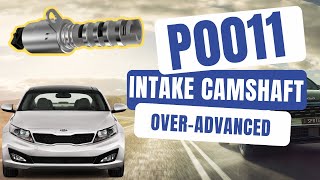
On the 2011-2015 Kia Optima 2.4L GDI, code P0011 is most often caused by low or dirty engine oil, or a faulty intake Oil Control Valve (OCV). Always check the oil level first, as these engines are known for high oil consumption. Replacing the OCV is a common DIY fix, with the part costing between $40 and $120.
- First, check your oil. The #1 cause of P0011 on this engine is a low oil level due to known oil consumption issues.
- If the oil level is fine, the intake Oil Control Valve (OCV) is the next most likely part to have failed. It is relatively inexpensive and easy to replace.
- This code can be an early warning sign of a serious, underlying engine problem. Be aware of the history of the Theta II GDI engine and the associated warranty extensions.
- Do not replace the camshaft position sensor first. It is almost never the cause of this specific code.
What's Unique About the 2011-2015 Kia Optima
The 2.4L Theta II GDI engine in this generation of Optima has a well-documented history of manufacturing issues that can lead to oil flow problems, excessive oil consumption, and sludge buildup. These conditions starve the CVVT system of the clean, pressurized oil it needs to function, making this platform particularly susceptible to timing-related codes like P0011. This code is often one of the first symptoms of the larger oiling issues that led to class-action lawsuits and a lifetime engine warranty extension for many of these vehicles. Manufacturing debris left in the crankshaft during production can block oil passages, leading to premature bearing wear and overall engine failure.
Symptoms You May Notice
- Rough or unstable idle
- Engine stalling, especially at low speeds
- Sluggish or jerky acceleration
- Reduced fuel economy
- Difficulty starting the engine
- Rattling or knocking noise from the engine
- Replacing the Camshaft Position Sensor (CPS). The CPS reads the camshaft's position, but it rarely causes an 'over-advanced' code. The problem is usually the mechanical system (OCV, phaser) or the oil that controls it, not the sensor reporting the problem. A P0011 code indicates the system is performing outside of its expected range, not that the sensor itself has failed.
Most Likely Causes
- Low or Dirty Engine Oil 🔴 High Probability The Theta II GDI engine is known for high oil consumption, often exceeding a quart per 1,000 miles, which can lead to dangerously low oil levels between changes. Sludge buildup is also common, which clogs oil passages.
How to confirm: Check the oil dipstick. If the level is low or the oil is dark, gritty, or sludgy, this is the likely cause. The recommended oil viscosity is typically 5W-20 or 5W-30. Using the wrong viscosity, such as a thicker oil, can also trigger P0011 right after an oil change.
Typical fix: Top off or perform a complete oil and filter change using the manufacturer-specified oil viscosity. Using a genuine OEM oil filter (Part # 26300 35504 or similar) is highly recommended to ensure proper oil pressure and filtration.
Est. part cost: $30-$70 - Faulty Intake Oil Control Valve (OCV) / VVT Solenoid 🔴 High Probability Oil sludge and debris from known engine issues can cause the OCV to clog, stick open, or fail electrically. It is one of the most common failure points for this code on this engine.
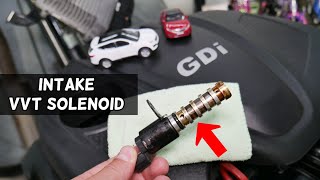
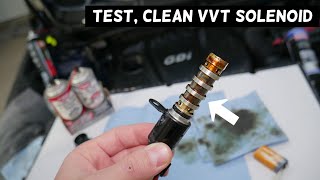
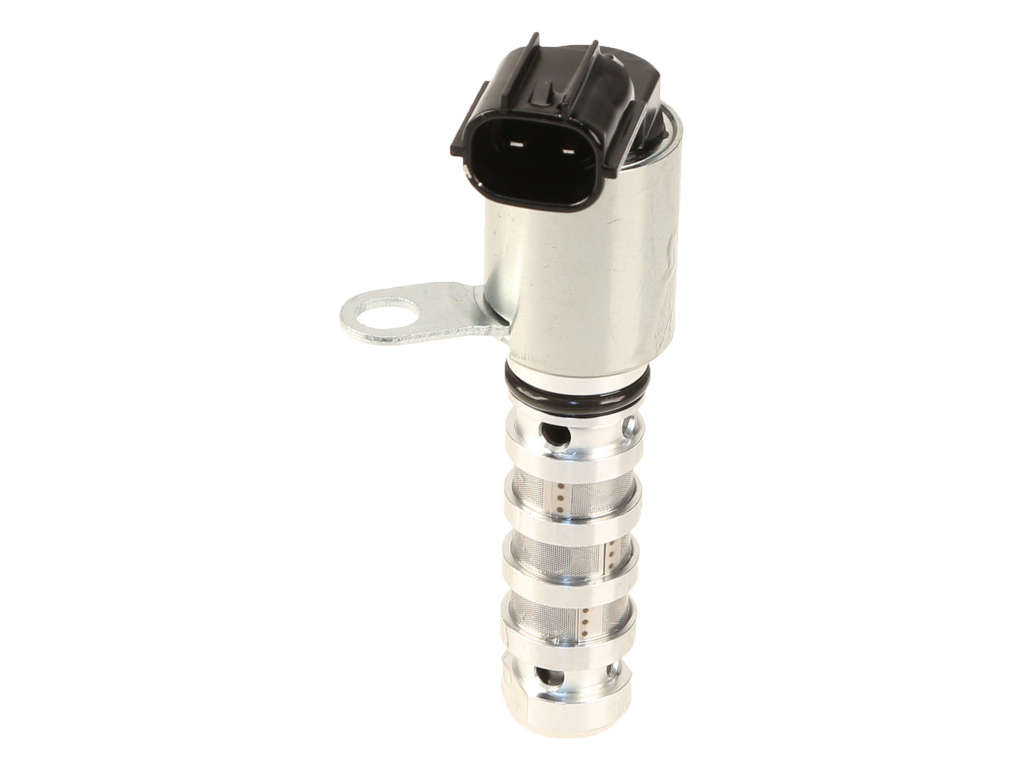
How to confirm: Remove the OCV (typically held by one 10mm bolt on the valve cover) and inspect its filter screens for sludge. Test its resistance with a multimeter; it should be between 6.9 and 7.9 ohms at room temperature. Applying 12V power should make the internal plunger click audibly. A common diagnostic trick is to swap the intake and exhaust OCVs (if they are identical) to see if the code changes to P0014.
Typical fix: Replace the intake camshaft's Oil Control Valve. While cleaning is sometimes possible, replacement is the reliable fix. It is a simple DIY job for many owners.
Est. part cost: $40-$120 - Stretched Timing Chain 🟡 Medium Probability → Shop Engine Timing Chain Poor lubrication from chronic oiling issues can accelerate wear on timing chain components, causing it to stretch and alter the base timing.
How to confirm: This is a more involved diagnosis. A mechanic can check for excessive slack in the timing chain or verify timing marks are aligned by removing the valve cover. A rattling noise on startup that goes away after a few seconds is a common symptom.
Typical fix: Replace the timing chain, guides, and tensioners. This is a labor-intensive job.
Est. part cost: $200-$500 - Failing CVVT Cam Phaser / Actuator ⚪ Low Probability → Shop Engine Timing Gear The phaser is a mechanical gear that can get stuck due to oil contamination or internal failure. While less common than the OCV, it can fail due to the same oil sludge and debris issues.
How to confirm: This is typically diagnosed after ruling out the OCV and oil issues. A mechanic may use a scan tool to command the phaser and watch for a response, or perform a pressure test on the oil passages.
Typical fix: Replace the intake CVVT cam phaser. This requires significant disassembly of the engine's front cover.
Est. part cost: $150-$300
Rare But Worth Checking
- Clogged Oil Passages in Cylinder Head: In severe cases of engine sludge, the small oil passages that feed the CVVT system can become blocked. In some instances, this has required cylinder head replacement to resolve.
Diagnosis Steps
- Check the engine oil level and condition immediately. If low, top it off. If old or dirty, perform an oil and filter change using high-quality, manufacturer-specified products (5W-20 or 5W-30).
- Inspect the wiring and connector for the intake Oil Control Valve (OCV) for any damage, corrosion, or loose connections. The intake OCV is the front-most solenoid on the top of the valve cover.
- Remove the intake OCV (one 10mm bolt) and inspect its filter screens for metal shavings or sludge. Clean if possible and re-test, but replacement is recommended.
- Test the OCV. Use a multimeter to check for resistance between 6.9 and 7.9 ohms. You can also carefully apply 12V from the battery to see if the solenoid clicks.
- If the oil is clean and the OCV tests good, the issue may be more serious. At this point, professional diagnosis is recommended to check for a stretched timing chain or a faulty cam phaser.
Parts You'll Likely Need
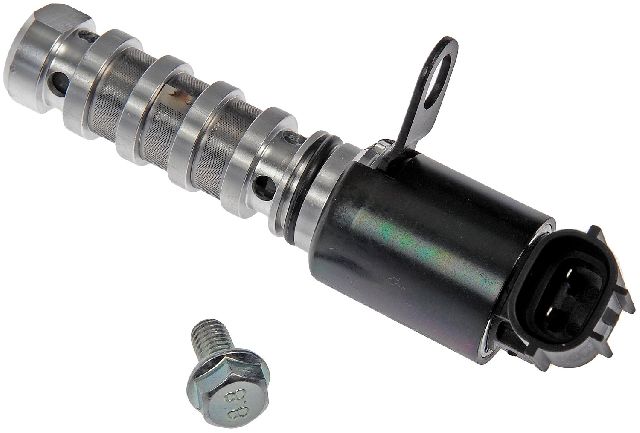
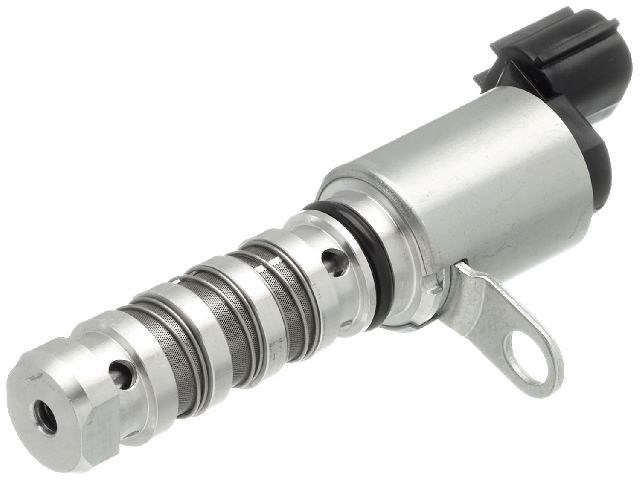
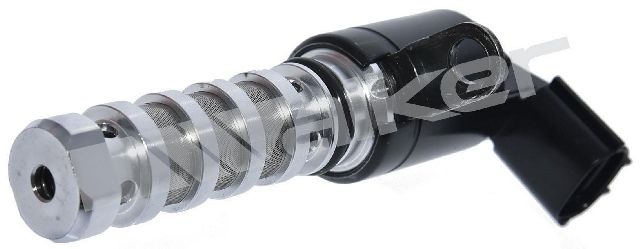
- Engine Variable Valve Timing (VVT) Solenoid / Oil Control Valve (Intake)
(OEM #24355-2G500)— This solenoid is the most common failure point. It gets clogged with sludge or fails electrically, causing it to stick and send incorrect oil pressure to the cam phaser. Note: The original part may have been 24375-2G200, which has been superseded by or is interchangeable with 24355-2G500 for many applications.
Trusted brands: Kia (Genuine OE), Hyundai (Genuine OE), Delphi, Dorman, Walker
OEM price range: $80-$120
Aftermarket price range: $25-$90
Related Codes That Often Appear With This One
- P0014 — This is the corresponding code for the exhaust camshaft ('B' camshaft). Since both systems rely on the same oil supply, problems like low/dirty oil often cause both codes to appear together.
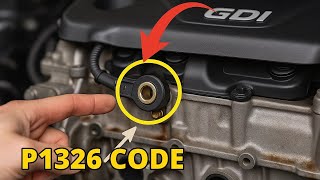
- P1326 — This is a Kia-specific code for the Knock Sensor Detection System (KSDS). Its appearance with P0011 is a strong indicator of the serious internal engine bearing wear that plagues these engines, as the underlying oiling problem affects both systems. The KSDS was implemented as part of a recall to detect this wear.
- P0010 — This code indicates an electrical circuit fault for the intake VVT solenoid. Seeing P0010 and P0011 together strongly suggests the OCV solenoid has an internal electrical failure or there is a wiring issue to the solenoid.
Technical Service Bulletins (TSBs) & Recalls
- SC147: This is a major safety recall campaign where dealers inspect the engine for premature bearing wear, a root cause of the oiling issues. The inspection involves a noise test, and if it fails, the engine may be replaced free of charge. The campaign also extended the engine warranty.
- CS1604 (also TSB CHA072): While unrelated to the engine, this is a well-known customer satisfaction campaign to replace a flexible steering coupler (part # 56315-2K000-FFF) that disintegrates, causing a clicking noise in the steering wheel. Kia extended the warranty for this part to 10 years/unlimited miles.
Platform-Specific Known Issues
- Theta II Engine Failure: This vehicle is equipped with the 2.4L Theta II GDI engine, which is subject to a class-action lawsuit settlement for premature bearing failure due to manufacturing debris restricting oil flow. P0011 can be an early symptom of this oil starvation.
- Lifetime Engine Warranty: Many of these vehicles are covered by a lifetime engine warranty extension for the specific issue of bearing failure. A dealer must install a Knock Sensor Detection System (KSDS) software update to qualify. If code P1326 appears, it may trigger this warranty.
- Excessive Oil Consumption: These engines are known to consume significant amounts of oil, often more than 1 quart every 1,000 miles, which is the primary cause of the low oil levels that trigger P0011.
Mechanic-Grade Diagnostic Values
- Intake/Exhaust Oil Control Valve (OCV) Resistance — expected: 6.9 - 7.9 Ohms at 68°F (20°C). Failure: A reading of OL (Open/infinite) or significantly outside the specified range indicates a failed solenoid coil.
- Scan Tool Live Data: Commanded vs. Actual Cam Angle (Bank 1 Intake) — expected: At idle, the values should be nearly identical (close to 0 degrees). As RPM increases, both values should change in unison.. Failure: If the 'Actual' angle is stuck, responds slowly, or is significantly different from the 'Commanded' angle, it points to a fault in the OCV, oil pressure, or the phaser itself.
Scan Tool Commands That Help
- Kia GDS (Global Diagnostic System) or equivalent: Actuation Test for VVT Solenoid / CVVT Solenoid Activation Test — This bidirectional control allows a technician to manually command the OCV solenoid on and off while the engine is running. A resulting change in engine idle (stumble or stall) and a response in the 'Actual Cam Angle' PID confirms the solenoid is mechanically functioning and oil passages are likely clear. No change points to a failed OCV, clogged passage, or wiring issue.
Wiring & Ground Locations
- Engine Ground Strap — A primary ground strap connects the engine block to the chassis, often near the starter or alternator mounting points.. While not a direct cause, a poor engine ground can create electrical noise and voltage discrepancies, potentially affecting sensor readings and ECU operation. Ensuring grounds are clean and tight is a fundamental step in any electrical diagnosis. The main engine ground wiring assembly for this vehicle is part number 91861-2T010.
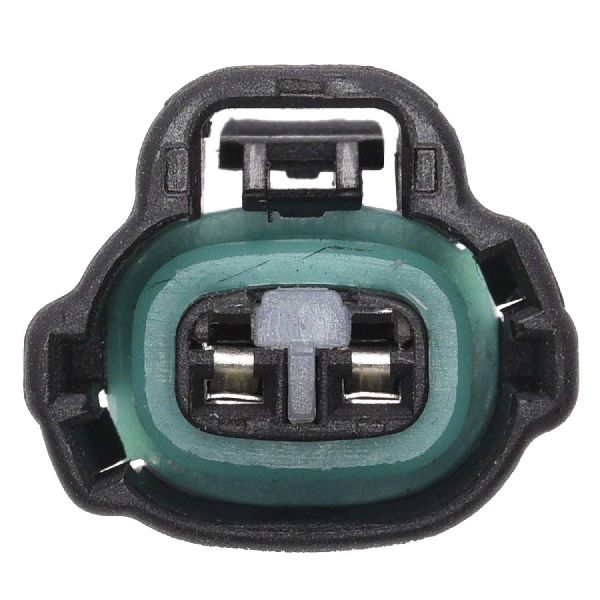
- OCV Connector — The 2-pin connector plugs directly into the top of the Oil Control Valve solenoid on the valve cover.. This is the primary point for electrical testing. One pin should receive ~12V with the key on, and the other is the control (ground) wire that is pulse-width modulated by the ECM. Checking for voltage and performing a continuity test back to the ECM from this connector can rule out wiring issues.
Real Owner Repair Stories
- Reddit user in r/KiaNiro (2017 Kia Niro (similar VVT system principles)) — Check engine light with P0011, poor performance, car wouldn't maintain or gain speed.
❌ Tried (didn't work) Oil change (light came back on after 2 days).
✅ What actually fixed it The user found multiple forum reports from other owners with the same issue where the root cause was a sheared camshaft pin, requiring a partial engine rebuild to fix. This represents a mechanical failure beyond the more common OCV or oil issues. - NHTSA ODI #11241077 — An owner reported hearing engine noise and discovered multiple codes including P0011 (A Camshaft Position Timing Over Advanced), P0014 (B Camshaft Position Timing Over Advanced), and P1326 (Engine Damage Alert).
OEM Part Supersession History
24375-2G200 (and others)→24355-2G500— Part has been updated by the manufacturer. The new part is the current recommended replacement for most 2.4L Theta II applications within this year range.
Heads up: While multiple part numbers may have been used or superseded (e.g., 22100-2G700, 420Y4-2GH00), 24355-2G500 is the most commonly cited replacement. Always verify the correct part number with a VIN at a dealership to avoid issues.
Model Year Variations Within This Range
- 2011-2013 vs 2014-2015: The Kia Optima received a facelift for the 2014 model year. While the core 2.4L GDI engine remained the same, some early models had a 200 hp rating, whereas post-facelift 2.4L engines were standardized at 192 hp. This change is unlikely to affect the diagnosis of P0011 but is a notable variation within the generation.
Diagnostic Flowchart
Other Known Issues on This Vehicle
Issues unrelated to this code that are worth knowing about as an owner of this generation:
- Theta II Engine Failure 🔴 High — Very common across 2011-2015 models, often occurring under 100,000 miles. Led to class-action lawsuits and recalls. (Ref: Recall SC147, NHTSA Campaign 17V224000)
- Steering Coupler Failure 🟠 Medium — Extremely common. The flexible rubber coupler disintegrates, causing a clicking or clunking noise when turning the wheel. (Ref: TSB CHA060 / Customer Satisfaction Program CS1604)
- Peeling White Paint 🟡 Low — Common on vehicles with 'Snow White Pearl' paint. The paint delaminates and peels in large sheets, particularly around the windshield and roof.
- GDI Carbon Buildup 🟠 Medium — Inherent to the GDI design, significant carbon can build up on intake valves over 60,000-100,000 miles, causing rough idle, misfires, and power loss.
- Starter Motor Failure 🟠 Medium — Reported by many owners, especially on the 2013 model year, where the engine fails to crank or start intermittently.
Used vs. New Parts: Buying Guide for This Vehicle
When a used part is the smart pick: Given the low cost of new aftermarket Oil Control Valves (OCVs) and the high risk of sludge contamination in used parts from these specific engines, buying a used OCV is not recommended. A used part offers minimal cost savings for a significant risk of inheriting the same problem. The only scenario where used parts make sense is for major components like a complete cylinder head or engine block if sourced from a verified low-mileage, non-sludged donor vehicle.
Donor-vehicle mileage cap: roughly under 60000 miles for the part to have meaningful remaining life.
What to inspect on the donor part:
- For an OCV: Not applicable, buy new.
- For a major engine component: Remove the oil fill cap and look inside with a flashlight for any signs of dark, thick sludge buildup on the valvetrain.
- Ask for the vehicle's service history to verify regular oil changes.
- Inspect the oil pan (if removed) for metal shavings or debris.
OEM-only on this vehicle (don't cheap out):
- Oil Filter: Due to the engine's sensitivity to oil pressure for the CVVT system, the consensus among mechanics and forum members is to use the genuine Kia/Hyundai OEM oil filter (26300-35504 or equivalent) to ensure the internal bypass valve and filtration media are correct.
- Oil Control Valve (OCV): While good aftermarket options exist, using a Genuine OE part (24355-2G500) is the safest bet to ensure correct calibration and longevity, given its critical role and the engine's known issues.
Aftermarket brands forum-validated for this vehicle:
- Delphi (For VVT Solenoids)
- Dorman (Often offers redesigned or improved parts)
Brands owners have reported issues with on this vehicle:
- No-name, unbranded solenoids from online marketplaces. These often have incorrect coil resistance or use inferior materials, leading to premature failure and the code returning.
Real Owner Stories
Aggregated from forums and TSBs cited above. Mileages and costs reflect what owners reported in those sources.
2016 Kia Optima 2.4L GDI
Symptoms: Mechanics repeatedly topped off the oil without addressing the root cause of the P0011 code, leading to recurring engine problems.
What fixed it: The source indicates that addressing the root cause of oil consumption is necessary, though the owner in this specific thread was stuck in a cycle of oil top-offs.
Source hint: reddit.com/r/kia thread regarding 2016 Optima P0011 problems
2016 Hyundai Sonata 2.4L GDI
Symptoms: P0011 code appearing alongside circuit code P0010.
What fixed it: Replacement of the eCVVT actuator (cam phaser).
Source hint: ScannerDanner Forum - '16 Hyundai Sonata 2.4L P0010/P0011
Related OBD-II Codes
Frequently Asked Questions
Does the SC147 recall apply to my 2011-2015 Kia Optima with a P0011 code?
Is there a specific oil filter I should use to prevent P0011 on my Optima?
Can the wrong oil viscosity cause a P0011 code on this engine?
I have a P0011 and a clicking noise in my steering wheel; are they related?
Does my Optima have a lifetime warranty that covers P0011 issues?
How can I tell if my Intake Oil Control Valve is bad?
Helpful Videos
We Have This Part in Stock


The information in this article is provided for general reference and educational purposes only. Vehicle specifications, procedures, and part compatibility can vary by production date, trim level, and region. Always consult your vehicle's factory service manual and verify part numbers before purchasing or performing repairs. Safety-critical components such as airbags, seat belts, and braking systems should be installed by a qualified professional.
- Kia Optima:
- 🧭 Diagnostic Flowchart
- 🎬 Helpful Videos
- 🛍️ Shop This Part
- What's Unique About the 2011-2015 Kia Optima
- Symptoms You May Notice
- Most Likely Causes
- Rare But Worth Checking
- Diagnosis Steps
- Parts You'll Likely Need
- Related Codes That Often Appear With This One
- Technical Service Bulletins (TSBs) & Recalls
- Platform-Specific Known Issues
- Mechanic-Grade Diagnostic Values
- Scan Tool Commands That Help
- Wiring & Ground Locations
- Real Owner Repair Stories
- OEM Part Supersession History
- Model Year Variations Within This Range
- Other Known Issues on This Vehicle
- Used vs. New Parts: Buying Guide for This Vehicle
- Real Owner Stories
- 2016 Kia Optima 2.4L GDI
- 2016 Hyundai Sonata 2.4L GDI
- Related OBD-II Codes
- Frequently Asked Questions
- 🎟️ Get 5% Off