

P0011 on 2009-2010 Pontiac G3: Causes for Over-Advanced Camshaft Timing and Fixes
On a 2009-2010 Pontiac G3, code P0011 is most often caused by low or dirty engine oil, or a failing intake camshaft position actuator solenoid. Always check your oil first. If the oil is clean and full, replacing the intake solenoid is a common and affordable DIY fix. In rare cases, especially after recent engine work, a missing plastic oil sleeve on the camshaft can be the culprit.
- Always check your engine oil level and condition first; low or dirty oil is the #1 cause of P0011.
- The most likely failed part is the intake camshaft position actuator solenoid (VVT solenoid).
- Replacing both the intake and exhaust solenoids at the same time is a smart preventative measure.
- If you've had recent engine work done, a missing plastic oil sleeve on the camshaft is a strong possibility, as noted in a GM service bulletin.
What's Unique About the 2009-2010 Pontiac G3
The Pontiac G3 is a rebadged Chevrolet Aveo, and they share the same 1.6L Ecotec engine and common issues. A notable quirk for this platform, highlighted in GM Technical Service Bulletin #PIP4543D, is a small plastic oil sleeve between the camshaft and the actuator (phaser). If this sleeve is missing or damaged, often after a previous repair like a cylinder head or timing component replacement, it prevents proper oil flow to the actuator and will trigger timing codes like P0011.
Diagnostic Flowchart
Tap your situation to follow the diagnostic path that matches what you're seeing on this vehicle.
Symptoms You May Notice
- Check Engine Light is on
- Rough or unstable idle
- Poor acceleration and engine performance
- Reduced fuel economy
- Engine may stall at low speeds or when coming to a stop
- Rattling or ticking noise from the engine, especially at idle
- Replacing the camshaft position sensor when the VVT solenoid is the actual problem.
- Replacing the timing belt without checking the VVT solenoids or oil pressure first.
- Assuming a major timing issue before performing an oil change and swapping the VVT solenoids.
Most Likely Causes
- Low or Dirty Engine Oil 🔴 High Probability The VVT system is highly dependent on oil pressure and cleanliness. Sludge from infrequent oil changes can clog the small passages and screens in the actuator solenoids, causing them to stick. One owner on Reddit reported a P0011 code was triggered simply by the oil level being too high, and correcting it solved the issue.
How to confirm: Check the engine oil level on the dipstick and inspect its condition. Ensure it is not too low or overfilled. If the oil is dark, sludgy, or past its change interval, it needs to be replaced.
Typical fix: Perform an oil and filter change using the manufacturer-recommended 5W-30 oil. Clear the codes and see if the issue returns.
Est. part cost: $30-$60 - Failed Intake Camshaft Position Actuator Solenoid (VVT Solenoid) 🔴 High Probability → Shop Engine Camshaft These solenoids are a very common failure point on many GM Ecotec engines. They can get clogged with debris from the oil, the internal plunger can stick, or they can fail electrically.
How to confirm: The intake and exhaust solenoids are identical and accessible on top of the engine. You can swap their positions (intake is usually gray connector, exhaust is black). Clear the codes. If the code changes to P0014 (exhaust side), the solenoid is confirmed bad. You can also test the solenoid's resistance with a multimeter; it should be between 6.9 and 7.9 ohms at room temperature (68°F).
Typical fix: Replace the intake VVT solenoid. It is highly recommended to replace both the intake and exhaust solenoids at the same time as they are subjected to the same conditions.
Est. part cost: $25-$60 - Missing/Damaged Camshaft Actuator Oil Sleeve 🟡 Medium Probability → Shop Engine Camshaft This is a known issue documented in TSB #PIP4543D. The small plastic sleeve can be lost, forgotten, or damaged during repairs involving the camshaft actuators or cylinder head. Its absence starves the actuator of the oil pressure needed to change cam timing.
How to confirm: This requires removing the camshaft actuator (phaser) to visually inspect for the presence and condition of the black plastic sleeve between the actuator and the camshaft. This cause should be suspected if the P0011 code appeared immediately after engine work was performed.
Typical fix: Install a new camshaft actuator, as the sleeve is typically only available as part of the actuator assembly.
Est. part cost: $50-$150
Rare But Worth Checking
- Stretched Timing Belt or Timing Issue: → Shop Engine Timing Chain While less common than oil or solenoid issues, a timing belt that has stretched or jumped a tooth will cause correlation codes. The 1.6L engine is an interference design, so a failed belt can cause catastrophic engine damage. A user on YouTube documented re-doing their timing multiple times before finding another cause.
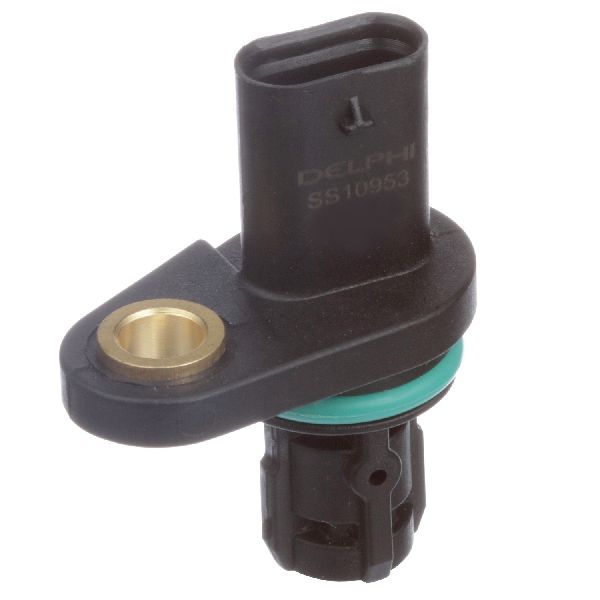
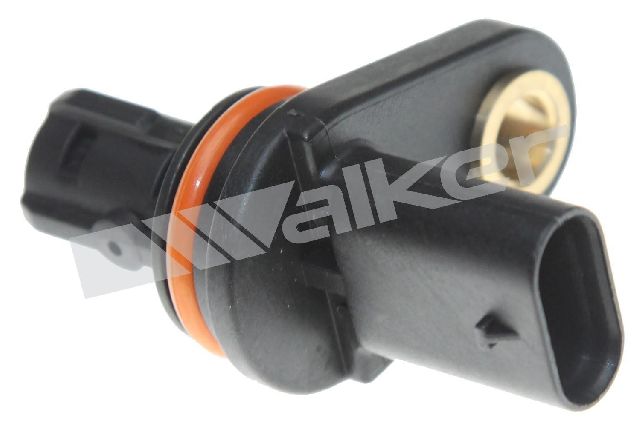
- Faulty Camshaft Position Sensor: → Shop Engine Camshaft Position Sensor The sensor that reads the camshaft's position can fail, but this is less common than the solenoid that controls it. This is a frequent misdiagnosis. If other sensor-specific codes are present, it becomes a more likely cause.
- Failed Camshaft Actuator (Phaser): → Shop Engine Camshaft The gear assembly itself, known as the phaser or actuator, can fail internally. A YouTube user with a platform-mate Chevy Sonic ultimately fixed a persistent P0011 code by replacing the intake camshaft phaser after all other common fixes failed.
- Sticking Oil Filter Housing Check Valve: → Shop Engine Oil Filter Adapter A less common but documented cause on similar GM engines is a check valve in the oil filter housing that can stick. This can cause a delay in oil pressure buildup on startup, leading to timing codes. TSB PIP4834C discusses this for related engines. A YouTube user fixed a persistent P0011 on a 1.8L Ecotec by removing the spring from the oil filter housing drainback valve to increase oil pressure at idle.
Diagnosis Steps
- Check the engine oil level and condition. If it is low, overfilled, dirty, or the wrong viscosity, perform an oil and filter change, clear the codes, and re-test. This is the first and most critical step.
- Scan for any other DTCs. Note if P0011 appears alone or with other codes like P0010, P0014, or P0016, as this can guide the diagnosis.
- Inspect the wiring and connector for the intake camshaft actuator solenoid (on top of the valve cover, usually gray) for damage, corrosion, or loose connections.
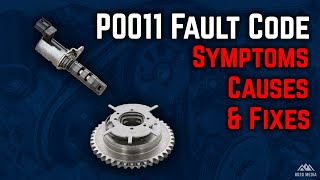
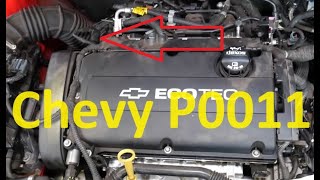
- Swap the intake and exhaust VVT solenoids. They are identical and easily accessible. Clear the codes and drive the vehicle. If the code returns as P0014, the solenoid you moved to the exhaust side is faulty and needs replacement. This is a highly effective and common diagnostic trick. 🎬 See this video for common causes and fixes for P0011
- If the solenoid swap doesn't isolate the problem, test the solenoid's resistance with a multimeter. A reading outside of the 6.9-7.9 ohm range (at 68°F/20°C) indicates a faulty solenoid. Some sources state a wider acceptable range of 8 to 13 Ohms.
- If the code appeared immediately after engine work (e.g., timing belt change, head gasket), the primary suspect becomes the missing camshaft actuator oil sleeve as described in TSB #PIP4543D. This requires removing the cam phaser for visual inspection.
- If all else fails and especially if other timing codes like P0016 are present, inspect the timing belt and tensioner for wear, damage, and proper mechanical alignment.
Parts You'll Likely Need
- Intake Camshaft Position Actuator Solenoid
(OEM #55567050, superseded by 12655420, then 12679099)— This is the most common part to fail, usually due to clogging from dirty oil or electrical failure. It directly controls the intake cam timing.
Trusted brands: ACDelco, Delphi, Dorman
OEM price range: $40-$60
Aftermarket price range: $20-$40 - Exhaust Camshaft Position Actuator Solenoid
(OEM #12655421, superseded by 12679100)— It is highly recommended to replace both solenoids at the same time, as they are subjected to the same conditions and the exhaust solenoid is likely to fail soon after the intake side.
Trusted brands: ACDelco, Delphi, Dorman
OEM price range: $40-$60
Aftermarket price range: $20-$40 - Engine Oil and Filter — Clean oil of the correct viscosity (5W-30) is critical for the VVT system to function correctly and is the first and cheapest troubleshooting step.
Trusted brands: ACDelco, Mobil 1, Castrol
OEM price range: $40-$70
Aftermarket price range: $30-$50
Related Codes That Often Appear With This One
- P0010 — This code indicates a circuit malfunction for the intake camshaft position actuator. Seeing both P0010 and P0011 strongly points to an electrical issue with the solenoid or its wiring, rather than an oil pressure problem.
- P0014 — This is the equivalent code for the exhaust camshaft. If both appear, it could suggest a systemic issue like very low oil pressure, incorrect base timing, or both oil sleeves from TSB PIP4543D are missing.
- P0016 — This code indicates a correlation issue between the crankshaft and intake camshaft. It often appears with P0011 and can point towards a stretched timing belt or a missing camshaft oil sleeve as noted in TSB PIP4543D.
Technical Service Bulletins (TSBs) & Recalls
- PIP4543D: Mentions that DTCs P0011, P0014, P0016, or P0017 can set after a repair if a unique black plastic oil sleeve for the camshaft actuator is missing or damaged. This TSB applies to the G3, Aveo, Cruze, Sonic, and Astra with the 1.6L or 1.8L engines.
Platform-Specific Known Issues
- A known issue documented in TSB #PIP4543D involves a small black plastic oil sleeve that fits between the camshaft and the actuator. If this sleeve is missing or damaged (often after a repair), it will cause DTCs P0011, P0014, P0016, or P0017. The sleeve is not sold separately and comes with a new actuator.
Mechanic-Grade Diagnostic Values
- Camshaft Position Actuator Solenoid Resistance — expected: 6.9 to 7.9 Ohms at 68°F (20°C). Some sources state a wider range of 8 to 13 Ohms is acceptable.. Failure: A reading of OL (Open Loop/infinite resistance) or a value significantly outside the expected range.
Scan Tool Commands That Help
- Tech2 / GDS2 or equivalent professional scan tool: Camshaft Position Actuator Solenoid Control — This bidirectional command allows a technician to manually activate the intake VVT solenoid while the engine is running. A successful test should cause a noticeable change in engine idle, such as stumbling or stalling, which confirms the solenoid is mechanically responding to commands and that oil pressure is present. If there is no change, it points to a stuck solenoid, a wiring issue, or an oil flow problem.
Wiring & Ground Locations
- G103 — On the engine block, below the Engine Control Module (ECM).. This is a primary ground for the engine control system. A poor connection here can cause erratic sensor readings and unpredictable behavior from actuators like the VVT solenoids.
- G104 — Next to the starter motor.. Another critical engine ground point. Ensuring this connection is clean and tight is essential for stable operation of all engine electronics.
- Intake VVT Solenoid Connector — On top of the valve cover, connected to the intake solenoid (typically has a gray plastic connector).. This is the direct electrical connection to the solenoid. It should be checked for oil contamination, corrosion, and a secure fit. On related engines, the 3 pins are typically for 5V power, signal, and ground, which can be tested with a multimeter.
Real Owner Repair Stories
- YouTube user 'Fix it Angel' (Chevy Sonic (platform mate with 1.8L Ecotec, similar VVT system)) — Persistent P0011 code.
❌ Tried (didn't work) Replacing intake VVT solenoid, Replacing intake camshaft position sensor, Performing multiple oil changes with different viscosities (5W-30, 10W-30, 10W-40), Running Sea-Foam engine flush, Re-doing the engine timing, Fixing an oil pump gasket
✅ What actually fixed it Replacing the intake camshaft actuator gear (the phaser itself). The user noted that after all other common fixes failed, replacing the mechanical gear resolved the P0011 code. The TSB-mentioned plastic sleeve was also inspected and confirmed to be present. - Reddit user on r/ChevySonic (2016 Chevy Sonic 1.8L) — P0011 code present on and off for over 2 years.
❌ Tried (didn't work) Replacing the VVT solenoid (by a dealer), Multiple oil changes, Replacing the timing belt and alternator (by a Chevy dealer)
✅ What actually fixed it The user reported that after observing the cam timing variance was fine at startup but off by 15 degrees when warm, they switched to a thicker 10W-40 engine oil (from the recommended 5W-30). They theorized this increased hot oil pressure just enough for the VVT system to work correctly, and the light went out. This suggests a potential internal wear issue causing a loss of pressure when the oil thins out.
When the Usual Fixes Don't Work
- While replacing the VVT solenoids and performing an oil change are the most common fixes, there are documented cases where these steps do not resolve the issue. In one instance involving a similar Ecotec engine, a persistent P0011 required the replacement of the entire intake camshaft phaser gear itself, even after solenoids, sensors, and timing were all verified as good. In another case, a user resolved a recurring P0011 that persisted after a timing belt and solenoid replacement by switching to a thicker 10W-40 oil, suggesting an underlying oil pressure issue at operating temperature that the standard fixes could not overcome.
OEM Part Supersession History
55567050→12655420, which was then superseded by 12679099— Standard part evolution for improved reliability or manufacturing changes by GM.
Heads up: The newest part number (12679099 for intake, 12679100 for exhaust) is the correct service replacement. While older stock may be available, it is best practice to use the latest revision.
Helpful Videos
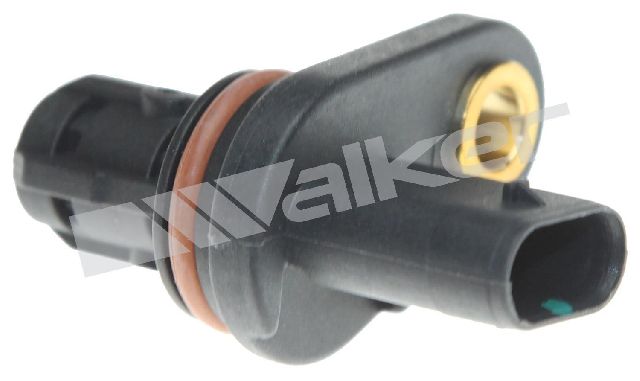
We Have This Part in Stock



The information in this article is provided for general reference and educational purposes only. Vehicle specifications, procedures, and part compatibility can vary by production date, trim level, and region. Always consult your vehicle's factory service manual and verify part numbers before purchasing or performing repairs. Safety-critical components such as airbags, seat belts, and braking systems should be installed by a qualified professional.
- Pontiac G3:
- 🧭 Diagnostic Flowchart
- 🎬 Helpful Videos
- 🛍️ Shop This Part
- What's Unique About the 2009-2010 Pontiac G3
- Symptoms You May Notice
- Most Likely Causes
- Rare But Worth Checking
- Diagnosis Steps
- Parts You'll Likely Need
- Related Codes That Often Appear With This One
- Technical Service Bulletins (TSBs) & Recalls
- Platform-Specific Known Issues
- Mechanic-Grade Diagnostic Values
- Scan Tool Commands That Help
- Wiring & Ground Locations
- Real Owner Repair Stories
- When the Usual Fixes Don't Work
- OEM Part Supersession History
- 🎟️ Get 5% Off