

P0011 on 2007-2009 Saturn Aura: Causes for Camshaft Timing Over-Advanced
On a 2007-2009 Saturn Aura, code P0011 is most often caused by low or dirty engine oil, or a failing intake camshaft position actuator solenoid. An oil change with the correct viscosity oil and a new solenoid (part #12655420 for the 2.4L intake) is the most common fix, especially on the 2.4L Ecotec engine. For the 3.6L V6, this code can be an early warning of a stretched timing chain.
- First, check your engine oil. Low or dirty oil is the #1 cause of P0011. An oil change is the cheapest and easiest first step.
- If you have the 2.4L engine, the intake camshaft actuator solenoid is the most likely part to have failed. It's an affordable and easy part to replace.
- If you have the 3.6L V6 engine, this code could be a sign of a more serious stretched timing chain issue, which is a known problem for this engine.
- P0011 is often seen with P0010 (solenoid circuit fault) or P0014 (exhaust cam fault), which can help pinpoint the problem.
- Do not ignore this code. While the car may be drivable, leaving it unfixed can lead to reduced fuel economy, stalling, and potentially severe engine damage.
What's Unique About the 2007-2009 Saturn AURA
The Saturn Aura uses engines shared across many GM vehicles of this era, each with its own quirks regarding this code. The 3.6L V6 (LY7 engine) is particularly known for premature timing chain stretching, which can trigger P0011 and other related codes like P0016/P0017. A GM Technical Service Bulletin (TSB #08-06-01-011K, referenced in other documents) points to excessive camshaft end play as a potential cause on V6 models. For the 2.4L Ecotec engine (LE5), the camshaft actuator solenoids are a very common and well-documented failure point, often due to clogging from oil sludge. TSB #PIP4716F also notes that on some 2009 models, a startup rattle accompanied by P0011 could be caused by the cam actuators not parking correctly, requiring their replacement.
Diagnostic Flowchart
Tap your situation to follow the diagnostic path that matches what you're seeing on this vehicle.
Symptoms You May Notice
- Check Engine Light is on
- Rough or erratic idle
- Reduced engine power and poor acceleration
- Decreased fuel economy
- Engine is hard to start
- Engine stalling
- Rattling noise from the engine, especially at startup [TSB #PIP4716F, 31]
- Replacing the camshaft position sensor when the actual problem is the actuator solenoid.
- Replacing timing components without first checking for simple issues like low/dirty oil or a faulty solenoid.
- Assuming a major repair is needed before performing an oil change and replacing the VVT solenoids on the 2.4L engine.
Most Likely Causes
- Low or Dirty Engine Oil 🔴 High Probability The Variable Valve Timing (VVT) system is hydraulically operated by engine oil. Sludge, debris, or low oil levels prevent the camshaft phasers and solenoids from operating correctly. Using oil that doesn't meet the GM dexos1 specification can accelerate this issue.
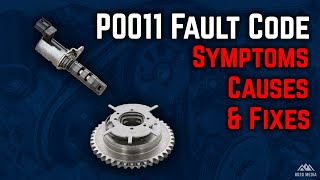
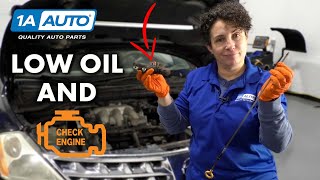
How to confirm: Check the oil level on the dipstick and inspect its color and consistency. If it is low, black, or sludgy, it needs to be changed. This is the first and most important diagnostic step. 🎬 Watch this before buying parts to avoid common mistakes.
Typical fix: Perform an engine oil and filter change using the manufacturer-recommended oil viscosity (e.g., 5W-30) that meets the dexos1 standard. Clear the codes and see if P0011 returns.
Est. part cost: $30-$70 - Faulty Intake Camshaft Position Actuator Solenoid 🔴 High Probability → Shop Engine Camshaft These solenoids are a very common failure item on GM engines of this period, especially the 2.4L Ecotec. Internal screens get clogged with debris, or the solenoid itself fails electronically. TSB #PIP4716F suggests inspecting the solenoids for debris if the cam actuators are replaced.
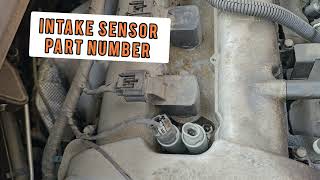
How to confirm: On the 2.4L engine, you can swap the intake and exhaust solenoids (if they are identical) and see if the code changes to P0014 (exhaust camshaft). You can also test the solenoid's resistance with a multimeter (should be 8-13 ohms). The intake solenoid is located at the front of the engine on the valve cover, typically with a gray connector.
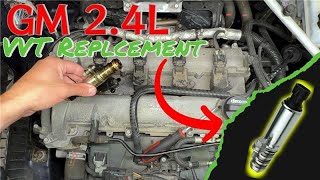
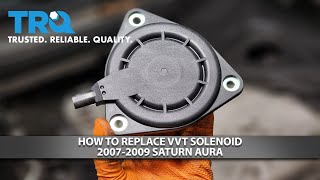
Typical fix: Replace the intake camshaft position actuator solenoid. It is often recommended to replace both the intake and exhaust solenoids at the same time as a pair. This is a simple DIY job requiring only a 10mm socket.
Est. part cost: $25-$60 - Stretched Timing Chain 🟡 Medium Probability → Shop Engine Timing Chain The 3.6L V6 (LY7) engine is notorious for premature timing chain stretching due to the design and possibly long oil change intervals. This causes a mismatch between the crankshaft and camshaft positions that the ECM detects as a fault. GM released updated timing chain kits to address this.
How to confirm: This is a complex diagnosis. It often presents with other codes like P0016, P0017, or P0008. A mechanic will need to use a scan tool to check desired vs. actual cam angles and may need to physically inspect the chain for slack. A rattling noise from the side of the engine is a strong indicator.
Typical fix: Replace the timing chains, tensioners, and guides. This is a labor-intensive and expensive repair, often costing over $1500.
Est. part cost: $300-$600 for a kit
Rare But Worth Checking
- Faulty Camshaft Phaser (Actuator): → Shop Engine Camshaft The phaser is the gear on the end of the camshaft that actually does the rotating. It can get stuck in the advanced position due to internal failure or oil sludge, even if the solenoid is working. TSB #PIP4716F notes that a startup rattle may indicate the actuators are not parking correctly and must be replaced.
- Low Engine Oil Pressure: Even with a full oil level, a failing oil pump or clogged passages can cause low pressure, starving the VVT system. TSB #PIP5064C specifically calls for checking oil pressure on V6 models with this code and P0300 (misfire).
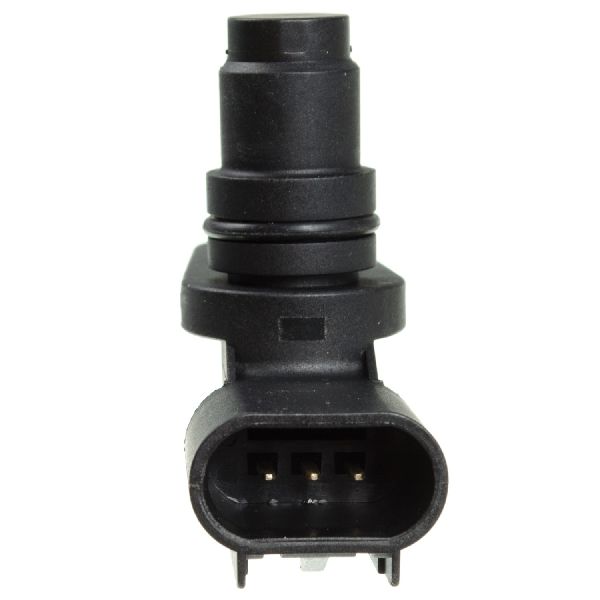
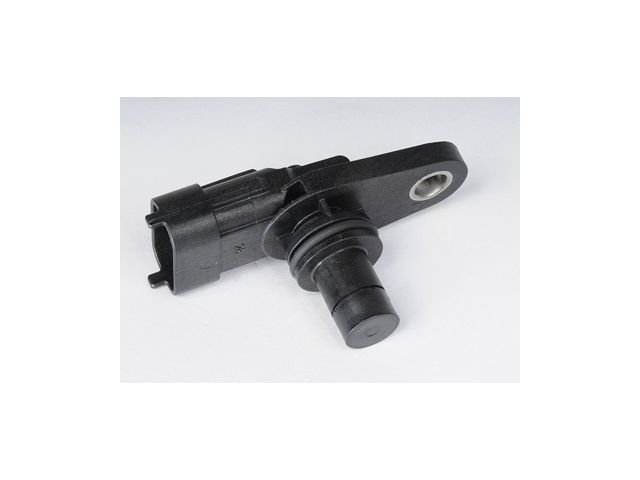
- Faulty Camshaft Position Sensor: → Shop Engine Camshaft Position Sensor Less common than a solenoid failure, but the sensor that reads the camshaft's position can fail and send incorrect data to the ECM. This is often misdiagnosed when the solenoid is the real issue.
- Excessive Camshaft End Play: → Shop Engine Camshaft On V6 models, GM issued a TSB (referenced in RepairPal) indicating that excessive back-and-forth movement of the camshaft can set this code. The fix involves special procedures outlined by GM.
Diagnosis Steps
- Check the engine oil level and condition. If it is low or dirty, perform an oil and filter change with the correct grade oil (e.g., 5W-30 Dexos1 approved), clear the code, and see if it returns.
- Scan for other DTCs. Codes like P0010, P0014, or P0016 can provide valuable clues to the root cause.
- Inspect the wiring and connector for the Bank 1 intake camshaft actuator solenoid for any damage or corrosion.
- For 2.4L engines, locate the intake and exhaust solenoids on top of the valve cover. The intake solenoid is toward the front of the vehicle. Swap their positions. Clear the codes and drive the vehicle. If the code changes to P0014, the solenoid you moved to the exhaust position is faulty.
- Test the resistance of the intake solenoid using a multimeter. A reading between 8 and 13 ohms is typically expected for the 2.4L engine. A different source suggests 6.9-7.9 ohms for the 3.6L V6.
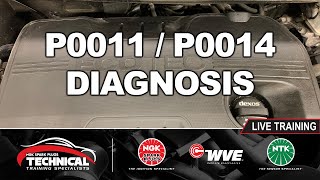
- If a capable scan tool is available, command the solenoid on and off to verify its operation and monitor desired vs. actual cam angles. 🎬 See how to diagnose P0011 and P0014 timing codes.
- For V6 engines, especially if accompanied by a rattle or other timing codes, have a professional check the engine oil pressure and inspect the timing chain for excessive slack. [TSB #PIP5064C, 5]
- For V6 models, if other diagnostics fail, be aware of the TSB regarding excessive camshaft end play, which may require a specialist.
Parts You'll Likely Need
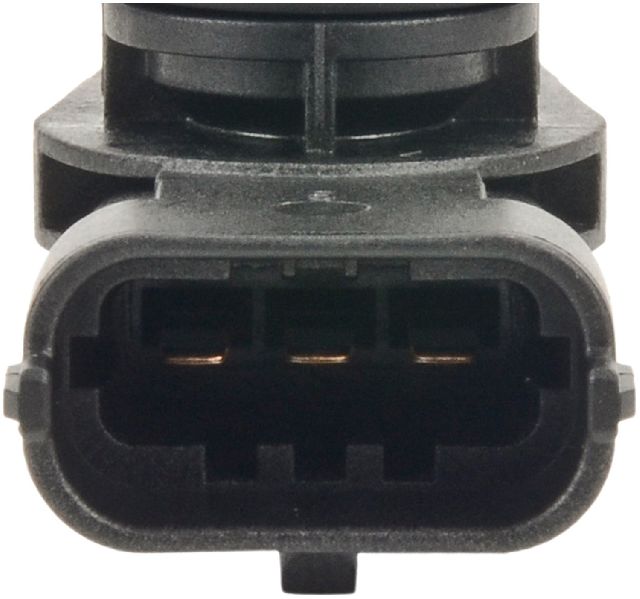
- Intake Camshaft Position Actuator Solenoid
(OEM #12655420 (for 2.4L LE5))— This is the most frequent point of failure for code P0011, especially on the 2.4L engine. It gets clogged with debris from engine oil or fails electronically.
Trusted brands: ACDelco, Delphi, Dorman (p/n 917-215)
OEM price range: $45-$70
Aftermarket price range: $25-$50 - Exhaust Camshaft Position Actuator Solenoid
(OEM #12655421 (for 2.4L LE5))— Often replaced as a pair with the intake solenoid, as they are the same age and operate under the same conditions. A failing exhaust solenoid can cause code P0014.
Trusted brands: ACDelco, Delphi, Dorman (p/n 917-216)
OEM price range: $45-$70
Aftermarket price range: $25-$50 - Engine Oil and Filter — The VVT system is entirely dependent on clean oil at the proper pressure. This is the first and most crucial step in fixing and preventing P0011. Use of GM's Dexos1-spec oil is recommended.
Trusted brands: Mobil 1, Castrol, Valvoline, ACDelco
OEM price range: $40-$80
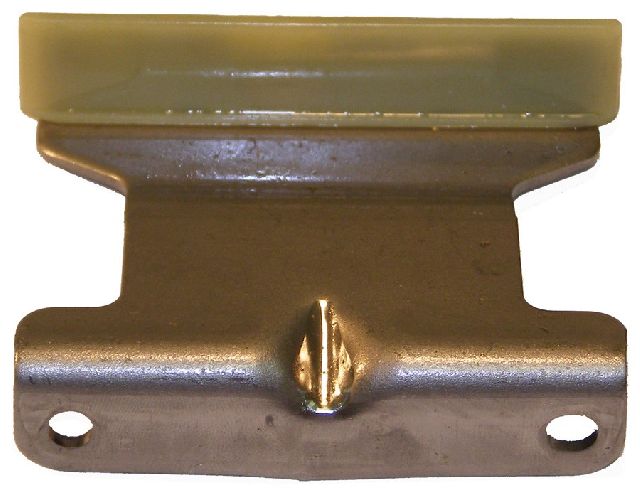
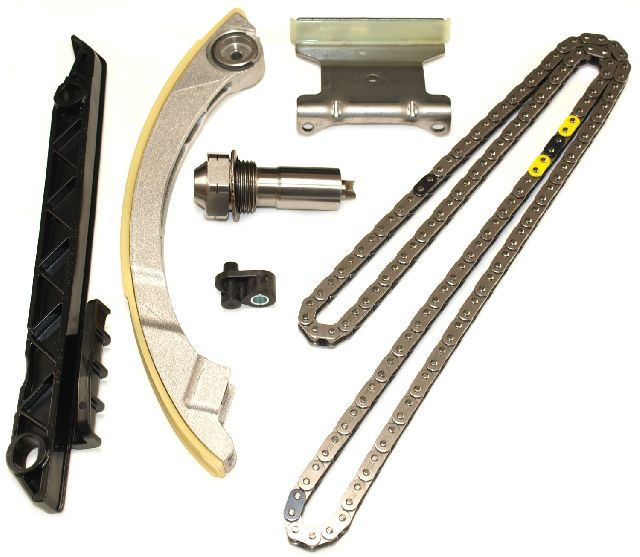
Aftermarket price range: $30-$60 - Timing Chain Kit — For the 3.6L LY7 V6 engine, a stretched timing chain is a very common cause of this code. The repair requires a full kit including chains, guides, and tensioners.
Trusted brands: Cloyes, ACDelco
OEM price range: $400-$600
Aftermarket price range: $250-$450
Related Codes That Often Appear With This One
- P0010 — This code indicates a fault in the electrical circuit for the intake camshaft actuator solenoid, which is the part that most commonly fails to cause P0011.
- P0014 — This is the equivalent code for the exhaust camshaft ('B' camshaft). If both solenoids are failing or oil quality is poor, you may see both codes together.
- P0016 / P0017 — These codes indicate a correlation problem between the crankshaft and camshaft. They often appear with P0011 when the root cause is a stretched timing chain, especially on the 3.6L V6. [TSB #PIP4716F, 31]
- P0300 — This is a random misfire code. Incorrect valve timing from a P0011 fault can lead to engine misfires. TSB #PIP5064C notes this combination on V6 engines.
Technical Service Bulletins (TSBs) & Recalls
- PIP4716F: Notes a short, sharp rattle noise at startup that can be associated with DTC P0011.
- PIP5064C: Links P0011 on V6 engines to rough running and idle surge, and advises checking engine oil pressure.
- 08-06-01-011K: Addresses multiple cam/crank codes including P0011 on V6 engines, pointing to excessive camshaft end play as a possible cause requiring measurement and correction.
- 17-NA-098: Details the failure of camshaft position actuator solenoid valves causing codes P0010, P0011, P0013, and P0014, and recommends replacing both solenoids.
Platform-Specific Known Issues
- A GM TSB (#PIP5064C) for the 2007 Aura with a V6 engine notes that P0011 can be caused by low engine oil pressure, leading to rough running and misfires.
- Another TSB (#PIP4716F) for the 2009 model mentions that P0011 can be associated with a sharp rattle from the engine on startup, pointing towards an inspection of the engine belt system or cam actuators not parking correctly.
- For V6 models, a known issue (referenced in TSB 08-06-01-011K) is excessive camshaft end play which can trigger P0011 and requires a special thrust washer to correct.
Mechanic-Grade Diagnostic Values
- Camshaft Position Actuator Solenoid Resistance (2.4L LE5 Engine) — expected: 8 to 13 Ohms. Failure: A reading outside this range, or an open/infinite reading, indicates a failed solenoid.
- Camshaft Position Actuator Solenoid Resistance (3.6L LY7 V6 Engine) — expected: 6.9 to 7.9 Ohms at 68°F (20°C). Failure: A reading outside this range, or an open circuit, points to a faulty solenoid.
- Engine Oil Pressure (3.6L V6 LY7), engine at normal operating temperature — expected: Minimum of 24 psi at 1,000 RPM, 34 psi at 2,000 RPM, and 38 psi at 4,000 RPM.. Failure: Pressure below these minimums indicates a lubrication issue that will starve the VVT system, as noted in TSB #PIP5064C.
Scan Tool Commands That Help
- GM Tech2 / GDS2: Camshaft Position Actuator Solenoid Test — This bidirectional command allows a technician to command the VVT solenoids on and off while the engine is running. It helps verify the electrical circuit and listen for a mechanical click from the solenoid, confirming it is responding to commands without having to remove it first.
Wiring & Ground Locations
- G105 — On the 2.4L, it's at the left front of the engine. On the 3.6L, it's at the center rear of the engine.. This is a primary engine ground. A poor connection here can cause erratic behavior from various engine sensors and modules, including the ECM which controls the VVT system.
- G106 — On the 2.4L, it's at the left rear of the engine. On the 3.5L, it's near the oil filter.. This ground serves the Engine Control Module (ECM) and Transmission Control Module (TCM). A loose or corroded G106 can lead to incorrect sensor readings and faulty command signals to the VVT solenoids.
- Engine Control Module (ECM) — On the 2.4L, it's on the left side of the engine compartment, behind the battery. On the 3.5L & 3.6L, it's on the left side of the engine compartment, in front of the battery.. This is the computer that receives data from the cam sensors and sends commands to the VVT solenoids. All related wiring terminates here, making it a central point for electrical diagnosis.
Real Owner Repair Stories
- YouTube video 'Easily Fix p0011 p0014 variable valve timing solenoid. Cadillac CTS 3.6L V6.' (2014 Cadillac CTS 3.6L V6 (engine family shared with Aura 3.6L)) — Check Engine Light with code P0011.
❌ Tried (didn't work) The owner was initially concerned about major issues like timing chains or camshafts due to the code's definition.
✅ What actually fixed it The problem was resolved by replacing the VVT actuator solenoids. The video demonstrates the replacement process, which is a simple, one-hour job.
OEM Part Supersession History
Original timing chains on 2007-2009 3.6L LY7 engines.→Updated GM timing chain kits (e.g., as mentioned in TSB 12-06-01-009F).— The original timing chains were prone to premature stretching, causing codes like P0011, P0016, and P0008. GM released revised, more robust chains to correct this design flaw.
Helpful Videos
We Have This Part in Stock


The information in this article is provided for general reference and educational purposes only. Vehicle specifications, procedures, and part compatibility can vary by production date, trim level, and region. Always consult your vehicle's factory service manual and verify part numbers before purchasing or performing repairs. Safety-critical components such as airbags, seat belts, and braking systems should be installed by a qualified professional.
- Saturn AURA:
- 🧭 Diagnostic Flowchart
- 🎬 Helpful Videos
- 🛍️ Shop This Part
- What's Unique About the 2007-2009 Saturn AURA
- Symptoms You May Notice
- Most Likely Causes
- Rare But Worth Checking
- Diagnosis Steps
- Parts You'll Likely Need
- Related Codes That Often Appear With This One
- Technical Service Bulletins (TSBs) & Recalls
- Platform-Specific Known Issues
- Mechanic-Grade Diagnostic Values
- Scan Tool Commands That Help
- Wiring & Ground Locations
- Real Owner Repair Stories
- OEM Part Supersession History
- 🎟️ Get 5% Off