

P0011 on 2012-2019 Subaru Impreza: Camshaft Timing Over-Advanced Causes and Fixes
Code P0011 on a Subaru Impreza most often points to low/dirty engine oil or a faulty passenger-side intake Oil Control Valve (OCV). Start by checking your oil; if that's fine, the OCV is the next likely culprit, costing around $70-$150 for the part. This is a very common issue for the FB20 engine.
- P0011 on your Impreza is almost always related to engine oil. Check the level and condition before buying any parts.
- The most common failed part is the passenger-side intake Oil Control Valve (OCV), part number 10921AA231.
- A simple diagnostic test is to swap the passenger-side and driver-side intake OCVs. If the code changes to P0021, you've found the bad part.
- Ignoring this code can lead to poor performance, bad fuel economy, and potential engine damage over time.
- This is a very common DIY repair; replacing the OCV requires basic tools and can be done in under an hour.
What's Unique About the 2012-2019 Subaru IMPREZA

The FB20 engine in the 2012-2019 Impreza uses the Active Valve Control System (AVCS), which is hydraulic and known to be extremely sensitive to oil level, viscosity, and cleanliness. Neglecting oil changes with the specified 0W-20 synthetic oil is a very common trigger for AVCS-related codes like P0011. Furthermore, a well-documented issue on FB engines is the potential for the Oil Control Valves (OCVs) to leak oil internally through their electrical connector pins. This oil can then 'wick' up the wiring harness, causing shorts and potentially damaging the main engine harness or even the ECM if left untreated.
Diagnostic Flowchart

Tap your situation to follow the diagnostic path that matches what you're seeing on this vehicle.
Generation note: This year range covers the fourth generation (2012-2016) and the fifth generation (2017-2019) of the Subaru Impreza. Both generations use the 2.0L FB20 engine, making the causes, symptoms, and repairs for code P0011 virtually identical between them. Subaru did incorporate countermeasures for the OCV and camshaft sprocket in production starting in July 2012. For the 2017 model year, the FB20 engine was significantly revised, with about 80% new parts, including a lighter-weight design and the move to direct injection, though the fundamental AVCS system operation remains similar.
Symptoms You May Notice
- Check Engine Light is on
- Cruise control light is flashing (common with a CEL on Subarus)
- Traction control light is on
- Rough or unstable idle
- Reduced engine power and poor acceleration
- Decreased fuel economy
- Engine may hesitate or stall
- Hard starting
- Engine dies while driving and won't restart
- Replacing the camshaft position sensor first. While possible, it is far less likely to be the cause than oil-related issues or a faulty OCV.
- Replacing the ECM. This is extremely rare and should only be considered after all other possibilities have been exhausted by a professional. Oil contamination from a leaking OCV is a more likely cause of ECM-related symptoms.
Most Likely Causes

- Low or Dirty Engine Oil 🔴 High Probability The AVCS system is hydraulic and extremely sensitive to oil pressure and cleanliness. Using oil other than the specified 0W-20 synthetic, or extending change intervals, can cause sludge that clogs the small passages in the OCVs and cam phasers.
How to confirm: Check the oil level on the dipstick and inspect its color and consistency. If the level is low, the oil is dark/thick, or an oil change is overdue, this is the most likely cause.
Typical fix: Top up the oil to the correct level or perform a complete oil and filter change using full synthetic 0W-20 oil. Clear the codes and drive to see if the issue is resolved.
Est. part cost: $30-$70 - Faulty Intake Oil Control Valve (OCV) - Bank 1 🔴 High Probability The OCV is an electronic solenoid that can become clogged with debris from dirty oil or fail electrically. Subaru issued TSB #02-132-12R detailing a diagnostic procedure for this exact issue, confirming its prevalence. The internal seals can also fail, allowing oil to seep into the electrical connector.
How to confirm: Swap the Bank 1 (passenger side) intake OCV with the Bank 2 (driver's side) intake OCV. They are identical parts. Clear the codes and drive. If the code changes to P0021 (the Bank 2 equivalent), the OCV is confirmed to be faulty. You can also test the solenoid's resistance with a multimeter; it should typically be between 6.9-7.9 ohms at 68°F (20°C).
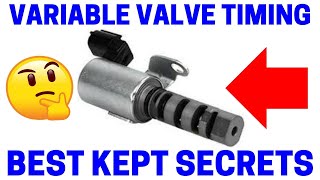
Typical fix: Replace the faulty Oil Control Valve. It is located on the front of the engine on the passenger side, held in by a single 10mm bolt. 🎬 See this walkthrough on how to replace the OCV solenoid. It is highly recommended to use a genuine Subaru part.
Est. part cost: $70-$150 - Faulty Camshaft Position Sensor - Bank 1 ⚪ Low Probability → Shop Engine Camshaft Position Sensor
How to confirm: This is rarely the cause if P0011 appears alone. Usually, a failing sensor will trigger its own specific circuit code. After ruling out oil and OCV issues, the sensor can be tested or swapped with the other bank to see if the code follows.
Typical fix: Replace the Bank 1 intake camshaft position sensor.
Est. part cost: $40-$90
Rare But Worth Checking
- Stretched Timing Chain or Failed Tensioner: → Shop Engine Timing Chain This is a significant mechanical failure. If you hear rattling noises from the front of the engine, especially on startup, this could be the cause. One owner reported a rattle before their car died with a P0011 code. 🎬 Watch: How a P0011 code can lead to engine failure. This repair is complex and expensive.
- Failed AVCS Camshaft Sprocket (Phaser): → Shop Engine Camshaft The mechanical sprocket that adjusts timing can fail internally, getting stuck in an advanced position. TSB #02-132-12R notes this as the next part to replace if swapping the OCV does not solve the issue. This is a major repair requiring removal of the timing cover.
- Oil Leaking into Wiring Harness: Per TSB #02-170-17R, the OCV can leak oil through its electrical connector, which then 'wicks' up the wiring harness and can cause shorts or incorrect signals. A technician on Reddit explains that this can eventually contaminate the main bulkhead harness connector or the ECM itself, leading to a much more expensive repair if not caught early. Inspect the OCV connector for any signs of oil.
- Clogged Banjo Bolt Filters: On some older or turbocharged Subaru engines, tiny mesh screens inside the oil line banjo bolts were known to clog and starve components of oil. One owner of a WRX with P0011 and P0021 found the screen for the oil feed line had broken apart, with pieces getting stuck in the OCV solenoid. While less cited for the naturally aspirated FB20, it's a theoretical possibility if severe oil sludging has occurred.
Diagnosis Steps

- Check the engine oil level and condition. Ensure it is full and clean. If low, dirty, or the wrong viscosity, perform a full oil and filter change with 0W-20 synthetic oil. Clear the code and see if it returns.
- Inspect the electrical connector for the Bank 1 (passenger side) intake OCV. Disconnect it and look for any signs of engine oil inside the connector pins, which indicates a failed OCV seal per TSB #02-170-17R.
- If the oil is fine and the connector is dry, swap the intake OCV from Bank 1 (passenger side) with the intake OCV from Bank 2 (driver's side). They are identical parts, each held by a single 10mm bolt.
- Clear the codes from the ECM memory and perform a test drive, ensuring the engine reaches operating temperature.
- Re-scan for codes. If P0021 ('B' Camshaft, Bank 2) now appears, the OCV you moved to the driver's side is faulty and must be replaced.
- If P0011 reappears, the OCV is not the issue. The problem may be with the camshaft position sensor, the AVCS sprocket (phaser), or the timing chain itself.
- At this stage, testing the camshaft position sensor and its wiring is the next logical step before investigating more serious mechanical issues like the timing chain or sprocket, which may require professional diagnosis.
Parts You'll Likely Need
- Intake Oil Control Valve (VVT Solenoid)
(OEM #10921AA231 (supersedes 10921AA230, 10921AA220))— This solenoid is the most common mechanical failure point for code P0011 after ruling out oil issues. It gets clogged or fails electrically, preventing proper adjustment of the cam timing.
Trusted brands: Subaru (Genuine), Denso (Often the OEM manufacturer), NGK/NTK, Dorman
OEM price range: $90-$140
Aftermarket price range: $50-$100
Related Codes That Often Appear With This One
- P0021 — This is the equivalent code for Bank 2 (driver's side). It may appear alongside P0011 if the engine oil is very low or dirty, affecting both banks. It will also appear during diagnosis if you swap a faulty Bank 1 OCV to Bank 2.
- P000A — This code indicates a slow response from the Bank 1 intake camshaft position. It is often triggered by the same root causes, such as sludgy oil or a failing OCV, and is listed in the same Subaru TSB.
Technical Service Bulletins (TSBs) & Recalls

- 02-132-12R: 'DIAGNOSIS AND REPAIR FOR AVCS-RELATED DTCS...'. This TSB provides the main diagnostic flowchart, including swapping the OCVs to confirm failure and replacing the cam sprocket if the issue persists.
- 02-170-17R: 'Oil Leaking from AVCS Oil Control Valve (FA/FB engines)'. This TSB describes how oil can leak from the OCV into the wiring harness, a potential complication that can lead to more severe electrical issues.
Platform-Specific Known Issues
- A known issue documented in TSB #02-170-17R involves the OCVs leaking oil into the engine wiring harness, which can cause shorts and require inspection of the harness connectors for oil residue.
- The provided NHTSA complaint (ODI #11428911) shows a real-world case where a 2014 Impreza presented with both P0011 and P0021, highlighting that issues affecting both banks (like oil level) can occur.
- TSB #02-132-12R, which covers P0011, notes that countermeasures for both the OCV and the cam sprocket were implemented in production vehicles starting in July 2012, indicating that earlier models in this generation are more susceptible.
Mechanic-Grade Diagnostic Values
- Oil Control Valve (OCV) / VVT Solenoid internal resistance — expected: 6.9 to 7.9 Ohms at 68°F (20°C). Some sources give a wider range of 6-12 Ohms.. Failure: A reading outside the specified range, or an open circuit (no reading), indicates a failed solenoid coil.
- Oil Control Valve (OCV) / VVT Solenoid power supply voltage — expected: Battery voltage (approx. 12V) with the ignition on.. Failure: No voltage indicates a problem with the power supply from the engine main relay or a wiring issue.
Scan Tool Commands That Help
- Professional Scan Tool (e.g., Subaru Select Monitor, RomRaider): AVCS Intake VVT Actuator Test (Bank 1) — This bidirectional command allows you to manually activate the Bank 1 intake OCV while the engine is running. If the solenoid is functioning correctly, activating it should cause the engine to hesitate or stall. If there is no change in engine operation, it points to a faulty OCV, a clog in the oil passage, or a problem with the cam phaser itself.
Wiring & Ground Locations
- Main Engine Ground — A primary engine ground strap connects from the engine block (often near the starter motor or on the transmission bell housing) to the chassis.. A poor engine ground can cause a variety of electrical issues and incorrect sensor readings. While not a direct cause of P0011, ensuring all grounds are clean and tight is a fundamental step in any electrical diagnosis.
- Intake Manifold Grounds — The ECU grounds are often located on the intake manifold.. The ECU controls the OCV solenoid by providing a ground path. A compromised ground connection at the manifold can interfere with the ECU's ability to accurately control the AVCS system, potentially leading to timing codes.
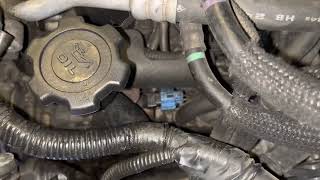
- OCV Solenoid Connector — Two-pin connector directly on the Oil Control Valve solenoid, located on the front of the engine. Bank 1 is on the passenger side.. This is the primary point for testing voltage supply and resistance of the solenoid. One pin receives ~12V power with ignition on, and the other is the control line that the ECU grounds to activate the solenoid. It is also the location where oil wicking, as described in TSB #02-170-17R, originates.
Real Owner Repair Stories
- YouTube channel 'chooch' (Subaru WRX (EJ255 engine, but same principle as FB20)) — Check Engine Light with codes P0011 and P0021.
❌ Tried (didn't work) Initial diagnosis focused on the solenoids themselves.
✅ What actually fixed it The mechanic found that the small mesh screen/filter for the oil feed line had disintegrated. Pieces of the metal screen had fallen into the Oil Control Valve (solenoid), causing it to jam in the advanced position. The fix was to replace the faulty solenoid and clean out any debris.
OEM Part Supersession History
10921AA220→10921AA230, then 10921AA231— Subaru implemented countermeasures and updates to the OCV to improve reliability and address known failure modes, including internal electronic failures and oil leakage.
Heads up: The newer part numbers (10921AA230, 10921AA231) are direct replacements for the older ones and are fully compatible. It is recommended to use the latest available part number for repair.
Model Year Variations Within This Range
- 2012 (early production): Models produced before July 2012 are more susceptible to OCV and cam sprocket issues, as countermeasures were implemented in production starting that month, according to TSB #02-132-12R.
- 2017-2019: The 2017 model year marked the introduction of the 5th generation Impreza and a heavily revised FB20 engine. Subaru stated that 80% of the engine's parts were new, featuring direct injection and a 26.5 lb weight reduction. While the AVCS system operates on the same principles, part numbers for some components may differ from the 2012-2016 generation.
Helpful Videos
We Have This Part in Stock

The information in this article is provided for general reference and educational purposes only. Vehicle specifications, procedures, and part compatibility can vary by production date, trim level, and region. Always consult your vehicle's factory service manual and verify part numbers before purchasing or performing repairs. Safety-critical components such as airbags, seat belts, and braking systems should be installed by a qualified professional.
- Subaru IMPREZA:
- 🧭 Diagnostic Flowchart
- 🎬 Helpful Videos
- 🛍️ Shop This Part
- What's Unique About the 2012-2019 Subaru IMPREZA
- Symptoms You May Notice
- Most Likely Causes
- Rare But Worth Checking
- Diagnosis Steps
- Parts You'll Likely Need
- Related Codes That Often Appear With This One
- Technical Service Bulletins (TSBs) & Recalls
- Platform-Specific Known Issues
- Mechanic-Grade Diagnostic Values
- Scan Tool Commands That Help
- Wiring & Ground Locations
- Real Owner Repair Stories
- OEM Part Supersession History
- Model Year Variations Within This Range
- 🎟️ Get 5% Off