

P0011 on 2013-2015 Volkswagen EOS: Causes for Over-Advanced Camshaft Timing
On a 2013-2015 VW Eos with the 2.0T engine, code P0011 is most often caused by low/dirty engine oil or a faulty camshaft adjuster magnet (N205 solenoid, part # 06L109259D). Start by checking your oil; if it's fine, the adjuster magnet is a common, relatively inexpensive DIY fix (~$40-$120 for the part) that often gets clogged and fails a simple 'shake test'. If the issue persists, it could be a more serious timing chain problem.
- First, check your engine oil. Low or dirty oil is the #1 cause of P0011 on this engine.
- The Camshaft Adjuster Magnet is the next most likely culprit and is a simple part to inspect and replace.
- A rattling noise on startup is a strong indicator of a more serious timing chain issue, which should be inspected by a professional immediately.
- Do not ignore this code. What might be a simple fix could also be an early warning of a failing timing chain that can destroy the engine.
- Use only high-quality synthetic oil that meets VW specifications to prevent sludge and protect the VVT system.
What's Unique About the 2013-2015 Volkswagen EOS
The 2.0T TSI engine (EA888 Gen2) in this generation of VWs is known for specific vulnerabilities that directly lead to code P0011. First, the VVT system is hydraulic and highly sensitive to oil maintenance; sludge from extended oil change intervals can clog the control solenoid (N205) and its internal passages. Second, early versions of this engine family had a failure-prone timing chain tensioner. While 2013+ models should have an updated tensioner, wear can still lead to a stretched chain. Third, a mesh screen on the camshaft bridge was prone to breaking apart and sending debris into oil passages, blocking the VVT mechanism.
Diagnostic Flowchart
Tap your situation to follow the diagnostic path that matches what you're seeing on this vehicle.
Symptoms You May Notice
- Check Engine Light is on
- Rough or unstable idle
- Engine stalling, especially at low speeds or when stopping
- Reduced engine power and poor acceleration
- Distinct rattling noise from the engine, especially a brief 'death rattle' on a cold start.
- Decreased fuel economy
- Hard starting or extended cranking.
- Replacing the camshaft position sensor (G40) first, when the issue is typically hydraulic (oil) or mechanical (N205 magnet, timing chain).
- Performing a costly timing chain replacement when the actual problem was a much cheaper and simpler clogged VVT solenoid or adjuster magnet.
Most Likely Causes
- Low, Dirty, or Incorrect Viscosity Engine Oil 🔴 High Probability The VVT system is entirely dependent on clean oil at the correct pressure. These engines are sensitive, and using oil that doesn't meet VW 502 00 or 504 00 spec, or extending change intervals, leads to sludge that clogs the small passages in the VVT solenoids.
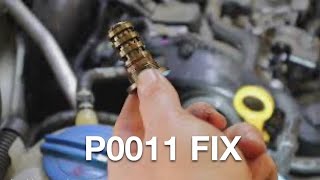
How to confirm: Check the engine oil level on the dipstick and examine its condition. If the oil is below the minimum mark, black and thick, or past its service interval, this is the likely cause. An oil change is the cheapest first step. 🎬 Watch: A quick guide on what to try first for P0011.
Typical fix: Perform a complete engine oil and filter change using a high-quality synthetic oil that meets VW specifications (e.g., VW 502 00 / 504 00). Consider using an engine flush product like LiquiMoly before the oil change if sludge is suspected.
Est. part cost: $60-$120 - Faulty Camshaft Adjuster Magnet (N205) 🔴 High Probability → Shop Engine Camshaft This external electromagnet is the most common single point of failure for P0011. It gets clogged with oil sludge, causing its internal pin to stick, which prevents it from actuating the VVT oil control valve correctly.
How to confirm: Remove the magnet (held by 3 T30 Torx screws). Shake it vigorously. A good, clean magnet will have a pin that rattles freely and audibly. A faulty one will be silent, feel sluggish, or make a dull thud when shaken.
Typical fix: Replace the camshaft adjuster magnet. Cleaning with compressed air or brake cleaner can be a temporary fix, but replacement with the updated part is the reliable, long-term solution. 🎬 See this walkthrough for replacing the magnet and VVT solenoid.
Est. part cost: $40-$120 - Faulty VVT Solenoid / Oil Control Valve 🟡 Medium Probability Located under the adjuster magnet, this spool valve directs oil flow. Its small passages and screen can become clogged with debris, especially from a failed camshaft bridge screen or general oil sludge.
How to confirm: Requires removal with a special reverse-thread tool (often sold in VW/Audi timing tool kits). Visually inspect the screens for blockage or damage. It can be tested with a scan tool that can actuate the solenoid.
Typical fix: Remove and clean the valve thoroughly with brake cleaner and compressed air. If cleaning doesn't resolve the issue or the part is damaged, it must be replaced.
Est. part cost: $50-$150 - Stretched Timing Chain or Failed Tensioner 🟡 Medium Probability → Shop Engine Timing Chain The timing chain tensioner on the EA888 engine is a known weak point. While later models have an improved design, wear over time still leads to chain slack ('stretch'), which causes the camshaft timing to deviate, triggering P0011 and often P0016.
How to confirm: This is a professional diagnosis. A mechanic can use a scan tool (like VCDS) to check the camshaft adaptation value in Measuring Block 93. A reading greater than -5° (e.g., -6°, -7°) strongly indicates a stretched chain. A physical inspection of the tensioner's extension via a small inspection port on the lower timing cover is the definitive check.
Typical fix: Replace the timing chain, tensioner, and all related guides and rails. This is a major engine service requiring specialized tools.
Est. part cost: $400-$800
Rare But Worth Checking
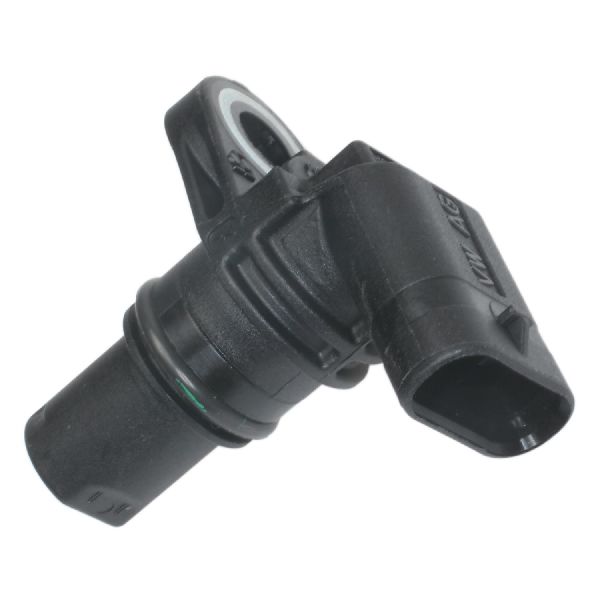
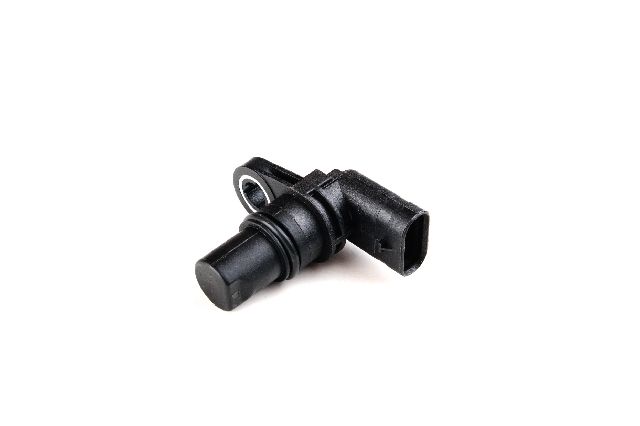
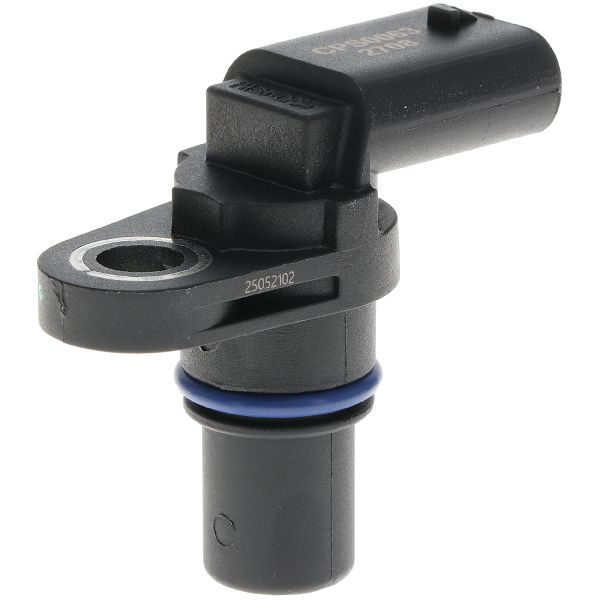
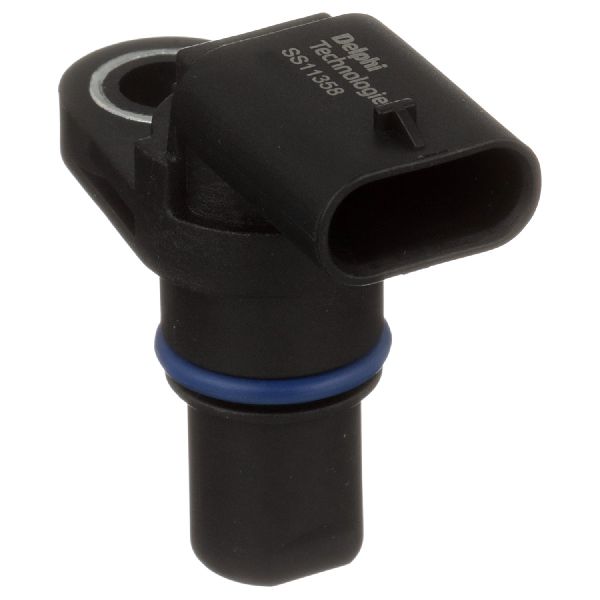
- Faulty Camshaft Position Sensor (G40): → Shop Engine Camshaft Position Sensor While not the most common cause, a sensor providing incorrect readings to the ECM can mimic a mechanical timing issue. This usually appears with other sensor-specific fault codes like P0341.
- Damaged Camshaft Adjuster Bridge / Screen: → Shop Engine Camshaft The camshaft bridge, which houses the VVT components, has a small oil screen that is notorious for disintegrating. This screen can break apart, sending plastic and metal debris into the oil passages, causing severe blockages in the VVT solenoid and adjuster. Later revisions of the bridge removed the screen entirely.
Diagnosis Steps
- Check Engine Oil: Verify the oil level is correct and the oil's condition is good. If low, dirty, or the wrong type, perform an oil and filter change with VW 502 00/504 00 specified synthetic oil, clear the code, and drive to see if it returns.
- Scan for Codes: Use an OBD-II scanner to confirm P0011 and check for other related codes like P0016 or P000A, which strongly point towards a mechanical timing issue versus a simple solenoid fault.
- Inspect Camshaft Adjuster Magnet (N205): Unplug and remove the three T30 Torx screws holding the magnet. Shake it. If the internal pin does not rattle freely, it is clogged and faulty.
- Inspect VVT Solenoid (Oil Control Valve): If the magnet is good, use the special reverse-thread tool (e.g., T10352/1) to remove the inner control valve. Inspect its screens for sludge or debris and clean thoroughly with brake cleaner.
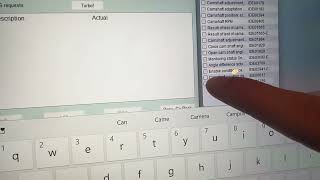
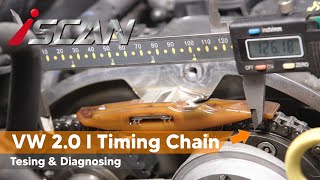
- Check Camshaft Adaptation Values: Using an advanced scan tool (like VCDS or OBDeleven), check Measuring Block 93 for 'Camshaft Adjustment Intake Bank 1: Phase Position'. If the value is greater than -5 degrees (e.g., -6, -8, -11) at warm idle, it strongly suggests a stretched timing chain. 🎬 Watch: How to check your timing chain stretch using VCDS.
- Inspect Timing Chain Tensioner: If chain stretch is suspected, have a professional visually inspect the timing chain tensioner through the inspection port on the lower timing cover to confirm its extension level (number of ridges showing).
- Test Camshaft Position Sensor (G40): If all mechanical and hydraulic checks pass, the camshaft position sensor itself can be tested for proper signal output, though it is a less common cause.
Parts You'll Likely Need
- Camshaft Adjuster Magnet
(OEM #06L109259D)— This is the most common failure point for P0011 on the 2.0T TSI engine. It gets clogged with oil sludge, sticks, and fails to properly control the VVT system.
Trusted brands: Genuine VW/Audi, Pierburg, INA
OEM price range: $80-$160
Aftermarket price range: $40-$70 - VVT Solenoid / Oil Control Valve
(OEM #06H109257C)— This valve, controlled by the magnet, gets clogged with debris from old oil or a failed cam bridge screen, restricting oil flow to the camshaft phaser.
Related Codes That Often Appear With This One
- P0016 — Crankshaft Position - Camshaft Position Correlation (Bank 1 Sensor A). This code is a strong indicator that the timing chain has stretched or jumped a tooth. It signifies a direct mechanical mismatch between the crank and cam sensors that the VVT system cannot correct.
- P0341 — Camshaft Position Sensor 'A' Circuit Range/Performance. This can indicate an issue with the sensor itself or its wiring, but can also be triggered by the erratic timing caused by a mechanical fault like a stuck VVT solenoid or stretched chain.
- P000A — 'A' Camshaft Position Slow Response. This code points to the VVT system not adjusting timing as quickly as commanded, often due to the same oil flow issues (clogged solenoid/magnet) that cause P0011.
Technical Service Bulletins (TSBs) & Recalls
- A VW Technical Tip bulletin addresses rough running with multiple DTCs, including P0011 and P0016. It instructs technicians to monitor Measuring Value Block (MVB) 93/3 for phase deviation. A value exceeding +/- 5 degrees suggests the screen in the camshaft adjuster bridge has disintegrated, lodging debris in the VVT system.
Platform-Specific Known Issues
- The NHTSA-cited Technical Service Bulletin VIN-4-A-PIN APRI notes that fault code P0011 can appear in conjunction with P0016 (Cam/Crank Correlation), pointing towards a potential mechanical timing issue. [TSB VIN-4-A-PIN APRI]
- The EA888 2.0T engine used in the 2013-2015 Eos is widely known for premature timing chain tensioner failure. This can cause the timing chain to jump, leading to P0011 and potentially catastrophic engine damage if not addressed.
Mechanic-Grade Diagnostic Values
- N205 Camshaft Adjustment Valve Resistance — expected: 10 - 18 Ohms. Failure: Resistance is outside of the specified range.
- N205 Valve Control Circuit Current Draw (via DC amp clamp) — expected: Approx. 0.3 - 0.4 Amps at idle, increasing to a maximum of 1.0 Amp as RPMs are increased.. Failure: No current draw, or current that does not respond to RPM changes, indicates a wiring or ECM driver issue.
- VCDS Measuring Block - Actual Camshaft Adjustment — expected: Value should change dynamically with engine RPM.. Failure: The actual value is stuck at a fixed number (e.g., 28 degrees) regardless of RPM changes, while the specified value changes.
- Battery Voltage During Testing — expected: At least 11.5 - 12.5 Volts.. Failure: Low battery voltage can cause control modules to behave erratically and may interfere with accurate diagnostic tests.
Scan Tool Commands That Help
- VCDS (VAG-COM): Basic Settings - Group 94 (Camshaft Adjustment) — This is a specific test to command the camshaft adjuster to activate. It's used to verify if the VVT system is mechanically capable of making adjustments. The test requires holding the brake and accelerator pedals to initiate. A 'System not OK' result points to a mechanical or hydraulic fault (stuck valve, bad phaser, oil pressure issue).
Wiring & Ground Locations
- N205 Valve Connector — On the upper timing cover, connected to the round Camshaft Adjuster Magnet.. This is the primary connector for the component that controls intake camshaft timing. A damaged connector or wiring here will directly cause a P0011 code. The control wire has been identified by a user as being a blue wire with a red stripe.
- Engine to Chassis Ground — Various locations, typically a braided strap from the engine block or transmission to the vehicle's chassis/frame rail.. A poor ground connection can cause a host of electrical issues, including incorrect sensor readings and insufficient voltage for actuators like the N205 solenoid, potentially triggering timing-related fault codes.
Real Owner Repair Stories
- Ross-Tech Forums user (2009 VW Jetta 2.5L (shares VVT principles with 2.0T)) — Persistent P0011 code.
❌ Tried (didn't work) Replaced N205 valve (worked for 6 months, then code returned), Replaced N205 valve a second time, Replaced the entire camshaft adjuster phaser, Confirmed mechanical timing was correct with lock tools, Cleaned oil sump pickup tube, Verified oil pressure was well within spec at various RPMs
✅ What actually fixed it The user was still diagnosing, but provided critical data: the actual camshaft adjustment value in VCDS was stuck at 28 degrees while the specified value changed, and the N205 circuit drew ~0.4A at idle and 1.0A at higher RPM, suggesting the electrical side was working but the mechanical/hydraulic adjustment was not happening. This points towards an internal blockage, possibly from a failed cam bridge screen. - MK5 Golf GTI forum user (MK5 VW Golf GTI (EA113, similar VVT system)) — P0011 code appeared immediately after a timing belt service.
❌ Tried (didn't work) Replacing the oil pickup pipe, Re-checking the timing belt timing
✅ What actually fixed it A responding user reported having the exact same issue after a cam chain and tensioner replacement. The final fix was discovering the cam chain had been routed incorrectly. After taking the cover off a third time and correcting the chain routing, the problem was solved. This highlights the importance of mechanical procedure even when parts are new.
"I Checked Everything" — The Actual Cause
- The equivalent for P0011 is not a smoke test, but rather when the code returns even after replacing the common culprits like the N205 magnet and VVT control valve. In many of these cases, the actual root cause is a disintegrated oil screen in the camshaft bridge. Debris from the broken screen travels through the oil passages and immediately clogs the new valve or solenoid, leading to a quick return of the P0011 code. The only true fix is to remove the camshaft bridge, clean out all the debris, and replace the bridge (often with a revised version that has no screen).
When the Usual Fixes Don't Work
- A common assumption is that a P0011 code appearing immediately after a timing chain replacement means the new parts are faulty. However, real-world cases show it is often due to incorrect mechanical procedure, such as mis-routing the cam chain, which prevents the new components from operating correctly. Another counter-intuitive case is when the code appears after a new chain is installed correctly; this can sometimes be caused by the ECU's learned adaptations for the old, stretched chain being incorrect for the new, tight chain, requiring a reset.
OEM Part Supersession History
06H103144J (Camshaft Bridge)→06H103144K— The original camshaft bridge contained a small metal and plastic oil screen that was prone to disintegrating and sending debris into VVT oil passages.
Model Year Variations Within This Range
- 2013-2015: While the 2013-2015 Eos should have the updated timing chain tensioner from the factory, the design of the camshaft bridge and its problematic screen was a known issue across the EA888 Gen2 platform. A vehicle that has had its camshaft bridge replaced during a prior service may have a revised part without the screen, making that specific failure point less likely.
Helpful Videos
We Have This Part in Stock


The information in this article is provided for general reference and educational purposes only. Vehicle specifications, procedures, and part compatibility can vary by production date, trim level, and region. Always consult your vehicle's factory service manual and verify part numbers before purchasing or performing repairs. Safety-critical components such as airbags, seat belts, and braking systems should be installed by a qualified professional.
- Volkswagen EOS:
- 🧭 Diagnostic Flowchart
- 🎬 Helpful Videos
- 🛍️ Shop This Part
- What's Unique About the 2013-2015 Volkswagen EOS
- Symptoms You May Notice
- Most Likely Causes
- Rare But Worth Checking
- Diagnosis Steps
- Parts You'll Likely Need
- Related Codes That Often Appear With This One
- Technical Service Bulletins (TSBs) & Recalls
- Platform-Specific Known Issues
- Mechanic-Grade Diagnostic Values
- Scan Tool Commands That Help
- Wiring & Ground Locations
- Real Owner Repair Stories
- "I Checked Everything" — The Actual Cause
- When the Usual Fixes Don't Work
- OEM Part Supersession History
- Model Year Variations Within This Range
- 🎟️ Get 5% Off