

P0011 on 2012-2016 Volkswagen Passat: Causes and Fixes for Over-Advanced Camshaft Timing
On a 2012-2016 Passat, P0011 usually points to low/dirty engine oil or a failing camshaft adjustment solenoid (N205), also called the VVT solenoid or adjuster magnet. Start by checking your oil level and quality. If the oil is fine, the N205 solenoid is the next most likely culprit. Replacing it costs about $40-$150 for the part and is a common DIY fix. On 1.8T engines, this code can also be an early warning of timing chain issues.
- P0011 means the intake camshaft timing is too far advanced.
- Always check your oil level and condition first; a simple oil change can sometimes fix this code.
- The most common failed part is the Camshaft Adjustment Solenoid (N205), which is relatively easy and affordable to replace.
- If the problem persists, it could be a stretched timing chain, which is a much more serious and expensive repair.
- Do not ignore this code, as it can lead to significant engine performance issues and potential damage.
What's Unique About the 2012-2016 Volkswagen PASSAT

The 2012-2016 North American Passat (NMS) used several gasoline engines (2.5L I5, 1.8T I4, 3.6L VR6), all of which use VVT and can throw this code. While the most common cause across all engines is oil-related or a bad control solenoid (N205), the 1.8T (EA888) engine, in particular, is known for a failure-prone timing chain tensioner that can lead to a stretched chain and this code. For the 1.8T, a rattling noise on cold starts is a major red flag for timing issues. The 2.5L and 3.6L VR6 are generally more robust in this area, with P0011 more commonly pointing to the N205 solenoid or oil problems.
Diagnostic Flowchart

Tap your situation to follow the diagnostic path that matches what you're seeing on this vehicle.
Symptoms You May Notice

- Illuminated Check Engine Light
- Rough or unstable engine idle, sometimes surging
- Reduced engine power and sluggish acceleration
- Hesitation or stalling, especially when coming to a stop
- Worse fuel economy
- Rattling noise from the engine, especially on a cold start, which can be a sign of timing chain issues
- Replacing the camshaft position sensor first. While it can be a cause, it's much less likely than oil issues or a faulty control solenoid. Always check oil and the N205 solenoid first.
- Replacing the crankshaft position sensor. This sensor is not directly related to the P0011 code, which is specific to the camshaft timing. A bad crank sensor would typically throw a P0016 code in conjunction with P0011.
Most Likely Causes

- Low, Incorrect, or Dirty Engine Oil 🔴 High Probability The VVT system is entirely dependent on oil pressure and cleanliness to function. Using oil that does not meet VW specifications (e.g., VW 502 00) or extending change intervals can cause sludge 🎬 See why long oil change intervals cause these VVT failures. to block the tiny passages in the control solenoid and cam phaser.
How to confirm: Check the oil level on the dipstick. Note the oil's color and consistency. If the oil is dark, gritty, or below the minimum mark, this is the most likely cause. Check service records for the last oil change date and the type of oil used.
Typical fix: Perform an engine oil and filter change using a VW-approved synthetic oil of the correct viscosity (e.g., 5W-40 or 5W-30, check owner's manual). Clear codes and test drive.
Est. part cost: $50-$90 - Faulty Camshaft Adjustment Solenoid (N205) 🔴 High Probability → Shop Engine Camshaft This solenoid (also called an adjuster magnet) is an electromechanical part that operates in hot oil and is a very common failure point on all Passat engines. Debris can cause its internal plunger to stick, or the coil can fail electrically, leading to incorrect oil flow.
How to confirm: A simple diagnostic trick is to unplug the solenoid's electrical connector while the engine is idling roughly; if the engine smooths out, the solenoid is faulty. You can also test its resistance with a multimeter (should be around 5-20 ohms) or swap it with the exhaust solenoid (if identical) to see if the code changes. A scan tool can also command the solenoid to check for a response.
Typical fix: Replace the Camshaft Adjustment Solenoid on Bank 1. It is held on by three T30 Torx bolts and is accessible on the front of the engine.
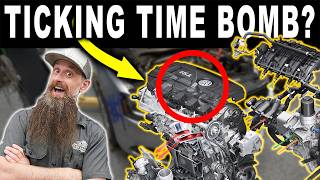
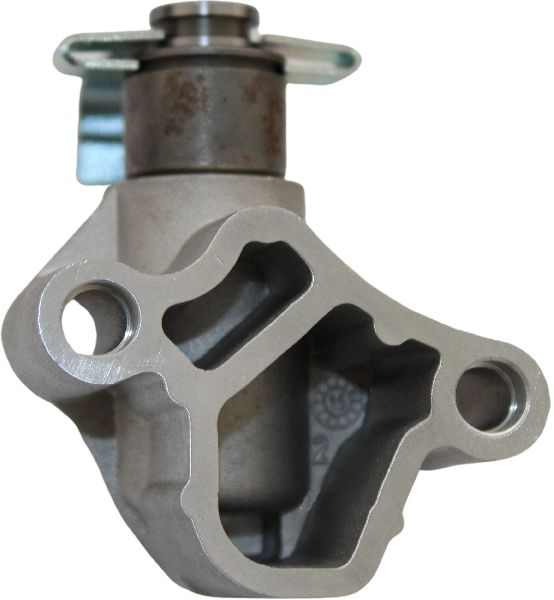
Est. part cost: $40-$180 - Stretched Timing Chain or Failing Tensioner 🟡 Medium Probability → Shop Engine Timing Chain This is a well-documented issue, particularly on the 1.8T (and related 2.0T) EA888 engines. Early versions of the timing chain tensioner can fail, allowing the chain to develop slack ('stretch'). This causes a permanent deviation in cam timing that the VVT system cannot correct.
How to confirm: A mechanic can use a scan tool (like VCDS) to check the camshaft adaptation value (phase shift) in Measuring Block 93. A value greater than -5 degrees is a strong indicator of a stretched chain. A physical inspection is also possible by removing a small inspection plug on the lower timing cover to view how far the tensioner piston has extended. 🎬 Watch: How to check your timing chain tensioner for stretch.
Typical fix: Replace the timing chain, tensioners, and guides. This is a labor-intensive job that often costs over $1,500.
Est. part cost: $400-$800
Rare But Worth Checking
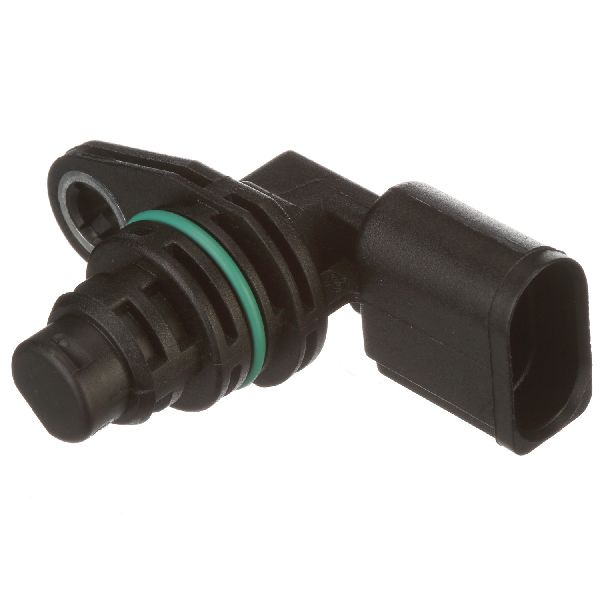
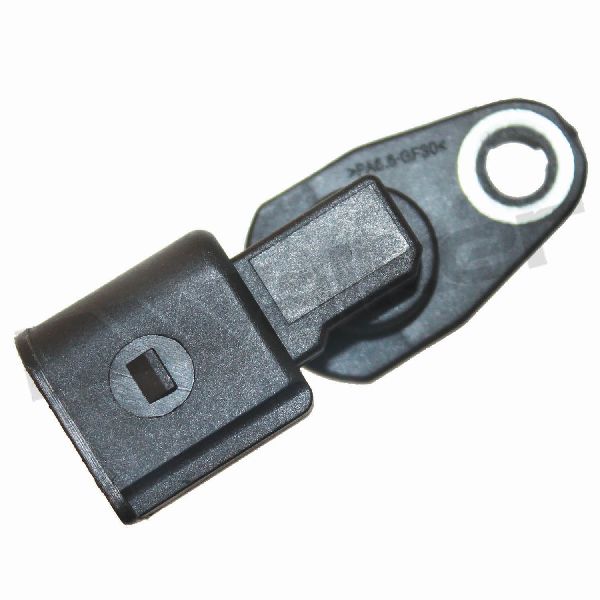
- Failing Camshaft Position Sensor (G40): → Shop Engine Camshaft Position Sensor This sensor tells the ECM the camshaft's position. While it often throws its own code (like P0341), an intermittent failure can send incorrect data, leading the ECM to misdiagnose the timing as over-advanced.
- Stuck or Clogged Camshaft Phaser: → Shop Engine Camshaft The mechanical phaser (actuator) on the end of the camshaft can become clogged with sludge and get stuck in the advanced position. This is less common than a solenoid failure but requires more significant disassembly to fix, often as part of a timing chain service.
- Clogged Oil Control Valve Screen: Some VW engines have a small screen filter for the oil control valve built into the camshaft bridge or the valve itself. This screen can become clogged with debris, starving the VVT system of oil. Cleaning or replacing this screen can sometimes resolve the issue.
Diagnosis Steps
- Check Engine Oil: Verify the oil level is correct and the oil is clean and of the proper VW-spec viscosity. If in doubt, perform an oil and filter change. Clear codes and see if P0011 returns.
- Scan Tool Analysis: Use a VW-specific scanner (like VCDS or OBDeleven) to check for other codes and view live data. Check the specified vs. actual camshaft position angles. On the 1.8T, check the camshaft adaptation phase value; if it exceeds -5 degrees, suspect timing chain stretch.
- Test the Solenoid Electrically: Unplug the N205 solenoid while the engine is running poorly. If the idle stabilizes, the solenoid is the problem. This is a very effective and quick test.
- Inspect and Clean/Replace the Solenoid: Remove the solenoid (three T30 bolts). Inspect the connector for oil contamination and the solenoid's internal screen for debris. You can attempt to clean it with brake cleaner, but replacement is often the most reliable fix.
- Inspect Timing System (1.8T Engine): If the code persists, the issue is likely mechanical timing. The next step is to visually inspect the timing chain tensioner through the inspection port on the lower timing cover to check for over-extension.
- Test Camshaft Position Sensor: As a final check, you can test the camshaft position sensor (G40) and its wiring to ensure it's sending a correct and stable signal.
Parts You'll Likely Need
- Camshaft Adjustment Solenoid (N205)
(OEM #1.8T/2.0T: 06L109257F (latest revision, supersedes 06L109257B/D). 2.5L: 07K109257A. 3.6L VR6: 03C109257AM.)— This is the most common mechanical part to fail for this code. It gets clogged with debris or fails electrically, preventing proper oil flow for timing adjustments.
Trusted brands: VW (OEM), INA, Febi, Vaico
OEM price range: $100-$180
Aftermarket price range: $40-$100 - Timing Chain Kit
(OEM #06K109158BS (1.8T Kit, verify by VIN))— If the timing chain has stretched or the tensioner has failed (common on 1.8T), a full kit including the chain, guides, and updated tensioner is required to restore correct mechanical timing.
Trusted brands: INA, FCP Euro, ECS Tuning
OEM price range: $500-$900
Aftermarket price range: $300-$600
Related Codes That Often Appear With This One
- P0016 — Crankshaft/Camshaft Position Correlation. This code often appears with P0011 when the timing has physically jumped due to a stretched chain, as the ECM sees a major discrepancy between the two sensors.
- P0341 — Camshaft Position Sensor 'A' Circuit Range/Performance. This indicates a problem with the sensor's signal itself, which could be the root cause of the P0011 or a separate issue.
- P052A — Cold Start 'A' Camshaft Position Timing Over-Advanced. This is a more specific version of P0011 that points to the problem occurring during cold starts, often seen on the 1.8T engine.
Technical Service Bulletins (TSBs) & Recalls
- VIN-4-A-PIN APRI (2016-04-21): A general bulletin that lists P0011 and/or P0016 as a possible fault code in the ECM among a list of other potential issues.
- TSB 15-12-01 (2012-07-23): Specifically for 2.0L engines but highly relevant to the 1.8T, this TSB details the procedure for checking a failed timing chain tensioner, a primary cause of P0011/P0016, and warns of potential engine damage.
Platform-Specific Known Issues
- A Volkswagen Technical Service Bulletin (TSB #VIN-4-A-PIN APRI) from 2016 lists P0011 and/or P0016 as potential fault codes that may appear on these vehicles, indicating that the manufacturer has recognized this as a documented issue.
- For the 1.8T/2.0T engines, TSB 15-12-01 addresses rattling noises and timing chain tensioner failure, which directly relates to codes P0011 and P0016. It describes how to inspect the tensioner and warns of potential piston-to-valve contact.
Mechanic-Grade Diagnostic Values
- N205 Camshaft Adjustment Valve Resistance — expected: 5 to 20 Ohms. Failure: A reading outside this range indicates a faulty solenoid coil.
- G40 Camshaft Position Sensor Supply Voltage — expected: Approx. 5.0 V. Failure: No voltage or significantly lower voltage suggests a wiring issue or a problem with the ECM's 5V reference circuit.
- EA888 Engine Oil Pressure (1.8T) — expected: 1.5-2.0 bar (22-29 PSI) at idle; 4.0-5.0 bar (58-72 PSI) while driving.. Failure: Pressure below 1.5 bar at idle or not rising significantly with RPM can starve the VVT system and cause P0011.
- VCDS Camshaft Adaptation Phase (Measuring Block 93) — expected: Between 0 and -5 degrees.. Failure: A value greater than -5 degrees (e.g., -6, -7, -8) is a strong indicator of a stretched timing chain.
Scan Tool Commands That Help
- VCDS (VAG-COM): Output Test for N205 Solenoid — This function allows a technician to command the N205 solenoid to activate, causing it to click. This helps verify if the solenoid is mechanically stuck or electrically dead without removing it from the engine. It's a quick way to isolate a bad solenoid from a wiring or oil pressure issue.
- VCDS (VAG-COM): Basic Settings, Group 094 (Camshaft Adjustment) — This test runs the VVT system through its range of motion while monitoring the response. The test requires holding the engine at ~2000 RPM. VCDS will report 'System OK' or 'System NOT OK'. A 'NOT OK' result after replacing the N205 solenoid points towards a mechanical issue like a stuck phaser, low oil pressure, or incorrect timing.
- VCDS or OBDeleven: Advanced Measuring Values - Specified vs. Actual Camshaft Adjustment — This is used for live diagnosis. While the engine is running, you can graph the ECM's commanded (specified) camshaft angle against the actual angle reported by the G40 sensor. If the actual value does not follow the specified value, or is stuck at a certain angle (e.g., 64 degrees when 10 is specified), it points to a control system failure.
Wiring & Ground Locations
- GND 15 — On the cylinder head.. A poor ground connection at the cylinder head can cause erratic readings from the Camshaft Position Sensor (G40) and incorrect operation of the N205 solenoid, both of which are grounded through the engine block/head.
- GND 652 — Main ground strap from the transmission/engine to the chassis.. This is the primary ground path for the entire engine assembly to the vehicle's body. Corrosion or a loose connection here can create a floating ground, leading to a host of electrical issues, including unpredictable sensor data and actuator failures that could trigger a P0011.
- N205 Solenoid Connector — Two-wire connector on the front of the engine, plugs into the N205 solenoid.. One pin should have battery voltage with the key on, supplied from a fuse. The other pin is the control wire that the ECM pulses to ground. Verifying power on the supply pin and continuity on the control wire back to the ECM are critical diagnostic steps.
Real Owner Repair Stories
- Ross-Tech Forums user (2014 Passat 1.8T, 130,000 km) — Very rough, erratic idle (800-500 RPM), occasional stalling. Throws P0011 and P0016 when it stalls. VCDS showed specified cam adjustment at 10 degrees but actual was stuck at 64 degrees.
❌ Tried (didn't work) Intake valve cleaning.
✅ What actually fixed it The user diagnosed a faulty N205 solenoid by unplugging its electrical connector during the rough idle. When unplugged, the idle immediately smoothed out. Plugging it back in caused the rough idle to return within seconds, confirming the solenoid was sticking internally and causing the over-advanced condition. - VWVortex Forums user (VW with 2.0T engine (similar EA888 architecture)) — P0011 code appeared immediately after a timing chain replacement, even though the car ran perfectly.
❌ Tried (didn't work) Re-checking mechanical timing (it was perfect), replacing the N205 valve and magnet.
✅ What actually fixed it The issue was a clogged mesh screen in the camshaft bridge. This screen filters oil going to the VVT system. Even with a new chain and solenoid, the clogged screen restricted oil flow, preventing the system from operating correctly and triggering the code. The user was advised to check the condition of this screen during the timing job.
OEM Part Supersession History
06L109257B, 06L109257D→06L109257F— Revisions to improve reliability and prevent sticking of the internal plunger.
Heads up: The newer 'F' revision is backwards compatible with vehicles that used the 'B' or 'D' part. It is the recommended replacement for any 1.8T/2.0T EA888 engine in this generation.
Model Year Variations Within This Range
- 2012-2013: The primary gasoline engine was the 2.5L 5-cylinder. On this engine, P0011 is almost always caused by oil issues or a faulty N205 solenoid (P/N 07K109257A). Timing chain issues are not a common cause for this code on the 2.5L.
- 2014-2016: The 1.8T 4-cylinder (EA888 Gen 3) replaced the 2.5L. While still susceptible to N205 solenoid failure (P/N 06L109257F), this engine is also known for timing chain tensioner failures that can cause P0011 and P0016. Diagnosis on a 1.8T must include checking the timing chain stretch via VCDS Measuring Block 93.
Helpful Videos
We Have This Part in Stock


The information in this article is provided for general reference and educational purposes only. Vehicle specifications, procedures, and part compatibility can vary by production date, trim level, and region. Always consult your vehicle's factory service manual and verify part numbers before purchasing or performing repairs. Safety-critical components such as airbags, seat belts, and braking systems should be installed by a qualified professional.
- Volkswagen PASSAT:
- 🧭 Diagnostic Flowchart
- 🎬 Helpful Videos
- 🛍️ Shop This Part
- What's Unique About the 2012-2016 Volkswagen PASSAT
- Symptoms You May Notice
- Most Likely Causes
- Rare But Worth Checking
- Diagnosis Steps
- Parts You'll Likely Need
- Related Codes That Often Appear With This One
- Technical Service Bulletins (TSBs) & Recalls
- Platform-Specific Known Issues
- Mechanic-Grade Diagnostic Values
- Scan Tool Commands That Help
- Wiring & Ground Locations
- Real Owner Repair Stories
- OEM Part Supersession History
- Model Year Variations Within This Range
- 🎟️ Get 5% Off