

P0012 on 2005-2008 Audi A4 3.2L V6: Causes and Fixes for Over-Retarded Timing
On the Audi A4 3.2L V6, code P0012 is most often caused by low/dirty oil, a failing camshaft adjuster solenoid (N205), or a stretched timing chain. Always check oil first. If a rattling noise is present on cold starts, suspect a timing chain issue, which is a major, engine-out repair on this specific vehicle. VCDS measuring block 093 is critical for diagnosis; values exceeding -8° strongly suggest chain stretch.
- Always start diagnosis for P0012 by checking the engine oil level and condition; low or dirty oil is a very common cause.
- A rattling noise from the back of the engine on startup is a critical symptom pointing directly to a failing timing chain system.
- The Camshaft Adjuster Solenoid (N205) is a likely culprit and can be tested by swapping it with the one from the opposite bank.
- Be aware that a definitive fix for P0012 on this engine may require a full timing chain service, an extremely labor-intensive job that involves removing the engine.
- Using high-quality OEM or reputable aftermarket parts for timing components is crucial to avoid premature failure.
What's Unique About the 2005-2008 Audi A4
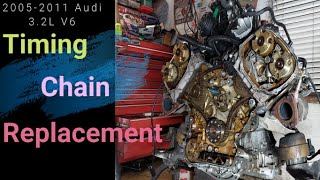
The 3.2L FSI V6 engine in the B7 A4 is known for premature timing chain and tensioner failure. Unlike many engines where timing components are at the front, this engine's timing system is at the rear, against the firewall. This design means that replacing a stretched chain, broken guides, or faulty tensioners requires removing the entire engine and transmission from the car, making a common problem an exceptionally labor-intensive and expensive repair, with quotes often ranging from $4,500 to over $6,000.
Symptoms You May Notice
- Check Engine Light is on
- Rough or unstable idle
- Reduced engine power and sluggish acceleration
- Difficulty starting the engine
- Rattling noise from the rear of the engine, especially on cold startups for 1-3 seconds.
- Decreased fuel economy
- Engine hesitation
- Replacing only the camshaft position sensor without checking oil, the solenoid, or timing chain stretch.
- Replacing the timing chain tensioners without replacing the stretched chains at the same time. The labor is nearly identical, so doing the job halfway is a false economy.
- Attributing the code to a faulty sensor when it is accurately reporting a mechanical timing issue.
Most Likely Causes
- Low, Dirty, or Incorrect Viscosity Engine Oil 🔴 High Probability The variable valve timing (VVT) system is hydraulically operated and highly sensitive to oil pressure and cleanliness. Sludge or low levels prevent the camshaft adjusters from working correctly. Using oil that does not meet the VW 502 00 specification is a common contributor.
How to confirm: Check the oil level on the dipstick and examine its color and consistency. Ensure the oil meets Audi's specific VW 502 00 requirements. This is the first and most important check.
Typical fix: Perform an oil and filter change using a high-quality, manufacturer-approved full synthetic oil and a new filter.
Est. part cost: $80-$150 - Failing Camshaft Adjuster Solenoid (N205 Valve) 🟡 Medium Probability → Shop Engine Camshaft This solenoid controls oil flow to the camshaft phaser. It can get clogged with sludge or fail electrically, causing it to stick. It is a very common failure point across many Audi engines.
How to confirm: Use a diagnostic tool like VCDS to run an output test on the solenoid. You can also swap the Bank 1 and Bank 2 intake solenoids to see if the fault code follows to the other bank (e.g., P0022). Resistance can be checked with a multimeter; it should be between 6.9 and 7.9 ohms at room temperature.
Typical fix: Replace the Bank 1 intake camshaft adjuster solenoid. It's recommended to use an OEM or high-quality OE-supplier part, as some aftermarket units have been reported to fail quickly.
Est. part cost: $100-$180 - Stretched Timing Chain and/or Failed Tensioners/Guides 🟡 Medium Probability → Shop Engine Timing Chain The 3.2L FSI engine is widely documented to have issues with timing chain stretch and the failure of plastic tensioner guides long before the expected life of the engine. This creates slack, causing the cam timing to be retarded beyond what the adjuster can compensate for.
How to confirm: A rattling noise from the rear of the engine on startup is a strong indicator. Using a diagnostic tool (VCDS), check measuring value block 093. The sum of intake and exhaust deviation for Bank 1 should be checked. A value more negative than -8° is a strong sign of a stretched chain. Ultimate confirmation is a physical inspection, which requires engine removal.
Typical fix: Replace all four timing chains, all tensioners, and all guides. This is a major engine-out service with labor costs often exceeding $4,000.
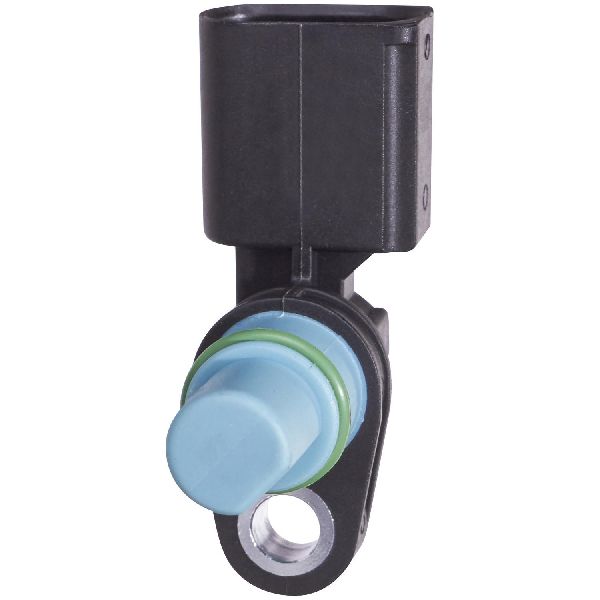
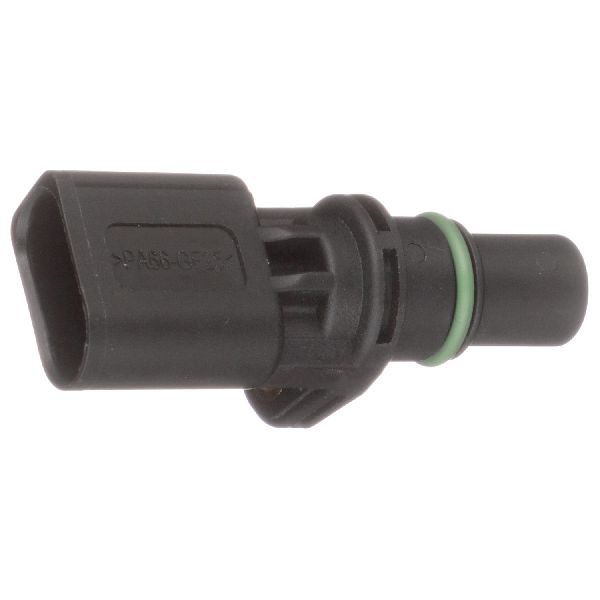
Est. part cost: $600-$1200 - Failing Camshaft Position Sensor (G40) ⚪ Low Probability → Shop Engine Camshaft Position Sensor
How to confirm: Swap the Bank 1 and Bank 2 camshaft position sensors. If the code changes to P0022 (for Bank 2), the sensor is faulty. This is a simple and effective diagnostic step.
Typical fix: Replace the Bank 1 camshaft position sensor.
Est. part cost: $40-$90
Rare But Worth Checking
- Clogged Oil Passages or Camshaft Bridge Screen: → Shop Engine Camshaft Severe oil sludging can block the small oil passages leading to the camshaft phaser or within the cylinder head. Some owners have found that the screen on the camshaft bridge can break or become clogged, restricting oil flow to the VVT system.
- Failed Camshaft Adjuster (Phaser): → Shop Engine Camshaft The mechanical adjuster unit on the end of the camshaft can fail internally, getting stuck in the retarded position. This is less common than solenoid or chain failure but can happen, especially if the engine has been run with low oil pressure.
Diagnosis Steps
- Check engine oil level and condition. If low, dirty, or overdue for a change, replace the oil and filter with Audi-specified VW 502 00 full synthetic oil and clear the code. Drive the vehicle and see if the code returns.
- Scan the vehicle with an Audi-specific tool like VCDS. Note any other fault codes present.
- In VCDS, go to Engine (01) -> Advanced Measuring Values. Select 'Camshaft adaptation intake bank 1 phase position'. Compare the specified vs. actual angle. A large, persistent deviation indicates a problem.
- Check measuring block 093 for timing chain stretch. At warm idle, observe the values for Bank 1 and Bank 2 phase position. A value more negative than -8 degrees is a strong sign of a stretched chain requiring replacement.
- Listen for a rattling or chain-slapping noise from the rear of the engine during a cold start. This is a classic symptom of failing timing chain tensioners.
- If no significant chain stretch is indicated by MVB 093, test the Camshaft Adjuster Solenoid (N205). You can swap the Bank 1 and Bank 2 intake solenoids (they are identical) to see if the P0012 code moves to Bank 2 (as P0022). If it does, the solenoid is bad.
- Test the Camshaft Position Sensor (G40) by swapping it with the sensor from Bank 2 and seeing if the code follows.
- If all other steps fail and chain stretch is indicated, prepare for a mechanical inspection of the timing system, which requires engine removal.
Parts You'll Likely Need
- Camshaft Adjuster Solenoid (N205 Valve)
(OEM #06E109257P)— This solenoid is a frequent failure point, getting clogged or failing electrically, which directly causes incorrect cam timing.
Trusted brands: Genuine Audi/VW, Pierburg, Febi Bilstein
OEM price range: $150-$200
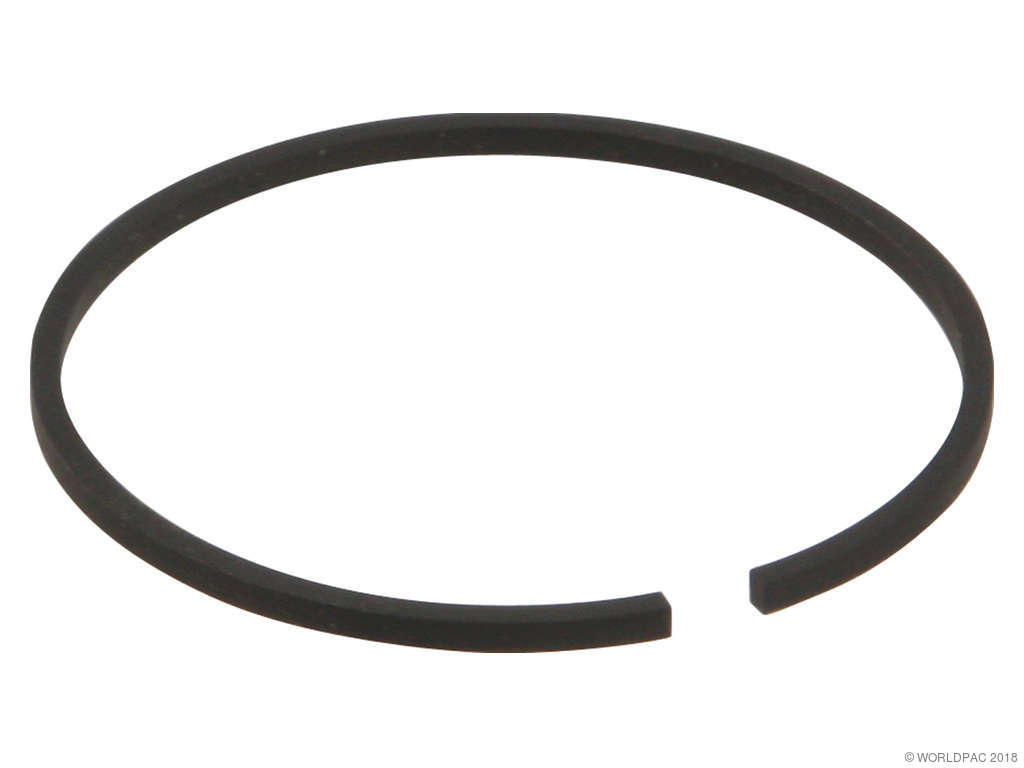
Aftermarket price range: $80-$130 - Timing Chain Kit — Due to the high rate of chain stretch and guide failure on this engine, a complete kit is often required to resolve timing-related codes like P0012 permanently.
Trusted brands: IWIS (OEM supplier), Febi Bilstein, FCP Euro Kit, Europa Parts Kit
OEM price range: $900-$1200
Aftermarket price range: $600-$800 - Camshaft Position Sensor (G40)
(OEM #07L905163C)— Though less common, a faulty sensor can send incorrect data to the ECM, triggering the code. It's a relatively inexpensive part to rule out.
Trusted brands: Bosch, NTK, Genuine Audi/VW
OEM price range: $70-$100
Aftermarket price range: $40-$70
Related Codes That Often Appear With This One
- P0016 — Crankshaft Position - Camshaft Position Correlation (Bank 1 Sensor A). This code directly indicates a misalignment between the crank and cam, which is a primary result of a stretched or jumped timing chain. Seeing P0012 and P0016 together strongly points to a mechanical timing failure.
- P0341 — Camshaft Position Sensor 'A' Circuit Range/Performance (Bank 1). This can be triggered if the sensor's readings are erratic or out of the expected range, which can happen with a loose timing chain or a failing sensor itself.
- P310B — Low Fuel Pressure Regulation. While not directly related, the high-pressure fuel pump (HPFP) runs off the camshaft. Severe timing issues or HPFP cam follower wear (a known issue on other FSI engines) could potentially be linked.
- P0022 — Intake Camshaft Position Timing - Over-Retarded (Bank 2). If this code appears after swapping components (like the N205 solenoid or Cam Position Sensor) from Bank 1 to Bank 2 for diagnosis, it confirms the swapped part is faulty.
Platform-Specific Known Issues
- The 3.2L FSI engine's timing chains are located at the rear of the engine, necessitating engine and transmission removal for service. This turns a relatively common repair into a multi-thousand dollar job.
Mechanic-Grade Diagnostic Values
- Camshaft Adjuster Solenoid (N205) Resistance — expected: 6.9 - 7.9 Ohms at 68°F (20°C). Failure: A reading outside this range indicates an electrical failure within the solenoid.
- Engine Oil Pressure (3.2L CALB, similar FSI V6) — expected: At idle: at least 1.2 bar (17.4 psi). At 2000 RPM: at least 1.5 bar (21.75 psi).. Failure: Pressure below these minimums at operating temperature points to a problem with the oil pump, pickup tube, or excessive internal engine wear, which can cause VVT faults.
- VCDS Measuring Block 093, Field 3 (Phase Position) — expected: 0° to -7° at warm idle.. Failure: A value more negative than -8° is a widely accepted sign of significant timing chain stretch requiring component replacement.
Hidden / Shadow Codes Worth Checking
- 16396 / 000018: This is the VAG-specific fault code designation for P0012. 16396 is the decimal code, and 000018 is its hexadecimal equivalent. Seeing this confirms the P0012 fault in VCDS or other advanced scanners. (see via Ross-Tech VCDS or other OEM-level diagnostic tools.)
Scan Tool Commands That Help
- VCDS (VAG-COM): Engine (01) -> Output Tests -> Camshaft Adjustment Solenoid (N205) — Use this to manually activate the solenoid. You should hear a distinct clicking sound from the engine bay. A lack of sound points to a failed solenoid or a wiring issue, helping to diagnose the component directly without removal.
- VCDS (VAG-COM): Engine (01) -> Basic Settings -> Group 094 (Cam Adjuster Test) — This function runs a test on the cam adjuster's range of motion. The procedure requires holding the brake pedal and pressing the accelerator to the floor; the ECU will then run the test at ~2000 RPM. A 'FAIL' result in VCDS strongly indicates a mechanical issue with the adjuster or a severe timing problem.
- VCDS (VAG-COM): Engine (01) -> Basic Settings -> Group 159 (Oil Pressure Short Trip) — On some FSI engines, this diagnostic trip can be initiated to test the dual-stage oil pressure regulation system. This can help diagnose if the oil pump's control valve (N428) is functioning correctly, which is critical for VVT operation.
Wiring & Ground Locations
- G12 — Center of the firewall in the engine bay.. This is a primary ground point for the Engine Control Module (ECM). A poor connection here can cause erratic ECM behavior and phantom codes, including sensor and actuator faults.
- N205 Connector (at ECM) — The N205 valve wiring terminates at the 94-pin connector (T94) on the Engine Control Module (J623).. If the N205 solenoid tests good and swapping it doesn't solve the issue, checking for continuity and voltage at the corresponding pins on the T94 connector can identify a wiring harness break or a faulty ECM driver.
- 639 — Earth point located on the left A-pillar, inside the passenger compartment.. This is a major chassis ground point. While less direct than engine bay grounds, poor connections here can contribute to a noisy electrical environment for various control modules.
Real Owner Repair Stories
- AudiWorld Forums (2001 Audi A4 1.8T (Note: Different engine, but illustrates VVT component failure)) — Loud rattling noise between 2000-2800 RPM, CEL with P0012, no low-end torque.
❌ Tried (didn't work) Initial diagnosis pointed to the Cam Chain Tensioner (CCT).
✅ What actually fixed it The immediate cause of the noise and code was a failed aftermarket cam chain tensioner from the brand 'Bapmic' that lasted less than 100 miles. A ball check valve was missing from the part. Replacing it with a genuine Audi part resolved the noise and drivability issues, though the code remained stored, suggesting a need for further adaptation resets or that another issue was present. A different user in the thread noted their issue was a broken screen inside the adjuster solenoid jamming it.
Model Year Variations Within This Range
- 2005-2008: The engine codes AUK and BKH are used for the 3.2L V6. While mechanically very similar, VCDS may report a label file for 'BKH' even on an 'AUK' engine because they are electronically similar. The true engine code should be verified from the vehicle's build sticker.
- 2005 vs. 2007+ (Observed on A6 with same engine family): There are documented differences in electrical connectors for the camshaft position sensors and the oil pressure switch between early (2005-2006) and later model year 3.2L engines. When swapping engines, the original harness components may need to be retained. The oil separator material also changed from aluminum to plastic.
Diagnostic Flowchart
Other Known Issues on This Vehicle
Issues unrelated to this code that are worth knowing about as an owner of this generation:
- Carbon Buildup on Intake Valves 🔴 High — Very common on all FSI engines, typically requires cleaning every 50,000-80,000 miles to restore performance.
- Ignition Coil and Spark Plug Failure 🟠 Medium — Common failure item, leading to misfires. Many owners replace them preventatively or as a set when one fails.
- PCV Valve Failure 🟠 Medium — The PCV system can clog or fail, leading to rough idle, oil consumption, and potential seal leaks. Often occurs after 60,000 miles.
- High-Pressure Fuel Pump (HPFP) Failure 🟠 Medium — The HPFP can fail, causing fuel delivery issues, rough running, and performance loss.
- Oil Consumption and Leaks 🟠 Medium — Prone to oil leaks from valve covers, oil filter housing, and other seals due to age and material degradation.
Used vs. New Parts: Buying Guide for This Vehicle
When a used part is the smart pick: For electrical components like the Camshaft Adjuster Solenoid (N205) or Camshaft Position Sensor (G40), a used part from a reputable salvage yard with a clear return policy can be a cost-effective diagnostic step or repair, especially if sourced from a low-mileage donor vehicle.
Donor-vehicle mileage cap: roughly under 100000 miles for the part to have meaningful remaining life.
What to inspect on the donor part:
- Check for a vehicle that was not in a severe front-end collision.
- Ask for the VIN to verify the donor vehicle's mileage and history if possible.
- Inspect electrical connectors for corrosion, cracks, or broken locking tabs.
- For solenoids, check the screen for any visible debris or damage before installation.
OEM-only on this vehicle (don't cheap out):
- Timing Chains
- Timing Chain Tensioners
- Timing Chain Guides
Aftermarket brands forum-validated for this vehicle:
- IWIS (Often the OEM supplier for timing chains)
- Febi Bilstein (Well-regarded for timing components and solenoids)
- Pierburg (Often the OEM supplier for solenoids)
- Bosch (OEM supplier for sensors)
Brands owners have reported issues with on this vehicle:
- Bapmic (A specific forum story reported a 'Bapmic' brand cam chain tensioner failing in less than 100 miles)
Real Owner Stories
Aggregated from forums and TSBs cited above. Mileages and costs reflect what owners reported in those sources.
2010 Audi 3.2L FSI
Symptoms: Owner faced a high-cost timing chain replacement due to the engine-out nature of the job.
What fixed it: Replacement of the timing chain system.
Cost: $2,800-$4,000
Source hint: Audi-Sport.net: 3.2 Timing Chain.
Audi 3.2L V6 FSI
Symptoms: Code P0012 persisted despite other repairs.
What fixed it: Replacing the cam chain tensioner with a high-quality part, as failed aftermarket units can cause the code to return.
Source hint: AudiWorld Forums: P0012 Code Won't Go Away...
Audi 3.2L V6 FSI
Symptoms: Timing chain issues requiring a major engine-out service.
What fixed it: Full timing chain replacement.
Cost: $5,000-$5,000
Source hint: Reddit r/Audi: Cost for replacing timing chains
Related OBD-II Codes
Frequently Asked Questions
What specific oil should I use in my 3.2L V6 FSI to prevent P0012?
How can I tell if my P0012 code is caused by a stretched timing chain without removing the engine?
Is there a simple way to test if the N205 Camshaft Adjuster Solenoid is the problem?
I hear a rattling noise for about 2 seconds when I start my Audi A4 3.2L. Is this related to P0012?
Can I just replace the timing chain tensioners with the engine in the car?
Helpful Videos
We Have This Part in Stock



The information in this article is provided for general reference and educational purposes only. Vehicle specifications, procedures, and part compatibility can vary by production date, trim level, and region. Always consult your vehicle's factory service manual and verify part numbers before purchasing or performing repairs. Safety-critical components such as airbags, seat belts, and braking systems should be installed by a qualified professional.
- Audi A4:
- 🧭 Diagnostic Flowchart
- 🎬 Helpful Videos
- 🛍️ Shop This Part
- What's Unique About the 2005-2008 Audi A4
- Symptoms You May Notice
- Most Likely Causes
- Rare But Worth Checking
- Diagnosis Steps
- Parts You'll Likely Need
- Related Codes That Often Appear With This One
- Platform-Specific Known Issues
- Mechanic-Grade Diagnostic Values
- Hidden / Shadow Codes Worth Checking
- Scan Tool Commands That Help
- Wiring & Ground Locations
- Real Owner Repair Stories
- Model Year Variations Within This Range
- Other Known Issues on This Vehicle
- Used vs. New Parts: Buying Guide for This Vehicle
- Real Owner Stories
- 2010 Audi 3.2L FSI
- Audi 3.2L V6 FSI
- Audi 3.2L V6 FSI
- Related OBD-II Codes
- Frequently Asked Questions
- 🎟️ Get 5% Off