

P0012 on 2007-2015 Audi A4: Causes and Fixes for Over-Retarded Camshaft Timing
On a 2007-2015 Audi A4, code P0012 is most often caused by a failing camshaft adjuster solenoid (N205 valve) or a stretched timing chain and faulty tensioner, especially on 2009-2015 models with the EA888 engine. Start by checking your oil level and condition, but be prepared for a more involved repair like a timing chain service, which is a well-documented failure point.
- For a 2009-2015 Audi A4, P0012 is a strong indicator of a timing chain or tensioner problem and should be inspected immediately.
- Always start diagnosis by checking the engine oil level and condition, as the VVT system is dependent on oil pressure.
- The N205 camshaft adjuster solenoid is a common and relatively inexpensive part to replace that frequently causes this code.
- Do not ignore a rattling noise on startup; it is a classic symptom of a failing timing chain tensioner on these engines.
- When replacing timing components, use high-quality or OEM parts to avoid premature failure.
What's Unique About the 2007-2015 Audi A4
The 2007-2015 Audi A4 spans two generations, the B7 and B8, with different engines and timing systems. The B8 generation (2009-2015) with the 2.0T TFSI (EA888, engine codes CAEB, CAEA, CDNC) engine is particularly known for a failure-prone timing chain tensioner. Early versions of this tensioner can fail without warning, causing the timing chain to loosen. This slack directly leads to over-retarded timing, triggering the P0012 code and posing a risk of catastrophic engine damage if the chain jumps teeth.
Generation note: This range covers the B7 (2007-2008) and B8 (2009-2015) generations. The B7 uses the belt-driven 2.0T FSI (EA113) engine, where P0012 is often related to oil pressure, a worn HPFP cam follower, or the N205 solenoid. The B8 uses the chain-driven 2.0T TFSI (EA888) engine, which is infamous for timing chain tensioner failures that directly cause this code.
Symptoms You May Notice
- Check Engine Light is on
- Rough idle or stalling, especially when warm
- Noticeable loss of power and poor acceleration
- Reduced fuel economy
- Rattling or chain-slapping noise from the front of the engine, especially on a cold start for 1-3 seconds.
- Engine cranks longer than usual to start.
- Engine hesitation or stumbling.
- Replacing the camshaft position sensor when the issue is actually the N205 solenoid or a mechanical timing problem.
- Replacing the N205 solenoid when the root cause is a stretched timing chain and failed tensioner. The new solenoid may work temporarily but the code will return as the mechanical slack worsens.
- Using cheap, aftermarket cam chain tensioners. A forum member on AudiWorld reported an aftermarket Bapmic brand tensioner failed in less than 100 miles, causing the P0012 code to reappear.
Most Likely Causes
- Low, Dirty, or Incorrect Engine Oil 🔴 High Probability The variable valve timing (VVT) system is hydraulic and highly sensitive to oil pressure and cleanliness. These engines, particularly early B8 models, can consume oil, and delayed oil changes using non-approved oil (must meet VW 502 00 spec) can lead to sludge, clogging the small passages in the VVT system.
How to confirm: Check the engine oil level via the dipstick (if equipped) or the MMI system. Inspect the oil for proper viscosity and cleanliness. An oil change is often the first and cheapest diagnostic step.
Typical fix: Top off or change the engine oil and filter using an OEM-approved full synthetic oil (e.g., VW 502 00 spec).
Est. part cost: $70-$130 - Failed Camshaft Adjuster Solenoid (N205 Valve) 🔴 High Probability → Shop Engine Camshaft This solenoid, also called the Camshaft Adjuster Magnet, controls oil flow to the camshaft phaser. It is a common failure item that can get clogged with debris or fail electrically, preventing proper timing adjustment.
How to confirm: Use a capable scan tool (VCDS/OBDeleven) to run output tests on the N205 valve and listen for a clicking sound. You can also test its internal resistance with a multimeter (should be 5-15 Ω, with some sources specifying 6.9-7.9 Ω). The N205 valve is located on the front of the upper timing cover, held by three bolts.
Typical fix: Replace the N205 valve (magnet) and its seal. Ensure you use the latest revision part.
Est. part cost: $50-$180 - Failed Timing Chain Tensioner and/or Stretched Timing Chain 🔴 High Probability → Shop Engine Timing Chain This is a well-documented, widespread issue on 2009-2013 B8 A4 models with the 2.0T TFSI engine (CAEB, etc.). The original tensioner design is prone to hydraulic failure or the retaining clip breaking, causing the chain to go slack suddenly.
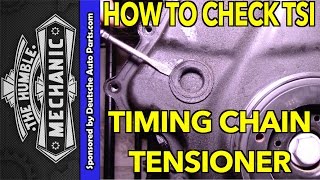
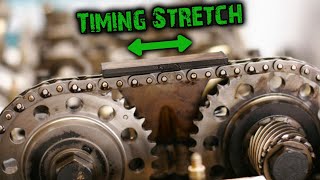
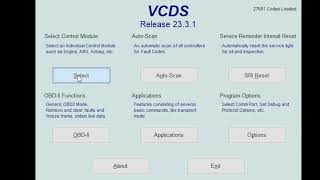
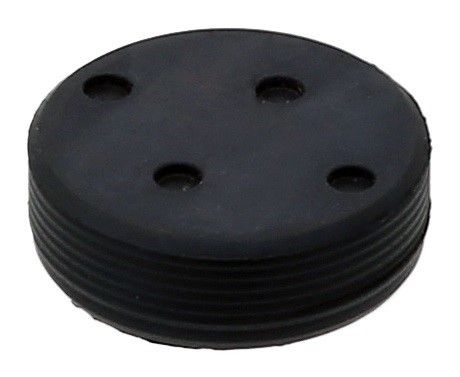
How to confirm: Visually inspect the tensioner's extension through the rubber inspection plug on the lower timing cover. If you see the old-style tensioner or the new style is extended more than 6-7 ridges, the chain and tensioner need replacement. A scan tool can also measure 'Camshaft adaptation intake bank 1 phase position' (VCDS Measuring Value Block 93.2). Values approaching or exceeding -5° 🎬 See how to check for timing chain stretch using VCDS. indicate a stretched chain.
Typical fix: Replace the timing chain, tensioner, and all related guides and rails with the latest revised parts. This is a significant labor-intensive job.
Est. part cost: $400-$800
Rare But Worth Checking
- Clogged or Broken Camshaft Bridge Screen: → Shop Engine Camshaft The camshaft bridge (part # 06H103144K), which holds the control valve, has a small filter screen. This screen can break apart, sending debris into the oil passages, or become clogged with sludge, starving the VVT system of oil. An owner on AudiWorld noted this can cause oil starvation to the cam lobes. Some owners proactively remove the screen during a timing job to prevent future failure.
- Worn High-Pressure Fuel Pump (HPFP) Cam Follower (B7 FSI Only): On the B7 2.0T FSI (EA113) engine, the cam follower for the HPFP is a known wear item. If it wears through, it can damage the intake camshaft lobe, which in turn can affect timing and potentially throw a P0012 code, though fuel pressure codes like P0089 are more common.
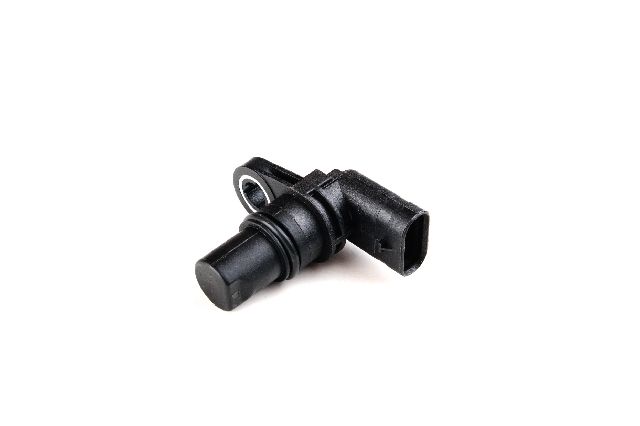
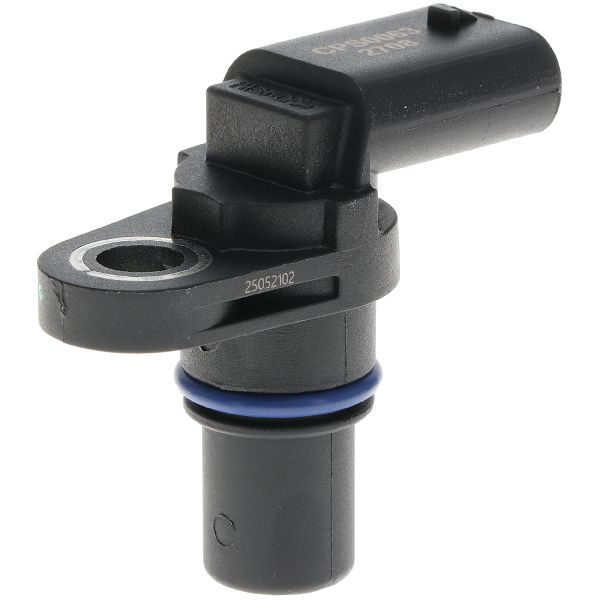
- Faulty Camshaft Position Sensor (G40): → Shop Engine Camshaft Position Sensor While less common than a solenoid or chain issue, the sensor that reads the camshaft's position can fail, sending incorrect data to the ECM. This is often a point of misdiagnosis and should be considered after checking VVT components and mechanical timing.
- Mechanical Failure of Camshaft Adjuster (Phaser): → Shop Engine Camshaft The adjuster unit itself, located on the end of the camshaft, can fail mechanically, getting stuck in one position. This is rare and should only be considered after all other more common causes have been ruled out.
Diagnosis Steps
- Verify engine oil level and condition. Ensure the correct OEM-spec oil (VW 502 00) is being used. An oil and filter change is a low-cost first step.
- Scan the ECM for all stored trouble codes with a VAG-specific tool (VCDS, OBDeleven). Note any other codes that appear with P0012, such as P0016 or P0341, as this points towards a mechanical timing fault.
- Using a VAG-specific scan tool, monitor Measuring Value Block 93, field 2 ('Camshaft adaptation intake bank 1 phase position'). A value more negative than -4° (e.g., -5°, -6°) strongly suggests a stretched timing chain.
- Perform an output test on the N205 Camshaft Adjuster Solenoid using your scan tool. Listen for an audible click. Check its wiring for damage. If in doubt, remove it (3 bolts on the upper timing cover), clean it with brake cleaner, and test its resistance (should be 5-15 Ω).
- For B8 models (2009+), remove the plastic inspection plug on the lower timing chain cover. 🎬 Watch: How to identify if you have the updated tensioner. Use a mirror and flashlight to visually inspect the timing chain tensioner. Identify if it's the old style (single-piece clip) or the updated style (ratcheting design). Check the extension of the piston; if more than 6-7 'teeth' or ridges are visible, the chain is stretched.
- For B7 models (2007-2008), inspect the High-Pressure Fuel Pump (HPFP) cam follower for wear by removing the HPFP. If it is worn through, the intake camshaft lobe may be damaged.
- Perform an engine oil pressure test to rule out a failing oil pump or clogged oil pickup tube, which can starve the VVT system of pressure. At hot idle (~80°C), pressure should be 17.4 - 30.5 psi (1.2 - 2.1 bar).
- If all other steps fail, a full mechanical inspection of the timing chains, guides, camshaft bridge, and camshaft phaser is required.
Parts You'll Likely Need
- Timing Chain Tensioner
(OEM #06K109467K)— The original tensioner on 2009-2013 2.0T TFSI engines is a known failure point. The updated part (06K109467K) is a mandatory replacement to prevent catastrophic failure.
Trusted brands: Genuine VW/Audi, INA, BorgWarner
OEM price range: $70-$100
Aftermarket price range: $50-$80 - Camshaft Adjuster Solenoid (N205 Valve / Magnet)
(OEM #06L109259D (supercedes 06L109259A, 06H109259A, 06H109259C for B8))— This solenoid is a frequent cause of VVT-related codes like P0012. It gets clogged or fails electronically. Part number verification is critical due to multiple revisions.
Trusted brands: Genuine VW/Audi, Pierburg, Bosch
OEM price range: $120-$180
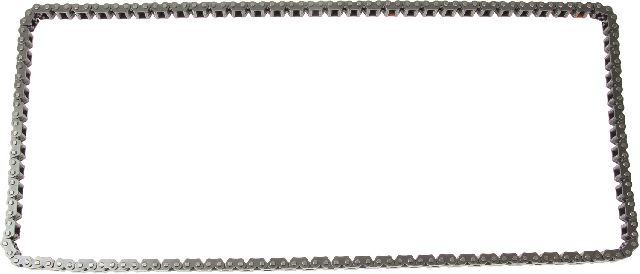
Aftermarket price range: $50-$100 - Timing Chain Kit — If the tensioner has failed or the chain is stretched, a complete kit including the chain, tensioner, and all plastic guides is required. The guides become brittle with age and can break.
Trusted brands: INA, FCP Euro Kit, ECS Tuning Kit
OEM price range: $400-$600
Aftermarket price range: $250-$450 - Camshaft Bridge / Bracket
(OEM #06H103144K)— The integrated screen on the original bridge can disintegrate, clogging oil passages. The updated 'K' revision is a common preventative upgrade during a timing service.
Trusted brands: Genuine VW/Audi
OEM price range: $100-$150
Aftermarket price range: $70-$110
Related Codes That Often Appear With This One
- P0011 — This code is for 'Timing Over-Advanced'. Seeing it with P0012 can indicate an erratic N205 solenoid or a camshaft bridge issue causing unpredictable oil flow and cam movement.
- P0016 — This is a 'Crankshaft/Camshaft Position Correlation' error. When seen with P0012, it strongly points to a mechanical timing issue like a stretched or jumped timing chain, and is a very serious warning.
- P0341 — This code indicates a problem with the Camshaft Position Sensor circuit ('Range/Performance'). It can appear alongside P0012 if the timing is so far off that the sensor reading is deemed implausible by the ECM.
Technical Service Bulletins (TSBs) & Recalls
- TSB 2039995/1 (15-15-26): While for the 3.0 TFSI engine, this TSB describes a nearly identical symptom: 'Rattling noises are heard from the timing chain drive for about 1-3 seconds after the first engine start of the day.' It attributes the cause to the upper chain tensioners and advises replacement with optimized parts. This corroborates the cold-start rattle as a key symptom of tensioner issues across Audi engines.
Platform-Specific Known Issues
- Timing Chain Tensioner Class-Action Lawsuit: → Shop Engine Timing Chain A class-action lawsuit (Stockalper, et al., vs. Volkswagen Aktiengesellschaft, et al.) was settled for the timing chain tensioner failure on 2008-2013 VW/Audi 2.0T TSI/TFSI engines (including CAEB code). This led to an extended warranty and reimbursement program for some vehicles, but the claim filing deadline was January 25, 2019, so it has expired for most owners.
- Multiple Tensioner Revisions: There are multiple revisions of the timing chain tensioner. The original design is known to fail catastrophically. It is critical to ensure the latest revision (P/N 06K109467K) is installed during a repair to prevent a repeat failure.
- B7 FSI Cam Follower Wear: The B7 generation's EA113 FSI engine has a known issue with rapid wear of the high-pressure fuel pump's cam follower. If not inspected and replaced regularly (some recommend every 30-40k miles), it can wear through and destroy the intake camshaft, which can contribute to timing-related faults.
Mechanic-Grade Diagnostic Values
- Camshaft Adaptation Intake Bank 1 Phase Position (VCDS Measuring Block 93.2) — expected: 0° to -4° KW at idle.. Failure: A value more negative than -5° KW (e.g., -6°, -8°) indicates significant timing chain stretch. Some tuners cite a tolerance of +/- 6 degrees from a spec of 0.
- N205 Camshaft Adjuster Solenoid Resistance — expected: 5 to 15 Ω. Some sources are more specific, citing 6.9-7.9 Ω or 6-13 Ω.. Failure: A reading outside of the specified range, or an open/short circuit, indicates a faulty solenoid.
- Engine Oil Pressure (Hot Idle, ~80°C) — expected: 17.4 - 30.5 psi (1.2 - 2.1 bar).. Failure: Pressure dropping below 17.4 psi at idle can starve the VVT system and trigger timing codes. One owner reported issues when pressure dropped to 9 psi at idle.
- Engine Oil Pressure (at 2000 RPM, Hot) — expected: 39 psi (2.7 bar) or higher. Another source specifies 1.6 - 2.1 bar.. Failure: Failure to build sufficient oil pressure with RPMs points to a weak oil pump or significant internal leaks/blockages.
Scan Tool Commands That Help
- VCDS (VAG-COM) or OBDeleven: 01-Engine -> Output Tests -> Camshaft Adjustment Solenoid (N205) — To functionally test the N205 solenoid. The software will cycle the solenoid on and off, and you should hear an audible clicking sound from the engine bay, confirming the solenoid is mechanically actuating.
- VCDS (VAG-COM) or OBDeleven: 01-Engine -> Meas. Blocks -> Group 093 — To check for timing chain stretch. Field 2 (or 3 on some controllers) shows 'Phase Position Bank 1'. A value more negative than -4 or -5 degrees indicates the ECM is compensating for a stretched chain.
- VCDS (VAG-COM): 01-Engine -> Basic Settings -> Group 094 — This is a basic setting test for the cam adjuster. It requires holding the brake and pressing the accelerator to 2000 RPM. A 'System Not OK' result points to a mechanical issue with the adjuster, chain, or guides.
Wiring & Ground Locations
- G12 — Center of the firewall in the engine bay.. This ground point serves the Engine Control Module (ECM). A poor connection here can cause a host of erratic engine management issues, including incorrect sensor readings or faulty actuator commands.
- G18 — On the cylinder head, near the ignition coils.. This is a primary ground for the ignition coils. While not directly related to the VVT system, a poor ground here can cause misfires and other engine performance problems that might confuse the diagnostic process.
- N205 Connector — On the front of the upper timing chain cover, slightly to the left of the oil filter housing.. This is the electrical connection for the VVT solenoid. Check for oil contamination, corrosion, or damaged wires. A bad connection here will prevent the solenoid from operating correctly, directly causing a P0012 code.
Real Owner Repair Stories
- AudiWorld Forums (2011 Audi A4) — Rough idle, poor acceleration, rattling from engine, EPC light followed by CEL with codes P0016, P0011, P000A.
❌ Tried (didn't work) Replaced timing chain and tensioner., Replaced Camshaft Position Sensor.
✅ What actually fixed it The back screen of the Camshaft Bridge had broken. Replacing the entire bridge with a new OEM part resolved the issue. The user initially misidentified the N205 solenoid location before finding the correct part. - AudiWorld Forums (2001 Audi A4 1.8T (B5) with rebuilt engine) — Loud rattling between 2000-2800 RPM, CEL with P0012.
❌ Tried (didn't work) Initial installation of a cheap aftermarket (Bapmic brand) cam chain tensioner, which failed in under 100 miles.
✅ What actually fixed it The user replaced the failed aftermarket tensioner with his old, working Genuine Audi tensioner with new pads. The code returned without a CEL. The final fix, suggested by another user, was that the cam-to-cam timing was off by one link (15 links counted instead of the required 16). Correcting the mechanical timing was the ultimate solution.
OEM Part Supersession History
06H109467 (and revisions like N, T, AB)→06K109467K— The original timing chain tensioner design used a ratchet mechanism that was prone to hydraulic pressure loss and mechanical failure, allowing the chain to go slack. The updated 'K' version has a much more robust design to prevent this.06H103144F, G, H, J→06H103144K— The original camshaft bearing bridge included a fine mesh screen that could break apart and send debris into oil passages, or get clogged with sludge, starving the VVT system. The updated 'K' part has a more durable design.06H109259A, 06H109259C→06L109259D— Internal improvements to the N205 solenoid's durability and resistance to clogging and electrical failure.
Heads up: Always use the latest revision available for your specific engine code and model year.
Model Year Variations Within This Range
- 2009-2013: These years are most susceptible to the original, failure-prone timing chain tensioner. While some 2012-2013 models may have the updated tensioner from the factory, it must be visually verified via the inspection port. Post-2013 models are more likely to have the updated part.
- 2007-2008 (B7 Generation, EA113 Engine): These engines use a timing belt for the crank-to-cam timing and a smaller chain for the two camshafts. P0012 is less commonly a chain tensioner issue and more often related to the N205 solenoid, oil pressure, or a worn HPFP cam follower unique to this engine design.
Diagnostic Flowchart
Used vs. New Parts: Buying Guide for This Vehicle
When a used part is the smart pick: For this specific repair, sourcing used parts is generally not recommended due to the nature of the failures. The only potential exception might be a simple bracket or a connector pigtail if the original is damaged during repair. Electronic components like sensors or solenoids should only be considered if they can be tested and come from a very low-mileage donor.
Donor-vehicle mileage cap: roughly under 40000 miles for the part to have meaningful remaining life.
What to inspect on the donor part:
- For an N205 solenoid, check for a clean screen and ensure it's the latest part number revision.
- Verify the donor vehicle did not have any timing-related fault codes.
- Avoid parts from engines with evidence of heavy oil sludge or poor maintenance.
OEM-only on this vehicle (don't cheap out):
- Timing Chain Tensioner: Given the catastrophic failure of the original design and reports of aftermarket parts failing quickly, using a Genuine VW/Audi or OEM supplier (INA) part is critical.
- Timing Chain and Guides: These are wear items. Installing used parts provides no assurance of longevity and is not worth the labor involved.
- Camshaft Bridge: Due to the screen failure issue, only a new, updated part (06H103144K or later) should be used.
Aftermarket brands forum-validated for this vehicle:
- INA (for timing components, often the OEM supplier)
- Pierburg (for solenoids, often an OEM supplier)
- Bosch (for sensors)
Brands owners have reported issues with on this vehicle:
- Unbranded or exceptionally cheap timing kits from online marketplaces.
- Bapmic (A user on AudiWorld reported a Bapmic tensioner failed in less than 100 miles).
Real Owner Stories
Aggregated from forums and TSBs cited above. Mileages and costs reflect what owners reported in those sources.
B8 Audi A4 2.0T — ~85000 miles
Symptoms: Timing chain tensioner failure occurred with little to no warning, leading to catastrophic engine damage.
What fixed it: Replacement of the timing chain, tensioner, and all related guides and rails with the latest revised parts.
Source hint: Audizine: Timing Chain Tensioner Failure - Let's get a list of VINs and Failures
2010 Audi A4 2.0T
Symptoms: Catastrophic intake camshaft failure (broken weld) occurred, accompanied by a P0016 code.
What fixed it: The discussion pointed to investigating the camshaft bridge and its oil screen for potential oil starvation as the root cause, with some owners removing the screen preventatively.
Source hint: AudiWorld: 2010 A4 2.0t Cambridge Issue?
B5 Audi A4 — 100 miles
Symptoms: A persistent P0012 code would not go away even after an engine rebuild.
What fixed it: The initial problem was a failed aftermarket cam chain tensioner. The fix involved replacing it with a genuine part and ensuring the mechanical timing marks (16 rollers between cam marks) were set correctly.
Source hint: AudiWorld: P0012 Code Won't Go Away...
Related OBD-II Codes
Frequently Asked Questions
I heard there was a class-action lawsuit about the timing chain tensioner on my A4. Can I still get it fixed for free?
I'm replacing my timing chain tensioner. Is there a specific part number I should use?
My A4 is a 2008 B7 model. Is there anything specific I should check for with a P0012 code?
How can I check if my timing chain is stretched without a major teardown?
What kind of engine oil is required for my Audi A4 to prevent VVT issues?
I hear a rattling noise from the engine for a couple of seconds when I start it cold. Is this related to P0012?
Helpful Videos


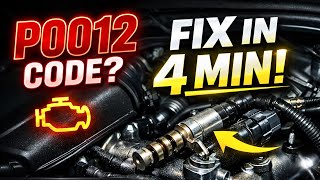
![How to Fix AUDI P0012 Engine Code in 4 Minutes [1 DIY Method / Only $19.45]](https://img.youtube.com/vi/OfKulUJqi9U/mqdefault.jpg)
We Have This Part in Stock

The information in this article is provided for general reference and educational purposes only. Vehicle specifications, procedures, and part compatibility can vary by production date, trim level, and region. Always consult your vehicle's factory service manual and verify part numbers before purchasing or performing repairs. Safety-critical components such as airbags, seat belts, and braking systems should be installed by a qualified professional.
- Audi A4:
- 🧭 Diagnostic Flowchart
- 🎬 Helpful Videos
- 🛍️ Shop This Part
- What's Unique About the 2007-2015 Audi A4
- Symptoms You May Notice
- Most Likely Causes
- Rare But Worth Checking
- Diagnosis Steps
- Parts You'll Likely Need
- Related Codes That Often Appear With This One
- Technical Service Bulletins (TSBs) & Recalls
- Platform-Specific Known Issues
- Mechanic-Grade Diagnostic Values
- Scan Tool Commands That Help
- Wiring & Ground Locations
- Real Owner Repair Stories
- OEM Part Supersession History
- Model Year Variations Within This Range
- Used vs. New Parts: Buying Guide for This Vehicle
- Real Owner Stories
- B8 Audi A4 2.0T — ~85000 miles
- 2010 Audi A4 2.0T
- B5 Audi A4 — 100 miles
- Related OBD-II Codes
- Frequently Asked Questions
- 🎟️ Get 5% Off