

P0012 on 2009-2011 Chevrolet Aveo: Over-Retarded Camshaft Timing Causes and Fixes
On a 2009-2011 Aveo, code P0012 is most often caused by low/dirty engine oil or a faulty intake camshaft position actuator solenoid (VVT solenoid). An oil change with 5W-30 oil is the first step. If that fails, replacing the VVT solenoid (Part No. 55567050) is the next most likely fix. The solenoid can be tested with a multimeter and should have a resistance between 6.9 and 7.9 Ohms. This part costs around $25-$70.
- First, check your oil. Low or dirty oil is the #1 cause.
- The intake VVT solenoid is the most likely part to fail. It's easy to access and relatively cheap to replace.
- Swapping the intake and exhaust VVT solenoids is the best way to confirm a faulty solenoid.
- This is an interference engine; do not ignore timing-related codes as they could be a symptom of a failing timing belt system, which can lead to catastrophic engine damage.
What's Unique About the 2009-2011 Chevrolet Aveo
The 1.6L E-TEC II engine in this generation of Aveo is an interference engine that uses a timing belt. This design makes any timing-related code, like P0012, more serious. A significant timing issue, such as a failed timing belt tensioner, could lead to pistons hitting the valves, causing catastrophic engine damage. Furthermore, the Variable Valve Timing (VVT) system on this engine is known to be very sensitive to oil quality and level, making oil maintenance a critical first step in diagnosis. A unique, documented issue is a small plastic oil sleeve between the camshaft and actuator that, if missing, will cause VVT codes.
Symptoms You May Notice
- Check Engine Light is on
- Rough idle or stalling, especially in stop-and-go traffic or at a drive-through.
- Reduced engine power and sluggish acceleration
- Decreased fuel economy
- Engine struggles to start
- Rattling or diesel-like noise from the engine.
- Replacing the camshaft position sensor when the actual problem is the VVT solenoid or dirty oil.
- Performing a full timing belt replacement when the issue could be resolved with an oil change or a new VVT solenoid.
- Replacing only the timing belt without replacing the failure-prone plastic tensioner and idler pulleys, leading to a repeat failure.
Most Likely Causes
- Low or Dirty Engine Oil 🔴 High Probability The VVT system uses oil pressure to change cam timing. The small passages in the VVT solenoids are easily clogged by sludge or debris from old or incorrect viscosity oil, which prevents proper function.
How to confirm: Check the engine oil dipstick for proper level and inspect the oil's color and consistency. If it's low, black, or sludgy, it needs to be changed.
Typical fix: Perform an engine oil and filter change using the manufacturer-recommended 5W-30 oil. This simple step resolves the issue in a significant number of cases.
Est. part cost: $30-$60 - Faulty Intake Camshaft Position Actuator Solenoid (VVT Solenoid) 🔴 High Probability → Shop Engine Camshaft These solenoids are a common failure point on GM engines of this era. They can become clogged with oil debris, the internal screens can break, or they can fail electrically over time.
How to confirm: After an oil change, if the code persists, swap the intake and exhaust VVT solenoids (they are identical). Clear the codes. If the code changes to P0014 (for the exhaust camshaft), the solenoid you moved is confirmed to be faulty. You can also test the solenoid's resistance with a multimeter; it should be between 6.9 and 7.9 Ohms.
Typical fix: Replace the faulty VVT solenoid. It is located on the top of the valve cover and is held in by a single 10mm bolt, making for an easy repair.
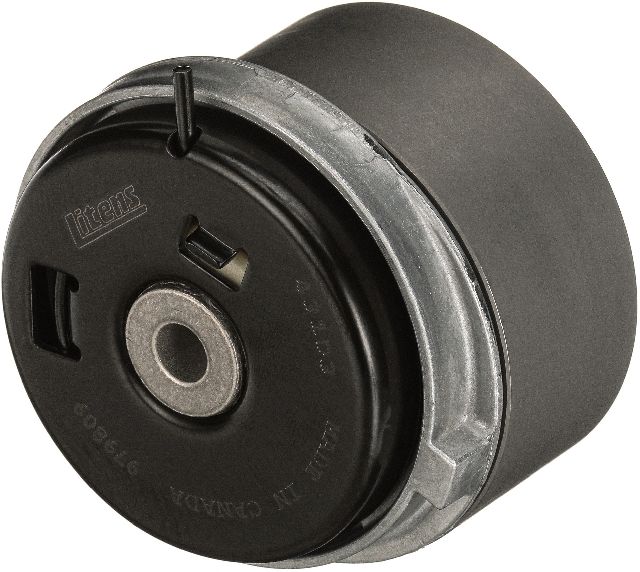
Est. part cost: $25-$70 - Slipped or Worn Timing Belt / Failed Pulleys ⚪ Low Probability → Shop Engine Timing Chain The original timing belt tensioners and idler pulleys on this engine are made of plastic and are a well-documented, common failure point that can crack or disintegrate, causing the belt to jump a tooth and retard the timing. Many specialists recommend replacing the timing belt kit every 60,000 miles to prevent this.
How to confirm: Remove the upper timing belt cover and visually inspect the belt for damage, slack, or misalignment of the timing marks. A definitive check requires aligning all timing marks on the cams and crank.
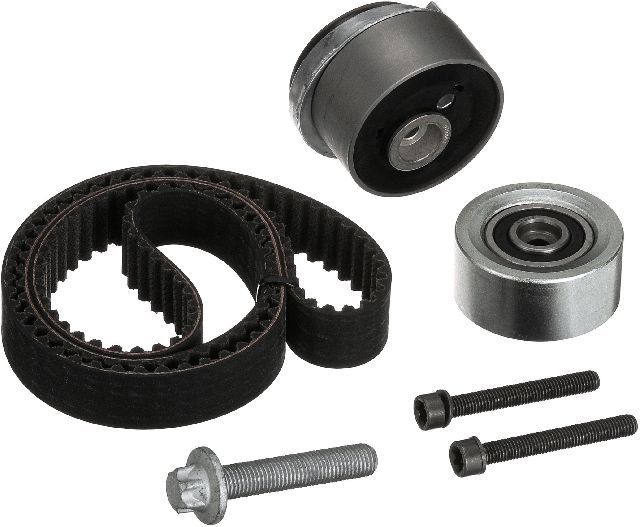
Typical fix: Replace the timing belt, tensioner, and idler pulleys as a complete kit. It is highly recommended to use a kit with metal pulleys to prevent a recurrence.
Est. part cost: $150-$350
Rare But Worth Checking
- Faulty Camshaft Position Sensor: → Shop Engine Camshaft Position Sensor While less common than a solenoid failure for this code, a failing sensor can send incorrect data to the ECM, leading to a P0012 code. Often, a failing sensor will be accompanied by other codes like P0340 or P0341.
- Damaged Camshaft Phaser: → Shop Engine Camshaft The phaser is the mechanical gear that the solenoid acts upon. It can become stuck or damaged internally, but this is much less common than a solenoid or oil issue.
- Wiring Harness Damage: In one documented case, a technician found that after a previous engine repair, the wiring harness had shorts and open circuits affecting the VVT solenoid and other sensors, which caused the P0012 code.
Diagnosis Steps
- Check the engine oil level and condition. If low or dirty, perform an oil and filter change with 5W-30 oil, clear the code, and drive to see if it returns.
- Inspect the wiring and connector for the intake VVT solenoid (on top of the valve cover) for damage or corrosion.
- Swap the intake and exhaust VVT solenoids. They are identical and easy to access. Clear the codes and drive. If the code changes to P0014, the solenoid is bad.
- If the code does not change after swapping, remove and inspect the intake VVT solenoid. Check its screens for sludge or debris. Clean it with brake cleaner and test its resistance with a multimeter (should be 6.9-7.9 ohms).
- If solenoids and oil are good, remove the upper timing cover and inspect the timing belt for correct tension and alignment. Check if it has skipped a tooth. Pay close attention to the condition of the plastic pulleys.
- If any recent engine work was performed involving the camshafts, verify the presence of the black plastic oil sleeve between the cam and the actuator, as per TSB #PIP4543D.
- If all the above steps do not resolve the issue, further diagnosis of the camshaft position sensor and the mechanical camshaft phaser may be required.
Parts You'll Likely Need
- Engine Variable Valve Timing (VVT) Solenoid
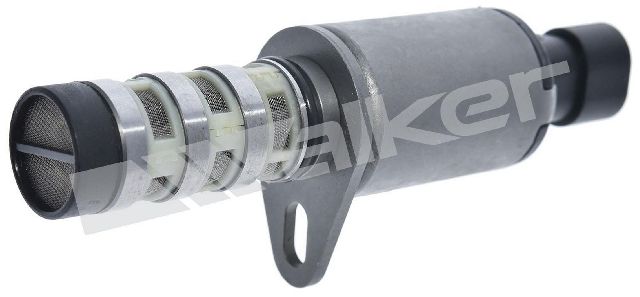
(OEM #55567050 (Supersedes 12992408))— This solenoid controls oil flow to the cam phaser and is the most common part to fail or clog, causing the P0012 code after oil issues are ruled out.
Trusted brands: ACDelco, GM Genuine Parts, Dorman, Standard Motor Products (SMP)
OEM price range: $40-$70
Aftermarket price range: $25-$50 - Engine Oil and Filter — Low or dirty oil is the number one cause of this code, as it directly impacts the hydraulic operation of the VVT system.
Trusted brands: ACDelco, Mobil 1, Pennzoil
OEM price range: $40-$60
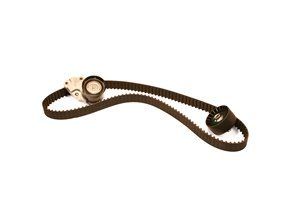
Aftermarket price range: $30-$50 - Timing Belt Kit with Metal Pulleys
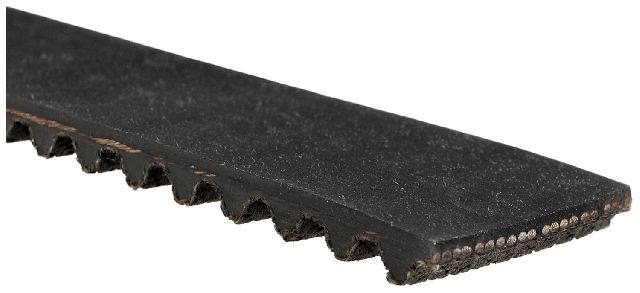
(OEM #TCK334 (ACDelco example))— If the timing belt system is the cause, it's due to a stretched belt or, more likely, a failed plastic pulley. Replacing the entire kit with an upgraded version with metal pulleys is the definitive repair.
Trusted brands: ACDelco, Gates, Continental
OEM price range: $200-$350
Aftermarket price range: $150-$250
Related Codes That Often Appear With This One
- P0011 — This code indicates over-advanced timing. Seeing it with P0012 can suggest an erratic VVT system, possibly due to a failing solenoid or severe oil flow issues.
- P0014 — This is the equivalent 'over-retarded' code for the exhaust camshaft. If you swap the intake and exhaust solenoids for diagnosis and P0012 disappears and P0014 appears, you've confirmed the solenoid is the problem.
- P0106 — This MAP sensor code can be triggered by the poor engine vacuum and erratic running condition caused by incorrect cam timing.
Technical Service Bulletins (TSBs) & Recalls
- PIP4543D: Mentions a small plastic oil sleeve between the camshaft and actuator that, if missing or damaged, can cause VVT-related diagnostic trouble codes.
Platform-Specific Known Issues
- A known issue documented in GM TSB #PIP4543D involves a small black plastic oil sleeve between the camshaft and the actuator. This sleeve directs oil to the phaser. If this sleeve is missing, forgotten during reassembly, or damaged, the ECM cannot control the actuator, which will cause timing codes like P0012, P0011, P0016, or P0017. The bulletin notes this part is not sold separately and comes with a new camshaft actuator assembly.
Mechanic-Grade Diagnostic Values
- VVT (Camshaft Actuator) Solenoid Resistance — expected: 6.9 to 7.9 Ohms. Failure: A reading outside this range, or showing an open (infinite) or shorted (near zero) circuit, indicates a failed solenoid.
- VVT Solenoid Control Voltage — expected: Pulse-width modulated (PWM) signal from the ECM when the engine is running and VVT adjustments are commanded. Not a constant 12V.. Failure: No voltage or a constant voltage when the engine is running above idle may indicate a wiring or ECM issue. A standard multimeter may not accurately read the PWM signal; an oscilloscope is preferred.
Scan Tool Commands That Help
- GDS2 / Tech 2: VVT Solenoid Bidirectional Control — Use this function to manually command the intake VVT solenoid on and off while the engine is idling. A healthy system will cause the engine to stumble or stall when the solenoid is activated. If there is no change in engine operation, it points to a faulty solenoid, a blockage in the oil passages, or a stuck camshaft phaser.
Wiring & Ground Locations
- Intake CMP Actuator Solenoid Control Signal — Pin 54 (Brown wire) on ECM connector X2.. This is the specific wire from the ECM that sends the control signal to the intake VVT solenoid. Testing for a PWM signal at this pin can confirm if the ECM is commanding the solenoid to activate.
- Intake CMP Sensor Signal — Pin 56 (Yellow wire) on ECM connector X2.. This is the wire that carries the intake camshaft position signal back to the ECM. A fault in this wire could mimic a sensor failure and cause timing codes.
- G102 — On the left rear of the engine.. This is a primary ground point for the ignition coils. While not directly tied to the VVT system, a poor ground here can cause erratic engine behavior and potentially related codes.
- G103 / G104 — G103 is on the cowl above the brake booster. G104 is behind the right headlamp, under the air cleaner.. These are major ground points for the ECM and various sensors. Corrosion or looseness at these locations can cause a wide range of difficult-to-diagnose electrical issues, including sensor signal problems that could trigger a P0012.
Real Owner Repair Stories
- Reddit r/MechanicAdvice (2009 Chevrolet Aveo) — Check engine light with code P0012 comes on specifically during periods of extended idling, like in a drive-through or heavy traffic. The light would often turn itself off after normal driving resumed.
❌ Tried (didn't work) Replacing the camshaft position sensor.
✅ What actually fixed it The user reported the issue started immediately after an oil change service. The strong implication from forum comments was that either the wrong viscosity oil was used, the oil level was incorrect, or the new oil filter was defective, leading to low oil pressure at idle which triggers the VVT system fault. The resolution is to re-do the oil service with the correct 5W-30 oil and a quality filter. - NHTSA ODI #11615506 — In a cross-manufacturer reference involving a similar GM engine platform, an owner reported a yellow warning light with codes P0017 and P0012. A mechanic inspected the vehicle and performed a repair that included replacing the timing chain kit and the oil pump.
OEM Part Supersession History
12992408→55567050— Standard part update/revision by GM.
Diagnostic Flowchart
Other Known Issues on This Vehicle
Issues unrelated to this code that are worth knowing about as an owner of this generation:
- Premature Timing Belt Tensioner/Idler Pulley Failure 🔴 High → Shop Engine Timing Chain — Very common. The original plastic pulleys can fail well before the 100,000-mile belt service interval. Many specialists recommend a 60,000-mile interval using a kit with metal pulleys to prevent catastrophic engine damage.
- Leaking Valve Cover Gasket 🟠 Medium → Shop Engine Valve Cover — Common failure item. The gasket hardens over time, causing oil to leak onto the engine and, more critically, into the spark plug tubes, which can lead to misfires.
- Cracked Plastic Thermostat Housing 🟠 Medium — The plastic thermostat housing is prone to cracking with age and heat cycles, leading to coolant leaks and potential overheating.
- Faulty Camshaft Position Sensors 🟡 Low → Shop Engine Camshaft Position Sensor — The camshaft position sensors can fail, causing codes like P0341. GM issued TSB #PIP5329C acknowledging this issue and recommending sensor replacement as the primary fix. (Ref: PIP5329C)
Used vs. New Parts: Buying Guide for This Vehicle
When a used part is the smart pick: For this repair, sourcing used parts is generally not recommended. The key failure components (VVT solenoids, timing belt kit) are wear items or prone to clogging from the previous engine's oil condition. The cost savings are minimal compared to the risk of installing a part that is already near the end of its service life.
Donor-vehicle mileage cap: roughly under 30000 miles for the part to have meaningful remaining life.
What to inspect on the donor part:
- If considering a used VVT solenoid, inspect the mesh screens meticulously for any tears, debris, or sludge. Avoid any part that isn't perfectly clean.
- Never use a timing belt, tensioner, or idler pulley from a donor vehicle. These parts are critical wear items and must be new.
- For larger components like a camshaft or phaser, ensure the donor vehicle did not have any timing-related codes or signs of oil sludge.
OEM-only on this vehicle (don't cheap out):
- Timing Belt Kit: While reputable aftermarket kits exist, the OEM ACDelco kit is a known quantity. Avoid no-name kits, especially those with plastic pulleys.
- Camshaft Phaser/Actuator: This is a precision component. Due to the complexity and labor involved, using a new OEM part is the safest bet to ensure correct operation.
Aftermarket brands forum-validated for this vehicle:
- VVT Solenoids: Dorman, Standard Motor Products (SMP), and Delphi are generally considered reliable alternatives to OEM.
- Timing Belt Kits: Gates and Continental are highly respected brands known for producing kits that often meet or exceed OEM quality, sometimes including improved metal pulleys.
Brands owners have reported issues with on this vehicle:
- Avoid unbranded, 'white-box' VVT solenoids and timing kits from online marketplaces. These often have high failure rates and can cause repeat repairs.
Real Owner Stories
Aggregated from forums and TSBs cited above. Mileages and costs reflect what owners reported in those sources.
2009 Chevrolet Aveo 1.6L — 15000 miles
Symptoms: Check engine light with code P0012 comes on intermittently, especially during idle or in stop-start traffic like a drive-through or motorway traffic. The owner noted the light appeared shortly after the car was serviced for the first time.
What fixed it: The owner had the sensor changed, but the issue persisted; the context suggests the VVT solenoid or oil pressure at idle as the likely unresolved culprits.
Source hint: Reddit r/MechanicAdvice: P0012 Chevrolet Aveo
2009 Chevrolet Aveo 1.6L
Symptoms: The user reported a P0012 fault code described as 'Camshaft position timing over-retarded'.
What fixed it: Community consensus recommended checking engine oil quality, the VVT actuator (solenoid), and the timing belt system.
Source hint: aveoforum.com: p0012 fault code "Camshaft position timing over-retarded"
Related OBD-II Codes
Frequently Asked Questions
I recently had engine work done and now I have a P0012 code. Could a missing part be the cause?
Can I test the VVT solenoid on my 1.6L E-TEC II before buying a new one?
Is there a specific oil I should use to prevent VVT issues on my 2009 Aveo?
My mechanic says my timing belt is fine, but I heard the pulleys are a problem. Is that true?
Why does my P0012 light only come on when I'm at a drive-through or in stop-and-go traffic?
Helpful Videos
We Have This Part in Stock


The information in this article is provided for general reference and educational purposes only. Vehicle specifications, procedures, and part compatibility can vary by production date, trim level, and region. Always consult your vehicle's factory service manual and verify part numbers before purchasing or performing repairs. Safety-critical components such as airbags, seat belts, and braking systems should be installed by a qualified professional.
- Chevrolet Aveo:
- 🧭 Diagnostic Flowchart
- 🎬 Helpful Videos
- 🛍️ Shop This Part
- What's Unique About the 2009-2011 Chevrolet Aveo
- Symptoms You May Notice
- Most Likely Causes
- Rare But Worth Checking
- Diagnosis Steps
- Parts You'll Likely Need
- Related Codes That Often Appear With This One
- Technical Service Bulletins (TSBs) & Recalls
- Platform-Specific Known Issues
- Mechanic-Grade Diagnostic Values
- Scan Tool Commands That Help
- Wiring & Ground Locations
- Real Owner Repair Stories
- OEM Part Supersession History
- Other Known Issues on This Vehicle
- Used vs. New Parts: Buying Guide for This Vehicle
- Real Owner Stories
- 2009 Chevrolet Aveo 1.6L — 15000 miles
- 2009 Chevrolet Aveo 1.6L
- Related OBD-II Codes
- Frequently Asked Questions
- 🎟️ Get 5% Off