

P0012 on 2015-2018 Ford C-MAX: Causes and Fixes for Over-Retarded Camshaft Timing
On a 2015-2018 Ford C-MAX, code P0012 is almost always caused by a sticking Variable Camshaft Timing (VCT) solenoid due to dirty or low engine oil. The most common fix is to replace the intake VCT solenoid and perform an oil change with the correct spec oil. The solenoid is a relatively inexpensive part, typically costing between $30 and $70.
- P0012 on a 2015-2018 C-MAX points to an over-retarded intake camshaft, usually due to an oil-related issue.
- The first and most important step is to check your engine oil. A simple oil and filter change may fix the problem.
- The most common failed part is the intake VCT solenoid, which sticks due to oil debris. This is a known issue acknowledged by Ford.
- Replacing the VCT solenoid is a moderately difficult DIY job that requires removing the valve cover. The part itself is not expensive.
- Always use the exact oil viscosity specified in your owner's manual to prevent this issue from recurring.
What's Unique About the 2015-2018 Ford C-MAX

The 2.0L hybrid engine in the Ford C-MAX is susceptible to issues with the VCT solenoids, a problem Ford has acknowledged across many models from this era. Multiple Technical Service Bulletins (TSBs) 🎬 Watch: A breakdown of Ford's dealer memos on VCT codes. confirm that small debris in the engine oil is a primary cause, leading the VCT solenoid to stick. Because these are hybrid vehicles, the engine may not run as continuously as in a non-hybrid, potentially allowing oil to degrade differently and contribute to sludge or debris issues if service intervals are not strictly followed.
Diagnostic Flowchart

Tap your situation to follow the diagnostic path that matches what you're seeing on this vehicle.
Symptoms You May Notice
- Check Engine Light is on
- Rough or unstable idle
- Engine stalling, especially at stops
- Poor acceleration and loss of power
- Decreased fuel efficiency 🎬 Watch: A quick overview of P0012 causes and common fixes.
- Rattling noise from the engine on startup, which may last for a few seconds
- Replacing the camshaft position sensor. While the sensor reports the timing, it rarely causes the over-retarded condition itself. The problem is usually the mechanical adjustment (solenoid/phaser) or the hydraulic fluid (oil). A bad sensor would likely throw a sensor-specific circuit code.
Most Likely Causes

- Dirty, Low, or Incorrect Viscosity Engine Oil 🔴 High Probability The VCT system is hydraulic and extremely sensitive to oil quality and pressure. Ford's own TSBs identify oil debris as the root cause of sticking solenoids. The VCT solenoid has small passages that can easily become clogged by sludge or contaminants.
How to confirm: Check the oil dipstick for level and color. If the oil is dark black, below the minimum mark, or smells burnt, it needs to be changed. Verify the oil viscosity used matches the owner's manual specification (typically SAE 5W-20 for this engine).
Typical fix: Perform an engine oil and filter change using the manufacturer-specified oil grade. In many cases, this alone can resolve the code, especially if the oil was very dirty or low.
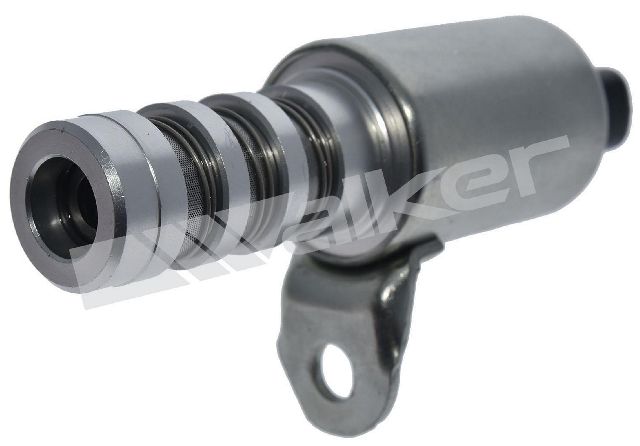
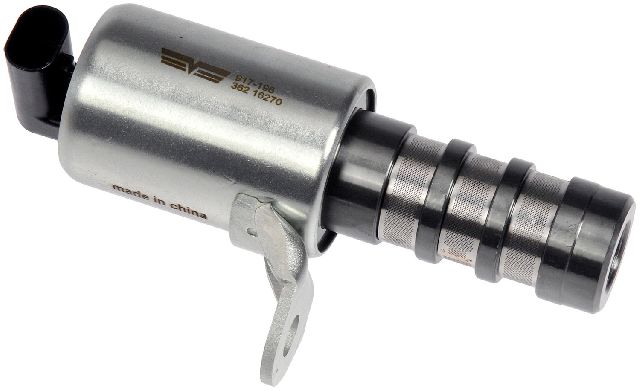
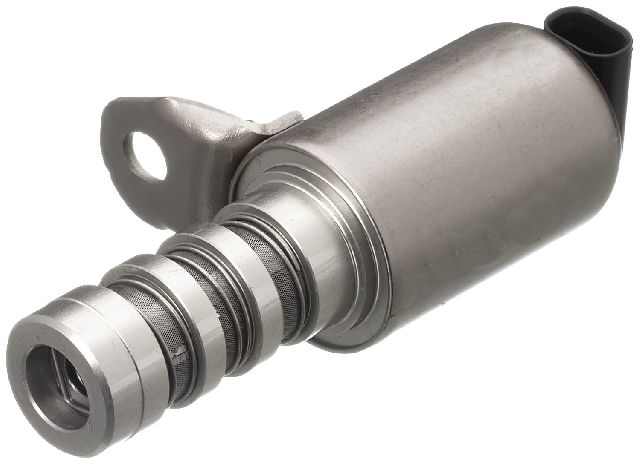
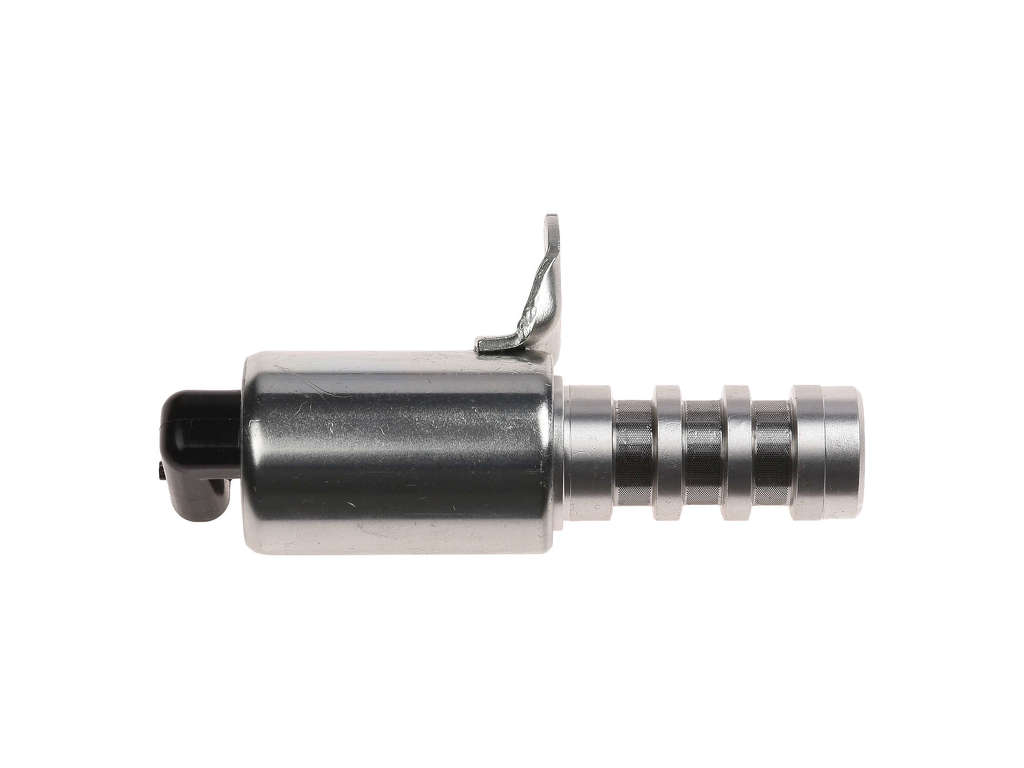
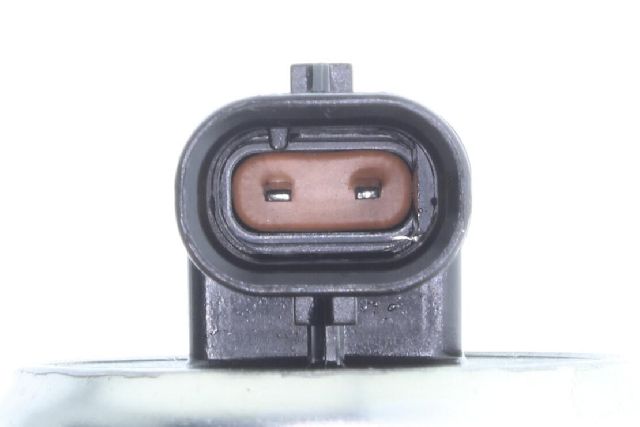
Est. part cost: $40-$80 - Faulty Intake VCT Solenoid (Oil Control Valve) 🔴 High Probability → Shop Engine Variable Valve Timing (VVT) Solenoid As noted in Ford TSBs SSM 48423 and SSM 47170, these solenoids are prone to sticking due to small debris from engine oil. This is the most common component failure for this code on the 2.0L hybrid engine.
How to confirm: After an oil change, if the code persists, the solenoid is the next suspect. A diagnostic scan tool can command the solenoid to cycle; failure to respond indicates a fault. On the 2.0L engine, the intake and exhaust solenoids are often interchangeable; swapping them to see if the code changes to P0014 (exhaust side) confirms a bad solenoid.
Typical fix: Replace the Bank 1 intake VCT solenoid. It is located on the top of the valve cover. While cleaning is sometimes attempted by spraying with contact cleaner, replacement is highly recommended due to the low part cost and high failure rate.
Est. part cost: $30-$70
Rare But Worth Checking
- Worn Timing Chain or Cam Phaser: → Shop Engine Timing Chain While less common than oil or solenoid issues, a stretched timing chain or a mechanically failed cam phaser can cause timing to be retarded. This is usually accompanied by a distinct rattling noise from the engine on cold starts that lasts more than a few seconds.
- Wiring or Connector Issue: Damage to the wiring harness leading to the VCT solenoid or a loose/corroded connector can prevent it from operating correctly. Check the connection for integrity and oil contamination.
- Faulty Camshaft Position Sensor: → Shop Engine Camshaft Position Sensor This is an uncommon cause. The sensor's job is to report the camshaft's position. A failure of the sensor itself would typically generate a different code (like P0340). Misdiagnosing this is common.
Diagnosis Steps
- Check Engine Oil: Verify the oil level is correct and the oil is clean. If it's low, dirty, or the wrong type, perform an oil and filter change with the OEM-specified viscosity (e.g., Motorcraft SAE 5W-20 Synthetic Blend). Clear the code and see if it returns.
- Scan Tool Test: Use an OBD-II scanner with live data capabilities. Ford's diagnostic procedure, as mentioned in TSB SSM 48423, includes a pinpoint test (HK11) that uses a scan tool to command the VCT solenoid to cycle 10 times to try and dislodge debris. If this test clears the code, the issue was likely a temporary blockage.
- Inspect VCT Solenoid Connector: Unplug the intake VCT solenoid and inspect the electrical connector for oil contamination, corrosion, or loose pins. A poor connection will cause the same symptoms as a failed solenoid.
- Swap VCT Solenoids: The intake and exhaust VCT solenoids on the 2.0L engine are identical. Swap their positions. Clear the codes and drive the vehicle. If the trouble code changes to P0014 (Exhaust Camshaft), you have confirmed the solenoid you moved is faulty. This is a highly effective real-world diagnostic step.
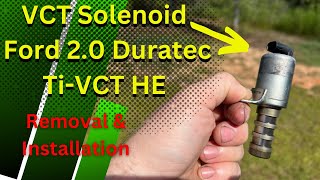
- Replace VCT Solenoid: If the solenoid is confirmed to be faulty, replace it. This involves removing a single bolt and pulling the solenoid from the valve cover. 🎬 See this walkthrough for removing and installing the 2.0L solenoid. Be careful not to drop the bolt into the engine.
- Inspect Mechanical Timing: If a new solenoid and clean oil do not fix the issue, the problem may be mechanical. This is a more advanced diagnosis and may require a professional to check the timing chain for stretching and the cam phaser for damage, which often presents with a persistent startup rattle.
Parts You'll Likely Need
- Engine Variable Valve Timing (VVT) Solenoid
(OEM #CM5Z-6M280-C)— This is the most common failure point for code P0012 on this engine, as documented in Ford's own service bulletins. It gets stuck from oil debris. This part number supersedes CM5Z-6M280-A.
Trusted brands: Motorcraft, Dorman, Standard Motor Products
OEM price range: $50-$70
Aftermarket price range: $30-$50 - Engine Oil and Filter — Clean, correct-viscosity oil is essential for the VCT system to function. Dirty or incorrect oil is the primary cause of the solenoid failure.
Trusted brands: Motorcraft (SAE 5W-20 Synthetic Blend), Mobil 1, Castrol
OEM price range: $50-$90
Aftermarket price range: $40-$80
Related Codes That Often Appear With This One
- P0011 — This code is for 'Intake Camshaft Position Timing - Over-Advanced'. It relates to the same system and can be caused by the same faulty VCT solenoid sticking in the opposite direction.
- P0014 — This code is for 'Exhaust 'B' Camshaft Position Timing - Over-Retarded'. If seen with P0012, it could indicate a more widespread oil contamination issue affecting multiple VCT solenoids or a timing chain issue.
- P0340 — This code for 'Camshaft Position Sensor 'A' Circuit (Bank 1)' can sometimes appear before P0012, but often points to a wiring issue or the sensor itself, rather than the mechanical timing problem of P0012.
Technical Service Bulletins (TSBs) & Recalls
- SSM 54366: Notes that various 2015-2021 Ford/Lincoln vehicles may exhibit P0012 and other VCT codes, referencing a specific pinpoint test in the service manual.
- SSM 48423: States that for some 2015-2020 models, P0012 may be due to small debris causing the VCT solenoid to stick. It specifically advises technicians to run the VCT solenoid cleaning cycle with a scan tool before replacing the part.
- SSM 47170: An earlier bulletin with the same guidance as SSM 48423, indicating this is a persistent issue.
Platform-Specific Known Issues
- Ford has issued multiple Technical Service Bulletins (TSBs) regarding this family of codes (P0011, P0012, etc.) across many 2015-2021 vehicles, including the C-MAX. The bulletins consistently point to small debris in the oil causing the VCT solenoid to stick.
- A common owner experience shared in forums is that after getting the P0012 code, an oil change is performed first. If the code returns, the VCT solenoids are swapped. If the code follows the solenoid (e.g., changes to P0014), the faulty solenoid is replaced, which usually resolves the issue.
Mechanic-Grade Diagnostic Values
- VCT Solenoid Internal Resistance — expected: 7 to 14 Ohms. Failure: A reading of OL (infinite) indicates an open coil; a reading significantly outside the range suggests a faulty solenoid.
- VCT Solenoid Connector Voltage (Key On, Engine Off) — expected: Approximately 12V (Battery Voltage) on the power supply pin.. Failure: No voltage indicates an open in the power supply circuit, possibly from the PCM power relay or fuse F16 in the battery junction box.
- Live Data PID: VCTADVERR (Camshaft Timing Error) — expected: Should hover around 0° at idle and during steady-state driving.. Failure: A consistent deviation greater than +/- 5° for an extended period indicates a timing error that can set the P0012 code.
Scan Tool Commands That Help

- Ford Integrated Diagnostic System (IDS): Pinpoint Test HK11 / HK12 — As recommended by Ford TSBs, this command cycles the VCT solenoid 10 times to dislodge small debris. It should be used after checking oil but before replacing the solenoid, as it can sometimes fix the issue without part replacement.
- Any Professional Scan Tool: Disconnect VCT Solenoids Electrically — If an engine rattle or noise accompanies the P0012 code, disconnecting the solenoids and driving the vehicle can help isolate the cause. If the noise disappears, it strongly suggests a VCT system fault, as this locks the cam phasers in their base position.
Wiring & Ground Locations
- Main Engine Ground — To the right of the battery, near the engine compartment fuse box.. A poor main engine ground can cause various electrical issues and erratic sensor readings for the PCM, which could potentially contribute to false timing codes.
- VCT Solenoid Connector (Pigtail WPT-1251) — Plugged directly into the VCT solenoid on the top of the valve cover.. This is the direct electrical connection to the solenoid. Corrosion, oil contamination, or loose pins in this connector will prevent the solenoid from actuating correctly, directly causing code P0012.
- VCT Solenoid Power Fuse — Fuse F16 (15A) in the Battery Junction Box (engine compartment fuse box).. This fuse provides power to the VCT solenoid via the PCM power relay. If this fuse is blown, the solenoid will have no power and cannot function, leading to a timing fault.
Real Owner Repair Stories
- YouTube user proclaimliberty2000 (Vehicle not specified, but demonstrates a common P0012 scenario.) — Check Engine Light and Low Oil Pressure light were on.
❌ Tried (didn't work) Initially suspected a bad VCT solenoid or mechanical timing issue.
✅ What actually fixed it An engine oil and filter change. The oil was noted as being very old and dirty ('a 7 out of 10' for dirtiness). After the oil change and clearing the code, the lights did not return. - YouTube user Fixit Felix (2005 Ford Expedition 5.4L (different engine, but same VCT principle)) — Flashing Check Engine Light, no power, struggling to accelerate past 40 MPH. Codes P0012, P0301, P0304.
❌ Tried (didn't work) The user noted that many people online tried this fix and it did not work for them, suggesting they had deeper issues.
✅ What actually fixed it Replaced the Bank 1 VCT solenoid and the corresponding seal. This restored power and turned off the check engine light.
OEM Part Supersession History
CM5Z-6M280-A→CM5Z-6M280-C— Part revisions are common to improve reliability and material durability.
Heads up: This part (CM5Z-6M280-C) is specified for the 2.0L non-turbo engine used in the C-MAX Hybrid. Do not use part number CJ5Z-6M280-A, as it is intended for other Ford engines like the 2.0L Turbo or 2.5L and may not function correctly.
Model Year Variations Within This Range
- 2015-2018: For the 2.0L Atkinson-Cycle Hybrid powertrain in the C-MAX, there were no significant design changes to the VCT system or its components within this model year range that would alter the diagnosis or common causes for code P0012.
Helpful Videos
We Have This Part in Stock


The information in this article is provided for general reference and educational purposes only. Vehicle specifications, procedures, and part compatibility can vary by production date, trim level, and region. Always consult your vehicle's factory service manual and verify part numbers before purchasing or performing repairs. Safety-critical components such as airbags, seat belts, and braking systems should be installed by a qualified professional.
- Ford C-MAX:
- 🧭 Diagnostic Flowchart
- 🎬 Helpful Videos
- 🛍️ Shop This Part
- What's Unique About the 2015-2018 Ford C-MAX
- Symptoms You May Notice
- Most Likely Causes
- Rare But Worth Checking
- Diagnosis Steps
- Parts You'll Likely Need
- Related Codes That Often Appear With This One
- Technical Service Bulletins (TSBs) & Recalls
- Platform-Specific Known Issues
- Mechanic-Grade Diagnostic Values
- Scan Tool Commands That Help
- Wiring & Ground Locations
- Real Owner Repair Stories
- OEM Part Supersession History
- Model Year Variations Within This Range
- 🎟️ Get 5% Off