

P0012 on 2015-2021 Ford F-150 2.7L EcoBoost: Causes and Fixes for Over-Retarded Camshaft Timing
On a 2015-2021 F-150 with the 2.7L EcoBoost, P0012 is almost always caused by low or dirty engine oil, or a faulty Bank 1 intake VCT solenoid. Always check your oil first. If the oil is clean and full, replacing the VCT solenoid is the most common repair. For 2015-2017 models, a leaking oil pan is a very common source of low oil levels that trigger this code.
- Always check your engine oil level and condition first. An oil change with the correct 5W-30 oil might fix the issue.
- The most common repair is replacing the Bank 1 (passenger side) intake VCT solenoid, which is a relatively inexpensive and accessible part.
- If you have a 2015-2017 model, inspect carefully for an oil pan leak, as this is a known issue that can cause the low oil level triggering the code.
- A rattling noise from the engine on startup suggests a more serious issue with the timing chain or phasers, which requires a more complex and expensive repair.
What's Unique About the 2015-2021 Ford F-150
The 2.7L EcoBoost engine, like other modern Ford engines, uses a Variable Camshaft Timing (VCT) system that is highly sensitive to oil pressure and cleanliness. A unique issue for 2015-2017 models is a composite oil pan with factory RTV sealant that is prone to failing and leaking, which can lead to the low oil levels that trigger a P0012 code. Ford has acknowledged that debris in the oil can cause the VCT solenoids to stick, issuing service bulletins like SSM 48423 that advise technicians to attempt cleaning the solenoid by cycling it with a scan tool before replacement.
Generation note: The 2015-2021 year range covers the thirteenth generation (2015-2020) and the start of the fourteenth generation (2021-present) of the Ford F-150. A key difference is that 2015-2017 models with the 2.7L engine were prone to a leaking composite oil pan, a direct cause for low oil levels that can trigger P0012. Ford issued TSB 23-2083 to address this specific issue, which supersedes older TSBs and provides a procedure to replace the pan with an updated design. The second-generation 2.7L engine, introduced in 2018, featured both port and direct injection, which helps mitigate intake valve carbon buildup, a separate issue on earlier engines.
Symptoms You May Notice
- Illuminated Check Engine Light
- Rough idle or stalling, especially at stop lights or when the engine is hot
- Reduced engine power and poor acceleration
- Decreased fuel efficiency
- Rattling, ticking, or tapping noise from the engine, particularly on a cold startup, which may last 2-5 seconds
- Replacing the camshaft position sensor. While related, the sensor is usually not the cause of a timing 'performance' code like P0012; it's more likely to cause a 'circuit' code if it fails. The sensor is correctly reporting the timing is off.
- Immediately replacing the timing chain and phasers. While these can be the cause, it is far more likely that the issue is oil-related or a simple solenoid failure. Always diagnose from the cheapest and most probable cause first, as advised by Ford's own service messages.
Most Likely Causes
- Low, Dirty, or Incorrect Viscosity Engine Oil 🔴 High Probability The VCT system is hydraulically operated and extremely sensitive to oil condition. For 2015-2017 models, a known issue with the oil pan sealant (TSB 23-2083) can cause leaks, leading to low oil levels. For 2018-2019 models, a similar TSB (19-2189) exists for oil pan leaks due to RTV seal failure. A simple oil and filter change has been reported by owners to resolve the code.
How to confirm: Check the engine oil level on the dipstick and inspect the oil's condition for darkness or debris. Check for oil leaks under the engine, particularly around the oil pan.
Typical fix: Perform an oil and filter change using the correct viscosity oil (e.g., Motorcraft SAE 5W-30 Synthetic Blend) and a quality filter (e.g., Motorcraft FL-2062-B). If the oil pan is leaking, it will need to be resealed or replaced according to the relevant TSB.
Est. part cost: $40-$80 for oil and filter - Faulty Intake VCT Solenoid (Bank 1) 🔴 High Probability → Shop Engine Variable Valve Timing (VVT) Solenoid The VCT solenoids can become clogged with small debris from the oil or fail electronically, causing them to stick. Ford TSB SSM 48423 specifically notes this issue across many models and advises cycling the solenoid with a scan tool before replacement. Owners on forums often confirm this is the fix after an oil change doesn't work.
How to confirm: A diagnostic scan tool can command the solenoid to cycle (per Ford's pinpoint test HK11); if the timing doesn't change or the solenoid doesn't respond, it's likely faulty. You can also swap the intake and exhaust solenoids on the same bank (or between banks) to see if the code follows the part. A multimeter can be used to check for proper resistance (typically 5-15 ohms).
Typical fix: Replace the Bank 1 (passenger side) intake VCT solenoid. On the 2.7L, the solenoids are located on top of the valve covers. While Bank 2 (driver's side) is accessible, Bank 1 is on the firewall side and is significantly more labor-intensive to access.
Est. part cost: $60-$120
Rare But Worth Checking
- Stretched Timing Chain or Failed Tensioner: → Shop Engine Timing Chain While less common than oil or solenoid issues, it's a serious mechanical problem. This should be suspected if a distinct rattling noise is heard on startup, which persists even after addressing oil and solenoid issues.
- Failed Camshaft Phaser (VCT Unit): → Shop Engine Camshaft The phaser is the mechanical gear that the solenoid acts upon. If it fails internally, it can get stuck in the retarded position, causing this code even with a new solenoid. This is often accompanied by a ticking or rattling noise on cold starts, as addressed in TSB 23-2356 for related vehicles. In one owner's experience, this was part of a larger repair including the timing chains and oil pump. Manufacturer bulletin SSM 49583 notes that some vehicles may exhibit noise near the front of the valve covers from the intake phasers in conjunction with P0012.
Diagnosis Steps
- Verify the code with an OBD-II scanner.
- Check the engine oil level and condition. If low, top it off. If dirty or overdue for a change, perform an oil and filter change with the manufacturer-specified oil (Motorcraft 5W-30) and filter (Motorcraft FL-2062-B).
- Inspect for oil leaks, paying close attention to the oil pan on 2015-2017 models (TSB 23-2083) and 2018-2019 models (TSB 19-2189).
- Listen for any rattling noises from the engine, especially on a cold start. A persistent rattle points towards more serious mechanical issues like the timing chain or phasers.
- Using a capable scan tool (like FORScan), perform the VCT solenoid diagnostic test (Ford's pinpoint test HK11) to cycle the solenoid 10 times and attempt to clear any debris, as recommended by SSM 48423. Manufacturer bulletin SSM 54366 also directs technicians to Pinpoint test HK in the Powertrain Control and Emissions Diagnosis (PC/ED) manual for diagnosing P0012.
- If the code persists, test the Bank 1 intake VCT solenoid. Check its resistance with a multimeter (should be 5-15 ohms). You can also swap it with the Bank 1 exhaust solenoid and see if the code changes to P0014 (exhaust retarded), confirming a bad solenoid.
- If the solenoid tests bad or the diagnostic test fails, replace the Bank 1 intake VCT solenoid. Be aware that accessing the Bank 1 (passenger side) solenoids is labor-intensive due to their location near the firewall.
- If the code returns after replacing the solenoid, the issue may be a clogged oil passage, a failing camshaft phaser, or a stretched timing chain, which requires more in-depth mechanical diagnosis and likely professional repair.
Parts You'll Likely Need
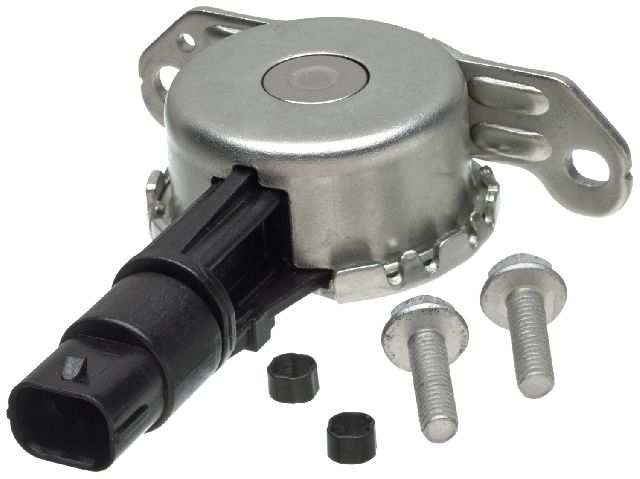
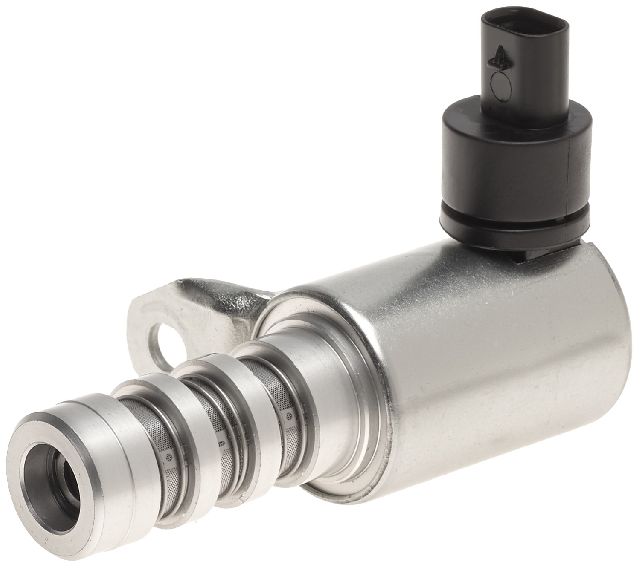
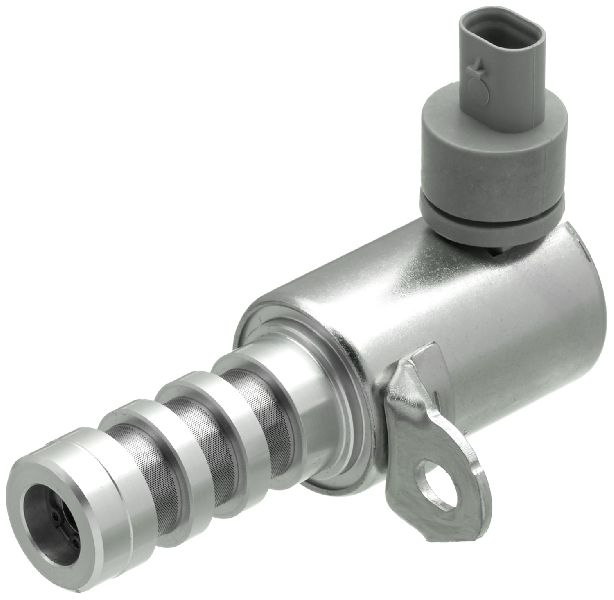
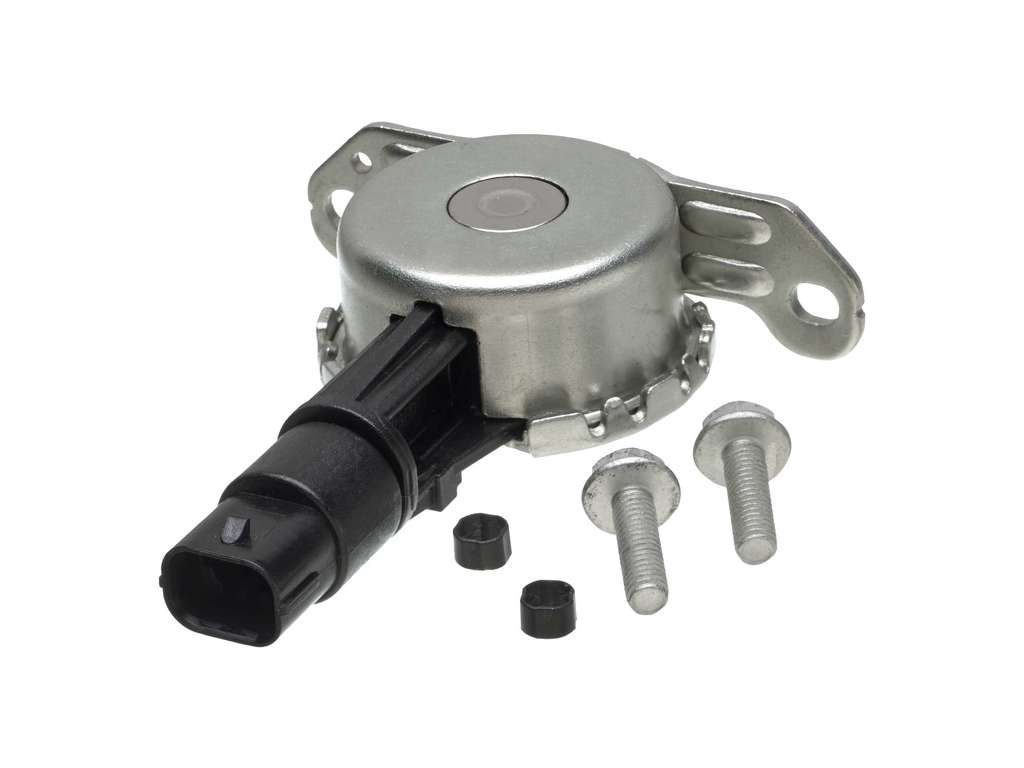
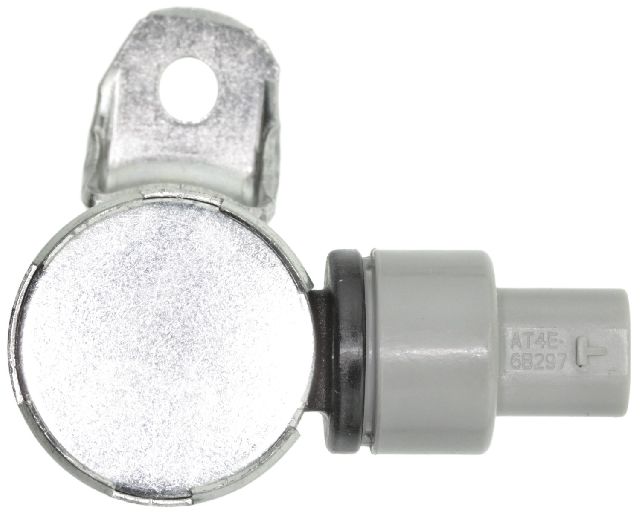
- Engine Variable Valve Timing (VCT) Solenoid
(OEM #FT4Z-6M280-C)— This solenoid is the most common component to fail or stick, directly causing the P0012 code. It controls the oil flow that adjusts the cam timing. This part number supersedes older versions.
Trusted brands: Motorcraft, Dorman, Standard Motor Products
OEM price range: $85-$120
Aftermarket price range: $40-$80 - Engine Oil and Filter
(OEM #FL-2062-B)— Low, dirty, or incorrect viscosity oil is the leading cause of VCT system problems and can trigger P0012. An oil change is the first and most critical diagnostic step.
Trusted brands: Motorcraft
OEM price range: $50-$90
Aftermarket price range: $40-$70
Related Codes That Often Appear With This One
- P0022 — This is the identical 'Over-Retarded' code but for Bank 2 (driver's side). If both P0012 and P0022 appear together, it strongly points to a systemic issue like very low/dirty oil or low oil pressure affecting the entire engine.
- P0011 — This code is for 'Intake 'A' Camshaft Position Timing - Over-Advanced (Bank 1)'. It can appear alongside P0012 if the VCT solenoid is sticking erratically, causing the camshaft timing to be unstable and deviate in both directions.
- P0016 — This code indicates a 'Crankshaft Position - Camshaft Position Correlation (Bank 1, Sensor A)' error. It can be set if the timing deviation is significant enough to cause a mismatch between the crank and cam sensors, often pointing towards a more serious mechanical issue like a stretched timing chain or failed phaser.
Technical Service Bulletins (TSBs) & Recalls
- SSM 48423: P0012 may be caused by small debris causing the VCT solenoid to stick; advise cycling the solenoid 10 times before replacement.
- SSM 49583: Vehicles may exhibit an illuminated MIL with DTC P0012 and noise near the front of the valve covers from the intake phasers.
- SSM 54366: Provides guidance for diagnosing P0012 and related timing codes by referencing Pinpoint test HK in the PC/ED manual.
Platform-Specific Known Issues
- TSB 23-2083: Addresses a leaking composite oil pan on 2015-2017 2.7L models, which can cause a low oil level and trigger P0012. The fix involves replacing the pan with an updated design.
- TSB 19-2189: Similar to the above, this TSB addresses oil pan leaks on 2018-2019 F-150s with the 2.7L engine, recommending replacement with a pan that uses a press-in-place gasket instead of RTV sealant.
- SSM 48423: Acknowledges that small debris can cause the VCT solenoid to stick and advises using a scan tool to cycle the solenoid 10 times before replacement.
- TSB 19-2188: For 2015-2017 models, addresses excessive startup smoke from oil entering the turbocharger, which can also lead to low oil levels that trigger VCT codes.
Mechanic-Grade Diagnostic Values
- VCT Solenoid (OCV) Internal Resistance — expected: 6.9 to 7.9 Ohms at 68°F (20°C). A broader acceptable range is 5.0 to 15.0 Ohms.. Failure: A reading of infinite resistance (Open Loop), near-zero Ohms (short), or a value outside the specified range indicates a faulty solenoid coil.
- Scan Tool PID: VCT_ADV_ERR (Camshaft Advance Error for Bank 1) — expected: Should hover near 0 degrees at a stable, warm idle. A variance of +/- 5 degrees is acceptable for short periods.. Failure: A consistent negative value greater than 5 degrees (e.g., -6 degrees or more) indicates the camshaft is over-retarded and confirms a fault.
- Engine Oil Pressure at Idle — expected: A minimum of 15 PSI at a stable, warm idle.. Failure: Pressure below 15 PSI at idle can prevent the VCT system from operating correctly, leading to timing codes. This points to a base oil pressure issue, not a VCT component failure.
- Voltage at VCT Solenoid Connector (Power Pin) — expected: Approximately 12 Volts (Battery Voltage) with Key On, Engine Off.. Failure: Voltage significantly below 10.5V or no voltage points to a problem in the power supply circuit, fuse, or PCM.
Hidden / Shadow Codes Worth Checking
- Mode $06, TID $53: This is not a DTC, but a Test ID within Mode $06 data that stores the non-continuous monitor results for the VCT system. It measures the camshaft angle response time or final position error. (see via Use a professional scan tool or an advanced DIY tool like FORScan that can display Mode $06 test results. Analyzing this data can show if the system is operating close to its failure threshold, even before a P0012 code is set.)
Scan Tool Commands That Help
- Ford IDS, FORScan: VCT Solenoid On/Off Test or Duty Cycle Control (Output State Control) — This is a key bidirectional command recommended by Ford (SSM 48423) to use before replacing a solenoid. It manually cycles the VCT solenoid, usually 10 times, while the engine is running. It helps confirm if the solenoid is mechanically stuck (you may hear clicking or see a change in idle quality) and can sometimes dislodge small debris, potentially fixing the code without part replacement.
Wiring & Ground Locations
- Powertrain Control Module (PCM) — Located at the right rear of the engine compartment.. The PCM is the source of the command and ground signals for the VCT solenoids. Any damage to the PCM, its connectors, or the harness running to the engine could cause circuit faults for the VCT system.
- VCT Solenoid Connector — On top of the valve covers, plugging directly into the top of each VCT solenoid.. This connector is a common point of failure. Check for broken locking tabs, corrosion on the pins, or oil intrusion. The wiring harness leading to this connector should be inspected for chafing or damage, especially on the firewall side (Bank 1) where access is tight.
Real Owner Repair Stories
- YouTube Channel 'BOSSC351'S PRODUCTIONS' (2015 Ford F-150 2.7L EcoBoost with almost 100,000 miles) — Stumble and hesitation upon acceleration, feeling like a transmission or coil issue.
❌ Tried (didn't work) Initial cleaning of the VCT solenoids only provided a temporary improvement.
✅ What actually fixed it The owner replaced all four VCT solenoids (intake and exhaust for both banks) with Dorman brand parts, which resolved the hesitation and driveability issues. - NHTSA ODI #11355199 — An owner reported that their check engine light illuminated and an independent mechanic retrieved fault code P0012 (Intake (A) Camshaft Position Timing - Over-Retarded (Bank 1)).
"I Checked Everything" — The Actual Cause
- In a similar Ford engine, a P0012 code was caused by a failing brake vacuum pump. The pump's impeller disintegrated, sending plastic debris into the engine oil. This debris traveled through the oil galleys and completely clogged the fine mesh screens on the VCT solenoids, starving them of oil flow. A standard diagnosis focusing on oil changes or solenoid electrical function would miss this mechanical source of contamination entirely. The fix required replacing the solenoids and performing a thorough oil and filter change to flush the debris.
When the Usual Fixes Don't Work
- While oil changes and VCT solenoid replacement are the most common fixes, there are documented cases where P0012 (and P0022) returned persistently at hot idle even after a complete timing system overhaul. This included new timing chains, phasers, tensioners, and a new high-volume oil pump. This rare scenario suggests the root cause was not a failure of the VCT components themselves, but rather excessive internal engine wear (e.g., worn cam journals) causing a loss of oil pressure within the cylinder head that the new parts could not overcome.
OEM Part Supersession History
Unknown older versions→FT4Z-6M280-C— Design improvement to increase durability and resistance to sticking from oil debris.
Model Year Variations Within This Range
- 2018-2021: The second-generation 2.7L EcoBoost introduced in 2018 features significant changes, including the addition of port fuel injection (dual injection system), a dual-chain camshaft drive system, lighter camshafts, and a variable-displacement oil pump. The variable oil pump is particularly relevant as it's designed to better control oil flow, which is critical for the VCT system.
Diagnostic Flowchart
Other Known Issues on This Vehicle
Issues unrelated to this code that are worth knowing about as an owner of this generation:
- Leaking Composite/Plastic Oil Pan 🔴 High — Very common on 2015-2017 models, leading to TSB 23-2083. Also affects 2018+ models to a lesser extent (TSB 19-2189). Leaks can start at low mileage (<20,000 miles). (Ref: TSB 23-2083, TSB 19-2189)
- Intake Valve Carbon Buildup 🟠 Medium — A known issue for all direct-injection engines. Primarily affects 2015-2017 models. The 2018+ second-gen 2.7L added port injection to mitigate this. Symptoms (rough idle, misfires) typically appear after 60,000 miles.
- Excessive Oil Consumption / Worn Valve Guides 🔴 High — A significant issue for engines built between April 2016 and January 2017, leading to TSB 19-2384. Caused by defective cylinder head valve guides, resulting in oil consumption, blue exhaust smoke, and rough idle. (Ref: TSB 19-2384)
- Brittle Intake Valves 🔴 High — Affects 2021-2022 models. The valves could fracture, leading to sudden loss of power or complete engine failure. This prompted a recall. (Ref: NHTSA 24V635000 / Ford 24S55)
- Cold Start Rattle (Cam Phasers) 🟠 Medium — A rattling or tapping noise from the engine for 2-5 seconds on a cold start. Can be a precursor to VCT phaser failure. Addressed in TSBs for related platforms like the Edge/Nautilus (TSB 23-2356).
Used vs. New Parts: Buying Guide for This Vehicle
When a used part is the smart pick: For this specific repair, using a used part is not recommended. VCT solenoids are sensitive hydraulic and electronic components. A used solenoid carries a high risk of being clogged with debris from the donor vehicle or having internal wear, potentially causing the same P0012 code to return.
OEM-only on this vehicle (don't cheap out):
- Engine Variable Valve Timing (VCT) Solenoid
- Camshaft Phasers
- Timing Chains and Tensioners
Aftermarket brands forum-validated for this vehicle:
- While some DIY repairs have been successful with aftermarket brands, the strong consensus among professional technicians and forum veterans is to use only OEM Motorcraft parts for the VCT system to ensure longevity and proper function.
Brands owners have reported issues with on this vehicle:
- Dorman: This brand is frequently cited in forum discussions as being untrustworthy for critical engine timing components like VCT solenoids and phasers on Ford engines, with reports of premature failure.
Real Owner Stories
Aggregated from forums and TSBs cited above. Mileages and costs reflect what owners reported in those sources.
2018 Ford F-150 2.7L
Symptoms: Check engine light with code P0012.
What fixed it: A simple engine oil and filter change.
Source hint: f150forum.com - Thread '2018 2.7L P0012 code'
2016 Ford F-150 2.7L
Symptoms: Code P0012; owner noted the difficulty of accessing the Bank 1 solenoid near the firewall.
What fixed it: Swapping solenoids between banks to confirm failure before replacing the faulty unit.
Source hint: f150forum.com - Thread 'P0012 code on my 2.7'
2005 Ford F-150 — ~150000 miles
Symptoms: Rough idle; dealer claimed the entire left side of the motor was bad and quoted $8,500 for a replacement.
What fixed it: Replacement of cam phasers, timing chains, VCT solenoids, and the oil pump.
Cost: $3,000-$3,000
Source hint: Reddit r/f150 - 'P0012 - Rough idle. Dealer claims bad left side of motor'
Related OBD-II Codes
Frequently Asked Questions
My 2016 F-150 2.7L has a leaking plastic oil pan; could this be causing my P0012 code?
Is there a specific oil filter I should use for my 2.7L EcoBoost to prevent timing codes?
I have a 2018 F-150 with a P0012 code. Does Ford have a specific recommendation for sticking solenoids?
How difficult is it to replace the Bank 1 intake VCT solenoid on the 2.7L EcoBoost?
Does TSB 19-2189 apply to my 2019 F-150 2.7L?
My truck makes a rattling noise for about 3 seconds on cold starts. Is this related to P0012?
Helpful Videos

![How to Fix P0012 Engine Code in 4 Minutes [2 DIY Methods / Only $6.86]](https://img.youtube.com/vi/Pu-PR3uhV5Q/mqdefault.jpg)
We Have This Part in Stock


The information in this article is provided for general reference and educational purposes only. Vehicle specifications, procedures, and part compatibility can vary by production date, trim level, and region. Always consult your vehicle's factory service manual and verify part numbers before purchasing or performing repairs. Safety-critical components such as airbags, seat belts, and braking systems should be installed by a qualified professional.
- Ford F-150:
- 🧭 Diagnostic Flowchart
- 🎬 Helpful Videos
- 🛍️ Shop This Part
- What's Unique About the 2015-2021 Ford F-150
- Symptoms You May Notice
- Most Likely Causes
- Rare But Worth Checking
- Diagnosis Steps
- Parts You'll Likely Need
- Related Codes That Often Appear With This One
- Technical Service Bulletins (TSBs) & Recalls
- Platform-Specific Known Issues
- Mechanic-Grade Diagnostic Values
- Hidden / Shadow Codes Worth Checking
- Scan Tool Commands That Help
- Wiring & Ground Locations
- Real Owner Repair Stories
- "I Checked Everything" — The Actual Cause
- When the Usual Fixes Don't Work
- OEM Part Supersession History
- Model Year Variations Within This Range
- Other Known Issues on This Vehicle
- Used vs. New Parts: Buying Guide for This Vehicle
- Real Owner Stories
- 2018 Ford F-150 2.7L
- 2016 Ford F-150 2.7L
- 2005 Ford F-150 — ~150000 miles
- Related OBD-II Codes
- Frequently Asked Questions
- 🎟️ Get 5% Off