

P0012 on 2015-2019 Ford Fusion Hybrid: Causes for Over-Retarded Cam Timing
This code usually means the intake camshaft on Bank 1 is out of position. The most common causes are low or dirty engine oil, or a failing Variable Camshaft Timing (VCT) solenoid. An oil change with the correct 0W-20 synthetic blend oil and a new VCT solenoid are the most likely fixes.
- The first and most important step when diagnosing P0012 is to check your engine oil. Ensure the level is correct and the oil is clean. An oil change can often fix this code.
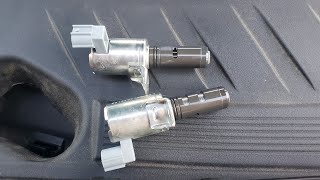
- The most likely part to have failed is the intake VCT solenoid on Bank 1, which can get stuck from oil debris.
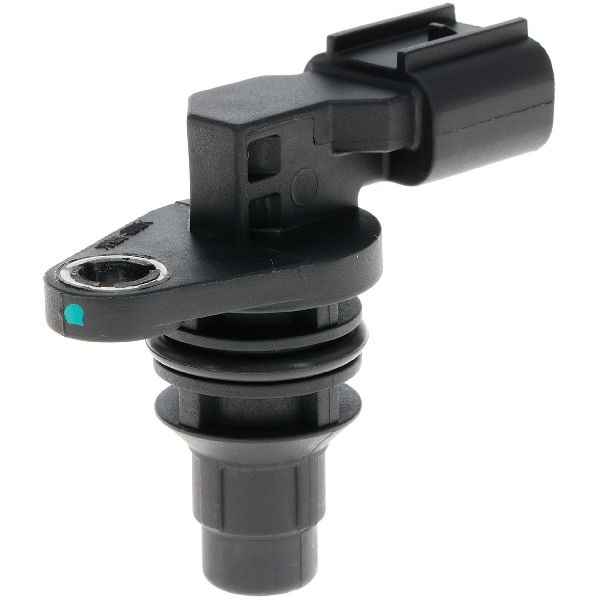
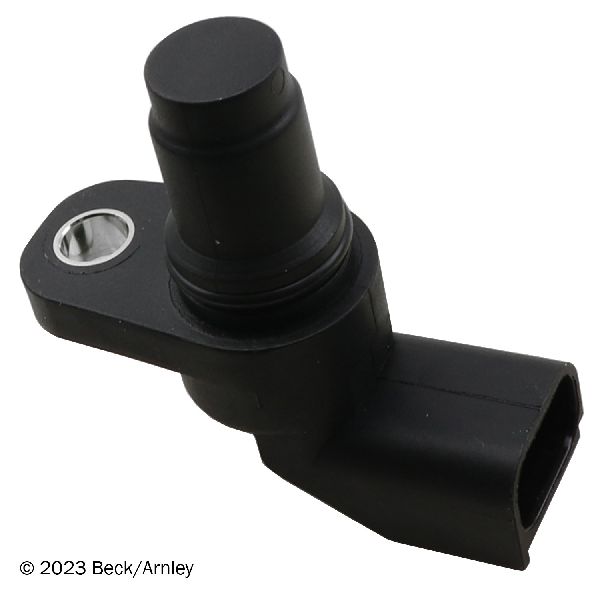
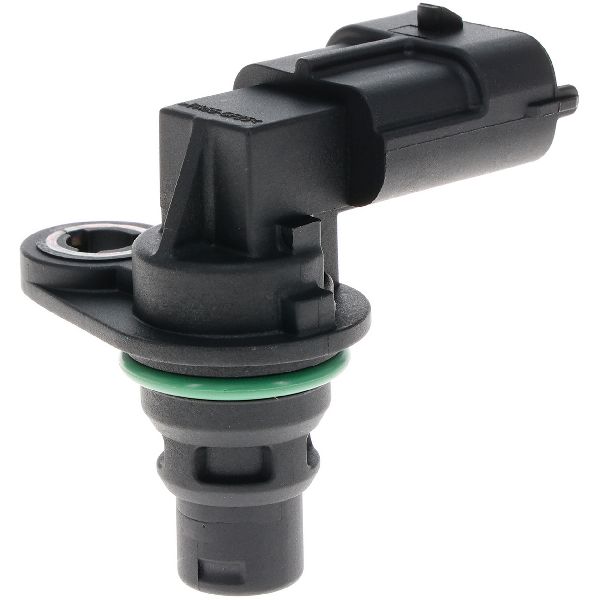
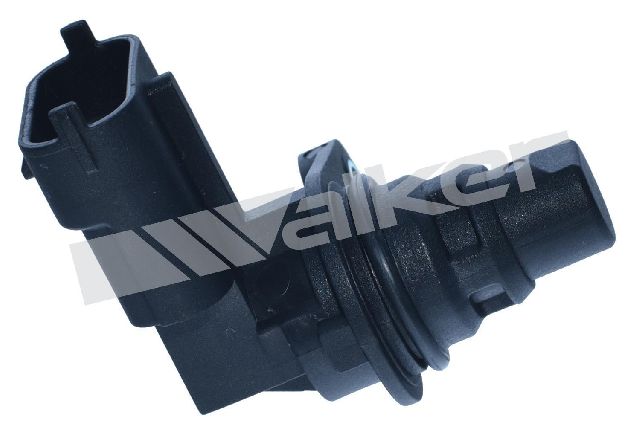
- Do not immediately replace the camshaft position sensor; it is almost never the cause of this specific code.
- If an oil change and a new VCT solenoid do not resolve the issue, the problem is likely more serious, involving the timing chain or camshaft phaser, which requires professional diagnosis.
What's Unique About the 2015-2019 Ford FUSION HYBRID
The 2.0L Atkinson-cycle engine in the Fusion Hybrid is designed for maximum fuel efficiency, and it relies heavily on the Variable Camshaft Timing (VCT) system to achieve this. A Ford Technical Service Bulletin (SSM 50067) specifically notes that on these engines, small debris in the oil can cause the VCT solenoid to stick, leading directly to codes like P0012. This makes regular, high-quality oil changes using the specified Motorcraft SAE 0W-20 Synthetic Blend oil especially critical for this vehicle.
Diagnostic Flowchart
Tap your situation to follow the diagnostic path that matches what you're seeing on this vehicle.
Symptoms You May Notice
- Check Engine Light is on
- Rough or unstable idle
- Reduced engine power and poor acceleration
- Decreased fuel economy
- Engine may hesitate or stall, especially at stops
- Hard starting
- Rattling or knocking noise from the engine, particularly on cold starts
- Replacing the camshaft position sensor. This sensor reports the position, but it rarely causes the timing to be incorrect. The code indicates a mechanical timing issue (the cam is not where it should be), not a sensor reading issue. A faulty sensor would typically set a different code, like P0340. 🎬 Watch: A breakdown of P0012 causes and common fixes.
Most Likely Causes
- Low, Dirty, or Incorrect Viscosity Engine Oil 🔴 High Probability The VCT system is hydraulically operated by engine oil. Low levels, incorrect viscosity, or oil contaminated with sludge or debris prevents the system from working correctly. The TSB for this vehicle directly links debris in oil to VCT solenoid failure. The specified oil is Motorcraft SAE 0W-20 Synthetic Blend.
How to confirm: Check the oil level on the dipstick and inspect the oil's color and consistency. If it's low, black, sludgy, or not the correct 0W-20 viscosity, it needs to be changed.
Typical fix: Perform an oil and filter change using Motorcraft SAE 0W-20 Synthetic Blend Motor Oil (Part No. XO-0W20-QSP) or an equivalent meeting Ford's WSS-M2C947-A specification. This simple step resolves the issue in a significant number of cases.
Est. part cost: $40-$80 - Failing VCT Solenoid 🔴 High Probability → Shop Engine Variable Valve Timing (VVT) Solenoid Ford issued TSB SSM 50067 indicating that small debris can cause the VCT solenoid to stick. This is a very common failure point for this code on Ford vehicles. The solenoid's internal screens can become clogged, restricting oil flow.
How to confirm: With a scan tool, command the solenoid on and off to see if it responds. You can also remove it and test its resistance with a multimeter (typically 6-12 ohms). Visually inspect the screens for debris. Ford's official procedure (Pinpoint Test HK12) involves cycling the solenoid 10 times with a diagnostic tool to try and clear debris before replacement.
Typical fix: Replace the Bank 1 intake VCT solenoid. It is highly recommended to also change the engine oil and filter at the same time.
Est. part cost: $30-$100 - Stretched Timing Chain or Worn Guides 🟡 Medium Probability → Shop Engine Timing Chain Over time, especially on higher mileage vehicles or those with poor oil change history, the timing chain can stretch. This creates slack and alters the base camshaft timing, which the VCT system may not be able to compensate for, triggering the code.
How to confirm: Listen for a rattling noise from the front of the engine, especially on a cold start. A definitive check requires removing the timing cover to inspect the chain and guides for slack or damage. A mechanic may also check cam/crank correlation with a scan tool.
Typical fix: Replace the timing chain, tensioners, and guides. This is a labor-intensive and expensive job.
Est. part cost: $200-$500 - Faulty Camshaft Phaser ⚪ Low Probability → Shop Engine Camshaft The phaser is the gear on the end of the camshaft that is physically moved by oil pressure from the VCT solenoid. It can become clogged with sludge, the internal locking pin can fail, or it can mechanically fail.
How to confirm: This is usually diagnosed after ruling out the oil and VCT solenoid. It may make a knocking or clicking noise. Confirmation requires engine disassembly and is often diagnosed alongside a stretched timing chain.
Typical fix: Replace the camshaft phaser for Bank 1. This is almost always done during a timing chain replacement job.
Est. part cost: $100-$250
Rare But Worth Checking
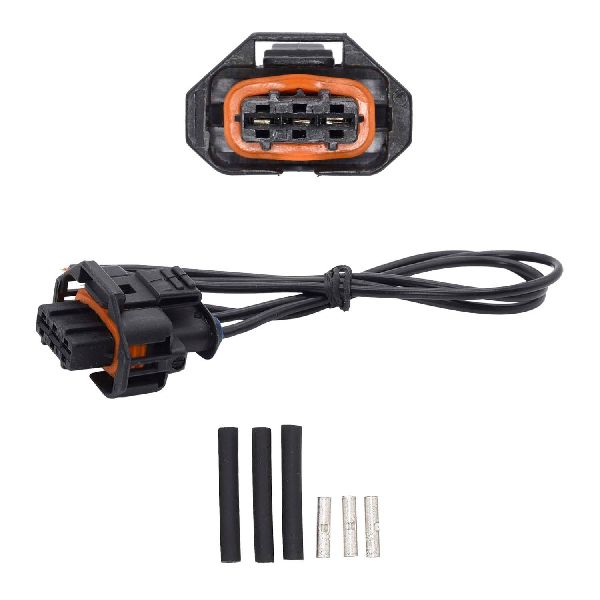
- Wiring to VCT Solenoid: → Shop Engine Variable Valve Timing (VVT) Solenoid A damaged wire or loose, corroded, or oil-contaminated connector to the VCT solenoid can mimic a failed solenoid. Always inspect the connector and wiring for damage or oil contamination before replacing parts.
- Faulty Powertrain Control Module (PCM): This is extremely rare. The PCM is the last item to suspect after all other mechanical and electrical causes have been ruled out by a professional. A PCM failure would likely present other codes and symptoms as well.
Diagnosis Steps
- Check the engine oil level and condition. Top off or perform an oil and filter change with the correct Motorcraft SAE 0W-20 Synthetic Blend oil if necessary. This resolves the issue a surprising amount of the time.
- Use an OBD-II scanner to confirm the P0012 code and check for any other related codes.
- Inspect the electrical connector and wiring for the Bank 1 intake VCT solenoid for any signs of damage, corrosion, or oil saturation.
- Using a capable scan tool, perform a VCT solenoid cycle test. Ford's official procedure (Pinpoint Test HK12, mentioned in TSB SSM 50067) cycles the solenoid multiple times to attempt to clear debris.
- If the test fails or is unavailable, remove the VCT solenoid. Inspect its screens for debris. Test the solenoid's resistance with a multimeter (should be 6-12 ohms) or by applying a 12V source to see if the internal plunger moves. 🎬 See how to test your VVT solenoid with a multimeter.
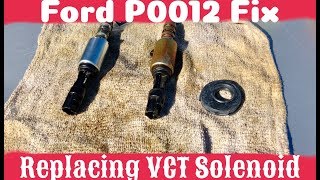
- If the solenoid is confirmed faulty or is heavily clogged, replace it with a new OEM part. 🎬 Watch: Step-by-step VVT solenoid replacement on a Ford Fusion.
- If the solenoid and oil are good, the next step is to suspect a mechanical timing issue. Listen for a rattling noise from the timing chain area on startup, which could indicate a stretched chain or bad tensioner.
- For a definitive mechanical diagnosis, the valve cover and/or timing cover may need to be removed to inspect the timing chain, guides, and camshaft phaser for wear or damage. This is best left to a professional.
Parts You'll Likely Need
- Intake Variable Camshaft Timing (VCT) Solenoid
(OEM #CJ5Z-6M280-A)— This part is the most common failure point for P0012, often sticking due to oil debris as noted in Ford's own service bulletins.
Trusted brands: Motorcraft, Dorman, Standard Motor Products
OEM price range: $29-$50
Aftermarket price range: $25-$60 - Engine Oil and Filter
(OEM #XO-0W20-QSP (Oil), FL-910-S (Filter))— Clean, correct-viscosity oil is required for the VCT system to function. Dirty, low, or incorrect oil is a primary cause of this code. The 2.0L Atkinson-Cycle engine specifies SAE 0W-20 Synthetic Blend oil.
Trusted brands: Motorcraft, Mobil 1, Castrol
OEM price range: $40-$80
Aftermarket price range: $35-$70
Related Codes That Often Appear With This One
- P0011 — This is the opposite code ('A' Camshaft Position Timing - Over-Advanced). It can appear if the VCT system is erratic or the solenoid is sticking intermittently.
- P0014 — This is a similar timing code but for the exhaust camshaft ('B' Camshaft). If both appear, it may point to a more systemic issue like low oil pressure or a timing chain problem affecting the entire VCT system.
- P0022 — This is the equivalent over-retarded code for Bank 2. On a 4-cylinder engine like the Fusion's, this code is not applicable as there is no Bank 2.
Technical Service Bulletins (TSBs) & Recalls
- SSM 50067: Some 2015-2021 Ford and Lincoln vehicles may exhibit an illuminated MIL with diagnostic trouble codes (DTC) P0011, P0012... This may be due to small debris causing the VCT solenoid to stick.
Platform-Specific Known Issues
- TSB SSM 50067: A Special Service Message from Ford notes that P0011, P0012, and other related VCT codes can be caused by small debris causing the VCT solenoid to stick. The recommended dealer procedure is to run a diagnostic test (Pinpoint Test HK12) that cycles the solenoid multiple times to clear the debris before replacing the part.
- Oil Viscosity Sensitivity: The 2.0L Atkinson-Cycle engine is specified to use Motorcraft SAE 0W-20 Synthetic Blend oil. Using a thicker oil can impede the VCT system's ability to respond quickly, potentially triggering over-retarded codes like P0012.
Mechanic-Grade Diagnostic Values
- VCT Solenoid Resistance — expected: 6 to 12 Ohms. Failure: A reading outside this range indicates a faulty solenoid coil.
- VCT Solenoid Connector Voltage (Key On, Engine Off) — expected: Approximately 12V (Battery Voltage). Failure: No voltage at the power supply pin indicates a wiring or fuse issue.
- Scan Tool PID: VCTADVERR (VCT Advance Error) — expected: Should be close to 0 degrees at idle in closed loop.. Failure: A consistent value greater than +/- 5 degrees indicates the camshaft is not reaching its commanded position.
- Scan Tool PID: VCTDC (VCT Duty Cycle) — expected: Should show similar percentage values for both banks (if applicable).. Failure: A significantly higher duty cycle on one bank suggests the PCM is trying to compensate for a sticking or slow-responding solenoid on that bank.
Scan Tool Commands That Help
- Ford IDS (Integrated Diagnostic System): Pinpoint Test HK12 — This is a Ford-specific bidirectional control function mentioned in TSB SSM 50067. It cycles the VCT solenoid 10 times to dislodge small debris. It should be performed before replacing a suspected sticking solenoid.
- Professional Scan Tool: VCT Solenoid On/Off Command — While the engine is idling, commanding the intake VCT solenoid ON should cause a noticeable change in idle quality (roughness) or may even stall the engine. If there is no change, the solenoid is likely stuck or failed electrically.
Wiring & Ground Locations
- Intake VCT Solenoid Connector — On the top of the engine, connected to the intake VCT solenoid.. Provides power and control to the solenoid. Pin 1 (often a blue/green wire) is the 12V power supply from the battery junction box, and Pin 2 is the ground-side control wire from the PCM. Testing here can quickly rule out wiring issues.
Real Owner Repair Stories
- Reddit user on r/AskAMechanic (2016 Ford Fusion 1.5L EcoBoost (similar VCT system)) — Check engine light with code P0012 immediately after purchasing the car.
✅ What actually fixed it The user found both the VVT solenoids and the engine oil were 'gunked up'. Replacing the VVT solenoids and performing an oil change resolved the code, which did not return after an hour of driving.
When the Usual Fixes Don't Work
- In some high-mileage or poorly maintained cases, the common fixes may not be enough. One owner of a Ford Fusion with P0012 and P0014 reported that replacing the intake VVT solenoid and the camshaft phaser (actuator) did not resolve the codes. This points to a deeper mechanical problem, with the next logical step being a more expensive and labor-intensive timing chain and tensioner replacement.
OEM Part Supersession History
CJ5Z-6M280-A→No supersession found.— This appears to be the current and correct part number for the specified vehicle range.
Model Year Variations Within This Range
- 2015-2019: Starting with the 2015 model year, Ford specified 0W-20 engine oil instead of the previous 5W-20 to reduce internal friction and improve efficiency. Using the correct, thinner oil is critical for proper VCT system response.
- 2017-2019: The 2017 model year refresh included powertrain software updates to improve drivability and refine the feel of the hybrid system. While not directly causing P0012, these calibrations may have different expectations for VCT system response compared to 2015-2016 models.
Helpful Videos
We Have This Part in Stock


The information in this article is provided for general reference and educational purposes only. Vehicle specifications, procedures, and part compatibility can vary by production date, trim level, and region. Always consult your vehicle's factory service manual and verify part numbers before purchasing or performing repairs. Safety-critical components such as airbags, seat belts, and braking systems should be installed by a qualified professional.
- Ford FUSION HYBRID:
- 🧭 Diagnostic Flowchart
- 🎬 Helpful Videos
- 🛍️ Shop This Part
- What's Unique About the 2015-2019 Ford FUSION HYBRID
- Symptoms You May Notice
- Most Likely Causes
- Rare But Worth Checking
- Diagnosis Steps
- Parts You'll Likely Need
- Related Codes That Often Appear With This One
- Technical Service Bulletins (TSBs) & Recalls
- Platform-Specific Known Issues
- Mechanic-Grade Diagnostic Values
- Scan Tool Commands That Help
- Wiring & Ground Locations
- Real Owner Repair Stories
- When the Usual Fixes Don't Work
- OEM Part Supersession History
- Model Year Variations Within This Range
- 🎟️ Get 5% Off