

P0012 on 2015-2021 Ford Mustang: 'A' Camshaft Position Timing Over-Retarded Causes and Fixes
On a 2015-2021 Ford Mustang, code P0012 is most often caused by a faulty Variable Camshaft Timing (VCT) solenoid or low/dirty engine oil. Replacing a VCT solenoid is a common DIY fix, with the part costing between $25 and $90. In many cases, an oil and filter change with the correct viscosity oil is the first and simplest step.
- P0012 on a 2015-2021 Mustang means the intake cam timing on Bank 1 is too slow or 'retarded'.
- The first and easiest step is to check your engine oil. Low or dirty oil is a very common cause.
- The most likely failed part is the VCT solenoid for the Bank 1 intake camshaft, which can get stuck due to debris. [SSM 48423]
- If you hear a rattling noise on startup along with this code, stop driving and have the timing chain system inspected immediately.
- Replacing the VCT solenoid is a manageable DIY job for many owners and is much cheaper than a camshaft phaser or timing chain service.
What's Unique About the 2015-2021 Ford MUSTANG

The 2015-2021 Ford Mustang, across its various engines (2.3L EcoBoost, 3.7L V6, 5.0L V8), uses a Variable Camshaft Timing (VCT) system that is highly sensitive to oil pressure and cleanliness. Ford has issued multiple Technical Service Bulletins (TSBs) acknowledging that P0012 and related codes can be caused by small debris clogging the VCT solenoids. [SSM 48423, SSM 47170] This makes regular oil changes with the manufacturer-specified viscosity (e.g., 5W-20 for many 5.0L V8s) critically important, as using thicker oil can impede flow to the VCT components and cause this code.
Diagnostic Flowchart

Tap your situation to follow the diagnostic path that matches what you're seeing on this vehicle.
Symptoms You May Notice

- Check Engine Light is on
- Rough or erratic idle
- Reduced engine power and acceleration
- Engine stalling, especially at low speeds, when coming to a stop, or during deceleration.
- Shuttering or jerking when accelerating from a complete stop.
- Decreased fuel economy
- Engine rattling noise, particularly on a cold start, which may point to a more serious timing chain or phaser issue.
- Replacing the camshaft position sensor. The code P0012 indicates a timing correlation problem (the cam is not where it's supposed to be), not a failure of the sensor's circuit itself. The sensor is often correctly reporting that the timing is wrong.
Most Likely Causes

- Low or Dirty Engine Oil 🔴 High Probability The VCT system is hydraulic and relies on clean oil at the correct pressure to function. Small oil passages in the solenoids can easily become clogged by sludge or debris from extended oil change intervals. Using an incorrect, thicker oil viscosity is also a known cause of this issue.
How to confirm: Check the engine oil level on the dipstick and inspect its color and consistency. If the oil is low, black, or the wrong viscosity, it is the likely cause.
Typical fix: Perform an engine oil and filter change using the manufacturer-specified oil viscosity (e.g., 5W-20 or 5W-30 depending on the engine) and a quality filter.
Est. part cost: $40-$80 - Failed Variable Camshaft Timing (VCT) Solenoid 🔴 High Probability → Shop Engine Camshaft Ford's TSBs (SSM 54366, SSM 48423) confirm that VCT solenoids on these engines can stick due to small debris, causing timing codes like P0012. This is a very common failure point discussed frequently by owners.
How to confirm: Use a scan tool to command the solenoid on and off to check for a response. You can also remove the solenoid and inspect it for debris or a stuck pintle. On V8 engines, swapping the Bank 1 intake solenoid with the Bank 2 intake solenoid and seeing if the code changes to P0022 is an effective diagnostic step.
Typical fix: Replace the Bank 1 intake VCT solenoid. It is often recommended to replace them in pairs (intake and exhaust) or as a full set of four on V8 engines.
Est. part cost: $25-$90 per solenoid - Failed Camshaft Phaser 🟡 Medium Probability → Shop Engine Camshaft The phaser is the mechanical gear that the solenoid controls. On the 5.0L Coyote V8, a rattling noise often called the 'Coyote Tick' can be a symptom of a failing phaser, which can lead to timing codes like P0012. This occurs when oil pressure is insufficient to hold the phaser in its commanded position.
How to confirm: This is typically diagnosed after confirming the oil and VCT solenoid are good. Diagnosis requires listening for specific rattling noises on throttle tip-in and may require removal of the valve cover for inspection.
Typical fix: Replace the camshaft phaser, which is a more involved and expensive repair requiring removal of the valve cover and timing components.
Est. part cost: $100-$300
Rare But Worth Checking
- Stretched Timing Chain or Failed Tensioner: → Shop Engine Timing Chain If the P0012 code is accompanied by a distinct rattling noise from the engine during a cold start that lasts for a few seconds, it could indicate a worn timing chain or failing tensioners. This should be addressed immediately to prevent severe engine damage.
- Wiring Harness Damage: Damage to the wires leading to the VCT solenoid can cause a loss of signal, preventing it from operating correctly. Check for frayed wires or loose connectors near the solenoid. In some cases, the entire engine wiring harness has been replaced to resolve persistent P0010/P0012 codes.
Diagnosis Steps
- Verify the engine oil level and condition. If low, dirty, or of the wrong viscosity, perform an oil and filter change with the correct grade of oil and clear the code to see if it returns.
- Connect an OBD-II scanner to confirm P0012 and check for any other related codes.
- Use the scanner's live data function to monitor the commanded vs. actual camshaft position for Bank 1. A significant lag or no change in the actual position when commanded indicates a problem.
- Inspect the wiring and connector for the Bank 1 intake VCT solenoid for any visible damage, corrosion, or oil contamination.
- Using a capable scan tool, perform the VCT solenoid cycle test (referenced as pinpoint test 'HK' in Ford TSBs) to attempt to clear any debris.
- Remove the Bank 1 intake VCT solenoid. Inspect the mesh screens for sludge or metallic debris. Clean with brake cleaner or replace as necessary.
- For 5.0L V8 engines, accessing the passenger side (Bank 1) solenoids requires removing the valve cover, which may also necessitate removing the High Pressure Fuel Pump (HPFP). 🎬 See this step-by-step VCT solenoid replacement on a 2018+ Mustang.
- If the issue persists after replacing the solenoid, the next step is to inspect the camshaft phaser for binding and the base engine timing components (chain, guides, tensioners) for wear or damage.
Parts You'll Likely Need
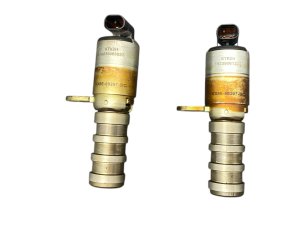
- Variable Camshaft Timing (VCT) Solenoid
(OEM #2.3L EcoBoost: CJ5Z-6M280-A. 3.7L V6: 7T4Z-6M280-C. 5.0L V8 (2018+): HL3Z-6M280-A.)— This is the most frequent point of failure for code P0012, often due to internal sticking or clogged oil screens, as documented by Ford TSBs. [SSM 48423]
Trusted brands: Motorcraft, Dorman, NTK
OEM price range: $50-$90
Aftermarket price range: $25-$60 - Engine Oil and Filter
(OEM #Motorcraft Filter (5.0L/2.3L): FL-500S. Motorcraft Filter (3.7L): FL-500S.)— Low, incorrect, or dirty oil is a primary cause of VCT system malfunctions.
Trusted brands: Motorcraft, Mobil 1, Castrol
OEM price range: $50-$90
Aftermarket price range: $40-$70
Related Codes That Often Appear With This One
- P0011 — This is the code for 'A' Camshaft Position Timing Over-Advanced (Bank 1). It relates to the same component but a different timing error.
- P0022 — This is the same 'Over-Retarded' code but for Bank 2 (driver's side). Seeing both codes together on a V8 engine could point to a systemic issue like oil pressure or quality.
- P0016 — Crankshaft/Camshaft Position Correlation. This code can appear with P0012, indicating a more significant timing discrepancy that could be a jumped timing chain.
- P0014, P0015, P0021, P0024, P0025 — These are all part of the same family of VCT-related trouble codes mentioned in Ford's TSBs, indicating widespread issues within the VCT system. [SSM 54366]
Technical Service Bulletins (TSBs) & Recalls
- SSM 54366: Notes that various VCT codes can be set and recommends a specific pinpoint test (HK) before parts replacement.
- SSM 48423: States that P0012 and other VCT codes may be due to small debris causing the VCT solenoid to stick. [NHTSA]
- SSM 47170: An earlier bulletin with the same guidance as SSM 48423, indicating a known issue with debris affecting VCT solenoids. [NHTSA]
Platform-Specific Known Issues
- TSB SSM 54366, SSM 48423, and SSM 47170 apply to 2015-2021 Mustangs and note that various VCT-related DTCs, including P0012, may be caused by small debris causing the VCT solenoid to stick. The bulletins recommend performing a pinpoint test (HK) to cycle the solenoid before replacement.
- On 5.0L Coyote V8s, P0012 can be related to the infamous 'Coyote Rattle' or 'Typewriter Tick', which is often caused by failing camshaft phasers unable to hold oil pressure at low RPMs.
- On 2.3L EcoBoost engines, while the VCT solenoid is a common cause, it's also important to rule out other known issues like carbon buildup on intake valves which can cause similar performance symptoms.
Mechanic-Grade Diagnostic Values
- VCT Solenoid Internal Resistance — expected: 5 to 15 Ω. Failure: A reading outside this range indicates a faulty solenoid coil.
- VCT Solenoid Voltage Supply (Key On) — expected: Battery Voltage (approx. 12V). Failure: No voltage indicates a problem with the power supply fuse or wiring from the PCM power relay.
Hidden / Shadow Codes Worth Checking
- Mode $06, TID $53: Represents misfire counts for individual cylinders. While not a direct cause of P0012, associated misfires can occur and this data helps pinpoint which cylinder is affected, even without a specific misfire code being set. (see via A capable OBD-II scanner that can access Mode $06 diagnostic data. The data is raw and may need conversion to be interpreted correctly.)
Scan Tool Commands That Help
- Ford IDS (Integrated Diagnostic System) or equivalent professional scan tool: Pinpoint Test HK: Variable Camshaft Timing (VCT) Solenoid Cycle — This is a Ford-recommended bidirectional test to run before replacing a VCT solenoid. It cycles the solenoid rapidly (e.g., 10 times) to dislodge small debris that may be causing it to stick, which can potentially resolve the P0012 code without parts replacement.
Wiring & Ground Locations
- Fuse F44 — In the under-hood fuse box (Battery Junction Box).. This fuse provides power to the VCT solenoids on the 2018 Mustang GT. A blown fuse will cut power to the solenoids, preventing them from operating.
- G104 — On the left front fender apron, typically located behind the battery.. This is a critical ground point that provides ground for the Data Link Connector (DLC) and can affect communication with the PCM. A poor ground here can cause various electrical issues.
- G201 — On the passenger side kick panel, near the PCM.. This is a primary ground for the Powertrain Control Module (PCM). A faulty PCM ground can lead to erratic sensor readings and incorrect command signals to components like the VCT solenoids.
Real Owner Repair Stories
- Mustang6G.com forum user (2018+ Mustang GT) — P0012, P0524 (Engine Oil Pressure Too Low), and an O2 sensor code.
❌ Tried (didn't work) Swapping the PCM harness with a known-good one did not resolve the issue.
✅ What actually fixed it The P0012 code was resolved by replacing a visibly damaged Bank 1 VCT solenoid. The O2 sensor code was fixed by finding and repairing a pushed-out pin in an O2 sensor extension harness. - S197Forum.com user (Ford Mustang (S197 generation, similar VCT system)) — P0012 code.
❌ Tried (didn't work) Initial diagnosis was uncertain between timing, cam sensor, or phaser.
✅ What actually fixed it The user swapped the VCT solenoids between Bank 1 and Bank 2. The trouble code moved with the solenoid (changing to P0022), confirming the solenoid was the faulty part. Replacing the bad solenoid fixed the problem.
OEM Part Supersession History
BR3Z-6M280-D→BR3Z-6M280-E— The updated -E revision features more substantial ribs and additional spot welds, suggesting a structural improvement to prevent failure.Unknown→HL3Z-6M280-A— This is the part number for the VCT solenoids used in the 2018+ Gen 3 Coyote engine, which has a different VCT system than earlier models.
Heads up: Solenoids for 2015-2017 models are not compatible with 2018+ models due to engine design changes.
Model Year Variations Within This Range
- 2018-2021: The 5.0L Coyote V8 was significantly updated for the 2018 model year (Gen 3). It added a direct injection fuel system, which placed additional load on the exhaust camshaft. This required a different exhaust phaser and VCT system with greater oil requirements compared to the 2015-2017 models (Gen 2). The cam sensors also changed from a variable reluctor type to a different design. These changes mean that VCT components, such as solenoids and phasers, are not interchangeable between 2015-2017 and 2018-2021 5.0L engines.
Helpful Videos
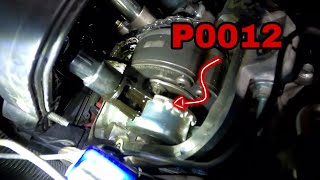
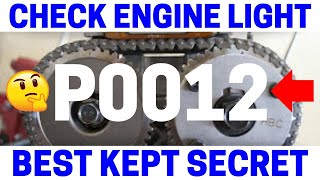
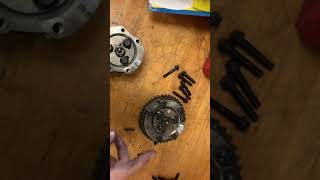
Used OEM Parts in Stock
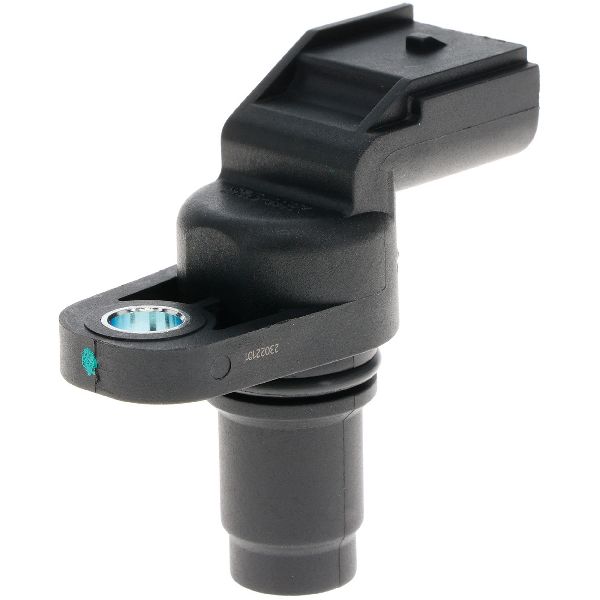
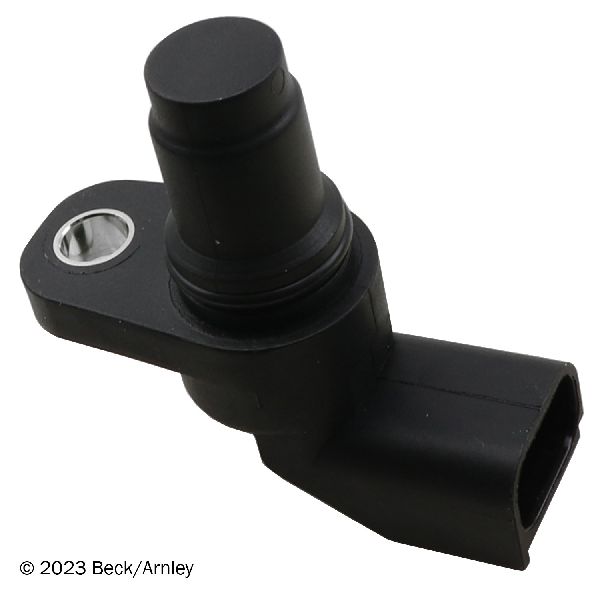
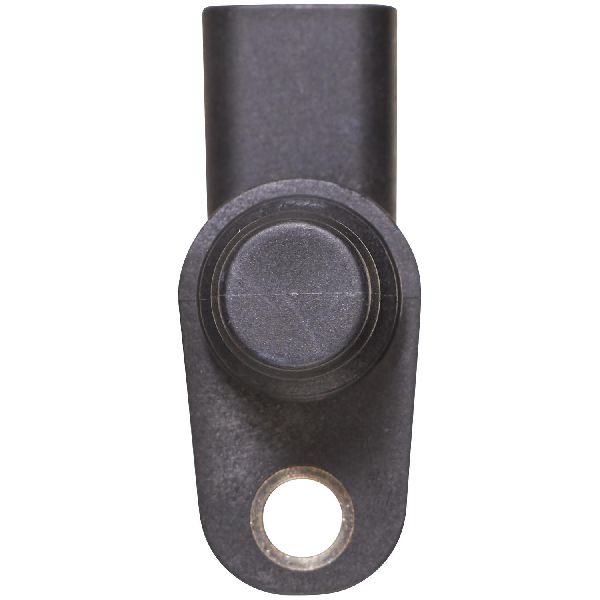
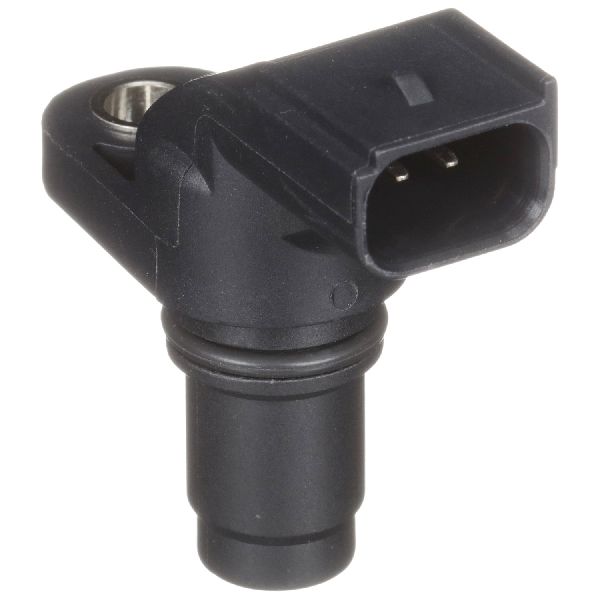
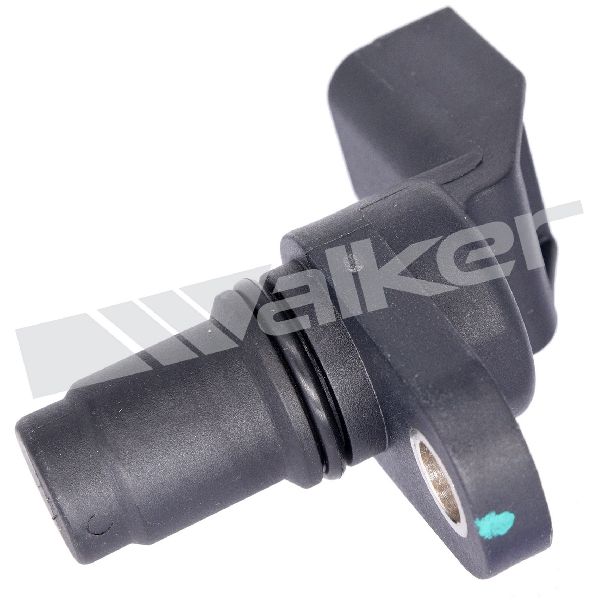
New Aftermarket Parts Available

The information in this article is provided for general reference and educational purposes only. Vehicle specifications, procedures, and part compatibility can vary by production date, trim level, and region. Always consult your vehicle's factory service manual and verify part numbers before purchasing or performing repairs. Safety-critical components such as airbags, seat belts, and braking systems should be installed by a qualified professional.
- Ford MUSTANG:
- 🧭 Diagnostic Flowchart
- 🎬 Helpful Videos
- 🛍️ Shop This Part
- What's Unique About the 2015-2021 Ford MUSTANG
- Symptoms You May Notice
- Most Likely Causes
- Rare But Worth Checking
- Diagnosis Steps
- Parts You'll Likely Need
- Related Codes That Often Appear With This One
- Technical Service Bulletins (TSBs) & Recalls
- Platform-Specific Known Issues
- Mechanic-Grade Diagnostic Values
- Hidden / Shadow Codes Worth Checking
- Scan Tool Commands That Help
- Wiring & Ground Locations
- Real Owner Repair Stories
- OEM Part Supersession History
- Model Year Variations Within This Range
- 🎟️ Get 5% Off