

P0012 on 2020-2024 Hyundai Palisade: Intake Cam Timing Over-Retarded Causes and Fixes
On a 2020-2024 Palisade, code P0012 is most often caused by low or dirty engine oil, a known issue with this GDI engine. Before buying parts, check your oil level and condition. If the oil is fine, the next most likely cause is a failed Bank 1 (firewall side) intake Oil Control Valve (OCV). This is a complex repair requiring intake manifold removal, so diagnosis is key.
- First and foremost, check your engine oil. Low or dirty oil is the #1 cause of P0012 on this engine.
- Bank 1 is the cylinder bank against the firewall. The code refers to the INTAKE camshaft solenoid on that bank.
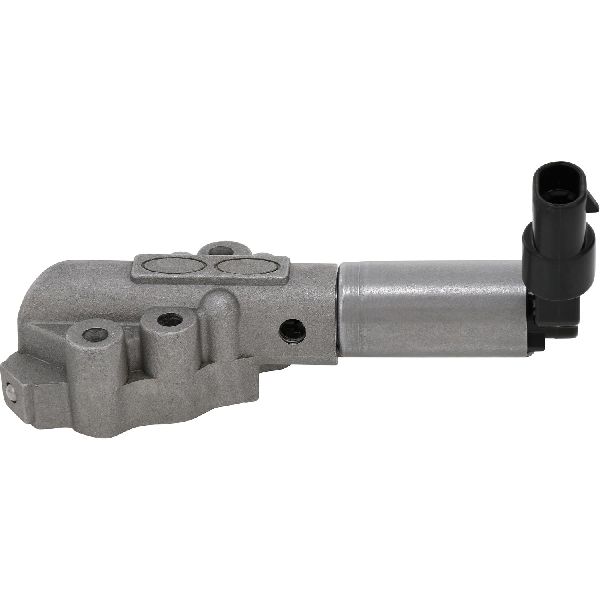
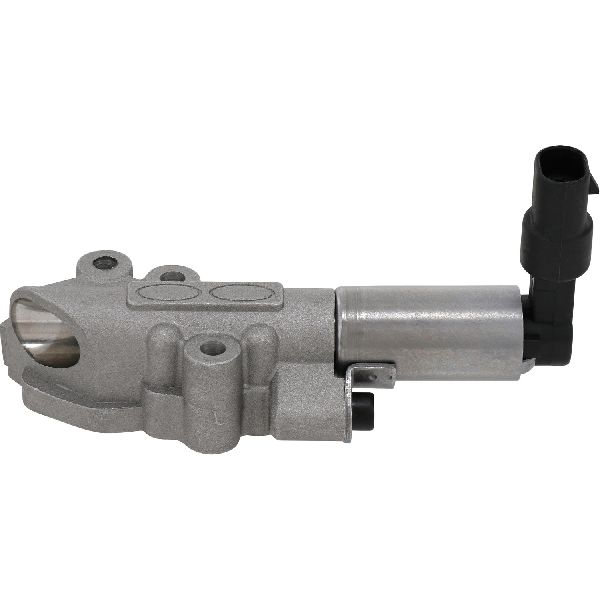
- The most likely failed part is the intake Oil Control Valve (OCV), OEM part number 24378-3L100.
- Be aware that replacing the intake OCV is a difficult job that requires removing the intake manifold, significantly increasing labor costs compared to an exhaust OCV.
- Due to potential oil consumption, it is critical to manually check your oil level between changes to prevent this and other oil-pressure-related codes.
What's Unique About the 2020-2024 Hyundai Palisade
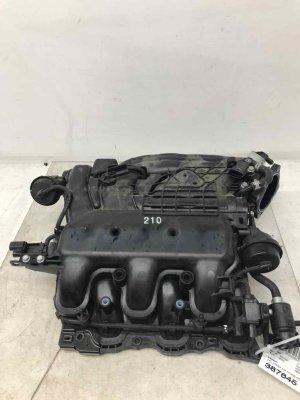
The Palisade's Lambda II 3.8L GDI engine, like many direct-injection engines, can be prone to oil consumption due to carbon buildup on piston rings and intake valves. Because the CVVT system is entirely dependent on clean oil and correct pressure, this makes P0012 a potential early warning for a low oil level, even between scheduled changes. Unlike many other vehicles where all VVT solenoids are easily accessible, on this engine the intake solenoids are located under the upper and lower intake manifolds, making replacement a significantly more labor-intensive job than the easily-accessed exhaust solenoids on the valve covers.
Symptoms You May Notice
- Check Engine Light is on
- Rough or unstable idle
- Reduced engine power and poor acceleration
- Decreased fuel economy
- Engine may hesitate or stall, especially when coming to a stop
- Rattling or ticking noise from the engine on startup (if related to timing chain or low oil pressure)
- Smell of burnt oil
- Replacing the Camshaft Position Sensor. While a sensor can fail, it is more likely to generate a specific sensor circuit code (e.g., P0340-P0344). P0012 is almost always a mechanical or hydraulic issue related to oil flow or timing components.
- Replacing the wrong Oil Control Valve. The code is for Bank 1 (firewall side) and the 'A' (intake) camshaft. The exhaust solenoids (easily accessible on top of the valve covers) and the Bank 2 intake solenoid are different parts in different locations.
Most Likely Causes
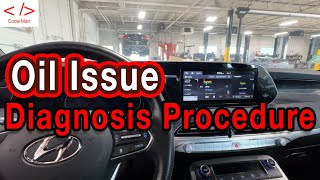
- Low or Dirty Engine Oil 🔴 High Probability The Lambda II 3.8L GDI engine is known for excessive oil consumption, with some owners reporting a loss of over a quart every 1,000 miles. 🎬 Watch: Understanding the dealership procedure for oil consumption issues. This can be due to carbon buildup on piston rings. The CVVT system uses oil pressure to adjust timing, and low or dirty oil is the most common reason for it to malfunction.
How to confirm: Check the engine oil dipstick when the engine is cold and on level ground. The oil level should be between the 'L' and 'F' marks. Note the color and consistency; if it is black, thick, or gritty, it is overdue for a change. Many owners report having to add oil between scheduled changes.
Typical fix: Perform an oil and filter change using a full synthetic 5W-30 oil that meets the manufacturer's specifications (API SN PLUS or newer). Ensure the correct oil level. Clear the code and monitor oil levels frequently (e.g., every 1,000 miles).
Est. part cost: $50-$100 - Failed Bank 1 Intake Oil Control Valve (OCV) / VVT Solenoid 🟡 Medium Probability → Shop Engine Variable Valve Timing (VVT) Solenoid The OCV is an electromechanical valve that can get stuck or clogged with sludge and debris from the engine oil, preventing it from properly directing oil flow to the camshaft phaser. Its location under the intake manifold makes it susceptible to heat and difficult to service.
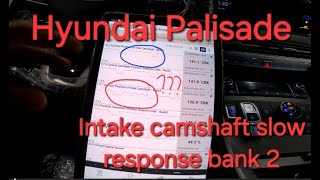
How to confirm: A reliable diagnostic step is to swap the Bank 1 (firewall side) intake OCV with the Bank 2 (radiator side) intake OCV. If the code changes to P0022 (Bank 2 Over-Retarded), the OCV is confirmed to be faulty. However, this is a labor-intensive test as it requires removing the upper and lower intake manifolds for access. A scan tool can also be used to command the solenoid and check for a response. 🎬 See how to diagnose intake camshaft response issues.
Typical fix: Replace the Bank 1 intake OCV. Due to the labor involved, it is often recommended to replace both intake OCVs (Bank 1 and Bank 2) at the same time. The upper and lower intake manifold gaskets must also be replaced. 🎬 Watch: Step-by-step guide to removing the intake manifold.
Est. part cost: $70-$110 for one OEM solenoid.
Rare But Worth Checking
- Stretched Timing Chain or Failed Tensioner: → Shop Engine Timing Chain While less common on a newer vehicle, a stretched chain or failing tensioner can cause the base timing to be incorrect, which the CVVT system cannot overcome, triggering the code. This is usually accompanied by a rattling noise on cold starts and would be a major repair.
- Failed Camshaft Phaser (CVVT Actuator): → Shop Engine Camshaft The mechanical actuator on the end of the camshaft can fail or become clogged internally, preventing it from rotating the camshaft as commanded. This is a more complex and expensive repair than the OCV solenoid.
- Faulty Engine Valve Spring (2024 models only): A specific batch of 2024 Palisades were recalled for defective valve springs (NHTSA Campaign 24V106000). While this typically causes more severe symptoms like power loss or engine failure, it represents a potential internal engine fault that could affect valvetrain operation and potentially trigger timing codes.
Diagnosis Steps
- Check Engine Oil: Verify the engine oil level is correct and the oil is clean. If low or dirty, perform an oil and filter change, clear the code, and see if it returns. This is the most common fix and a critical first step for this engine.
- Scan for Other Codes: Check for any other related DTCs, such as P0010 (OCV circuit fault) or misfire codes, which can help pinpoint the issue.
- Inspect OCV Wiring: Visually inspect the wiring harness and connector for the Bank 1 intake OCV for any signs of damage, corrosion, or oil contamination. This is difficult due to its location under the intake manifold.
- Test the OCV (Advanced): If you have access, a bi-directional scan tool can command the OCV to activate, allowing you to monitor the camshaft angle response (CMP Angle PID). Alternatively, you can remove the solenoid and apply 12V power to see if the internal plunger moves.
- Swap OCVs (Labor Intensive): The most definitive test is to swap the Bank 1 and Bank 2 intake OCVs. This requires removing the upper and lower intake manifolds. After swapping, clear the codes and drive the vehicle. If code P0022 appears, the original Bank 1 OCV is faulty and needs to be replaced.
- Inspect Timing System (Professional Recommended): If the OCV is confirmed to be good, the issue lies deeper in the mechanical timing system. This involves inspecting the timing chain for slack, checking the tensioners, and examining the camshaft phaser. This is a complex job best left to a professional.
Parts You'll Likely Need
- Intake Oil Control Valve (VVT Solenoid)
(OEM #24378-3L100)— This solenoid is the most common part to fail for this code after ruling out oil issues. It gets clogged or fails electrically, preventing proper timing adjustment.
Trusted brands: Hyundai (OEM), Standard Motor Products (SMP)
OEM price range: $70-$110
Aftermarket price range: $40-$80 - Upper Intake Manifold Gasket (Plenum Gasket)
(OEM #29215-3CFA1 (or 29215-3CFA0))— This must be replaced whenever the intake manifold is removed to access the intake OCVs. Reusing old gaskets will cause vacuum leaks.
Trusted brands: Hyundai (OEM), Fel-Pro, Mahle
OEM price range: $20-$40
Aftermarket price range: $10-$25 - Lower Intake Manifold Gasket
(OEM #28215-3CFA0)— This must be replaced whenever the lower intake manifold is removed. It seals the manifold to the cylinder heads.
Trusted brands: Hyundai (OEM), Fel-Pro, VR Gaskets
OEM price range: $15-$25
Aftermarket price range: $10-$20
Related Codes That Often Appear With This One
- P0010 — This code indicates an electrical circuit problem (open or short) in the Bank 1 intake OCV. If seen with P0012, it points directly to a failed OCV solenoid or a wiring/connector issue.
- P0300 — A random/multiple cylinder misfire code can be triggered as a secondary effect of the incorrect cam timing, which causes an unstable idle and inefficient combustion.
- P0022 — Intake Camshaft Position Timing - Over-Retarded (Bank 2). This code would appear after swapping a faulty Bank 1 intake OCV with the Bank 2 intake OCV, confirming the OCV is the source of the problem.
Technical Service Bulletins (TSBs) & Recalls
- TSB 23-EM-005H (NHTSA ID 10247189): Provides important checkpoint guidelines when performing engine oil and filter change services, highlighting the importance of correct oil level and procedure, which is critical for preventing codes like P0012.
Platform-Specific Known Issues
- Oil Consumption: The 3.8L GDI engine can consume significant amounts of oil between changes. Owners must check their oil level frequently (e.g., every 1,000 miles) as a low oil level is the primary trigger for code P0012. Some owners have required engine replacement under warranty after failed oil consumption tests.
- Intake OCV Accessibility: The intake Oil Control Valves are located under the upper and lower intake manifolds, making their replacement a 3-5 hour job, unlike the easily accessible exhaust OCVs on the top of the valve covers. This significantly increases repair cost and difficulty.
- Intake Valve Carbon Buildup: As a GDI engine, the intake valves are prone to carbon buildup over time, which can affect performance and potentially contribute to oil consumption issues. This is a known characteristic of the Lambda II GDI engine family.
Mechanic-Grade Diagnostic Values
- Intake Oil Control Valve (OCV) Coil Resistance — expected: 6.7 - 7.7 Ohms at 68°F (20°C). Failure: A reading of infinity (Open Loop) or near zero indicates a shorted or open coil in the solenoid.
- Scan Tool Live Data: CVVT Camshaft Position vs. Desired Position — expected: The 'Actual' and 'Desired' camshaft position angle values should closely match each other, especially as RPMs are raised from idle to 2500 RPM.. Failure: If the 'Actual' angle lags significantly behind the 'Desired' angle or does not change when commanded, it points to a hydraulic or mechanical fault (likely a stuck OCV or phaser).
Scan Tool Commands That Help
- Hyundai GDS (Global Diagnostic System): CVVT Actuator Test — This is a bidirectional control that commands the OCV to activate while the engine is running. It allows a technician to verify if the solenoid is mechanically responding to ECU commands, helping to quickly distinguish between a wiring/ECU issue and a faulty/clogged OCV.
Wiring & Ground Locations
- Bank 1 Intake OCV Connector — Underneath the upper and lower intake manifolds, on the cylinder head of the firewall-side bank (Bank 1). Access requires removing the intake plenum.. This is the electrical connector for the solenoid that directly controls the intake camshaft timing for Bank 1. Damage to this connector or its wiring would cause a loss of control, triggering P0012 or an electrical fault code like P0010.
Real Owner Repair Stories
- YouTube video from a technician (2022 Hyundai Palisade) — Check Engine Light with code P00C00, a manufacturer-specific code for 'Camshaft Position Slow Response Bank 2'. While a different code number, the fault ('slow response') is functionally identical to 'over-retarded' and the diagnostic process is the same.
❌ Tried (didn't work) The vehicle had a history of the same code, and the dealer had previously replaced the Bank 2 intake OCV, but the code returned.
✅ What actually fixed it The technician diagnosed that the brand new OCV installed by the dealer was faulty from the factory. Replacing the new, faulty OCV with another new OCV resolved the problem, confirming that even new parts can be defective.
OEM Part Supersession History
24378-3L100→No official supersession found, this part number appears current for the specified vehicle range.— N/A
Heads up: This part is specific to the intake side. The exhaust OCV is a different part number (24358-3L100).
Model Year Variations Within This Range
- 2023-2024: The Palisade received a cosmetic refresh for the 2023 model year, including new front/rear fascias and updated interior tech. However, the core powertrain, the 3.8L Lambda II V6 engine and 8-speed automatic transmission, remained unchanged from the 2020-2022 models. Therefore, the causes and fixes for P0012 are identical across the entire 2020-2024 range.
Diagnostic Flowchart
Other Known Issues on This Vehicle
Issues unrelated to this code that are worth knowing about as an owner of this generation:
- Excessive Wind/Whistling Noise 🟡 Low — Common on 2020-2021 models. Less frequent on later models after production changes. (Ref: TSB 21-01-003H / 19-BD-010H describe procedures to add foam padding and adjust seals to fix the noise.)
- Tow Hitch Wiring Harness Fire Risk 🔴 High — Affects 2020-2022 models equipped with an accessory tow hitch. A recall was issued for over 245,000 vehicles. (Ref: Recall 235 (NHTSA Campaign 22V633000). Debris and moisture can cause a short in the harness module, creating a fire risk even when parked. The fix involves a new fuse and wiring kit.)
- Noxious Interior Odor 🟡 Low — Primarily reported in 2020-2021 Limited and Calligraphy trims with Nappa leather headrests. (Ref: TSB 21-BD-002H. An odor described as garlic or old socks was traced to a manufacturing flaw in the headrests. The fix involves cleaning or replacing the headrests.)
- Excessive Oil Consumption 🔴 High — Reported across 2020-2022 model years, with onset often between 15,000 and 60,000 miles. Can lead to engine failure if not monitored. (Ref: No specific recall, but dealers follow a multi-step oil consumption test procedure. Some cases result in engine replacement under warranty.)
- Radiator Coolant Leak 🟠 Medium — Affects some 2020-2022 models, leading to slow coolant loss. (Ref: TSB 22-EM-003H (NHTSA ID 10213725) provides a procedure to inspect and replace the radiator if a leak is found.)
- Faulty Seat Belt Buckles 🔴 High — A recall was issued for over 568,000 2020-2025 Palisades for front and second-row seat belt pretensioners that could malfunction. (Ref: Recall pertains to the pretensioner potentially exploding during a crash, not unlatching. However, separate complaints exist about belts unlatching during use.)
Used vs. New Parts: Buying Guide for This Vehicle
When a used part is the smart pick: For this repair, using a used part is NOT recommended. The primary failure modes for the Oil Control Valve (OCV) are internal sludge buildup and electronic failure, both of which are risks with a used part of unknown history. Given the high labor cost to access this part, the savings on a used part do not justify the risk of premature failure.
Donor-vehicle mileage cap: roughly under 40000 miles for the part to have meaningful remaining life.
What to inspect on the donor part:
- If considering a used OCV against advice, ensure the screen is perfectly clean with no signs of sludge or debris.
- Test the resistance with a multimeter before purchase; it should be within the 6.7-7.7 Ohm range.
- Ensure the donor vehicle has a documented history of regular oil changes with synthetic oil.
OEM-only on this vehicle (don't cheap out):
- Oil Control Valve (OCV) / VVT Solenoid: While some aftermarket brands are reputable, the high labor cost of this job makes using an OEM part a safer investment to avoid repeat repairs. As seen in a documented case, even new parts can fail, but OEM parts generally have better quality control.
- Intake Manifold Gaskets: These are single-use items and are not expensive. Always use new OEM or high-quality aftermarket (e.g., Fel-Pro, Mahle) gaskets to prevent vacuum leaks.
Aftermarket brands forum-validated for this vehicle:
- Standard Motor Products (SMP)
Brands owners have reported issues with on this vehicle:
- No-name or unbranded solenoids from online marketplaces should be avoided due to inconsistent quality and the high labor cost if the part fails early.
Real Owner Stories
Aggregated from forums and TSBs cited above. Mileages and costs reflect what owners reported in those sources.
2020 Hyundai Palisade 3.8L GDI V6
Symptoms: Excessive oil consumption of approximately 1.5 quarts per 1,000 miles, leading to multiple dealer visits and gasket replacements.
What fixed it: Followed the official Hyundai diagnostic procedure involving multiple 1,000-mile oil consumption tests and injector cleanings.
Source hint: YouTube - 'Our 2020 Hyundai Palisade is Still Leaking Oil | Process & Procedure Update' by CoderMan
2020-2022 Hyundai Palisade 3.8L GDI V6
Symptoms: Significant oil consumption ranging from 1 to 2.5 quarts every 1,000 miles.
What fixed it: Engine replacement under warranty after failing the dealer's oil consumption tests.
Source hint: Reddit r/HyundaiPalisade - Thread 'Oil consumption Hyundai palisade'
Related OBD-II Codes
Frequently Asked Questions
Is there a specific TSB for oil changes on the 2020-2024 Hyundai Palisade to prevent P0012?
How much oil does the 3.8L GDI engine typically consume according to owner reports?
Why is the labor cost so high to replace the Bank 1 Intake OCV on my Palisade?
What is the official Hyundai procedure for diagnosing the oil consumption that causes this code?
Can I swap parts to confirm if the Bank 1 solenoid is actually bad?
What type of oil should I use in my 2020-2024 Palisade to avoid CVVT issues?
Helpful Videos

Used OEM Parts in Stock
New Aftermarket Parts Available

The information in this article is provided for general reference and educational purposes only. Vehicle specifications, procedures, and part compatibility can vary by production date, trim level, and region. Always consult your vehicle's factory service manual and verify part numbers before purchasing or performing repairs. Safety-critical components such as airbags, seat belts, and braking systems should be installed by a qualified professional.
- Hyundai Palisade:
- 🧭 Diagnostic Flowchart
- 🎬 Helpful Videos
- 🛍️ Shop This Part
- What's Unique About the 2020-2024 Hyundai Palisade
- Symptoms You May Notice
- Most Likely Causes
- Rare But Worth Checking
- Diagnosis Steps
- Parts You'll Likely Need
- Related Codes That Often Appear With This One
- Technical Service Bulletins (TSBs) & Recalls
- Platform-Specific Known Issues
- Mechanic-Grade Diagnostic Values
- Scan Tool Commands That Help
- Wiring & Ground Locations
- Real Owner Repair Stories
- OEM Part Supersession History
- Model Year Variations Within This Range
- Other Known Issues on This Vehicle
- Used vs. New Parts: Buying Guide for This Vehicle
- Real Owner Stories
- 2020 Hyundai Palisade 3.8L GDI V6
- 2020-2022 Hyundai Palisade 3.8L GDI V6
- Related OBD-II Codes
- Frequently Asked Questions
- 🎟️ Get 5% Off