

P0012 on 2018-2023 Kia Stinger 3.3T: Camshaft Timing Over-Retarded Causes and Fixes
On a 2018-2023 Kia Stinger 3.3T, P0012 is almost always caused by low or dirty engine oil. Before buying any parts, check your oil. If an oil change doesn't fix it, the next most likely cause is a failed passenger-side intake Oil Control Valve (OCV), which costs about $60-$90 for an OEM part. This is a common issue also seen on its platform-mate, the Genesis G70 3.3T.
- First, check your engine oil. Low, old, or incorrect oil is the #1 cause of P0012 on the Stinger 3.3T.
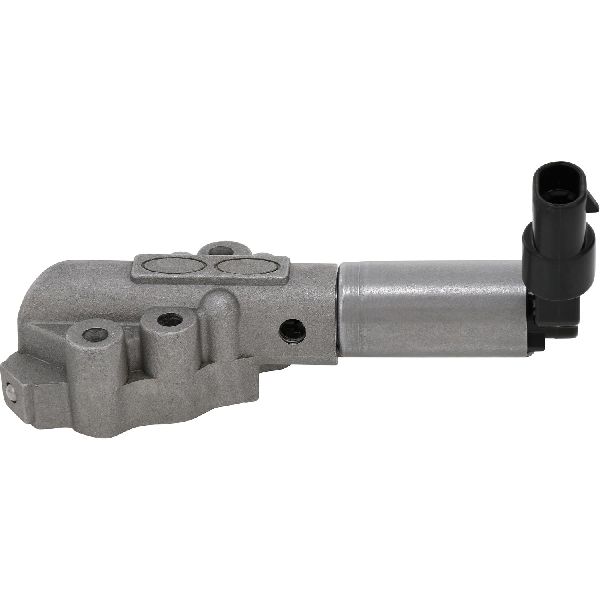
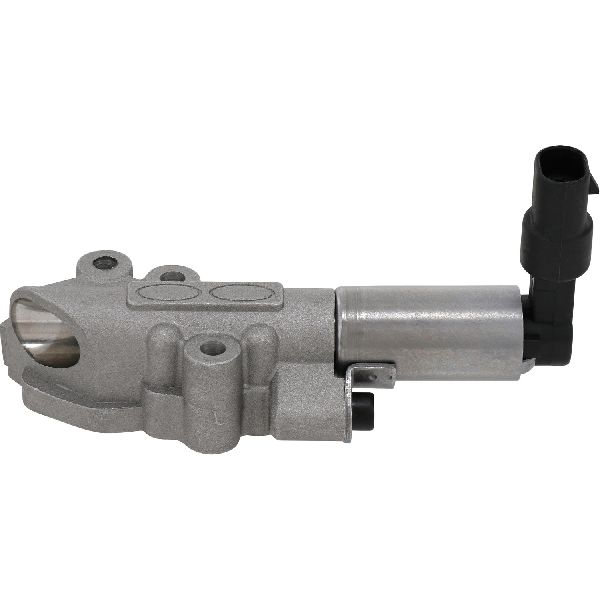
- The most likely failed part is the Bank 1 (passenger side) intake Oil Control Valve (OCV), OEM part number 24355-3L100.
- Use a genuine OEM oil filter; aftermarket filters are a known cause of this code.
- A simple, free diagnostic is to swap the passenger-side and driver-side intake OCVs to see if the code moves to the other bank (P0022).
- This issue is shared with the Genesis G70 3.3T, which uses the same engine and parts.
What's Unique About the 2018-2023 Kia Stinger
The Lambda II 3.3T engine in the Stinger is generally robust, and unlike some platforms where timing codes can signal a stretched timing chain, P0012 on this vehicle almost always traces back to oil maintenance. The CVVT system is highly sensitive to oil level, cleanliness, and pressure. A key vehicle-specific issue is a safety recall for a leaking turbocharger oil feed pipe (Recall SC300), which can cause significant oil loss and directly trigger this code by starving the CVVT system of oil. Forum discussions frequently highlight the importance of using a genuine OEM oil filter, as some aftermarket filters with faulty anti-drainback valves have been reported to cause this code on cold starts.
Symptoms You May Notice
- Check Engine Light is on
- Rough idle, sometimes leading to stalling
- Poor or hesitant acceleration
- Decreased fuel economy
- Hard starting
- Rattling noise from the engine area on startup
- Replacing the camshaft position sensor before checking the oil or testing the Oil Control Valve (OCV).
- Assuming a stretched timing chain without first performing the simple OCV swap diagnostic.
- Using a cheap aftermarket oil filter, which can itself cause oil pressure issues and trigger the code.
Most Likely Causes
- Low, Dirty, or Incorrect Viscosity Engine Oil 🔴 High Probability The CVVT system is operated by oil pressure and has very small passages that can be easily affected by low levels, sludge from old oil, or the wrong oil type. The Lambda II 3.3T engine is known to be sensitive to oil condition, and a full synthetic 5W-30 oil is recommended.
How to confirm: Physically check the oil dipstick for the correct level and inspect the oil's color and consistency. If it's dark, gritty, or below the 'low' mark, it needs to be changed. This is the first and most important diagnostic step.
Typical fix: Perform an oil and filter change using a high-quality full-synthetic 5W-30 oil and a genuine Kia/Hyundai oil filter. Using a quality OEM filter is critical, as some aftermarket filters have been linked to this code.
Est. part cost: $40-$120 - Failed Bank 1 Intake Oil Control Valve (OCV) 🟡 Medium Probability → Shop Engine Variable Valve Timing (VVT) Solenoid This solenoid is the most common mechanical part to fail for this code. It can get stuck or clogged with oil sludge, preventing it from properly directing oil to the camshaft phaser. Forum consensus confirms this is the go-to fix after an oil change fails to resolve the issue.
How to confirm: Swap the Bank 1 (passenger side) intake OCV with the Bank 2 (driver side) intake OCV. They are identical and accessible. Clear the codes and drive the vehicle. If the code returns as P0022 (the Bank 2 equivalent), the OCV is confirmed to be faulty. You can also test the resistance with a multimeter, which should be between 6.9 and 7.9 ohms.
Typical fix: Replace the faulty Oil Control Valve. The OEM part number is 24355-3L100. It is located on the front of the passenger-side valve cover, held by a single bolt.
Est. part cost: $30-$90
Rare But Worth Checking
- Stretched Timing Chain: → Shop Engine Timing Chain While not common on this platform, significant mileage and poor maintenance history can lead to chain stretch. This is a much more expensive repair and should only be considered after ruling out oil issues and the OCV. A rattling noise on cold starts is a key symptom.
- Failed Camshaft Phaser (CVVT Actuator): → Shop Engine Camshaft The mechanical gear on the end of the camshaft can fail, but this is rare. It's usually diagnosed only after all other simpler causes have been eliminated. A continuous rattling noise from the valve cover area can be an indicator.
- Faulty Camshaft Position Sensor: → Shop Engine Camshaft Position Sensor It's possible for the sensor itself to fail, but it's less common than an OCV failure for this specific code. Swapping the sensor with the one from the other bank can be a diagnostic step after the OCV swap proves inconclusive.
- Clogged Oil Passages: Severe oil sludging from neglected oil changes can clog the small oil passages leading to the CVVT phasers and OCVs. This would typically require significant engine disassembly to clean and is a worst-case scenario resulting from poor maintenance.
Diagnosis Steps
- Check Engine Oil: Verify the oil level is full and the oil is clean. If low or dirty, perform an oil and filter change using full synthetic 5W-30 oil and a genuine OEM filter. Clear the code and see if it returns. This is the most common fix.
- Scan for Other Codes: Check if any other codes are present that could provide more clues, such as P0524 (low oil pressure).
- Inspect Wiring: Visually inspect the wiring harness and connector for the Bank 1 (passenger side) intake OCV and camshaft position sensor for any damage, corrosion, or oil contamination.
- Swap Oil Control Valves: Swap the intake OCV from Bank 1 (passenger) with the intake OCV from Bank 2 (driver). They are identical parts. Clear the codes and drive. If the fault code changes to P0022, the OCV you moved is bad and needs to be replaced.
- Test OCV (Optional): If you have a multimeter, you can check the resistance of the OCV. It should be between 6.9-7.9 ohms at room temperature. You can also carefully apply 12V to see if the solenoid clicks, but the swap test is more definitive.
- Swap Camshaft Position Sensors: If the OCV swap does not move the code, you can perform the same swap test with the camshaft position sensors to rule them out. If P0012 moves to the other bank, the sensor is bad.
- Mechanical Timing: If all else fails, the issue may be mechanical (timing chain, phaser, clogged oil passages). This step usually requires professional diagnosis and involves checking for timing chain slack or using a scan tool to monitor camshaft deviation angles.
Parts You'll Likely Need
- Intake Oil Control Valve (OCV) / VVT Solenoid
(OEM #24355-3L100)— This solenoid is the most common mechanical part to fail, usually by getting stuck or clogged with oil sludge. It is also referred to as a 'Center Bolt Assembly, In'.
Trusted brands: Hyundai / Kia Genuine
OEM price range: $60-$90
Aftermarket price range: $30-$60 - Engine Oil and Filter
(OEM #26320-3LTA0)— Low, dirty, or incorrect viscosity oil is the number one cause of P0012 on this engine. An oil change is the first and most important repair step.
Trusted brands: Kia/Hyundai Genuine, Pennzoil Platinum Full Synthetic 5W-30, Mobil 1 Full Synthetic 5W-30
OEM price range: $70-$120
Aftermarket price range: $40-$90
Related Codes That Often Appear With This One
- P0022 — This is the equivalent code for Bank 2 (driver's side). It will appear if the faulty OCV from Bank 1 is swapped to Bank 2 for diagnosis.
- P0300 — A random misfire code can be triggered by the rough idle and unstable engine operation caused by incorrect camshaft timing.
- P0524 — This code for 'Engine Oil Pressure Too Low' directly points to a root cause of P0012. If you see this code, it confirms the issue is related to oil starvation, possibly from a leak (like the recalled turbo oil feed line) or a failing oil pump.
- P0011 — This is the 'over-advanced' code for the same camshaft (Bank 1 Intake). Seeing P0011 and P0012 intermittently could point to a very erratic OCV or severe oil sludge causing unpredictable cam movement.
Technical Service Bulletins (TSBs) & Recalls
- Recall SC300 / NHTSA 24V-191: Addresses a leaking turbocharger oil feed pipe which can cause low oil levels, a primary trigger for P0012.
- NHTSA ID: #10143480 / VSC166_TSB: A voluntary service campaign for 2018 Sunset Yellow (S7Y) models regarding paint adhesion issues. This is unrelated to the P0012 code but is a known platform issue.
- TSB ENG222 / NHTSA #10206642: Addresses excessive oil consumption on some Kia engines, which
Platform-Specific Known Issues
- Recall SC300 (NHTSA ID: 24V-191) was issued for a left-hand (driver side) turbocharger oil feed pipe that may leak. A significant oil leak can cause the overall engine oil level to drop, leading to low oil pressure that triggers P0012 on Bank 1.
- Owner Experience: Aftermarket Oil Filter Induced P0012: → Shop Engine Oil Filter Adapter A forum user reported that a cheap, aftermarket oil filter with a faulty anti-drainback valve caused a P0012 code at cold idle. The issue was resolved by switching to a high-quality OEM filter, highlighting the system's sensitivity to proper oil pressure from the moment of startup.
- Owner Experience: Faulty New Aftermarket OCV: One owner on a Stinger forum reported that a P0012 code appeared immediately after installing a brand new aftermarket (Beck/Arnley) OCV. This suggests potential quality control issues with non-OEM solenoids and reinforces the recommendation to use genuine Hyundai/Kia parts for this repair.
Mechanic-Grade Diagnostic Values
- Oil Control Valve (OCV) Coil Resistance — expected: 6.9 - 7.9 Ohms at 68°F (20°C). Failure: A reading of infinity (open circuit), near-zero (short circuit), or outside the specified range.
- Camshaft Position Sensor (CMP) Connector Voltage (Key On, Engine Off) — expected: Pin 1 (Power): ~5V, Pin 2 (Ground): Continuity to chassis ground, Pin 3 (Signal): ~5V.. Failure: Absence of voltage on the power or signal pins, or a lack of ground continuity, points to a wiring or ECM issue.
- CVVT Camshaft Angle Correlation (Live Scan Tool Data) — expected: Less than 5 degrees of difference between 'Target Camshaft Position' and 'Actual Camshaft Position'.. Failure: A consistent difference greater than 5 degrees, especially when revving the engine, indicates the phaser is not responding correctly.
- OCV Connector Voltage (Key On, Engine Off) — expected: ~12V (Battery Voltage) on the power supply pin.. Failure: No voltage suggests a break in the wiring, a blown fuse, or an issue with the power supply from the engine main relay.
Scan Tool Commands That Help
- Kia GDS (Global Diagnostic System) or equivalent: CVVT System Test / Actuation Test — This bidirectional command actively cycles the OCV solenoid, allowing a technician to observe live data (cam angle) to see if the phaser responds. It's used to confirm if the OCV and phaser are mechanically capable of moving, helping to isolate a stuck component from a wiring or ECM command issue.
- Kia GDS (Global Diagnostic System) or equivalent: Reset Adaptations / Reset CVVT Learned Value — This function should be used after replacing an OCV, cam phaser, or sensor. It clears the old adaptive values stored in the ECM, forcing the system to re-learn the response characteristics of the new part, which can prevent the code from returning due to the ECM using outdated data.
Wiring & Ground Locations
- Bank 1 Intake OCV Connector — The electrical connector is visible on the front of the passenger-side valve cover.. This is the primary connector to test for resistance (6.9-7.9 Ohms) to verify the OCV's electrical integrity. Oil contamination from a leaking gasket or corrosion on the pins can mimic a failed OCV.
- Engine Ground Strap (e.g., 91860-J5010) — Main ground strap connecting the engine block to the chassis frame rail.. A loose, corroded, or broken main engine ground can cause erratic voltage and incorrect readings from multiple sensors, including the Camshaft Position Sensor. This can lead to a false P0012 code that is difficult to trace, as the sensor and OCV may test as good.
Real Owner Repair Stories
- Go-Parts analysis citing forum user (Kia Stinger 3.3T (year not specified)) — Check Engine Light with P0012 appeared immediately after installing a new OCV.
❌ Tried (didn't work) Replacing the original OCV with a new aftermarket part.
✅ What actually fixed it The problem was caused by a faulty new aftermarket (Beck/Arnley) OCV. Replacing the new aftermarket part with a genuine Kia OEM OCV resolved the code. - Go-Parts analysis citing forum user (2018 Kia Stinger GT 3.3T) — Check engine light appeared; P0012 code triggered at cold idle.
❌ Tried (didn't work) Using a cheap aftermarket oil filter.
✅ What actually fixed it Replacing the cheap aftermarket oil filter with a high-quality OEM filter resolved the code, as the aftermarket filter's anti-drainback valve was likely faulty.
Diagnostic Flowchart
Other Known Issues on This Vehicle
Issues unrelated to this code that are worth knowing about as an owner of this generation:
- Leaking Left Turbocharger Oil Feed Pipe 🔴 High — Common enough to trigger a safety recall across all model years. (Ref: Recall SC300 / NHTSA 24V-191)
- Premature Brake Rotor Warping / Vibration 🟡 Low — A very common complaint, especially on 2018-2020 models, often appearing within 20,000-30,000 miles.
- High-Pressure Fuel Pump (HPFP) Failure 🔴 High — Affects 2018-2021 models, can cause sudden loss of power. Less common than brake issues but more severe. (Ref: Recall 22V702 / Kia SC251)
- Failing Oil Pressure Sensor/Switch 🟠 Medium — Reported by owners to fail around 75,000+ miles, causing a flickering oil light at idle.
- Rattling Noises (Trunk/Tailgate) 🟡 Low — Common complaint on earlier models, often addressed by adjusting tailgate bumpers. (Ref: SA322 (for 2018 models))
- Paint Chipping/Flaking (Sunset Yellow) 🟡 Low — Specific to the 'Sunset Yellow' color on 2018 models due to a paint formulation issue. (Ref: VSC SC166)
- Carbon Buildup on Intake Valves 🟠 Medium — An inherent issue with all Gasoline Direct Injection (GDI) engines, including the Lambda II 3.3T. Becomes more prominent at higher mileage (60,000+ miles) and can cause reduced performance if not cleaned.
Used vs. New Parts: Buying Guide for This Vehicle
When a used part is the smart pick: For this repair, using a used part is generally not recommended. The primary failure parts are the Oil Control Valve (OCV) and the oil filter, both of which are relatively inexpensive to buy new from the OEM.
Donor-vehicle mileage cap: roughly under 50000 miles for the part to have meaningful remaining life.
What to inspect on the donor part:
- If considering a used OCV, ensure the screen is perfectly clean with no signs of sludge or debris.
- Verify the part number (24355-3L100) matches exactly.
- Test the resistance with a multimeter before installation; it should be between 6.9 and 7.9 ohms.
OEM-only on this vehicle (don't cheap out):
- Oil Control Valve (OCV) - Aftermarket versions have been reported to be faulty out of the box, causing the code to persist.
- Oil Filter - Aftermarket filters with incorrect anti-drainback valve specifications are a known cause of this code on cold starts.
Brands owners have reported issues with on this vehicle:
- Beck/Arnley (for the Oil Control Valve, based on a specific owner report of a faulty new part).
Real Owner Stories
Aggregated from forums and TSBs cited above. Mileages and costs reflect what owners reported in those sources.
2018-2023 Kia Stinger 3.3T GDi V6
Symptoms: P0012 code occurred specifically at cold idle.
What fixed it: Switching from a cheap aftermarket oil filter with a faulty anti-drainback valve to a high-quality OEM filter.
Source hint: vehicle_specific_issues: Owner Experience: Aftermarket Oil Filter Induced P0012
2018-2023 Kia Stinger 3.3T GDi V6
Symptoms: P0012 code appeared immediately after a repair attempt using a brand new aftermarket part.
What fixed it: Replacing the faulty new aftermarket (Beck/Arnley) OCV with a genuine Hyundai/Kia part.
Source hint: vehicle_specific_issues: Owner Experience: Faulty New Aftermarket OCV
2018-2020 Kia Stinger 3.3T GDi V6 — ~75000 miles
Symptoms: Flickering oil light at idle.
What fixed it: Replacing the failing oil pressure sensor/switch.
Source hint: known_issues: Failing Oil Pressure Sensor/Switch
Related OBD-II Codes
Frequently Asked Questions
Could the Recall SC300 for the turbo oil feed pipe be causing my P0012 code?
Which side of the engine is Bank 1 on the Kia Stinger 3.3T?
What specific oil and filter should I use to prevent CVVT issues like P0012?
Is there a specific part number for the Oil Control Valve (OCV) if I need to replace it?
Can I test the OCV myself before buying a new one?
Does the Genesis G70 share this same P0012 issue?
Helpful Videos
![How to Fix KIA P0012 Engine Code in 4 Minutes [2 DIY Methods / Only $6.86]](https://img.youtube.com/vi/yd2mhCc16c0/mqdefault.jpg)
We Have This Part in Stock

The information in this article is provided for general reference and educational purposes only. Vehicle specifications, procedures, and part compatibility can vary by production date, trim level, and region. Always consult your vehicle's factory service manual and verify part numbers before purchasing or performing repairs. Safety-critical components such as airbags, seat belts, and braking systems should be installed by a qualified professional.
- Kia Stinger:
- 🧭 Diagnostic Flowchart
- 🎬 Helpful Videos
- 🛍️ Shop This Part
- What's Unique About the 2018-2023 Kia Stinger
- Symptoms You May Notice
- Most Likely Causes
- Rare But Worth Checking
- Diagnosis Steps
- Parts You'll Likely Need
- Related Codes That Often Appear With This One
- Technical Service Bulletins (TSBs) & Recalls
- Platform-Specific Known Issues
- Mechanic-Grade Diagnostic Values
- Scan Tool Commands That Help
- Wiring & Ground Locations
- Real Owner Repair Stories
- Other Known Issues on This Vehicle
- Used vs. New Parts: Buying Guide for This Vehicle
- Real Owner Stories
- 2018-2023 Kia Stinger 3.3T GDi V6
- 2018-2023 Kia Stinger 3.3T GDi V6
- 2018-2020 Kia Stinger 3.3T GDi V6 — ~75000 miles
- Related OBD-II Codes
- Frequently Asked Questions
- 🎟️ Get 5% Off