

P0012 on 2007-2012 Mazda CX-7 2.3L Turbo: Over-Retarded Camshaft Timing Causes & Fixes
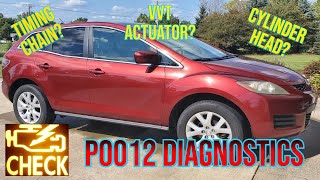
On the 2007-2012 Mazda CX-7 2.3L Turbo, code P0012 is almost always caused by a stretched timing chain and/or a failed VVT actuator. This is a major, labor-intensive repair costing between $1,500 and $2,500. Do not ignore rattling noises from the engine, as failure can lead to catastrophic engine damage.
- P0012 on a 2007-2012 Mazda CX-7 2.3L Turbo is a serious code that strongly indicates a failure of the timing chain and/or VVT actuator.
- Listen carefully for a rattling noise when the engine is warm or a loud ticking/grinding noise on cold starts. These are tell-tale signs of this specific issue.
- This is not a DIY-friendly repair. It is complex, requires special tools, and mistakes can destroy the engine. Budget for a professional repair costing $1500-$2500.
- Do not simply replace the VVT solenoid and hope for the best; it's rarely the root cause on this engine. The entire timing system (chain, guides, tensioner, VVT actuator) should be replaced as a set.
- To prevent future issues, use only high-quality full-synthetic oil and adhere to a strict 5,000-mile or 6-month oil change interval.
What's Unique About the 2007-2012 Mazda CX-7
The 2.3L MZR DISI Turbo engine in the Mazda CX-7 is notoriously prone to premature timing chain stretching and VVT (Variable Valve Timing) actuator failure. These components are known weak points, to the extent that Mazda issued a warranty extension program (SSP 87) for these specific issues on 2007-2010 models. Unlike many other vehicles where P0012 might point to a simple solenoid or oil issue, on this specific Mazda, the code is a strong indicator of a more serious mechanical timing problem that requires immediate attention to prevent catastrophic engine failure.
Symptoms You May Notice
- Check Engine Light is on, with code P0012 stored.
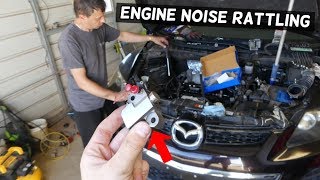
- Rattling or knocking noise from the passenger side of the engine, especially when warm and below 2,000 RPM. This is a classic sign of a stretched timing chain. 🎬 Watch: Hear the difference between timing chain rattle and VVT clatter.
- Loud ticking, grinding, or 'diesel-like' clatter on cold starts that may last for a few seconds. This points directly to a failing VVT actuator lock pin.
- Rough or unstable idle, sometimes leading to stalling.
- Sluggish acceleration and poor engine response, a feeling of being 'down on power'.
- Noticeable decrease in fuel economy.
- In some cases, the engine may go into limp mode, limiting RPMs.
- Replacing only the VVT Solenoid (OCV). While the solenoid can fail, it is often wrongly blamed when the root cause is the stretched chain or failed VVT actuator. Many owners replace the solenoid only to have the P0012 code return.
- Replacing the camshaft or crankshaft position sensors. These sensors are reliable and will typically set their own specific fault codes (like P0016) if they fail. Replacing them for an isolated P0012 code is rarely the solution.
Most Likely Causes
- Stretched Timing Chain 🔴 High Probability → Shop Engine Timing Chain The original timing chains on the 2.3L MZR DISI Turbo engine were prone to premature stretching. This was a well-documented issue leading to Mazda issuing TSB 01-012/12 and a warranty extension (SSP 87).
How to confirm: Listen for a distinct rattling noise from the passenger side of the engine (where the timing cover is), especially when the engine is warm and idling. A mechanic can also remove the valve cover to physically check chain slack or measure chain deflection.
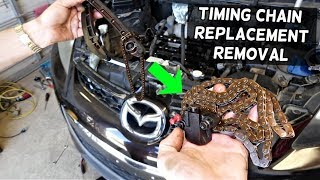
Typical fix: Replace the timing chain, tensioner, and all guides. This is typically done as a complete kit. The VVT actuator is almost always replaced at the same time as a best practice.
Est. part cost: $250-$500 for a full kit - Failed VVT Actuator (Cam Phaser) 🔴 High Probability The VVT actuator is another known failure point. The internal lock pin can wear or break, preventing it from holding the camshaft at the correct base timing position on startup or responding correctly to oil pressure changes. Breakage of the VVT case itself has also been noted.
How to confirm: A loud ticking or grinding noise on a cold start is the classic symptom. In some cases, the actuator can be physically broken, which can be seen with the valve cover removed. Diagnosis often requires replacing it along with the timing chain, as it's a common point of failure.
Typical fix: Replace the VVT actuator. This part is located on the end of the intake camshaft and is replaced during a timing chain service. It is strongly recommended to use an OEM Mazda part.
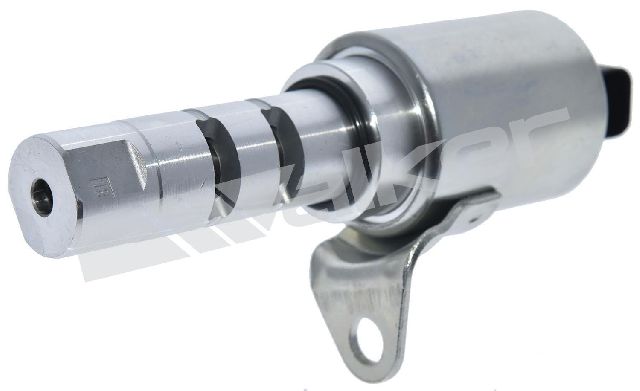
Est. part cost: $200-$350 - Failed or Clogged VVT Solenoid (Oil Control Valve - OCV) 🟡 Medium Probability The 2.3L turbo engine runs hot and can create oil sludge if oil changes are not frequent using high-quality synthetic oil. This sludge can clog the fine mesh screens on the VVT solenoid, preventing it from properly directing oil pressure to the VVT actuator.
How to confirm: Remove the solenoid from the top of the valve cover. Inspect its screens for sludge or debris. The solenoid can also be tested by applying 12v power to see if the internal plunger moves. However, many owners report that a solenoid can test good but still fail under load.
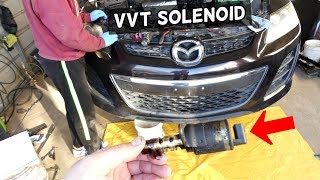
Typical fix: Clean or, more reliably, replace the VVT solenoid. This is a relatively easy and inexpensive part to access and is often the first troubleshooting step. 🎬 See how to easily remove and replace the VVT solenoid.
Est. part cost: $50-$120 - Low or Dirty Engine Oil / Incorrect Oil Viscosity ⚪ Low Probability The entire VVT system is dependent on clean oil at the correct pressure and viscosity. Mazda's SSP 87 explicitly notes that the warranty extension does not apply if the problem is caused by poor vehicle maintenance, such as using oil with a viscosity lower than 5W-30. Neglecting oil changes leads to sludge and accelerated wear on all timing components.
How to confirm: Check the oil level and condition on the dipstick. If the oil is low, black, or thick, it's a likely contributor to the problem. An oil change is a mandatory first step.
Typical fix: Change the engine oil and filter using a high-quality, full-synthetic 5W-30 oil. This is a critical first step but is unlikely to fix a P0012 code if mechanical wear has already occurred.
Est. part cost: $50-$90
Rare But Worth Checking
- Worn Intake Camshaft Bearing/Journal: → Shop Engine Camshaft Even with a new chain, actuator, and solenoid, if the camshaft journals are worn, oil pressure intended for the VVT actuator can leak out, especially when the oil is hot and thin. This causes a loss of pressure at the actuator, preventing it from advancing timing correctly and leading to a persistent P0012 code. This is a notorious issue for those who have replaced all other timing components but still have the code. Diagnosis can be done by monitoring 'Actual Valve Timing' with a scan tool like Forscan; if the value stays near 0-1 degrees regardless of RPM, it indicates a lack of oil pressure at the VVT. The fix may require camshaft replacement or even cylinder head replacement.
Diagnosis Steps
- Check engine oil level and condition. Top off or change if necessary with full-synthetic 5W-30 oil.
- Listen for engine noises. A rattle when warm points to the chain; a loud tick/grind when cold points to the VVT actuator.
- Scan the PCM for any other related trouble codes, such as P0016 or P0300.
- Remove and inspect the VVT solenoid (Oil Control Valve) on the valve cover for sludge or debris on the screens. Test its operation with a 12v source.
- If the code persists, use a scan tool (like Forscan) to monitor live data for 'Actual Valve Timing'. If it remains near 0 degrees at various RPMs, suspect a mechanical or oil pressure issue.
- If the above steps do not resolve the issue, the next step is a major mechanical inspection. This involves removing the valve cover and timing cover to inspect the timing chain for excessive slack and inspect the VVT actuator for damage.
- During the timing job, it is critical to also inspect the camshaft journals and cam caps for scoring or wear that could cause oil pressure loss. This is a common reason for P0012 to return after a full timing job. 🎬 Watch: How to diagnose and fix worn camshaft journals.
Parts You'll Likely Need
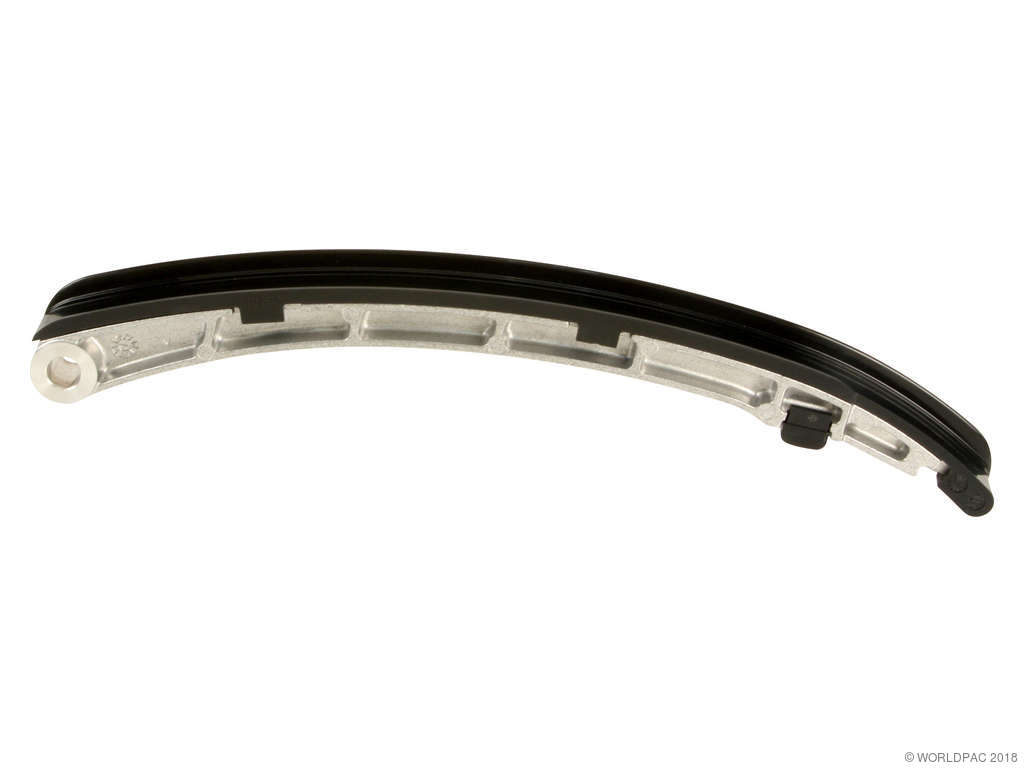
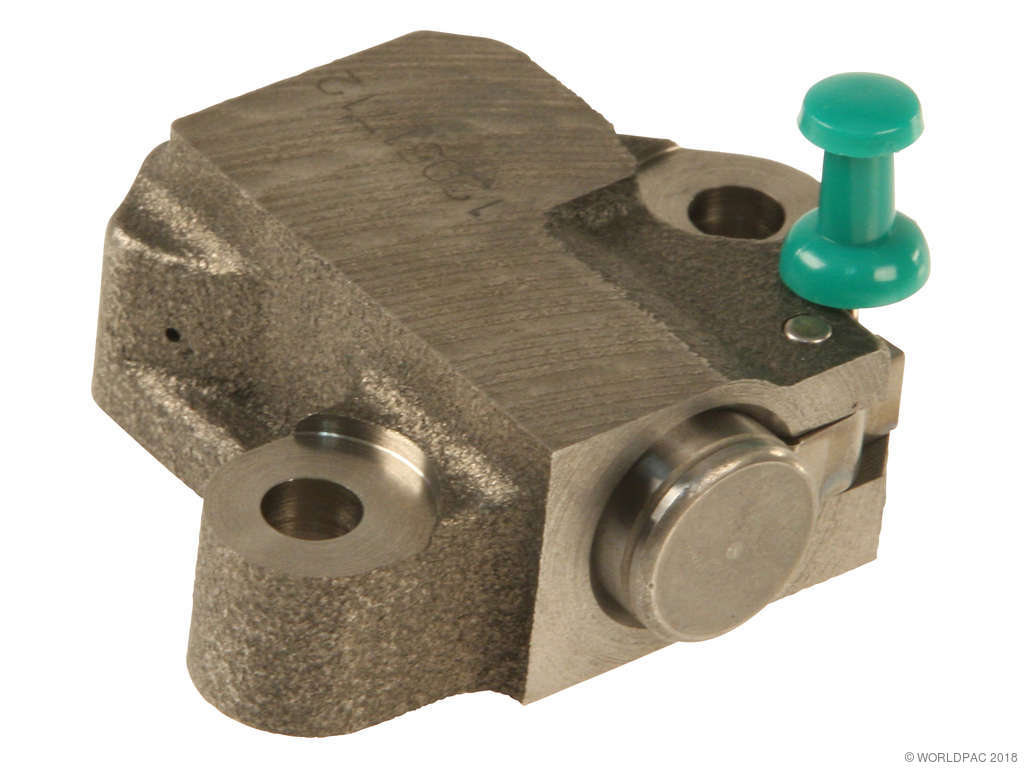
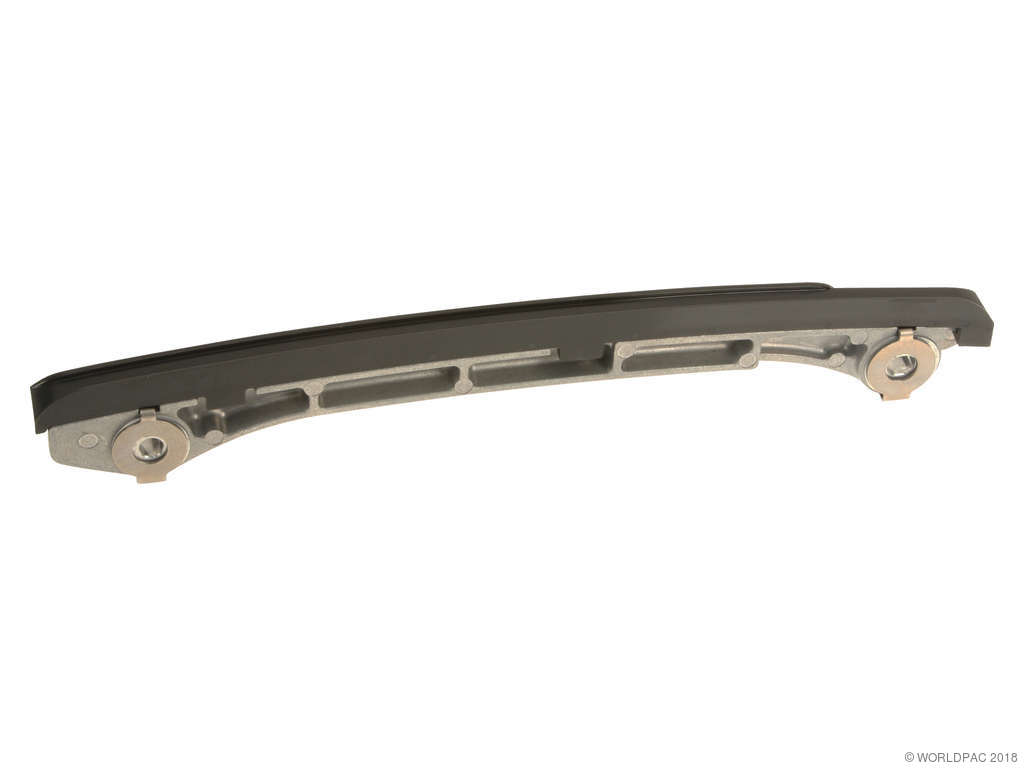
- Timing Chain Kit
(OEM #L3K9-12-201A)— This is the primary failure point. A complete kit should be used, including the chain, tensioner, and all plastic guides. Aftermarket kits are available, but OEM is often recommended for longevity.
Trusted brands: Mazda OE, Cloyes
OEM price range: $200-$300
Aftermarket price range: $150-$250 - VVT Actuator (Intake Camshaft Sprocket)
(OEM #L3K9-12-4X0C (supersedes L3K9-12-4X0B and L3K9-12-4X0A))— This is the second primary failure point and is always recommended to be replaced during a timing chain service on this engine. Using a genuine Mazda part is highly recommended by owners.
Trusted brands: Mazda OE, Febi, Blue Print
OEM price range: $250-$350
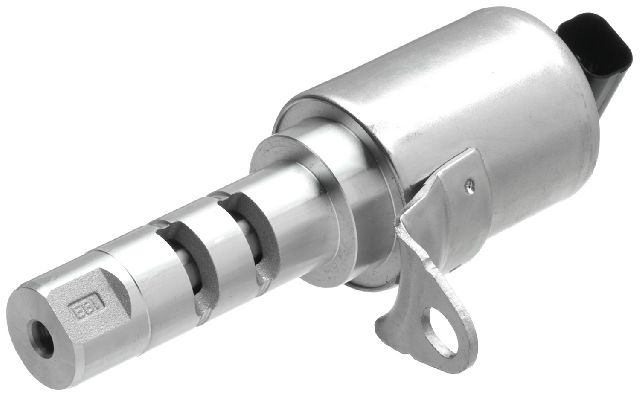
Aftermarket price range: $150-$250 - VVT Solenoid / Oil Control Valve (OCV)
(OEM #L3K9-14-420A)— Often replaced as a preventative measure or if it's found to be clogged. It's an inexpensive part to replace while servicing the timing system and is a common first diagnostic step.
Trusted brands: Mazda OE, Dorman, NTK
OEM price range: $80-$120
Aftermarket price range: $40-$70
Related Codes That Often Appear With This One
- P0011 — Intake Camshaft Position Timing - Over-Advanced. This can occur if the VVT system is malfunctioning erratically, though it's less common than P0012 for this specific failure mode.
- P0016 — Crankshaft Position - Camshaft Position Correlation. This code directly indicates a timing discrepancy between the crank and cam, often appearing alongside P0012 when the timing chain has stretched or jumped a tooth.
- P0300 — Random Misfire. An incorrect camshaft timing can lead to poor combustion, causing misfires across multiple cylinders.
Technical Service Bulletins (TSBs) & Recalls
- SSP 87: Mazda Special Service Program extending the warranty to 7 years or 70,000 miles for VVT and timing chain noise on 2007-2010 CX-7, 2007-2010 Mazdaspeed3, and 2006-2007 Mazdaspeed6. It details the specific symptoms (cold start tick, warm rattle) associated with the failures.
- 01-012/12: A technical service bulletin that supersedes earlier versions and provides the detailed repair procedure for addressing VVT and timing chain noise on the 2.3L Turbo engine. It includes a diagnostic flowchart and part information.
- TSB Bulletin #01-021-19-3649: Notes that some customers may experience the Check Engine light on with DTC P0012:00 (Electric variable valve timing control system: Over-retarded) stored in PCM memory.
- TSB Bulletin #01-014-19-3618: Describes instances where the check engine light illuminates with DTC P0012:00 stored, specifically identifying the Electric variable valve timing control system as over-retarded.
- TSB Bulletin #01-007-15-3025A: Documents that vehicles may experience a Check Engine light with DTCs P0011:00 and/or P0012:00 stored in memory regarding the electric variable valve timing control system.
- TSB Bulletin #SA-033-25: States that a malfunction in the intake EVVT motor may prevent it from accurately regulating the intake camshaft, causing a Check Engine light with DTC P0012, P0011, and possibly P0010.
Platform-Specific Known Issues
- Mazda issued Special Service Program (SSP) 87, extending the warranty to 7 years or 70,000 miles for VVT and timing chain noise on certain 2007-2010 models due to the high failure rate.
- The engine is known to be harsh on engine oil, leading to sludge buildup if oil changes are neglected or incorrect oil is used. This directly impacts the hydraulically-operated VVT system.
- Due to the high tension on the timing chain from the high-pressure fuel pump lobe on the exhaust camshaft, wear on the timing components can be accelerated compared to non-direct-injection engines.
Mechanic-Grade Diagnostic Values
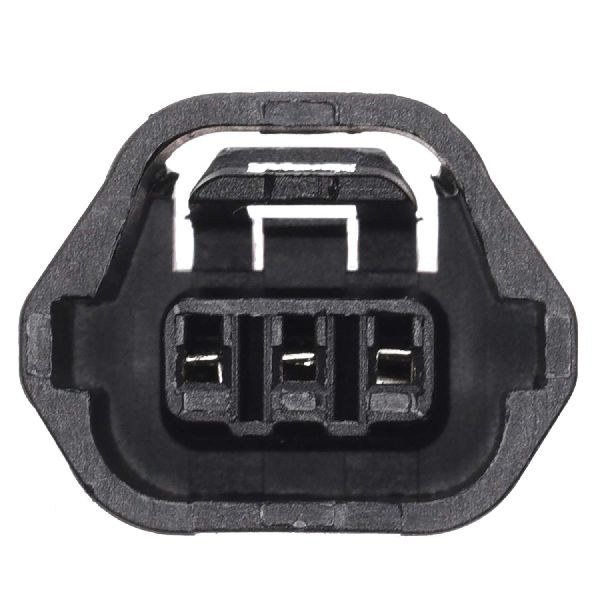
- VVT Solenoid (OCV) Coil Resistance — expected: 6.9 - 7.9 Ohms (per Mazda service info). Failure: A reading outside this range, or a wildly fluctuating reading, indicates a faulty solenoid. Infinite resistance (OL) means an open coil; very low resistance (under 2 ohms) indicates a short.
- VVT Solenoid (OCV) Harness Voltage — expected: Battery voltage (~12V) with key on, engine off.. Failure: No voltage suggests a wiring issue, blown fuse, or PCM driver problem.
- PCM Code Trigger Condition — expected: Actual valve timing should closely match target valve timing.. Failure: The P0012 code is set when the actual valve timing is over-retarded by 5 degrees or more from the target for at least 5 seconds.
Scan Tool Commands That Help
- Mazda IDS / Forscan: VVT Actuator Duty Cycle Command / Camshaft Timing Advance Test — After verifying oil pressure and solenoid integrity, a technician can use a scan tool to command the VVT system to advance. The tool then monitors the 'Actual Valve Timing' PID. If the timing angle does not change as commanded, it confirms a mechanical or hydraulic blockage/failure at the VVT actuator itself.
Wiring & Ground Locations
- PCM (Powertrain Control Module) — Located in the left rear corner of the engine compartment.. The PCM is the source of the command signal to the VVT solenoid. A corroded connector or damaged wiring at the PCM can disrupt this signal.
- G4 Ground Point — Located at the right front corner of the engine compartment.. A poor engine ground can cause a variety of sensor and actuator issues, including erratic behavior from the VVT system's electronic components.
- G10 Ground Point — Located under the left side of the dashboard.. This is a key chassis ground. While less likely to be the primary cause, a poor ground here can contribute to overall electrical system instability.
Real Owner Repair Stories
- Blue Glove Mechanic YouTube Channel / Mazda Forum posts (2009 Mazda CX-7 2.3L Turbo) — P0012 code appeared after a major engine service that included a new cylinder head, head gasket, and timing chain.
❌ Tried (didn't work) Re-timing the engine to ensure it was correct., Replacing the VVT solenoid (OCV).
✅ What actually fixed it The P0012 was caused by oil pressure leaking from between the intake camshaft and the cam cap that holds the VVT solenoid. The fix was to remove the cam cap and lightly sand its mating surface on a flat plate to ensure it was perfectly flush, restoring the seal and proper oil pressure to the VVT actuator. - Reddit user on r/MechanicAdvice (2010 Mazda CX-7 GT 2.3L Turbo, 76k miles) — P0012 code persisted after a full engine rebuild and new turbo.
❌ Tried (didn't work) Replacing the timing kit (twice, once with an OEM Mazda kit)., Replacing the VVT solenoid (OCV) with an OEM part., Replacing the crankshaft position sensor.
✅ What actually fixed it The thread did not have a final resolution from the original poster, but the discussion correctly pointed out that with all primary components replaced, the issue was almost certainly an oil pressure problem, likely from clogged passages or worn surfaces (like cam journals) in the rebuilt engine. - Reddit user on r/mazda (2011 Mazda CX-7) — Persistent P0012 code after extensive timing work.
❌ Tried (didn't work) Replacing the VVT actuator., Replacing the timing chains., Replacing the camshaft position sensor., Replacing the cam phaser sprocket.
✅ What actually fixed it The user was still diagnosing, but a commenter pointed to the exact same root cause as the first story: oil leaking from the cam cap that feeds the VVT phaser, preventing it from actuating properly. This reinforces it as a common, but often missed, failure pattern.
"I Checked Everything" — The Actual Cause
- For this specific code, the equivalent of a 'smoke test clean' scenario is when a technician completes a full timing job (new chain, tensioner, guides, VVT actuator, and VVT solenoid) but the P0012 code returns. The assumption is that the problem must be elsewhere. The actual cause, in many documented cases, is a loss of oil pressure at the intake camshaft journal. The VVT system is hydraulically operated, and if the oil intended to actuate the phaser leaks out between the camshaft and its worn journal/cap, the new VVT actuator cannot function, causing the timing to remain retarded and the code to reappear.
OEM Part Supersession History
L3K9-12-4X0A, L3K9-12-4X0B→L3K9-12-4X0C— Revisions to improve the durability and reliability of the VVT actuator's internal locking pin and overall construction, which were prone to failure.
Heads up: While physically interchangeable, it is critical to use the latest revision (L3K9-12-4X0C) for any repair to prevent premature failure.
Model Year Variations Within This Range
- 2007-2010: These model years were covered by Mazda's Special Service Program (SSP 87), which extended the warranty for failures of the VVT actuator and timing chain. Vehicles produced after February 2010 were not included in this specific warranty extension.
- 2010-2012: Starting in 2010, a naturally aspirated 2.5L four-cylinder engine became available as the base engine. The P0012 issues, specifically the VVT and timing chain failures, are almost exclusively associated with the 2.3L MZR DISI Turbo engine, which was still available in 's' trims.
Diagnostic Flowchart
Real Owner Stories
Aggregated from forums and TSBs cited above. Mileages and costs reflect what owners reported in those sources.
2010 Mazda CX-7 GT 2.3L — 76000 miles
Symptoms: Received a persistent P0012 code indicating the intake cam was over-retarded, which remained even after major engine work.
What fixed it: The owner attempted replacing the timing kit and the VVT solenoid, as well as completing a full engine rebuild and turbo replacement, highlighting how stubbornly this code can persist even after replacing major components.
Source hint: Reddit (r/MechanicAdvice): P0012 intake cam over retarded, [Mazda 10 Cx7 GT 2.3 76k]
2009 Mazda CX-7 2.3L Turbo
Symptoms: Triggered a P0012 code immediately after replacing the cylinder head and installing a full timing kit.
What fixed it: The diagnostic discussion pointed to investigating oil pressure loss at the cam caps as the underlying cause for the returning code.
Source hint: Mazda Forum: 2009 CX-7 P0012 Code After Timing Rebuild
Mazda 2.3L MZR DISI Turbo
Symptoms: Experienced a persistent P0012 Check Engine Light that would not clear even after a complete timing chain replacement.
What fixed it: Identified a significant oil leak from the intake camshaft journal/cap area. Fixing this leak restored the necessary oil pressure to the VVT actuator.
Source hint: YouTube: Mazda P0012 CEL DTC cause (for those who tried everything)
Mazda 2.3L MZR DISI Turbo
Symptoms: Dealt with a persistent P0012 code on a freshly built engine, leading to immense frustration.
What fixed it: Attempted an exhaustive list of fixes including replacing the VVT solenoid twice, checking chain slack, and replacing sensors, ultimately leading to checking the engine's base oil pressure.
Source hint: Mazdaspeeds.org: P0012 Dead End
Related OBD-II Codes
Frequently Asked Questions
Does Mazda have a warranty extension or recall for the timing chain and VVT issues on my 2007-2010 CX-7?
I hear a loud ticking or diesel-like clatter on cold starts. Is this related to the P0012 code?
My CX-7 has a rattling noise from the passenger side when the engine is warm. What does this mean?
I just replaced the timing chain and VVT actuator, but P0012 came back. What else could it be?
Can I use a different oil viscosity to fix the P0012 code on my 2.3L Turbo?
How can I test the VVT solenoid (Oil Control Valve) on my CX-7?
Helpful Videos
We Have This Part in Stock

The information in this article is provided for general reference and educational purposes only. Vehicle specifications, procedures, and part compatibility can vary by production date, trim level, and region. Always consult your vehicle's factory service manual and verify part numbers before purchasing or performing repairs. Safety-critical components such as airbags, seat belts, and braking systems should be installed by a qualified professional.
- Mazda CX-7:
- 🧭 Diagnostic Flowchart
- 🎬 Helpful Videos
- 🛍️ Shop This Part
- What's Unique About the 2007-2012 Mazda CX-7
- Symptoms You May Notice
- Most Likely Causes
- Rare But Worth Checking
- Diagnosis Steps
- Parts You'll Likely Need
- Related Codes That Often Appear With This One
- Technical Service Bulletins (TSBs) & Recalls
- Platform-Specific Known Issues
- Mechanic-Grade Diagnostic Values
- Scan Tool Commands That Help
- Wiring & Ground Locations
- Real Owner Repair Stories
- "I Checked Everything" — The Actual Cause
- OEM Part Supersession History
- Model Year Variations Within This Range
- Real Owner Stories
- 2010 Mazda CX-7 GT 2.3L — 76000 miles
- 2009 Mazda CX-7 2.3L Turbo
- Mazda 2.3L MZR DISI Turbo
- Mazda 2.3L MZR DISI Turbo
- Related OBD-II Codes
- Frequently Asked Questions
- 🎟️ Get 5% Off