

P0013 on 2013-2014 Cadillac ATS: Exhaust Camshaft Solenoid Circuit Fault Causes and Fixes
On a 2013-2014 Cadillac ATS with the 2.0L or 2.5L engine, code P0013 is almost always caused by a failed exhaust camshaft position actuator solenoid. A known defect, detailed in GM Special Coverage 15824, causes an internal wire in the solenoid to break. Replacing the solenoid (Part No. 12679100) is the definitive fix. The repair was covered under a 10-year/120,000-mile special warranty, which may now be expired.
- P0013 on a 2013-2014 ATS almost always points to a faulty exhaust camshaft actuator solenoid, not the sensor.
- This is a known defect with a GM Special Coverage bulletin (15824) acknowledging an 'internal broken wire' in the solenoid and providing a 10-year/120,000-mile warranty extension (now likely expired).
- Before replacing any parts, check your engine oil level and condition, as low or dirty oil can also cause VVT system faults.
- The repair is very simple for a DIYer, requiring minimal tools and about 10-15 minutes.
- Consider replacing both the intake and exhaust solenoids at the same time as a preventative measure, as recommended by TSB 17-NA-098.
What's Unique About the 2013-2014 Cadillac ATS
The 2013-2014 Cadillac ATS, specifically models with the 2.0L (LTG) and 2.5L (LCV) engines, is subject to multiple Technical Service Bulletins (TSBs) for this exact code. The issue is well-documented by GM as being caused by an "internal broken wire" within the exhaust camshaft position actuator solenoid itself, as stated in Special Coverage bulletin 15824. This makes the solenoid not just a likely cause, but a known, warrantied failure point on this specific platform, distinguishing it from generic wiring or oil-related issues on other vehicles.
Diagnostic Flowchart
Tap your situation to follow the diagnostic path that matches what you're seeing on this vehicle.
Symptoms You May Notice
- Check Engine Light (Malfunction Indicator Lamp) is on
- Rough engine idle.
- Reduced engine torque and poor acceleration.
- Decreased fuel economy.
- Engine may hesitate or stall in some cases.
- Intermittent Check Engine Light that may turn on and off on its own between drives.
- Replacing the camshaft position *sensor* instead of the camshaft position actuator *solenoid*. The sensor reads the camshaft's position, while the solenoid (actuator) is what moves it. P0013 specifically points to the actuator's control circuit.
Most Likely Causes
- Failed Exhaust Camshaft Position Actuator Solenoid 🔴 High Probability → Shop Engine Camshaft GM issued Special Coverage 15824 specifically for 2013 models, stating that an "internal broken wire in the...exhaust camshaft position actuator solenoid" is the cause for DTC P0013. This is a widespread, acknowledged defect.
How to confirm: Use a multimeter to test the resistance of the solenoid. An open circuit (infinite resistance) confirms an internal broken wire. The expected resistance for a good solenoid is between 6.9 and 7.9 Ohms. A simpler method is to swap the exhaust solenoid with the intake solenoid (they are located next to each other). Clear the codes and run the engine. If the code changes to P0010 (Intake Circuit), the solenoid you moved is faulty.
Typical fix: Replace the exhaust camshaft position actuator solenoid (GM Part No. 12679100). This part is held in by a single 10mm bolt and is easily accessible on top of the engine after removing the plastic engine cover. Some TSBs, like 17-NA-098, recommend replacing both intake and exhaust solenoids at the same time.
Est. part cost: $30-$75 - Low or Dirty Engine Oil 🟡 Medium Probability The VVT system is hydraulically operated by engine oil pressure. If the oil is low, old, or contains sludge, it can clog the fine mesh screens on the solenoid and prevent it from functioning correctly, triggering the code.
How to confirm: Check the oil level on the dipstick and inspect its color and consistency. If it's low or dark and gritty, it needs to be changed before further diagnosis.
Typical fix: Perform an engine oil and filter change using the manufacturer-specified oil grade (typically dexos-approved 5W-30).
Est. part cost: $40-$100 - Damaged Wiring or Connector ⚪ Low Probability
How to confirm: Visually inspect the wiring harness and connector leading to the exhaust camshaft solenoid for any signs of fraying, corrosion, or loose pins. Use a multimeter to check for power and ground at the connector with the key on.
Typical fix: Repair the damaged section of the wiring harness or clean/replace the connector. Be aware that the plastic locking tabs on the connectors can become brittle with age and may break upon removal.
Est. part cost: $5-$50
Rare But Worth Checking
- Faulty Engine Control Module (ECM): This is extremely rare. The ECM should only be considered after all other possibilities, including the solenoid and its entire circuit, have been thoroughly tested and ruled out. TSB 17-NA-098 suggests verifying the ECM has the latest software calibration after replacing the solenoids.
Diagnosis Steps
- Verify the code with an OBD-II scanner.
- Check the engine oil level and condition. If low or dirty, perform an oil change before proceeding, as this is a simple and potential fix.
- Locate the intake and exhaust camshaft solenoids on top of the valve cover. The exhaust solenoid is typically on the driver's side of the engine.
- Inspect the electrical connector and wiring at the exhaust solenoid for any visible damage, corrosion, or oil intrusion.
- The easiest diagnostic test is to swap the exhaust solenoid with the intake solenoid. They are held by one 10mm bolt each. Unplug them, unbolt them, and swap their positions. Clear the codes and run the engine. If the code changes to P0010 (Intake Circuit), the solenoid you moved is confirmed to be faulty.
- If the code does not change, test the original solenoid's resistance with a multimeter. A reading between 6.9 and 7.9 Ohms is expected; an out-of-spec or infinite resistance reading (open circuit) confirms it has failed internally.
- If the solenoid tests good, check for voltage and ground at the solenoid's electrical connector to rule out a wiring issue between the ECM and the solenoid.
- When removing the electrical connectors, be gentle. The plastic locking tabs become brittle over time and can easily break.
Parts You'll Likely Need
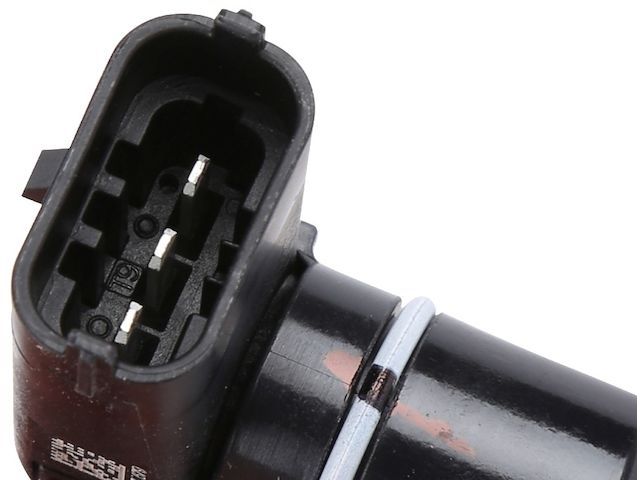
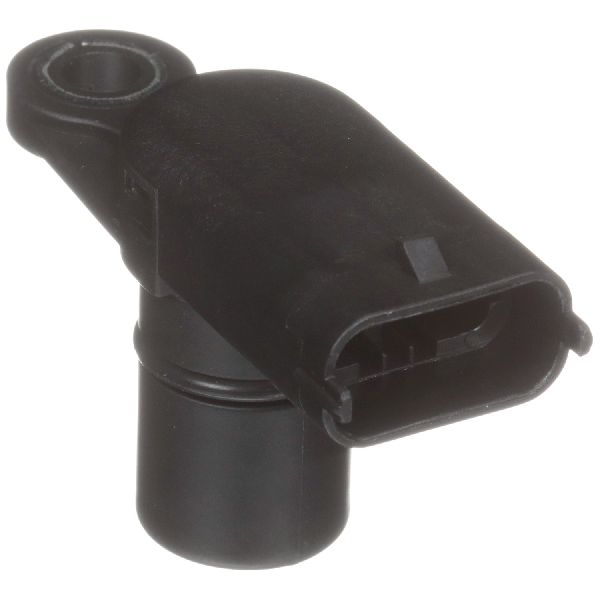
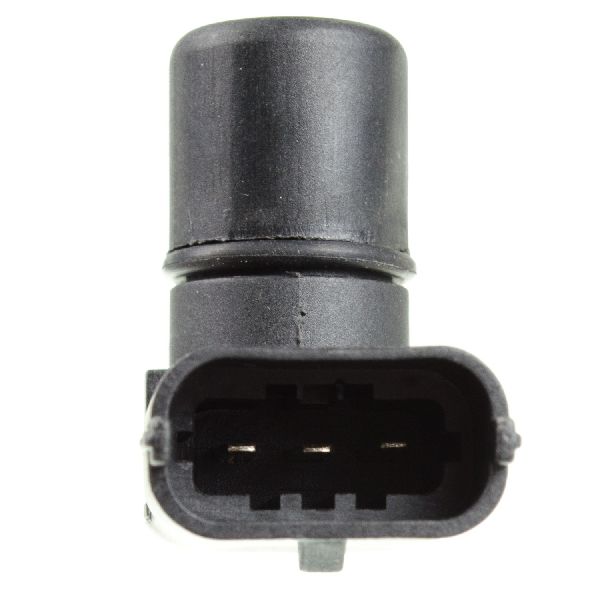
- Exhaust Camshaft Position Actuator Solenoid Valve
(OEM #12679100)— This is the most common failure point for code P0013 on this vehicle, as documented by multiple GM Technical Service Bulletins due to an internal broken wire. This part number (12679100) is the current version and supersedes older numbers like 12662737 and 12655421.
Trusted brands: ACDelco, GM Genuine
OEM price range: $45-$75
Aftermarket price range: $30-$60 - Intake Camshaft Position Actuator Solenoid Valve
(OEM #12679099)— This is the corresponding part for the intake camshaft. Since it is identical in design and subject to the same failure mode, GM TSB 17-NA-098 recommends replacing both solenoids at the same time to prevent future issues.
Trusted brands: ACDelco, GM Genuine
OEM price range: $45-$75
Aftermarket price range: $30-$60
Related Codes That Often Appear With This One
- P0010 — P0010 is the equivalent code for the *intake* camshaft position actuator solenoid circuit. The TSBs from GM often mention both codes together, as the solenoids are of a similar design and prone to the same internal failure.
- P0014 — P0014 indicates the exhaust camshaft timing is over-advanced. A stuck or malfunctioning P0013 solenoid can cause the cam phaser to be in the wrong position, triggering this related timing code. TSB 17-NA-098 mentions this code in conjunction with P0013.
Technical Service Bulletins (TSBs) & Recalls
- 18369: Notes that a broken solenoid valve will set P0013 and cause drivability issues like rough idle and reduced torque.
- GCUS-9-2816: A reference to the special coverage bulletin 15824, confirming the cause is an internal broken wire.
- 15824 BULLETIN: A P0013 diagnostic trouble code (DTC) may set as a result of an internal broken wire in the exhaust camshaft position actuator solenoid.
Platform-Specific Known Issues
- GM Special Coverage Adjustment 15824 was issued for 2013 models with the 2.0L LTG or 2.5L LCV engine. It states a P0013 code may set due to an 'internal broken wire in the...exhaust camshaft position actuator solenoid'.
- The special coverage extended the warranty on this specific part to 10 years or 120,000 miles (193,000 km) from the vehicle's in-service date, covering the replacement at no charge to the customer. As of the current date, this coverage is likely expired for most vehicles.
- TSB 17-NA-098, which applies to a wider range of GM vehicles including the ATS, recommends replacing *both* the intake and exhaust camshaft solenoids if codes like P0013 or P0014 are found, and also suggests verifying the ECM has the latest software calibration.
Mechanic-Grade Diagnostic Values
- Exhaust Camshaft Position Actuator Solenoid Resistance — expected: 6.9 - 7.9 Ohms at 20°C (68°F). Failure: An open circuit (OL or infinite resistance) indicates the common 'internal broken wire' failure. A reading significantly outside the expected range also indicates failure.
Scan Tool Commands That Help
- GDS2 (or equivalent professional scan tool): Camshaft Position Actuator Control / VVT Actuator Test — Use this bidirectional control when the solenoid's resistance tests good but a problem is still suspected. Commanding the solenoid 'on' at idle should cause a noticeable change in engine RPM or make it stumble. If there is no change, it points to a clogged oil passage or a faulty cam phaser, rather than an electrical fault.
Wiring & Ground Locations
- G110 — On the upper rear of the cylinder head for 2.0L/2.5L engines.. This is a primary engine ground. A loose or corroded connection at G110 can cause intermittent and difficult-to-diagnose electrical issues for various engine components, including the VVT solenoids. GM has noted potential for loose connections at this ground.
- Exhaust Camshaft Phaser Solenoid Wiring — In the engine harness leading to the 2-pin connector on the solenoid.. The control wire from the ECM to the exhaust solenoid is a Gray/Blue (GY/BU) wire. Knowing the wire color helps in tracing the circuit and testing for voltage or continuity back to the ECM.
Real Owner Repair Stories
- YouTube video by '614Lyfe' (2013 Cadillac ATS 2.0T) — Check engine light on, car felt sluggish with a loss of power, especially under acceleration or going up a hill.
❌ Tried (didn't work) The owner went straight to the likely cause after getting the code read.
✅ What actually fixed it Replaced both the intake (12662736) and exhaust (12662737, an older part number) camshaft actuator solenoids. The video shows the process and confirms this resolved the issue. - YouTube video by 'aldelmonte' (2013 Cadillac ATS) — An error code suggesting a problem with the intake or exhaust solenoid for camshaft adjustment.
✅ What actually fixed it Replaced both the intake and exhaust camshaft actuator solenoids. The owner noted the old exhaust solenoid had some gritty, metallic-feeling junk on its screen upon removal.
OEM Part Supersession History
12578518, 12628348, 12646784, 12655421, 12662737→12679100— Likely an updated design to resolve the common 'internal broken wire' failure mode documented in GM's Special Coverage 15824.
Helpful Videos

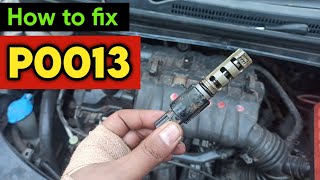

We Have This Part in Stock


The information in this article is provided for general reference and educational purposes only. Vehicle specifications, procedures, and part compatibility can vary by production date, trim level, and region. Always consult your vehicle's factory service manual and verify part numbers before purchasing or performing repairs. Safety-critical components such as airbags, seat belts, and braking systems should be installed by a qualified professional.
- Cadillac ATS:
- 🧭 Diagnostic Flowchart
- 🎬 Helpful Videos
- 🛍️ Shop This Part
- What's Unique About the 2013-2014 Cadillac ATS
- Symptoms You May Notice
- Most Likely Causes
- Rare But Worth Checking
- Diagnosis Steps
- Parts You'll Likely Need
- Related Codes That Often Appear With This One
- Technical Service Bulletins (TSBs) & Recalls
- Platform-Specific Known Issues
- Mechanic-Grade Diagnostic Values
- Scan Tool Commands That Help
- Wiring & Ground Locations
- Real Owner Repair Stories
- OEM Part Supersession History
- 🎟️ Get 5% Off